Support

Montevideo

About

Welcome to Montevideo, the vibrant and eclectic capital of Uruguay. As the political, cultural, and economic hub of the nation, this city offers a unique blend of colonial charm and modern urban energy. It is renowned for its high quality of life, relaxed atmosphere, and rich architectural heritage that ranges from Art Deco to Neoclassical styles.

Situated on the northeastern bank of the majestic Río de la Plata, Montevideo serves as the country's chief port and home to approximately 1.7 million people—nearly half of Uruguay's entire population. The city enjoys a temperate climate with mild winters and warm summers, making it a pleasant destination year-round. Its coastal location defines much of its character, providing endless views of the river that looks like an ocean.
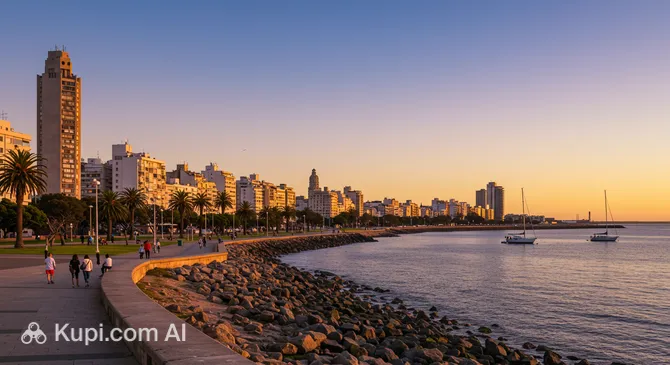
Montevideo. Source: Kupi.Binoculars

The city is deeply connected to its past, and visitors can easily trace the fascinating history of Montevideo while wandering through its diverse neighborhoods. One of the most iconic features is the Rambla, a continuous waterfront promenade that stretches for over 22 kilometers, perfect for walking, cycling, or simply watching the sunset with the locals.

Travelers should not miss the Ciudad Vieja (Old City), where historic buildings meet bustling markets. Here, you can explore the Mercado del Puerto, a gastronomic landmark famous for its traditional parrilla (steakhouse) experiences. Whether you are looking for cultural museums, sandy beaches, or lively street performances, Montevideo invites you to discover its friendly spirit and hidden gems.
Weather Overview

Travelers can generally expect a pleasant, temperate climate when visiting the Uruguayan capital. To get a comprehensive forecast for your specific travel dates, be sure to check the detailed guide to the weather in Montevideo. The city experiences distinct seasons, but extreme temperatures are rare, making it a comfortable destination for exploration throughout the year.

The summer months, spanning from December to February, are the warmest time of year. January typically sees the highest temperatures, with an average of 23.7°C and daily peaks reaching up to 27.9°C. This season is perfect for outdoor activities and enjoying the promenade, as the heat is often tempered by the river breeze. Even in the transition months like November and March, the weather remains agreeable with maximums often exceeding 23°C.

Winters are cooler but remain relatively mild. July is usually the coldest month, where the average temperature dips to 11.3°C and nighttime lows can reach 8.1°C. If you are visiting between June and August, it is advisable to pack layers, as daily highs hover around 14°C to 15°C.

Rainfall is fairly consistent in terms of frequency throughout the year. Regardless of when you visit, you can expect precipitation on approximately 7 to 10 days per month. March tends to have slightly more wet days, while the rest of the year sees a steady pattern of occasional rain. Overall, visitors should expect warm summers with occasional showers and cool, generally dry winters.

Interesting Facts

Beyond its relaxed coastal vibe and colonial charm, Montevideo holds a collection of record-breaking titles and cultural milestones that often surprise visitors. From architectural giants to global sporting history, the Uruguayan capital is a city of fascinating secrets waiting to be uncovered.

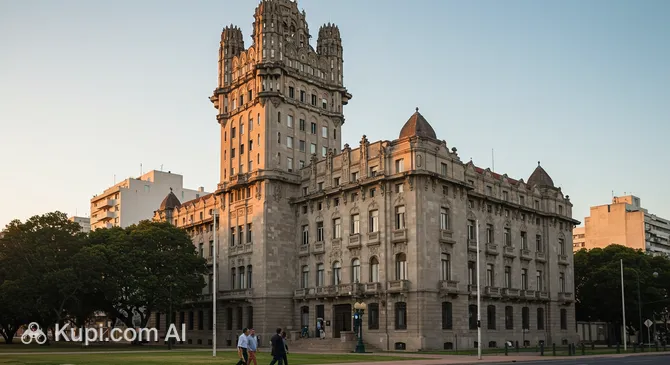
Salvo Palace. Source: Kupi.Binoculars
  • Montevideo hosts the longest carnival celebration in the world. Unlike the brief festivities found elsewhere, the city's carnival lasts for over 40 days, typically spanning from late January to early March. This marathon of culture features vibrant parades and unique musical styles like candombe and murga, which are deeply rooted in the country's heritage and can be explored further at the Carnival Museum.
  • The skyline is dominated by the eclectic Salvo Palace, which was the tallest building in South America when it was inaugurated in 1928. Interestingly, this architectural icon stands on the exact site of the former Café La Giralda, where the world's most famous tango, "La Cumparsita," was composed and first played in 1917.
  • The city is the birthplace of the FIFA World Cup. In 1930, Montevideo was the sole host of the very first tournament, with every match played within its limits. The massive Estadio Centenario was constructed in a record-breaking nine months specifically for the event and remains the only stadium declared a "Historical Monument of World Football" by FIFA.
  • Montevideo boasts one of the longest continuous sidewalks in the world. The famous Rambla stretches for over 22 kilometers along the coastline, linking diverse neighborhoods and scenic spots like the Punta Carretas Promenade. It serves as a communal "living room" where locals gather daily to drink mate and watch the sunset over the Río de la Plata.

How to Get There

Reaching the Uruguayan capital is relatively straightforward, with air travel being the most convenient option for international visitors. For a comprehensive guide on all available transport methods, including ferries and buses, you can read more about how to get to Montevideo.

The primary gateway to the city is Carrasco International Airport (IATA: MVD). Located just outside the city limits, it is the country's main hub and a modern facility serving flights from the region, North America, and Europe. The airport is situated approximately 16 km from the city center. A journey by taxi or transfer typically takes around 45 minutes, depending on traffic. It is a medium-sized airport known for its stunning architecture and efficiency.

Another option within Uruguay is the Capitan de Corbeta Carlos A. Curbelo International Airport (IATA: PDP), located in the resort city of Punta del Este. While this airport is smaller and often busier during the summer season, it serves as an alternative entry point. It is located about 100 km from Montevideo. Travelers landing here should expect a transfer taking approximately 1.5 to 2 hours by road to reach the capital.

Many travelers also choose to fly into neighboring Argentina via Jorge Newbery Airport (IATA: AEP) or Ministro Pistarini Airport (IATA: EZE) in Buenos Aires. Although these large international hubs are about 200 km away in a straight line across the Río de la Plata, they offer extensive global connections. From Buenos Aires, visitors can easily reach Montevideo by taking a scenic ferry ride or a short connecting flight.

For clarity, here is a summary of the main airports:

Airport Name City Passenger Traffic Km from City
Jorge Newbery Airport Buenos Aires Large 207.9
Ministro Pistarini Airport Buenos Aires Large 215.1
Carrasco International Airport Montevideo Medium 16.0
Capitan de Corbeta Carlos A. Curbelo International Airport Punta del Este Small 99.9

Regarding rail transport, Montevideo does not currently have a functioning passenger railway network for tourists. The historic General Artigas Central Station is an architectural landmark, but it is no longer in active use for regular travel. Instead, the city is well-connected by an extensive network of long-distance buses. The Tres Cruces Terminal serves as the main hub for arrivals from other parts of Uruguay and neighboring countries like Brazil and Argentina.

Main Attractions

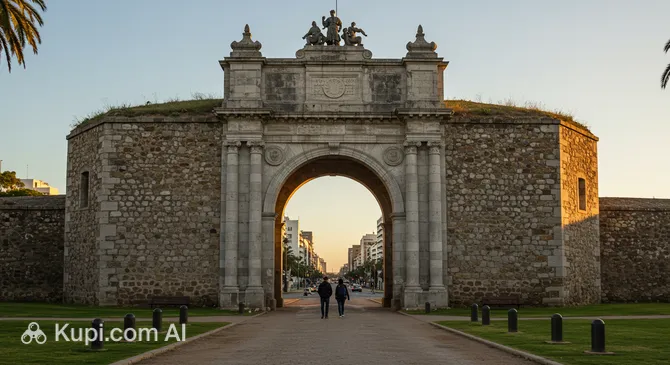
Montevideo is a city where history and modernity coexist seamlessly, offering visitors a rich tapestry of architectural marvels and cultural landmarks. A perfect starting point for any tour is the Gateway of the Citadel. This stone gateway is one of the few remaining sections of the wall that once surrounded the colonial city. Standing between the bustling Plaza Independencia and the pedestrian Sarandí street, it serves as the symbolic entrance to the Old City (Ciudad Vieja), inviting travelers to step back in time.

Gateway of the Citadel. Source: Kupi.Binoculars

Just a short walk into the historic quarter, you will find the Montevideo Metropolitan Cathedral. Located directly across from the charming Plaza Matriz, this Neoclassical church is the main Roman Catholic seat in the city. Its twin towers and beautifully preserved interior make it a peaceful refuge from the city streets and a significant site for understanding the religious heritage of the capital.

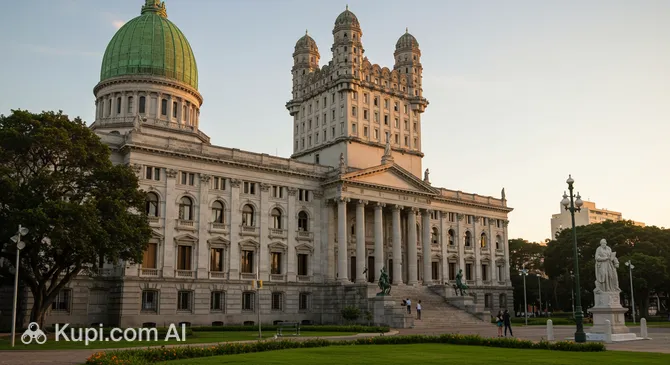
For those interested in grand architecture, the Legislative Palace is an absolute must-see. Inaugurated in 1925 to celebrate the centenary of Uruguay's independence, this imposing marble structure is considered one of the most beautiful governmental buildings in the world. Visitors can admire its lavish details, including stained glass, intricate mosaics, and bronze statues that represent the nation's democratic values.

Legislative Palace. Source: Kupi.Binoculars

To capture the best panoramic views of the bay and the skyline, head to the Fortress of the Hill (Fortaleza del Cerro). Perched atop the highest point in Montevideo, this colonial-era fort played a crucial role in defending the port. Today, it houses a military museum and offers a stunning vantage point where you can see the entire city stretching out along the Rio de la Plata.

Local Cuisine

The culinary landscape of Montevideo is a dream for meat lovers, centered deeply around the traditional parrilla (steakhouse). The wood-fired barbecue, known as asado, is not just a meal but a cultural ritual. Unlike in other countries where charcoal is used, Uruguayan grill masters typically use wood embers to cook high-quality beef slowly, imparting a distinct smoky flavor. Visitors should look for cuts like tira de asado (short ribs) or pulpón (rump steak), often served with a side of chimichurri sauce.

Another gastronomic icon that every tourist must try is the chivito. Often described as the ultimate steak sandwich, it is a hearty dish consisting of a thin slice of tenderloin beef topped with mozzarella, ham, tomatoes, lettuce, and bacon, often finished with a fried egg. It is usually served with a generous portion of french fries. Whether you order it al pan (in a bun) or al plato (on a plate without bread), it is a filling meal that perfectly represents the local appetite.

When it comes to beverages, the local culture is defined by mate, a caffeine-rich herbal infusion drunk from a hollow gourd through a metal straw called a bombilla. While it is more of a daily social habit than a drink you order in a restaurant, you will see locals carrying their thermos flasks everywhere. For something alcoholic, Uruguay is famous for its Tannat wines, a robust red varietal that pairs perfectly with the local beef. Another unique drink is Medio y Medio, a refreshing mix of dry white wine and sparkling wine.

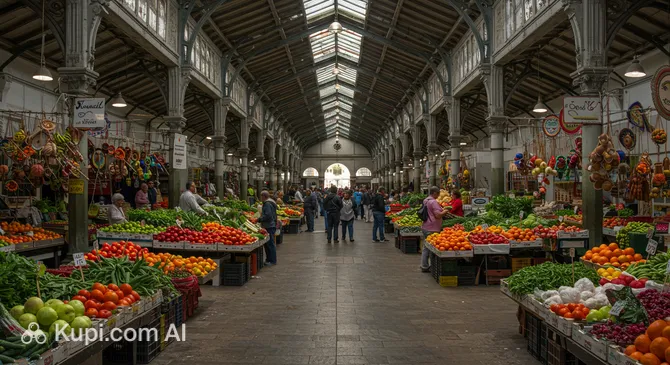
For a diverse dining experience, markets are the place to be. The renovated Montevideo Agricultural Market (MAM) is a fantastic spot to explore. Housed in a beautifully restored architectural gem, it offers a wide array of fresh produce, gourmet shops, and food stalls where you can sample local treats in a vibrant atmosphere.

Montevideo Agricultural Market. Source: Kupi.Binoculars

Dining out in Montevideo is a relaxed affair, with dinner typically served late, often after 9:00 PM. The city offers a range of options from casual street food stands selling tortas fritas (fried dough) to upscale establishments. For those seeking a classic dining experience known for its exceptional seafood and grilled meats, the restaurant Garcia is a reputable choice that has been serving locals and visitors for decades.

Travel Tips

To ensure your visit to Montevideo is as relaxing and enjoyable as the city itself, a little preparation goes a long way. These practical tips are designed to help you navigate local customs, logistics, and daily life in the Uruguayan capital with ease.

  1. Clothing and Gear: The weather can be changeable due to the coastal location, so packing layers is essential regardless of the season. Even in summer, evenings by the river can be breezy. Bring comfortable walking shoes, as the historic Ciudad Vieja has cobblestone streets and the Rambla invites long walks. For electronics, Uruguay typically uses plug types C, F, I, and L, so a universal travel adapter is highly recommended.
  2. Transportation: Montevideo does not have a subway system, but it boasts an extensive and reliable bus network that covers the entire city. You can check routes using the "STM Montevideo" app. For more direct travel, ride-hailing apps like Uber are widely available and safe. Walking is the best way to explore the downtown and waterfront areas, while renting a car is only really necessary if you plan to venture outside the city limits.
  3. Finances and Savings: The local currency is the Uruguayan Peso (UYU). A major tip for tourists is to pay for restaurant meals and car rentals using a foreign credit or debit card. The government often offers an automatic VAT (IVA) refund of roughly 18-22% on these transactions, making it significantly cheaper than paying in cash. Tipping around 10% is standard in restaurants if service is not included.
  4. Health and Safety: Montevideo is one of the safest capitals in Latin America, but standard precautions apply. Avoid walking alone in the port area or deep inside the Old City late at night when the streets empty out. Pharmacies, marked by a green cross, are plentiful and often open 24/7. Tap water is generally safe to drink, but bottled water is widely available if you prefer.
  5. Communication: The official language is Spanish, spoken with a distinct Rioplatense accent similar to Buenos Aires. While staff in major hotels and tourist restaurants often speak English, it is not universally spoken in smaller shops or by bus drivers. Learning basic phrases like hola (hello), gracias (thank you), and permiso (excuse me) will be appreciated. For mobile data, you can easily buy a prepaid SIM card from Antel, the state-owned provider with the best coverage.
  6. Local Etiquette: Uruguayans are warm and informal. The standard greeting, even between casual acquaintances, is a single kiss on the right cheek. If you are invited to share mate (the local herbal tea), never stir the straw (bombilla) with your hand, as this is considered rude and ruins the preparation.
  7. What to Avoid: Avoid comparing Uruguay constantly to its neighbors or treating it merely as a side trip from Argentina; locals are proud of their distinct history and progressive culture. Also, avoid flashing expensive jewelry or electronics in quiet neighborhoods after dark.
  8. Sunday Tradition: If you are in the city on a Sunday, do not miss the Tristán Narvaja Street Market. It is not just a place to buy antiques, books, and food, but a massive social event where locals gather. It is the perfect spot to experience the true atmosphere of Montevideo.

Armed with these insights, you are ready to immerse yourself in the laid-back rhythm of Montevideo. Whether you are strolling along the endless promenade or enjoying a steak dinner with a discount, these tips will help you travel smart and focus on making memories.

Entertainment & Nightlife

Entertainment and Nightlife:

Montevideo comes alive after the sun sets, offering a nightlife scene that is as diverse as it is late-starting. The city’s evening culture is relaxed but enduring, with locals often dining after 9:00 PM and bars filling up well close to midnight. Whether you prefer sipping craft beer in a hip neighborhood or dancing until dawn near the river, the Uruguayan capital has something to suit every mood.

The trendiest districts for a night out are currently Cordón and Parque Rodó. These areas have transformed into vibrant hubs filled with design shops, cultural centers, and bustling breweries. For a taste of the local craft beer revolution, Sumo Brew Pub is a popular choice, offering a wide selection of local brews in a friendly, industrial-style setting. Just a short distance away, Bar Brecha provides a more intimate atmosphere, perfect for conversations over cocktails and tapas.

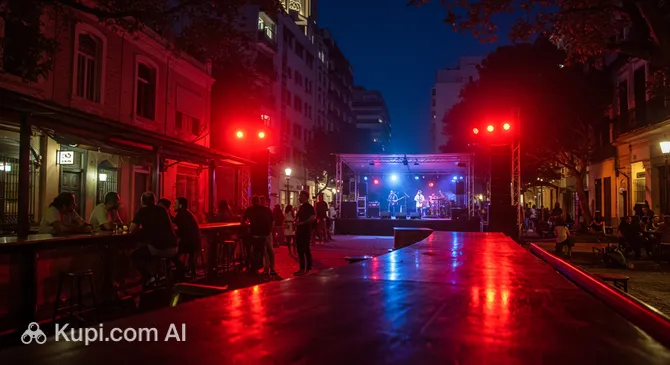
Plaza Mateo. Source: Kupi.Binoculars

For those looking to combine dining with entertainment by the waterfront, Plaza Mateo is a fantastic destination. Located near the rambla, this complex hosts various gastronomic options and often features live music or DJ sets, making it a lively spot to spend the entire evening. If you are interested in larger concerts or themed parties, the Montevideo Music Box is a key venue that regularly hosts international and local acts.

When planning your night, keep in mind that the action starts late. Clubs usually do not open their doors until 1:00 AM or later. The dress code is generally "smart casual"—stylish but not overly formal. In terms of safety, while areas like Pocitos and Punta Carretas are safe for evening strolls, it is advisable to use ride-hailing apps (like Uber) or radio taxis when moving between districts late at night, rather than walking long distances in quieter zones.

During the daylight hours, the entertainment options are equally engaging. Families and thrill-seekers can visit the historic Parque Rodó Amusement Park, which offers classic rides in a beautiful park setting. For a dose of high culture, the National Museum of Visual Arts showcases an impressive collection of Uruguayan art, providing a perfect counterpoint to the city's energetic nightlife.

Parks & Museums

Montevideo is a city that prides itself on its abundant green spaces and rich cultural institutions, offering visitors a perfect balance between nature and history. The capital is dotted with expansive parks and diverse museums that cater to all interests, from classical art to poignant historical events.

One of the most significant cultural stops is the Andes 1972 Museum. Located in the Old City, this moving exhibition is dedicated to the 1972 Andes flight disaster involving a Uruguayan rugby team. Through personal objects, documents, and testimonies, it honors the memory of the victims and the resilience of the survivors, providing a deeply emotional experience for visitors.

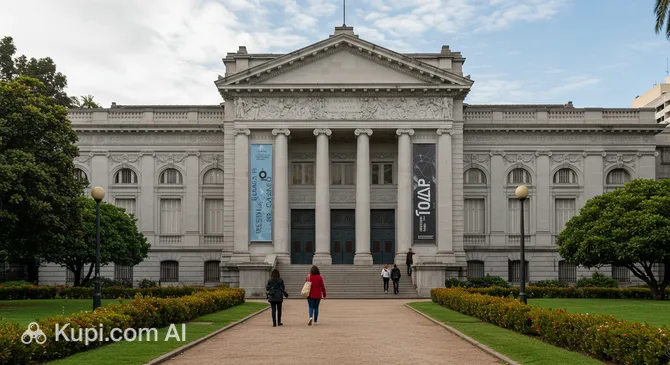
For art enthusiasts, the Juan Manuel Blanes Museum is an essential destination. Situated in the historic Prado neighborhood, the museum is housed in a magnificent 19th-century villa surrounded by gardens. It specializes in national art, featuring the works of Juan Manuel Blanes, known as the "Painter of the Fatherland," alongside other prominent Uruguayan artists.

Juan Manuel Blanes Museum. Source: Kupi.Binoculars

The Prado neighborhood itself is the green heart of the city and a favorite escape for locals. Here, you will find the Montevideo Botanical Garden, a sprawling park that showcases a vast collection of native and exotic flora. It is an ideal spot for a peaceful walk, picnics, or simply enjoying the fresh air away from the urban bustle.

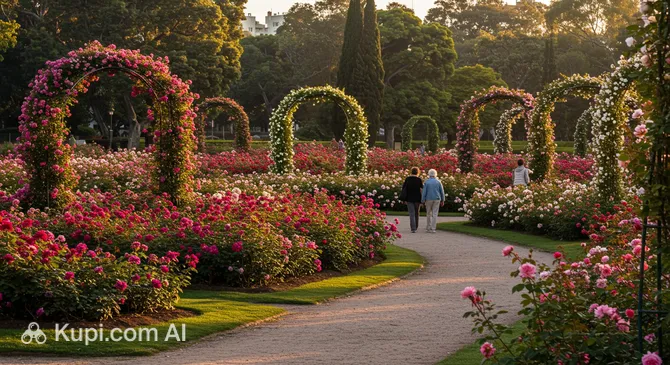
Within the same parklands lies The Rose Garden (El Rosedal). Created in 1912, this exquisite garden features four pergolas and a central fountain, housing more than 12,000 rose bushes. It is particularly stunning in spring when the flowers are in full bloom, creating a colorful and fragrant atmosphere.

The Rose Garden (El Rosedal). Source: Kupi.Binoculars

Another architectural gem transformed into a cultural space is the Palacio Taranco. Located near Plaza Zabala, this French-style palace houses the Museum of Decorative Arts. Visitors can admire the opulent interiors, including period furniture, tapestries, and classical sculptures, offering a glimpse into the lifestyle of the Uruguayan aristocracy in the early 20th century.

Getting Around

Public transport in Montevideo is primarily defined by an extensive and efficient bus network. Unlike many other South American capitals, the city does not have a subway (metro) or tram system. Instead, buses serve as the lifeline of local mobility, connecting the historic Old City with suburban neighborhoods and the lengthy coastline. The system is run by several companies, with the buses typically painted in distinct colors, though they all operate under a unified metropolitan regulation.

For tourists, the most convenient way to pay for rides is using the STM (Sistema de Transporte Metropolitano) card. While you can still pay the driver or conductor in cash using Uruguayan Pesos, using the STM card offers a discounted fare and the ability to make transfers between different bus lines within a one-hour or two-hour window without paying extra. You can obtain and recharge these cards at various "Abitab" or "Redpagos" locations throughout the city, as well as at authorized booths.

Navigating the bus routes is relatively straightforward thanks to modern technology. Visitors are advised to download the official "STM Montevideo" app or use other navigation apps like Moovit or Google Maps to plan their journeys. These tools provide real-time information on schedules, bus stops, and the best routes to reach major attractions. Buses generally run frequently from early morning until late evening, though service frequency decreases significantly after midnight.

If you prefer more direct and private transportation, taxis are plentiful and generally safe. They are easily engaging by their yellow and white color scheme. All taxis run on meters, and it is common to round up the fare to the nearest ten pesos as a tip. Alternatively, ride-sharing apps like Uber are widely available, legal, and popular in Montevideo, offering a convenient option for travelers who prefer to pay via their smartphones and avoid language barriers.

For those who enjoy active travel, Montevideo is a very bike-friendly city, particularly along the Rambla. This flat, scenic promenade is perfect for cycling, and there are several private bike rental shops located near the coast and in the Ciudad Vieja. While there is no passenger train service for getting around the city, the compact nature of the downtown area makes walking a viable and enjoyable option for exploring the main historic sights.

Accommodation

Accommodation in Montevideo is diverse, catering to a wide spectrum of travelers ranging from backpackers to luxury seekers. The city offers a well-balanced mix of options, including historic boutique hotels, international chains, modern apartments, and budget-friendly hostels. Unlike some sprawling metropolises, the main tourist areas here are relatively compact, allowing visitors to choose a base that best suits their interests, whether that be history, beach life, or shopping.

For those who want to be in the heart of the action and close to historical landmarks, the Centro and Ciudad Vieja districts are ideal. Staying here places you within walking distance of the main squares and museums. A notable focal point in this area is Plaza Cagancha, which marks "kilometer zero" of Uruguay's road network. Hotels in this zone often occupy renovated older buildings, offering character and convenience for urban explorers who want to be steps away from the city's cultural heritage.

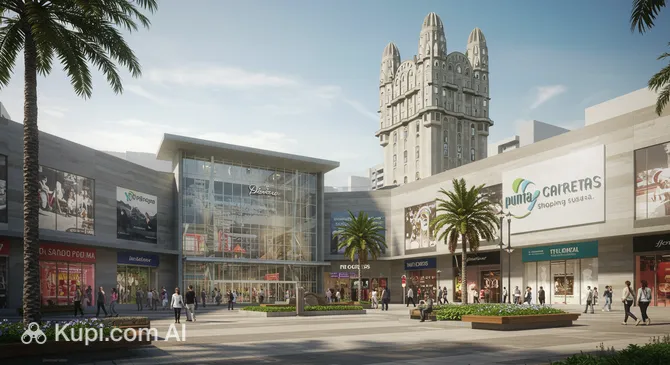
Travelers seeking a more modern and upscale experience often prefer the coastal neighborhoods of Punta Carretas and Pocitos. These areas are known for their safety, vibrant dining scenes, and proximity to the waterfront promenade (Rambla). This part of the city is home to many high-end hotels and is a hub for fashion and leisure. A major landmark here is the Punta Carretas Shopping mall; staying nearby ensures you have easy access to excellent amenities, cinemas, and some of the city's best restaurants.

Punta Carretas Shopping. Source: Kupi.Binoculars

If you prefer a quieter, more exclusive atmosphere, the neighborhood of Carrasco is the premier choice. Located near the airport and further east along the coast, this garden district is characterized by elegant mansions and luxury beach resorts. It is perfect for those looking for a relaxing retreat away from the downtown bustle, though it requires a longer commute to reach the historic center.

Regarding costs and booking, Montevideo is generally more affordable than major European capitals but can be pricier than other South American cities. Prices fluctuate significantly with the seasons. The peak tourist season runs from December to February (summer), during which prices rise and availability drops. It is highly recommended to book your accommodation several weeks in advance if you plan to visit during these months or during Carnival. Most properties can be easily booked via major online platforms, though some smaller guesthouses may offer better rates if contacted directly.

Nearby Cities

For those looking to explore the surroundings, Montevideo serves as an excellent base for day trips to several interesting nearby locations. Just a short distance from the capital lies Las Piedras, a city rich in history and often celebrated as the heart of the country's wine region. It offers a perfect escape for those interested in vineyard tours and learning about the local viticulture. Further east, Maldonado provides a mix of colonial architecture and modern life, serving as a cultural gateway to the Atlantic coast and the famous resort areas nearby.

For travelers seeking nature and landscapes, Minas is a standout destination. Surrounded by rolling hills and "sierras," it is an ideal spot for hiking, visiting the nearby Salus Park, or climbing the Cerro Arequita. These towns provide a delightful contrast to the urban bustle of Montevideo, showcasing the quieter, pastoral, and historic sides of Uruguay.

City Population Distance (km)
Maldonado 104032 113
Las Piedras 71268 20
Minas 38446 105
San Jose de Mayo 36747 79
Florida 33639 90

These nearby destinations offer a glimpse into the diverse culture and landscapes of the region.

Shopping & Souvenirs

Shopping in Montevideo offers a relaxed yet rewarding experience, blending modern retail convenience with deep-rooted traditions. While the city may not have the overwhelming scale of some global fashion capitals, it is celebrated for the high quality of its local craftsmanship. Visitors can expect to find exceptional leather goods, fine wool products, and unique artisanal handicrafts that reflect the country's heritage.

For a traditional high-street atmosphere, the bustling Avenida 18 de Julio is the city's commercial spine. Stretching through the downtown area, this avenue is lined with a variety of stores selling everything from electronics and clothing to books and souvenirs. It is a great place to walk, window shop, and soak in the urban rhythm of the capital.

Travelers looking for a comprehensive retail experience should visit the city's shopping malls. The most famous and architecturally significant is the Punta Carretas Shopping. Located in a chic residential neighborhood, this mall is housed in a former prison, retaining its historic façade while offering a modern interior filled with international brands, a cinema, and a food court.

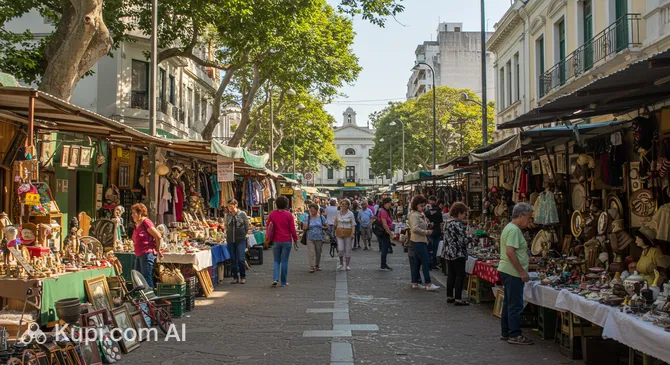
Markets are arguably the most interesting part of the local shopping scene. If your visit includes a Sunday, you must explore the Tristán Narvaja Street Market. This massive open-air fair takes over the streets of the Cordón district, selling a dizzying array of items including antiques, books, pets, and spare parts. It is a vibrant cultural event where you can find truly one-of-a-kind treasures.

Tristán Narvaja Street Market. Source: Kupi.Binoculars

For a more gourmet-focused outing, the Montevideo Agricultural Market (MAM) is an excellent choice. Set in a beautifully restored iron structure, it offers fresh produce, specialty spices, and artisanal foods that make for perfect edible souvenirs.

When searching for souvenirs, look for items that define Uruguayan culture. A mate gourd and bombilla (metal straw) are the quintessential local gifts. The country is also a major producer of semi-precious stones, particularly amethysts and agates, which are available as jewelry or decorative pieces. High-quality leather jackets and wool sweaters, often from rural cooperatives like "Manos del Uruguay," are also highly recommended investments.

Store hours in Montevideo are generally from 9:00 AM or 10:00 AM to 7:00 PM on weekdays, with many smaller shops closing on Saturday afternoons and Sundays. Shopping malls, however, stay open daily until 10:00 PM. Credit and debit cards are widely accepted, even in many market stalls.

Tourists can also take advantage of the Tax-Free shopping system. Foreign visitors using foreign credit or debit cards can obtain a refund of the VAT (Value Added Tax) on purchases of clothing, leather goods, and crafts at participating stores. Be sure to ask for the tax refund form at the time of purchase to process it at the airport or port when leaving the country.

Reached the end of the page?

That means the route is fully explored