Known as the "Saint-Tropez of South America," Punta del Este is a dazzling resort city that seamlessly blends natural beauty with sophisticated urban living. Located on a narrow peninsula in the Maldonado Department of Uruguay, this coastal gem marks the point where the waters of the Rio de la Plata meet the vast Atlantic Ocean, creating a unique environment with diverse coastlines.
While the permanent population stands at approximately 9,300 residents, the city transforms into a bustling metropolis during the summer season, attracting visitors from all over the globe who come to enjoy its mild oceanic climate. To understand how this area evolved from a quiet fishing settlement into a premier international destination, exploring the history of Punta del Este offers fascinating insights into its development and cultural heritage.
Punta del Este. Illustration.
Source: Kupi.com AI
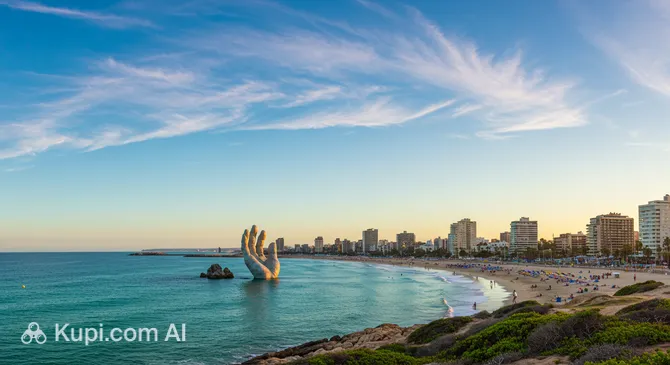
The city is renowned for its distinct beaches: Playa Mansa, with its calm river waters ideal for families and swimming, and Playa Brava, famous for its powerful ocean waves and the iconic sculpture La Mano (The Hand) emerging from the sand. Visitors can also enjoy a vibrant nightlife, luxury shopping along Gorlero Avenue, or take a short trip to the nearby architectural marvel, Casapueblo, which serves as a museum and hotel built by artist Carlos Páez Vilaró.
Whether you are looking to relax on pristine white sands, enjoy world-class dining, or experience the energetic social scene, Punta del Este offers an unforgettable escape. It is a destination that truly caters to every type of traveler, promising both relaxation and excitement in equal measure.
Weather Overview
The climate in this coastal city is generally mild and pleasant, characterized by warm summers and cool winters. During the peak tourist season in January and February, visitors can enjoy average temperatures around 22°C, with daytime highs often reaching 26.4°C. This creates ideal conditions for sunbathing and outdoor exploration, although the evenings can remain comfortably fresh with minimums near 19°C.
As the seasons change, the weather cools significantly. The winter months of June through August see average temperatures dip to approximately 11°C to 12°C, with July being the coldest month, featuring lows of roughly 8.5°C. It is advisable to pack layers if you plan to visit during this time, as the ocean breeze can make it feel brisker than the thermometer suggests.
Precipitation patterns show a consistent frequency throughout the year, typically bringing about 8 to 10 wet days per month, though the recorded volume of rain remains very low. Whether you are chasing the summer sun or a quiet winter escape, it is helpful to check the detailed weather in Punta del Este to pack appropriately for your trip.
Average monthly temperature
Average monthly precipitation
Interesting Facts
Beyond the glamorous beaches and high-rise apartments, Punta del Este holds several fascinating secrets and geographic curiosities that often escape the casual visitor. From hidden artistic treasures to unique natural phenomena, the city offers much more than just a summer resort experience.
The Meeting of Waters: The city marks the precise geographical boundary where the Río de la Plata ends and the Atlantic Ocean begins. At Punta de las Salinas – Southernmost Point of Uruguay, visitors can stand at the exact anchor point that separates the river's brown sediments from the ocean's blue currents, a contrast often visible on calm days.
A Race Against Time: The city's most famous landmark, The Hand of Punta del Este, was created in just six days during a sculpture contest in 1982. While other participants argued over prime spots in a public square, the Chilean artist Mario Irarrázabal quietly worked on the beach to finish his piece, which became the only sculpture from the event to remain permanently on site.
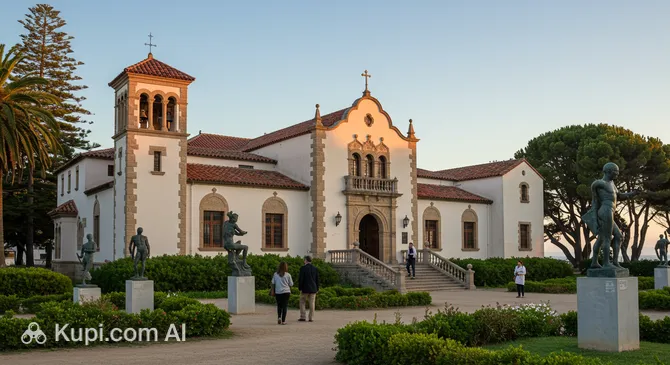
Hidden Art World: Tucked away in the Beverly Hills neighborhood is the Ralli Museum Punta del Este, the first of only five such museums in the world founded by Harry Recanati. It houses one of the most significant collections of contemporary Latin American art globally, along with sculptures by Salvador Dalí, all open to the public completely free of charge.
Kingdom of Sea Lions: Just a few miles offshore lies Isla de Lobos, a nature reserve that supports the largest non-migratory colony of sea lions in the Western Hemisphere. The island is also home to a historic lighthouse that stands as one of the tallest in South America, guiding ships through the treacherous Atlantic waters.
Ralli Museum Punta del Este. Illustration.
Source: Kupi.com AI
Traveler photos:
How to Get There
Planning a trip to this renowned coastal destination is straightforward, with options to suit different itineraries and budgets. Whether you prefer flying directly to the resort or enjoying a scenic drive from the capital, you can find more about how to get to Punta del Este and choose the route that best fits your travel plans.
For those seeking the utmost convenience, the city is served directly by Capitan de Corbeta Carlos A. Curbelo International Airport (IATA: PDP), also known as Laguna del Sauce International Airport. Located just 16.9 km from the city center, it is the primary hub for visitors specifically targeting the resort area. A taxi or shuttle ride from here to the downtown peninsula typically takes about 20 to 30 minutes. Although it handles a moderate volume of passengers compared to the capital's airport, it sees a significant increase in activity during the summer season.
Many international travelers also choose to fly into Carrasco International Airport (IATA: MVD), located in the city of Montevideo. Situated approximately 100.5 km away, this is the country's main international gateway and handles a large volume of passenger traffic year-round. From here, reaching Punta del Este is a seamless experience; a drive by rental car or a direct bus service generally takes between 1.5 to 2 hours, offering beautiful views of the coastline along the way.
For clarity, here is a summary of the main airports:
Regarding rail travel, it is important to note that Punta del Este is not currently connected by a passenger railway service. Visitors relying on public transport typically utilize the extensive and comfortable intercity bus network, which operates frequently from Montevideo and other major hubs, arriving directly at the main bus terminal in Punta del Este.
Main Attractions
While the city is famous for its beaches, the variety of attractions in Punta del Este extends far beyond the coastline. From cultural landmarks to entertainment hubs, the resort offers diverse experiences that cater to families, history buffs, and leisure seekers alike. Exploring these sites provides a deeper appreciation for the local lifestyle and heritage.
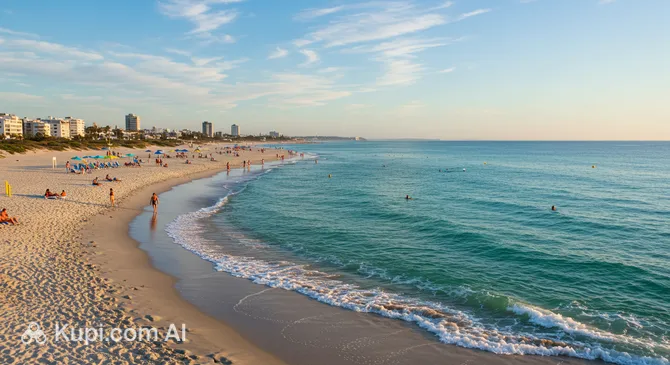
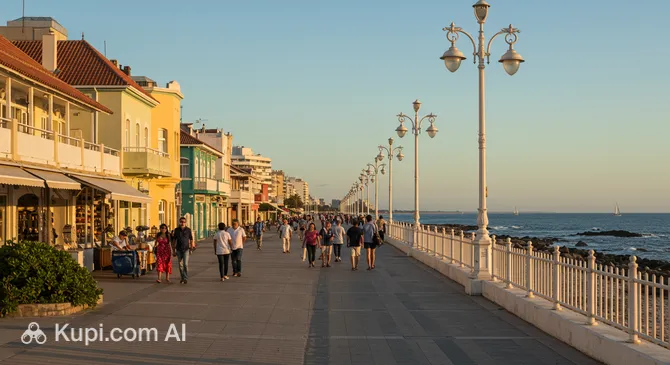
A visit to the peninsula is incomplete without stopping by Playa Mansa. Unlike the rougher waters of the Atlantic side, this beach faces the bay and offers calm, gentle waves, making it the perfect spot for families with children and swimmers. It is also renowned for its spectacular sunsets; watching the sun dip below the horizon from the wooden boardwalk is a daily ritual for many tourists. The beach is lined with paradores (beach clubs) where you can enjoy local seafood while taking in the view.
Playa Mansa. Illustration.
Source: Kupi.com AI
Traveler photos:
For those interested in local architecture and history, Our Lady of Candelaria Church is a charming landmark worth visiting. Located near the lighthouse, this sky-blue Catholic church is a serene place of worship that dates back to the early 20th century. Its beautiful yet simple design contrasts with the modern high-rises of the city, offering a peaceful retreat and a glimpse into the town's religious roots. Inside, visitors can admire the image of the Virgin of Candelaria, brought from Spain.
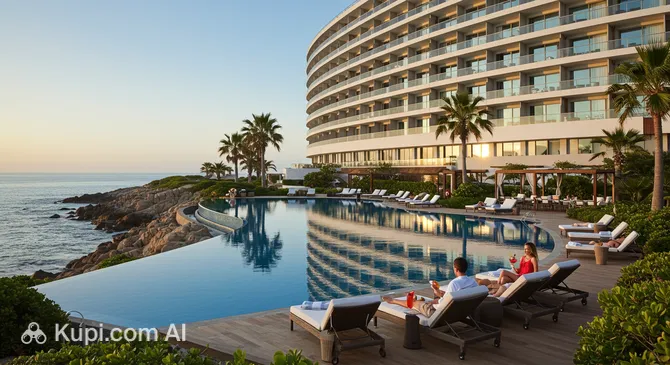
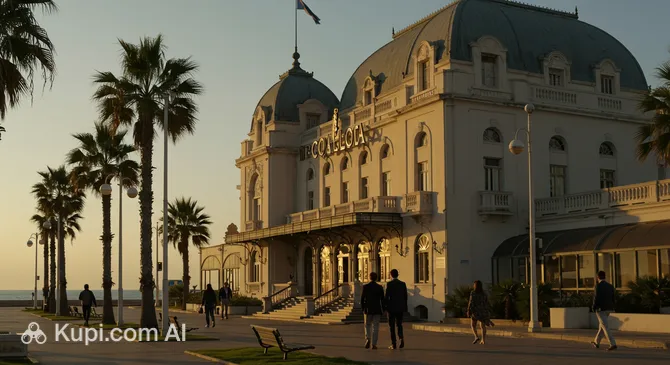
If you are looking for entertainment and glamour, the Punta del Este Resort and Casino is the epicenter of the city's nightlife and luxury scene. Often referred to as the "Las Vegas of South America," this iconic establishment attracts visitors from all over the region. Even if you don't gamble, the resort is interesting for its architectural grandeur, upscale restaurants, and the vibrant atmosphere that surrounds it, especially during the summer fashion shows and events.
Punta del Este Resort and Casino. Illustration.
Source: Kupi.com AI
Traveler photos:
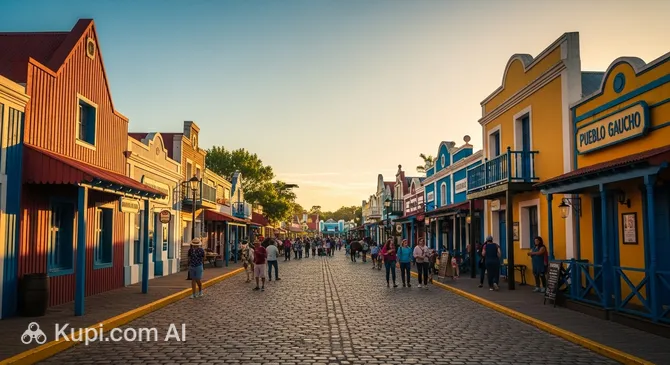
To experience the rural traditions of Uruguay without leaving the city, Pueblo Gaucho offers a unique cultural immersion. This theme park recreates a traditional country village, complete with a chapel, a ranch, and a general store. It is an educational and entertaining destination where tourists can learn about the gaucho (cowboy) lifestyle, view historical artifacts, and enjoy outdoor spaces that pay homage to the nation's agricultural heritage.
Pueblo Gaucho. Illustration.
Source: Kupi.com AI
Traveler photos:
Nature lovers and families will find a perfect escape at El Jagüel Park. Recently renovated, this expansive green space is famous for its large wooden sculptures and playgrounds designed for children of all ages. It features walking paths, native flora, and picnic areas, making it an ideal location for a relaxing afternoon away from the bustling beach scene. The park's whimsical design and open spaces make it a favorite among locals and visitors alike.
Local Cuisine
The culinary landscape of Punta del Este is a sophisticated blend of Uruguayan traditions and international influences, heavily shaped by its coastal location. As a premier seaside resort, the city offers an exceptional variety of flavors, where the rustic charm of traditional cattle ranching meets the fresh bounty of the Atlantic Ocean. Whether you are dining in an upscale restaurant near the port or grabbing a quick bite at a beach bar, the quality of ingredients is consistently high.
Meat lovers will find themselves at home here, as the asado (barbecue) is a cultural institution. Cooked slowly over wood embers rather than charcoal, the beef acquires a distinct smoky flavor and tender texture. Another must-try staple is the chivito, Uruguay's legendary sandwich. Far more than a simple snack, it is a hearty meal consisting of a thin slice of tenderloin steak (churrasco) stacked with mozzarella, ham, bacon, olives, and a fried or hard-boiled egg, often served with a mountain of French fries.
Given the city's peninsula geography, seafood is naturally a highlight. Visitors should look for the "catch of the day" at local restaurants, which often features brótola (hake) or corvina (drum fish). A popular appetizer to share is rabas (fried calamari rings) or miniaturas de pescado (small pieces of battered fish), which are perfect for enjoying with a squeeze of lemon while overlooking the ocean. In the nearby areas like La Barra, you might also find buñuelos de algas, unique seaweed fritters that are a salty, crispy local delicacy.
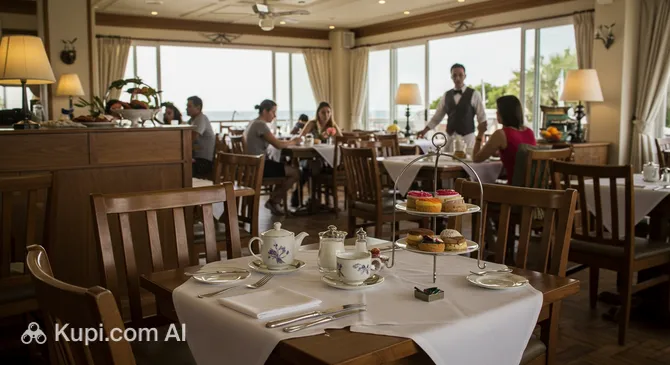
For a sweet afternoon treat, the city has a famous tradition that has become a tourist attraction in itself. The Belgian waffles served at L'Auberge Tea Room & Restaurant are iconic to Punta del Este. Served in a charming, elegant setting, these waffles are typically topped with generous amounts of dulce de leche, cream, or chocolate, making for an indulgent "merienda" (afternoon tea) experience.
L'Auberge Tea Room & Restaurant. Illustration.
Source: Kupi.com AI
Traveler photos:
When it comes to drinks, the local wine scene is thriving. Uruguay is world-renowned for its Tannat wines, a bold red varietal that pairs perfectly with the local beef. However, during the warm summer months, you will see jugs of clericó on almost every table. This refreshing punch is made from white wine mixed with a variety of chopped fresh fruits, similar to sangria but lighter and fruitier, making it the quintessential drink for a sunset by the beach.
The food culture in Punta del Este is social and relaxed, with dinner typically served quite late, often after 10:00 PM. For those who enjoy a more casual and eclectic atmosphere, the Box Garden offers a modern gastronomic market experience. Here, diverse food stands and bars come together in an open-air setting, allowing groups to sample different cuisines and cocktails in one vibrant location.
Box Garden. Illustration.
Source: Kupi.com AI
Traveler photos:
Travel Tips
Welcome to Punta del Este, the most exclusive resort destination in the region, where glamorous beaches meet laid-back charm. To help you navigate your stay smoothly and enjoy every moment of your vacation in Uruguay, we have compiled a list of essential practical advice.
Clothing and Gear: The vibe here is "chic but casual." During the high season (December to February), pack plenty of beachwear, sunglasses, and high-SPF sunscreen, as the sun is exceptionally strong in this part of the world. However, the Atlantic breeze can make evenings surprisingly cool, so bringing a windbreaker or a light sweater is essential. If you plan to visit upscale restaurants or the casino, pack a smart-casual outfit, though formal dress codes are rarely strict.
Transportation: While the peninsula itself is walkable, the best way to explore the surrounding areas like La Barra, José Ignacio, or Casapueblo is by renting a car. This gives you the freedom to visit different beaches at your own pace. Ride-hailing apps like Uber are available and reliable within the city limits. Local buses connect Punta del Este with the neighboring city of Maldonado, but they may be less convenient for beach hopping.
Finances: The local currency is the Uruguayan Peso (UYU), but US Dollars are widely accepted in many hotels, restaurants, and shops. A major tip for tourists: pay with your foreign credit or debit card at restaurants and car rental agencies. The government often offers an automatic VAT (IVA) refund of around 9-22% for foreign cardholders, making it significantly cheaper than paying cash. ATMs are plentiful, and tipping around 10% is standard for good service.
Health and Safety: Punta del Este is considered one of the safest resort cities in South America. However, standard precautions apply: keep an eye on your belongings at the beach and avoid leaving valuables visible in parked cars. Pharmacies (marked with a green cross) are easy to find, and some on Gorlero Avenue stay open late. Tap water is generally safe to drink, but most tourists prefer bottled water to avoid any adjustment issues.
Communication: The official language is Spanish. Due to the influx of international visitors, English is fairly well spoken in hotels and high-end restaurants, and many locals understand Portuguese. Buying a local SIM card (Antel, Movistar, or Claro) is easy at the airport or convenience stores if you need constant data, though free Wi-Fi is widely available in cafes and public spaces. Useful phrases include "Hola" (Hello) and "Gracias" (Thank you).
Local Etiquette: Uruguayan culture is warm and polite. People typically greet each other with a single kiss on the right cheek, even among casual acquaintances. Life here moves at a relaxed pace, known as "tranquilo." Don't be surprised if service in restaurants is slower than you are used to; dining is meant to be a leisurely social activity, not a rush.
What to Avoid: Do not expect to eat dinner early. Most restaurants do not even open for the evening service until 8:00 PM, and the locals typically dine after 10:00 PM. Showing up at 6:00 PM for dinner will likely result in finding closed doors or an empty dining room.
Sunset Rituals: Make sure to plan your day around the sunset. In Punta del Este, watching the sun go down is a cultural event. Whether you choose the famous ceremony at Casapueblo, the port area, or a beach bar in La Barra, joining the locals to applaud the sunset is a magical tradition you shouldn't miss.
By keeping these tips in mind, you will be well-prepared to blend in with the locals and experience the best of this coastal paradise. Enjoy the stunning sunsets, the delicious food, and the unique atmosphere that makes Punta del Este a world-class destination.
Entertainment & Nightlife
When the sun sets over the Atlantic, Punta del Este transforms into one of South America's most vibrant nightlife capitals. The city is legendary for its energetic social scene, which caters to an exclusive international crowd. From sophisticated cocktail lounges overlooking the yachts in the harbor to thumping nightclubs that stay open until dawn, the options for evening entertainment are endless and diverse.
The nightlife geography is spread across a few key zones. The Port area is the traditional starting point for the night, densely packed with pubs and bars where people gather for "pre-drinks" around midnight. For a more intense clubbing experience, the action shifts eastwards to La Barra and Manantiales. These trendy neighborhoods are home to the most famous discos and beach clubs, drawing younger crowds and celebrities during the peak summer season.
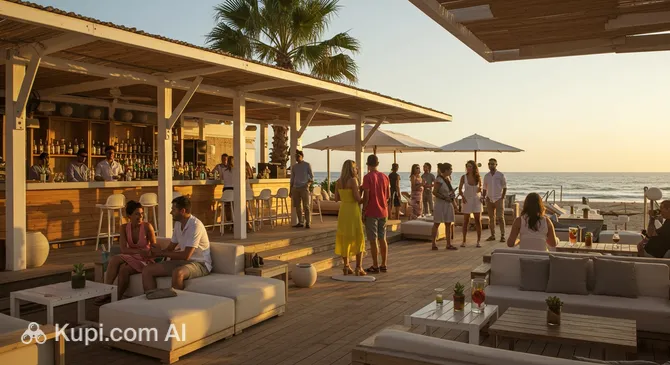
If you are looking for a high-energy atmosphere near the coast, Manantiales Point Puerto is a popular destination. It captures the essence of the local summer vibe, offering music, drinks, and a lively crowd that often spills out onto the terraces. It is the perfect place to experience the glamorous side of Uruguayan nightlife.
Manantiales Point Puerto. Illustration.
Source: Kupi.com AI
Traveler photos:
For those who prefer a mix of gaming and entertainment within the city center, Casino Nogaró is a classic landmark located right at the entrance of Gorlero Avenue. Beyond its slot machines and tables, the venue often hosts live shows and cultural events, making it a staple of the Peninsula's evening offerings. It offers a slightly more traditional atmosphere compared to the mega-clubs further down the coast.
Casino Nogaró. Illustration.
Source: Kupi.com AI
Traveler photos:
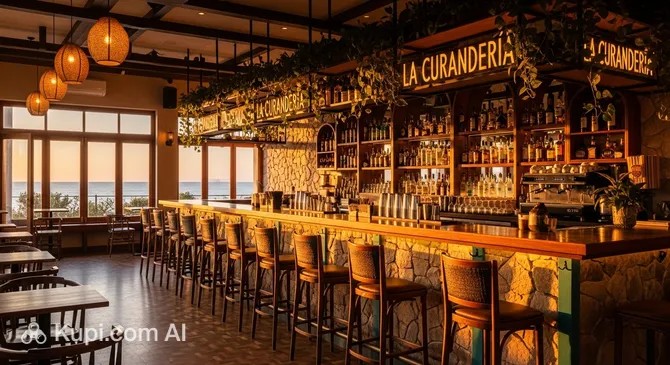
Travelers seeking a more relaxed or bohemian setting for drinks should explore the local bar scene. A charming spot to visit is La Curandería, which stands out for its unique ambiance and curated selection of beverages. Places like this are ideal for enjoying conversation and craft cocktails before heading out to late-night venues.
La Curandería. Illustration.
Source: Kupi.com AI
Traveler photos:
Practical Advice for Nightlife:
Timing is Everything: The most important rule in Punta del Este is that the night starts late. Bars typically don't fill up until 1:00 AM or 2:00 AM, and nightclubs often remain empty until 3:00 AM. Going out "early" at 11:00 PM usually means you will be the only one there.
Dress Code: The style is "smart casual" or "beach chic." Men often wear linen shirts and loafers, while women tend to dress fashionably but comfortably. Some exclusive clubs may have stricter entry policies.
Safety and Transport: The main nightlife districts are generally safe, with a visible police presence during summer. However, walking alone on dark, empty streets between districts is not recommended. Use ride-hailing apps or official taxis to move between the Port and La Barra.
Prices: Expect international resort prices. Cover charges for clubs can be high in January, and drinks are priced similarly to major European or US cities.
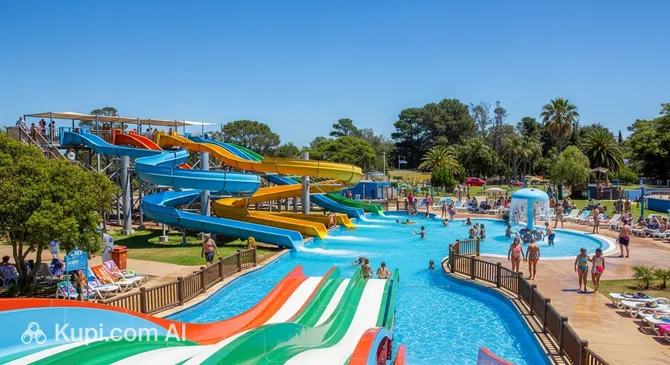
While the nights are long, the city also offers engaging entertainment during the daylight hours. Families and thrill-seekers can cool off at the Aqua Splash Park, an inflatable water park that provides fun physical activity on the water. Additionally, the city features several cinemas in the shopping malls and small theaters that host plays and concerts during the high season, offering a cultural break from the beach routine.
Aqua Splash Park. Illustration.
Source: Kupi.com AI
Traveler photos:
Parks & Museums
Beyond its reputation for sun-soaked beaches and high-end nightlife, Punta del Este possesses a rich tapestry of cultural venues and serene green spaces. The city offers a delightful mix of manicured gardens, historical landmarks, and art galleries that reflect the sophisticated yet laid-back spirit of the Uruguayan coast.
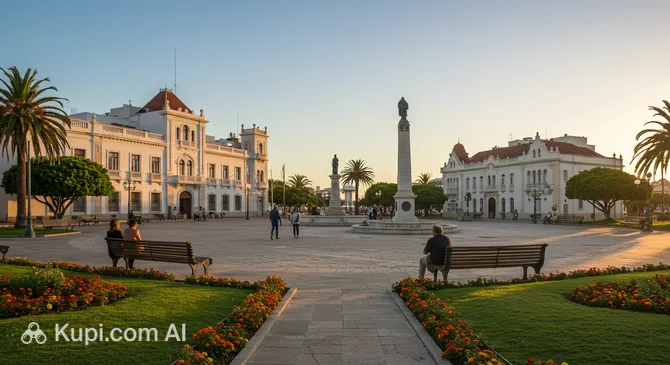
For a breath of fresh air with a view, Plaza Gran Bretaña is an exceptional spot located at the very tip of the peninsula. Also known as the "Square of Great Britain," this open space is famous for its "Mermaid" sculpture and offers panoramic views where the Rio de la Plata meets the Atlantic. It is a favorite location for visitors to sit on the rocks, watch the ships pass by, and feel the raw power of the ocean winds.
Plaza Gran Bretaña. Illustration.
Source: Kupi.com AI
Traveler photos:
Another inviting area for nature enthusiasts is the Paseo de La Aguada. This scenic promenade stretches along the coastline, providing a perfect route for walking, jogging, or cycling. The path winds through pine trees and offers glimpses of the sea, making it a peaceful alternative to the busier downtown streets. It is particularly lovely in the late afternoon when the light filters through the trees, creating a golden atmosphere.
Paseo de La Aguada. Illustration.
Source: Kupi.com AI
Traveler photos:
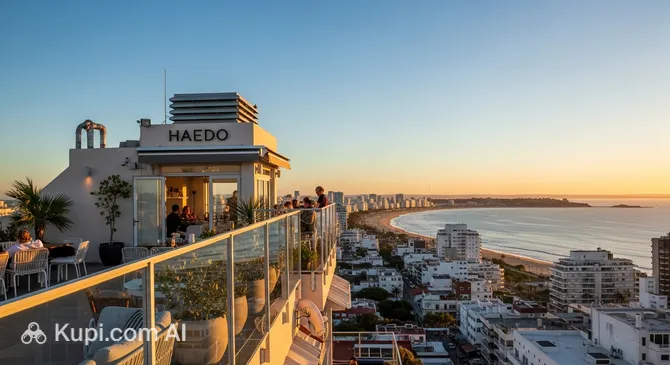
When it comes to culture, the Haedo Rooftop (Azotea de Haedo) stands out as a premier cultural center. Once the summer residence of Eduardo Víctor Haedo, a former president of Uruguay, this architectural gem now functions as a museum and amphitheater. Visitors can explore the main house, the chapel, and the gardens, which often host open-air concerts and literary events. The site preserves a sense of history and artistic heritage that is unique to the region.
Haedo Rooftop. Illustration.
Source: Kupi.com AI
Traveler photos:
In addition to the Haedo Rooftop, the city is famous for the Ralli Museum, which houses Latin American art, and the nearby Casapueblo (in Punta Ballena), a sprawling "livable sculpture" created by artist Carlos Páez Vilaró. Another fascinating venue is the Museum of the Sea (Museo del Mar), located just across the bridge in La Barra. This museum is a treasure trove for families, featuring extensive collections of seashells, whale skeletons, and pirate history, offering an educational deep dive into the region's maritime biodiversity.
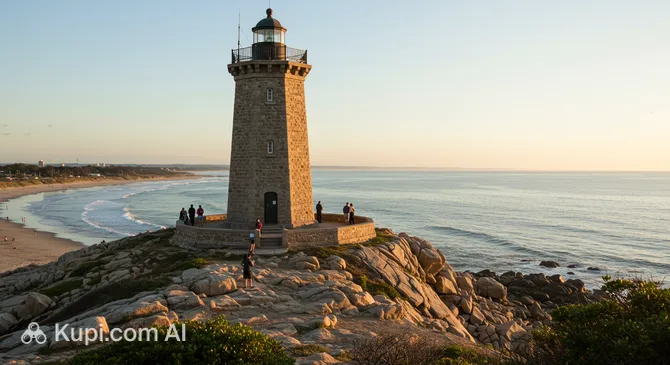
History buffs should not miss the Watchtower Square (Plaza de la Torre del Vigía). This square houses one of the city's oldest structures, a brick watchtower built in the colonial era to monitor the coast for pirates and smugglers. It is a tangible link to the strategic maritime past of Maldonado and Punta del Este. The square itself is a charming community hub, often hosting local markets.
Watchtower Square. Illustration.
Source: Kupi.com AI
Traveler photos:
For a glimpse into local legend, visit the Cachimba del Rey Fountain. This historic water source dates back to the time of the Spanish colonization. According to local folklore, those who drink from its waters are destined to return to Punta del Este. It is a small, quiet spot surrounded by greenery, offering a moment of reflection on the city's origins.
Insider Tip: If you visit the Watchtower Square, try to go on a weekend morning. You might stumble upon a local feria (market) where artisans sell handmade crafts and fresh produce, offering a more authentic slice of daily life away from the tourist-heavy beaches.
Getting Around
Public transport in Punta del Este is reliable and safe, though it differs significantly from the complex networks found in larger global capitals. There is no metro, tram, or train service within the city. Instead, the system relies entirely on a network of buses that connect the peninsula with the neighboring city of Maldonado and nearby coastal towns like La Barra and Punta Ballena. The buses are modern, generally comfortable, and offer a scenic way to move between the beaches and the city center.
For most tourists, the payment system is straightforward and old-fashioned: cash is king. While there is an electronic card system used by locals (STM), it is not typically necessary for short-term visitors. You can purchase your ticket directly from the driver or the conductor upon boarding. It is highly recommended to carry small bills or coins in the local currency, as drivers may not have change for large denominations. The fare varies depending on the distance traveled (local or interdepartmental), but it is generally affordable.
Operating hours and frequency are heavily dependent on the season. During the peak summer months (December to February), buses run frequently, often 24 hours a day on main routes, to accommodate the nightlife and influx of visitors. However, in the low season, services are significantly reduced, and night buses may be scarce. Bus stops are usually marked, but in some residential areas, you may need to signal the driver to stop. Always check the destination sign on the front of the bus, as many routes loop through the city of Maldonado before heading to the beaches.
Given that attractions are spread out along the coast, many visitors find that renting a car is the most convenient option. This provides the freedom to explore secluded beaches and distant landmarks like Casapueblo without relying on bus schedules. Traffic is generally manageable, although finding parking on the peninsula during sunset or peak dinner hours can be a challenge.
For shorter trips or nights out, taxis and ride-sharing apps are widely available and safe. Taxis run on a meter and can be hailed on the street or found at designated ranks, particularly near the bus terminal and major hotels. Ride-sharing apps are very popular and offer the advantage of fixed pricing and cashless payment. Additionally, the peninsula area itself is quite compact, making it perfect for walking or renting a bicycle to cruise along the rambla (boardwalk) and enjoy the ocean breeze.
Accommodation
Where to Stay:
Accommodation in Punta del Este is as diverse as its visitors, ranging from budget-friendly hostels and comfortable mid-range hotels to exclusive luxury resorts and high-end vacation rentals. A significant portion of the lodging market consists of apartment rentals, which are particularly popular among families and groups planning longer stays during the summer. Whether you are looking for a simple room near the surf or a five-star suite with ocean views, the city caters to every preference and budget.
Choosing the right area is key to enjoying your trip. The Peninsula is the most convenient location for first-time visitors, as it places you within walking distance of both Playa Mansa and Playa Brava, as well as the main shopping and dining streets. For a more bohemian and trendy atmosphere, the neighborhoods of La Barra and Manantiales offer chic boutique hotels and are the hub of the summer nightlife. Meanwhile, the residential district of Beverly Hills provides a quieter, garden-filled environment, ideal for those seeking relaxation away from the crowds.
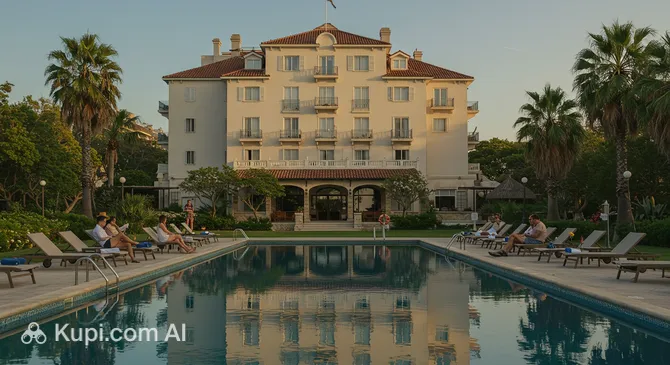
Travelers seeking a blend of elegance and nature often choose the Jean Clevers Park Hotel. Located in a residential area surrounded by gardens and ancient trees, this hotel offers a serene escape while remaining close to the city's main attractions. It is known for its classic architecture and refined service, making it a favorite for couples and those looking for a peaceful retreat.
Jean Clevers Park Hotel. Illustration.
Source: Kupi.com AI
Traveler photos:
For those who prefer to be at the center of the action with world-class amenities, the Punta del Este Resort and Casino is the premier choice. As one of the most iconic establishments in the region, it combines luxury accommodation with entertainment, featuring a casino, spa, and direct access to the vibrant social scene that defines the resort during the high season.
Booking Tips and Prices: Prices fluctuate dramatically depending on the time of year. During the peak summer season (late December through February), rates for all types of accommodation can double or triple, and availability becomes scarce. It is highly recommended to book several months in advance if you plan to visit during New Year's or Carnival. While luxury hotels can cost several hundred dollars per night, budget travelers can find hostels or smaller guesthouses for more reasonable rates, especially if visiting in the shoulder seasons of November or March. Most bookings can be made easily via major online platforms, though renting private apartments often requires contacting local real estate agents.
Nearby Cities
For those looking to explore the surroundings, Punta del Este serves as an excellent base for day trips to several interesting nearby locations:
Just a few minutes inland lies Maldonado, the administrative capital of the department. Unlike the seasonal resort atmosphere of the coast, this city offers a look into the region's colonial past and daily life. Visitors can explore historical landmarks such as the San Fernando Cathedral and the Cuartel de Dragones, or wander through the city center to enjoy local shops and museums that remain open year-round.
For a complete change of scenery, a trip to Montevideo, the country's capital, is highly recommended. Located about two hours away, it is the cultural and political heart of Uruguay. A day trip allows enough time to walk through the historic Ciudad Vieja (Old City), visit the bustling Mercado del Puerto for a traditional lunch, and stroll along the famous Rambla that borders the Rio de la Plata.
Nature enthusiasts may prefer heading north to Minas, the capital of the Lavalleja Department. Surrounded by rolling hills and sierras, this town offers a distinct landscape compared to the coastal plains. It is an ideal destination for those interested in hiking, visiting the Salus Park, or exploring the spiritual retreat of Virgin of Verdun, offering panoramic views of the countryside.
City
Population
Distance
Maldonado
104 032
4 km
San Carlos
27 471
16 km
Piriapolis
8 830
32 km
Minas
38 446
68 km
Rocha
25 422
75 km
These nearby destinations offer a glimpse into the diverse culture and landscapes of the region.
Shopping & Souvenirs
Shopping in Punta del Este is a delightful experience that ranges from browsing high-end international boutiques to discovering unique local craftsmanship. The city is known as a fashion capital in South America, particularly during the summer season when pop-up stores and designer brands open their doors to the jet-set crowd. Whether you are looking for the latest trends, high-quality leather goods, or traditional Uruguayan keepsakes, the diverse retail landscape caters to all tastes and budgets.
The heart of the city's commercial activity beats along Avenida Gorlero. This bustling main avenue runs through the center of the peninsula and is lined with a mix of souvenir shops, bookstores, cafes, and clothing stores. It is the perfect place for a casual stroll, especially in the evenings when the street comes alive with tourists. Parallel to Gorlero is the famous Calle 20 (also known as "Fashion Road"). This elegant street is the destination for luxury shopping, hosting prestigious international brands and top-tier local designers, offering an experience often compared to the chic boulevards of Europe.
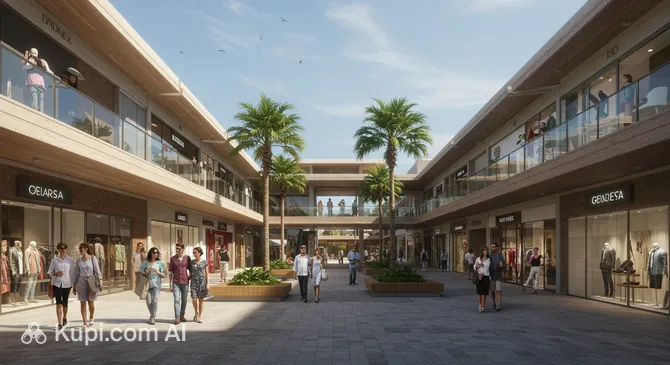
For a more concentrated shopping experience, visitors should head to Punta Shopping. Located just a short distance from the peninsula, this is the city's primary mall and a hub for both locals and tourists. It features a wide array of stores ranging from fashion and electronics to home decor, along with a large supermarket, a cinema complex, and a food court. It is an excellent option for rainy days or for finding everything you need in one place.
Punta Shopping. Illustration.
Source: Kupi.com AI
Traveler photos:
Those seeking authentic local culture should visit the Plaza de los Artesanos (Artisans' Square), located within Plaza Artigas on the peninsula. This is the city's most important craft market, where talented local artisans display their work. It is a vibrant spot to find handmade jewelry, leather accessories, wood carvings, and paintings. The atmosphere is friendly and relaxed, allowing you to speak directly with the creators about their crafts.
When it comes to souvenirs, Uruguay is famous for its high-quality wool and leather products. Look for items made from Merino wool or "Manos del Uruguay" knitwear, which are prized for their softness and social impact. Another classic gift is a mate gourd and bombilla (metal straw), the essential tools for drinking the national herbal tea. Semiprecious stones, particularly amethysts and agates found in the northern part of the country, are also popular and affordable keepsakes available in many jewelry shops.
Opening hours in Punta del Este can vary significantly by season. During the peak summer months (December to February), shops on the main avenues often stay open until midnight or even later to accommodate the nocturnal lifestyle of the resort. In the off-season, hours are more traditional, typically from 10:00 AM to 8:00 PM. Payment is easy, with major credit and debit cards widely accepted. In fact, using a foreign card is often encouraged due to potential tax benefits.
Tourists should be aware of the Tax-Free shopping opportunities available in Uruguay. Many stores participating in the system display a "Tax Free" sticker in their windows. By making a purchase of a certain value at these locations and presenting your foreign passport, you can receive a form to claim a refund of the Value Added Tax (IVA) at the airport or port upon leaving the country. This makes purchasing higher-value items like clothing, leather goods, and electronics even more attractive.