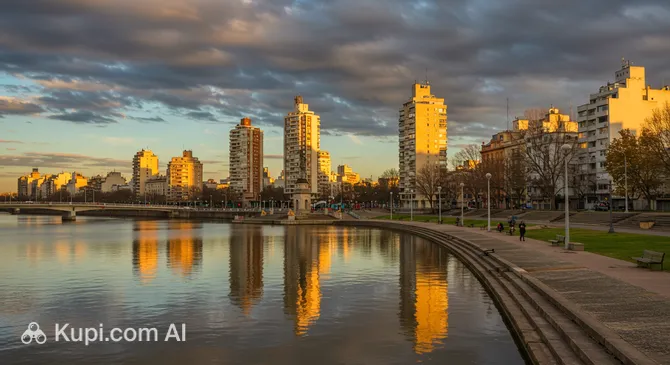
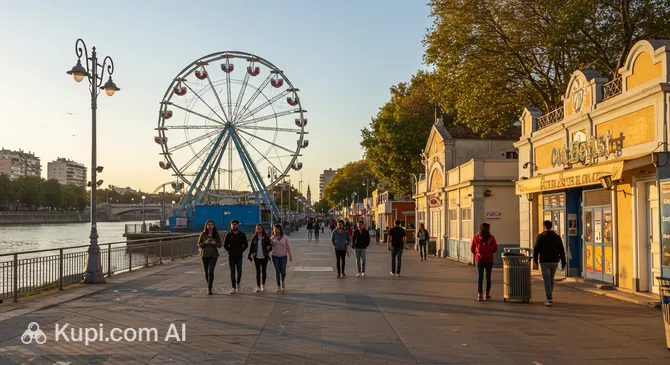
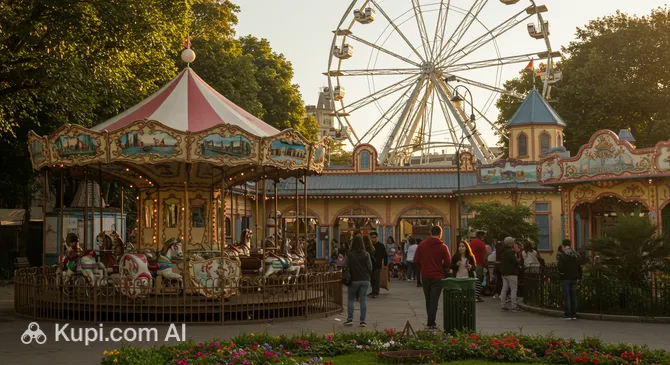
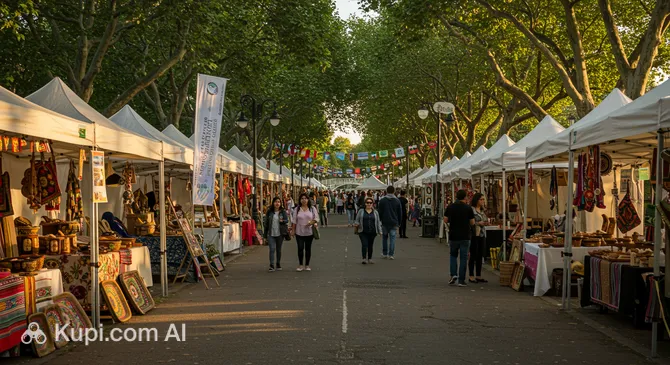
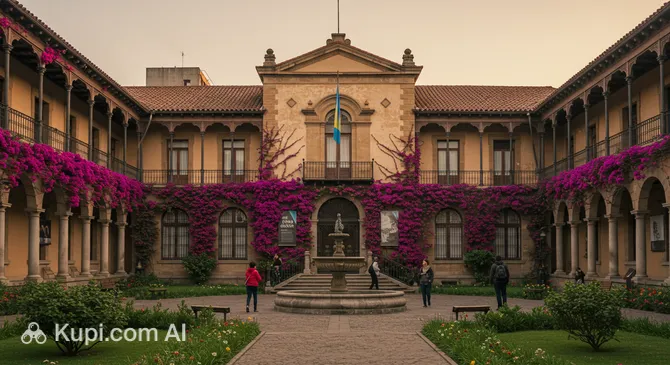
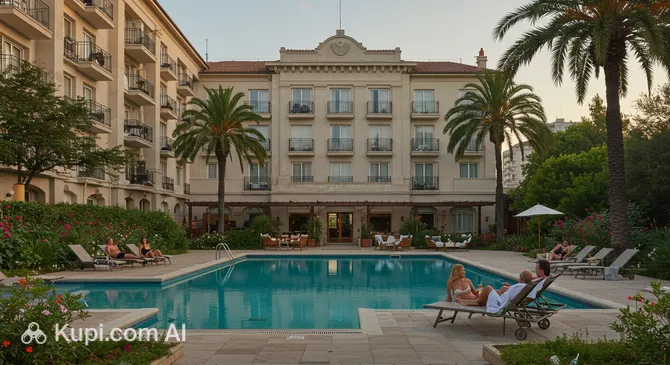
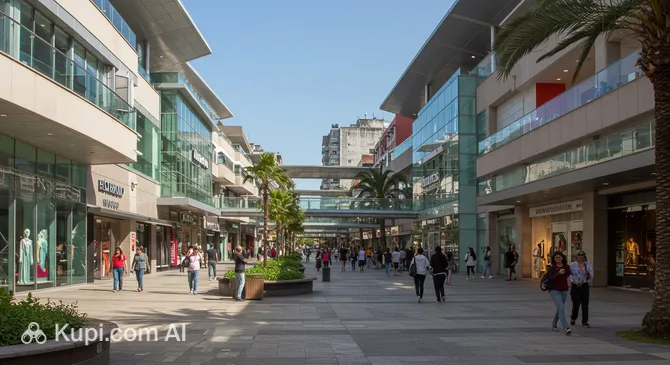
Rosario is a vibrant metropolis located in the province of Santa Fe, renowned for its rich cultural heritage and significant role in the nation's identity. Situated on the western bank of the majestic Paraná River, it serves as a major industrial and agricultural hub while offering a charming atmosphere for visitors. As the third-largest city in Argentina, with a population exceeding 1.2 million, Rosario combines the energy of a bustling urban center with the scenic beauty of its riverfront.
Rosario. Illustration.
Source: Kupi.com AI
Often referred to as the "Cradle of the Argentine Flag," the city holds a special place in national pride. You can explore the history of Rosario and its transformation from a modest village to a cosmopolitan hub by visiting its various museums and historical sites. The city is also famous for being the birthplace of world-renowned figures, including football legend Lionel Messi, adding to its global allure.
One of the city's most iconic landmarks is the National Flag Memorial (Monumento Nacional a la Bandera), a monumental complex that dominates the riverbank and offers panoramic views from its tower. Travelers also flock to the Costanera, a picturesque waterfront promenade perfect for leisurely walks, cycling, and enjoying local cuisine at riverside bars. Whether you are relaxing in the expansive Independence Park or admiring the neoclassical architecture downtown, Rosario invites you to experience its unique blend of history, nature, and urban life.
Weather Overview
Rosario experiences a temperate climate with distinct seasons, offering different atmospheres depending on when you visit. The city generally enjoys pleasant conditions, though it is helpful to review the current weather in Rosario to plan your activities and packing list effectively. Summers are typically hot and humid, while winters bring cooler, drier air to the region.
During the peak summer months of December, January, and February, temperatures are at their highest. You can expect average temperatures around 25°C, with daily highs frequently reaching 31°C in January. This season is ideal for enjoying the riverfront, although it also coincides with a higher frequency of rain, seeing up to 8 wet days per month.
In contrast, the winter season from June to August is much cooler. July is usually the coldest month, with average temperatures dropping to roughly 12°C and lows dipping to around 7°C. Rainfall decreases significantly during this time, with June seeing as few as 3 wet days. Overall, travelers should expect warm summers with occasional rain and cool, relatively dry winters.
Average monthly temperature
Average monthly precipitation
Interesting Facts
Beyond its renowned riverfront beauty and historical significance, Rosario holds several fascinating distinctions that often surprise visitors. From quirky local titles to innovative architectural repurposing, the city has a unique character waiting to be discovered.
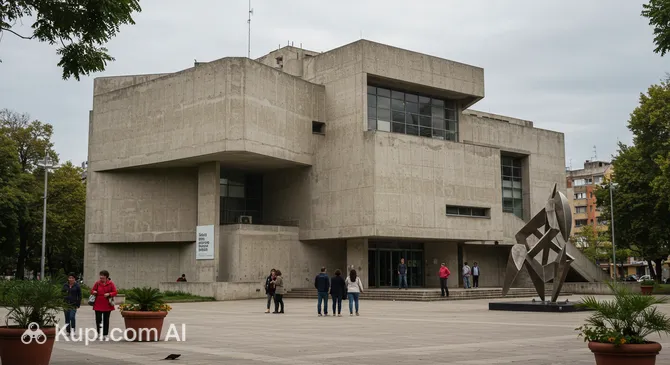
Museum of Contemporary Art of Rosario. Illustration.
Source: Kupi.com AI
Traveler photos:
Rosario is proudly celebrated as the National Capital of Artisanal Ice Cream. The city boasts one of the highest rates of ice cream consumption per capita in Argentina, and you will find an incredible number of "heladerías" offering high-quality, hand-crafted flavors on nearly every corner.
A striking example of urban transformation can be seen at the Museum of Contemporary Art of Rosario. This cultural institution is housed in eight repurposed grain silos painted in vibrant colors, preserving the city's industrial heritage while showcasing modern creativity right on the riverbank.
The city is also known as the National Capital of Friendship. This endearing title originated from a local teacher who, inspired by the 1969 moon landing, sent thousands of letters worldwide to promote connection, eventually establishing July 20th as "Friend's Day," which is now a massive celebration throughout the country.
Unlike traditional aquariums that feature marine life from around the globe, the Paraná River Aquarium is dedicated exclusively to the local ecosystem. It serves as a scientific and educational center where you can observe the diverse freshwater species that inhabit the massive Paraná River and its wetlands.
How to Get There
Reaching this vibrant city is relatively straightforward, thanks to its strategic location and transport connections. Whether you are arriving from within Argentina or from abroad, there are several convenient ways to start your journey. For a detailed breakdown of all available routes and transport modes, you can read more about how to get to Rosario.
The most convenient entry point for most travelers is Fisherton Airport (IATA: ROS), officially known as Islas Malvinas International Airport. Located directly in Rosario, it is situated just 10.5 km from the city center. This hub handles a significant volume of domestic and regional flights, making it a "Medium" sized facility in terms of passenger traffic. A taxi or shuttle from here to the downtown area typically takes around 35 to 40 minutes, depending on traffic.
For international visitors, it is also common to fly into the capital, Buenos Aires, and then travel overland or take a connecting flight. Ministro Pistarini Airport (IATA: EZE), also known as Ezeiza, is the country's main international gateway, located in Buenos Aires approximately 287.3 km from Rosario. Similarly, Jorge Newbery Airport (IATA: AEP) in Buenos Aires (275.7 km away) serves a vast network of domestic and regional routes. From either of these major hubs, the journey to Rosario by bus or rental car generally takes about 3.5 to 4 hours via the highway.
For clarity, here is a summary of the main airports:
Regarding rail travel, the options listed in our current data are quite distant from the city itself. The Bragado station (IATA: QRF) is located in the city of Bragado, which is approximately 243.8 km from Rosario. Due to this significant distance, arriving here would require a long subsequent journey by taxi or bus to reach your final destination. Travelers specifically looking for train services should verify local schedules for closer connections that may not be listed here.
Below is the information for the railway station mentioned:
Station
Passenger traffic
Distance
Bragado
18 199
244 km
Main Attractions
Rosario is a city that invites exploration, offering a delightful mix of expansive green spaces, impressive architecture, and unique cultural institutions. From its riverfront allure to its vibrant artistic scene, there are plenty of locations that capture the spirit of this Argentine metropolis. Below are some of the top places to include in your itinerary.
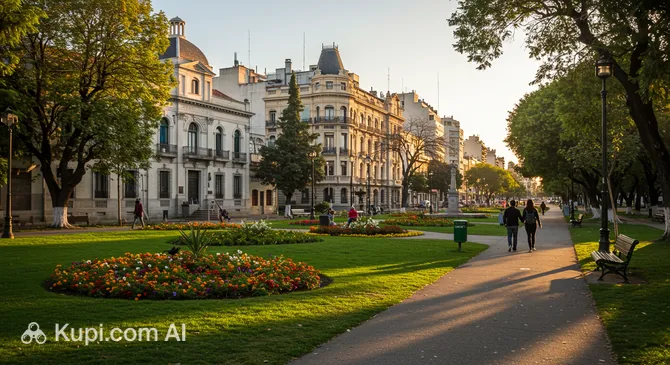
For a breath of fresh air in the heart of the city, Independence Park is the ultimate destination. As the largest and most traditional park in Rosario, it serves as the city's "green lung" and a favorite gathering spot for locals. Visitors can stroll through the beautifully manicured French Garden, rent a paddleboat on the central lake, or admire the blooming flowers in the Rose Garden. The park is also a cultural hub, housing several museums and the grand Newell's Old Boys stadium, making it a diverse attraction for nature lovers and sports fans alike.
Independence Park. Illustration.
Source: Kupi.com AI
Traveler photos:
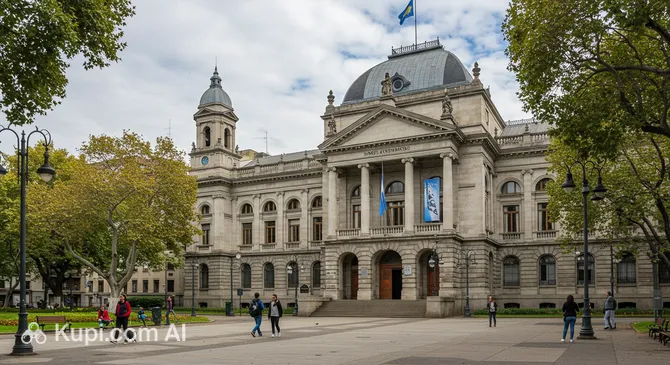
Art enthusiasts should make their way to the Juan B. Castagnino Municipal Museum of Fine Arts. Located just outside Independence Park, this institution is considered one of the most important of its kind in the country. The building itself is a modernist architectural gem, and inside, it houses a vast collection of European and Argentine art, with a special focus on artists from the region. It is a quiet and inspiring place to appreciate the rich artistic heritage of Santa Fe province.
Juan B. Castagnino Municipal Museum of Fine Arts. Illustration.
Source: Kupi.com AI
Traveler photos:
Travelers visiting with family will find a truly unique experience at The Island of Inventions. Situated in a restored railway station, this interactive center is part of the renowned "Triptych of Childhood." It is not just a playground but a creative space designed to spark curiosity through science, art, and technology. With engaging workshops and imaginative structures to climb and explore, it offers a memorable day out for children and adults who are young at heart.
The Island of Inventions. Illustration.
Source: Kupi.com AI
Traveler photos:
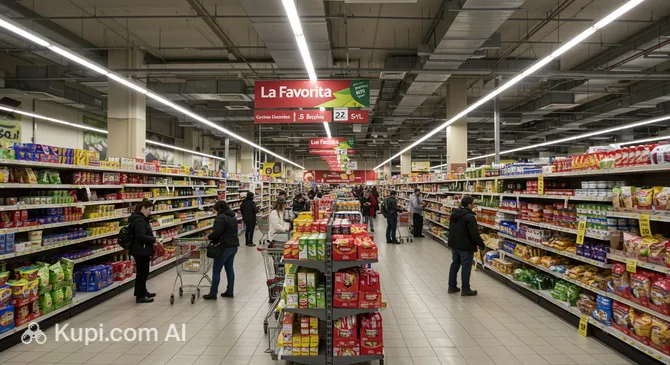
To witness the architectural splendor of Rosario's commercial history, a visit to La Favorita is highly recommended. This iconic building, with its stunning European style and grand corner dominance, has long been a symbol of the city center. Recently revitalized, it continues to serve as a bustling meeting point and shopping destination. Admiring its intricate facade and elegant interiors provides a glimpse into the prosperous past and vibrant present of downtown Rosario.
La Favorita. Illustration.
Source: Kupi.com AI
Traveler photos:
Local Cuisine
Rosario's culinary scene is a delightful reflection of its geography and cultural history, offering flavors that set it apart from other Argentine cities. Situated on the banks of the Paraná River, the city is arguably the best place in the country to taste fresh river fish. The star dishes typically feature boga, surubí, or pacú, often grilled "a la parrilla" with lemon and herbs, or served with rich sauces like roquefort. A local favorite is "boga despinada," a boneless fillet that is crisp on the outside and tender on the inside, widely available at restaurants along the Costanera.
For a more casual but legendary bite, you must try the Carlito. This unique toasted sandwich is a Rosario invention, consisting of thin white bread, ham, cheese, and its signature ingredient: ketchup. While it sounds simple, the perfect crispness and balance of flavors make it a beloved staple in local bars and cafes. It is the perfect accompaniment to a "chopp" (draft beer) during a relaxing afternoon.
The city also takes great pride in its sweets, holding the title of the National Capital of Artisanal Ice Cream. The quality of the helado here is exceptional, with a creamy texture and intense flavors that rival Italian gelato. You will find countless ice cream parlors scattered throughout the neighborhoods, and it is common for locals to enjoy a cone late into the evening, making it an essential part of the social culture.
When it comes to dining out, the atmosphere is just as important as the food. The trendy district of Puerto Norte offers a sophisticated setting where you can enjoy upscale meals with stunning views of the river. This revitalized area is perfect for a romantic dinner or a special night out, combining modern architecture with excellent gastronomy.
Rock&Feller's Savoy. Illustration.
Source: Kupi.com AI
Traveler photos:
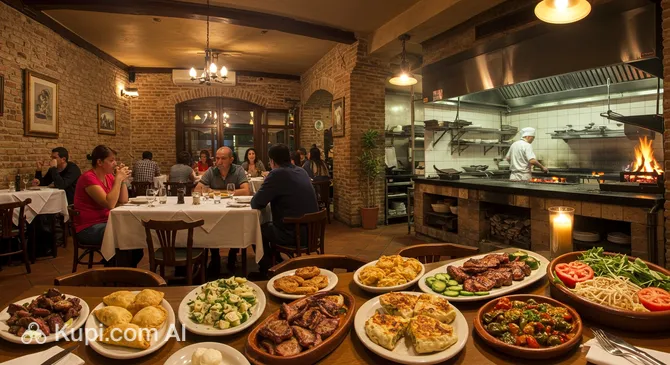
For a truly distinct experience, many visitors head to Rock&Feller's Savoy. Housed in a beautifully restored historic building, this themed restaurant and bar is famous for its rock-and-roll memorabilia and lively vibe, serving a mix of American and international dishes. If you prefer exploring the local craft beer scene, places like Club De Maltas in the Pichincha neighborhood offer a wide selection of local brews and hearty pub food, reflecting the city's booming brewery culture.
Travel Tips
To help you make the most of your visit to Rosario, we have compiled a set of practical tips designed to ensure a smooth and enjoyable experience. From navigating the city's streets to understanding local customs, these suggestions will help you blend in and travel with confidence.
Clothing and Gear: The climate varies significantly by season. If you visit in summer (December to February), bring light, breathable clothing and sun protection, as it gets very hot and humid. For winter (June to August), a warm jacket and layers are necessary. Since you will likely spend time walking along the riverfront, comfortable walking shoes are a must. Also, bring a Type I power adapter (three flat pins) for your electronics.
Transportation: The most economical way to get around is by bus. To use the public transport system, you will need a SUBE card, which is rechargeable and used across Argentina. For short distances along the Costanera, consider using the public bike-share system, "Mi Bici Tu Bici." Taxis and remises (private cars) are plentiful and safe; ride-sharing apps are also available but check availability upon arrival as regulations can change.
Finances: The local currency is the Argentine Peso (ARS). While credit cards are accepted in major hotels, restaurants, and shopping malls (like Alto Rosario), cash is essential for smaller shops, kiosks, and tipping. It is advisable to carry small bills. ATMs are widely available, but be aware that withdrawal limits can be low and fees high for international cards.
Health and Safety: Pharmacies (farmacias) are easy to find, and many operate on a "de turno" (on-duty) rotation for 24-hour service. As in any large city, stay vigilant. Stick to well-lit, busy areas like the city center and the riverfront, especially at night. Avoid displaying expensive cameras or smartphones on the street to prevent snatch-theft.
Communication: Spanish is the main language. While staff in high-end hotels may speak English, it is less common in local shops and taxi cabs. Learning a few basic phrases like "Hola" (Hello), "Gracias" (Thank you), and "¿Cuánto cuesta?" (How much?) is very helpful. You can buy a prepaid SIM card from providers like Claro, Personal, or Movistar at kiosks to stay connected.
Local Etiquette: Rosarinos are warm and friendly. The standard greeting, even upon first meeting, is a single kiss on the right cheek. This applies to interactions between men and women, and often between men as well. Dinner is typically eaten late, often after 9:00 PM, so plan your evening schedule accordingly.
What to Avoid: Rosario is incredibly passionate about football, divided fiercely between two rival teams: Newell's Old Boys and Rosario Central. Avoid wearing the jersey of either team while walking around the city, as this can inadvertently provoke hostility in certain neighborhoods. It is best to stick to neutral clothing.
Additional Tip: Don't forget mosquito repellent, especially if you are visiting in summer or planning to spend time near the Paraná River and island areas. The river environment naturally attracts insects, and having repellent handy will make your sunsets by the water much more pleasant.
Rosario is a city with a unique pulse, where the river meets urban energy and passionate culture. By keeping these practical tips in mind, you will be well-prepared to explore its charming neighborhoods, taste its famous ice cream, and enjoy everything this Santafesino gem has to offer.
Entertainment & Nightlife
Rosario boasts a nightlife scene that is legendary within Argentina, often described as intense, diverse, and starting quite late. The city comes alive after the sun sets, with a vibrant energy that flows from the riverfront promenades to the bustling inner-city neighborhoods. Whether you are looking for a quiet craft beer, a sophisticated cocktail with a view, or a club to dance until dawn, the "noche rosarina" has something to offer every type of traveler.
The epicenter of the current nightlife trend is undoubtedly the Pichincha neighborhood. Once a railway district, it has transformed into a hip hub filled with retro bars, cultural centers, and particularly, craft breweries. The streets here are packed with young locals on weekends, hopping from one venue to another. Another classic corridor is Avenida Pellegrini, which offers a more traditional mix of pizzerias, ice cream parlors, and bars that remain open late, making it a perfect spot for a relaxed evening with friends.
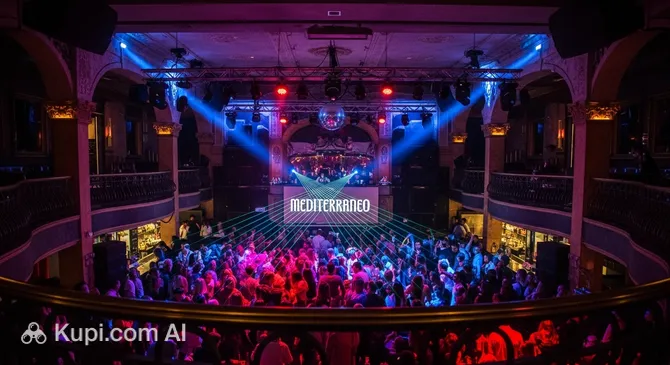
For those seeking a lively bar atmosphere, Jimmy is a well-known spot to enjoy drinks and socialize. The style of venues in Rosario ranges from casual sidewalk tables to elaborately themed interiors. If you are in the mood for dancing, the city has numerous "boliches" (nightclubs) that typically open their doors after 1:00 AM and stay busy until sunrise. A popular destination for late-night entertainment is Mediterraneo Nightclub, where the energetic crowd and music keep the party going all night long.
Mediterraneo Nightclub. Illustration.
Source: Kupi.com AI
Traveler photos:
For a more exclusive and upscale experience, head towards the riverfront near the Puerto Norte district. This area combines modern architecture with stunning views of the Paraná River, providing a sophisticated backdrop for evening events. Here you can find venues like Puerto Norte Banquet, which often hosts parties and gatherings in a chic setting. The dress code in these areas tends to be "smart casual" or "elegant," whereas Pichincha is generally more relaxed and informal.
Practical advice for enjoying Rosario at night revolves around timing and safety. Locals eat dinner late, usually after 9:30 PM, and bars don't get crowded until nearly midnight. Prices are generally reasonable compared to the capital, though riverfront venues can be pricier. Regarding safety, it is best to stick to well-lit, populated zones like Pichincha, Pellegrini, and the Costanera. Avoid walking alone in quiet streets late at night. The safest way to get around is by using radio taxis or ride-sharing apps rather than hailing cabs on the street.
While the nightlife is thrilling, Rosario offers plenty of daytime entertainment as well. The city is rich in culture, featuring historic theaters like El Círculo and numerous independent cultural centers. For families or those looking for a unique outdoor experience, the Children's Farm (La Granja de la Infancia) is a wonderful place to visit. It offers a mix of nature, education, and play in a beautifully designed space, distinct from the typical amusement park experience.
Children's Farm. Illustration.
Source: Kupi.com AI
Traveler photos:
Parks & Museums
Rosario is widely celebrated for its commitment to public spaces, boasting an impressive network of parks that hug the Paraná River and weave through the city grid. Beyond its greenery, the city serves as a custodian of regional history and culture, offering a diverse array of museums that range from grand historical institutions to innovative thematic spaces. Whether you are looking to relax by the water or delve into the past, the city offers ample opportunities to explore.
For those seeking panoramic river views and a lively social atmosphere, Parque de las Colectividades is a favorite local hangout. Located along the riverfront, it is famous for its "escalinatas" (steps) where friends gather to drink mate and watch the sunset over the islands. The park features manicured gardens, walking paths, and exercise stations, making it a perfect blend of relaxation and urban vitality. Further north, Alem Park offers a different experience, characterized by its family-friendly environment near the river and the sprawling swimming pool complex nearby. It is an ideal spot for a peaceful afternoon stroll under the shade of ancient trees.
Parque de las Colectividades. Illustration.
Source: Kupi.com AI
Traveler photos:
To understand the deeper history of the region, a visit to the Dr. Julio Marc Provincial Historical Museum is essential. Situated within Independence Park, this institution houses an extensive collection of Hispanic-American art, numismatics, and ethnographic artifacts that trace the cultural evolution of the Americas. Another architecturally stunning venue is the International Museum for Democracy, located in the iconic Palacio Fuentes. This museum is unique in its mission to promote democratic values and human rights, set against the backdrop of one of the city's most opulent buildings.
Dr. Julio Marc Provincial Historical Museum. Illustration.
Source: Kupi.com AI
Traveler photos:
Rosario's landscape is also dotted with significant monuments. The Manuel Belgrano Monument stands as a solemn tribute to the creator of the Argentine flag, often serving as a focal point for patriotic events. For a more contemporary and active experience, Scalabrini Ortiz Park provides a vast green space repurposed from old railway grounds, popular among skaters and cyclists.
For an insider tip, especially if you are traveling with children, do not miss The Children's Garden (El Jardín de los Niños). Part of the same creative project as the Island of Inventions, this park transforms the concept of play with interactive machines and artistic landscapes inspired by the imagination, offering a magical experience that is distinct from traditional playgrounds.
Getting Around
Public transport in Rosario is primarily based on an extensive bus network, locally known as "colectivos." Since the city does not have a metro system, these buses serve as the backbone of urban mobility, connecting the downtown area with residential neighborhoods and tourist attractions. The fleet includes modern units and a unique feature: the trolleybus. The "Line K" trolleybus is particularly famous among locals and visitors alike, running on electricity and offering a smoother, quieter ride along some of the city's main avenues. These eclectic vehicles add a distinct character to the streetscape and are a reliable way to traverse the city center.
To use any public bus or trolleybus, you must have a SUBE card. This is a rechargeable contactless smart card used across many cities in the region. You cannot pay the driver with cash. Tourists can purchase a SUBE card at "kioscos" (convenience stores) or lottery agencies throughout the city. Once purchased, you need to load credit onto it at the same locations or via digital wallets. The fare is a flat rate for a single journey, regardless of the distance traveled, and the system allows for discounted transfers if you take a second bus within a specific time window.
Navigating the routes is made easier with digital tools. The official Movi Rosario app is highly recommended for visitors; it provides real-time arrival information ("¿Cuándo llega?"), route planning, and alerts about service changes. Google Maps is also fully integrated with the city's transit data, making it simple to find the nearest stop and the best line to reach your destination. Bus stops are generally marked with signs indicating the line numbers, and in the city center, many avenues have exclusive lanes to speed up travel times during rush hour.
For those who prefer active transport, Rosario offers a public bike-sharing system called Mi Bici Tu Bici. The distinctive orange bikes are stationed at numerous docking points, particularly along the riverfront and in university areas. To use them, visitors can register via the system's app or website using a credit card. It is an excellent alternative for short trips, especially on the "Calle Recreativa" (Recreational Street) circuit on Sunday mornings when streets are closed to cars, or for a leisurely ride along the Costanera.
Taxis and "remises" (private hire cars) are widely available and offer a comfortable alternative for late-night travel or when carrying luggage. Official taxis are painted black with yellow roofs and can be hailed on the street or found at designated ranks. Remises must be booked by phone or through an agency. Ride-sharing apps are also operational in the city, providing another convenient layer of transport with upfront pricing. For a touch of nostalgia, look out for the Tranvía Histórico (Historic Tram), a restored heritage tram that runs on weekends and holidays along a short scenic route near the river, offering a charming glimpse into the city's transport past.
Accommodation
Finding the perfect place to stay in Rosario is relatively easy, as the city offers a wide spectrum of accommodation options to suit various budgets and travel styles. Visitors can choose from economical hostels that cater to backpackers, comfortable mid-range hotels perfect for families, and stylish rental apartments that provide a "home away from home" experience. For those seeking a touch of luxury, there are also modern high-end hotels, particularly in the revitalized riverfront districts.
When selecting a location, the City Center (Centro) is often the most convenient choice for first-time visitors. Staying here places you within walking distance of the National Flag Memorial, the pedestrian shopping streets (Córdoba and San Martín), and historic architecture. Alternatively, the Puerto Norte area is ideal for travelers looking for modern amenities and stunning views of the Paraná River. If you prefer to be close to the nightlife and culinary scene, the Pichincha neighborhood offers a vibrant atmosphere with easy access to bars and restaurants.
For those interested in a blend of comfort and independence, the Alvear Apart Hotel is a notable option. Located strategically within the city, it combines the services of a hotel with the convenience of apartment-style living, making it suitable for both short visits and longer stays. Facilities like this often appeal to travelers who appreciate having a bit more space and the option to prepare light meals.
Alvear Apart Hotel. Illustration.
Source: Kupi.com AI
Traveler photos:
Generally, accommodation prices in Rosario are quite reasonable, especially when compared to the capital, Buenos Aires. You can find excellent value in the mid-range category. While it is usually possible to find a room upon arrival, it is highly recommended to book in advance if you plan to visit during long weekends or major national holidays, such as Flag Day in June, when the city fills up with domestic tourists. Most properties are listed on major online booking platforms, ensuring a secure and straightforward reservation process.
Nearby Cities
Rosario serves as an excellent starting point for exploring the wider region of the Santa Fe province and its borders. The surrounding area is dotted with cities that share a deep connection to the Paraná River and the country's industrial history. Many of these locations are just a short drive or bus ride away, offering travelers a chance to see the bustling port towns and residential communities that contribute to the metropolitan area's vitality.
One notable nearby destination is San Lorenzo, located just north of the city. It is historically significant as the site of a famous battle in the war for independence and offers interesting museums and monuments. To the south, you will find San Nicolas, a city known for its religious tourism and riverfront sanctuary. Whether you are interested in history or simply want to see life outside the main metropolis, these neighboring towns are easily accessible.
Below is a list of cities located near Rosario, along with their distance and population:
City
Population
Distance
Gobernador Gálvez
80 769
10 km
Granadero Baigorria
36 994
11 km
Funes
23 520
12 km
Capitan Bermudez
29 218
16 km
Fray Luis Beltrán
15 176
19 km
Most of these locations are well-connected by the regional bus network, which departs frequently from the Rosario Bus Terminal. Driving is also a convenient option, as the provincial highways are generally direct and offer scenic views of the agricultural landscapes and the river delta.
Shopping & Souvenirs
Shopping in Rosario is a delightful experience that blends modern convenience with historic charm. The city offers a diverse range of options, from bustling pedestrian streets lined with boutiques to sophisticated shopping malls housed in restored heritage buildings. Whether you are looking for high-end fashion, local handicrafts, or gourmet treats, the city's commercial centers cater to every taste and budget.
The heart of the city's retail activity is found in its pedestrian zones, known locally as "peatonales." The most famous is Peatonal Córdoba, particularly the section known as the "Paseo del Siglo." Here, you can stroll past elegant historic architecture while browsing major clothing brands and bookstores. Intersecting with it is Peatonal San Martín, which offers a more bustling, popular atmosphere with a wide variety of banks, electronics stores, and local shops.
For a comprehensive shopping experience under one roof, Alto Rosario Shopping is a top destination. Located in the Refinería district, this mall is architecturally significant as it occupies the restored workshops of the English railway company. It features a cinema complex, a food court, and a vast array of national and international brands, making it a favorite spot for both locals and tourists.
Alto Rosario Shopping. Illustration.
Source: Kupi.com AI
Traveler photos:
Another iconic location is La Favorita, situated on a prominent corner of the city center. Recently revitalized, this historic building is a landmark in itself, offering a curated selection of retail, gastronomy, and services within a stunning European-style structure. It serves as a perfect example of how Rosario preserves its past while adapting to modern commercial needs.
Travelers interested in local culture and gastronomy should not miss the markets. The Mercado del Patio is a must-visit for foodies; located in a repurposed patio of the old railway station, it offers fresh regional produce, specialty cheeses, and wines. On weekends, the riverfront comes alive with artisanal fairs, such as the Feria de Artesanos near the National Flag Memorial, where you can find unique handmade jewelry, leather goods, and textiles directly from the creators.
When it comes to souvenirs, Rosario has plenty to offer. Leather goods are a classic Argentine purchase, known for their high quality and durability. A traditional mate gourd and bombilla (metal straw) make for an authentic keepsake of the local culture. Additionally, you might want to pick up some "alfajores" (dulce de leche sandwich cookies) from a local bakery to share the sweet flavors of the region with friends back home.
Store opening hours in Rosario can vary. Shopping malls generally operate daily from 10:00 AM to 10:00 PM. However, street-side shops typically follow a "split shift" schedule, opening from 9:00 AM to 1:00 PM, closing for the afternoon siesta, and reopening from 4:30 PM to 8:30 PM. On Saturdays, many high-street shops close after 1:00 PM, though malls remain open.
Payment methods are quite flexible. Major credit and debit cards are widely accepted in malls, supermarkets, and larger stores. However, for small purchases at kiosks, taxi rides, or artisan markets, it is essential to carry cash in Argentine Pesos. Regarding taxes, Argentina has a Tax-Free Shopping system for foreign tourists. Look for the "Global Blue" or "Tax Free" logo in participating store windows to request a refund form for VAT on locally manufactured products.