Support

Parana

About

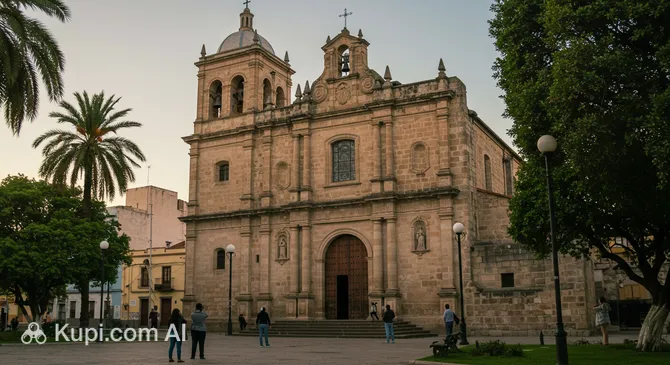
Welcome to Paraná, a vibrant city that beautifully blends natural beauty with rich cultural heritage. Serving as the capital of the Entre Ríos province, this riverside destination offers a relaxed atmosphere perfect for travelers seeking an authentic experience in Argentina. Situated on the eastern bank of the majestic Paraná River, the city is known for its stunning river views and lush landscapes.
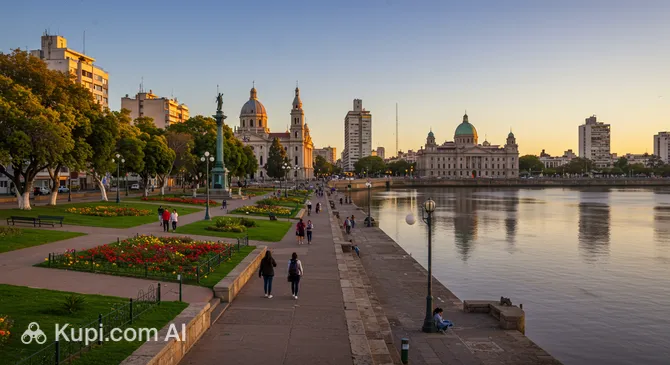
Parana. Source: Kupi.Binoculars

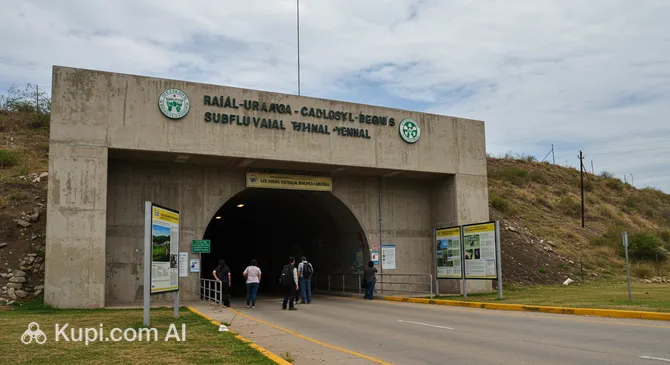
With a population of approximately 247,000 inhabitants, Paraná is a significant urban center in the Mesopotamia region. The city enjoys a humid subtropical climate, characterized by warm summers and mild winters, making it a pleasant destination year-round. Its strategic location connects it to the neighboring city of Santa Fe via the impressive Raúl Uranga – Carlos Sylvestre Begnis Subfluvial Tunnel, an engineering marvel that runs beneath the riverbed.

The city holds a prestigious place in the nation's past, having once served as the capital of the Argentine Confederation. You can delve deeper into this fascinating era by exploring the history of Paraná, which is reflected in its eclectic architecture and well-preserved landmarks. One of the city's crowning jewels is Parque Urquiza, a sprawling green space situated on the river bluffs that offers panoramic views, beautifully landscaped gardens, and a serene environment for relaxation.

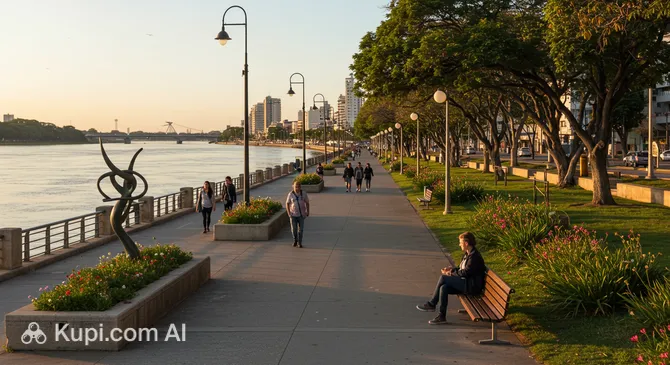
Visitors are also drawn to the Costanera, a scenic waterfront promenade that is the heartbeat of local social life. It is the perfect spot for walking, cycling, or simply enjoying a mate while watching the sunset over the water. Whether you are interested in river activities, historical exploration, or simply unwinding in a charming setting, Paraná invites you to discover its unique character and warm hospitality.
Weather Overview

The climate in this region is characterized by distinct seasons, offering hot summers and mild winters. January is typically the warmest month, with average temperatures around 26.0°C and daily highs reaching up to 31.0°C. In contrast, the middle of the year brings cooler weather; July sees the average temperature drop to approximately 12.8°C, with nighttime lows dipping to 8.4°C.

Precipitation is distributed throughout the year but shows a slight decrease in frequency during the winter months. While January and March may experience up to 9 wet days, the winter months of June and July are generally drier, with only about 4 wet days on average. For a more detailed breakdown to help you pack for your trip, you can check the specific weather in Parana.

Overall, visitors can expect warm summers with occasional rain and cool, drier winters. This variation makes the city a year-round destination, whether you prefer the heat for riverside activities or cooler temperatures for exploring the urban architecture.

Interesting Facts

Beyond the scenic river views and lush parks, Paraná holds fascinating secrets that highlight its pivotal role in the nation's development. From engineering milestones to its time as a political powerhouse, there is much more to this riverside city than meets the eye.

Raúl Uranga – Carlos Sylvestre Begnis Subfluvial Tunnel. Source: Kupi.Binoculars
  • Paraná was once the capital of the Argentine Confederation from 1853 to 1861, a period when Buenos Aires was separated from the rest of the country. This golden era left a legacy of magnificent architecture around the May 1st Square, which served as the political heart of the nation during those years.

  • The city connects to neighboring Santa Fe via the Raúl Uranga – Carlos Sylvestre Begnis Subfluvial Tunnel, which was the first of its kind in South America. Opened in 1969, this engineering feat travels underneath the riverbed rather than over it, ensuring navigation on the river remains unobstructed.

  • Paraná is often celebrated as the "Cradle of Argentine Education" because it was home to the country's first Normal School. Founded by President Domingo Faustino Sarmiento, this institution set the standard for teacher training throughout Argentina and is a source of immense local pride.

  • Unlike many other riverside cities that sit at water level, Paraná is built on high clay cliffs known as "barrancas." These geological formations create natural balconies up to 50 meters high, offering unique elevated viewpoints of the river and the surrounding islands.

How to Get There

Reaching this destination is straightforward, and you can find all ways to reach the city detailed for your convenience to help plan your journey. The most direct option for air travel is General Justo Jose de Urquiza Airport (PRA), located within Parana itself. Situated just 6.6 km from the city center, this small airport allows for a quick transfer, with a taxi ride taking approximately 30 minutes. While it handles a lower volume of passengers, it offers the unparalleled convenience of landing directly in the city.

Alternatively, many visitors choose to fly into Santa Fe Airport (SFN), located in the neighboring city of Santa Fe. This airport is about 29 km away from Parana, and the transfer involves a scenic drive through the subfluvial tunnel, taking roughly 65 minutes by taxi. For those seeking more connection options, Fisherton Airport (ROS) in Rosario is a larger regional hub. However, it is situated approximately 131 km away, which means the ground transfer to Parana will take around 3.5 hours.

For clarity, here is a summary of the main airports:

Airport Name City Passenger Traffic Km from City
General Justo Jose de Urquiza Airport Parana Small 6.6
Santa Fe Airport Santa Fe Small 28.6
Fisherton Airport Rosario Medium 131.4

Main Attractions

One of the most captivating experiences in the city is exploring the Paraná Riverside Promenade. Often cited as one of the most beautiful waterfronts in Argentina, this sprawling parkland runs along the high cliffs, or "barrancas," offering spectacular panoramic views of the river and the islands beyond. It is the perfect place for a leisurely walk, a morning run, or simply sitting on the grass to enjoy the sunset, serving as the true social heart of the city where locals and visitors mingle.

Paraná Riverside Promenade. Source: Kupi.Binoculars

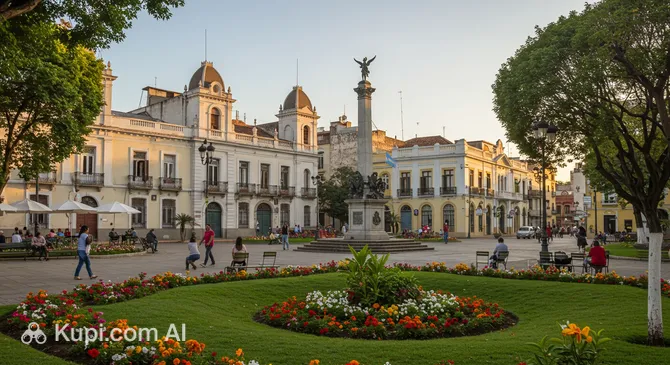
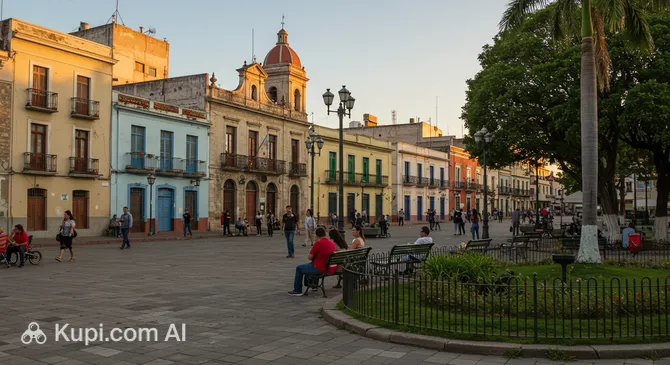
For those interested in the historical roots of the region, May 1st Square is an essential stop. Located in the city center, this plaza is surrounded by some of Paraná's most significant architectural landmarks, including the majestic Cathedral and the former Government House. It acts as a peaceful urban oasis with its fountains and monuments, telling the story of the city's past as the capital of the Argentine Confederation.

May 1st Square. Source: Kupi.Binoculars

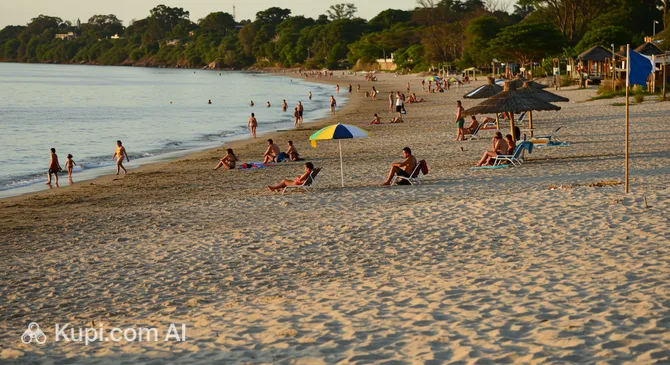
When the weather warms up, Thompson Beach becomes a favorite destination for relaxation and recreation. Situated near the entrance of the subfluvial tunnel, this sandy stretch along the river offers a resort-like atmosphere with beach bars and picnic areas. It is an excellent spot to experience the river culture up close, dip your toes in the water, or enjoy a refreshing drink with a view of the river traffic.

Thompson Beach. Source: Kupi.Binoculars

To experience the vibrant commercial life of the city, a stroll down San Martín Pedestrian Street is a must. This bustling thoroughfare is lined with a wide variety of shops, boutiques, cafes, and historic buildings. It is the ideal place to pick up local souvenirs, do some window shopping, or observe the daily rhythm of the local residents in a lively, car-free environment.

Local Cuisine

The culinary identity of Paraná is deeply intertwined with the majestic river that flows alongside it. As a riverside city, the local gastronomy shines brightest with its freshwater fish dishes, which are a must-try for any visitor. The most celebrated species include surubí, pacú, boga, and dorado. These are typically prepared in a variety of ways, such as grilled over wood fire (a la parrilla) to enhance their smoky flavor, fried in batter (milanesa de pescado), or cooked in a rich, savory tomato-based stew known as chupín.

While fish is the local specialty, the city shares the national passion for high-quality meat. You will find excellent steakhouses serving the traditional Argentine asado, featuring succulent cuts of beef and pork slow-cooked to perfection. For a quick and savory snack, look for empanadas, which in this region are often filled with river fish, offering a unique twist on the classic recipe.

Bar Maipú. Source: Kupi.Binoculars

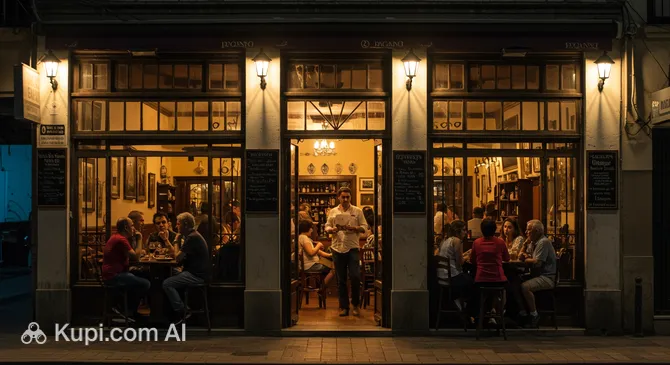
The social culture of eating and drinking in Paraná is relaxed and often centers around the outdoors. A defining local ritual is drinking mate, a herbal infusion shared among friends and family. You will see locals carrying their thermos and mate gourds everywhere, especially along the waterfront parks in the late afternoon. For evening drinks, the city offers a growing craft beer scene and, of course, excellent Argentine wines like Malbec. Classic venues such as Bar Maipú provide a traditional atmosphere where you can enjoy a coffee or a drink while soaking in the local history.

When choosing where to eat, the options range from casual street food stalls near the river to elegant restaurants. The area around the Paraná Riverside Promenade is particularly popular for dining with a view. Here, you can enjoy a leisurely meal at places like Lapan, which offers a delightful setting to taste local flavors. Whether you prefer a rustic fish grill or a refined dining experience, the city's food scene is sure to satisfy your appetite.

Travel Tips

To ensure your visit to Paraná is as enjoyable and stress-free as possible, we have compiled a list of essential recommendations. These practical insights will help you navigate the city's customs, climate, and daily rhythm with ease, allowing you to focus on the experience.

  1. Clothing and Gear: The city has a humid subtropical climate. If you are visiting during the summer (December to February), pack light, breathable clothing, a hat, and plenty of sunscreen to handle the heat. For winter trips (June to August), layers and a warm jacket are necessary, as evenings near the river can be quite cool. Comfortable walking shoes are essential for exploring the sloping streets and the Parque Urquiza.

  2. Transportation: Public buses are a common way to get around, but you will need a SUBE card to pay fares, which can be purchased at local kiosks. Taxis and remises (private cars) are affordable and safe options for direct transfers. While the city center is walkable, renting a car is a good idea if you plan to cross the tunnel to Santa Fe or explore the wider province.

  3. Finances: The local currency is the Argentine Peso. While larger hotels and restaurants usually accept credit cards, it is advisable to carry cash for small shops, kiosks, and tips. ATMs are widely available, though they may have withdrawal limits. When dining out, a tip of approximately 10% is standard practice for good service.

  4. Health and Safety: Paraná is generally a safe destination, especially in tourist zones like the waterfront and downtown. However, exercise common sense by avoiding unlit areas at night and keeping an eye on your belongings. Pharmacies are easy to find; look for those marked de turno for 24-hour service. Since the city is located on the river, mosquito repellent is highly recommended, particularly in the summer.

  5. Communication: Spanish is the primary language, and English is not widely spoken outside of major tourist establishments. Downloading a translation app or learning basic phrases like hola (hello) and gracias (thank you) will be very helpful. Local SIM cards from major providers are easy to obtain and are the best way to ensure you have mobile data for maps and communication.

  6. Local Etiquette: The locals are known for their warmth and friendliness. The standard greeting is a single kiss on the right cheek, even among new acquaintances. If you are invited to share mate, accept it as a gesture of hospitality. Keep in mind that dinner is typically served late, with many restaurants opening their doors only after 8:30 PM or 9:00 PM.

  7. What to Avoid: Do not rely on strict schedules during the afternoon. Avoid expecting shops to be open between 1:00 PM and 5:00 PM, as this is siesta time. Also, avoid changing money on the street; stick to official exchange houses or banks to ensure safety.

  8. Siesta Time: This is a crucial part of local life in Argentina's interior cities. During the afternoon hours, the city slows down significantly. Embrace this rhythm by taking a break, enjoying a long lunch, or relaxing by the river before the city comes back to life in the evening.

By keeping these tips in mind, you will be well-prepared to immerse yourself in the local culture and enjoy everything this charming riverside city has to offer. Have a wonderful trip!

Entertainment & Nightlife

Nightlife in Paraná reflects the city's relaxed yet sociable spirit, offering a variety of options that range from laid-back riverside bars to energetic nightclubs. Like much of Argentina, the evening here starts late. Locals typically head out for dinner around 10:00 PM, and the real nightlife action doesn't truly begin until well after midnight. The atmosphere is generally welcoming and informal, with a crowd that enjoys long conversations, good music, and the scenic backdrop of the river.

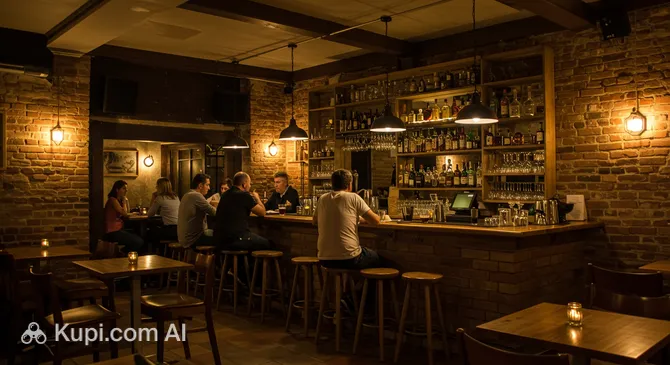
The epicenter of evening entertainment is undoubtedly the waterfront area, particularly around the Costanera and Puerto Nuevo. This district transforms at night, with venues taking advantage of the stunning river views. It is the perfect place to start your evening with a cocktail or a local craft beer. For a sophisticated yet relaxed experience by the water, Río Nuevo Café Bar is a popular choice, offering a great selection of drinks and a prime location to enjoy the cool river breeze.

Río Nuevo Café Bar. Source: Kupi.Binoculars

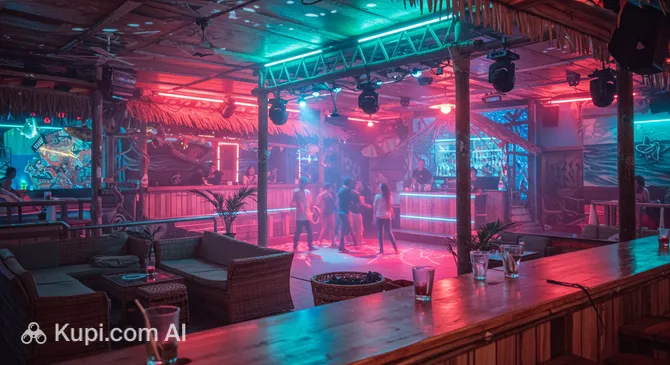
For those looking to dance or experience the local alternative scene, the city offers several vibrant spots. Tierra Bomba is a standout venue that often functions as a cultural hub. It hosts live bands, DJ sets, and themed parties, drawing a diverse crowd looking for an energetic night out. The music ranges from cumbia and rock to electronic beats, making it a dynamic place to experience the local youth culture.

Tierra Bomba. Source: Kupi.Binoculars

Craft beer has also made a significant mark on the city's social scene. Scattered throughout the center and near the park areas, you will find numerous cervecerías where friends gather for pints and finger food. Refugio Paraná is one such spot, known for its friendly vibe and excellent selection of brews. The dress code in most of these places is "smart casual"—comfortable but neat. While some nightclubs might have a slightly stricter door policy, the general vibe in Paraná is unpretentious.

When planning a night out, safety and logistics are straightforward. The main nightlife districts like the Costanera are generally well-lit and safe for walking in groups, but it is always advisable to take a taxi or a remis (private hire car) when returning to your accommodation late at night. Apps and radio taxis are reliable ways to secure a ride. Prices for drinks and cover charges are generally reasonable compared to larger capitals, making a night out here quite affordable.

Before the sun goes down, Paraná offers plenty of daytime entertainment to fill your itinerary. Culture enthusiasts should visit the majestic Teatro 3 de Febrero, an architectural gem that hosts plays and concerts. For a mix of shopping and leisure, the Paso del Paraná Shopping Mall provides a modern space with cinema screens, food courts, and retail stores, perfect for a relaxing afternoon break from the heat.

Parks & Museums

Paraná is a city that prides itself on its abundant green spaces and a deep respect for its cultural heritage. For travelers, this means an inviting mix of expansive parks overlooking the river and museums that safeguard the rich history of the Entre Ríos province. Whether you are looking to reconnect with nature or step back in time to the days of the Argentine Confederation, the city offers a diverse array of attractions to explore.

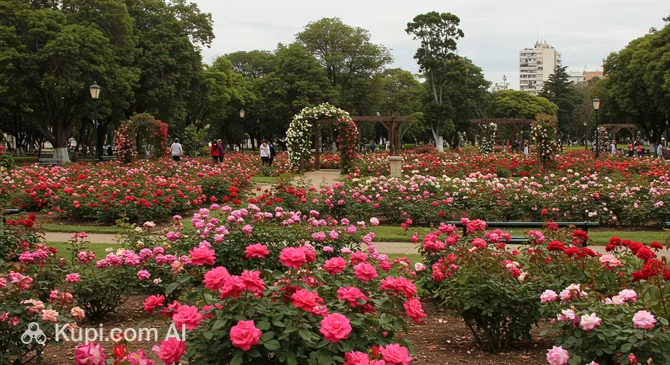
The city's most iconic green lung is undoubtedly Parque Urquiza, a massive park that hugs the river cliffs. Within this scenic context, you can find specific gems like the Rosedal. This beautifully maintained rose garden is a sensory delight, especially during the blooming season. It serves as a tranquil escape where visitors can admire a variety of rose species, fountains, and sculptures, making it a perfect spot for a leisurely afternoon walk or photography.

Rosedal. Source: Kupi.Binoculars

For those willing to venture a bit further for a deeper immersion in nature, the Parque Berduc School (Parque Escolar Rural Enrique Berduc) offers a unique experience. Located just outside the city, this expansive nature reserve is dedicated to environmental education and the preservation of native flora and fauna. It is an excellent destination for hiking, birdwatching, and experiencing the "Espinal" ecosystem in its natural state, providing a stark contrast to the urban center.

Parque Berduc School. Source: Kupi.Binoculars

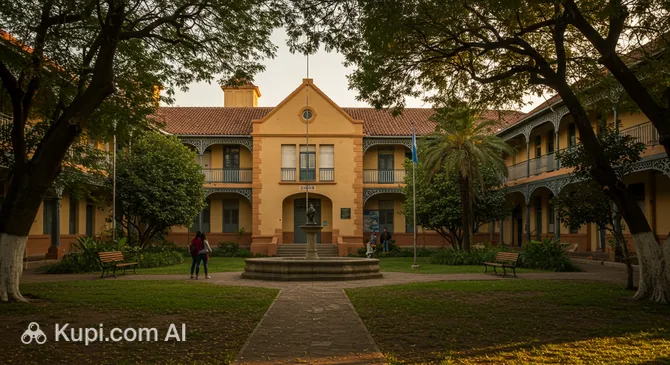
In the heart of the city, urban squares play a vital role in daily life. Carlos María de Alvear Square is one such historic gathering point. Surrounded by traditional architecture, it offers a glimpse into the local lifestyle and serves as a pleasant stop while touring the downtown area. The square is often a venue for artisan fairs and local events, adding a vibrant cultural layer to its peaceful atmosphere.

Carlos María de Alvear Square. Source: Kupi.Binoculars

When it comes to museums, Paraná boasts institutions that reflect its status as a former national capital. The Museo Histórico de Entre Ríos "Martiniano Leguizamón" is a must-visit for history buffs, housing an impressive collection of artifacts, weapons, and documents from the 19th century. Art lovers should not miss the Museo Provincial de Bellas Artes "Dr. Pedro E. Martínez", which displays a curated selection of works by provincial and national artists in a stunning heritage building.

Adding to the city's architectural and cultural landscape is the Saint Michael the Archangel Parish. This striking church is not only a place of worship but also a significant historical landmark. Its distinct architecture and detailed interior design make it a noteworthy stop for those interested in religious art and the city's architectural evolution over the centuries.

Saint Michael the Archangel Parish. Source: Kupi.Binoculars

For a truly authentic experience, explore the quieter corners of the old port area, known as Puerto Viejo. While less manicured than the main parks, it offers a raw and nostalgic view of the river's role in the city's growth. It is a quiet spot often overlooked by tourists, perfect for reflection and watching the fishermen at work.

Getting Around

Transport:

Navigating Paraná is relatively straightforward, thanks to its well-organized layout and a variety of transportation options suited for different needs. Whether you prefer the independence of a rental car or the affordability of public transit, moving around the city and its surroundings is convenient and efficient.

The most common way to get around is by using the local bus system, known as colectivos. The network covers the entire city and extends to the metropolitan area, including the frequent connection to the neighboring city of Santa Fe via the subfluvial tunnel. To pay for your fare, you must use a SUBE card, the same rechargeable magnetic card used in Buenos Aires and other major Argentine cities. It is advisable to purchase and load credit onto your card at a "Kiosco" or lottery shop upon arrival, as cash is not accepted on board.

For a more direct and private mode of transport, taxis and remises are widely available. Taxis can be hailed on the street or found at designated ranks, particularly around the main squares and the bus terminal. Remises, on the other hand, look like private cars and must be booked by phone or via specific apps; they often offer fixed rates which can be slightly more economical for longer distances. Both options are safe and reliable, making them a popular choice for evening outings or trips with luggage.

Travelers interested in a unique local experience can utilize the regional train service operated by Trenes Argentinos. This passenger train connects the central station in Paraná with nearby localities such as Colonia Avellaneda and La Picada (near the Parque Berduc). While the frequency is lower than that of buses, it is an extremely affordable way to see the outskirts of the city and is used daily by local commuters.

If you plan to explore the Argentina countryside or the wider Entre Ríos province at your own pace, renting a car is an excellent option. Major rental agencies operate within the city and at the airport. Traffic in the city center can be dense during business hours, and on-street parking is often subject to a metered system (estacionamiento medido) monitored by local staff. However, having a vehicle allows for easy access to the riverside roads and the beautiful landscapes beyond the city limits.

For those who enjoy walking or cycling, the Costanera (waterfront promenade) and the areas surrounding Parque Urquiza are pedestrian-friendly and offer dedicated paths. The city center is also compact enough to be explored on foot, allowing visitors to appreciate the architecture and local atmosphere up close.

Accommodation

Accommodation in Paraná caters to a variety of preferences and budgets, ranging from well-established hotels to cozy apartment rentals. Visitors can find modern establishments equipped with amenities like swimming pools and spas, as well as more modest, family-run lodgings that offer a warm, local experience. For those seeking a closer connection to nature, there are also cabin complexes and bungalows available on the outskirts of the city, which are particularly popular in the Entre Ríos province.

The most convenient areas to stay depend largely on your itinerary. The Downtown area, centered around the main plaza and the pedestrian shopping streets, is ideal for those who want easy access to historical landmarks, banks, and commercial services. Alternatively, the Costanera (Riverside) district near the parklands is highly recommended for travelers looking for scenic views of the river and quick access to the city's best parks, restaurants, and nightlife.

Booking accommodation in advance is highly advisable, especially if you plan to visit during long weekends or major local events, such as the famous costume parties or regional festivals, when the city often reaches full capacity. Prices in Paraná are generally reasonable and often lower than in larger tourist hubs like Buenos Aires. Most hotels and rentals can be easily booked through major online travel platforms, though contacting smaller establishments directly can sometimes yield better rates.

Nearby Cities

For those looking to explore the surroundings, Parana serves as an excellent base for day trips to several interesting nearby locations. The region offers a mix of historical cities and agricultural towns that provide a deeper understanding of the Argentine littoral lifestyle.

The most immediate destination is Santa Fe, situated just across the river and accessible via the subfluvial tunnel. As the capital of the neighboring province, it boasts a wealth of colonial history, the iconic Suspension Bridge, and a vibrant cultural scene that complements Parana's own offerings. A short drive away lies Esperanza, celebrated as the first organized agricultural colony in Argentina. This town is perfect for history enthusiasts, offering monuments and museums that tell the story of the European immigrants who settled the area. Further west, Rafaela is known as the "Pearl of the West," featuring beautiful boulevards and a strong theater tradition.

City Population Distance (km)
Santa Fe 405683 23
Rafaela 92945 108
San Lorenzo 47626 114
Esperanza 43300 51
Granadero Baigorria 36994 125

These nearby destinations offer a glimpse into the diverse culture and landscapes of the region, making them well worth a visit during your stay.

Shopping & Souvenirs

Shopping in Paraná offers a relaxed and authentic experience, blending modern retail convenience with the charm of traditional local commerce. While it may not have the massive scale of a capital metropolis, the city provides a delightful variety of options ranging from high-end boutiques to artisanal fairs. Visitors can expect to find everything from international fashion brands to unique regional crafts that reflect the cultural identity of the Entre Ríos province.

The heart of the city's commercial life beats strongest along the San Martín Pedestrian Street. This bustling, car-free thoroughfare is the primary open-air shopping district where locals and tourists alike gather to stroll. Lined with historic buildings, the street features a mix of clothing stores, shoe shops, bookstores, and electronics retailers. Between purchases, you can stop at one of the many cafes with outdoor seating to enjoy a coffee and watch the daily rhythm of the city unfold.

San Martín Pedestrian Street. Source: Kupi.Binoculars

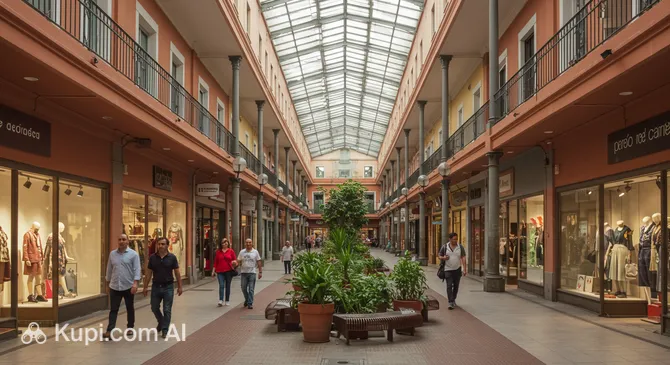
For a more modern and climate-controlled shopping experience, the Paso del Paraná Shopping Mall is a standout destination. Recently inaugurated in a beautifully restored historic building that once housed the Central Market, this mall combines architectural heritage with contemporary retail. It offers a wide selection of brands, a food court, and entertainment options, making it a perfect spot to spend an afternoon, especially on hot summer days or rainy afternoons.

Paso del Paraná Shopping Mall. Source: Kupi.Binoculars

Those seeking local flavors and traditional atmosphere should visit the Feria de Salta y Nogoyá. This historic market is a favorite among residents for fresh produce, meats, and regional specialties. It is an excellent place to see the authentic side of Paraná, where you can buy high-quality cheeses, cold cuts, and homemade goods directly from local producers. Additionally, on weekends, artisanal fairs often pop up in the parks, particularly around the waterfront, offering handmade jewelry, textiles, and decor.

When looking for souvenirs, the province of Entre Ríos is famous for its craftsmanship. Leather goods, such as belts, wallets, and bags, are of exceptional quality and value. Another popular keepsake is a mate gourd and bombilla (metal straw), essential for enjoying Argentina's national drink. For those with a sweet tooth, look for alfajores entrerrianos, a regional variation of the classic Argentine confection, or locally produced honey and river fish preserves.

Store hours in Paraná typically follow the traditional "siesta" schedule. Most street-side shops open around 8:30 AM or 9:00 AM, close for a break between 1:00 PM and 4:30 PM or 5:00 PM, and then reopen until 8:30 PM or 9:00 PM. However, shopping malls and larger supermarkets generally remain open throughout the day without interruption. Credit and debit cards are widely accepted in malls and established stores, but it is advisable to carry cash (Argentine Pesos) for smaller boutiques, markets, and street vendors.

Regarding tax-free shopping, foreign tourists in Argentina may be eligible for a VAT (IVA) refund on purchases of locally made products at participating stores. Look for the "Tax Free" signage in shop windows, particularly in larger brands within the shopping malls. To claim the refund, you will need to present your passport at the time of purchase and process the forms at the customs office upon your departure from the country.

Nearby cities

Reached the end of the page?

That means the route is fully explored