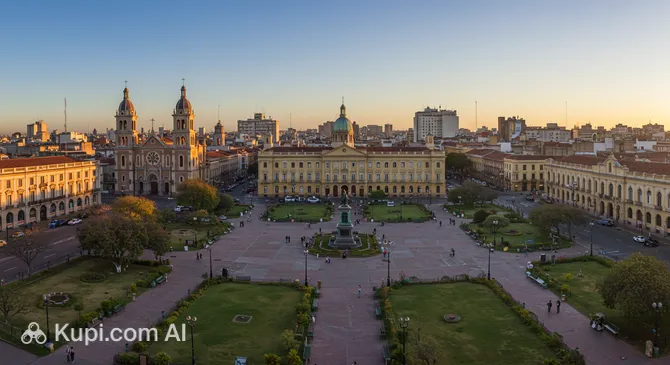
Santa Fe is a captivating city that serves as the administrative capital of its province and stands as a significant cultural hub in the northeastern region of Argentina. Situated near the confluence of the Paraná and Salado rivers, this riverside metropolis offers a unique atmosphere where colonial history blends seamlessly with modern urban life. With a population of over 400,000 inhabitants, it is a lively destination known for its warm, humid subtropical climate and lush natural surroundings.
Santa Fe. Illustration.
Source: Kupi.com AI
The city holds a special place in the nation's past, often celebrated as the "Cradle of the Constitution" because the country's national constitution was signed here in 1853. Travelers eager to delve into the historical heritage of Santa Fe can explore the well-preserved Jesuit Quarter and the San Francisco Convent, which showcase the area's deep colonial roots. This rich architectural legacy provides a fascinating backdrop to the bustling city streets.
Beyond its history, Santa Fe is famous for its connection to the water and its distinct culinary traditions. A walk along the Costanera, the scenic waterfront promenade, offers stunning views of the Setúbal Lagoon and the iconic Puente Colgante suspension bridge. Visitors should not miss the chance to enjoy the city's renowned beer culture; drinking a cold liso (smooth draft beer) accompanied by a sweet alfajor santafesino is an essential local experience.
Whether you are interested in exploring nearby nature reserves, visiting museums, or simply relaxing by the river, Santa Fe welcomes you with open arms. It is an ideal stop for those wishing to experience the authentic lifestyle and hospitality of the Argentine littoral.
Weather Overview
Understanding the local climate is essential for planning your activities in this riverside city. To get a detailed forecast for your specific travel dates, you can check the current weather in Santa Fe, but generally, the city experiences distinct seasonal changes. Summers are typically hot and humid, while winters offer cooler, drier conditions perfect for walking tours.
During the warmest months from December to February, the city heats up significantly. January is usually the hottest month, with average temperatures around 26.1°C and daily highs often reaching 31.1°C. This is also the wettest time of the year, with up to 9 wet days in January, so packing light, breathable clothing and a raincoat is advisable. In contrast, the winter season from June to August brings much cooler air, with July seeing average temperatures drop to 12.9°C and nighttime lows dipping to around 8.5°C.
Expect hot summers with occasional rain showers and mild to cool winters with significantly drier days. The transition months of spring and autumn are particularly pleasant, offering moderate temperatures that are ideal for exploring the outdoor promenades and parks.
Average monthly temperature
Average monthly precipitation
Interesting Facts
Beyond the scenic riverside views and historic plazas, Santa Fe holds fascinating stories that define its unique identity and resilience. From a city that physically moved locations to industrial spaces reborn as cultural hubs, there is much to uncover beneath the surface.
The Wandering City: Santa Fe was not originally founded in its current location. Established in 1573 near present-day Cayastá, the entire settlement was forced to relocate approximately 80 kilometers south in 1660 due to constant river erosion and conflicts. The ruins of "Santa Fe la Vieja" are now an important archaeological site that reveals the layout of the original colonial town.
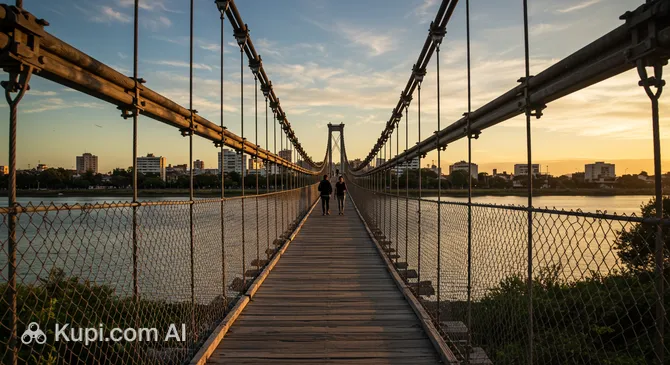
A Bridge Reborn: The iconic Marcial Candioti Suspension Bridge has a dramatic history that goes beyond its architecture. In 1983, during a severe flood, one of its pillars failed, causing a large section of the bridge to collapse into the lagoon. It remained broken for nearly two decades before being fully reconstructed to its original French design.
The Logic of the "Liso": While the city is famous for its beer, the specific term "Liso" has a legendary origin. It is attributed to Otto Schneider, a German brewmaster who settled here; he allegedly requested his draft beer in a smooth (liso), rimless glass to better appreciate the temperature and clarity of the drink, establishing a tradition that persists to this day.
Industrial Transformation: The city excels at repurposing its heritage, best seen at El Molino Cultural Factory. This complex was once a major flour mill in the early 20th century and has been transformed into a stunning public space for arts, design, and craftsmanship, preserving its distinctive "breezeblock" architecture.
Marcial Candioti Suspension Bridge. Illustration.
Source: Kupi.com AI
Traveler photos:
How to Get There
Reaching this riverside destination is convenient, with several air travel options catering to different needs. Whether you prefer landing directly in the city or arriving at a larger regional hub nearby, you can find a route that suits your itinerary. For a comprehensive guide on all available transport modes, you can read more about how to get to Santa Fe and plan your arrival.
The most direct entry point is the local Santa Fe Airport (IATA: SFN), also known as Sauce Viejo Airport. It is located approximately 15.6 km from the city center, making it a quick and easy option for domestic travelers. The journey from the terminal to downtown typically takes around 20 to 30 minutes by taxi. While it handles a smaller volume of passengers, it offers the advantage of immediate access to the city.
For those seeking more flight connections, the Fisherton Airport (IATA: ROS) in Rosario is a significant alternative. Although it is situated about 143.6 km from Santa Fe, it serves as a major hub with higher passenger traffic. Travelers arriving here can expect a transfer time of approximately 1.5 to 2.5 hours, depending on whether you choose a taxi, shuttle, or bus service to reach Santa Fe.
Another convenient option is the General Justo Jose de Urquiza Airport (IATA: PRA) in the neighboring city of Parana. Located just 29.0 km away across the river, it is very close to Santa Fe. The transfer from this airport usually takes just over an hour, offering a viable alternative if flights to the local airport are unavailable.
For clarity, here is a summary of the main airports:
Besides air travel, Santa Fe is well-connected by Argentina's extensive network of long-distance buses. The city's bus terminal is a busy hub receiving comfortable "micro" services from major cities like Buenos Aires and Cordoba. While train services are less common for reaching this specific region compared to road transport, the bus system remains a reliable and popular choice for many tourists.
Main Attractions
Santa Fe is a city that invites exploration, boasting a variety of landmarks that reflect its rich cultural and natural heritage. From scenic waterfronts to spiritual centers, the local attractions offer something for every traveler looking to understand the essence of this riverside metropolis.
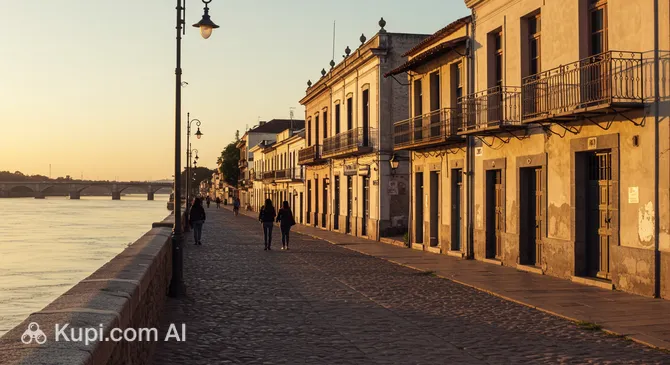
One of the most beloved spots for both locals and tourists is the Santa Fe Riverside Promenade. Stretching along the Setúbal Lagoon, this picturesque walkway is the heartbeat of the city's social life. It is the ideal location for a leisurely afternoon stroll, a morning jog, or simply sitting on the grass to enjoy a traditional mate while watching the water. The promenade offers uninterrupted views of the lagoon and connects visitors to the city's aquatic identity.
Santa Fe Riverside Promenade. Illustration.
Source: Kupi.com AI
Traveler photos:
A short distance along the waterfront, you will find the iconic Costanera Lighthouse. Constructed in 1928, this charming structure has become a recognized symbol of Santa Fe. Although it no longer functions as a navigational aid, it stands as a historic monument and a favorite backdrop for photographs, representing the city's enduring connection to the river.
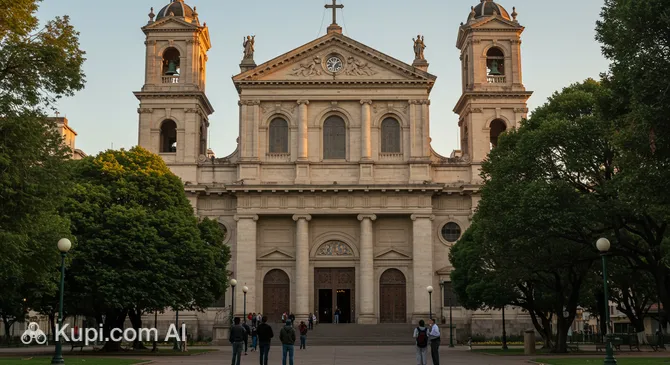
For those interested in religious architecture and local traditions, the Basilica of Guadalupe is a must-visit destination. This imposing Neo-Gothic church is not only an architectural gem but also the center of the region's most significant religious pilgrimage. Inside, visitors can admire beautiful stained glass windows and a serene atmosphere that offers a quiet respite from the bustling city streets.
Basilica of Guadalupe. Illustration.
Source: Kupi.com AI
Traveler photos:
Nature enthusiasts should head to the Ciudad Universitaria Ecological Reserve (UNL). Located near the university city, this protected area preserves the native flora and fauna of the river delta ecosystem. A network of trails allows visitors to immerse themselves in the landscape, making it a perfect spot for birdwatching and discovering the biodiversity of the Paraná region.
Local Cuisine
Santa Fe’s gastronomy is deeply connected to the winding waters of the Paraná River, making freshwater fish the undisputed star of local tables. Visitors should not miss the opportunity to try surubí, pacú, or boga, which are typically prepared on the grill (a la parrilla) with lemon and herbs to highlight their delicate natural flavors. Another traditional favorite is the chupín, a hearty fish stew cooked slowly with vegetables, potatoes, and tomato sauce, offering a comforting taste of the littoral region.
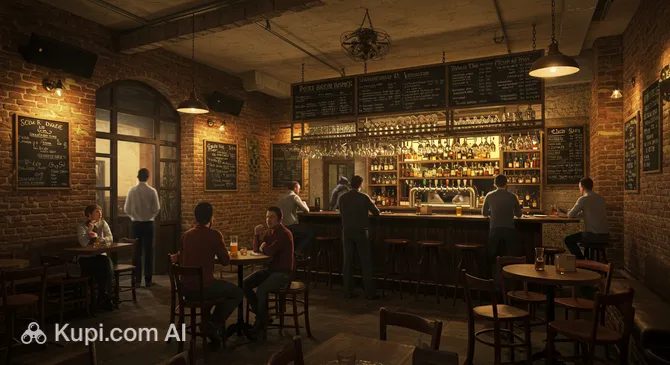
The city is also widely recognized as the beer capital of Argentina, boasting a brewing tradition that dates back over a century. The quintessential local experience is ordering a liso—a smooth, cold draft beer served in a specific straight, rimless glass that keeps the drink at the perfect temperature. For those eager to explore the modern side of this heritage, the Occidenta Tap Room offers a wide variety of craft brews and a vibrant atmosphere that celebrates the city's love for high-quality beer.
Occidenta Tap Room. Illustration.
Source: Kupi.com AI
Traveler photos:
For something sweet, the Alfajor Santafesino is a culinary icon that differs significantly from other Argentine varieties. Instead of a soft cookie texture, this regional delicacy features layers of crispy, flaky pastry filled with generous amounts of dulce de leche and coated in a sugary white glaze (glacé). It is a must-try treat that pairs perfectly with an afternoon coffee or mate.
The dining scene in Santa Fe is relaxed and highly social, with many of the best eateries located along the waterfront or in the bustling city center. Locals often gather for long meals that extend into the night, enjoying the warm climate and river breeze. Venues like Tribus Bar y Arte capture this energetic spirit, providing a place where visitors can enjoy good food, drinks, and live entertainment in a welcoming setting.
Travel Tips
To ensure your visit to Santa Fe is as enjoyable and stress-free as possible, we have compiled a list of essential practical advice. These tips will help you navigate the local lifestyle, manage your budget, and pack the right gear for this riverside city.
Clothing and Gear: Summers (December to February) are incredibly hot and humid, so pack light, breathable fabrics like cotton or linen. A hat, sunglasses, and high-quality sunscreen are mandatory. Since the city is surrounded by rivers and wetlands, mosquito repellent is an absolute must, especially in the evenings. If you visit in winter, bring a medium-weight jacket and layers, as evenings can get quite chilly.
Transportation: The most economical way to get around is by public bus (colectivos). To use them, you will need a SUBE card, which can be purchased at kiosks and recharged with credit. Taxis and remises (private car services) are widely available and safe; it is often better to ask your hotel or restaurant to call one for you rather than hailing it on the street at night.
Finances: The local currency is the Argentine Peso (ARS). While major hotels and restaurants accept credit and debit cards, cash is king for smaller shops, kiosks, and taxis. It is advisable to carry a mix of payment methods. ATMs are widely available in the city center (Peatonal San Martín area). Tipping is customary in restaurants; leaving about 10% of the bill is standard for good service.
Health and Safety: Santa Fe is generally safe for tourists, particularly in the downtown and Costanera areas, but standard precautions apply. Avoid walking alone in poorly lit areas at night and keep your valuables secure. Pharmacies are easy to find, and those marked "de turno" remain open 24 hours on a rotating schedule. Due to the humid climate, stay hydrated and protect yourself from insect bites.
Communication: Spanish is the official language. While staff at high-end hotels may speak English, it is not widely spoken by the general public or taxi drivers. Downloading an offline translation app and learning a few basic phrases like "Hola" (Hello) and "Gracias" (Thank you) will be very helpful. Prepaid SIM cards from providers like Claro, Movistar, or Personal are easy to buy in the city center.
Local Etiquette: Locals are warm and friendly. The standard greeting, even among new acquaintances, is a single kiss on the right cheek. Do not be surprised by this physical closeness. Additionally, dinner is typically eaten late, often after 9:00 PM or 10:00 PM, so plan your meal times accordingly.
What to Avoid: The local football rivalry between the two main teams, Colón and Unión, is extremely passionate. Avoid wearing the jersey of either team unless you are going to a match, as it can attract unwanted attention in certain neighborhoods. It is best to stay neutral and enjoy the atmosphere without taking sides.
The Siesta Tradition: Santa Fe strictly observes the siesta. Between approximately 1:00 PM and 5:00 PM, most shops and businesses close their doors for the afternoon break. Plan your shopping and errands for the morning or late afternoon, and use the quiet midday hours to relax or visit the riverside parks.
By keeping these practical tips in mind, you will be well-prepared to embrace the relaxed rhythm and friendly culture of Santa Fe. Whether you are sipping a liso by the lagoon or exploring historical sites, a little preparation ensures a memorable and smooth experience.
Entertainment & Nightlife
Santa Fe comes alive when the sun goes down, fueled by its reputation as Argentina’s beer capital. The city’s nightlife is vibrant, social, and heavily centered around gathering with friends for a "liso" (draft beer) before heading out to dance or enjoy live music. The atmosphere is generally relaxed but energetic, with options ranging from laid-back pubs to pulsating nightclubs that stay open until dawn.
The heart of the evening action is often found in the **Recoleta Santafesina** district, particularly around 25 de Mayo Street and Santiago del Estero. This area is packed with stylish bars, pubs, and restaurants that attract a diverse crowd. It is the perfect place to start the night with dinner and drinks. Another key hotspot is **Bulevar Gálvez**, a tree-lined avenue where renovated mansions now house trendy breweries and cultural spaces, offering a sophisticated yet accessible vibe.
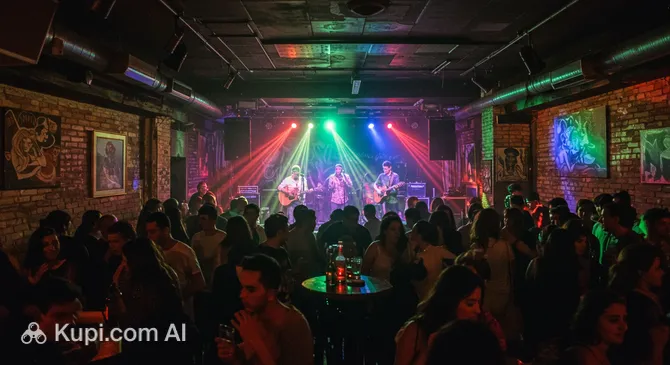
For those seeking live entertainment and a spirited atmosphere, Stanley Rock Bar is a popular venue. It is well-known for its dedication to rock music, hosting local bands and offering a lively setting for those who want to escape the mainstream pop circuit. The venue typically fills up after midnight, reflecting the local habit of late-night socializing.
Stanley Rock Bar. Illustration.
Source: Kupi.com AI
Traveler photos:
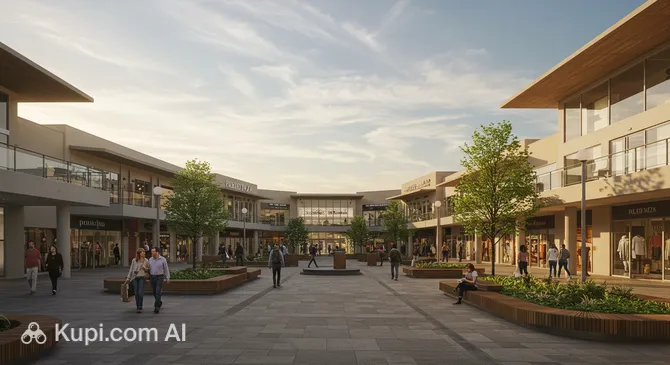
During the warmer months, the nightlife shifts towards the river. The **Costanera Este** (East Waterfront) becomes the epicenter of late-night clubbing, with large open-air complexes (boliches) hosting DJs and dancing under the stars. The dress code here tends to be "smart casual"—locals dress up a bit for the clubs, but it is rarely overly formal. If you prefer a more modern, commercial environment for your evening, the Puerto Plaza Shopping Center offers an open-air layout with various dining and drink options, perfect for a relaxed night out near the port district.
Puerto Plaza Shopping Center. Illustration.
Source: Kupi.com AI
Traveler photos:
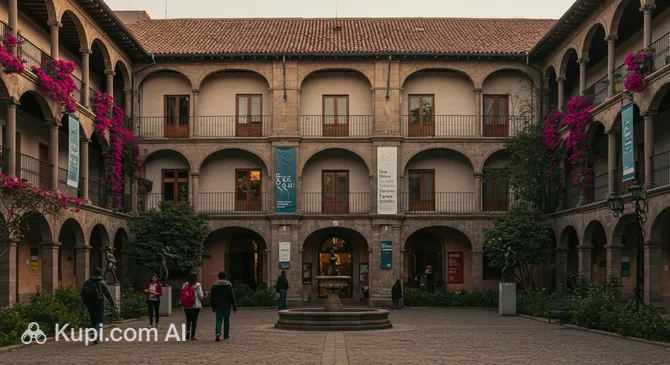
While nightlife dominates, the city also offers enriching cultural entertainment during the day and early evening. The Provincial Cultural Center is a key institution, featuring a diverse program that includes theater productions, concerts, and artistic exhibitions. It serves as a quieter alternative for travelers interested in the arts rather than the party scene.
Provincial Cultural Center. Illustration.
Source: Kupi.com AI
Traveler photos:
Practical Advice for Night Owls:
The "night" in Santa Fe starts late. Restaurants typically fill up around 9:30 PM or 10:00 PM, and bars get busy after 11:00 PM. Nightclubs rarely get going before 2:00 AM. Prices are generally affordable compared to Buenos Aires, with beer being particularly reasonably priced. For safety, it is best to stick to the busy areas like Recoleta and the Costanera. Avoid walking alone in unlit streets late at night. The safest way to get around is by calling a remis (private car service) or a radio taxi; ask your bartender or server to call one for you to ensure a registered and safe ride home.
Parks & Museums
Santa Fe seamlessly blends its urban grid with refreshing green lungs and vibrant cultural spaces, offering visitors numerous opportunities to relax in nature or dive into the local arts scene. The city’s layout, heavily influenced by its proximity to the river, incorporates spacious parks and repurposed industrial buildings that now serve as hubs for creativity and history.
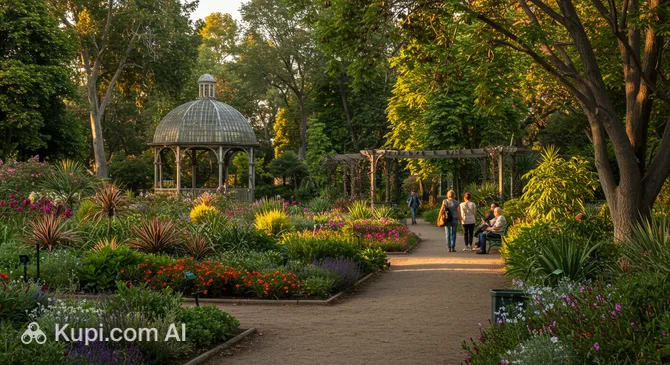
For a peaceful escape within the city limits, the Republic of Lebanon Botanical Garden is an excellent choice. This carefully landscaped area offers a serene environment filled with diverse plant species, shaded pathways, and manicured gardens. It is a favorite spot for locals to take a break from the bustle of downtown, perfect for a quiet walk or an afternoon of reading under the trees.
Republic of Lebanon Botanical Garden. Illustration.
Source: Kupi.com AI
Traveler photos:
Another significant green space is the Training Park (often referred to locally in the context of the Parque Federal area), which serves as a massive urban lung for the city. This expansive park is a hub for outdoor activities, attracting runners, cyclists, and families. Its open design and large grassy areas make it ideal for picnics and sports, reflecting the active lifestyle of Santa Fe's residents.
During the warmer months, the connection to the water becomes even more inviting. The Laguna Beach Parador offers a beach-like atmosphere where visitors can enjoy the sun and sand by the lagoon. It is a popular gathering place for those looking to relax by the water without leaving the city, often hosting events and providing a lively summer vibe.
Santa Fe is also a city that honors its culture by transforming its past. A prime example is El Molino Cultural Factory. Housed in a beautifully restored former flour mill, this multi-space venue is dedicated to creativity and design. Unlike a traditional static museum, it functions as an interactive center where visitors can observe workshops, explore artistic installations, and admire the stunning architecture that marries industrial heritage with modern aesthetics.
El Molino Cultural Factory. Illustration.
Source: Kupi.com AI
Traveler photos:
Similarly, the Progreso Market has evolved from a traditional marketplace into a dynamic cultural center. It frequently hosts art exhibitions, fairs, and community events, serving as a testament to the city's commitment to preserving its historic structures while giving them new life. For history enthusiasts, the city also boasts the Constitution Museum (Museo de la Constitución), a modern interpretive center located in the Parque de la Constitución, which commemorates Santa Fe's pivotal role as the site where Argentina's National Constitution was signed.
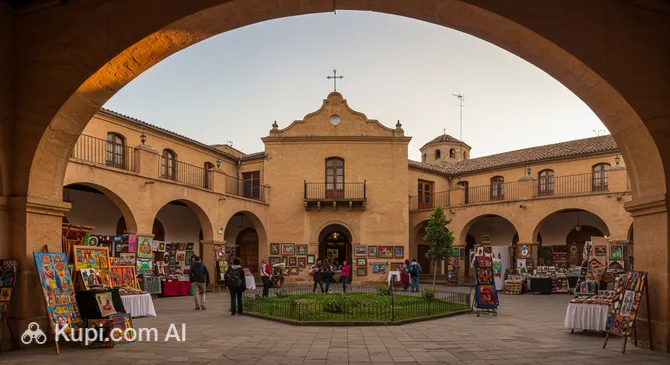
Among the city's historical landmarks, Pueyrredón Square stands out as one of the most traditional plazas. Known for its tall trees and central fountain, it is famous for hosting the "Feria del Sol," a well-known artisan market where you can find local crafts and souvenirs. Nearby, the Spanish Promenade offers a charming historic walkway, featuring monuments and architectural details that pay homage to the city's colonial roots.
Insider Tip: If you are visiting on a Sunday afternoon, head to Pueyrredón Square. The artisan fair is in full swing, and it is the perfect place to buy unique handmade leather goods or mates while enjoying the relaxed, family-friendly atmosphere that defines Santa Fe.
Getting Around
Public transport in Santa Fe is primarily reliant on an extensive network of urban buses, known locally as colectivos. Since the city does not have a metro or tram system, these buses serve as the backbone of daily mobility, connecting the downtown area with residential neighborhoods, the university district, and the waterfront. The fleet is generally modern and recognizable by its yellow color scheme. Routes are numbered, and stops are frequent, making it a convenient option for getting around the main points of interest.
To use the bus system, you must have a SUBE card (Sistema Único de Boleto Electrónico), the same rechargeable smart card used in the capital and other major Argentine cities. Cash is not accepted on board. You can purchase a card at "kioscos" (convenience stores) or lottery shops throughout the city. Once you have the card, you need to load credit onto it at these same locations or via digital wallets. When boarding, simply tap your card on the reader located next to the driver; the fare is automatically deducted.
For tourists, navigating the bus routes is made significantly easier by using mobile apps. The local application "Cuándo Pasa" is highly recommended; it provides real-time information on when the next bus will arrive at your specific stop, helping you avoid long waits. Google Maps is also reliable for planning routes. Buses typically operate from early morning until around midnight, though frequencies drop significantly late at night and on weekends. During peak hours (morning and late afternoon), buses can get quite crowded.
If you prefer a more direct and private mode of transport, taxis and remises are widely available alternatives. Taxis are easily identified by their black and yellow coloring and can be hailed on the street. Remises, on the other hand, are private cars that look like regular vehicles and must be booked by phone or at a specific agency office (remisería). Remises often offer fixed prices for specific distances, which can be slightly more economical than metered taxis. Both are safe and reliable options, especially for returning to your accommodation late at night.
Santa Fe is a remarkably flat city, which makes it excellent for cycling. The local government has implemented a public bicycle sharing system called Las Bicis. This eco-friendly service allows users to pick up a bike at various automated stations across the city. It is often free or very low-cost, though it typically requires downloading an app and registering with a valid ID or passport. Exploring the Costanera or the Boulevard Gálvez on two wheels is a popular way to see the sights at a relaxed pace.
Accommodation
Where to Stay:
Finding the right place to stay in Santa Fe is straightforward, as the city offers a welcoming range of accommodation options that cater to different travel styles and budgets. Visitors can choose from well-established hotels in the historic center, modern high-rise apartments near the port, and cozy hostels that appeal to backpackers. Whether you are looking for luxury services or a simple, comfortable base for exploration, the city has sufficient infrastructure to host you.
For those who prioritize convenience and history, the downtown area (Centro) is the most strategic location. Staying near the pedestrian San Martín Street places you within walking distance of major historical sites, banks, and the main shopping district. This area is bustling during the day and offers easy access to public transport. Alternatively, travelers seeking scenic views and a more relaxed atmosphere often prefer the Port District and Costanera areas. These neighborhoods are modern and lively, offering immediate access to the riverside promenade, the casino complex, and a variety of upscale restaurants and bars.
The price range for accommodation in Santa Fe is generally reasonable compared to larger capitals like Buenos Aires. Budget travelers can find affordable hostels and guesthouses, particularly around the university areas. Mid-range options are plentiful, typically offering standard amenities like air conditioning—essential during the hot summer months—and breakfast. For those seeking luxury, the city boasts a few higher-end hotels located near the port, featuring pools and spa services.
Booking Tip: While it is usually easy to find a room, it is highly recommended to book your accommodation in advance if you plan to visit during major local events, such as the Santa Fe-Coronda Marathon or national long weekends. During these peak times, the best locations fill up quickly. Most properties are listed on major international booking platforms, but contacting smaller establishments directly can sometimes yield better rates.
Nearby Cities
For those looking to explore the surroundings, Santa Fe serves as an excellent base for day trips to several interesting nearby locations. Just across the river, connected by the Hernandarias Subfluvial Tunnel, lies Paraná, the capital of the Entre Ríos province. It is famous for its stunning riverside cliffs and the expansive Parque Urquiza, which offers panoramic views of the Paraná River. A short drive to the west brings you to Esperanza, historically significant as the first organized agricultural colony in Argentina. This town is a testament to the region's immigrant roots, featuring well-preserved architecture and museums dedicated to its pioneering history.
Another worthwhile destination is Rafaela, known as the "Pearl of the West." This city is celebrated for its tidy streets, strong productive culture, and beautiful central plaza filled with lapacho trees. Whether you are interested in history, nature, or urban exploration, these neighboring towns provide a deeper understanding of the diverse life in the Santa Fe province.
These nearby destinations offer a glimpse into the diverse culture and landscapes of the region.
Shopping & Souvenirs
Shopping in Santa Fe offers a pleasant mix of traditional pedestrian promenades, modern commercial centers, and vibrant artisan fairs. The city does not have the frenetic pace of a massive metropolis, allowing for a more relaxed retail experience. Visitors can find everything from international fashion brands to unique regional handicrafts, with a particular focus on local culinary delights that make for perfect gifts.
The heart of the city's retail activity is the Peatonal San Martín. This bustling pedestrian street runs through the downtown area and is lined with a wide variety of shops, including clothing boutiques, shoe stores, electronics retailers, and bookstores. It is also dotted with historic cafes where shoppers can take a break. For a more open-air commercial experience further north, Avenida Aristóbulo del Valle serves as another major shopping artery, known as a "shopping center under the sky" with numerous family-run businesses and local brands.
For those who prefer the convenience of modern malls, the port district is the place to go. The Puerto Plaza Shopping Center is a contemporary strip mall concept that combines shopping with services and gastronomy in an open-air setting. It is ideal for a quick stop or a relaxed evening browse near the river. Nearby, the Shopping La Ribera offers a more traditional enclosed mall experience with a cinema complex, food court, and major national clothing chains.
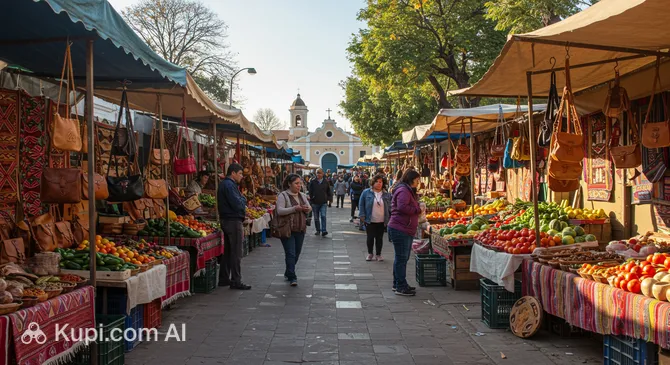
Travelers interested in local culture and handmade goods should explore the city's markets. The Progreso Market is a historic hub that, while functioning largely as a cultural center today, frequently hosts design fairs and community markets where independent creators sell their wares. Additionally, the artisan fair at Pueyrredón Square, known as the "Feria del Sol," is a must-visit on weekends. Here, local craftsmen display leather goods, woodwork, textiles, and handmade jewelry.
Progreso Market. Illustration.
Source: Kupi.com AI
Traveler photos:
When it comes to souvenirs, the undisputed star is the Alfajor Santafesino. Unlike the chocolate-covered versions found elsewhere in Argentina, this local variety features layers of crispy pastry filled with dulce de leche and covered in a hard sugar glaze. Boxes of these sweet treats from historic manufacturers like Merengo or Gayalí are the classic gift to bring home. Other popular items include mate gourds and bombillas, as well as merchandise related to the city's strong brewing tradition, such as the distinctive "liso" beer glasses.
Store hours in Santa Fe typically follow the traditional "siesta" schedule. High street shops usually open from 8:30 AM to 12:30 PM, close for the afternoon, and reopen from 4:30 PM to 8:30 PM. However, shopping malls and large supermarkets operate continuously from roughly 10:00 AM to 10:00 PM. Credit and debit cards are widely accepted in malls and established stores, but carrying cash (Argentine Pesos) is recommended for street markets and smaller kiosks. Foreign tourists may also look for the "Tax Free" logo in participating stores to claim a VAT refund on locally made products upon leaving the country.