Support

San Antonio del Tachira

About

Welcome to San Antonio del Tachira, a bustling city that serves as a vital gateway in the western region of the country. Known for its dynamic commercial atmosphere and rich cultural exchange, this city offers visitors a unique glimpse into the daily life of the Andean foothills. Located in the state of Táchira, it sits strategically on the border, creating a melting pot of traditions and a lively energy that permeates its streets.

Geographically, the city is positioned in the Táchira depression, offering a warm, tropical climate that contrasts with the cooler temperatures of the nearby high Andes. With a population of approximately 61,000 residents, it is a significant urban center in Venezuela. The surrounding landscapes feature lush greenery and rolling hills, providing a scenic backdrop to the urban environment.
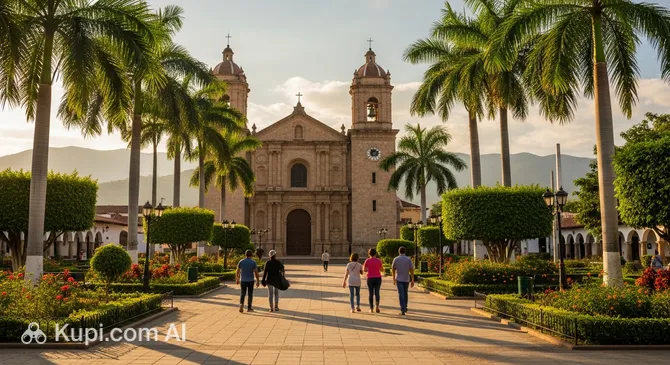
San Antonio del Tachira. Source: Kupi.Binoculars

The city holds a special place in the nation's heritage, often referred to as the "Villa Heroica" for its contributions to the independence movement. Travelers interested in the past can explore the fascinating history of San Antonio del Tachira, which details the city's role in the Admirable Campaign led by Simón Bolívar. This historical depth adds a meaningful layer of significance to its modern streets and plazas.

Visitors can enjoy a stroll through the central Plaza Bolívar, a common gathering place surrounded by important local buildings and vibrant activity. The city is also renowned for its skilled artisans, particularly in the production of leather goods and textiles, making it an excellent spot for shopping for high-quality local crafts. Additionally, the iconic Simón Bolívar International Bridge stands as a major landmark, symbolizing the connection and flow of commerce in the region.

Whether you are passing through on a longer journey or stopping to appreciate the local commerce and culture, San Antonio del Tachira welcomes you with open arms. Its blend of historical pride, commercial vitality, and warm hospitality makes it a memorable stop for any traveler exploring the Venezuelan Andes.

Weather Overview

The climate in San Antonio del Tachira is generally warm and consistent throughout the year, offering a tropical atmosphere that varies little between seasons. Travelers can expect average daily temperatures to range comfortably between 23°C and 26°C. The warmest weather typically arrives in August and September, with maximum temperatures reaching up to 30.8°C, while the coolest nights occur in January, where lows may dip to around 18.6°C.

Precipitation is a regular feature of the local weather pattern, characterized by frequent wet days rather than heavy downpours. The months of October and November are usually the most active, seeing up to 22 wet days, while December and January are relatively drier with fewer rainy days. Regardless of when you visit, carrying an umbrella is a good idea. For more specific forecasts to help plan your packing, you can check the current weather in San Antonio del Tachira.

Interesting Facts

Beyond the bustling commerce and border dynamics, San Antonio del Tachira holds fascinating secrets that define its unique identity. This city is not just a gateway but a place of deep historical significance and vibrant cultural traditions that surprise many visitors.

  • The "Oven" of the Andes: While the state of Táchira is famous for its cool, mountainous Andean climate, San Antonio sits in a unique geographical depression. This location gives it a surprisingly hot, tropical climate, distinguishing it as one of the warmest cities in the otherwise temperate Andean region.

  • A Bi-National Celebration: The city hosts the renowned Carnaval Internacional de la Frontera (International Border Carnival), a colorful festival that dates back decades. Unlike typical carnivals, this event traditionally celebrates the cultural unity between Venezuela and neighboring Colombia, featuring parades that blend folklore from both nations.

  • The "Villa Heroica" Title: San Antonio is officially honored with the title "Villa Heroica" (Heroic Town). This is not merely a nickname but a formal recognition of its pivotal role in 1813, when it served as the entry point for Simón Bolívar's Admirable Campaign, effectively becoming the launchpad for the liberation of western Venezuela.

  • A Textile Powerhouse: While often known for leather, the city is also a major hub for the textile industry, particularly in the manufacturing of denim. It serves as a primary production center for blue jeans in the country, attracting merchants and shoppers from all over the region looking for high-quality, locally-made apparel.

How to Get There

Reaching this bustling border city is relatively straightforward, with several transport options available depending on your point of origin. For a comprehensive overview of routes and travel advice, you can read more about how to get to San Antonio del Tachira on our detailed page.

The most direct air connection is via the local San Antonio Airport (IATA: SVZ). Situated within San Antonio del Tachira itself, it is conveniently located just 2.6 km from the city center. Travelers landing here can expect a short transfer of approximately 24 minutes by taxi or shuttle to reach the main districts. This airport serves as a key regional hub, facilitating domestic travel and connecting the area to other parts of the country.

Another significant option for travelers is the Camilo Daza International Airport (IATA: CUC). It is important to note that this airport is not in San Antonio del Tachira but in the city of Cúcuta, roughly 14.3 km away. Due to its proximity to the border, it is a popular choice for many, with the journey by road taking about 42 minutes. This airport handles a large volume of passenger traffic and offers a wider range of connections compared to smaller regional airfields.

For clarity, here is a summary of the main airports:

Airport Name City Passenger Traffic Km from City
Palonegro International Airport Bucaramanga High 112.1
Camilo Daza International Airport Cúcuta High 14.3
El Yopal Airport Yopal Medium 276.4
San Antonio San Antonio del Tachira Medium 2.6
Los Colonizadores Saravena 115.2

San Antonio del Tachira does not have a railway station, and train travel is not a primary mode of transportation in this region. Visitors typically rely on the well-established road network, utilizing buses, taxis, or private cars to navigate the area and cross between nearby cities.

Main Attractions

San Antonio del Tachira offers a variety of interesting sites that reflect its unique position as a border city with a rich historical background. Visitors will find that the local attractions provide a deep insight into the daily life, spiritual traditions, and commercial vitality of the region. From religious landmarks to bustling public spaces, the city invites travelers to explore its diverse character.

One of the most significant architectural and spiritual landmarks is the Basílica Menor San Antonio de Padua. Dedicated to the city's patron saint, this church is a focal point for the local Catholic community and stands out for its beautiful colonial-inspired design. Recently elevated to the status of a minor basilica, it features an impressive façade and a peaceful interior that offers a quiet retreat from the busy streets. It is a must-visit for those interested in religious history and local architecture.

The heart of the city's social life is undoubtedly Plaza Bolívar. Like many Venezuelan cities, this central square serves as a gathering place for locals and tourists alike. Surrounded by important government buildings and shaded by trees, it is an excellent spot to sit and observe the local culture. The plaza often hosts community events and is home to a statue of Simón Bolívar, reminding visitors of the city's "Heroic" role in the independence struggles of the 19th century.

For a taste of the region's vibrant commercial energy, the Mercado Municipal is a key attraction. This bustling market offers an authentic experience where travelers can find everything from fresh local produce to the leather goods and textiles for which the city is famous. It is a lively environment that engages all the senses, providing a perfect opportunity to interact with friendly locals and purchase unique souvenirs.

Finally, the Puente Internacional Simón Bolívar is an iconic structure that defines the city's identity. While primarily a transit point connecting Venezuela to Colombia, it is a landmark of great geopolitical and social significance. Viewing the bridge offers a unique perspective on the dynamic relationship between the two nations, symbolizing the constant flow of people, culture, and commerce that has shaped San Antonio del Tachira for generations.

Local Cuisine

The culinary landscape of San Antonio del Tachira is a delightful reflection of its Andean heritage, offering a distinct flavor profile that sets it apart from other regions in Venezuela. A staple of the local diet is the Arepa Andina, which differs significantly from the corn-based version found elsewhere in the country. Made from wheat flour, these soft, thick discs are a comforting daily bread, typically served warm with fresh white cheese, butter, or cream. They are often accompanied by Pizca Andina, a hearty soup made with milk, potatoes, cilantro, green onions, and poached eggs, traditionally eaten for breakfast to provide energy for the day.

For a quick and savory bite, the city’s street food scene is dominated by Pastelitos. These deep-fried wheat flour turnovers are filled with a variety of ingredients such as seasoned ground meat, rice, cheese, or chickpeas. They are famous for their crispy, bubbly crust and are a favorite snack among locals and travelers navigating the busy border area. Another common treat is the Bollo, a corn dough parcel wrapped in leaves and boiled, often served with a spicy garlic sauce known as guasacaca.

When it comes to beverages, the region boasts unique traditional drinks that visitors must try. Chicha Andina is a thick, fermented drink made from rice and pineapple skins, spiced with cinnamon and cloves, offering a sweet and tangy flavor that varies from home to home. For those interested in local spirits, Miche Andino is the traditional alcoholic beverage of the Venezuelan Andes. This clear, potent liquor is distilled from fennel and brown sugar (panela), often consumed as a digestive or during festive occasions.

The food culture in San Antonio del Tachira is centered around casual, family-run establishments and vibrant bakeries. "Panaderías" are plentiful and popular, serving sweet treats like Acemas (a spiced, round loaf) and Quesadillas (a sweet, cheese-filled bread star, distinct from the Mexican dish). Locals and tourists alike often gather in the bustling markets or near the central plazas to enjoy these freshly baked goods, making dining here a warm and communal experience.

Travel Tips

Planning a visit to San Antonio del Tachira requires a bit of specific preparation, as this dynamic border city has its own unique rhythm and logistical realities. To help you navigate the bustling streets and make the most of your stay, here are some essential practical tips designed for travelers.

  1. Clothing and Gear: Given the city's reputation as the "Oven of the Andes," prioritize lightweight, breathable fabrics like cotton or linen to stay cool in the tropical heat. Comfortable walking shoes are a must, as the sidewalks can be uneven and the city is best explored on foot. Don't forget a hat and sunglasses for sun protection, and always carry a compact umbrella, as sudden showers are common in the afternoons.
  2. Transportation: The most convenient way to get around is by using local taxis or mototaxis (motorcycle taxis), which are agile enough to navigate heavy traffic. There are no metro or tram systems here. It is standard practice to negotiate and agree on the fare with the driver before you get into the vehicle, as meters are rarely used.
  3. Finances: While the local currency is the Venezuelan Bolívar, the proximity to Colombia means that the Colombian Peso (COP) and the US Dollar (USD) are widely accepted and often preferred for daily transactions. Carry cash in small denominations, as finding change for large bills can be difficult. International credit cards may not work reliably in smaller shops, so having a cash reserve is essential.
  4. Health and Safety: Stick to drinking bottled or purified water to avoid stomach issues, and ensure the seal is intact when purchasing. Pharmacies, known as farmacias, are plentiful in the city center, but it is wise to bring a basic first-aid kit and any personal prescription medications you need. Be mindful of your belongings in crowded areas like the Mercado Municipal.
  5. Communication: Spanish is the primary language, and English is not widely spoken outside of major hotels. It is highly recommended to learn a few basic phrases or download an offline translation app to help with directions and shopping. For mobile data, you can purchase a local SIM card from providers like Movistar or Digitel, provided you have an unlocked phone.
  6. Local Etiquette: Venezuelans are warm and polite; it is customary to greet people with a friendly "Buenos días" (Good morning) or "Buenas tardes" (Good afternoon) when entering a shop or boarding a taxi. When interacting with locals, a polite and patient demeanor goes a long way, especially in busy commercial environments where lines can be long.
  7. What to Avoid: Strictly avoid taking photographs of military personnel, police officers, or government buildings, particularly near the Simón Bolívar International Bridge and customs areas. This is a sensitive border zone, and unauthorized photography can lead to serious misunderstandings or confiscation of equipment.
  8. Shopping Tip: If you plan to shop for the region's famous leather goods or textiles, try to visit the markets early in the morning. Not only will you beat the midday heat, but you will also encounter fewer crowds, giving you a better opportunity to browse the stalls and chat with the artisans.

By keeping these practical tips in mind, you will be well-equipped to handle the energetic pace of San Antonio del Tachira. Embrace the local customs and the vibrant border atmosphere, and you are sure to have a memorable and smooth travel experience.

Entertainment & Nightlife

The nightlife in San Antonio del Tachira reflects the city's vibrant, cross-cultural energy. As a bustling border town, the evening entertainment here is a lively mix of Venezuelan warmth and Colombian musical influences. While it may not have the massive nightclubs of a capital city, it offers a spirited selection of tascas (tavern-style bars), open-air restaurants, and dance halls where locals gather to unwind. The atmosphere is generally casual and festive, with the rhythms of salsa, merengue, and vallenato filling the air as the sun goes down.

For those looking to experience the local party scene, Vertigo Club is a well-known destination located on Calle 7. It caters to a crowd looking for a traditional nightclub vibe, focusing on dancing and high-energy music, often featuring DJs playing popular Latin hits. If you prefer a more laid-back environment to enjoy a drink and conversation, Old Barr is an excellent choice. Venues like this typically offer a wide selection of beers and spirits, including the local Miche Andino, in a setting that allows for easier conversation.

While the city is known for its trade and nightlife, daytime entertainment is more low-key and centered around the daily hustle of the border. Visitors can explore the vibrant local culture by walking through the commercial districts, where the streets are lined with shops and stalls selling everything from textiles to handicrafts. The city's plazas also serve as makeshift stages for social interaction, offering a pleasant space to sit, people-watch, and absorb the unique atmosphere of this "Heroic City" without the need for formal attractions.

When planning a night out, safety and logistics are important. It is highly recommended to use trusted taxi services rather than walking, especially late at night or if you are unfamiliar with the area. Stick to well-lit, populated streets and avoid the immediate border crossing zones after dark. As for payments, while some places accept cards, cash—specifically Colombian Pesos or US Dollars—is the most reliable form of payment. Prices are generally affordable, making it easy to enjoy a full night of entertainment without overspending.

Parks & Museums

While San Antonio del Tachira is primarily known for its vibrant commercial activity, the city offers several green spaces and cultural venues where visitors can take a break from the bustle and connect with the region's deep historical roots. These areas provide a window into the "Villa Heroica" identity, celebrating both its independence legacy and its unique position on the border.

Plaza Miranda is perhaps the most historically significant public space in the city. More than just a park, it is a landmark of national importance, marking the exact site where Simón Bolívar launched his famous Admirable Campaign in 1813. Visitors here can appreciate the monuments dedicated to this pivotal moment in independence history while enjoying the shaded walkways. It is a place of pride for locals and offers a quiet atmosphere for reflecting on the city's heroic past.

Another unique green space is the Plaza de la Confraternidad, located near the border crossing. This plaza serves as a symbolic gesture of unity between nations, featuring statues of historical figures from both Venezuela and neighboring Colombia facing each other. It is a poignant spot that captures the essence of this border town, offering travelers a space to observe the daily flow of cross-cultural life while resting on its benches amidst local flora.

For those interested in the region's political and architectural history, a visit to the Casa Museo Juan Vicente Gómez is essential. Located just a short distance from the city center in the area of La Mulata, this preserved hacienda was the home of one of Venezuela's most influential 20th-century presidents. The museum offers a fascinating look into the era, displaying period furniture, personal artifacts, and colonial-style architecture that contrasts sharply with the modern city, providing a tangible link to the Andean caudillo heritage.

Within the city itself, the Casa de la Cultura serves as the beating heart of local artistic expression. This venue frequently hosts exhibitions by local painters, sculptors, and artisans who draw inspiration from the Andean landscape and border dynamics. It is an excellent place for tourists to witness the living culture of Táchira, often featuring workshops, dance performances, and galleries that showcase the creative talent thriving in this busy trade hub.

Insider Tip: For a truly authentic experience, visit Plaza Miranda in the late afternoon when the heat subsides. This is when the square comes alive with local families and elders sharing stories, offering a perfect opportunity to hear oral histories about the "Villa Heroica" that you won't find in any guidebook.

Getting Around

The public transport network in San Antonio del Tachira differs significantly from major metropolitan systems, relying entirely on road vehicles rather than trains or subways. The most common form of mass transit is the buseta, a small bus that navigates the main avenues and connects residential neighborhoods with the commercial center. Complementing these are por puestos, which are shared sedans or vans that follow specific routes but offer slightly more speed and comfort than standard buses. These vehicles are the backbone of daily mobility for locals.

Payment is straightforward but requires cash. There are no electronic travel cards, turnstiles, or mobile apps for ticketing in the city. Passengers pay the driver or an assistant, known as a colector, directly upon boarding or disembarking. Due to the city's unique position on the border, drivers widely accept and often prefer payments in Colombian Pesos (COP) or US Dollars. It is highly advisable to carry small bills or coins to pay the exact fare, as getting change for large denominations can be difficult.

For tourists, navigating this system involves a bit of local interaction. Official bus stops are not always clearly marked with signage; instead, it is customary to hail a bus by waving your hand as it approaches. To get off, simply notify the driver loudly as you near your destination. Transport services typically operate from the early hours of the morning, starting around 5:00 AM, and wind down relatively early, with frequency dropping significantly after 7:00 PM. It is best to plan your movements during daylight hours.

If you prefer a more direct and private mode of travel, taxis are readily available and can be flagged down on the street or found at designated stands near the main plazas and the municipal market. For short distances or when traffic is heavy, mototaxis (motorcycle taxis) are a popular local alternative, offering a quick way to zip through the streets. Always negotiate and agree on the price before starting your journey with either taxis or mototaxis, as taximeters are generally not used.

A unique aspect of the local transport dynamic is the constant flow of vehicles heading towards the customs area and the international bridge. Many routes are specifically designed to shuttle passengers from the city center to the border crossing point. If you need to reach this area, look for buses or cars with "Frontera" or "Puente" displayed on their windshields. These specific routes serve as a vital link for the daily stream of commuters and travelers moving through the region.

Accommodation

Accommodation in San Antonio del Tachira is primarily geared towards functionality and transit, reflecting its status as a busy border hub. Travelers will mostly find budget-friendly hotels and mid-range establishments designed for business people and short-term visitors. There are also smaller, family-run posadas that offer a more personalized and homely atmosphere. Luxury resorts are not a feature of this city; instead, the focus is on providing practical and comfortable lodging for those crossing the border or engaging in local commerce.

The most convenient areas to stay are located near the city center and the main commercial avenues. Staying here places you within walking distance of dining options, local markets, and transport links to the border. However, these areas can be bustling and noisy during the day. For a quieter night's sleep, visitors might look for options slightly removed from the immediate commercial core, where the residential vibe offers a respite from the frenetic energy of the trade zones.

Booking Tip: Due to the constant flow of travelers moving between Venezuela and Colombia, accommodation can fill up quickly, especially during local festivals like the International Border Carnival. It is advisable to book your room in advance if you plan to visit during these peak times or on weekends to ensure availability.

Prices in the city are generally affordable, falling into the budget to mid-range categories. While some larger hotels may appear on online booking platforms, many smaller posadas and local hotels operate offline. It is often effective to book via phone or simply find a place upon arrival. Be prepared to pay in cash, as this is the preferred method for most establishments, with Colombian Pesos (COP) and US Dollars being widely accepted and often preferred over electronic payments.

Nearby Cities

For those looking to explore the surroundings, San Antonio del Tachira serves as an excellent base for day trips to several interesting nearby locations.

The most convenient and popular destination for a quick getaway is San Cristóbal, the capital of the Táchira state, located just a short drive away. Known as the "City of Cordiality," it offers a blend of colonial history and modern urban life. Visitors can explore the impressive Cathedral of San Cristóbal, admire the architecture of the Government Palace, or enjoy the cooler mountain climate while browsing local shops and cafes.

For travelers willing to venture further into the Andes, the city of Mérida awaits with its breathtaking mountain scenery and vibrant university atmosphere. Although the journey is longer, the route itself is scenic, winding through lush valleys and peaks. Mérida is famous for its outdoor activities, charming plazas, and for being home to the highest cable car system in the world, making it a rewarding destination for those seeking nature and adventure.

City Population Distance (km)
Barinas 816,264 259
Mérida 300,000 162
San Cristobal 285,872 24
Valera 191,167 262
El Vigia 143,000 124

These nearby destinations offer a glimpse into the diverse culture and landscapes of the region.

Shopping & Souvenirs

Shopping in San Antonio del Tachira is defined by its status as a bustling border city and a significant manufacturing hub. The city is widely recognized across Venezuela for its thriving textile and leather industries. Visitors will find that this is not a destination for high-end international luxury brands, but rather a treasure trove for locally produced goods, particularly clothing and footwear, offered at very competitive prices.

The commercial heartbeat of the city is concentrated in the downtown area, particularly along the main avenues leading toward the border. Avenida Venezuela and the surrounding streets are lined with countless storefronts and small boutiques. This area is a hive of activity where pedestrians can browse through racks of garments and display windows filled with goods, making it the primary district for anyone looking to make a purchase.

Unlike major metropolises with sprawling modern shopping complexes, San Antonio del Tachira features smaller commercial galleries and arcades known locally as centros comerciales. These multi-story buildings house a variety of independent vendors under one roof. They are excellent places to find specialized items, from electronics to fashion, in a slightly more organized and shaded environment than the street-side stalls.

For a more traditional shopping experience, the Mercado Municipal is an essential stop. While it serves as the main source of fresh produce and daily necessities for locals, it is also a fantastic spot for tourists to find artisanal products. Here, amidst the colorful displays of tropical fruits and vegetables, you can often find stalls selling handcrafted items and interacting directly with local merchants.

When considering what to bring home, leather goods should be at the top of your list. The region is famous for its skilled tanners and cobblers, so you can find high-quality shoes, jackets, bags, and belts at a fraction of the cost found elsewhere. Additionally, the city is a major producer of denim, so picking up a pair of locally manufactured blue jeans is a popular and practical choice for savvy shoppers.

Stores typically open their doors early, around 8:00 AM, and remain active until roughly 6:00 PM or 7:00 PM. Regarding payment, cash is the most widely accepted and preferred method. Due to the proximity to the border, the Colombian Peso (COP) and the US Dollar (USD) are the standard currencies for most transactions. It is highly advisable to carry small bills, as electronic payments can be intermittent and change for large denominations is often scarce.

Tax-free shopping refunds are not generally available for tourists in this region. The main financial appeal lies in the naturally low prices of local manufacturing rather than formal tax rebate schemes, offering great value without the need for paperwork.

Reached the end of the page?

That means the route is fully explored