Support

Yopal

About

Welcome to Yopal, the vibrant capital of the Casanare Department and a thriving hub in the Orinoquía region of Colombia. Known for its rich "llanero" culture and warm hospitality, this city serves as the perfect gateway between the Andean foothills and the sweeping eastern plains, offering travelers a unique blend of urban energy and raw natural beauty.

The city is characterized by its tropical savanna climate and lush surroundings, nestled along the banks of the majestic Cravo Sur River. With a population of over 140,000 inhabitants, Yopal has grown into a bustling commercial center while maintaining a deep connection to its environment. The warm weather makes it an ideal destination for outdoor enthusiasts looking to explore the vast landscapes of the Llanos Orientales.

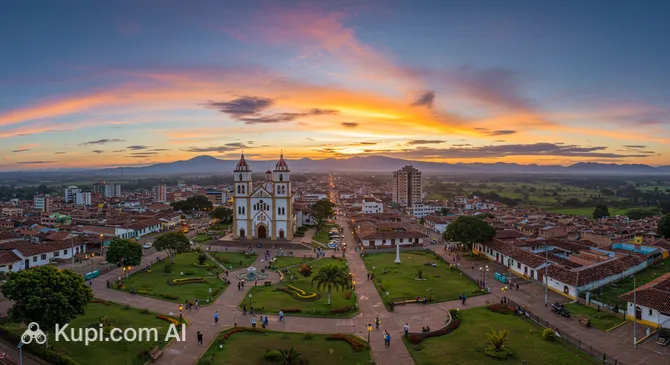
Yopal. Source: Kupi.Binoculars

Although it is a relatively modern administrative center, the history of Yopal is a testament to rapid development and community resilience. Visitors can experience this dynamic spirit by visiting local landmarks such as the Parque El Resurgimiento, a symbol of the city's growth. For those seeking panoramic views, a trip to the Virgen de Manare monument offers a breathtaking perspective of the city and the endless plains stretching beyond the horizon.

Nature lovers will appreciate the Garcero del Llano Ecological Park, a sanctuary dedicated to preserving local flora and fauna. Whether you are eager to taste the famous mamona (traditional roasted meat), enjoy river activities, or immerse yourself in the folklore of the plains, Yopal invites you to discover the authentic heart of eastern Colombia.

Weather Overview

Travelers visiting Yopal can expect a warm, tropical climate year-round, characterized by consistent temperatures and distinct seasonal rainfall patterns. The city generally enjoys pleasant warmth, with average temperatures hovering between 21°C and 24°C. Daytime highs typically reach up to 28°C during the warmer months of January and February, while nights remain comfortable with lows rarely dropping below 18°C.

Precipitation varies significantly depending on the time of year. The drier season usually spans from December to March, offering fewer rainy days and ideal conditions for outdoor activities. In contrast, the period from April to November brings frequent showers, with June and July often seeing rain on nearly every day. To help plan your activities around the rain, consulting the detailed guide to the weather in Yopal is highly recommended.

Interesting Facts

Beyond its modern administrative role, Yopal holds fascinating secrets that reveal its deep connection to the plains and its rapid transformation.
  • The Forest of Yopos: The city’s name is derived from the indigenous word "Yopos," referring to the Anadenanthera peregrina trees that once grew abundantly in the area. The local Achagua people historically used the seeds of this tree for spiritual rituals, and the name "Yopal" essentially translates to a forest or plantation of these sacred trees.

  • A City Born from a Rest Stop: Unlike many colonial cities in the region, Yopal is incredibly young. It was founded in 1915 as a humble cattle rest stop known as "La Estancia de Don Elías." It served as a strategic point for cowboys driving cattle from the vast eastern plains to the Andean mountains, only becoming a municipality decades later in 1942.

  • An Airport Turned into a Park: One of the city's main gathering spots, Parque El Resurgimiento, sits on the grounds of Yopal's former airport. The wide, open space that once served as a runway is now a venue for major cultural events, concerts, and the famous "llanero" festivals, symbolizing the city's ability to reinvent itself.

  • Sanctuary of the Iguanas: Right on the edge of the urban area lies Parque La Iguana, a natural reserve along the river where urbanization meets the wild. As the name suggests, this ecological park is home to a thriving population of iguanas that roam freely among the trails, offering visitors a chance to see local wildlife without leaving the city limits.

  • Explosive Growth: Yopal is often cited as one of the fastest-growing cities in the country's history. Driven by the oil boom in the 1990s, its population multiplied roughly 29 times in just a few decades, transforming it from a small rural town into a bustling departmental capital almost overnight.

How to Get There

Reaching the capital of Casanare is an adventure that connects you with the heart of the Colombian plains. While the city is becoming increasingly connected, planning your journey is essential for a smooth trip. For a detailed breakdown of routes and transport options, you can read more about how to get to Yopal.

The most convenient and direct way to arrive is via El Yopal Airport (IATA: EYP), which is located practically within the city, just 3.7 km from the center. This regional hub handles frequent daily flights from major Colombian cities. Due to its proximity, a taxi ride to the downtown area is very quick, typically taking less than 15 minutes, making it the preferred choice for most visitors.

For international travelers, the journey usually begins at El Dorado International Airport (IATA: BOG) in Bogota, the country's primary air hub. Located approximately 206 km from Yopal, it serves as the main gateway for those arriving from abroad. From Bogota, you can catch a connecting flight to Yopal or opt for overland transport. If you choose to travel by road from Bogota, the trip involves descending from the Andes to the plains; the drive typically takes around 5 hours and 30 minutes depending on traffic and weather conditions.

For clarity, here is a summary of the main airports facilitating travel to the region:

Airport Name City Passenger Traffic Km from City
El Dorado International Airport Bogota Very High 206.5
Palonegro International Airport Bucaramanga Medium 214.9
La Vanguardia Airport Villavicencio Medium 187.5
El Yopal Airport Yopal Medium 3.7
Los Colonizadores Saravena Small 187.5

Currently, Yopal is not connected to the national railway network, and there are no passenger train services available to reach the city. The primary alternative to flying is the extensive bus network that connects Yopal with Bogota, Villavicencio, and other municipalities in the Orinoquía region. The road trip offers scenic views of the transition from the mountains to the vast plains.

Main Attractions

Yopal offers a delightful mix of natural beauty and cultural landmarks, reflecting the spirit of the Colombian plains. Whether you are looking for panoramic views, encounters with local wildlife, or a quiet place to relax by the river, the city has several key spots that capture the essence of the region.

One of the most iconic sites is the Virgen de Manare, a towering monument perched on a hill overlooking the city. It serves as both a religious pilgrimage site and a popular destination for hikers and fitness enthusiasts. The climb to the top is rewarding, offering visitors a spectacular panoramic view of Yopal and the vast, endless horizon of the Llanos Orientales. It is the perfect spot to watch the sunrise or sunset and appreciate the sheer scale of the landscape surrounding the urban area.

For nature lovers, Parque La Iguana is an unmissable ecological gem located right on the banks of the Cravo Sur River. As its name suggests, this park is famous for the numerous iguanas that roam freely among the trees and trails. It provides a peaceful escape from the city noise without having to travel far. Visitors can enjoy walking along the stone paths, birdwatching, and experiencing the lush riverine forest that defines the local ecosystem.

Another fascinating attraction is the Parque Temático Historias de Piedra. This unique theme park stands out for its artistic display of sculptures carved from stone, which depict local legends, indigenous ancestors, and the history of the region. It is an educational and visually striking experience that offers tourists a deeper understanding of the cultural heritage and myths that shape the identity of Casanare.

Finally, the Cravo Sur River itself is a central part of life in Yopal. During the dry season, the river levels drop to reveal rocky beaches and calm waters, becoming a favorite gathering spot for locals and tourists alike ("El Pajonal"). It is an excellent place to cool off, enjoy a riverside picnic, or simply relax while listening to the sound of the flowing water against the backdrop of the Andean foothills.

Local Cuisine

The culinary scene in Yopal is a direct reflection of its location in the heart of the Llanos Orientales (Eastern Plains). The food culture here is robust, rustic, and deeply connected to the lifestyle of the "llanero" cowboys. For visitors, dining in Yopal is not just about sustenance; it is an immersion into a tradition where meat is king and meals are often communal celebrations held in open-air settings.

The undisputed star of the local gastronomy is Mamona, also known as Carne a la Llanera. This traditional dish consists of tender cuts of veal slow-roasted on vertical metal skewers arranged in a circle around a wood fire. The smoky flavor and tender texture make it a must-try experience. It is typically served with boiled yucca, potatoes, and topochos, a small, savory variety of plantain that is a staple in the region's diet.

Beyond the famous roast beef, travelers should sample Hallacas, the local version of a tamale. Unlike those found in other parts of Colombia, llanero hallacas are often smaller, rectangular, and filled with a flavorful mix of meats and condiments wrapped in banana leaves. Another traditional delicacy is the Tungo, a sweet bun made from rice dough and curd cheese, which serves as a perfect accompaniment to coffee or a savory breakfast.

To wash down these hearty meals, locals often turn to Guarapo, a refreshing fermented drink made from sugar cane juice. It is widely available and offers a sweet, tangy taste that complements the rich flavors of the meat. For a non-alcoholic alternative, the region offers an abundance of fresh fruit juices, including exotic options like araza and copoazú.

The dining atmosphere in Yopal is characteristically relaxed and informal. The best places to eat are often large, rustic restaurants known as "asaderos," where the meat is roasted in plain view of the diners. On weekends, it is common for families to gather at riverside spots along the Cravo Sur to enjoy a picnic or a freshly cooked meal, combining the love for good food with the enjoyment of the natural landscape.

Travel Tips

To help you make the most of your adventure in the heart of the Colombian plains, we have compiled a list of essential recommendations. Yopal is a friendly and welcoming city, but knowing a few local logistics regarding the climate, transport, and culture will ensure your trip to the Llanos Orientales is as smooth and enjoyable as possible.

  1. Dress for the Tropical Heat: Given Yopal's warm and humid climate, pack lightweight, breathable fabrics like cotton or linen to stay cool. A wide-brimmed hat and sunglasses are essential for protection against the strong sun. Since the city is surrounded by nature, carrying a strong insect repellent is crucial, especially if you plan to visit ecological parks or dine outdoors in the evening.

  2. Getting Around the City: Yopal does not have a metro or tram system. The most convenient and safe way to navigate the city is by using the local yellow taxis, which are abundant and relatively inexpensive. While some ride-hailing apps may function, traditional taxis are more reliable here. For short distances within the city center, walking is pleasant, but avoid doing so during the hottest hours of the day.

  3. Cash and Currency: The official currency is the Colombian Peso (COP). While major hotels, supermarkets, and larger restaurants in Yopal accept credit cards, cash is still king in smaller shops, local markets, and for transport. It is advisable to carry small bills for taxis and street snacks. ATMs are widely available in the city center and shopping malls.

  4. Health and Hydration: Tap water in Yopal is generally treated, but tourists are strongly advised to drink bottled or purified water to avoid any stomach discomfort. Pharmacies, known as droguerías, are easy to find and often have a pharmacist on duty who can recommend over-the-counter remedies for minor ailments. Ensure your yellow fever vaccination is up to date, as it is often recommended for travel to the Orinoquía region.

  5. Language Essentials: Spanish is the primary language, and English is not widely spoken outside of high-end hotels or tour agencies. Learning a few basic phrases or downloading a translation app can go a long way. Locals appreciate the effort, and a simple "Buenos días" (Good morning) or "Gracias" (Thank you) will be met with warm smiles.

  6. Social Etiquette: The people of Casanare, known as Llaneros, are famous for their hospitality and directness. When entering a shop or greeting someone, it is polite to say "Buenas" or shake hands. If you are invited to a local gathering or a parrando llanero, accept with gratitude; refusing food or drink without a valid reason can sometimes be seen as impolite.

  7. Safety Precautions: Yopal is generally safer than Colombia's larger metropolises, but it is still wise to practice standard caution. Avoid displaying expensive jewelry, cameras, or large amounts of cash in public spaces. Stick to well-lit and populated areas at night, and ask your hotel reception for advice on which neighborhoods to avoid after dark.

  8. Embrace the Early Start: Life in the plains often starts early to beat the midday heat. Many locals are active by sunrise, and markets are liveliest in the morning. Plan your outdoor activities, such as hiking to the Virgen de Manare, for the early morning hours to enjoy cooler temperatures and clearer views before the afternoon sun sets in.

By keeping these practical tips in mind, you will be well-prepared to immerse yourself in the vibrant culture and stunning landscapes of Casanare. Yopal is a destination that rewards the curious and the prepared, promising an unforgettable experience where the urban comfort meets the wild spirit of the plains.

Entertainment & Nightlife

Yopal comes alive after sunset, offering a nightlife scene that perfectly balances modern energy with the rustic charm of the Colombian plains. The city's entertainment hub is vibrant and unpretentious, inviting visitors to immerse themselves in a "rumba" that can last until dawn. Whether you are looking for a high-energy dance floor or a quiet place to enjoy a cold beer, the warm tropical nights here provide the perfect backdrop for socializing.

The epicenter of the action is the Zona Rosa, conveniently located around Carrera 29. This district pulses with music and activity, lined with a variety of establishments ranging from open-air pubs to air-conditioned nightclubs. The crowd is typically a mix of friendly locals and travelers, creating an atmosphere that is safe and inclusive. For those who want to dance the night away, Paradise Club Yopal is a standout venue known for its crossover music, playing everything from reggaeton to salsa. Another favorite among the party-goers is Lejanias Club, where the festive environment keeps the energy high until the early morning hours.

For a more relaxed evening or a warm-up before hitting the clubs, you might visit Beer Box, a popular spot to enjoy drinks and conversation. However, no trip to Casanare is complete without experiencing the traditional parrando llanero. In specific cultural venues or during local festivals, you can witness live performances of joropo music. The rapid notes of the harp and the rhythmic stomp of the dancers offer a captivating glimpse into the region's soul, distinct from the standard nightclub experience.

When planning your night out, keep in mind that the peak time for nightlife is from Thursday to Saturday. The dress code is generally "smart casual," though you will frequently see the iconic llanero style—jeans and boots—worn with pride even in modern venues. Taxis are the best way to get around at night; they are abundant in the Zona Rosa and relatively inexpensive. For your safety, it is advisable to take a taxi rather than walking, especially if you are venturing outside the well-lit commercial streets.

During the day, the city offers different forms of entertainment to beat the heat. Unicentro Yopal and Gran Plaza Alcaraván are the premier destinations for shopping and leisure. These modern malls feature multiplex cinemas, varied food courts, and air-conditioned spaces that provide a comfortable retreat from the midday sun, allowing you to recharge before another exciting evening in the capital of Casanare.

Parks & Museums

Yopal offers a refreshing variety of green spaces and cultural institutions that provide a deeper look into the daily life and history of the Casanare region. Beyond the famous wildlife reserves, the city center is dotted with plazas and venues where the community gathers, offering visitors a chance to relax and connect with the local heritage in a comfortable urban setting.

The beating heart of the city is undoubtedly Parque Francisco de Paula Santander. Located in the very center of Yopal, this main plaza serves as the city's "living room" and a primary social hub. It is characterized by its magnificent, towering trees which provide a dense canopy of shade—a welcome relief from the tropical midday sun. During the day, it is a bustling spot where locals take a break, while the evenings transform it into a lively meeting place illuminated by streetlights, perfect for a safe and pleasant stroll while observing the city's rhythms.

For those interested in the origins of this relatively young capital, the Casa Museo 8 de Julio is an essential stop. This museum is dedicated to preserving the collective memory of Yopal, documenting its rapid evolution from a small cattle rest stop to a thriving departmental capital. The exhibits typically feature a collection of historical photographs, artifacts, and documents that tell the stories of the founding families and the resilient settlers who built the city, offering a profound insight into the "llanero" identity.

Adding to the city's recreational offerings is the Parque de las Aguas, a favorite destination for families and anyone looking to beat the heat. This complex is designed for leisure and fun, featuring pools and water attractions that make it an ideal escape on hot afternoons. It represents the modern side of Yopal's development, focusing on well-being and entertainment for residents and tourists alike.

Another significant cultural landmark is the Biblioteca Pública Departamental. More than just a place for books, this library often functions as a cultural center, hosting events, workshops, and exhibitions that promote literacy and the arts in Casanare. Its modern architecture and quiet, air-conditioned spaces offer a tranquil environment for reading or simply taking a pause from the outdoor adventure to appreciate the region's intellectual growth.

Getting Around

Public transport in Yopal is relatively simple and straightforward, reflecting the city's size and its layout on the flat plains. Unlike larger metropolises, there is no metro, tram, or train system here. Instead, the city relies primarily on a network of urban buses and a robust fleet of taxis to move residents and visitors around. For tourists, navigating the city is generally easy, as the urban area is compact and the grid layout is intuitive.

The backbone of the public transit system consists of small to medium-sized buses, locally known as busetas or colectivos. These vehicles cover various routes that connect the city center with residential neighborhoods and key landmarks like the airport or shopping malls. The destination is usually displayed on a placard in the front window. While there are no fixed schedules or digital displays at stops, these buses run frequently during the day, making them a reliable option for getting around the main avenues.

The payment system for public buses is entirely cash-based. There are no travel cards, passes, or mobile apps for ticketing. You simply board the bus and pay the fare directly to the driver or the assistant. The cost is quite affordable, typically a few thousand pesos per ride. It is highly recommended to carry small bills or coins, as drivers may not always have change for large denominations. Prices are generally fixed regardless of the distance traveled within the urban perimeter.

For most tourists, yellow taxis are the most convenient and popular alternative. They are abundant, safe, and relatively inexpensive compared to international standards. You can easily hail one on the street, find them at designated stands (especially outside the airport and shopping centers), or request one by phone. While some taxi apps operate in the city, traditional dispatch lines are still widely used. Taxis here generally use taximeters, but for longer trips to the outskirts, it is wise to agree on a fare beforehand.

Given the flat topography of the region, bicycles are another viable way to explore, although dedicated bike lanes are still being developed. You may find some local rental options or hotels that provide bikes for guests. Walking is also a pleasant option for short distances within the downtown area, particularly around the main plaza and commercial streets, though the midday heat can be intense, making motorized transport preferable during peak sun hours.

A unique feature of transport in this region is the prevalence of motorcycles. While mototaxis (motorcycle taxis) are a common informal mode of transport used by locals for quick, short hops, they are generally unregulated. For safety and comfort, especially if you are carrying luggage or are unfamiliar with the local driving style, sticking to official yellow taxis or the bus network is the best advice for visitors.

Public transport typically operates from early morning, around 5:00 AM, until approximately 8:00 PM or 9:00 PM. After these hours, bus services become scarce, and taxis become the primary mode of transportation. If you plan to stay out late enjoying the nightlife, ensure you have the number of a reliable taxi service or arrange a ride in advance to return to your accommodation safely.

Accommodation

Finding accommodation in Yopal is a straightforward experience, with options that cater primarily to business travelers and an increasing number of nature enthusiasts. The city’s hospitality sector has modernized significantly in recent years, reflecting its growth as a commercial hub. Visitors can generally choose between modern, mid-range business hotels equipped with air conditioning and Wi-Fi, budget-friendly guesthouses, and rustic country estates known as fincas located on the outskirts.

For those who value convenience and proximity to dining and nightlife, the City Center is the best area to stay. Hotels here are often within walking distance of the main plaza, Parque Francisco de Paula Santander, and the commercial districts where shops and banks are located. Staying centrally allows for easy access to taxis and public transport. Alternatively, the outskirts of the city offer a more tranquil atmosphere. Accommodations here often feature larger grounds, swimming pools—a highly desirable amenity given the tropical heat—and a closer connection to the natural landscape of the plains.

While Yopal does not typically feature ultra-luxury international resort chains, the standard of service in its top-tier hotels is high, focusing on comfort and efficiency. Many of the better-rated establishments provide essential amenities for the tropical climate, such as powerful air conditioning, on-site restaurants serving local cuisine, and refreshing pools. There is also a growing trend of eco-lodges and "glamping" sites in the surrounding Casanare department for travelers seeking an immersive nature experience.

Booking Tip: Yopal is a busy administrative center, and hotels can fill up quickly during the workweek (Monday through Thursday) due to business travel related to the oil and agricultural industries. It is advisable to book your room in advance if you plan to visit during these days. Additionally, during major local festivities like the "Cimarrón de Oro" or the year-end holidays, accommodation demand spikes significantly.

The price range in Yopal is generally affordable compared to Colombia's larger tourist cities like Cartagena or Medellin. You can find comfortable mid-range options at very reasonable rates, while budget travelers have plenty of economical choices. Major booking platforms are widely used by the larger hotels, making online reservations easy. However, for smaller guesthouses or rural lodgings, contacting the property directly via phone or messaging apps is often the most effective way to secure a reservation.

Nearby Cities

For those looking to explore the surroundings, Yopal serves as an excellent base for day trips to several interesting nearby locations. The region sits at the crossroads of the Andean foothills and the vast eastern plains, allowing travelers to experience diverse landscapes, climates, and cultural nuances within a relatively short distance.

One of the most accessible destinations is Aguazul, located just a short drive away. Known as the "Rice Capital of Casanare," this town is celebrated for its lush green scenery and abundant water resources. Visitors often flock to the Unete River to cool off in its natural pools or enjoy a riverside meal. It offers a peaceful, rural atmosphere that contrasts nicely with the busier commercial activity of Yopal.

Heading further south, you will find Tauramena, a municipality that takes great pride in its "llanero" heritage. It is a fantastic spot for those interested in folklore and traditional culture. The area is also a haven for eco-tourism, boasting attractions such as the El Zumbador waterfall and various ecological trails that wind through the transition zone between the mountains and the savanna.

For a complete change of scenery, travelers can take the scenic road up into the mountains to reach Sogamoso in the Boyacá department. Known as the "City of the Sun and Steel," it holds significant historical value as a former religious center for the Muisca people. Here, you can visit the Archaeological Museum of Suamox to learn about the region's indigenous past before returning to the warmth of the plains.

City Population Distance (km)
Duitama 126,670 88
Sogamoso 114,486 71
Aguazul 43,183 26
Paipa 31,868 92
Tauramena 27,178 54

These nearby destinations offer a glimpse into the diverse culture and landscapes of the region, ranging from the warm, expansive plains of Casanare to the cool, historic highlands of Boyacá.

Shopping & Souvenirs

Shopping in Yopal reflects the city's dual identity as both a rapidly growing urban center and the heart of the "llanero" culture. Visitors will find a commercial landscape that ranges from air-conditioned, modern shopping malls featuring international brands to bustling local markets filled with regional produce and handicrafts. While it is not a global fashion capital, the city is an excellent place to purchase high-quality leather goods, summer clothing suitable for the tropical climate, and unique artisanal items that represent the spirit of the Orinoquía region.

The primary commercial activity is concentrated in the Downtown area (El Centro). Walking along the streets near the main plaza and surrounding blocks, particularly around Carrera 19 and Carrera 20, travelers will encounter a lively atmosphere. This district is packed with small boutiques, shoe stores, and electronics shops. It is the best place to experience the daily rhythm of the city, where music often blares from storefronts and vendors sell fresh fruit juices on the corners.

For a more modern and comfortable shopping experience, especially during the hottest part of the day, the city's shopping malls are the go-to destinations. Unicentro Yopal is one of the most prominent complexes, offering a wide variety of clothing stores, a food court, and entertainment options. Another key location is Gran Plaza Alcaraván, which houses large department stores and supermarkets. These malls are popular meeting points for locals and provide a standard international retail experience with air conditioning and secure facilities.

To taste the local flavors and see the agricultural bounty of Casanare, a visit to the Plaza de Mercado (Market Square) is essential. Here, the focus is on fresh food rather than fashion. You can find an incredible array of exotic fruits, such as guanábana, mango, and papaya, alongside local cheeses and meats. It is a vibrant, sensory experience where you can interact with local farmers and purchase ingredients at very affordable prices.

When it comes to souvenirs, Yopal offers distinctive items that you won't easily find elsewhere. The most iconic purchase is a Chinchorro, a traditional hand-woven hammock that is a staple of llanero households; they are incredibly durable and comfortable. Other excellent keepsakes include Cotizas (traditional woven sandals), leather hats (sombreros), and musical instruments like the maracas or the small four-string guitar known as the cuatro. These items are authentic representations of the local cowboy culture.

Store opening hours in Yopal generally run from 9:00 AM to 7:00 PM from Monday to Saturday. The large shopping malls stay open later, usually until 8:00 PM or 9:00 PM, and operate on Sundays as well. Smaller independent shops in the city center may close for a lunch break between 12:30 PM and 2:00 PM, although this is becoming less common in major commercial streets.

Regarding payment methods, major supermarkets, malls, and chain stores readily accept credit and debit cards (Visa and Mastercard are widely used). However, cash is essential for shopping in smaller boutiques, the market square, or when buying handicrafts from street vendors. ATMs are widely available throughout the city center and inside the malls for withdrawing local currency.

Foreign tourists visiting Colombia may be eligible for a VAT (IVA) refund on certain purchases, such as clothing, footwear, and handicrafts, provided the purchase is made with a foreign credit card and meets a minimum value. While Yopal may not have specialized tax-refund offices in the city, you should save your electronic invoices to process the claim at the DIAN offices at the international airport (usually El Dorado in Bogota) before leaving the country.
Reached the end of the page?

That means the route is fully explored