Support

Bucaramanga

About

Welcome to Bucaramanga, the vibrant capital of the Santander department and one of the most charming destinations in Colombia. Often referred to as "La Ciudad Bonita" (The Pretty City) and the "City of Parks," this metropolis is celebrated for its lush greenery, clean streets, and organized urban planning, making it a refreshing stop for any traveler.
Bucaramanga. Source: Kupi.Binoculars

Perched on a plateau in the Andes Mountains at an altitude of nearly 960 meters, the city enjoys a pleasant, spring-like climate year-round. With a population of approximately 870,000 inhabitants, it serves as a bustling commercial and academic hub while maintaining a relaxed atmosphere. The surrounding geography offers spectacular views and easy access to outdoor adventures.

Those looking to understand the region's cultural roots can explore the history of Bucaramanga, which tells the story of its transformation from a small colonial town into a thriving modern city. The local heritage is reflected in its architecture and the warm hospitality of its people.

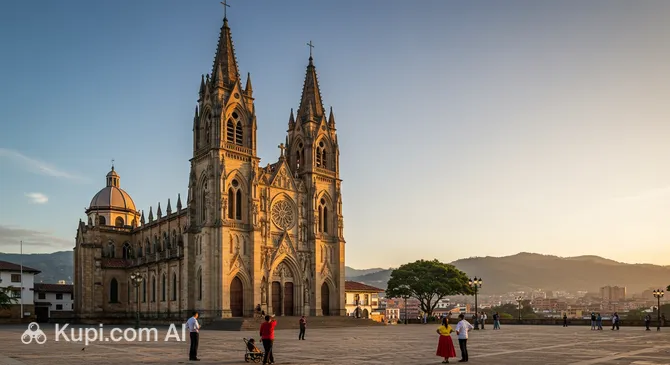
Visitors are drawn to the city's numerous parks, such as the beautiful Parque del Agua, and landmarks like the imposing Cathedral of the Holy Family. The city is also famous for its unique gastronomy, including the adventurous hormigas culonas (roasted ants), a traditional delicacy of the region.

Whether you are passing through on your way to the majestic Chicamocha Canyon or planning a longer stay to enjoy the local culture, Bucaramanga offers a delightful experience. Come and discover why this "City of Parks" is capturing the hearts of visitors from around the world.
Weather Overview

Bucaramanga is renowned for its remarkably stable and pleasant climate, which is often described as a "perpetual spring." The city experiences very little seasonal variation in temperature, with averages consistently hovering around 20°C to 21°C throughout the entire year. Daily highs typically reach up to 24°C, while evenings are refreshingly cool, with minimum temperatures dipping to approximately 16°C to 18°C.

While the temperatures are comfortable, visitors should be aware of the region's precipitation patterns. The weather in Bucaramanga is characterized by a high frequency of wet days, ranging from 24 days in January to 31 days in months like May and October. Despite the frequent occurrence of rain, the total precipitation volume is often moderate, peaking at around 30mm in June and July. Expect mild, spring-like warmth accompanied by regular rainfall, so packing a light rain jacket is highly recommended for your trip.

Interesting Facts

Beyond the beautiful parks and pleasant weather, Bucaramanga holds several fascinating secrets and distinctions that often surprise visitors. From geological marvels to industrial achievements, the city has a unique identity that goes far beyond its scenic beauty.
La Novena Viaduct. Source: Kupi.Binoculars
  • Geologically, the city sits near the "Bucaramanga Nest," which is the second most seismically active zone in the world after Afghanistan. Despite the frequency of the tremors, they occur at such a significant depth (around 150 kilometers) that they are almost never felt on the surface, rendering this unique phenomenon a scientific curiosity rather than a risk.

  • Bucaramanga is widely known as the "Footwear Capital of Colombia." The city is home to thousands of factories and workshops that produce high-quality leather shoes for export across the globe, making it an exceptional destination for travelers looking to purchase premium leather goods at competitive prices.

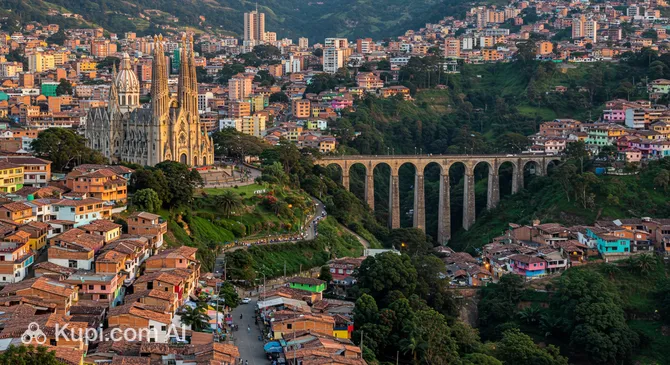
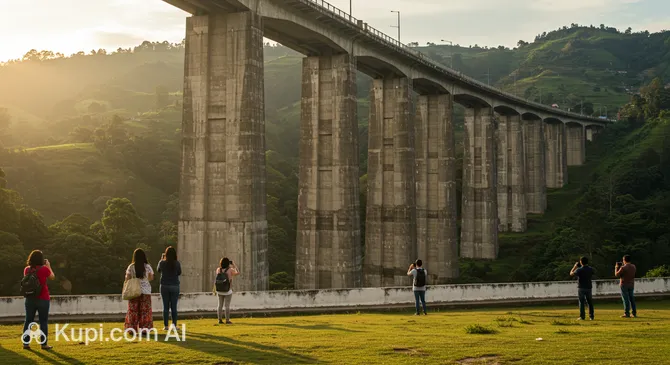
  • The local skyline is dominated by the La Novena Viaduct, a modern engineering feat that holds the record for being one of the longest cable-stayed bridges in the region. At night, the structure comes alive with a vibrant LED light show, transforming it into a glowing landmark visible from many parts of the city.

  • While its nickname "The City of Parks" is well known, the density of these green spaces is truly remarkable. There are over 160 parks within the urban area, such as the lively Saint Pio Park, ensuring that virtually every neighborhood has its own dedicated recreational space for nature and relaxation.

How to Get There

Reaching the "City of Parks" is relatively straightforward, with air travel being the most convenient option for the majority of visitors. For a comprehensive overview of transport options, you can read more about how to get to Bucaramanga and plan your arrival seamlessly.

The primary hub serving the area is Palonegro International Airport (IATA: BGA). Located approximately 7 km from the city center, it sits atop a mountain ridge offering spectacular views during landing. It is a major facility handling a large volume of passengers annually, connecting the region with major Colombian cities and select international destinations. The journey from the airport to downtown typically takes around 30 minutes by taxi or bus, depending on traffic conditions.

For travelers exploring the broader region, Camilo Daza International Airport (IATA: CUC) is another significant option, although it is located in the city of Cúcuta, roughly 112 km away. While it serves as a busy transport node with high passenger traffic, reaching Bucaramanga from here requires a ground transfer. The drive involves navigating winding Andean roads and typically takes approximately 5 to 6 hours, offering scenic but demanding routes through the mountains.

For clarity, here is a summary of the main airports in the vicinity:

Airport Name City Passenger Traffic Km from City
Palonegro International Airport Bucaramanga Large 6.9
Camilo Daza International Airport Cúcuta Large 112.0
El Yopal Airport Yopal Medium 215.2
San Antonio San Antonio del Tachira Small 109.8
Los Colonizadores Saravena 140.9

Main Attractions

Bucaramanga is a city that perfectly blends urban development with nature, offering visitors a variety of engaging sites ranging from ecological havens to historical landmarks. Exploring the "City of Parks" reveals a destination that values public spaces, culture, and architectural beauty.

One of the most refreshing spots in the city is Agua Park. This unique ecological park is built around a water treatment complex but has been transformed into a lush recreational space. Visitors can wander through trails surrounded by ferns, enjoy the soothing sound of waterfalls, and spot local birds. It is especially enchanting at night when the paths and water features are beautifully illuminated, creating a magical atmosphere.

Agua Park. Source: Kupi.Binoculars

Dominating the eastern side of the city's central square is the Metropolitan Cathedral of the Holy Family. This impressive white structure is a key religious landmark and a fine example of the city's architectural heritage. Its imposing façade and elegant interior provide a serene environment, making it a peaceful stop for those exploring the downtown area.

Metropolitan Cathedral of the Holy Family. Source: Kupi.Binoculars

For a mix of art and relaxation, head to Saint Pio Park. Located in the upscale Cabecera neighborhood, this green space is a favorite meeting point for locals looking to unwind. It is famously home to a sculpture by the renowned Colombian artist Fernando Botero, adding a touch of high culture to the verdant surroundings.

Saint Pio Park. Source: Kupi.Binoculars

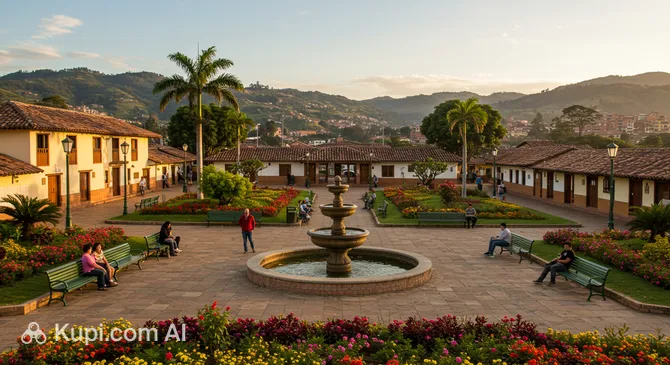
At the historical heart of the metropolis lies Santander Park. Surrounded by important government buildings and the cathedral, this plaza is a tribute to the region's history. It serves as a bustling hub where tourists can observe daily local life, rest on the benches, and admire the mix of colonial-style and modern architecture that defines the city center.

Art enthusiasts should not miss the Museum of Modern Art of Bucaramanga. This cultural institution plays a vital role in the city's artistic scene, hosting a variety of temporary and permanent exhibitions that showcase regional and national talent. It provides a quiet and inspiring environment to appreciate contemporary artistic expressions away from the city's hustle.

Local Cuisine

The cuisine of Bucaramanga is a reflection of the Santander region's bold and hearty character, offering a gastronomic experience that is unlike any other in Colombia. Known for its generous portions and strong flavors, the local food scene is dominated by meats, soups, and corn-based sides that provide plenty of energy for exploring the city.

One of the most emblematic dishes you must try is Mute Santandereano. This thick, rich soup is a meal in itself, packed with beef ribs, pork, tripe, corn, potatoes, and various vegetables. It is often served with rice and avocado. Another staple is Cabrito (roasted goat), which is typically marinated until tender and served with Pepitoria, a unique rice dish cooked with goat juices and viscera. For meat lovers, Carne Oreada—sun-dried, marinated beef with a jerky-like texture—is a flavorful delight usually accompanied by boiled cassava (yuca).

No meal in Bucaramanga is complete without the famous Arepa Santandereana. Unlike other Colombian arepas, this version is made from yellow corn dough mixed with wood ash dissolved in water (lejía) and pork fat, giving it a distinctive flavor and crispy texture. For the adventurous eater, the city offers its most famous snack: Hormigas Culonas (big-bottomed ants). Roasted and salted, they are considered a delicacy and are often compared to peanuts or popcorn in taste.

To wash down these savory meals, locals prefer Kola Hipinto, a bright pink soda that is virtually the official drink of the department. For something more traditional and fermented, try Masato, a creamy drink made from rice, sugar, and cloves. Coffee culture is also strong here, given the region's proximity to major coffee-growing areas.

When looking for a place to eat, the city offers a wide range of options from traditional steakhouses to modern eateries. The Cabecera neighborhood is particularly known for its dining scene. For a variety of choices in one location, visitors often head to the Cacique Shopping Center, which hosts numerous restaurants and food stalls catering to all tastes. If you are in the mood for a more casual atmosphere or a drink, places like La Carreta Restaurant offer a welcoming environment to enjoy the local vibe.

Cacique Shopping Center. Source: Kupi.Binoculars

Travel Tips

To ensure your visit to Bucaramanga is as enjoyable and seamless as possible, we have compiled a set of essential travel tips. These practical recommendations will help you navigate the "City of Parks" with confidence, allowing you to focus on the stunning scenery and rich culture.

  1. Clothing and Gear: Thanks to the city's "perpetual spring" climate, you should pack light, breathable clothing suitable for temperatures around 22°C. However, since the weather can be unpredictable with sudden showers, carrying a compact umbrella or a light rain jacket is highly recommended. Comfortable walking shoes are a must, not only for the parks but also because the city's terrain is quite hilly and uneven.

  2. Transportation: The city has an integrated bus system called Metrolínea, which is an affordable way to get around main avenues, though it can get crowded during rush hours. Yellow taxis are plentiful and generally safe; ensure they use the taximeter (taxímetro). Ride-hailing apps are available and widely used, but it is often customary to sit in the front seat to maintain a low profile.

  3. Finances: The local currency is the Colombian Peso (COP). While major hotels, malls like Cacique, and upscale restaurants accept credit cards, cash is essential for small shops, street food vendors, and taxis. ATMs are widely available in shopping centers and banks. A tip (propina) of roughly 10% is voluntary but customarily included in the bill at sit-down restaurants.

  4. Health and Safety: Bucaramanga is known for having some of the best tap water in Colombia, often considered safe to drink, but tourists with sensitive stomachs should stick to bottled water. Pharmacies (droguerías) are easy to find and can provide advice for minor ailments. As in any major city, exercise caution: avoid displaying expensive jewelry or phones in public streets, a rule locals refer to as "not giving papaya" (no dar papaya).

  5. Communication: Spanish is the primary language, and English proficiency is not widespread outside of major hotels and tourist agencies. Learning a few basic phrases like "Buenos días" (Good morning) and "Gracias" (Thank you) will go a long way. For connectivity, you can easily purchase a prepaid SIM card from providers like Claro or Tigo at the airport or local malls.

  6. Local Etiquette: People from Santander are known for their strong character and loud speaking volume, which can sometimes be mistaken for anger by visitors. Do not be alarmed; they are actually very warm and direct. It is polite to greet shopkeepers and drivers upon entering. Handshakes are common, and friends often greet with a cheek kiss.

  7. What to Avoid: Avoid discussing sensitive topics related to the country's turbulent past or drug trafficking stereotypes, as locals find this offensive and tiresome. Also, try to avoid walking alone in poorly lit areas or parks late at night; sticking to popular, well-lit districts like Cabecera is a safer bet for evening activities.

  8. Shopping Tip: Since Bucaramanga is the "Footwear Capital of Colombia," take advantage of the opportunity to buy high-quality leather shoes at a fraction of the international price. The San Francisco neighborhood is famous for its concentration of shoe outlets and factories where you can find excellent bargains.

By keeping these tips in mind, you are all set to explore the lush parks and vibrant streets of Bucaramanga like a pro. Embrace the local warmth, enjoy the spring-like breeze, and have a safe and memorable journey in this beautiful corner of the Andes!

Entertainment & Nightlife

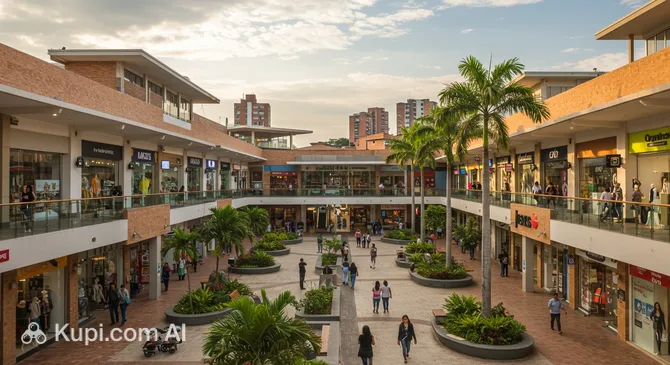
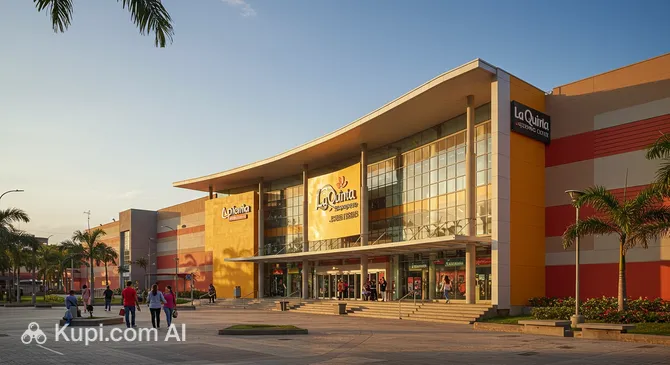
Bucaramanga is a bustling commercial hub that offers a wide array of entertainment options, ranging from modern shopping experiences to vibrant nightlife. For those who enjoy retail therapy, the city is home to several large malls that serve as gathering spots for locals. La Quinta Shopping Center is one of the most traditional and beloved spots, featuring open-air spaces and a variety of stores. Another major destination is the Cacique Shopping Center, a massive complex that not only offers shopping but also cinemas and dining, making it a perfect place to spend an entire afternoon.

La Quinta Shopping Center. Source: Kupi.Binoculars

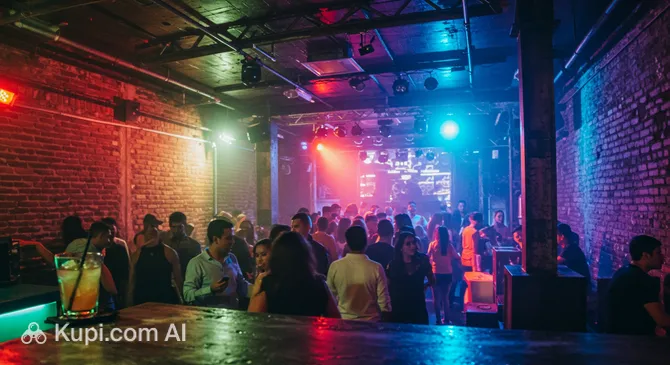
When the sun sets, the city's energy shifts to its lively entertainment districts, particularly the "Zona Rosa" in the Cabecera neighborhood. This area is packed with bars, pubs, and clubs catering to all musical tastes. For those looking to dance the night away, Gigiomania is a popular nightclub known for its energetic atmosphere. If you prefer a more laid-back evening with good drinks and conversation, places like Firefly Café or the atmospheric La Carreta Restaurant offer excellent settings to unwind and enjoy the local social scene.

Gigiomania. Source: Kupi.Binoculars

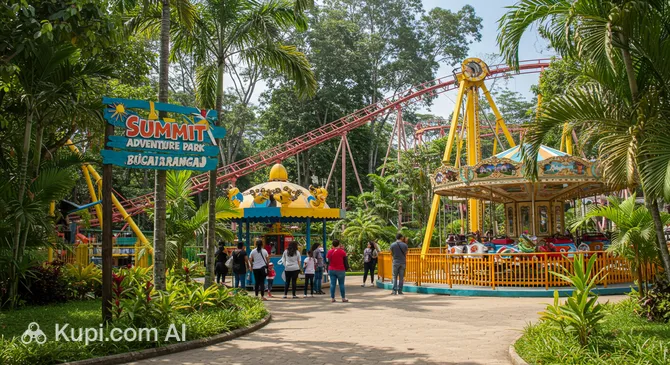
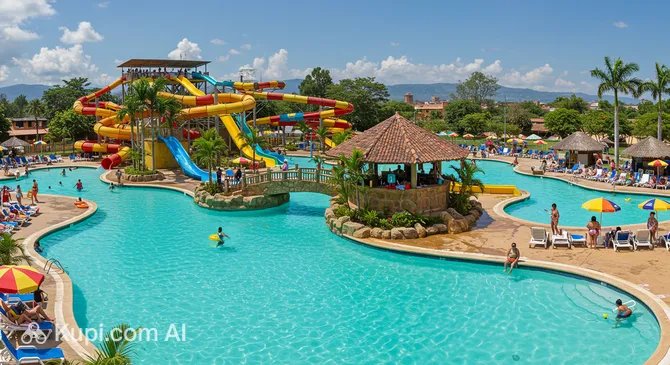
Families and adventure seekers will find plenty of activities to keep them engaged. The city offers several parks dedicated to active fun, such as Summit Adventure Park Bucaramanga, where visitors can enjoy trampolines and climbing challenges. For a mix of nature and excitement, Bucaramanga Extreme Park provides outdoor thrills. Additionally, the Surtiacuarios is a delightful stop for those interested in marine life, offering a chance to see a variety of aquatic species right in the city.

Summit Adventure Park Bucaramanga. Source: Kupi.Binoculars

For a more cultural twist on entertainment, visitors should explore The House of Total Book. This unique institution acts as a library, art gallery, and cultural center, frequently hosting technology displays, art exhibitions, and live music events in a beautifully restored colonial house. Similarly, the Centro Cultural del Oriente is a stunning architectural gem that often serves as a venue for festivals and cultural performances, centered around a magnificent courtyard.

Parks & Museums

True to its nickname, the "City of Parks," Bucaramanga offers an abundance of green spaces and cultural venues that allow visitors to connect with nature and dive deep into the region's rich heritage. From tranquil ecological reserves to museums housed in colonial mansions, the city provides a diverse array of attractions for every type of traveler.

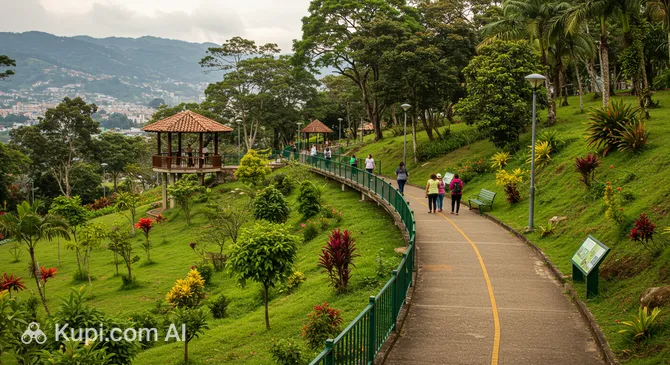
For those seeking a true escape into nature without leaving the urban area, La Flora Ecological Park is a must-visit destination. This expansive green lung is perfect for hiking enthusiasts and nature lovers, offering well-maintained trails that wind through lush vegetation. It is a fantastic spot to observe local bird species and enjoy a quiet moment away from the city noise, making it a favorite for morning jogs and family picnics.

La Flora Ecological Park. Source: Kupi.Binoculars

Another delightful urban retreat is Las Palmas Park. Known for its family-friendly atmosphere, this park is a hub of activity where locals gather to socialize and relax. It features playgrounds for children and ample seating areas, making it an ideal location to experience the city's laid-back lifestyle while enjoying an ice cream or a traditional snack from nearby vendors.

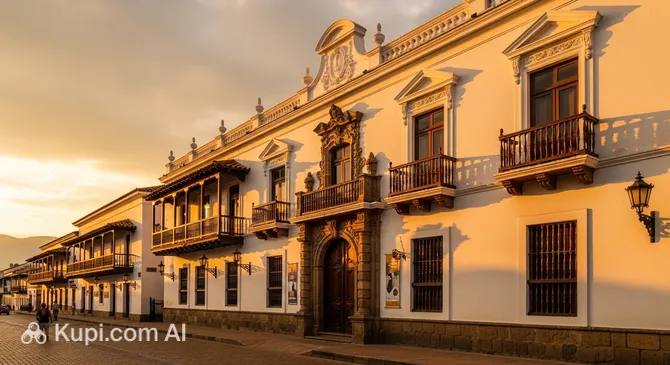
To understand the historical roots of the region, a visit to the Santander Historical Museum – Casa de Bolívar is essential. Housed in a beautifully preserved colonial building where the Liberator Simón Bolívar once stayed, the museum displays a fascinating collection of artifacts, documents, and art that narrate the history of the department of Santander and the independence era. The architecture of the house itself, with its traditional courtyard and clay tile roof, is a captivating example of the city's past.

Santander Historical Museum – Casa de Bolívar. Source: Kupi.Binoculars

Those interested in pre-Columbian history should explore the Archaeological Museum of the University of Santander. This institution preserves a significant collection of indigenous pottery, tools, and textiles, offering valuable insights into the Guane culture and other indigenous groups that inhabited the region long before Spanish colonization. It is an educational stop that adds great depth to any cultural itinerary.

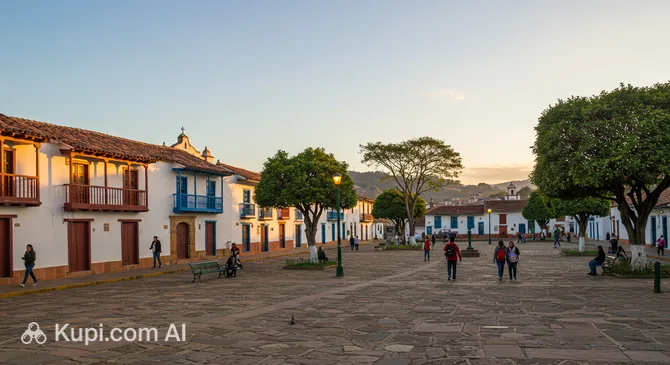
Wandering through the Bucaramanga City Center reveals further architectural gems and historical sites. Here, you will find Garcia Rovira Park, a central plaza surrounded by key government buildings that reflects the administrative heart of the city. The area is a testament to the city's evolution, blending modern commerce with historical significance.

For a truly local experience, try visiting the smaller neighborhood parks in the late afternoon. This is when the temperature cools down, and the "bumangueses" (locals) come out to chat and exercise, offering a perfect opportunity to soak in the authentic community vibe.

Getting Around

Navigating Bucaramanga is an adventure in itself, with a transport system that blends modern infrastructure with traditional methods. The backbone of the city's mobility is the Metrolínea, an Integrated Mass Transit System (SITM). This network consists of green articulated buses and smaller feeder vehicles that operate largely on dedicated lanes along the main north-south arteries. It effectively connects the city center with key metropolitan areas like Floridablanca and Piedecuesta, offering a faster alternative to mixed traffic.

To use the Metrolínea, it is important to know that you cannot pay with cash on the bus. You must purchase a rechargeable smart card, often referred to as the Tarjeta Inteligente. These cards are sold at ticket booths located at the main stations and authorized sales points throughout the city. The fare is affordable, and transfers between main lines and feeder routes are typically included within a certain time window, allowing for efficient travel across longer distances.

For destinations not covered by the main transit lines, traditional buses and minibuses, locally known as busetas, are still widely used. These colorful vehicles navigate the steeper hills and narrower streets of the neighborhoods where the articulated buses cannot go. Unlike the Metrolínea, payment here is straightforward: you pay the driver directly in cash (Colombian Pesos) upon boarding. It is advisable to carry small bills or coins, as drivers may not have change for large denominations. Stops for these buses are less formal; you often just wave your hand to hail one and press a button to request a stop.

If you prefer more direct and private transport, yellow taxis are ubiquitous and generally safe. They are required to use a taximeter (taxímetro), so there is no need to haggle over the price, although a minimum fare applies. For added convenience and safety, especially at night, it is recommended to order a taxi via telephone dispatch or through mobile apps rather than hailing one on the street. Ride-sharing apps are also popular and active in the city, offering a familiar alternative for international travelers.

While the "City of Parks" is delightful for walking, particularly in the flat Cabecera district or the city center, the topography can be challenging. The city is built on a plateau with varying elevations, meaning that a short walk on the map might involve a steep uphill climb. For short distances in flat areas, walking is a great way to enjoy the greenery, but for longer treks across the city, combining the Metrolínea or taxis is the most practical choice.

Accommodation

Finding the perfect place to stay in Bucaramanga is relatively easy, as the city offers a wide spectrum of accommodation options to suit every budget and travel style. From modern luxury hotels with panoramic views of the Andes to cozy, family-run hostels and budget-friendly guesthouses, the "City of Parks" is well-equipped to host visitors with its characteristic hospitality.

For travelers seeking upscale amenities, fine dining, and proximity to the best nightlife, the Cabecera del Llano neighborhood is the most recommended area. This district is considered the modern heart of the city and is home to many of the major international hotel chains and high-end boutique hotels. Staying here puts you within walking distance of shopping malls and the vibrant "Zona Rosa," ensuring you are never far from entertainment.

If you prefer a more traditional atmosphere or are traveling on a budget, the Bucaramanga City Center is a practical choice. This area is bustling with commerce during the day and offers easy access to historical landmarks and government buildings. Hotels here tend to be more affordable and are conveniently located near the main transport hubs, making it a strategic base for those planning to use public transportation to explore the region.

Bucaramanga City Center. Source: Kupi.Binoculars

Another emerging option for accommodation is the growing market of vacation rentals and furnished apartments. These are particularly popular in residential neighborhoods like Floridablanca or near the university districts. They offer a more "local" experience with the convenience of a kitchen and extra space, which is ideal for longer stays or families who prefer a home-away-from-home environment.

Booking Tips and Prices:

  • General Price Range: Accommodation in Bucaramanga is generally very affordable compared to other major Colombian cities like Bogotá or Cartagena. You can find comfortable budget rooms starting from as low as $15-$20 USD per night, while mid-range hotels typically range between $40-$70 USD. Even luxury stays are reasonably priced, often remaining under $100-$120 USD.
  • When to Book: While it is usually easy to find a room upon arrival, it is highly advisable to book in advance if you are visiting during major events like the Feria Bonita in September. During this time, the city fills up with domestic tourists, and the best spots sell out quickly.
  • How to Book: Most properties, including smaller hostels, are listed on major online booking platforms. Using these sites is the safest and most convenient way to secure your reservation and compare amenities.

Nearby Cities

For those looking to explore the surroundings, Bucaramanga serves as an excellent base for day trips to several interesting nearby locations:

City Population Distance (km)
Floridablanca 267170 6
Girón 160403 7
Piedecuesta 117364 16
San Gil 65687 62
Pamplona 58975 59

One of the most popular destinations for a quick getaway is Girón (officially San Juan de Girón). Located just minutes from Bucaramanga, this "Monument City" is famous for its impeccably preserved colonial architecture. Visitors can stroll through cobblestone streets lined with whitewashed houses and clay tile roofs, feeling as though they have stepped back in time. It is an ideal spot for photography, religious tourism, and enjoying a relaxed afternoon by the river.

For adventure enthusiasts, a trip to San Gil is mandatory. Although it requires a slightly longer drive, it is widely known as the "Adventure Capital of Colombia." Here, thrill-seekers can experience world-class white-water rafting on the Fonce River, explore the mysterious Gallineral Park with its moss-draped trees, or use the town as a launching point for paragliding over the majestic Chicamocha Canyon.

Closer to home lies Floridablanca, which is practically integrated into the metropolitan area. It is renowned as the "Sweet Capital" of the region, famous for its obleas—large, thin wafers filled with caramel (arequipe), cheese, and fruit jams. Beyond the sweets, it offers attractions like the towering statue of the Santisimo, which provides panoramic views of the entire city.

These nearby destinations offer a glimpse into the diverse culture and landscapes of the region, ensuring that every traveler finds something to enjoy just a short distance from the city center.

Shopping & Souvenirs

Shopping:

Shopping in Bucaramanga is a delightful experience that ranges from exploring modern retail complexes to discovering traditional artisanal districts. As a major commercial hub in eastern Colombia, the city offers a wide variety of goods, with a particular emphasis on leather products and local handicrafts, making it a prime destination for those looking to update their wardrobe or find unique souvenirs.

The city is widely celebrated as the "Footwear Capital of Colombia." Visitors specifically interested in high-quality leather goods should head directly to the San Francisco neighborhood. This district is famous for its high concentration of shoe factories, outlets, and showrooms. Here, you can find an impressive selection of shoes, bags, and belts at factory prices, often supporting local artisans who have honed their craft over generations. It is the perfect place to purchase durable and stylish leather items for a fraction of what they would cost elsewhere.

For a more contemporary shopping experience, the city features several large malls that serve as social and commercial meeting points. The most prominent is the Cacique Shopping Center, a massive architectural landmark that houses international fashion brands, technology stores, and department stores. It is a one-stop destination for everything from luxury items to everyday essentials. Another favorite among locals is La Quinta Shopping Center, located in the upscale Cabecera district. Known for its open-air design and relaxed atmosphere, it offers a curated mix of boutiques and lifestyle shops, perfect for a leisurely afternoon of browsing.

Those looking for authentic regional souvenirs should keep an eye out for handicrafts made from fique, a natural fiber native to the Santander region. Artisans weave this material into colorful bags, rugs, and placemats that make for excellent gifts. Additionally, the city's boutiques in the Cabecera del Llano area showcase the work of local fashion designers, offering trendy apparel that blends Colombian flair with modern aesthetics.

Finally, no shopping trip is complete without a taste of the region's edible specialties. Small markets and specialty shops throughout the city sell traditional sweets like obleas (large wafers filled with caramel) and the iconic hormigas culonas (roasted ants), which are often packaged in decorative jars to be taken home as a truly unique memento of your visit to Santander.

Reached the end of the page?

That means the route is fully explored