Support

Porlamar

About

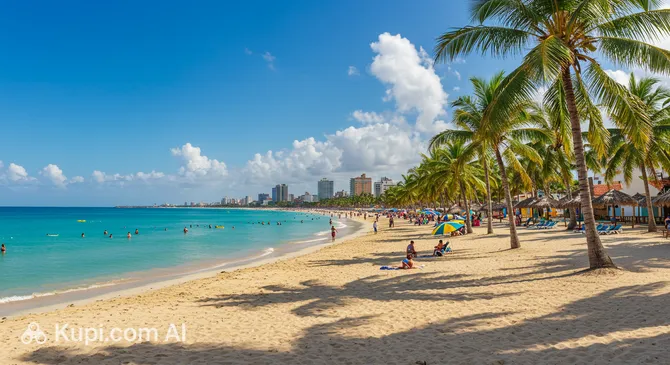
Welcome to Porlamar, the vibrant commercial heart of Margarita Island and a bustling hub of activity in the Caribbean. Known for its lively atmosphere, this city serves as the primary urban center for the state of Nueva Esparta, attracting travelers who seek a blend of modern conveniences and coastal charm within Venezuela.

Porlamar. Source: Kupi.Binoculars

Geographically, Porlamar is situated on the southeastern coast of the island, benefiting from a warm, tropical climate that makes it a year-round destination. With a population of approximately 120,000 residents, it is the largest city on the island. While it is now known for its shopping malls and high-rise buildings, the history of Porlamar reveals its humble beginnings as a 16th-century fishing village, which has since transformed into a dynamic tourist metropolis.

The city is particularly famous for its status as a free port, making it a paradise for shoppers. Iconic streets like Santiago Mariño and 4 de Mayo avenues are lined with boutiques, duty-free shops, and restaurants, offering everything from international brands to local handicrafts. For those looking to relax near the water, the city offers access to urban beaches like La Caracola, a popular spot for jogging and enjoying the sea breeze. Additionally, the city's nightlife is renowned, with a wide array of bars and clubs that keep the energy high after sunset.

Whether you are visiting for the exceptional shopping, the delicious local seafood, or simply to experience the energetic pulse of island life, Porlamar offers a unique and memorable gateway to the wonders of the Caribbean. It is a destination that invites you to explore, shop, and unwind in style.

Weather Overview

Visitors to Porlamar can look forward to a consistently warm tropical climate, with temperatures remaining pleasant throughout the year. The city experiences very stable conditions, where the average temperature typically ranges from 24.8°C in February to a peak of 27.7°C in September.

Expect a generally dry environment with warm days and balmy nights, as precipitation volume is extremely low, rarely exceeding 2mm in any given month. However, the frequency of rain varies; while April and May are very dry with only about 2 wet days, months like July and December can have up to 14 days with some moisture, usually in the form of brief, light showers.

Overall, the weather in Porlamar is ideal for beachgoers, with the "coolest" period occurring early in the year. Even during the warmest months of August and September, the coastal breeze often helps maintain comfort.

Interesting Facts

Beyond its reputation as a modern shopping destination, Porlamar holds a deep historical and cultural significance that often surprises visitors. The city's evolution from a colonial settlement to a commercial hub is marked by resilience and unique local traditions.
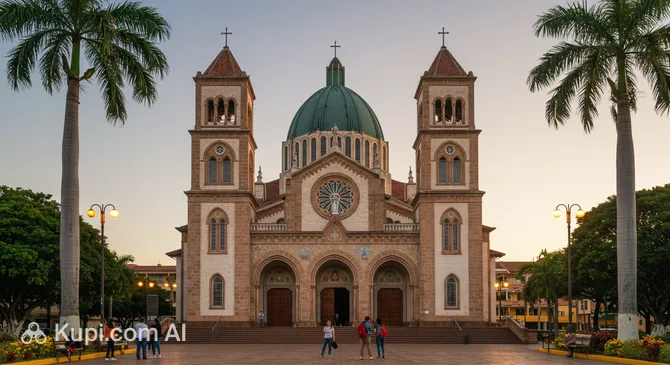
Basilica of Our Lady of El Valle. Source: Kupi.Binoculars
  • A Name Evolved from the Sea: The city was originally founded in 1536 under the name "Pueblo de la Mar," which translates literally to "Town of the Sea." Over the centuries, local pronunciation and usage condensed the phrase, eventually transforming it into the single word known today as Porlamar.

  • The Spiritual Heart: While Porlamar is the commercial center, it sits on the doorstep of the island's spiritual capital. Just a few kilometers away is the Basilica of Our Lady of El Valle, home to the venerated image of the Virgin of the Valley, who is honored as the patroness of the Venezuelan Navy.

  • A History of Pirate Raids: Due to its strategic coastal location, the city was a frequent target for buccaneers during the colonial era. It was famously attacked and virtually destroyed by French pirates in the mid-16th century, a turbulent past that contrasts sharply with its current peaceful atmosphere.

  • The Puntilla Lighthouse: Among the modern high-rises, you can find the historic Faro de la Puntilla. This lighthouse stands as a silent sentinel on the bay, serving as a reminder of the city's enduring maritime heritage long before the arrival of duty-free shops.

How to Get There

Reaching Porlamar is the first step to enjoying the tropical splendors of Margarita Island. As the island's commercial hub, the city is well-connected, primarily by air and sea. Most visitors choose to fly directly to the island's main airport, which offers convenient access to the city center. For a detailed overview of all transport options, including ferries and ground transfers, you can read more about how to get to Porlamar.

The primary gateway for air travelers is Santiago Marino International Airport (IATA: PMV). Located just 11.7 km from the heart of Porlamar, it is the most direct point of entry. The airport handles a significant volume of traffic, welcoming visitors from the Venezuelan mainland and various international destinations. A trip from the terminal to the city center by taxi or bus typically takes approximately 40 minutes, depending on traffic conditions.

Another significant option is General Jose Antonio Anzoategui International Airport (IATA: BLA), situated in the city of Barcelona on the mainland. While it is about 130 km away from Porlamar, this airport serves as a major hub for the region. Travelers landing here usually continue their journey to the island by taking a ferry from the nearby port of Puerto La Cruz or a connecting flight.

For clarity, here is a summary of the main airports:

Airport Name City Passenger Traffic Km from City
Piarco International Airport Port of Spain Large 279.9
General Jose Antonio Anzoategui International Airport Barcelona Medium 129.9
Santiago Marino International Airport Porlamar Medium 11.7
Maurice Bishop International Airport St. George's Small 255.2
Jose Tadeo Monagas International Airport Maturin 155.0

Main Attractions

Porlamar offers a diverse array of attractions that cater to history buffs, spiritual seekers, and avid shoppers alike. While the city is famous for its duty-free retail zones, its cultural landmarks and culinary spots provide a deeper connection to the local lifestyle on Margarita Island. Exploring these sites allows visitors to experience the vibrant energy that defines this Caribbean hub.

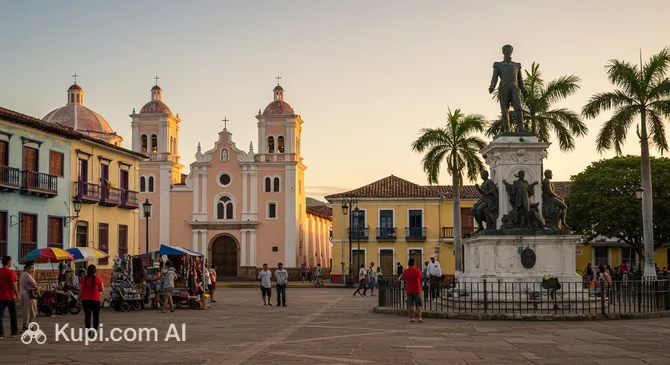
A central gathering point in the city is the Bolivar Square of Porlamar. This plaza serves as the heart of the urban area, featuring a prominent statue of the Liberator, Simón Bolívar. It is a popular spot for locals to meet and socialize, surrounded by trees that offer respite from the sun. The square is often bustling with activity and provides a glimpse into the everyday life of the city's residents, making it a great starting point for a walking tour of the downtown area.

Bolivar Square of Porlamar. Source: Kupi.Binoculars

Just a short distance from the city center lies the Basilica of Our Lady of El Valle. Although technically located in the nearby Valley of the Holy Spirit, it is inextricably linked to Porlamar's tourism circuit. This Neo-Gothic church houses the revered image of the Virgin of the Valley, the patroness of eastern Venezuela. Thousands of pilgrims visit this sacred site to pay their respects, admire the beautiful architecture, and visit the adjacent museum which displays offerings left by the faithful.

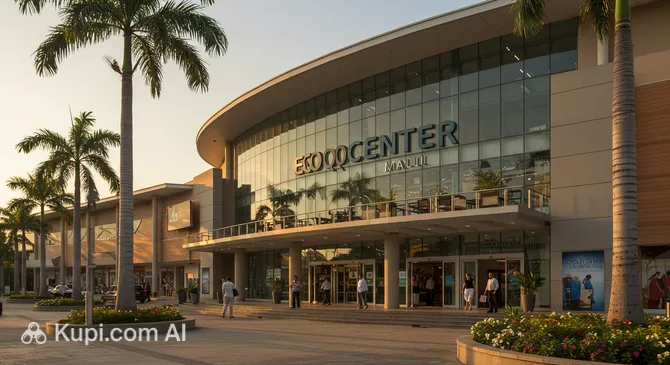
For those looking to indulge in the island's famous shopping experience, the Ecocenter Mall is a modern destination not to be missed. As one of the larger shopping centers in the area, it offers a comfortable, air-conditioned environment filled with a variety of stores ranging from fashion boutiques to electronics. It is an excellent place to find both international brands and local goods, reflecting Porlamar's reputation as a premier commercial center.

Ecocenter Mall. Source: Kupi.Binoculars

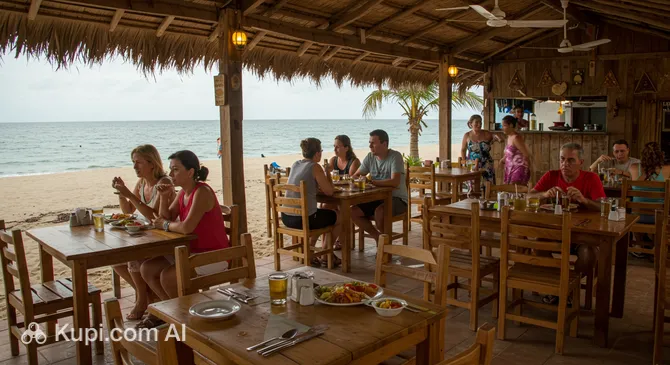
To get a taste of the local flavor, a visit to La Isla Market offers a delightful culinary experience. Categorized as a restaurant and market space, it is known for its fresh ingredients and vibrant atmosphere. Visitors can enjoy delicious local dishes prepared with fresh seafood and regional produce, making it a perfect spot to relax and refuel after a day of sightseeing.

Local Cuisine

The culinary landscape of Porlamar is a vibrant reflection of its Caribbean setting, offering a gastronomic experience heavily centered around the bounty of the sea. Food here is more than just sustenance; it is a fusion of indigenous, African, and European influences that creates bold and memorable flavors. Visitors will find that fresh seafood is the undisputed star of the local table, with daily catches transforming into exquisite dishes in kitchens ranging from humble street stalls to upscale dining rooms.

A visit to Porlamar would be incomplete without trying the iconic Pastel de Chucho. This signature dish of Margarita Island is a savory and sweet casserole made with layers of fried ripe plantains and stewed stingray (chucho), topped with melted cheese. It is a unique flavor combination that perfectly represents the region's culinary creativity. Another staple, particularly popular for breakfast, is the empanada de cazón. These fried cornmeal turnovers are filled with seasoned dogfish and are typically enjoyed with a variety of sauces, such as garlic cream or spicy salsa.

To accompany these rich meals, locals often turn to refreshing drinks that combat the tropical heat. The Cocada is a must-try non-alcoholic beverage; it is a creamy, sweet milkshake made from fresh coconut meat and milk, often sold by vendors along the beaches and busy streets. For adult beverages, Venezuelan rum is world-renowned and serves as the base for many cocktails, though a simple "Cuba Libre" or an ice-cold local beer remains a favorite choice while watching the sunset.

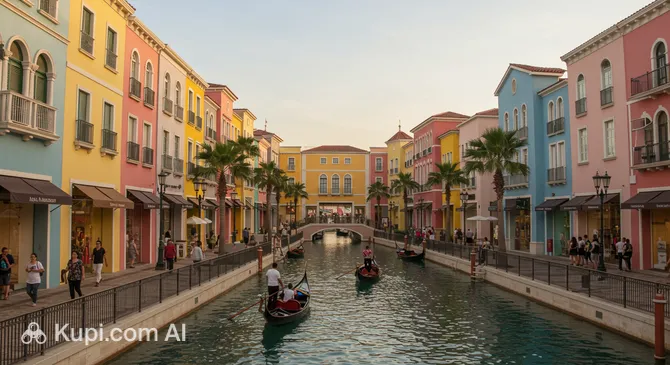
The city's dining scene is diverse, catering to all tastes and budgets. The main commercial avenues, such as Santiago Mariño and 4 de Mayo, are lined with numerous eateries. For those seeking a classic dining experience with a reputation for quality service, El Remo Restaurant is a well-established venue where visitors can enjoy a mix of international and local cuisine in a refined atmosphere.

El Remo Restaurant. Source: Kupi.Binoculars

For a more casual evening, places like El Paseo Pizzeria offer a relaxed environment perfect for unwinding after a day of shopping or beach activities. Whether you are grabbing a quick bite at a market or sitting down for a multi-course dinner, the flavors of Porlamar promise to be a highlight of your travel experience.

Travel Tips

Planning a trip to Porlamar is an exciting prospect, but a little local know-how goes a long way in ensuring your vacation is as relaxing as possible. These practical tips are designed to help you navigate the city with confidence, allowing you to focus on the shopping, beaches, and culture.

  1. Clothing and Gear: Given the tropical climate, pack lightweight, breathable fabrics like cotton or linen to stay cool. Comfortable walking shoes are essential for exploring the extensive shopping districts. Don't forget a hat and high-SPF sunscreen, as the Caribbean sun can be intense. For electronics, Venezuela uses Type A and B plugs (the same as the US) with a standard voltage of 110V, so bring an adapter if your devices use a different standard.

  2. Transportation: The most convenient way for tourists to get around Porlamar is by taxi. While public buses exist, they can be crowded and confusing for newcomers. It is best to use official taxi lines found at hotels and shopping malls. Since many taxis do not use meters, always negotiate and agree on the fare before getting into the vehicle. Car rentals are available but require defensive driving skills due to local traffic habits.

  3. Finances: While the local currency is the Venezuelan Bolívar (VES), the US Dollar is widely accepted and often preferred for transactions. It is highly recommended to bring cash in small denominations ($1, $5, $10, $20), as getting change for large bills can be difficult. International credit and debit cards may not work everywhere due to banking restrictions, so relying on cash is the safest bet. Tipping is customary; leaving 10% in restaurants is standard practice.

  4. Health and Safety: Stick to bottled water for drinking and brushing your teeth to avoid stomach issues. Pharmacies, such as the chain Farmatodo, are well-stocked and easy to find, often selling snacks and personal care items as well. As in any busy city, keep an eye on your belongings. Avoid wearing flashy jewelry or displaying expensive electronics in public, and stick to well-lit, populated areas, especially at night.

  5. Communication: The official language is Spanish. While staff in major hotels and high-end shops may speak English, it is not widely spoken by the general public. Learning a few basic phrases like "Hola" (Hello) and "Gracias" (Thank you) will be very helpful. To stay connected, you can purchase a local SIM card from providers like Movistar or Digitel at the airport or official stores, provided you have an unlocked phone.

  6. Local Etiquette: Venezuelans are generally warm and polite. It is polite to greet people with a "Buenos días" (Good morning) or "Buenas tardes" (Good afternoon) when entering a shop or getting into a taxi. Handshakes are common for first meetings, while friends often greet with a kiss on the cheek. Patience is a virtue here; service can sometimes be more relaxed than what you might be used to.

  7. What to Avoid: Avoid discussing sensitive political topics with strangers, as this can be a polarizing subject. Additionally, do not take photographs of military installations or police personnel, as this is strictly prohibited and can lead to unnecessary trouble.

  8. Shopping Insight: Since Porlamar is a free port, shopping is a major activity. However, be aware that many shops may close for a long lunch break, typically between 12:00 PM and 2:00 PM, and reopen in the late afternoon. Plan your shopping sprees for the morning or late afternoon to ensure everything is open.

By keeping these practicalities in mind, you will be well-prepared to enjoy everything Porlamar has to offer. Embrace the island pace, enjoy the warm hospitality, and have a wonderful time exploring this Caribbean gem.

Entertainment & Nightlife

When the sun sets over the Caribbean, Porlamar transforms into the vibrant nightlife capital of Margarita Island. The city offers a diverse after-dark scene that ranges from laid-back beach bars to energetic dance clubs and sophisticated casinos. The atmosphere is distinctly tropical and welcoming, with a mix of salsa, merengue, and international pop music filling the air. For tourists, the nightlife here is an essential part of the experience, providing a chance to mingle with friendly locals and enjoy the island's festive spirit.

The heart of the action is undoubtedly centered around two main arteries: Avenida Santiago Mariño and Avenida 4 de Mayo. These bustling districts are lined with a variety of venues, including open-air terraces, sports bars, and bingos, which are a popular form of entertainment in the region. The area known as Costa Azul also hosts some of the more upscale lounges and discos, where the dress code tends to be "smart casual," requiring long pants and closed shoes for men.

Dining out is often the prelude to a long night of partying, and the city boasts several spots that combine great food with a lively social vibe. La Isla Market is a fantastic place to start your evening; its vibrant setting makes it perfect for enjoying drinks and fresh dishes before heading to a club. For those seeking a more traditional and elegant dining experience to kick off the night, El Remo Restaurant offers a refined atmosphere where you can savor excellent seafood and wine.

La Isla Market. Source: Kupi.Binoculars

If you are looking for a more casual bite late into the evening, El Paseo Pizzeria is a reliable choice to refuel. Beyond dining, Porlamar is famous for its casinos and bingo halls, which often feature live music and stay open until the early hours of the morning. These venues are social hubs where people gather to test their luck and enjoy live entertainment in a safe, air-conditioned environment.

While nightlife is a major draw, Porlamar also offers engaging daytime entertainment. Visitors can explore modern cinemas located within the major shopping malls or visit nearby amusement parks like Diverland, which is just a short drive away and features a famous Ferris wheel. For culture enthusiasts, the city's small galleries and the Museum of Contemporary Art Francisco Narváez provide an artistic escape from the heat.

To enjoy the nightlife safely, it is best to stick to the main commercial avenues and designated tourist zones. The most reliable way to get around at night is by using official taxis or private transfer services arranged by your hotel or restaurant. Walking between distant venues late at night is not recommended. Prices for drinks and cover charges are generally affordable compared to international standards, but it is wise to carry small denominations of cash, as card machines can sometimes be unreliable.

Parks & Museums

While Porlamar is primarily recognized as a bustling commercial hub, the city also serves as a gateway to some of Margarita Island's most cherished cultural institutions and natural escapes. Beyond the shopping malls and duty-free zones, visitors can discover green spaces that offer a respite from the urban energy, as well as museums that preserve the rich artistic and spiritual heritage of the region.

For art enthusiasts, the Francisco Narváez Museum of Contemporary Art is a cultural cornerstone located right in the city center. Named after the renowned Porlamar-born sculptor Francisco Narváez, this venue houses a significant collection of his sculptures and paintings, alongside works by other prominent Venezuelan artists. The museum often hosts temporary exhibitions and workshops, making it a vibrant space where the local artistic community converges. Its outdoor sculpture garden provides a serene artistic atmosphere amidst the city streets.

A short distance from the downtown area, adjacent to the Basilica of Our Lady of El Valle, lies the Diocesan Museum of El Valle. This museum is essential for understanding the deep spiritual connection of the islanders. It displays a fascinating collection of votive offerings (milagros) left by pilgrims, ranging from golden figures and pearls to hand-painted tablets. The museum also showcases the intricate, hand-embroidered robes worn by the Virgin of the Valley throughout history, reflecting the devotion and craftsmanship of the local people.

In terms of green spaces, the Bolivar Square of Porlamar acts as the city's primary urban lung. Shaded by tall, leafy trees, the square offers a cool retreat from the Caribbean sun. It is more than just a plaza; it is a living park where locals sit to read, chat, and watch the world go by. The pavement is patterned with classic designs, and the statue of Simón Bolívar stands as a focal point, surrounded by well-maintained gardens that add a splash of nature to the concrete cityscape.

Nature lovers looking for a more immersive experience should look towards Cerro El Copey National Park. While the park encompasses a mountain range, its foothills are easily accessible from Porlamar. It serves as a vital water source and a biodiversity hotspot, offering hiking trails that lead to panoramic viewpoints. From the higher elevations, visitors can enjoy breathtaking views of Porlamar and the Caribbean Sea, surrounded by lush vegetation that contrasts sharply with the arid coast.

Architecturally, the Church of San Nicolás de Bari is another landmark worth noting. Located near the central square, this Neo-Gothic structure features imposing twin towers and serves as the spiritual home for the city's patron saint. Its construction dates back to the mid-19th century, standing as a testament to the city's resilience and history.

For a truly local experience, visit the Francisco Narváez Museum in the late afternoon when the light is best for viewing the outdoor sculptures. Afterward, a walk around the Bolivar Square as the sun sets offers a chance to see the city transition from its commercial bustle to a more relaxed, social evening atmosphere.

Getting Around

The public transport system in Porlamar is primarily road-based, informal, and distinct from the structured networks found in many European or North American cities. There is no metro, tram, or railway service within the city. Instead, the local transportation backbone consists of buses and minibuses, locally known as "camionetas" or "por puestos." These vehicles connect the city center with outlying neighborhoods and nearby towns on Margarita Island. They are often colorful and display their destinations on the windshield, making them relatively easy to spot, though they lack fixed timetables.

Payment for public transport is almost exclusively in cash. There are no electronic travel cards, mobile apps, or ticket machines for local buses. Fares are generally very low, often costing less than a dollar, and are paid directly to the driver or a collector assistant upon boarding. It is essential to carry small denominations of the local currency, the Venezuelan Bolívar (VES), or small US dollar bills ($1), as drivers rarely have change for larger notes. Prices are fixed per route, but it is always wise to confirm the fare with the driver before getting on.

For tourists, the most practical and comfortable alternative to public buses is the taxi service. Taxis in Porlamar do not use meters, so you must negotiate and agree on the fare before starting your journey. It is highly recommended to use "líneas de taxi" (official taxi lines), which are typically found at the airport, major hotels, and shopping malls like Sambil or La Vela. These official vehicles are safer and more reliable than the informal "libres" (independent taxis) that can be hailed on the street.

Operating hours for public buses and por puestos are generally from early morning, around 6:00 AM, until early evening. Service drops off significantly after sunset, and it is not advisable for tourists to rely on public transit at night due to safety concerns and scarcity of vehicles. If you plan to enjoy the city's nightlife, arranging a private taxi or a transfer through your hotel is the best strategy.

Car rentals are available at the airport and in the city center for those who prefer independence. However, driving in Porlamar requires improved defensive driving skills due to local traffic habits and occasionally poor road conditions. While walking is a viable option for short distances within the main shopping districts like Avenida Santiago Mariño during the day, distances between major attractions and beaches often necessitate some form of vehicular transport.

Accommodation

Finding the perfect place to stay in Porlamar is relatively easy, as the city boasts a wide range of accommodation options tailored to different budgets and travel styles. As a major tourist hub, the infrastructure is well-developed compared to other parts of the country. Visitors can choose from economical guesthouses (posadas), functional mid-range city hotels, and more luxurious resorts that offer extensive amenities.

For most international travelers, the district of Costa Azul is the most recommended area to stay. This neighborhood is known for being modern, safer, and quieter than the bustling city center. It is home to many of the city's higher-end hotels and is conveniently located near major shopping malls and dining venues. On the other hand, staying in the Downtown area places you right in the middle of the commercial action, which is ideal for those whose primary goal is duty-free shopping, though it can be noisy and crowded during the day.

Accommodation prices in Porlamar are generally very affordable for visitors holding foreign currency. Options range from budget-friendly rooms to upscale suites, often at a fraction of the cost found in other Caribbean destinations. While some bookings can be made through major international online platforms, many local establishments rely on direct bookings via social media or WhatsApp. Additionally, specialized travel agencies often secure the best rates and can assist with logistics.

A crucial tip for booking accommodation here is to confirm the payment method in advance. While larger hotels may accept international credit cards, many smaller inns and rentals prefer cash payments in US dollars. It is also wise to book well ahead of time if you plan to visit during peak Venezuelan holiday seasons, such as Carnival or Easter, when the island sees a significant influx of domestic tourists.

Nearby Cities

For those looking to explore the surroundings, Porlamar serves as an excellent base for day trips to several interesting nearby locations:

City Population Distance (km)
Maturin 514,046 154
Barcelona 448,016 126
Cumana 374,706 67
Puerto La Cruz 306,261 118
Carupano 173,877 76

While the table above lists major cities on the mainland accessible via ferry or flight, the most practical day trips are found right on Margarita Island. Just a short drive east of Porlamar lies Pampatar, a historic port city that blends colonial architecture with modern luxury. Visitors can explore the well-preserved San Carlos Borromeo Fortress, built in the 17th century to protect against pirates, and then enjoy a meal at one of the many trendy restaurants along the gastronomic route. It is a favorite spot for those who want to experience the island's culinary evolution.

Another essential visit is La Asunción, the capital of the Nueva Esparta state. Located inland and nestled in a verdant valley, it offers a quieter, more traditional atmosphere compared to the bustle of Porlamar. The city is home to the Santa Rosa Castle, which offers panoramic views of the island, and the second-oldest church in Venezuela, the Cathedral of Our Lady of the Assumption. Walking through its cobblestone streets provides a charming glimpse into the colonial past.

For spectacular views, a trip to the northern coast town of Juan Griego is highly recommended, particularly in the late afternoon. This town is famous for the Fortín de la Galera, a hilltop fortification that offers one of the best vantage points for watching the sunset over the bay. The relaxed vibe and the calm waters make it a perfect way to end a day of exploration.

These nearby destinations offer a glimpse into the diverse culture and landscapes of the region.

Shopping & Souvenirs

Shopping is arguably the most famous activity in Porlamar, drawing visitors from across Venezuela and the Caribbean. Thanks to Margarita Island's status as a Free Port (Puerto Libre), the city serves as a massive commercial hub where goods are often exempt from Value Added Tax (VAT). This unique economic designation transforms the city into a bustling marketplace offering everything from imported luxury items and electronics to local handicrafts and textiles at competitive prices.

For those who prefer street-side browsing, the city's commercial pulse beats strongest along Avenida Santiago Mariño and Avenida 4 de Mayo. Santiago Mariño is historically renowned for its high concentration of boutiques selling perfumes, cosmetics, and designer clothing. Meanwhile, 4 de Mayo is a broader commercial artery lined with banks, electronics stores, and various retail outlets. Walking these streets offers a traditional shopping experience where bargaining can sometimes be part of the fun in smaller shops.

Modern shopping malls are a significant part of Porlamar's landscape, offering air-conditioned comfort and a wide range of international brands. The Ecocenter Mall is a notable destination for visitors, featuring a mix of fashion stores, services, and entertainment options under one roof. Other major centers in the area, such as Sambil Margarita and La Vela, are also popular for their extensive food courts and modern cinema complexes, making them perfect for a full day of family entertainment and retail therapy.

To experience the local trade culture, a visit to the city's markets is essential. The most famous is the Mercado de Conejeros, located on the outskirts. While known for its breakfast empanadas, it also features rows of stalls selling clothing, shoes, and household goods at bargain prices. for a more curated experience that blends dining with shopping, La Isla Market offers a vibrant atmosphere where visitors can enjoy fresh local products and explore a variety of goods in a lively setting.

When it comes to souvenirs, Porlamar offers distinct local treasures. The island is famous for its pearls, and you will find them sold everywhere, from jewelry stores to beach vendors; however, it is best to buy from reputable shops to ensure authenticity. Other excellent gifts include Venezuelan rum and chocolate, both of which are world-renowned for their quality. Hammocks (chinchorros) and traditional pottery are also popular keepsakes that reflect the region's artisanal heritage.

Visitors should be aware of the local business hours. Many smaller shops and independent stores in the city center observe a "siesta" break, closing around 12:00 PM and reopening between 2:00 PM and 3:00 PM. Shopping malls, however, typically remain open throughout the day until the evening. regarding payment, while the local currency is the Bolívar, US Dollars in cash are the most widely accepted and preferred method of payment. It is advisable to carry small bills, as change is often scarce.

Finally, the Tax-Free status is a major draw. As a Free Port, many imported goods are sold without the standard VAT applied on the mainland. This makes items like liquor, cheese, chocolate, and appliances significantly cheaper. Tourists should keep this in mind when budgeting, as the savings on these specific categories can be substantial compared to other destinations.
Reached the end of the page?

That means the route is fully explored