Support

Roseau

About

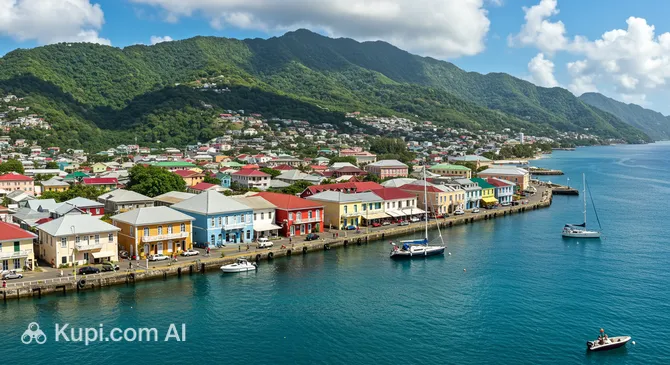
Roseau is the vibrant and picturesque capital of Dominica, serving as the island's primary hub for culture and commerce. Despite being one of the smallest capitals in the Caribbean, it pulses with a unique energy, blending the charm of a historic settlement with the bustle of modern island life. The city offers an authentic Caribbean experience, where colorful buildings line the streets and the rhythm of daily life is both relaxed and engaging.

Roseau. Source: Kupi.Binoculars

Located on the southwestern coast of the island, the city is framed by the sparkling Caribbean Sea and lush, towering mountains. With a population of approximately 16,500 residents, Roseau maintains a welcoming, close-knit atmosphere. The city's layout is a testament to its past, featuring 18th-century French colonial architecture that stands alongside newer developments. Those interested in the region's heritage will find the history of Roseau fascinating, as it reveals the layers of influence that have shaped its streets and landmarks.

Travelers are often drawn to the city's natural and cultural highlights. The Dominica Botanic Gardens offer a serene escape with exotic flora and the famous "crushed bus" relic, while the Old Market Plaza provides a glimpse into local trade and crafts. For the best panoramic views, a trip up to Morne Bruce is indispensable, offering a breathtaking vantage point over the city and the harbor.

Whether you are stopping by on a cruise or planning a longer stay to explore the "Nature Island," Roseau is a delightful starting point. Its authentic spirit, combined with easy access to nearby waterfalls and thermal springs, makes it an unforgettable destination for any traveler.

Weather Overview

Roseau enjoys a warm, tropical climate year-round, characterized by consistent temperatures and the lush greenery resulting from regular rainfall. Visitors can generally expect a steady warmth that makes outdoor activities enjoyable at almost any time, though it is wise to be prepared for the occasional shower that keeps the "Nature Island" vibrant.

Temperatures in the city are remarkably stable, rarely fluctuating drastically between seasons. The coolest month is typically February, with an average temperature of 24.2°C, while September tends to be the warmest, reaching an average of 26.7°C. Even during the warmer months, the heat is often balanced by the island's coastal breezes.

Rainfall is a common feature, varying in frequency throughout the year. The period from July to November is generally wetter, with July seeing the highest frequency of rain, averaging about 23 wet days. Conversely, May is often the driest month in terms of rain frequency, with around 12 wet days. For a more detailed forecast and planning tips, you can view the complete guide to the weather in Roseau.

Interesting Facts

Beyond its bustling markets and colonial architecture, Roseau holds several fascinating secrets that reveal its deep connection to nature and history. The city is full of quirky details and historical layers that often go unnoticed by the casual observer.

  • The city's name is derived from the French word for "reed," a tribute to the wild river cane (Gynerium sagittatum) that once grew in abundance along the banks of the Roseau River when French settlers first arrived.

  • One of the most unusual sights in the Dominica Botanical Gardens is a crushed, empty school bus lying beneath a massive African Baobab tree. The tree fell on the bus during Hurricane David in 1979, and the wreckage has been preserved in place as a testament to the storm's power.

  • The Fort Young Hotel and Dive Resort is unique because it is built directly into the structure of a military fort from 1770. Guests here stay within the original thick stone walls that once defended the harbor, blending modern luxury with 18th-century history.

  • Long before it became the capital, the site of Roseau was an ancient Kalinago village known as "Sairi." This makes it the oldest continuously inhabited urban settlement on the island, with a legacy stretching back centuries before European colonization.

Dominica Botanical Gardens. Source: Kupi.Binoculars

How to Get There

Reaching the capital of the "Nature Island" is an adventure in itself, offering travelers a chance to see the lush landscapes of the Caribbean. Whether you are arriving by air or sea, planning your journey in advance is essential. For a comprehensive look at all available routes and transport tips, you can consult the detailed guide on how to get to Roseau.

The city of Roseau does not have its own airport, but the primary gateway for air travelers is Melville Hall Airport (IATA: DOM), commonly known as Douglas-Charles Airport. It is located in Dominica, approximately 27.7 km from the capital. Due to the island's mountainous terrain, the transfer is a scenic experience; a journey by taxi or bus typically takes around 65 minutes. This facility handles regional connections, making it the final stop for most visitors arriving by plane.

For international travelers coming from further afield, it is common to fly into larger hubs on neighboring islands and then connect to Dominica. Martinique Aimé Césaire International Airport (IATA: FDF) in Fort-de-France is a significant transit point located about 89 km away across the sea. Similarly, Pointe-à-Pitre International Airport (IATA: PTP) in Pointe-à-Pitre, Guadeloupe, is another major option, situated roughly 107 km from Roseau. From these islands, visitors can continue their journey via a short connecting flight or a high-speed ferry service.

For clarity, here is a summary of the main airports serving the region:

Airport Name City Passenger Traffic Km from City
Pointe-à-Pitre International Airport Pointe-à-Pitre Large 107.1
Martinique Aimé Césaire International Airport Fort-de-France Large 89.2
Hewanorra Airport Castries Medium 180.3
George F. L. Charles Airport Castries Medium 148.6
Melville Hall Airport Dominica Small 27.7

Main Attractions

Roseau may be compact, but it offers a rich array of sights that reflect its deep history and natural beauty. The city is walkable and welcoming, allowing visitors to easily explore its most significant landmarks and soak up the local atmosphere within a single day.

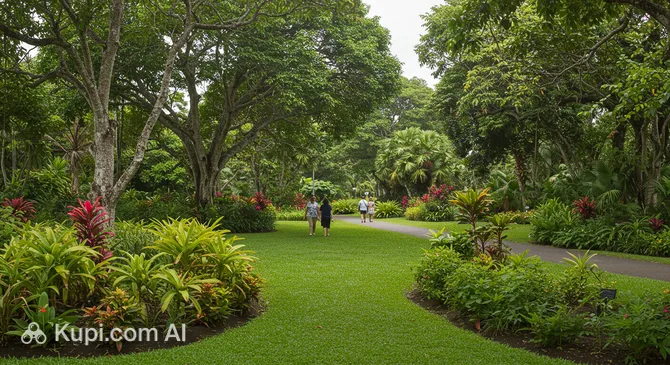
One of the most beloved spots is the Dominica Botanical Gardens. Situated just east of the downtown area, this sprawling green oasis is perfect for a leisurely stroll or a peaceful retreat from the town's activity. It is home to over 50 types of indigenous plants and exotic trees, as well as an aviary housing the endangered Sisserou parrot, Dominica’s national bird. The grounds are a favorite among locals for recreation and offer a lush introduction to the island's flora.

Dominica Botanical Gardens. Source: Kupi.Binoculars

Just above the gardens lies Morne Bruce, a vantage point that offers the most spectacular panoramic views of Roseau and the western coastline. It is an ideal location for photography, especially in the late afternoon when the sun begins to set over the Caribbean Sea. Visitors can reach the summit by a short drive or, for the more adventurous, by hiking up the historic "Jack's Walk" trail that connects directly from the gardens below.

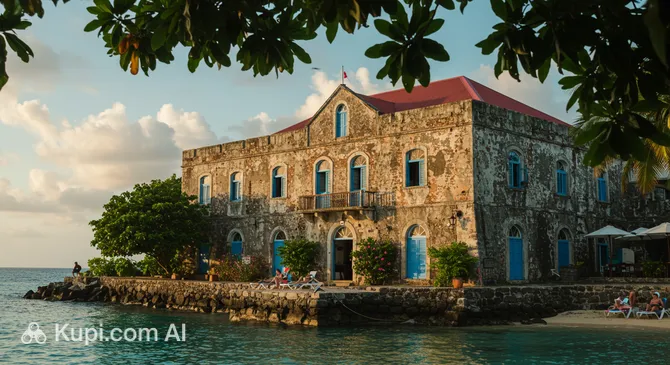
For those interested in the island's architectural heritage, the Fort Young Hotel and Dive Resort is a fascinating landmark. While it operates as a premier hotel today, the structure is built into the sturdy stone walls of an original 18th-century fortress. It stands as a living piece of history on the waterfront, seamlessly blending colonial military architecture with modern Caribbean hospitality.

Fort Young Hotel and Dive Resort. Source: Kupi.Binoculars

Located right in the heart of the city, the Dominica Museum is a small but treasure-filled institution facing the bayfront. It provides a comprehensive overview of the island's history, from its volcanic geology and indigenous Kalinago culture to the colonial era. The well-curated exhibits make it an excellent educational stop for anyone wanting to understand the deeper context of the island before exploring further.

Finally, a visit to the Old Market Plaza offers a glimpse into the pulse of daily life. Historically a significant trading site, it has been transformed into a vibrant market where vendors sell fresh tropical fruits, vegetables, and handcrafted souvenirs. The cobblestone square serves as a lively center for local commerce and is a great place to pick up unique gifts while appreciating the city's resilience and evolution.

Local Cuisine

The culinary landscape of Roseau is a flavorful reflection of Dominica's "Nature Island" reputation, where fertile volcanic soil produces an abundance of fresh fruits, vegetables, and spices. The local cuisine is predominantly Creole, characterized by hearty, unpretentious dishes that rely heavily on "provisions"—root vegetables like yam, dasheen, and sweet potato—served alongside fresh catch from the Caribbean Sea.

For a true taste of the island, visitors must try Callaloo soup. Once a secondary dish, it has risen to the status of a national favorite; this thick, creamy soup is made from young dasheen leaves, coconut milk, and often seasoned with crab or salted meat. Seafood lovers will appreciate the grilled mahi-mahi or tuna often found on menus, but for a unique local snack, look for Titiri cakes. These small, fried patties are made from tiny translucent fish found in the river mouths and are a beloved seasonal delicacy. Breakfast or a quick lunch often features "bakes," a type of fried dough that can be enjoyed plain or stuffed with saltfish, cheese, or smoked herring.

No meal in Roseau is complete without sampling the local beverages. Kubuli, the island’s award-winning local beer, is a source of national pride and a refreshing choice on a hot day. For something stronger, rum punches infused with local spices like cinnamon and nutmeg are widely available. Non-alcoholic options are equally delightful, with fresh juices made from passion fruit, grapefruit, or sorrel offering a burst of tropical vitamin C. Additionally, Cocoa Tea, a rich, spiced hot chocolate made from locally grown cocoa sticks, is a comforting tradition, especially in the mornings.

The dining scene in Roseau ranges from vibrant street food stalls to relaxed waterfront establishments. The area around the Old Market is a great spot to grab quick bites and fresh fruit from vendors. For a more sit-down experience with a view, many visitors head to the waterfront. The Fort Young Hotel and Dive Resort offers a popular dining venue where guests can enjoy international and Caribbean fusion cuisine while overlooking the ocean, blending history with fine dining.

Travel Tips

Welcome to Roseau, a city where colonial charm meets the raw beauty of the Caribbean. To help you navigate the capital of the "Nature Island" with ease and confidence, we have compiled a list of essential practical tips for your journey.

  1. Clothing and Gear: Given the tropical climate, lightweight and breathable fabrics like cotton or linen are ideal. However, since Dominica is known for its lush rainforests and frequent showers, packing a sturdy umbrella or a light rain poncho is a must. If you plan to explore the hiking trails near the city or walk the cobblestone streets, bring comfortable, non-slip walking shoes. Remember that beachwear is for the beach; dress modestly when walking around town or visiting religious sites.
  2. Transportation: Roseau is quite compact and best explored on foot, allowing you to appreciate its architecture and markets close up. For trips outside the city center, look for the colorful minibuses, which are the primary form of public transport; their license plates start with 'H'. Taxis are also readily available and generally have fixed rates for specific destinations, but it is always wise to confirm the fare before starting your journey. If you rent a car, remember that driving is on the left side of the road, and you will need to purchase a temporary local driving permit.
  3. Finances: The official currency is the Eastern Caribbean Dollar (XCD), though US dollars are widely accepted by most businesses and taxis. While credit cards are accepted at hotels and larger restaurants, cash is king in Roseau, especially at the Old Market Plaza and smaller shops. ATMs are available in the city center for withdrawing local currency. Tipping is appreciated for good service, typically around 10-15% in restaurants if a service charge hasn't already been added.
  4. Health and Safety: Roseau is generally a safe and friendly city, but standard travel precautions apply; keep an eye on your belongings in crowded areas. Pharmacies are available in the downtown area for basic medical supplies, and the Princess Margaret Hospital provides medical assistance if needed. Tap water in the city is often sourced from fresh mountain springs and is generally safe to drink, but visitors with sensitive stomachs may prefer bottled water. Don't forget insect repellent to protect against mosquitoes, especially in the evenings.
  5. Communication: English is the official language, so you will have no trouble communicating. However, you will often hear locals speaking Kwéyòl (Creole), a French-based dialect. Learning a simple greeting in Creole, like "Sa ka fèt?" (How are you?), is a great way to break the ice. Wi-Fi is commonly available in hotels, cafes, and public spots like the ferry terminal. For constant connectivity, you can purchase a local SIM card from providers like Flow or Digicel in the city center.
  6. Local Etiquette: Politeness is highly valued in the local culture. It is customary to greet people with a "Good morning," "Good afternoon," or "Good night" when entering a shop, boarding a bus, or starting a conversation. Skipping this greeting can be seen as rude. The pace of life here is relaxed, often referred to as "island time," so patience and a friendly attitude will go a long way in your interactions.
  7. What to Avoid: Strictly avoid wearing camouflage clothing or carrying items with camouflage patterns (bags, hats, etc.). It is illegal for civilians to wear camouflage in this region and many other Caribbean nations, and the items may be confiscated. Also, avoid taking photographs of locals without asking for their permission first; a polite request is usually met with a smile.
  8. Sunday Planning: Be aware that Roseau becomes very quiet on Sundays. Most shops, supermarkets, and restaurants in the city center are closed as locals spend the day with family or at church. If you are in the city on a Sunday, plan your meals in advance or head to hotel restaurants and nature sites, which remain accessible.

By keeping these tips in mind, you will be well-prepared to embrace the authentic rhythm of Roseau. Enjoy the warmth of the locals and the unforgettable atmosphere of this unique Caribbean capital!

Entertainment & Nightlife

Entertainment in Roseau is defined by the Caribbean concept of "liming"—the art of relaxing, socializing, and enjoying the moment with friends. Unlike the high-energy party scenes found in some other Caribbean capitals, the nightlife here is laid-back, authentic, and intimate. The city comes alive on weekends, particularly on Friday nights, when the sounds of reggae, soca, and the locally originated bouyon music spill out from bars and onto the streets.

The heart of the evening action is the Bayfront, formally known as Dame Eugenia Charles Boulevard. As the sun sets over the Caribbean Sea, this waterfront promenade becomes a gathering place for both locals and visitors. People stroll along the sea wall, enjoying the cooling breeze and stopping at the various kiosks and small bars that line the strip. It is an excellent area to start your evening with a casual drink while watching the world go by.

For a more polished experience, the Fort Young Hotel and Dive Resort is a central hub for social activity in the city. Its Warner’s Bar is particularly famous for its Friday night happy hours, which draw a mix of expats, tourists, and locals. The venue often hosts live bands or DJs, creating a festive yet safe atmosphere within the historic walls of the old fort. It is the ideal spot for sipping a cocktail while overlooking the ocean.

Another staple of Roseau's nightlife is the Ruins Rock Café on King George V Street. True to its name, this venue is set within the rustic stone walls of a historic building, giving it a unique character. It is well-loved for its potent rum punches and often features live music or cultural performances. The vibe here is unpretentious and welcoming, making it a great place to mingle with residents and get a taste of the local culture.

For those planning a night out, here are some practical tips:

  • Best Time to Go: Friday is the biggest night out in Roseau. Sundays are extremely quiet, with most places closed.
  • Dress Code: The style is generally casual. Shorts and t-shirts are acceptable in most bars, though "smart casual" is appreciated in hotel venues.
  • Safety and Transport: The Bayfront and main hotel areas are safe for walking in the early evening. However, late at night, it is advisable to take a taxi rather than walk, especially on unlit side streets. Taxis are not always flagged down easily at night, so arranging a ride in advance or asking a bartender to call one for you is recommended.

While nightlife is low-key, daytime entertainment in Roseau offers its own charm, focused largely on nature and history. Visitors can spend a relaxing afternoon exploring the Dominica Botanical Gardens, a lush green space perfect for picnics and spotting the national parrot. For a dose of culture, the Dominica Museum provides a fascinating look into the island’s past, while the Old Market Plaza remains a bustling spot for shopping and people-watching during the day.

Parks & Museums

While Roseau’s major landmarks are well-documented, the city is also home to intimate green spaces and historical grounds that offer a quieter perspective on the capital. Beyond the bustling waterfront and popular tourist stops, these sites provide a space for reflection and a deeper look into the island's colonial legacy.

One of the city's hidden gems is Peebles Park, a small but significant refuge located near the river mouth and adjacent to St. George's Anglican Church. This area serves as a solemn reminder of the nation's sacrifices, housing the Cenotaph, a war memorial dedicated to Dominicans who served in the World Wars. It is an ideal spot for visitors seeking a moment of peace, offering shaded benches and a cooling breeze from the nearby sea, away from the main thoroughfares.

For those willing to venture slightly uphill, the grounds surrounding the State House offer a look at the island's administrative grandeur. Situated near the edge of the city, this is the official residence of the President of Dominica. Although the residence itself is restricted, the approach reveals beautifully maintained gardens and classic colonial architecture that stands in contrast to the more modern buildings downtown. It provides a dignified backdrop for a walk and offers a unique vantage point of the city below.

The Old Market Plaza (Dawbiney Market Place) is often visited for its crafts, but its historical weight is its most compelling feature. Centuries ago, this cobblestone square was the center of the slave trade and public executions. Today, it stands as a testament to resilience. Recognizing this darker history adds profound context to a visit, transforming a simple shopping trip into an acknowledgment of the site’s transformation from a place of human tragedy to a hub of local creativity.

The city’s most famous green space, the Dominica Botanical Gardens, also plays a role often missed by casual sightseers: it is the social heart of Roseau. Beyond its botanical collection, the park is a lively venue for local sports. Visitors in the afternoon may be lucky enough to catch a cricket match on the lawns, offering a chance to witness the community's passion for the sport in a relaxed, scenic setting.

Similarly, the Dominica Museum deserves attention for the building it occupies. Housed in the old market court and post office, the structure itself is a piece of history, dating back to the era when the Bayfront was the exclusive domain of colonial commerce. Viewing the museum through this architectural lens complements the exhibits inside, grounding the artifacts in the very walls that once administered the island's trade.

Getting Around

The public transport system in Roseau is straightforward and informal, reflecting the relaxed pace of the city itself. Unlike major international capitals, you will not find subways, trams, or large municipal buses here. Instead, the city and the surrounding island are served by a network of privately owned minibuses. These minivans are the primary mode of motorized transport for locals and visitors alike, offering an affordable and authentic way to get around.

These minibuses are easily identifiable by their license plates, which always begin with the letter 'H'. While they may not have official line numbers displayed, the destination is usually written on a sign in the front windshield. In the city center, there are designated bus stops or "stands" located at strategic points, such as near the Old Market Plaza or by the bridges, depending on which direction you are heading (north, south, or east). Outside the main terminals, you can often flag a bus down simply by waving your hand from the side of the road.

Payment is exclusively in cash using the local currency. There are no travel cards, apps, or electronic ticket machines. Fares are government-regulated and generally very low, making it an economical choice. You typically pay the driver upon arriving at your destination. It is highly recommended to carry small bills and coins, as drivers may not always have change for large denominations.

For tourists, it is important to know that the bus service is most reliable during the day, starting early in the morning and tapering off significantly after sunset. On Sundays and public holidays, the frequency of buses drops drastically, and in some areas, they may not run at all. If you are planning an evening out or a trip on a Sunday, you should arrange alternative transport in advance.

Taxis are the main alternative and are readily available throughout Roseau. Like buses, their license plates start with 'H' or 'HA'. Taxis are ideal for airport transfers, late-night travel, or personalized tours. They operate on fixed rates for standard routes, but it is standard practice to confirm the price with the driver before getting in. There are no ride-sharing apps like Uber operating in the city.

Given Roseau's compact size, walking is often the best way to navigate the downtown area. Most major attractions, shops, and restaurants are within a short distance of each other. For those wishing to drive themselves, car rental agencies are available, but you will need to obtain a temporary local driving permit. Be aware that traffic flows on the left, and the roads can be narrow and winding, requiring careful attention.

Accommodation

Accommodation in Roseau caters primarily to eco-tourists, divers, and business travelers rather than those seeking sprawling, all-inclusive beach resorts. The city offers a modest but diverse selection of places to stay, ranging from charming historic guesthouses and budget-friendly apartments to comfortable mid-range hotels. Because Roseau is the commercial and cultural hub of Dominica, staying here places you right in the center of the island's activity, with easy access to transport links and local amenities.

When choosing an area, most visitors opt for the Downtown core or the immediate waterfront. Staying in the city center is incredibly convenient for access to the ferry terminal, the Old Market, and the bus network, making it ideal for those without a car. Just south of the capital, the Castle Comfort area is a favorite among diving enthusiasts; this strip along the coast offers several oceanfront hotels with on-site dive shops, combining proximity to the city with a more relaxed seaside atmosphere. For those who prefer cooler air and panoramic vistas, there are guesthouses located on the surrounding hillsides, such as Morne Bruce, overlooking the town.

Among the most notable establishments is the Fort Young Hotel and Dive Resort. Standing prominently on the waterfront, this hotel is a landmark in itself, uniquely built within the stone walls of an 18th-century fortress. It serves as the premier address in the city, offering a blend of colonial history and modern amenities, making it a top choice for travelers looking for a higher standard of comfort and service.

Booking Tip: Since Roseau is a small capital with a limited number of rooms, accommodation can become scarce during major events. It is essential to book months in advance if you plan to visit during the World Creole Music Festival in October or the Carnival celebrations in February or March. During the rest of the year, booking a few weeks ahead is usually sufficient.

In terms of pricing, Roseau is generally more affordable than many other Caribbean capitals. You can find excellent value in locally owned guesthouses and mid-range hotels. While major properties like the Fort Young can be booked through standard international booking platforms, many smaller, family-run establishments may require direct contact via email or their own websites to secure a reservation. Payment is typically accepted in US Dollars or Eastern Caribbean Dollars.

Nearby Cities

Roseau’s central location on the southwest coast makes it an exceptional base for exploring the rest of Dominica. The capital is surrounded by charming villages and towns, each offering a distinct slice of the island's natural beauty and culture, all within a convenient distance for a day trip.

Just a short drive south of the capital lies the picturesque village of Soufrière. Nestled within a submerged volcanic crater, this area is a premier destination for underwater enthusiasts. It serves as the gateway to the Scotts Head Marine Reserve, where divers and snorkelers can explore vibrant coral reefs and witness the dramatic convergence of the Caribbean Sea and the Atlantic Ocean. The village is also known for its relaxing warm sulphur springs, perfect for unwinding after a day of exploration.

Heading inland to the east, travelers will find the village of Trafalgar, a haven for nature lovers. It is most famous for the spectacular twin waterfalls, known as the Trafalgar Falls (Father and Mother falls), which are easily accessible via a short walking trail. The area is enveloped in lush rainforest, offering a refreshing escape and photo opportunities that capture the essence of the "Nature Island."

To the north lies Portsmouth, the island's second-largest town. While it requires a slightly longer scenic drive along the coast, it is a hub for history and eco-tourism. Visitors flock here to take guided boat tours up the serene Indian River, rowing past mangroves and filming locations from the Pirates of the Caribbean franchise. Nearby, the Cabrits National Park offers a compelling mix of 18th-century military history at Fort Shirley and hiking trails with sweeping ocean views.

Shopping & Souvenirs

Shopping in Roseau is a relaxed and authentic experience that mirrors the city's laid-back Caribbean atmosphere. Instead of sprawling mega-malls and high-end fashion chains, visitors will find a charming collection of independent boutiques, duty-free outlets, and vibrant open-air markets. The city is particularly celebrated for its local handicrafts and fresh produce, making it an excellent destination for travelers seeking genuine items that reflect the island's rich culture and fertile land.

The primary shopping district is concentrated along the Bayfront (Dame Eugenia Charles Boulevard) and the streets immediately parallel to it, such as Old Street and King George V Street. These areas are compact and easily walkable, lined with colorful colonial buildings that house jewelry stores, clothing shops, and gift centers. A stroll down these historic thoroughfares offers not just the chance to buy goods but also to admire the traditional architecture that gives the capital its distinct character.

Travelers should not expect large, Western-style shopping malls in Roseau. The retail landscape is smaller and more intimate. However, there are several department stores and multi-story complexes, such as Astaphan’s, which functions as a central hub for locals, selling everything from groceries and electronics to household goods. For luxury items, there are specific duty-free emporiums catering primarily to cruise ship passengers, offering watches, jewelry, and perfumes at competitive prices.

The true heartbeat of the city's shopping scene is the Old Market Plaza (Dawbiney Market Place). Located right next to the waterfront behind the museum, this historic cobblestone square is the premier spot for finding handcrafted souvenirs, spices, and local artwork. For a more sensory experience, the New Market on the riverbank is a bustling hive of activity, especially on Saturday mornings. Here, farmers from across the island gather to sell mounds of fresh tropical fruits, vegetables, and flowers, providing a colorful window into local life.

When looking for unique keepsakes, the most prized items are often those made by the indigenous Kalinago people. Intricate woven baskets, hats, and mats made from larouma reeds are known for their durability and craftsmanship. Other popular souvenirs include bottles of local rum or spiced rum punch, organic soaps made from coconut oil, and the island’s famous hot pepper sauces. Coffee enthusiasts should also look for Dominica’s distinct local roast to take a taste of the island home.

Shops typically operate between 8:00 AM and 4:00 PM or 5:00 PM from Monday to Friday. On Saturdays, many businesses close early, usually around 1:00 PM, and the city becomes very quiet on Sundays with almost all retail stores closed. While US dollars are widely accepted alongside the Eastern Caribbean Dollar (XCD), it is advisable to carry cash, particularly small bills, when shopping at markets or smaller stalls. Credit cards are generally accepted at duty-free stores and larger establishments.

Duty-free shopping is a significant draw for international visitors. Tourists can purchase goods such as jewelry, crystal, branded clothing, and alcohol exempt from local taxes. To take advantage of these savings, you will typically need to present your passport and a valid travel ticket or cruise ID at the point of purchase.
Reached the end of the page?

That means the route is fully explored