Support

Basseterre

About

Basseterre is the charming capital city of Saint Kitts and Nevis, serving as the primary entry point for many visitors to these beautiful islands. Known for its vibrant atmosphere and friendly locals, this coastal city perfectly blends Caribbean relaxation with a bustling commercial spirit. It stands as one of the oldest towns in the Eastern Caribbean, offering a rich tapestry of culture and daily island life.

Geographically, the city is located on the southwestern coast of the island of Saint Kitts, nestled within the parish of Saint George Basseterre. With a population of approximately 13,220 residents, it is a compact yet lively urban center. The city enjoys a tropical climate, making it a pleasant destination year-round, though it is particularly popular during the dry season when the sun shines brightest over the harbor.
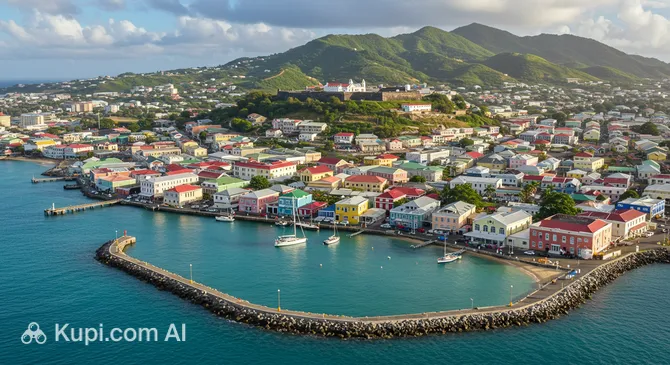
Basseterre. Source: Kupi.Binoculars

The architectural landscape of the city tells a story of its past. Visitors interested in the history of Basseterre will find fascinating examples of Georgian-style buildings and colonial structures that have survived the test of time and natural elements. The streets are lined with historic sites that reflect the dual French and British heritage of the region, creating a unique visual character that distinguishes it from other Caribbean capitals.

Key attractions include The Circus, a famous roundabout modeled after London's Piccadilly Circus featuring the iconic Berkeley Memorial Clock in its center. Nearby, Independence Square offers a green respite in the heart of the city and is surrounded by well-preserved colonial buildings. Travelers can also visit the imposing St. George's Anglican Church, which stands as a testament to the city's resilience and cultural depth.

Whether you are strolling through the colorful streets or enjoying local cuisine at the waterfront, Basseterre offers a unique glimpse into authentic island life. It is an excellent starting point for exploring the rest of the country and an inviting destination for those seeking both culture and relaxation.

Weather Overview

Basseterre enjoys a warm, tropical climate year-round, making it an inviting destination for travelers seeking sun and comfortable heat. The temperature remains remarkably consistent, with average temperatures hovering between 24.8°C in February and rising to 27.6°C by September. Expect warm days throughout the year with regular intervals of rain, as the city does not experience drastic seasonal temperature changes.

Precipitation is a common part of the weather pattern, with the number of wet days ranging from a low of 11 in March to a high of 21 in September. While rain is frequent, it often passes quickly, leaving plenty of time for exploration. To help you choose the best time for your visit, you can view more specific data about the weather in Basseterre to see monthly breakdowns of rainfall and humidity.

Interesting Facts

Beyond the main attractions, Basseterre holds many fascinating secrets that reveal the depth of its resilience and history. This vibrant capital is not just a commercial hub but a city layered with stories from centuries of colonial exchange and island life.
  • The city is home to the St. Kitts Scenic Railway, often referred to as the "Sugar Train." It holds the distinction of being the last remaining railway in the West Indies. Originally constructed between 1912 and 1926 to transport sugar cane from the fields to the central factory in Basseterre, it now serves as a unique way for visitors to tour the island's coastline.

  • Basseterre is a city of incredible survival, having been destroyed by major fires seven times, particularly during the 18th and 19th centuries. This history of destruction and rebuilding has created a unique architectural landscape where French colonial town planning meets British Georgian architecture, as the city was rebuilt each time with new influences.

  • Independence Square, which is now a center for social gatherings and relaxation, was originally known as Pall Mall Square. Historically, it served as the site for the slave market, and in 1750, its pathways were deliberately designed to form the shape of the Union Jack flag to symbolize British control over the island.

  • The name "Basseterre" is of French origin, translating literally to "Low Land." This name was given by French settlers in 1627 because the town is situated in a low-lying valley, sheltered from the strong trade winds that buffer the rest of the island. Despite the island eventually becoming a British colony, the French name has persisted for nearly 400 years.

St. Kitts Scenic Railway. Source: Kupi.Binoculars

How to Get There

Reaching this Caribbean capital is a straightforward experience, with air travel being the primary method for international visitors. For a complete overview of travel options, including sea routes, you can check more about how to get to Basseterre.

The city is served directly by Robert L. Bradshaw International Airport (IATA: SKB), which is the main gateway to the country. Located just 1.0 km from the heart of Basseterre, it offers convenient access for travelers arriving from North America, Europe, and other parts of the Caribbean. Due to its close proximity, the journey to the city center is very brief, taking just a few minutes by taxi.

Alternatively, visitors can fly into Newcastle Airport (IATA: NEV), located in the city of Charlestown on the neighboring island of Nevis. This airport is about 17.3 km from Basseterre. Arriving here requires an additional transfer, typically involving a ferry ride across the channel connecting the two islands, but it remains a viable option for regional connections.

For clarity, here is a summary of the main airports in the region:

Airport Name City Passenger Traffic Km from City
Robert L. Bradshaw International Airport Basseterre High 1.0
St. Barthelemy Airport Gustavia Medium 67.9
Newcastle Airport Charlestown Medium 17.3
F D Roosevelt Airport Oranjestad Small 35.1
J. Yrausquin Airport Saba Small 65.5

Main Attractions

Basseterre offers a delightful mix of historical landmarks, scenic beauty, and cultural experiences. The city's compact size makes it easy to explore, with many key sights located within walking distance of the waterfront or just a short drive away. From lush gardens to architectural gems, there is plenty to discover in this Caribbean capital.

One of the most unique ways to see the island is aboard the St. Kitts Scenic Railway. This tour takes passengers on a memorable journey along the coastline, offering unparalleled views of the ocean, mountains, and old sugarcane fields. The train features double-decker cars with an open-air top deck, allowing for a breezy and unobstructed sightseeing experience, while the lower deck provides air-conditioned comfort. It is a favorite activity for those looking to combine sightseeing with a touch of island folklore and music.

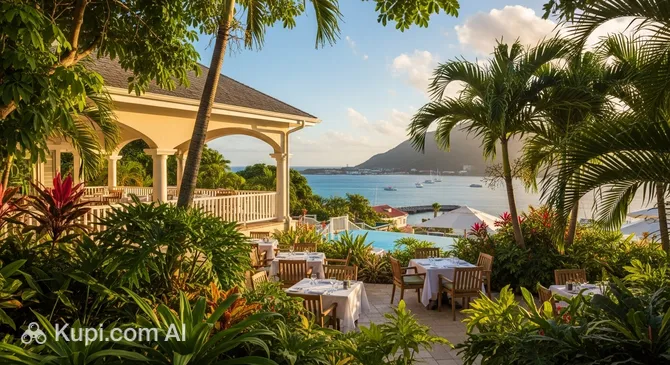
For a peaceful retreat with spectacular vistas, travelers should head to Palms Court Gardens. Located on a hillside overlooking the harbor, this private estate is renowned for its manicured grounds and collection of tropical plants. The main attraction here is the stunning panoramic view of Basseterre and the sea, making it a perfect spot for photography or a relaxing afternoon. The site also features a shell gallery and a restaurant, allowing visitors to dine with a view.

Palms Court Gardens. Source: Kupi.Binoculars

A visit to the city would not be complete without exploring the National Museum of St. Kitts. Housed in the majestic Old Treasury Building near the waterfront, the museum serves as the guardian of the island's rich heritage. Visitors can walk through the iconic archway and explore exhibits that detail the history of the sugar industry, colonial architecture, and the daily lives of the island's people throughout the centuries.

Another significant landmark is the Immaculate Conception Co-Cathedral, situated near Independence Square. This impressive stone structure is a fine example of religious architecture in the Caribbean. Built in the early 20th century, the church offers a cool and quiet interior that contrasts with the lively streets outside. Its towers provide a commanding presence in the city skyline, making it a recognizable point of interest for anyone touring Basseterre.

Local Cuisine

The culinary landscape of Basseterre is a vibrant reflection of the island's history, blending African, British, French, and Indian influences into a unique Caribbean flavor profile. Food here is fresh, hearty, and often seasoned with local herbs and spices. Visitors will find that seafood plays a central role in the local diet, with the daily catch often transitioning directly from the fishing boats at the harbor to the plates of nearby eateries.

A true gastronomic journey in the city must include tasting the country's national dish: stewed saltfish served with spicy plantains, coconut dumplings, and seasoned breadfruit. This combination offers a perfect balance of salty, sweet, and savory flavors. Another local favorite is "Goat Water," a rich and savory meat stew often served with bread or rice, traditionally enjoyed at community celebrations and family gatherings. For a lighter snack, conch fritters are a popular choice, widely available from street vendors and appetizer menus alike.

When it comes to beverages, rum is the undisputed king of the island. You can enjoy it in a variety of fruit punches or mixed drinks. A signature local refreshment is "Ting," a sparkling grapefruit soda that is refreshing on its own or mixed with rum to create a popular cocktail known as "Ting with a Sting." For a non-alcoholic option with a unique taste, try Mauby, a traditional drink made from the bark of the Mauby tree, known for its distinct bittersweet flavor.

The dining atmosphere in Basseterre ranges from casual street food stalls near the port to more established sit-down venues. Locals often frequent the public market area for fresh produce and quick bites. For those seeking a dining experience that combines local flavors with an elegant setting and panoramic views, Palms Court Gardens offers a delightful restaurant within its private estate, allowing guests to enjoy their meal while overlooking the harbor.

Travel Tips

Welcome to Basseterre! To ensure your visit to this historic capital of Saint Kitts and Nevis is as smooth and enjoyable as the island breeze, we have compiled a set of essential travel tips. These practical insights will help you navigate the local customs, logistics, and daily life, allowing you to relax and fully immerse yourself in the city's vibrant charm.

  1. Clothing and Gear:

    Given the tropical climate, lightweight and breathable fabrics like cotton or linen are your best friends. Pack comfortable walking shoes, as the historic streets and The Circus area are best explored on foot. While beachwear is perfect for the coast, it is considered inappropriate in the city center and shops. Also, bring a universal travel adapter; Saint Kitts typically uses the British-style Type G plugs (230V), though some hotels may have US-style outlets.

  2. Transportation:

    Driving is on the left-hand side of the road. If you plan to rent a car, you will need to purchase a temporary local driver's license. For getting around the city and beyond, colorful minibuses (look for green license plates starting with "H" or "HA") are a cheap and authentic way to travel. Taxis are widely available and have yellow license plates (starting with "T"); they generally do not use meters, so you should always confirm the fare and currency (USD or XCD) before starting your journey.

  3. Finances:

    The official currency is the Eastern Caribbean Dollar (XCD), which is pegged to the US Dollar. US paper currency is widely accepted at a standard exchange rate, though change is almost always given in XCD. Credit cards are accepted at hotels, larger restaurants, and duty-free shops in Port Zante, but you will need cash for local markets, street food vendors, and small taxi fares. ATMs are readily available around The Circus and Independence Square.

  4. Health and Safety:

    Basseterre is generally safe, but standard travel precautions apply; keep valuables secure, especially in crowded market areas. Pharmacies are available in the city center, mostly operating during standard business hours (Monday to Saturday). Tap water in Saint Kitts is generally considered safe to drink, but travelers with sensitive stomachs may prefer bottled water. Don't forget high-SPF sunscreen and insect repellent, as the tropical sun and mosquitoes can be intense.

  5. Communication:

    English is the official language, so you will have no trouble communicating. However, locals often speak with a distinct Kittitian dialect or accent among themselves. If you don't understand something, politely ask the person to repeat it. Wi-Fi is common in hotels, cafes, and the Port Zante area. If you need constant connectivity, you can purchase a local SIM card from providers like FLOW or Digicel in the city center.

  6. Local Etiquette:

    Politeness is a cornerstone of Kittitian culture. Always greet people with a "Good morning," "Good afternoon," or "Good night" before asking a question or starting a transaction. Entering a shop or taxi without a greeting is often seen as rude. Also, embrace "island time"—service may be more relaxed than what you are used to, so patience and a smile go a long way.

  7. What to Avoid:

    Strictly avoid wearing camouflage clothing. It is illegal for civilians to wear camouflage patterns (including children) in Saint Kitts and Nevis. This extends to bags and hats; such items may be confiscated, and you could face a fine. Additionally, avoid taking photos of residents without asking for their permission first.

  8. Additional Tip:

    Be mindful of Sundays. Basseterre is a very traditional city, and on Sundays, the streets become incredibly quiet as most shops, businesses, and even many restaurants close for the day. It is the perfect day to plan a beach excursion or a nature hike, rather than a shopping trip or city tour.

By keeping these tips in mind, you will be well-prepared to experience the best of Basseterre with confidence and ease. Whether you are navigating the bustling market or chatting with a friendly local, a little preparation ensures your island getaway is nothing short of spectacular.

Entertainment & Nightlife

Nightlife in Basseterre is defined by the local concept of "liming"—hanging out, relaxing, and enjoying good company with food and drinks. Unlike high-energy metropolitan club scenes, the evening atmosphere here is laid-back, friendly, and heavily influenced by Caribbean rhythms. While the city center itself quiets down significantly after sunset, the true pulse of the island's nightlife beats just a short drive away at the popular Frigate Bay area, often referred to as "The Strip."

The Strip is the epicenter of evening entertainment for both locals and visitors staying in Basseterre. Located along the beach, this vibrant district features a row of open-air beach bars, shacks, and restaurants that come alive as the sun goes down. The vibe is decidedly casual; there is no strict dress code, and shorts and sandals are the norm. On Friday and Saturday nights, the energy peaks with live soca and reggae bands, bonfires on the sand, and DJ sets that keep the crowd dancing until the early morning hours. It is the perfect place to hop from one venue to another, sampling local rum punches and grilled lobster.

For those preferring a more serene start to the evening within the city limits, Palms Court Gardens offers a sophisticated alternative. This beautiful property is an excellent spot to enjoy a sunset dinner or evening cocktails with a stunning panoramic view of the harbor. It provides a peaceful contrast to the bustling beach bars and is ideal for travelers looking for a romantic or quiet dining experience before heading out for more active entertainment.

Within downtown Basseterre, nightlife is more subdued and localized. The Port Zante area, bustling with cruise passengers during the day, generally empties out in the evening. However, you can find small local pubs and karaoke spots where residents gather to unwind. If you are venturing out at night, safety is generally good, but it is highly recommended to take a taxi rather than walking, especially between the city center and Frigate Bay. Taxis are reliable and can be easily called from your hotel or flagged down at designated stands.

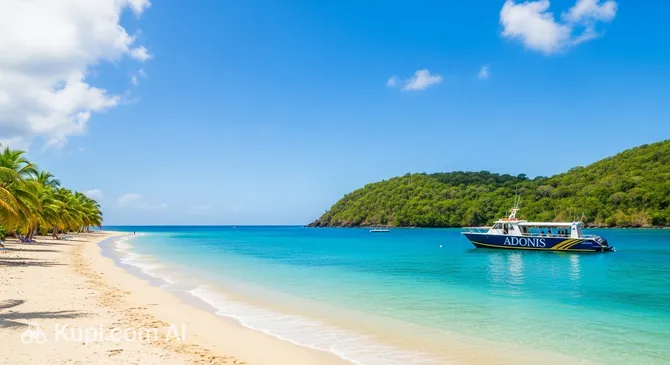
Before the sun sets, the city offers a variety of engaging daytime activities. Visitors can immerse themselves in the island's history at the National Museum or embark on the famous St. Kitts Scenic Railway for a tour of the coastline. For those who prefer sea and sand, the Adonis Tour & Beach Excursion from Port Zante provides a fantastic way to explore the island's natural beauty before returning to the city to freshen up for a night out.

Adonis Tour & Beach Excursion from Port Zante. Source: Kupi.Binoculars

Practical advice for enjoying Basseterre at night includes carrying cash, as many smaller beach bars may not accept cards. The best time to experience the nightlife is undoubtedly Friday night, when the "liming" culture is at its peak. Always agree on a taxi fare before getting in, and stick to well-lit, populated areas to ensure a safe and memorable Caribbean night.

Parks & Museums

While Basseterre is the bustling commercial heart of the island, it also serves as a custodian of culture and a sanctuary of green spaces. The city’s layout, influenced by both French and British colonial history, incorporates public squares and gardens that offer a respite from the tropical heat, while its museums and historical sites provide a deep dive into the rich heritage of Saint Kitts and Nevis.

The most prominent green space in the city center is Independence Square. Formerly known as Pall Mall Square, this park was once the site of a slave market but has been transformed into a symbol of freedom and community. Today, it is a peaceful area featuring a central fountain, lush lawns, and stone walkways that were historically laid out to resemble the Union Jack. It is a favorite spot for locals to relax and is surrounded by some of the city's finest examples of colonial architecture, including the courthouse and the co-cathedral.

For a more curated nature experience, visitors should head to Palms Court Gardens. Situated on a hill overlooking the harbor, this private estate is a haven for botany enthusiasts. The gardens are meticulously maintained, showcasing a vibrant collection of local flowers, palms, and sculptures. Beyond the flora, the site features a unique shell gallery, displaying an impressive array of sea shells from around the world, making it a fascinating stop that combines natural beauty with artistic collecting.

When it comes to museums, the National Museum of St. Kitts is the premier cultural institution in the capital. Housed in the iconic Old Treasury Building, which served as the gateway to the island in the 19th century, the museum preserves the history and identity of the Kittitian people. The exhibits cover a wide range of topics, from the indigenous inhabitants and the colonial sugar era to the road to independence. Walking through its grand archway is literally stepping into the island's past.

Art lovers will appreciate the city's smaller galleries and craft centers, such as the Spencer Cameron Art Gallery located on North Independence Square. This venue often displays watercolors, prints, and maps that capture the vibrant colors and landscapes of the Caribbean. Additionally, the city’s architecture itself acts as an open-air gallery; a stroll around The Circus reveals the Berkeley Memorial and Victorian-style buildings that reflect the diverse influences that have shaped the capital.

For an authentic insider experience, take a moment to visit the grounds of St. George's Anglican Church. While the church is a major landmark, the surrounding graveyard and garden offer a quiet, contemplative atmosphere filled with history. Reading the inscriptions on the centuries-old tombstones provides a personal and poignant connection to the generations who lived and shaped this resilient city.

Getting Around

Navigating Basseterre is a relatively straightforward experience due to the city's compact size and the straightforward nature of its transport network. Unlike large metropolitan areas, there is no metro, tram, or large municipal bus system here. Instead, public transportation relies primarily on a network of privately owned minibuses and a well-regulated taxi service. For exploring the historic downtown area, walking is often the most convenient and pleasant option, as most key landmarks and shops are clustered within a few blocks of the waterfront.

The most authentic and cost-effective way to travel around the city and to outlying areas is by minibus. These are typically 15-passenger vans that can be identified by their green license plates, which start with the letter "H" or "HA". These buses do not follow a strict timetable but run frequently during daylight hours. They operate on set routes, departing mainly from the bus terminal near the ferry port or Baker's Corner. There are no designated bus stops; to catch a ride, you simply wave at the driver as the van approaches. To disembark, a polite shout or signal to the driver is the custom.

When it comes to payment, cash is the only accepted method. There are no travel passes, smart cards, or mobile apps for public transport in Basseterre. Fares are fixed and very affordable, usually costing a few Eastern Caribbean Dollars (XCD). It is highly advisable to carry small change in the local currency, as drivers may struggle to break large bills or US currency. You typically pay the driver upon exiting the vehicle. Be aware that bus services taper off significantly after sunset and are quite limited on Sundays.

For tourists, taxis are often the most convenient alternative. Licensed taxis are easily recognizable by their yellow license plates starting with "T". These vehicles do not use meters; instead, fares are based on fixed rates for specific destinations established by the government. Before starting your journey, always confirm the price with the driver and clarify whether the quote is in US Dollars or Eastern Caribbean Dollars to avoid confusion. Taxis are readily available at the cruise port, The Circus, and major hotels.

If you prefer more independence, car rentals are available, but there are specific rules to follow. To drive in Basseterre, visitors must obtain a temporary local driver's license, which can usually be purchased at the rental agency or the local police station. It is important to remember that driving is on the left-hand side of the road, a remnant of the island's British colonial history. While main roads are generally well-paved, be prepared for narrow streets and occasional livestock on rural routes.

A unique feature of the local transport landscape is the St. Kitts Scenic Railway. While not a public commuter service, this historic narrow-gauge train is a significant transport attraction that departs from the city. It offers a nostalgic journey along the coast on double-decker cars. Additionally, for travel beyond the island, the Basseterre Ferry Terminal provides regular water taxi and ferry services to Charlestown on the neighboring island of Nevis, serving as a vital bridge between the two islands for both locals and visitors.

Accommodation

Finding the perfect place to stay in Basseterre depends largely on the type of experience you are seeking. The accommodation landscape in and around the capital is diverse, ranging from historic guesthouses and intimate boutique hotels to larger, full-service resorts located just outside the city limits. While the downtown area offers convenient access to ferry terminals and business centers, many leisure travelers choose to stay in the nearby coastal zones that blend beach access with close proximity to the capital's attractions.

For those who wish to be in the heart of the action, the city center features several smaller hotels and inns. These properties are often housed in restored colonial buildings, offering a sense of history and easy walking access to landmarks like The Circus and Independence Square. However, the most popular area for tourists is Frigate Bay, situated just a few kilometers southeast of Basseterre. This district serves as the main resort hub, hosting a mix of luxury hotels, mid-range apartments, and villas, all while being a short taxi ride away from the dining and shopping options of the capital.

When planning your trip, it is important to consider the seasonality of the Caribbean. The peak tourist season runs from December to April, during which time prices are higher and availability can be scarce. To secure your preferred accommodation, it is highly recommended to book well in advance, often several months prior to your arrival. Conversely, traveling during the summer or autumn months can offer lower rates, though you should be mindful of the tropical weather patterns.

The price range for accommodation varies significantly. Budget-conscious travelers can find affordable guesthouses and Airbnb-style rentals, particularly in the residential areas surrounding the city. Mid-range and luxury options are more prevalent in the Frigate Bay area, where amenities often include swimming pools, beach access, and on-site dining. Most hotels and resorts can be booked easily via major online travel platforms, but for smaller, family-run guesthouses in the city, contacting the property directly is often the best way to confirm rates and availability.

Nearby Cities

For those looking to explore the surroundings, Basseterre serves as an excellent base for day trips to several interesting nearby locations. The island's compact size and the proximity of the sister island, Nevis, make it easy to discover new towns and historical sites within a single day.

One of the most popular excursions is a visit to Charlestown, the capital of the neighboring island of Nevis. Located just a short ferry ride across the channel known as "The Narrows," this town offers a tranquil contrast to the bustling streets of Basseterre. Charlestown is renowned for its well-preserved Georgian stone buildings and rich history, including being the birthplace of Alexander Hamilton. Visitors can explore the Museum of Nevis History, relax in the therapeutic waters of the Bath Stream, or enjoy the charm of a town that feels like a step back in time.

On Saint Kitts itself, a trip along the coast to Sandy Point Town is highly recommended. As the second-largest town on the island, it holds great historical significance as the original landing point for English settlers. It sits in the shadow of the magnificent Brimstone Hill Fortress National Park, a UNESCO World Heritage site. A visit here offers a mix of local community life and impressive military history, accompanied by sweeping views of the Caribbean Sea and nearby islands.

City Population Distance (km)
Charlestown 1500 21

These nearby destinations offer a glimpse into the diverse culture and landscapes of the region.

Shopping & Souvenirs

Shopping in Basseterre is a vibrant experience that caters to both luxury seekers and those looking for authentic island treasures. As a major port of call for cruise ships, the city has developed a robust retail scene, particularly famous for its duty-free offerings. Visitors can expect a mix of high-end international brands, charming local boutiques, and bustling market stalls, all located within a walkable distance from the waterfront.

The primary hub for tourist shopping is Port Zante. This purpose-built deep-water port is not just an arrival point but a sprawling open-air shopping district. Here, travelers will find rows of duty-free stores selling jewelry, watches, electronics, and designer fragrances at tax-free prices. Just a short walk away is the historic center around The Circus and Fort Street. This area offers a more traditional Caribbean shopping atmosphere, where colonial-style buildings house banks, pharmacies, and local variety stores.

For a more concentrated retail experience, visitors can explore the city's shopping centers. Pelican Mall, designed to resemble a traditional Caribbean street, is located near the cruise terminal and features a collection of souvenir shops, clothing boutiques, and a cigar shop. Another notable spot is the TDC Mall on the Circus, which serves as a commercial landmark offering a range of goods from household items to books and office supplies, providing a glimpse into where the locals shop.

To truly connect with the local culture, a visit to the Public Market is essential. Located near the bus terminal on the bay road, this lively market is where farmers sell fresh tropical fruits, vegetables, and spices. It is an explosion of color and scent, perfect for picking up local hot sauces or jams. Nearby, you can often find the Amina Craft Market, a designated space for local artisans to sell handmade jewelry, leather goods, and woven baskets, ensuring your purchase directly supports the local community.

When it comes to souvenirs, Basseterre offers unique items that reflect the island's heritage. Batik fabrics and clothing are iconic to Saint Kitts, known for their vibrant colors and intricate designs. Another popular take-home item is local rum, particularly flavored varieties like vanilla or coffee, which are widely available in liquor stores. Don't forget to look for "culinary souvenirs" such as guava cheese, sugar cake, and the island's famous hot pepper sauce.

Store opening hours generally run from 8:00 AM to 4:00 PM or 5:00 PM, Monday through Saturday. On Sundays, most shops in the city center are closed; however, if a cruise ship is in port, many stores in Port Zante and the immediate vicinity will remain open to accommodate visitors. The US Dollar is widely accepted alongside the Eastern Caribbean Dollar (XCD), and most vendors in tourist areas will give change in US currency if requested. Major credit cards are accepted at duty-free shops, hotels, and larger restaurants, but it is advisable to carry cash for small purchases at the market.

One of the biggest draws for international visitors is the opportunity for tax-free shopping. Saint Kitts is a well-known duty-free destination, meaning tourists can purchase luxury goods like emeralds, diamonds, and Swiss watches without paying local taxes. To take advantage of these savings, you may be asked to show your passport or cruise card at the point of purchase.

Reached the end of the page?

That means the route is fully explored