Support

Dominica

About

Known as the "Nature Island of the Caribbean," Dominica is a paradise for eco-tourists and adventurers seeking an authentic tropical experience. Unlike many of its neighbors, this destination has largely resisted mass tourism, preserving its rugged landscapes and pristine beauty. Visitors are immediately captivated by its lush rainforests, towering volcanic peaks, and rushing rivers, which create an atmosphere of wild, untamed majesty.
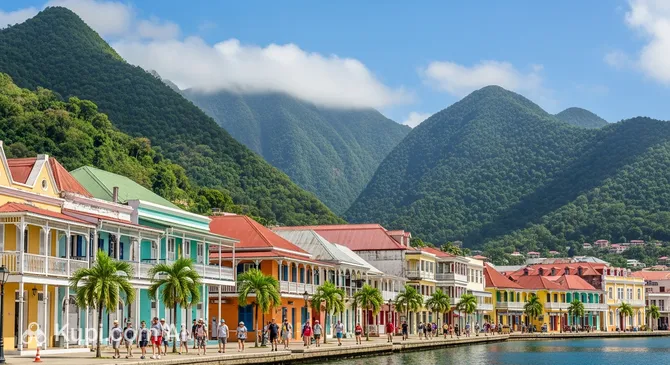
Dominica. Illustration.
Source: Kupi.com AI

Geographically, the island is situated in the Lesser Antilles, nestled between Guadeloupe and Martinique. It is defined by its dramatic topography, featuring steep mountains and geothermally active areas. The climate is tropical and humid, with warm temperatures year-round and significant rainfall that sustains the island's verdant vegetation and feeds its numerous cascading waterfalls.

The history of Dominica is deeply rooted in its indigenous heritage and complex colonial past. It is distinct for being the only island in the Eastern Caribbean to retain a significant population of the pre-Columbian Kalinago people. Exploring the local culture offers a fascinating glimpse into traditions and stories that have survived through centuries of change.

Travelers are drawn to unique natural attractions such as the Boiling Lake, the second-largest of its kind in the world, located within the UNESCO-listed Morne Trois Pitons National Park. The twin Trafalgar Falls offer a spectacular sight accessible via a short hike, while the Champagne Reef provides an extraordinary snorkeling experience where geothermal vents release bubbles into the sea.

Whether you are hiking through ancient forests or diving into crystal-clear waters, this destination offers an unforgettable escape into nature. We invite you to explore the breathtaking scenery and warm hospitality that make a visit here truly special.

Weather Overview

Dominica experiences a tropical maritime climate, characterized by warm temperatures and high humidity throughout the year. The island's dramatic topography plays a significant role in local conditions, with the mountainous interior often being cooler and mistier than the sunny coastal regions.

Travelers can generally expect average temperatures to range between 24°C and 30°C (75°F to 86°F), providing a comfortable environment for exploration. While rainfall is a common occurrence that sustains the lush rainforests, it is typically heavier from June to November. To help you choose the best time for your visit, you can view more detailed information about the weather in Dominica and prepare for the island's dynamic atmosphere.

Average monthly temperature

Average monthly precipitation

Interesting Facts

Beyond the main attractions, Dominica holds many fascinating secrets that showcase its unique character in the Caribbean. Here are some intriguing details that often surprise visitors exploring this vibrant island.

  • A Rare Splash of Purple: The national flag is one of the very few in the world to feature the color purple. This distinction comes from the image of the Sisserou parrot, the island's national bird, which proudly sits at the center of the design.

  • The "Mountain Chicken": One of the most curious local culinary names is the "Mountain Chicken," which is not a bird at all. It actually refers to the Giant Ditch Frog (Leptodactylus fallax), a large species native to the region that was historically a traditional dish.

  • A River for Every Day: It is a widely held local belief that the island boasts exactly 365 rivers. Residents often joke that there is a fresh water source for every single day of the year, highlighting the abundance of water in this lush environment.

  • Hollywood's Wild Backdrop: The island's rugged and largely undeveloped terrain made it the perfect setting for the "Pirates of the Caribbean" movies. Key scenes, including those on the fictional "Cannibal Island," were filmed here to capture an authentic, prehistoric tropical look.

How to Get There

Reaching the Nature Island has become more accessible, though it often involves a scenic connection through the Caribbean. Travelers from North America can take advantage of direct flights from Miami, while visitors from Europe and other regions typically connect via major regional hubs such as Antigua, Barbados, St. Maarten, or Puerto Rico. The primary gateway for international arrivals is Douglas-Charles Airport (DOM), located on the northeast coast, approximately an hour's drive from the capital. A smaller facility, Canefield Airport (DCF), is situated much closer to Roseau but primarily serves private charters and smaller inter-island aircraft.

For those already in the region, traveling by sea is a popular and picturesque alternative. Regular ferry services link the island with neighbors like Guadeloupe, Martinique, and Saint Lucia, making it easy to include in an island-hopping itinerary. To help you plan the logistics of your trip, you can read more about how to get to Dominica and explore the various routes available. Once you arrive, taxis and car rentals are readily available to navigate the island's winding and lush terrain.

Main Attractions

Dominica is a treasure trove of natural wonders, offering visitors a chance to explore untouched rainforests, volcanic features, and vibrant marine life. The island's attractions are centered around its wild landscape, making it a dream destination for hikers, divers, and nature enthusiasts.

A visit to the island would be incomplete without exploring Morne Trois Pitons National Park, a UNESCO World Heritage site that encompasses much of the island's most dramatic scenery. Deep within this park lies the famous Boiling Lake, a flooded fumarole that bubbles with grayish-blue water heated by molten magma beneath the earth. Reaching this geological marvel requires a challenging hike through the "Valley of Desolation," but the view of the steaming cauldron is a once-in-a-lifetime reward for adventurous travelers.

For a more accessible but equally breathtaking experience, Trafalgar Falls is a top favorite. Located just a short drive from the capital, these twin waterfalls—affectionately known as "Mother" and "Father"—cascade side by side into warm rock pools. Visitors can enjoy a gentle walk to the viewing platform to snap photos or scramble over boulders to dip in the refreshing waters at the base of the falls, surrounded by lush tropical greenery.

Underwater explorers should not miss Champagne Reef, one of the most unique snorkeling and diving spots in the Caribbean. Subterranean geothermal springs vent warm gases through the sea floor, creating continuous streams of tiny bubbles that make you feel like you are swimming in a glass of champagne. The reef is also teeming with colorful sponges, parrotfish, and hawksbill turtles, offering a magical marine spectacle.

To experience the island's serene wetlands, a boat trip up the Indian River is highly recommended. This coastal river, flanked by massive Bwa Mang trees with tangled root systems, offers a peaceful escape where no motors are allowed. Guided rowboat tours take you silently past exotic birds and crabs, and movie buffs will recognize the eerie, enchanting scenery as a filming location for the "Pirates of the Caribbean" franchise.

Local Cuisine

The cuisine of Dominica is a vibrant reflection of its fertile volcanic soil and rich cultural heritage, blending Creole, African, and French influences into every bite. Known as the "Nature Island," the country boasts an abundance of fresh local produce, meaning that farm-to-table dining is not just a trend here—it is a way of life. Visitors can expect hearty, flavorful meals prepared with root vegetables, fresh herbs, and the catch of the day, all seasoned with a distinct Caribbean flair.

One dish that every traveler should try is Callaloo, a thick and creamy soup made from young dasheen leaves (taro), coconut milk, and often flavored with crab, salted meat, or dumplings. It is a staple comfort food, especially during the Creole season. Another local favorite is Fig and Saltfish, which serves as the unofficial national dish. Despite the name, "fig" refers to green bananas, which are boiled and served alongside sautéed salted cod mixed with onions, peppers, and tomatoes. For a quick savory snack, look for Bakes—fried dough pockets often stuffed with cheese, fish, or chicken.

When it comes to beverages, the island offers refreshing options for every time of day. Cocoa Tea is a beloved breakfast tradition; made from locally grown cocoa sticks, it is rich, slightly oily, and spiced with cinnamon and nutmeg. For those seeking something stronger, Kubuli is the island’s award-winning local beer, proudly made with Dominica’s natural spring water. Adventurous drinkers might also sample bush rum, a potent homemade spirit infused with various herbs, spices, or fruits like anise (nanny) and lemongrass.

The food culture in Dominica is relaxed and unpretentious, centering on "snackettes" (small casual eateries) and roadside stalls rather than formal fine dining. The bustling Roseau Market is the heart of the local food scene, especially on Saturdays, where vendors sell mounds of tropical fruits like mangoes, guavas, and passion fruit. Whether you are grabbing a stuffed bake from a street vendor or enjoying a Creole lunch in a breezy seaside restaurant, the flavors of Dominica are sure to leave a lasting impression.

Travel Tips

Preparing for an adventure to the "Nature Island" requires a bit of specific planning due to its rugged terrain and unique environment. To help you make the most of your journey to Dominica, we have compiled a list of essential practical tips to ensure a smooth and enjoyable experience.

  1. Clothing and Gear: The climate is tropical and humid, so pack lightweight, breathable fabrics. Since rain showers are frequent, especially in the rainforest, a waterproof jacket or poncho is essential. If you plan to explore the trails, bring sturdy, broken-in hiking boots with good grip, as paths can be slippery. Don't forget reef-safe sunscreen and a hat for sunny coastal days.
  2. Transportation: Public transport consists of privately owned minibuses, recognizable by the "H" on their license plates. They are affordable and run frequently between major villages during the day but stop running early in the evening. If you rent a car, remember that driving is on the left side of the road, and you will need to purchase a temporary local driving permit. Be prepared for steep, winding roads with blind corners.
  3. Finances: The local currency is the Eastern Caribbean Dollar (XCD), though US dollars are widely accepted at a fixed rate. While credit cards work in hotels and larger restaurants in Roseau, cash is king in rural areas, markets, and small "snackettes." ATMs are primarily found in the main towns of Roseau and Portsmouth, so withdraw sufficient cash before heading to remote locations.
  4. Health and Safety: Dominica is generally very safe for tourists. However, mosquito-borne illnesses can occur, so carrying a strong insect repellent is highly recommended. Pharmacies are located mainly in the capital and are not typically open 24/7. The tap water is often fresh mountain spring water and is safe to drink in most areas, but bottled water is readily available if you prefer.
  5. Communication: The official language is English, making communication easy for most travelers. You will also hear locals speaking Kwéyòl (Creole), a French-based dialect. Wi-Fi is standard in hotels and cafes, but for constant connectivity, you can purchase a local SIM card from providers like Flow or Digicel in the main towns.
  6. Local Etiquette: Dominicans are warm and polite people. It is customary to greet everyone with a friendly "Good morning" or "Good afternoon" upon entering a shop or boarding a bus; skipping this greeting can be seen as rude. Dress modestly when away from the beach—walking around town in swimwear is frowned upon.
  7. What to Avoid: Camouflage clothing is strictly prohibited for civilians in Dominica. Do not pack or wear any army-style print, even on bags or hats, as it can be confiscated by customs officials. Additionally, avoid taking photos of locals without asking for their permission first.
  8. Sunday Shutdowns: Be aware that Sundays are very quiet on the island. Most shops, grocery stores, and independent restaurants in the capital, Roseau, are closed. It is a good idea to plan your meals in advance, book a hotel restaurant, or arrange an outdoor activity for the day.

With these practical insights in hand, you are well-equipped to navigate the island's lush landscapes and vibrant culture with confidence. We hope these tips help you relax and fully immerse yourself in the wild beauty of this Caribbean gem.

Entertainment & Nightlife

Entertainment and nightlife in Dominica reflect the island's laid-back and authentic Caribbean spirit. Unlike destinations known for sprawling mega-clubs and neon-lit strips, the evening scene here is centered around the local concept of "liming"—the art of hanging out, sharing drinks, and enjoying good conversation set to the rhythm of reggae, soca, and zouk music. The atmosphere is warm, unpretentious, and deeply welcoming, allowing visitors to mingle effortlessly with locals.

The capital, Roseau, serves as the primary hub for evening activities. The nightlife here is concentrated around the Bayfront and Castle Street, where the cool sea breeze complements the vibrant energy of the town. On Friday and Saturday nights, the streets come alive as sound systems are set up, and small bars open their doors wide. The vibe is casual, so there is no need for formal attire; smart-casual wear is perfect for fitting in with the crowd.

For those looking to experience the heart of Roseau's social scene, The Ruins Rock Café is a legendary venue. Housed within the stone walls of an old colonial building, it offers a unique blend of history and fun, serving famous rum punches and hosting live bands that keep the energy high. Another popular spot is Ka-Tai, located on the Bayfront. It is well-loved for its stylish yet relaxed setting, making it an excellent place to enjoy cocktails and Asian-fusion bites while watching the moon reflect off the Caribbean Sea.

In the north of the island, the town of Portsmouth offers a different flavor of nightlife, often centered around the beach. The Purple Turtle Beach Club is an institution in this area, frequently hosting concerts, pageants, and weekend parties right on the sand. It is the perfect spot for travelers who want to dance barefoot or simply enjoy a cold Kubuli beer by the ocean.

Practical logistics are important for a smooth night out. Public minibuses typically stop running around 7:00 PM, so it is essential to arrange a taxi for your return journey if you plan to stay out late. Most venues operate on a cash-only basis or have minimum spend requirements for cards, so carrying Eastern Caribbean Dollars (XCD) is highly recommended. Prices are generally affordable, with local beers and rum mixes costing significantly less than in more commercialized tourist destinations.

Safety in Dominica is generally good, and the island is known for its low crime rate. However, standard precautions apply: stick to well-lit main streets in Roseau and Portsmouth, avoid walking alone in deserted areas late at night, and always use official taxis. The locals are helpful, so do not hesitate to ask restaurant or bar staff to call a cab for you.

While the island is famous for its nature, daytime entertainment also offers cultural enrichment. The Dominica Museum on the Roseau Bayfront provides a fascinating look into the island's colonial and indigenous history. For arts enthusiasts, the Arawak House of Culture often hosts theatrical performances and cultural events. Although you won't find large amusement parks, the entire island acts as an outdoor playground, with the Botanical Gardens in Roseau serving as a peaceful venue for cricket matches and community gatherings.

Parks & Museums

While the entire island is often described as one vast nature reserve, Dominica offers specific green spaces and cultural institutions that provide a deeper understanding of its ecological and historical heritage. Beyond the wild trails, visitors can explore curated gardens and museums that preserve the island's unique identity, from its indigenous roots to its colonial past.

The Dominica Botanic Gardens in Roseau is the most accessible and beloved green space on the island. Established in 1890, this 40-acre sanctuary sits right at the edge of the capital, offering a peaceful retreat filled with exotic trees and tropical flowers. It is also home to the national bird, the Sisserou parrot, which can be seen in the aviary. A famous and somewhat quirky landmark here is the "David the Goliath" Baobab tree, which fell onto an empty school bus during Hurricane David in 1979; the tree has continued to grow around the crushed vehicle, creating a living monument to nature's resilience.

For a blend of history and nature, Cabrits National Park in the north offers a dramatic setting on a peninsula protecting Prince Rupert Bay. Unlike the lush interior rainforests, this park features a drier tropical forest and coral reefs offshore. It is an excellent spot for hiking, with trails that offer panoramic views of the coastline and the neighboring islands of Guadeloupe and Marie-Galante on clear days. The park is a dual-purpose destination, serving as both a nature reserve and a significant historical site.

The Dominica Museum, located on the bayfront in Roseau, is small but incredibly rich in information. Housed in a historic market building dating back to 1810, it serves as the custodian of the island's memory. Exhibits cover a wide range of topics, including the island's volcanic geology, the era of slavery and the plantation economy, and the colonial struggle between the British and French. It is widely considered one of the best-curated small museums in the Caribbean, offering vital context for the sights you will see around the island.

To truly understand the island's soul, a visit to the Kalinago Barana Autê (Kalinago Cultural Village by the Sea) is essential. Located in the Kalinago Territory on the northeast coast, this living museum offers an immersive look into the lives of the Caribbean's last remaining indigenous people. Visitors can walk among traditional thatched huts (ajoupas), watch artisans weave intricate baskets from larouma reeds, and learn about the tribe's ancient canoe-building techniques. It is a respectful and educational experience that highlights the enduring spirit of the Kalinago people.

Architectural enthusiasts should explore Fort Shirley, situated within Cabrits National Park. This 18th-century British garrison has been meticulously restored and now houses a small museum and officers' quarters. Walking along its stone ramparts, you can imagine the naval battles that once raged in the waters below. In Roseau, the Old Market Plaza stands as a poignant historical site; once a center for trading slaves, it has been reclaimed by locals as a vibrant craft market, transforming a place of sorrow into a hub of creativity and commerce.

For a unique insider experience, look for the hidden sculpture garden at the Old Mill Cultural Centre in Canefield. It is a quieter spot where art installations are integrated into the ruins of an old sugar mill, offering a serene atmosphere for reflection away from the main tourist trail.

Getting Around

The public transport system in Dominica is straightforward, informal, and reliant almost entirely on privately owned minibuses. There are no subways, trams, or large municipal buses here. Instead, the island is connected by a network of vans that serve as the primary mode of transit for locals and adventurous visitors alike. These vehicles act as the lifeline between the capital, Roseau, and the various villages scattered across the coast and mountains.

Identifying a public bus is relatively easy. Look for minivans with license plates that begin with the letter "H". While they do not always have a uniform color, many display their destination on a sign in the windshield or have it painted on the bus itself. Drivers often customize their vehicles with colorful names or slogans. These buses do not follow a strict timetable; instead, they typically depart from their starting point only when they are full, which means a bit of patience is sometimes required.

When it comes to payment, cash is the only accepted method. There are no travel cards, apps, or digital ticketing systems. Fares are government-regulated and generally quite affordable, ranging from a few Eastern Caribbean Dollars (XCD) for short trips to slightly higher amounts for cross-island journeys. It is best to carry small bills and coins, as drivers may not have change for large denominations. You simply pay the driver upon reaching your destination or when you exit the vehicle.

For tourists, navigating this system requires a sense of adventure. In the capital, buses congregate at designated "stands" or areas depending on their route—for example, buses heading south typically wait near the Old Market, while those heading north gather near the bridges. Outside of the main terminus, there are few official bus stops. To catch a ride, you simply stand by the side of the road and wave your hand when you see a bus approaching. To get off, alert the driver by saying "Stopping" or knocking on the window a short distance before your desired spot.

Operating hours are a crucial consideration for travelers. The bus service is most reliable during daylight hours, roughly from 6:00 AM to 7:00 PM. Service drops off sharply after sunset, and it is almost non-existent on Sundays or public holidays. If you plan to stay out late for dinner or entertainment, you cannot rely on the bus system to get you home and should make alternative arrangements in advance.

Alternatives to the bus include taxis and car rentals. Taxis are widely available and also bear "H" or "HA" license plates; they are not metered, so you must agree on a fare before starting your journey. For those who prefer more freedom, renting a car is a popular option, though it requires purchasing a temporary local driving permit. Be aware that traffic flows on the left side of the road, and the terrain is often steep and winding. Ride-sharing apps like Uber are not available, so keeping the number of a reliable taxi driver is a practical tip for any visitor.

Accommodation

Accommodation in Dominica is quite distinct from the typical Caribbean experience of sprawling all-inclusive mega-resorts. Instead, the "Nature Island" specializes in eco-friendly lodgings that blend seamlessly with the environment. Visitors can choose from a diverse range of options, including charming family-run guesthouses, rustic jungle cottages, boutique hotels, and world-class luxury eco-resorts. The focus here is often on sustainability, privacy, and immersion in the lush surroundings rather than mass tourism.

When choosing where to stay, location depends largely on your itinerary. The capital, Roseau, and its outskirts are ideal for travelers who want easy access to historical sites, markets, and public transport hubs. It is a convenient base for day trips to the southern and central attractions like Trafalgar Falls. For beach lovers, the northern town of Portsmouth and the surrounding areas offer proximity to calmer bays and golden sands. Meanwhile, those seeking solitude and cooler temperatures often head to the interior villages like Laudat or Wotten Waven, which are nestled in the rainforest near hiking trails and natural hot springs.

The island is home to some unique properties that have gained international acclaim. You can find historic hotels built directly into the stone walls of 18th-century forts, offering a blend of heritage and comfort overlooking the ocean. For a more secluded experience, there are several award-winning luxury resorts perched on clifftops or hidden within the cocoa plantations, offering private villas with plunge pools and dedicated service. These establishments typically prioritize harmony with nature, often using solar power and locally sourced materials.

Regarding costs, the price range is broad. Budget travelers can find affordable rooms in local guesthouses and apartments, particularly in the villages. Mid-range options are plentiful and often include breakfast and personalized advice from hosts. The high-end eco-lodges command premium prices but deliver an exclusive and tranquil experience. While major online booking platforms work well for larger hotels, many smaller guesthouses and cottages may prefer direct booking via their websites or email.

Booking Tip: Dominica has a limited number of rooms compared to larger destinations, so accommodation can fill up quickly during peak periods. It is highly recommended to book well in advance if you plan to visit during the World Creole Music Festival in October, Carnival (Mas Domnik) in February, or the peak winter travel season from December to April.

Nearby Cities

While Roseau serves as the bustling heart of the island, exploring the other towns and settlements within Dominica reveals the true diversity of the "Nature Island." Each region offers a distinct atmosphere, from historical landmarks and diving hotspots to scenic coastal villages perfect for a relaxing day trip.

Portsmouth, the second-largest town, is located in the north and offers a quieter, more laid-back vibe than the capital. It is the gateway to the magnificent Cabrits National Park and the historic Fort Shirley. Nature lovers flock here to embark on boat tours up the Indian River, where the rainforest meets the sea. The town also boasts picturesque gray-sand beaches and a welcoming community, making it an essential stop for history buffs and eco-tourists alike.

To the south lies the charming village of Soufrière, nestled in a deep bay formed by a submerged volcanic crater. This area is world-renowned as the diving capital of Dominica, offering easy access to the Scotts Head Marine Reserve. Visitors can spend the day exploring vibrant coral reefs, relaxing in natural hot water pools at the water's edge, or hiking up to the Scotts Head peninsula for a panoramic view where the Atlantic Ocean meets the Caribbean Sea.

On the northeast coast, Calibishie offers a dramatic change of scenery with its rugged coastline, steep cliffs, and hidden coves. Known as the "Coast of Differences," this area features unique red rock formations and some of the island's best sandy beaches. It is a favorite destination for those seeking a romantic escape or a scenic drive, with opportunities to visit local chocolate factories and enjoy fresh seafood in small, breezy restaurants overlooking the ocean.

Shopping & Souvenirs

Shopping in Dominica offers a refreshing departure from the commercialized mega-malls found elsewhere in the Caribbean. Instead of international chain stores and high-end luxury boutiques, visitors will discover a vibrant local scene focused on authenticity and craftsmanship. The island is the perfect place to find unique handmade treasures, organic products, and cultural artifacts that tell the story of the people and the land.

The primary hub for retail therapy is the capital, Roseau. The city's downtown area is compact and walkable, with the most interesting shops concentrated along Old Street, Cork Street, and the Bayfront (Dame Eugenia Charles Boulevard). These thoroughfares are lined with colorful colonial buildings housing duty-free outlets, small boutiques, and souvenir shops. A stroll here allows you to browse for jewelry, clothing, and local art while soaking in the bustling atmosphere of the town.

Travelers looking for a modern shopping experience will not find sprawling shopping complexes, but rather smaller commercial centers and department stores. J. Astaphan & Co. in Roseau is one of the most well-known establishments, functioning as a large department store and supermarket where you can buy everything from groceries and household items to electronics. It provides a glimpse into the daily life of locals and is a good spot to stock up on supplies if you are self-catering.

The heart and soul of the island's shopping scene lies in its markets. The Old Market Plaza in Roseau, situated behind the Dominica Museum, is a must-visit for cultural enthusiasts. Once a site of historical significance, it has been transformed into a lively craft market where artisans sell handmade jewelry, leather goods, and batik textiles. For a sensory explosion, the New Roseau Market on the riverbank is the place to be, especially on Saturdays. Here, vendors pile high mounds of tropical fruits, vegetables, and fresh spices, offering a colorful and fragrant experience.

When searching for the perfect keepsake, the most iconic souvenir is undoubtedly a Kalinago basket. Weaved by the island's indigenous people using larouma reeds, these baskets are waterproof, durable, and intricate works of art. Other popular local goods include bottles of spicy Dominica hot sauce, locally roasted coffee, and essential oils derived from the island's abundant flora. Don't forget to look for handmade soaps made from coconut oil and natural herbs, which make for fragrant and practical gifts.

Store hours generally run from 8:00 AM to 5:00 PM on weekdays, with many shops closing for a lunch break between 1:00 PM and 2:00 PM. On Saturdays, businesses often close early, around 1:00 PM, and Sundays are typically very quiet with most stores shut. While US dollars are widely accepted, especially in Roseau, it is advisable to carry the local Eastern Caribbean Dollar (XCD) for smaller purchases at markets and roadside stalls. Credit cards are accepted at duty-free shops and larger establishments, but cash is preferred by smaller vendors.

Visitors can also take advantage of duty-free shopping, particularly in Roseau near the cruise ship berth. Tourists with a valid passport and travel ticket can purchase luxury items such as jewelry, watches, perfumes, and alcohol at tax-free prices. This is an excellent opportunity to buy premium spirits or gifts at a significant discount before heading home.

Reached the end of the page?

That means the route is fully explored