Support

Ceiba

About

Welcome to Ceiba, a captivating municipality located on the eastern coast of Puerto Rico. Often referred to as "La Ciudad del Marlin" (The Marlin City), this destination offers a perfect blend of coastal charm and lush natural beauty. With a population of approximately 13,000 residents, Ceiba provides a tranquil escape from the hustle and bustle of larger cities, inviting travelers to experience its authentic Caribbean atmosphere.

Ceiba. Source: Kupi.Binoculars

Geographically, Ceiba is situated at the easternmost tip of the island, bordered by the Atlantic Ocean and the Caribbean Sea. The local climate is typically tropical, making it an ideal spot for outdoor activities year-round. While exploring the area, you can delve into the history of Ceiba, which derives its name from the majestic Ceiba tree, a species native to the region and culturally significant to the island's heritage.

For tourists, Ceiba serves as a crucial gateway to the enchanting islands of Vieques and Culebra, with the ferry terminal being a major hub for island hopping. Nature enthusiasts will be delighted by the Medio Mundo and Daguao Natural Reserve, a protected area featuring extensive mangrove forests, diverse birdlife, and pristine beaches like Los Machos. Whether you are passing through to catch a ferry or staying to explore the local mangroves, Ceiba welcomes you with open arms and scenic vistas.

Weather Overview

Travelers planning a visit to this coastal municipality can expect a warm, tropical climate that remains consistent throughout the year. Average temperatures hover pleasantly between 24°C and 27°C, with the coolest period occurring around February and the warmest days arriving in September. Daily highs typically reach up to 29°C in the summer, while evenings stay comfortable, rarely dropping below 22°C.

Rainfall is a frequent occurrence in the region, contributing to the lush greenery of the surrounding nature reserves. While precipitation is recorded on most days of the month—ranging from about 20 wet days in winter to 27 in early autumn—showers are often brief. For a more detailed forecast to help you pack, check the weather in Ceiba before your trip. Generally, visitors should be prepared for warm, humid conditions and the possibility of rain regardless of the season.

Interesting Facts

Beyond the popular ferry routes and beaches, Ceiba holds fascinating details that reveal its deep cultural roots and strategic importance. From ancient indigenous sites to significant modern shifts, here are a few things you might not know about this coastal town.
  • Hidden Ancient Carvings: One of the area's most intriguing archaeological secrets is the "Piedra del Indio" (Indian Stone), located along the coastline. This large rock features authentic Taíno petroglyphs that are situated right at the water's edge, meaning the visibility of these ancient symbols often changes with the rising and lowering of the tide.

  • A Sacred Namesake: While it is well-known that the town is named after the Ceiba tree, the species (Ceiba pentandra) held profound spiritual significance for the indigenous Taíno people. They believed that the souls of the deceased inhabited the massive roots and trunks of these trees, which is why they were traditionally treated with fear and reverence, often left untouched even when land was cleared for agriculture.

  • The New Island Gateway: For decades, the neighboring city of Fajardo was the main hub for ferries to the Spanish Virgin Islands, but Ceiba took over this role in 2018. The relocation to the refurbished terminal at the former naval base significantly shortened the maritime travel time to Vieques, making Ceiba the undisputed primary connector for island-hopping adventures.

How to Get There

Reaching this coastal municipality is relatively straightforward, as it serves as a major transportation hub for the eastern region of Puerto Rico. While the town is famous for its ferry terminal connecting to the Spanish Virgin Islands, most visitors arrive here by road from the main island's airports. For a comprehensive guide on planning your journey, you can read more about how to get to Ceiba.

The city of Ceiba does not have its own major commercial airport for international jet traffic, so most travelers fly into Luis Muñoz Marín International Airport (IATA: SJU). Located in the capital city of San Juan, this is the primary gateway to Puerto Rico and is situated approximately 43 km from Ceiba. It is a large international hub welcoming millions of passengers annually. The drive from the airport to Ceiba typically takes about 1 hour and 25 minutes by taxi or rental car, depending on traffic conditions along the scenic coastal highways.

Another option on the main island is Mercedita Airport (IATA: PSE), located in the southern city of Ponce. This facility is smaller and generally serves regional flights. It is located about 100 km from Ceiba, making the transfer significantly longer—approximately 2 hours and 50 minutes by road. However, it can be a convenient alternative if you are planning to explore the southern coast before heading east.

For clarity, here is a summary of the main airports in the region:

Airport Name City Passenger Traffic Km from City
Luis Muñoz Marín International Airport San Juan Large 42.7
Cyril E. King Airport Charlotte Amalie Large 72.7
Mercedita Airport Ponce Medium 99.6
Benjamin Rivera Noriega Airport Culebra Small 37.9
Antonio Rivera Rodriguez Airport Vieques Small 21.1

There are no railway stations offering passenger train service to Ceiba. The most common way to travel between cities in Puerto Rico is by renting a car or using private shuttles and taxis (públicos). Renting a car is highly recommended for tourists, as it provides the flexibility to explore the nearby rainforests and beaches at your own pace.

Main Attractions

While Ceiba is often recognized primarily as a gateway to the Spanish Virgin Islands, the municipality itself holds several points of interest that blend natural beauty with local culture. Visitors who take the time to explore the area before or after their ferry trips will find protected ecosystems, scenic coastlines, and inviting culinary spots that showcase the authentic lifestyle of Puerto Rico's eastern coast.

One of the most important ecological sites in the region is the Medio Mundo and Daguao Natural Reserve. This vast protected area is a haven for nature lovers, encompassing varied habitats such as mangrove forests, wetlands, and sandy beaches. It provides a critical sanctuary for numerous bird species and offers a peaceful environment for hiking and wildlife observation, away from the crowds of major tourist hubs.

For a relaxing afternoon by the water, Los Machos Beach offers a distinctively local experience. Unlike the swimming beaches of the offshore islands, this stretch of coastline is favored for its calm atmosphere, gazebos, and opportunities for walking along the shore. It is an excellent spot to watch the ferries depart and arrive while enjoying a picnic in the shade of palm trees.

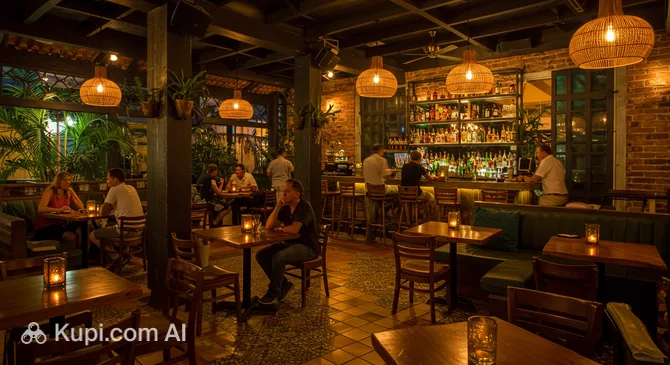
Broadway Gastro Bar. Source: Kupi.Binoculars

The city also features vibrant establishments where visitors can experience the local social scene. Broadway Gastro Bar is a popular destination for those seeking a modern dining experience. Known for its lively ambiance and creative menu, this venue is a perfect place to enjoy well-crafted cocktails and a variety of dishes, making it a highlight of Ceiba's evening entertainment.

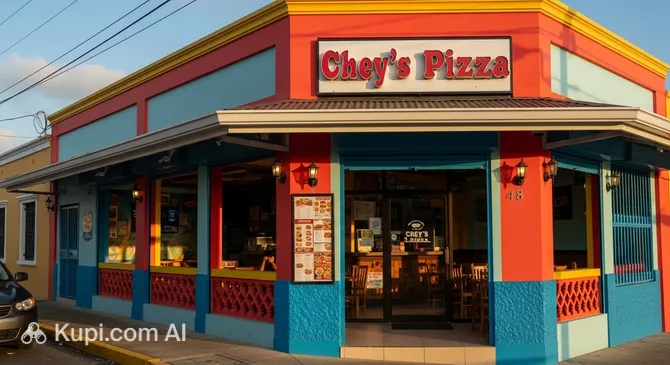
Another staple of the local community is Chey's Pizza, a welcoming spot that attracts both residents and travelers. Offering a casual and family-friendly environment, it is an ideal stop for a comforting meal. Whether you are fueling up before a journey or winding down after a day at the reserve, this eatery provides a slice of local flavor and hospitality.

Chey's Pizza. Source: Kupi.Binoculars

Local Cuisine

The culinary landscape of Ceiba offers a delightful journey into authentic Puerto Rican cuisine, known locally as cocina criolla. Because of its coastal location, the town is an excellent place to savor fresh seafood, which is often the star of the menu. A must-try dish is mofongo, a garlicky mash of fried green plantains that is frequently served stuffed with shrimp, octopus, or mahi-mahi caught in the nearby waters. For a hearty traditional meal, look for plates featuring arroz con gandules (rice with pigeon peas) accompanied by slow-roasted pork or stewed chicken.

Street food and casual snacks are also a significant part of the local food culture. Visitors will find various kiosks and stands selling fried treats that are perfect for a quick bite. Alcapurrias, which are fritters made from green bananas or cassava and filled with meat or crab, are a savory favorite. You should also try empanadillas, crispy turnovers filled with everything from ground beef to lobster, offering a flavorful taste of the island's comfort food traditions.

When it comes to beverages, the choices are refreshing and tropical. Puerto Rico is the rum capital of the world, so don't miss the chance to enjoy a classic Piña Colada or a rum punch made with local spirits. For beer lovers, an ice-cold Medalla Light is the standard accompaniment to a beachside meal. Non-alcoholic options are equally enticing, with fresh fruit frappes made from passion fruit, guava, or mango providing a sweet way to cool down in the tropical heat.

Dining in Ceiba is generally a relaxed and unpretentious affair, ranging from roadside stalls to welcoming sit-down establishments. Locals and tourists alike gather at places that emphasize good company and great flavors. For a modern twist on dining, Broadway Gastro Bar offers a vibrant atmosphere where you can enjoy creative cocktails and a fusion of flavors. If you are in the mood for something familiar yet delicious, Chey's Pizza is a go-to spot for enjoying a casual dinner with family and friends.

Travel Tips

To make the most of your visit to Ceiba and the eastern coast of Puerto Rico, a little preparation goes a long way. Whether you are using the city as a jumping-off point for the islands or exploring its own natural reserves, these practical tips will help ensure your journey is smooth and enjoyable.

  1. Clothing and Gear: The climate is tropical and humid year-round, so pack lightweight, breathable fabrics like cotton or linen. A hat, sunglasses, and high-SPF sunscreen are essential for protection against the strong Caribbean sun. If you plan to hike in the Medio Mundo and Daguao Natural Reserve, bring sturdy, comfortable walking shoes. For electronics, Puerto Rico uses standard US plugs (Type A and B), so travelers from North America won't need adapters, but those from elsewhere should pack one.

  2. Transportation: Public transportation is virtually non-existent in Ceiba for tourists. There is no metro or reliable bus system connecting it to San Juan. The best way to get around is by renting a car, which gives you the freedom to explore the coast and reach the ferry terminal easily. Ride-hailing apps like Uber operate in Puerto Rico but can be scarce or have long wait times in Ceiba compared to the metropolitan area, so do not rely on them for time-sensitive trips like catching a ferry.

  3. Finances: The official currency is the United States Dollar (USD). Major credit cards are accepted at supermarkets, the ferry terminal, and larger restaurants like the Broadway Gastro Bar. However, smaller food kiosks (chinchorros) and some parking lots often require cash. ATMs are available, but it is wise to carry small bills. Tipping is part of the culture, similar to the US mainland; leaving 15-20% for good service in restaurants is standard practice.

  4. Health and Safety: Ceiba is generally safe for tourists, but standard precautions apply. Avoid leaving valuables visible in your rental car, especially when parking at beaches or the ferry terminal for long periods. Pharmacies are available in the town center and neighboring Fajardo for over-the-counter needs. Since it is a tropical environment, carry insect repellent to protect against mosquitoes, particularly during dawn and dusk.

  5. Communication: Spanish is the primary language, but English is widely spoken, especially by younger generations and staff at the ferry terminal and tourist attractions. However, learning a few basic phrases like "Buenos días" (Good morning) and "Gracias" (Thank you) is appreciated. If you have a US mobile plan, your phone will work just like at home without roaming charges; international travelers can easily buy prepaid SIM cards at major stores.

  6. Local Etiquette: Puerto Ricans are warm and hospitable. It is polite to greet people when entering a shop or an elevator with a simple "Buenas." If you see someone eating, it is customary to say "Buen provecho" (Enjoy your meal). Life here moves at a more relaxed "island time" pace, so embrace the slower rhythm rather than expecting rushed service.

  7. What to Avoid: Do not wait until the last minute to buy ferry tickets to Vieques or Culebra. Showing up to the terminal without a reservation often leads to disappointment as tickets sell out quickly, especially on weekends and holidays. Avoid swimming in unmarked or secluded coastal areas without checking for currents, as the Atlantic side can sometimes be rough.

  8. Ferry Terminal Tip: If you are driving to the Ceiba Ferry Terminal, arrive at least one hour before your departure time. The parking lot is large but requires a shuttle bus ride to get from your car to the ticket counter and dock. Factor this extra transfer time into your schedule to avoid missing the boat.

By keeping these details in mind, you will be well-equipped to navigate the local logistics and focus on the stunning scenery. Ceiba offers a genuine slice of Puerto Rican life, and with a bit of planning, your experience in this "Marlin City" will be both relaxing and memorable.

Entertainment & Nightlife

Entertainment and Nightlife:

The nightlife scene in Ceiba is reflective of its small-town charm: relaxed, authentic, and centered around socializing with good food and drink rather than high-energy clubbing. Unlike the bustling metropolitan areas of San Juan, evenings here are laid-back. The local entertainment culture primarily revolves around "chinchorreo"—the Puerto Rican tradition of hopping between roadside kiosks and bars to enjoy snacks, cheap drinks, and music. Visitors will find that the atmosphere is welcoming and unpretentious, offering a genuine slice of life on the eastern coast.

For those looking for a specific venue to enjoy the evening, Broadway Gastro Bar is a standout location. It brings a touch of modern nightlife to the municipality, offering a vibrant setting where locals and tourists mingle. It is an excellent spot to sip on creative cocktails, listen to music, and enjoy a lively ambiance that extends into the night. If you prefer a more casual setting for a late dinner or a relaxed gathering with friends, Chey's Pizza is a popular choice. While it is a restaurant by definition, it serves as a social hub where groups gather to unwind after a day of exploring.

Most of the activity in Ceiba is concentrated along the main roads, particularly State Road 3, and near the town center (Pueblo). The dress code is almost universally casual; shorts and sandals are acceptable in most bars and eateries. Establishments generally close earlier than in larger cities, with many local spots winding down around 10:00 PM or 11:00 PM on weekdays, though they may stay open later on Fridays and Saturdays. Prices are typically very affordable compared to the tourist-heavy zones of the capital, making a night out here budget-friendly.

When it comes to logistics and safety, having a rental car is virtually mandatory. Public transport and taxis are not readily available at night, and ride-sharing services can be unreliable in this area after dark. It is best to assign a designated driver if you plan to drink. The town is generally safe for evening activities, but it is advisable to stick to well-lit main roads and established venues rather than wandering into residential neighborhoods or secluded areas late at night.

regarding daytime entertainment, Ceiba is more about the outdoors than indoor attractions. The municipality does not have large movie theaters, museums, or amusement parks; for those experiences, locals typically drive to the neighboring city of Fajardo. Instead, daytime leisure here is defined by nature, from exploring the mangroves to watching the planes and ferries, offering a peaceful contrast to the commercial entertainment found elsewhere on the island.

Parks & Museums

While Ceiba is primarily known as a gateway to the islands and a hub for maritime activities, its local landscape offers a distinct mix of protected natural areas and open-air cultural heritage. Rather than large indoor museums, the city's history and culture are best experienced through its ecological reserves, town squares, and historical landmarks that reflect its coastal identity and indigenous roots.

Medio Mundo and Daguao Natural Reserve is the crown jewel of Ceiba’s green spaces. This expansive protected area covers a significant portion of the eastern coast and is a paradise for eco-tourists. Unlike a manicured city park, this reserve offers a raw encounter with nature, featuring extensive mangrove forests, wetlands, and varied ecosystems that serve as a habitat for numerous bird species. It is an ideal location for hiking and birdwatching, allowing visitors to immerse themselves in the tranquility of Puerto Rico's untouched coastal environment.

For a more recreational outdoor experience, Los Machos Beach functions as the community's seaside park. It is equipped with gazebos and shaded areas, making it a favorite spot for local families to gather on weekends. The area offers a relaxed setting for walking along the shore, picnicking under the palm trees, and enjoying views of the open ocean. Its calm atmosphere provides a stark contrast to the busy ferry terminals, offering a space for leisure and social connection by the water.

As a small municipality, Ceiba does not possess extensive traditional museums or art galleries. However, the Plaza de Recreo (Town Square) serves as an open-air cultural center. Anchored by the Parroquia San Antonio de Padua, a historic Catholic church with traditional Spanish-Caribbean architecture, the plaza is where the town's social life unfolds. Visitors can admire the simple yet elegant design of the church and often find murals or monuments in the surrounding streets that depict scenes of local life and the town's marlin-fishing heritage.

The city's deep history is most visible at the Piedra del Indio (Indian Stone). This significant archaeological site is located along the coast and features ancient petroglyphs carved by the Taíno people, the island's original inhabitants. These carvings are a direct link to the pre-Columbian era and offer a fascinating glimpse into the spiritual life of the indigenous population. It is a unique "museum" carved into nature itself, best viewed during low tide when the rock face is fully exposed.

Another site of historical magnitude is the area of the former Roosevelt Roads Naval Station. While not a museum in the traditional sense, this vast complex shaped the modern history and economy of Ceiba for decades. Today, parts of the area are being repurposed, but the remaining infrastructure and the sheer scale of the site stand as a testament to the city's strategic military past. Driving near this area offers a perspective on the 20th-century history that defined the region.

For an authentic insider experience, take a drive through the town center to spot the Ceiba Tree murals. Local artists often paint tributes to the majestic tree that gave the town its name. These colorful street art pieces capture the spirit of the community and provide excellent photo opportunities for those looking to document the artistic side of this quiet coastal town.

Getting Around

The public transport system in Ceiba differs significantly from large metropolitan areas, as there is no municipal metro, tram, or scheduled city bus network. The town is small, and the local infrastructure relies heavily on private vehicles. For visitors, the most recognizable form of collective transport is the system of públicos. These are privately owned shared vans or minibuses that operate on specific routes regulated by the government. They can be identified by the "P" or "PD" on their license plates and typically connect the town center with neighboring municipalities like Fajardo.

Using públicos requires a bit of patience and local know-how, as they do not follow a strict timetable. Instead, they usually wait at designated terminals or stops until the vehicle is full before departing. Payment for these rides is almost exclusively in cash (USD). There are no travel cards, digital passes, or tap-to-pay systems for these minibuses. Fares are generally very affordable, often costing just a few dollars depending on the distance, but you must have small bills or coins on hand, as drivers may not have change for large denominations.

A major component of the local transport infrastructure is the Ceiba Ferry Terminal, located at the former naval base. While this does not serve internal city traffic, it is the primary public transit hub for the entire region, connecting the "big island" to the offshore municipalities of Vieques and Culebra. Tickets for the ferry can be purchased online in advance or at the box office, accepting credit and debit cards. This facility is modern and handles thousands of passengers, contrasting sharply with the informal nature of the road transport options.

Given the limitations of the public bus system, the most practical alternative for tourists is renting a car. This offers the freedom to explore the natural reserves and beaches that are not accessible by public routes. Taxis are available, particularly stationed near the ferry terminal to assist arriving passengers, but they can be expensive for longer trips. Ride-sharing apps like Uber do operate in the area, though availability can be sporadic compared to the capital, and wait times may be longer, especially during early mornings or late evenings.

For a smooth experience, travelers are advised to plan their transport logic in advance. If you intend to rely on taxis or ride-shares, be sure to schedule them with plenty of buffer time, especially if you are catching a ferry. Always carry sufficient cash for local drivers and tips. While the town lacks a historic tram or train, the scenic drive to the ferry terminal, passing through the reclaimed lands of the old base, offers a unique glimpse into the area's transformation and is a distinctive feature of traveling through Ceiba.

Accommodation

Where to Stay:

Accommodation in Ceiba differs significantly from the resort-heavy areas of neighboring Fajardo or the metropolitan bustle of San Juan. As a smaller municipality and a transit hub, the city does not feature large international hotel chains or sprawling all-inclusive resorts. Instead, the lodging landscape is characterized by a more intimate and local experience, primarily consisting of vacation rentals, small guesthouses, and family-run inns. This makes it a practical and often more affordable choice for travelers.

The most common type of accommodation available to tourists here is the vacation rental. Many local homeowners have converted apartments and houses into short-term rentals, catering specifically to visitors passing through to the islands or those looking to explore the eastern coast's nature reserves. These options range from simple studios perfect for a quick overnight stay to larger homes suitable for families. Staying in a rental often provides a more authentic "live like a local" feel, with amenities like kitchens and private parking that are convenient for longer visits.

In terms of location, most visitors choose to stay near the ferry terminal area or along the main roads leading to it. Convenience is the primary factor here, as many travelers have early morning departures to Vieques or Culebra. There are also properties located in the quieter, hilly regions of the municipality, offering serene views of the ocean and the rainforest, ideal for those seeking tranquility away from the port's activity.

Booking Tips and Prices:

Because the inventory of rooms in Ceiba is smaller than in major tourist cities, it is highly recommended to book your accommodation in advance, especially if you plan to travel during weekends or holidays. The price range is generally budget to mid-range, offering significant savings compared to the luxury resorts in nearby towns. Most bookings are handled through major online travel platforms and vacation rental websites. If you have an early ferry to catch, securing a place close to the terminal can save you valuable time and stress in the morning.

Nearby Cities

For those looking to explore the surroundings, Ceiba serves as an excellent base for day trips to several interesting nearby locations:

City Population Distance (km)
San Juan 1,915,105 47
Bayamón 170,028 56
Carolina 139,735 36
Fajardo 75,549 11
Caguas 74,502 40

Located just a short drive to the north, Fajardo is a premier destination for nautical tourism and outdoor adventures. It is widely known for its bustling marinas, the pristine Seven Seas Beach, and the Laguna Grande, which is one of the island's famous bioluminescent bays. This city offers a wide array of activities, from snorkeling excursions to catamaran tours, making it a favorite spot for water sports enthusiasts.

The capital city, San Juan, is also easily accessible for a day trip. Here, visitors can immerse themselves in centuries of history by exploring the cobblestone streets of Old San Juan and the iconic fortresses of El Morro and San Cristóbal. Beyond its historical significance, the capital provides a vibrant urban experience with extensive shopping districts, diverse culinary options, and a lively cultural scene.

Another convenient stop is Carolina, known for its beautiful coastline and resort atmosphere. Home to the popular Isla Verde beach, it is an excellent location for those who want to enjoy sunbathing and swimming near the metropolitan area. The city also features a variety of entertainment options, including casinos and museums, offering a blend of relaxation and excitement.

These nearby destinations offer a glimpse into the diverse culture and landscapes of the region.

Shopping & Souvenirs

Shopping:

Shopping in Ceiba is primarily a practical and local experience rather than a luxury retail destination. As a small coastal municipality, the town focuses on providing residents and travelers with essential goods, groceries, and beach supplies. For tourists, it is an excellent place to stock up on necessities like sunscreen, snacks, and beverages before boarding the ferry to Vieques or Culebra, or before heading out for a day at the local nature reserves.

The main commercial activity is concentrated along State Road 3 (PR-3), which runs through the municipality and connects it to neighboring towns. Along this route, you will find a variety of standalone businesses, pharmacies, and hardware stores. The town center, or Pueblo, offers a more traditional atmosphere with smaller, family-owned shops located near the main square, where you can find basic clothing, household items, and local services.

Ceiba does not host large-scale fashion malls or extensive outlet centers. The primary shopping hub within the city limits is the Ceiba Shopping Center. This is a strip-mall style complex that typically houses a major supermarket, a pharmacy, and several service-oriented stores. It is a convenient stop for travelers needing to purchase food or travel essentials in a single location without the crowds found in larger cities.

While there are no large permanent flea markets, the spirit of local commerce is alive in the roadside kiosks and fruit stands often found along the main highways. These vendors are the best places to buy fresh, locally grown produce such as plantains, mangoes, and avocados. Occasionally, during town festivals or events at the plaza, you may find pop-up markets where local artisans sell handmade crafts and traditional snacks.

If you are looking for souvenirs to take home, look for items that reflect the town’s coastal and artisanal heritage. Hand-carved wooden figures, locally produced honey, and traditional Puerto Rican sweets are popular choices. You might also find t-shirts and memorabilia featuring the "Marlin City" logo or depictions of the famous Ceiba tree at small gift shops near the ferry terminal or in the town center.

Opening hours for most stores in Ceiba generally run from 9:00 AM to 6:00 PM, Monday through Saturday. Supermarkets and pharmacies often stay open later, sometimes until 9:00 PM or 10:00 PM. On Sundays, many smaller shops in the town center may be closed or operate with reduced hours, usually opening around 11:00 AM and closing by 5:00 PM.

The currency used is the United States Dollar (USD). Major credit and debit cards are widely accepted at supermarkets, pharmacies, and larger stores. However, for small purchases at roadside fruit stands or smaller local shops, it is highly recommended to carry cash. Regarding taxes, Puerto Rico applies a sales tax known as IVU, which is currently 11.5%. There is generally no tax refund system available for tourists for standard retail purchases in local shops.
Reached the end of the page?

That means the route is fully explored