Support

Mayagüez

About

Welcome to Mayagüez, a captivating city known affectionately as the "Sultana del Oeste" (Sultaness of the West). Located on the western coast of Puerto Rico, this vibrant urban center serves as a significant cultural and economic hub for the region. With a population of approximately 93,000 residents, Mayagüez balances the energy of a bustling city with the welcoming charm typical of the Caribbean, offering a distinct atmosphere that sets it apart from the capital.
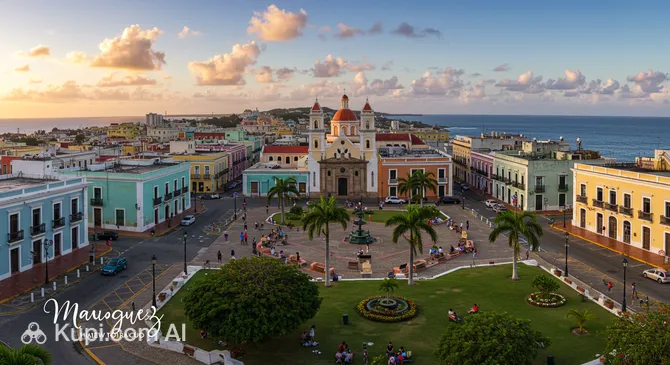
Mayagüez. Source: Kupi.Binoculars

The city boasts a rich heritage that is evident in its well-preserved architecture and grand public spaces. Visitors interested in the past can delve into the history of Mayagüez to discover how it evolved from a small settlement into a major port city. The influence of its academic institutions and long-standing port activity has created a unique environment that is both intellectually stimulating and lively.

Travelers are often drawn to the majestic Plaza Colón, regarded as one of the most beautiful main squares on the island, featuring a prominent statue of Christopher Columbus surrounded by elegant buildings. Another architectural jewel is the Teatro Yagüez, a historic theater that hosts various cultural performances and stands as a testament to the city's artistic dedication. Whether you are strolling through its historic streets or enjoying the local cuisine, Mayagüez offers a memorable experience for every visitor.

We invite you to explore the western coast and discover the distinctive character of Mayagüez. From its historic landmarks to its warm hospitality, it is a destination that truly captures the diverse spirit of the island.
Weather Overview

Mayagüez enjoys a tropical climate characterized by consistent warmth and varying rainfall patterns throughout the year. The city's location on the western coast ensures that temperatures remain pleasant year-round, typically hovering between 22°C and 30°C, making it a suitable destination for outdoor activities at almost any time.

For those looking to plan their trip around the best conditions, checking the weather in Mayagüez is highly recommended. The winter months, particularly January and February, are generally the driest and most comfortable, with average temperatures around 25°C and only about 7 to 8 rainy days per month. This period offers the most stable conditions for exploring the city's landmarks.

Expect warm, humid summers with frequent showers and comfortable, drier winters. As the year progresses, rainfall becomes more common, peaking in September with up to 23 wet days. July and August are typically the warmest months, with average highs reaching 30°C, though the coastal breeze often helps moderate the heat.

Interesting Facts

Beyond the main attractions, Mayagüez holds many fascinating secrets and local traditions that define its unique character. Here are some intriguing details that make the "Sultaness of the West" truly special.
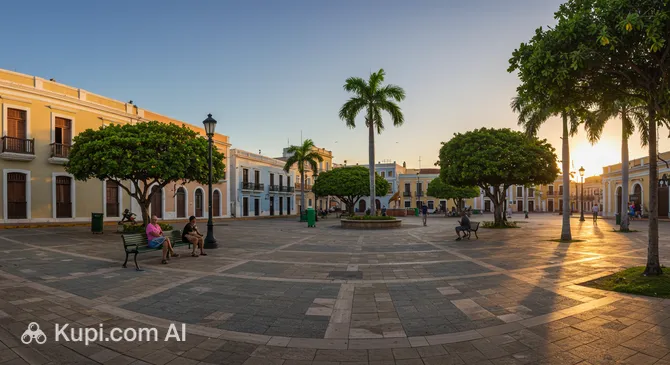
Christopher Columbus Plaza. Source: Kupi.Binoculars
  • Mayagüez is famous throughout the island for its "Brazo Gitano" (Gypsy's Arm), a traditional jelly roll sponge cake that has become the city's signature dessert and a must-try souvenir for visitors.

  • The city is the birthplace of Puerto Rico's most iconic beer, Medalla Light, brewed by Cervecera de Puerto Rico, which has been a cornerstone of the local economy and culture for over 80 years.

  • The majestic Christopher Columbus Plaza features a statue of the explorer that is the subject of a popular urban legend claiming it was originally commissioned for Havana, Cuba, but was delivered to Mayagüez by mistake.

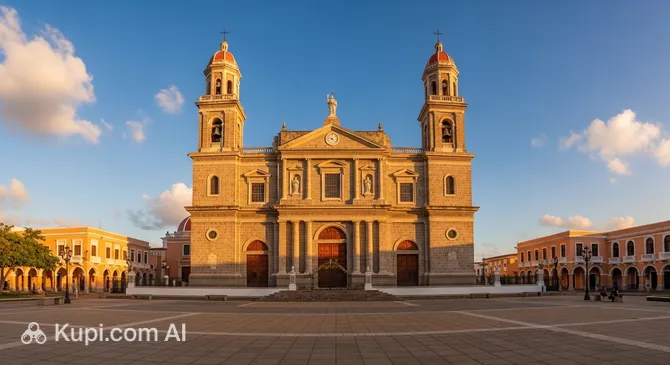
  • The Cathedral of Our Lady of Candelaria stands as a testament to the city's resilience; the current structure was rebuilt after the devastating 1918 earthquake destroyed the original church, which had served the community since the late 18th century.

How to Get There

Planning a trip to the "Sultaness of the West" involves choosing the right point of entry, as the city is well-connected to the rest of the island by a network of highways. While there are no direct flights into the city center itself, several nearby airports make the journey convenient. For a detailed breakdown of all transport options, including driving directions and public transport tips, you can read more about how to get to Mayagüez.

The most convenient gateway for many travelers is Rafael Hernandez Airport (BQN), located in the neighboring city of Aguadilla. Situated approximately 32.5 km from Mayagüez, it is the closest major airport to your destination. The drive from Aguadilla is quick and straightforward, typically taking between 30 to 45 minutes by taxi or rental car. This hub handles a significant amount of traffic and offers direct connections to several international locations, making it a favorite for visitors heading to the west coast.

For those seeking more flight options, Luis Muñoz Marín International Airport (SJU) in San Juan is the primary entry point to Puerto Rico. It is a large international hub located about 120.8 km from Mayagüez. The journey across the island is scenic but longer, generally taking around 2.5 to 3 hours by road. Another viable option is Mercedita Airport (PSE) in Ponce, which is about 62.5 km away. A drive from Ponce is quite reasonable, taking approximately 1 hour, offering a good alternative if your itinerary includes the southern coast.

For clarity, here is a summary of the main airports:

Airport Name City Passenger Traffic Km from City
Luis Muñoz Marín International Airport San Juan Large 120.8
Punta Cana International Airport Punta Cana Large 137.7
Rafael Hernandez Airport Aguadilla Medium 32.5
Mercedita Airport Ponce Small 62.5
Antonio Rivera Rodriguez Airport Vieques Small 172.4

Main Attractions

Mayagüez offers a delightful array of landmarks that reflect its rich history and cultural significance. The city center is walkable and inviting, allowing visitors to easily explore its most iconic sites. From grand public squares to serene green spaces, the attractions here provide a deep dive into the local heritage and the relaxed lifestyle of the western coast.

At the heart of the city lies the Christopher Columbus Plaza, a vibrant gathering spot that is considered one of the most impressive main squares in Puerto Rico. Dominated by a statue of the famous explorer, the plaza is surrounded by elegant colonial-style buildings and serves as the social core of Mayagüez. It is an excellent place for tourists to observe local life, enjoy festivals, or simply relax on a bench under the shade of mature trees while admiring the surrounding architecture.

Just steps away from the plaza stands the majestic Cathedral of Our Lady of Candelaria. This religious landmark is not only a place of worship but also a symbol of the city's resilience, having been rebuilt after the 1918 earthquake. Visitors are drawn to its striking facade and the peaceful atmosphere inside. The cathedral plays a central role in the city's festivities, particularly during the patron saint festivals, making it a must-visit for those interested in cultural and architectural history.

Cathedral of Our Lady of Candelaria. Source: Kupi.Binoculars

For a more tranquil experience, the Park of Puerto Rican Patriots (Parque de los Próceres) offers a spacious retreat dedicated to the island's distinguished historical figures. This beautifully landscaped park features monuments, walking paths, and gardens, making it perfect for a leisurely afternoon stroll. It provides a unique educational opportunity to learn about the individuals who shaped Puerto Rico's history while enjoying a quiet escape from the urban bustle.

Local Cuisine

The culinary landscape of Mayagüez is a delightful reflection of its history and coastal location, offering a vibrant mix of traditional Puerto Rican "criolla" cuisine and innovative modern gastronomy. As the economic hub of the western region, the city attracts chefs and foodies alike, creating a dining scene that ranges from historic bakeries to trendy urban eateries. Visitors will find that food here is not just sustenance but a central part of the local culture and social life.

When it comes to signature dishes, you simply cannot leave the city without indulging in a Brazo Gitano. This traditional sponge cake roll, typically filled with guava jelly, cream, or other sweet fruit preserves, is the city's most iconic dessert and a source of local pride. On the savory side, the proximity to the coast ensures a steady supply of fresh seafood. Restaurants frequently feature the catch of the day, such as red snapper or mahi-mahi, often served with tostones (fried plantains) or atop a rich, garlic-infused mofongo.

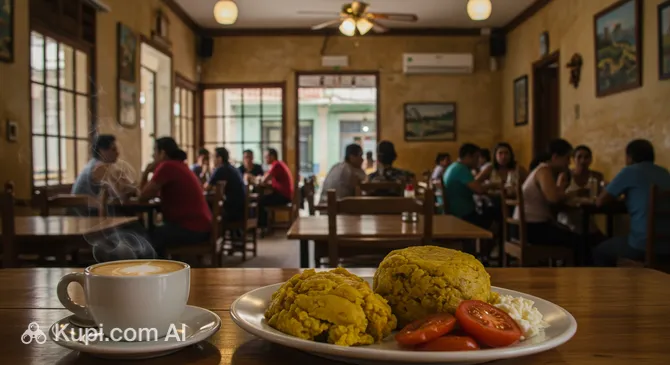
Mayagüez is also legendary for its beverage culture. It is the proud home of Medalla Light, Puerto Rico's most famous beer, and enjoying a cold one at a local bar is a quintessential experience for many travelers. Beyond beer, the city has a thriving coffee scene, deeply rooted in the island's agricultural traditions. You can easily find high-quality, locally grown coffee served in various styles, from a strong espresso to a creamy "café con leche."

Cabra Tostá Coffee House. Source: Kupi.Binoculars

For those looking to explore the local cafe culture, Cabra Tostá Coffee House is a fantastic spot to enjoy brunch or a specialty coffee in a relaxed setting. Another venue that captures the essence of local hospitality is El Café de Tite, where visitors can sample authentic dishes that taste like a home-cooked meal. Whether you are grabbing a quick pastry or sitting down for a full dinner, the flavors of Mayagüez are sure to leave a lasting impression.

Travel Tips

Preparing for your journey to Mayagüez is exciting, and a few practical insights can help you navigate this vibrant city in Puerto Rico with ease. These tips are designed to ensure your visit is as relaxing and enjoyable as the region's welcoming atmosphere.

  1. Clothing and Gear: Given the tropical climate, the weather is warm and humid year-round. Pack lightweight, breathable clothing made of cotton or linen to stay cool. Comfortable walking shoes are essential for exploring the historic plazas and streets. If you plan to visit religious sites like the cathedral, modest attire is respectful. Don't forget high-SPF sunscreen, sunglasses, and a hat for protection against the strong Caribbean sun.

  2. Transportation: While there are public cars known as públicos, they can be unpredictable and difficult for visitors to navigate. The most practical way to get around Mayagüez and explore the surrounding western coast is by renting a car. Ride-sharing apps are available but may have longer wait times than in the capital, so having your own vehicle offers the most freedom.

  3. Finances: The official currency is the United States Dollar (USD). Major credit and debit cards are widely accepted at hotels, restaurants, and large stores. However, it is advisable to carry cash in smaller denominations for local food kiosks, bakeries, and tips. ATMs are easy to find throughout the city. Tipping follows US standards, with 15-20% being customary for good service.

  4. Health and Safety: Mayagüez is generally safe for tourists, but standard precautions should be taken; avoid walking in poorly lit or deserted areas late at night. Pharmacies are abundant, with major chains often open late. For emergencies, dial 911. Since it is a tropical environment, using insect repellent is recommended to protect against mosquitoes.

  5. Communication: Spanish is the primary language spoken in the city. While English is taught in schools and spoken by many, particularly in tourism and by the younger generation, it is less ubiquitous than in San Juan. Learning a few basic Spanish phrases like "Buenos días" (Good morning) and "Gracias" (Thank you) is greatly appreciated by locals.

  6. Local Etiquette: Puerto Ricans are known for their friendliness. It is polite to greet people with a "hello" or "good morning" when entering a shop or elevator. A charming local custom is to wish others "Buen provecho" (enjoy your meal) when you pass a table of diners in a restaurant; it is a sign of good manners and community warmth.

  7. What to Avoid: Do not leave valuables visible in your car, even if you are just parking for a short time. Also, avoid being impatient with service; the pace of life here is often more relaxed, known as "island time," so it is best to embrace the slower rhythm rather than rushing.

  8. University City Vibes: Mayagüez is home to a major university campus (UPR Mayagüez), which gives the city a youthful energy but also affects traffic. Be aware that traffic congestion can increase significantly during the academic semester, particularly in the mornings and late afternoons on weekdays. Plan your travel times accordingly to avoid the rush.

Armed with these practical tips, you are ready to fully immerse yourself in the unique culture and history of the "Sultaness of the West." We hope your adventure is smooth, safe, and filled with wonderful discoveries.

Entertainment & Nightlife

As a vibrant university town, Mayagüez boasts a nightlife scene that is energetic, youthful, and distinct from the more tourist-centric atmosphere of San Juan. The presence of the University of Puerto Rico at Mayagüez infuses the city with a lively spirit, particularly on Thursday nights, which are traditionally considered the start of the weekend for students and locals alike. Whether you are looking for a casual pub, a pulsing dance floor, or a large-scale concert, the "Sultaness of the West" has plenty to offer once the sun goes down.

The epicenter of nightlife in Mayagüez is undoubtedly Calle Bosque. Located conveniently near the university campus, this strip is lined with an eclectic mix of bars, pubs, and eateries that cater to a younger crowd. The atmosphere here is casual and boisterous, with music spilling out onto the streets and groups of friends hopping from one venue to another. Prices in this district are generally very affordable, making it a great place to experience the local party culture without breaking the bank. For a more relaxed evening, the downtown area around the main plaza offers sit-down restaurants and bars where you can enjoy a cocktail in a more sophisticated setting.

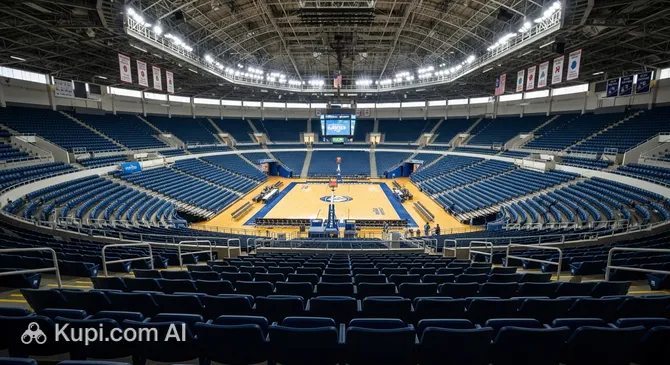
For those interested in live entertainment and major events, the city is home to impressive venues that host concerts, sports competitions, and cultural galas. The Rafael A. Mangual Coliseum is a key hub for indoor sports and large gatherings, often buzzing with activity during university seasons. Similarly, the Germán 'Wilkins' Vélez Ramírez Recreation and Sports Palace is a premier destination for concerts and major shows. Checking the schedule for these venues can add a memorable highlight to your trip, as they frequently feature performances by renowned Latin American artists.

Rafael A. Mangual Coliseum. Source: Kupi.Binoculars

Practical advice for enjoying the night includes dressing for the weather; the dress code is mostly casual, specifically in the Calle Bosque area, though some downtown clubs may prefer "elegant casual" attire. The best time to go out is Thursday through Saturday, starting around 9:00 PM. While the nightlife districts are generally safe and well-populated, it is advisable to stay in main areas and avoid wandering into unlit side streets. For transportation, ride-sharing apps are active in Mayagüez and are the safest way to return to your accommodation after a night out, as parking can be scarce in popular zones.

Before the nightlife kicks in, Mayagüez offers various daytime entertainment options to fill your schedule. Culture enthusiasts should check the program at the historic Teatro Yagüez, an architectural gem that stages plays and musical performances. For shoppers, the Mayagüez Mall provides a comprehensive retail experience with a wide range of stores and a cinema. Whether you are exploring museums during the day or cheering at an event in the coliseum at night, the city ensures there is never a dull moment.

Parks & Museums

Beyond its bustling streets and academic energy, Mayagüez offers a refreshing mix of botanical wonders and cultural institutions that invite visitors to slow down and explore. The city's commitment to preserving its history is evident in its museums, while its unique green spaces provide a lush escape into the tropical flora of the Caribbean.

For nature enthusiasts, the Tropical Agriculture Research Station (TARS) is an absolute must-visit. Often described as a hidden gem, this federal research facility doubles as a spectacular botanical garden featuring one of the most diverse collections of tropical plants in the hemisphere. Visitors can wander through trails shaded by massive bamboo clusters, exotic palms, and rare fruit trees, making it a peaceful retreat right in the heart of the city.

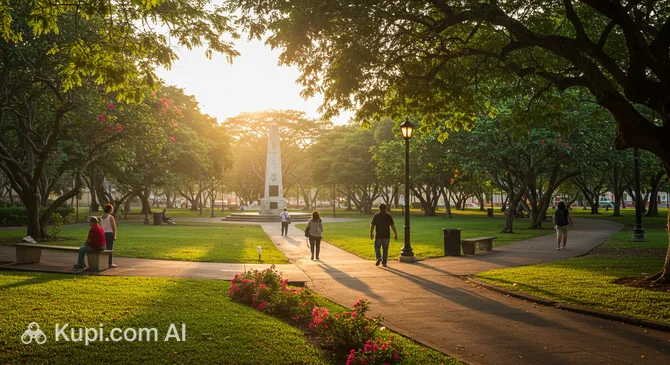
Another significant green space is the Park of Puerto Rican Patriots (Parque de los Próceres). While it serves as a monument to the island's history, it is also a favorite recreational spot for locals. The expansive grounds are perfect for jogging, picnicking, or simply enjoying a quiet afternoon surrounded by manicured gardens and fountains. It stands as a "green lung" for the urban area, blending education with relaxation.

Park of Puerto Rican Patriots. Source: Kupi.Binoculars

When it comes to culture, the Casa Museo Pilar Defilló offers a fascinating glimpse into the artistic heritage of the region. Dedicated to the mother of the world-renowned cellist Pablo Casals, this museum and cultural center hosts exhibitions and music events, celebrating the deep connection between the master musician and Mayagüez. It is a beautifully restored space that tells an intimate story of the city's past.

Art lovers should not miss MUSA (Museo de Arte del Recinto Universitario de Mayagüez), located within the university campus. This modern museum showcases a dynamic collection of Puerto Rican art, ranging from classic to contemporary pieces. The university grounds themselves are worth exploring, often buzzing with cultural activities and featuring impressive sculptures scattered throughout the campus.

Architecturally, the city impresses with the Old Customs House (Antigua Aduana). This striking pink colonial-style building near the port is one of the most photographed landmarks in Mayagüez. Although access to the interior varies, the exterior alone is a magnificent example of the city's historical importance as a major port.

For an authentic local experience, take a walk along the Paseo del Litoral Israel "Shorty" Castro at sunset. This coastal park offers sweeping views of the Mona Passage and is a popular spot for families to gather, enjoy the ocean breeze, and watch the sun dip below the horizon away from the city center's noise.

Getting Around

Navigating Mayagüez requires a bit of planning, as the city relies heavily on private vehicles rather than a comprehensive public transit network like a metro or tram system. For the majority of visitors, the most convenient way to get around is by renting a car, which offers the freedom to explore the city center and the surrounding coastal attractions at your own pace. However, for those staying within the urban core or visiting the university, there are local options available that provide a glimpse into daily life.

The primary form of public transportation is the Mayagüez Trolley. Despite the name, these are not rail-based trams but rather rubber-tired buses styled to look like vintage trolleys. This municipal service is a fantastic resource for tourists because it is generally free of charge. The trolleys operate on fixed routes connecting key locations such as the town square (Plaza Colón), the University of Puerto Rico at Mayagüez (UPRM), and major sports complexes. It is a practical and scenic way to move between the main points of interest in the downtown area without worrying about parking.

Regarding payment and access, since the municipal trolley is a complimentary service provided by the city, you do not need to purchase tickets, travel cards, or download complex apps. You simply wait at a designated stop—marked with signs—and board. Operating hours are typically from early morning, around 6:00 AM, until approximately 6:00 PM on weekdays. Service on weekends and holidays can be significantly reduced or non-existent, so it is crucial to check the current schedule if you plan to travel on those days.

Another local alternative is the system of Públicos (public cars). These are shared vans or minibuses that travel specific routes to neighboring towns or outer suburbs. They gather at a central terminal, usually located near the city market. Payment for públicos is strictly cash only, and fares are inexpensive, typically ranging from a few dollars depending on the distance. Be aware that they often do not have a fixed departure schedule and leave only when the vehicle is full, which requires a bit of patience and flexibility.

For more direct and private transport, taxis are available, though they are not usually hailed on the street. You will find them at designated taxi stands near the plaza or main shopping centers, or you can call a local dispatch to book a ride. Ride-sharing apps operate in the city, but the fleet is smaller than in larger metropolitan areas, meaning wait times can be longer, especially late at night. Walking is a viable and pleasant option within the historic center around Plaza Colón, where many attractions are clustered close together.

Accommodation

Accommodation:

Finding a place to stay in Mayagüez offers a different experience compared to the resort-heavy tourist zones of Puerto Rico. As a commercial and academic hub rather than a primary beach destination, the city focuses less on all-inclusive luxury resorts and more on practical, comfortable lodging. Visitors will typically find a selection of reliable mid-range hotels, charming local guesthouses, and an increasing number of apartment rentals that provide a "home away from home" feel.

When choosing where to base yourself, location depends largely on your mode of transport and itinerary. Travelers who want to immerse themselves in history and culture often prefer the Downtown (El Pueblo) area. Staying here places you within walking distance of the main plaza, the cathedral, and local dining spots. Alternatively, for those renting a car or visiting for business, the corridor along Route 2 is highly convenient. This area hosts several well-known international hotel chains and offers easy access to the highway for exploring the surrounding western coast.

A crucial tip for booking accommodation in Mayagüez is to be mindful of the local calendar. Since the city is home to the University of Puerto Rico's Mayagüez campus, hotels can book up months in advance during major academic events, such as graduation in June or the start of the semester. Additionally, the city's patron saint festivals in early February attract many visitors, so securing your reservation early during these peak times is highly recommended.

In terms of cost, Mayagüez is generally more affordable than the capital, San Juan, or the nearby surf town of Rincón. The price range typically spans from budget-friendly to mid-range, making it an excellent base for cost-conscious travelers exploring the west. Most properties can be easily booked through major online travel platforms, though some smaller, family-run guesthouses may prefer direct contact or have their own websites.

Nearby Cities

For those looking to explore the surroundings, Mayagüez serves as an excellent base for day trips to several interesting nearby locations:

Just a short drive southeast lies San Germán, known as the "City of Hills" and the second-oldest city in Puerto Rico. It is renowned for its well-preserved colonial architecture and the historic Porta Coeli Convent, one of the oldest church structures in the Western Hemisphere. A visit here offers a peaceful journey back in time through cobblestone streets and museums.

To the north, Aguadilla beckons beach lovers and outdoor enthusiasts. Famous for the crystal-clear waters of Crash Boat Beach and a lively boardwalk, this coastal town is perfect for surfing, snorkeling, or simply enjoying a sunset by the ocean. It combines natural beauty with a fun, relaxed atmosphere.

Further along the southern coast is Ponce, often called "La Perla del Sur" (The Pearl of the South). This major city is distinguished by its unique architectural style, world-class art museums, and the iconic red-and-black Parque de Bombas in the main square. It provides a rich cultural experience that contrasts beautifully with the western region.

City Population Distance (km)
Aguadilla 260,331 26
Ponce 124,719 57
Arecibo 123,499 49
San German 103,747 16
Yauco 80,307 33

These nearby destinations offer a glimpse into the diverse culture and landscapes of the region.

Shopping & Souvenirs

As the commercial hub of the western region, Mayagüez offers a diverse shopping landscape that ranges from large, modern centers to charming historic storefronts. Whether you are looking for international fashion brands, household essentials, or unique local crafts, the city provides ample opportunities to find what you need. It serves as the primary retail destination for residents of the surrounding towns, ensuring a lively and well-stocked shopping environment.

For a one-stop shopping experience, the Mayagüez Mall is the undisputed leader in the area. Located just off Highway 2, it is the third-largest shopping center in Puerto Rico and houses a vast array of stores, including major department chains like JCPenney and Wal-Mart, as well as numerous specialty boutiques, a food court, and a cinema. It is the go-to place for clothing, electronics, and accessories in a climate-controlled setting, making it a perfect escape on hot or rainy days.

If you prefer a more traditional atmosphere, the downtown area (El Pueblo) offers a distinct experience centered around the Christopher Columbus Plaza. The streets radiating from the square, particularly Calle McKinley and Calle Peral, are lined with local businesses, shoe stores, bridal shops, and jewelry stores. Walking through this district allows you to soak in the city's architecture while browsing for goods at often lower prices than in the malls.

To get a taste of local life, a visit to the Plaza del Mercado de Mayagüez (Market Place) is essential. This multi-story building is not just a market but a cultural hub where farmers sell fresh tropical fruits, vegetables, and spices. Inside and around the perimeter, you can also find small kiosks selling traditional food, lottery tickets, and sometimes handmade crafts, offering an authentic slice of daily Puerto Rican commerce.

When it comes to souvenirs, Mayagüez is famous for its culinary treats. The most iconic gift to bring home is a Brazo Gitano, a traditional sponge cake roll filled with guava, cream, or other sweet preserves. The city is home to historic bakeries like Franco and Ricomini that have been producing these cakes for decades. Additionally, bags of locally roasted coffee or merchandise from the local Medalla brewery make for excellent reminders of your trip.

Shopping hours in Mayagüez generally follow standard patterns. The large malls are typically open from 9:00 AM to 9:00 PM from Monday to Saturday, with slightly shorter hours on Sundays (11:00 AM to 5:00 PM). Downtown shops, however, tend to close earlier, usually around 5:00 PM or 6:00 PM, and many may be closed entirely on Sundays. Major credit and debit cards are widely accepted, though carrying cash is recommended for smaller purchases at the market or local bakeries.

Travelers should be aware that Puerto Rico applies a Sales and Use Tax (IVU) of 11.5% on most goods and services. Unlike some international destinations, there is no general tax refund system for tourists on standard retail purchases, so the price you see at the register will include this tax. It is helpful to factor this into your budget when planning larger purchases.

Reached the end of the page?

That means the route is fully explored