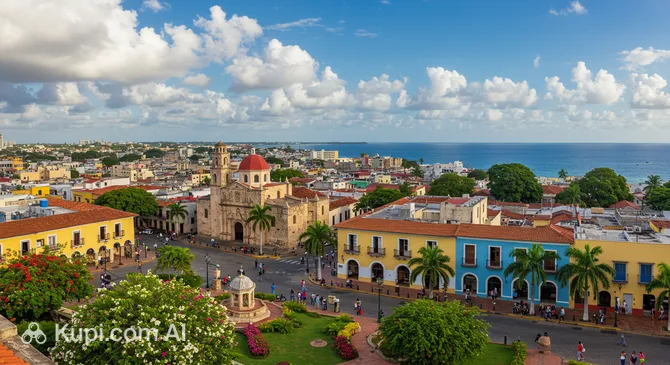
Welcome to Santo Domingo, the dynamic capital and largest city of the Dominican Republic. As one of the Caribbean's most vibrant metropolises, it offers a fascinating blend of old-world charm and modern Latin flair. The city pulses with energy, inviting travelers to explore its historic cobblestone streets, bustling commercial districts, and rich cultural tapestry.
Located on the southern coast of the island at the mouth of the Ozama River, Santo Domingo is a major urban hub with a population of over 2.5 million people. Its strategic position and tropical climate make it a lively destination year-round, where the warmth of the sun is matched only by the hospitality of its residents.
Santo Domingo. Illustration.
Source: Kupi.com AI
The history of Santo Domingo is deeply woven into the fabric of the city, as it is the oldest permanent European settlement in the Americas. Visitors are often captivated by the Zona Colonial, a UNESCO World Heritage Site that houses the first cathedral, hospital, and university in the New World. Beyond the historical center, the city offers the scenic Malecón, a waterfront boulevard perfect for a relaxing stroll by the Caribbean Sea.
Whether you are a history enthusiast eager to step back in time, a foodie looking to taste authentic local cuisine, or a traveler seeking vibrant nightlife, this city has something for everyone. We invite you to discover the unique spirit of Santo Domingo, where the past and present meet in spectacular fashion.
Weather Overview
Santo Domingo enjoys a tropical climate characterized by warmth and sunshine throughout the year, making it an inviting destination regardless of the season. The temperatures remain remarkably consistent, typically hovering between 24.3°C in the cooler months of January and February and rising to an average of around 27.4°C in August. Daytime highs frequently reach up to 31°C during the summer, while the evenings offer a mild respite with lows rarely dropping below 20°C.
Rainfall is a regular part of the city's weather patterns, contributing to its lush, green surroundings. The period from May to October is generally wetter, with July seeing up to 26 wet days, though these often manifest as brief, refreshing tropical showers. The winter months are slightly drier but still experience about 14 wet days per month. For a more detailed breakdown of the seasonal conditions, you can consult the guide to weather in Santo Domingo before your trip.
Expect hot and humid summers with frequent rainfall and pleasantly warm winters with similar precipitation patterns but slightly cooler breezes. Light, breathable clothing is recommended year-round, along with an umbrella or raincoat to handle the occasional showers.
Average monthly temperature
Average monthly precipitation
Interesting Facts
Beyond the well-trodden paths of the Zona Colonial, Santo Domingo holds a treasure trove of fascinating secrets and historical curiosities. From underground natural wonders to monuments that light up the Caribbean sky, here are some intriguing facts that make this city truly unique.
The Three Eyes National Park. Illustration.
Source: Kupi.com AI
Traveler photos:
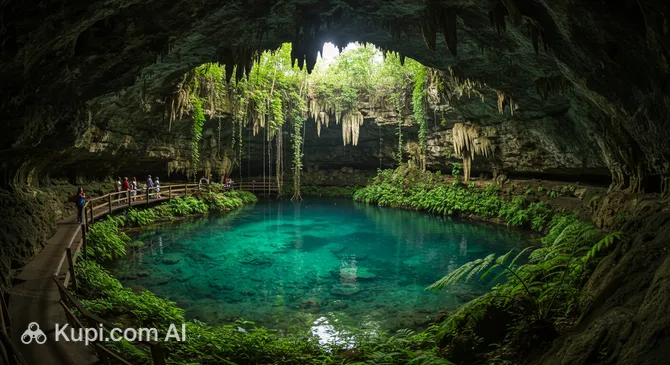
The city is home to a hidden natural wonder known as The Three Eyes National Park, a series of open-air limestone caves featuring three distinct lakes. These crystal-clear lagoons are fed by an underground river and have even served as a filming location for major Hollywood movies due to their prehistoric appearance.
Santo Domingo boasts the massive Columbus Lighthouse, a cross-shaped monument that is both a mausoleum and a museum. On special occasions, it projects a powerful vertical beam of light that forms a cross in the night sky, which is said to be visible from neighboring Puerto Rico.
As the site of the first permanent European settlement in the Americas, the city holds the title for many "firsts" in the New World. This includes the Cathedral of Santa María la Menor, which was completed in the mid-16th century and remains a stunning example of Gothic architecture.
The city has a dramatic history involving famous pirates; in 1586, the English privateer Sir Francis Drake captured Santo Domingo and set up his headquarters at the Ozama Fortress. He held the city for a month, destroying buildings and demanding a massive ransom before finally departing.
How to Get There
Reaching the vibrant capital of the Dominican Republic is relatively straightforward, with air travel being the primary method for international visitors. Most travelers arrive directly at the city's main international hub, but there are also options to fly into neighboring regions and transfer by land. For a complete guide on transportation options, you can read more about how to get to Santo Domingo.
The most convenient entry point is Las Americas International Airport(SDQ), which serves as the principal gateway to the capital. Located approximately 28.5 km from the city center, it handles a significant volume of international flights. The journey from the airport to downtown Santo Domingo typically takes around 60 minutes by taxi or private transfer, depending on traffic conditions.
Another significant option is Cibao International Airport(STI). However, please note that this airport is located in the city of Santiago, not in Santo Domingo itself. It is situated about 126 km away from the capital. Travelers choosing this route should be prepared for a longer ground transfer, which generally takes approximately 3.5 hours by taxi or bus.
For those exploring the eastern or northeastern parts of the country, La Romana Airport(LRM) is another alternative. Situated in the city of La Romana, it is roughly 108 km from Santo Domingo. While it is a smaller hub, it provides access to the nearby coastal areas, and the drive to the capital takes about 3 hours.
For clarity, here is a summary of the main airports:
Regarding rail transport, there are no intercity passenger train services connecting Santo Domingo to other major cities in the Dominican Republic. Visitors relying on public transport typically use the extensive network of comfortable intercity buses (guaguas) or private taxis to travel between regions.
Main Attractions
Attractions:
Santo Domingo offers a diverse array of sights that beautifully illustrate its journey from the first European city in the Americas to a bustling Caribbean capital. From the historic cobblestones of the Colonial Zone to lush green spaces, the city’s landmarks provide a deep dive into Dominican culture and history.
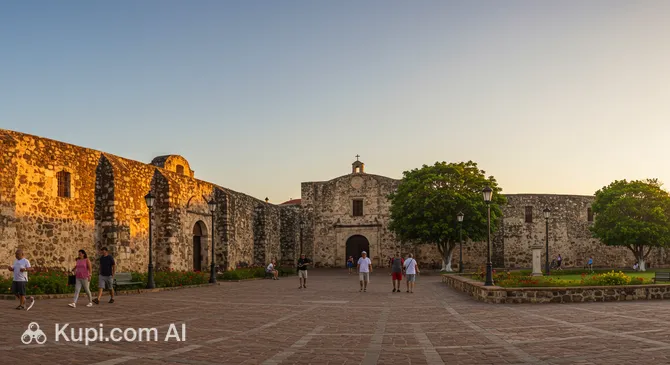
At the heart of the historic district lies Columbus Park (Parque Colón), a vibrant gathering spot for both locals and tourists. Dominated by a statue of Christopher Columbus, this bustling plaza is surrounded by colonial architecture and is the perfect place to sit, enjoy a coffee, and soak in the lively atmosphere filled with street musicians and pigeons.
Columbus Park. Illustration.
Source: Kupi.com AI
Traveler photos:
Just a short walk away, you will find the Museum of the Royal Houses. Housed in a magnificent 16th-century building that once served as the royal court of the Spanish Governor, this museum offers a fascinating glimpse into the colonial era. Visitors can explore exhibits displaying period furniture, weaponry, and artifacts that tell the story of life in Santo Domingo under Spanish rule.
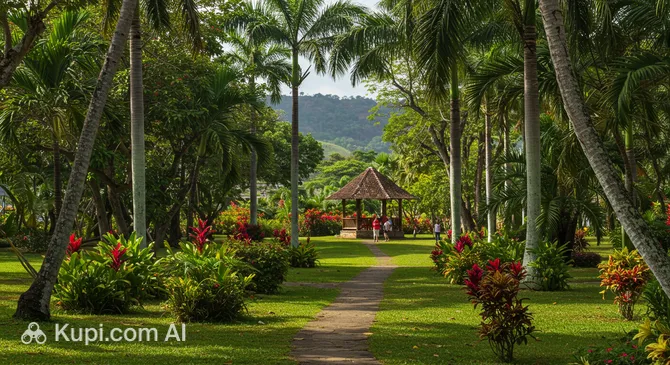
For a change of pace from historical sightseeing, the Dr. Rafael Ma. Moscoso National Botanical Garden is a must-visit. It is one of the largest and finest botanical gardens in the Caribbean, featuring a stunning Japanese garden, orchids, and a train that takes visitors through various ecosystems. It serves as a peaceful urban oasis where nature lovers can admire the country's rich flora.
Dr. Rafael Ma. Moscoso National Botanical Garden. Illustration.
Source: Kupi.com AI
Traveler photos:
No visit to the city is complete without a stroll along the Santo Domingo Malecón. This scenic waterfront boulevard runs along the Caribbean Sea and is lined with palm trees, monuments, and benches. It is a popular spot for evening walks, offering refreshing sea breezes and a lively social scene, especially during sunset when the sky turns a brilliant orange.
Another significant site is the Pantheon of the Fatherland, a solemn and impressive limestone building that houses the remains of the Dominican Republic's national heroes. Originally a Jesuit church, its interior is guarded by an honor guard, and the eternal flame adds to the respectful and majestic ambiance of this historical monument.
Local Cuisine
The culinary landscape of Santo Domingo is a flavorful reflection of its cultural heritage, blending Spanish, African, and Taino influences into a cuisine known as Comida Criolla. Food here is hearty, seasoned with fresh herbs like cilantro and oregano, and serves as a central part of social life. A trip to the capital is not complete without tasting La Bandera, the national lunch dish consisting of white rice, stewed beans, and meat, often accompanied by fried plantains known as tostones.
For breakfast, locals typically enjoy Mangú, a savory dish of mashed green plantains topped with pickled red onions, fried cheese, and salami. On special occasions or rainy days, the go-to comfort food is Sancocho, a rich and complex seven-meat stew that is full of flavor and tradition. Another favorite is Mofongo, a garlic-infused mashed plantain dish often served with fried pork cracklings or shrimp.
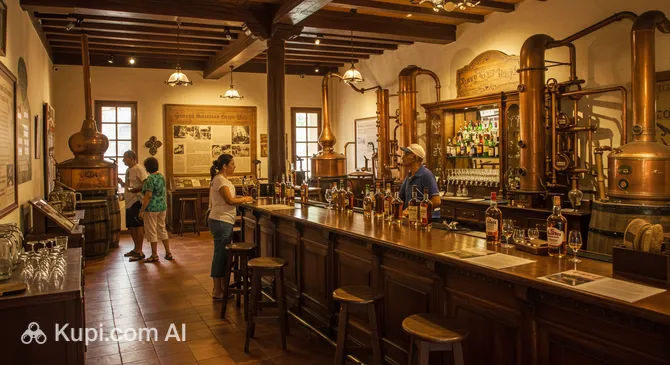
When it comes to beverages, the city offers refreshing options to beat the tropical heat. Morir Soñando is a unique and beloved non-alcoholic drink made from a creamy blend of orange juice and milk. For adult beverages, the Dominican Republic is world-famous for its high-quality rum. You can dive deeper into the history of this spirit at the Museum of Rum, where visitors can learn about the distillation process and sample local varieties. Don't leave without trying Mamajuana, a traditional spiced alcoholic infusion made with rum, red wine, and honey soaked in tree bark and herbs.
Museum of Rum. Illustration.
Source: Kupi.com AI
Traveler photos:
The dining scene in Santo Domingo is incredibly diverse, ranging from humble street food stalls selling chimichurris (Dominican burgers) to upscale establishments in the city center. For a memorable meal with a view, you might visit the Santo Domingo Seaside Restaurant, where the ocean breeze complements fresh seafood dishes. Whether you are grabbing a quick bite at a local comedor or enjoying a fine dining experience in the Colonial Zone, the city's food culture is sure to delight your palate.
Travel Tips
Exploring the vibrant streets of Santo Domingo is an exciting adventure, but a little preparation goes a long way in ensuring a smooth and enjoyable journey. To help you navigate the capital like a pro, we have compiled a set of essential guidelines covering everything from packing essentials to local customs.
Clothing and Gear: Given the tropical climate, pack lightweight, breathable fabrics like cotton or linen to stay cool. Comfortable walking shoes are a must, especially for navigating the uneven cobblestone streets of the Colonial Zone. If you plan to visit religious sites such as the cathedral, remember to dress modestly; shoulders and knees should be covered. Don't forget to bring a universal adapter if your devices don't use the standard US-style flat-pin plugs (Type A or B).
Transportation: The city boasts a modern and efficient Metro system with two lines that connect major areas, which is a safe and affordable way to travel. for more direct routes, ride-hailing apps like Uber are widely available and generally safer and more reliable than hailing random street taxis. Renting a car is not recommended for staying within the city due to heavy traffic and aggressive driving styles; it is better suited for trips outside the capital.
Finances: The local currency is the Dominican Peso (DOP). While credit cards are accepted in hotels, malls, and large restaurants, it is essential to carry cash for street vendors, small shops, and local transport. ATMs are widespread, but it is safer to use those located inside banks or shopping centers. Tipping is customary; although a 10% service charge is often added to bills, leaving an additional 10% for good service is greatly appreciated.
Health and Safety: Never drink tap water; always opt for sealed bottled water to avoid stomach issues. Pharmacies, known as farmacias, are easy to find, and major chains often stay open 24/7. Regarding safety, stick to well-lit, populated areas like the Zona Colonial and the Polígono Central. Be mindful of your belongings in crowded places and avoid wearing flashy jewelry that might attract unwanted attention.
Communication: Spanish is the official language. While staff in major hotels and tourist attractions often speak English, it is not as widely spoken in local neighborhoods or by taxi drivers. downloading an offline translation app and learning a few basic phrases like "Hola" (Hello) and "Gracias" (Thank you) will go a long way. Pre-paid SIM cards from providers like Claro or Altice are easy to purchase with your passport for reliable data access.
Local Etiquette: Dominicans are warm and hospitable people. A handshake is a standard greeting, though a friendly smile always helps. When entering a room or getting on an elevator, it is polite to say a general greeting like "Buenos días" or "Buenas tardes". If you see someone eating, it is customary to say "Buen provecho" (Enjoy your meal), a gesture that is highly valued in local culture.
What to Avoid: Avoid walking alone in unlit or isolated areas late at night, particularly away from the main tourist zones. Also, refrain from exchanging money on the street; while "money changers" may offer attractive rates, it can be risky. Always use official exchange houses (casas de cambio) or banks.
Electricity and Power: The standard voltage is 110V, the same as in the United States. Occasional power outages can occur, though most hotels and major businesses have backup generators. It is a good idea to bring a portable power bank to keep your phone charged while you are out exploring the city all day.
With these practical tips in mind, you are ready to immerse yourself in the rhythm of life in the Dominican Republic without worry. Enjoy the warmth, the music, and the unforgettable experiences that await you in this Caribbean gem.
Entertainment & Nightlife
As the sun sets over the Caribbean, Santo Domingo transforms into a pulsating hub of rhythm and excitement. The city is widely regarded as the nightlife capital of the Dominican Republic, offering everything from romantic open-air terraces in historic settings to high-energy dance clubs where the sounds of Merengue, Bachata, and Reggaeton boom until the early hours. Whether you prefer a sophisticated cocktail lounge or a lively street party, the capital's nocturnal landscape caters to every taste.
The nightlife scene is concentrated in a few key districts, each with its own distinct personality. The Zona Colonial is the heart of the action for tourists and locals alike. Here, the cobblestone streets are lined with bars and bistros that spill out onto plazas like the Plaza de España, creating a festive, alfresco atmosphere. It is the perfect place for bar-hopping in a safe, walkable environment surrounded by colonial architecture.
For a more upscale and modern experience, head to the central neighborhoods of Piantini and Naco. This area, often referred to as the "Polígono Central," is home to chic rooftop bars, wine lounges, and exclusive clubs. The crowd here is stylish, and the dress code is generally "dress to impress"—men should wear long pants and closed shoes, while women often opt for heels and cocktail dresses.
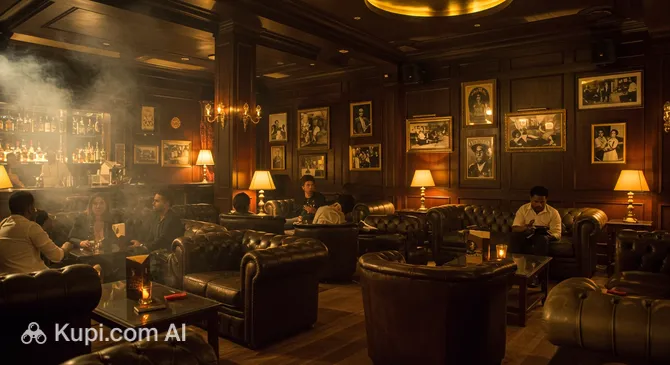
If you are looking for a refined evening to enjoy premium spirits and conversation, the Cigar Club is an excellent choice. It offers a sophisticated ambiance where guests can sample some of the country's finest tobacco products paired with aged rum or whiskey.
Cigar Club. Illustration.
Source: Kupi.com AI
Traveler photos:
Another popular spot for a relaxed night out is the Mixer Bar and Lounge. It is known for its creative cocktails and welcoming vibe, making it a great starting point for the evening before heading to louder venues. For those who want to immerse themselves in local music and dancing, Hasta La Tambora Cafe Lounge offers a lively setting where the rhythms of the island take center stage.
For a more local and intense partying experience, the adventurous can visit Avenida Venezuela in Santo Domingo East. This strip is famous for its high density of large dance clubs and discos. It is loud, crowded, and incredibly energetic, offering a genuine slice of Dominican nightlife away from the typical tourist path.
Practical Advice for Nightlife:
Timing: The night starts late in Santo Domingo. Bars get busy around 10:00 PM, but nightclubs often don't fill up until well after midnight and stay open until 3:00 AM or 4:00 AM on weekends.
Safety and Transport: While the Zona Colonial and Piantini are generally safe for walking between nearby venues, it is best to avoid walking long distances at night. The safest and most convenient way to get around is by using ride-sharing apps like Uber, which are reliable and track your journey. Avoid hailing random taxis off the street at night.
Prices: Costs vary significantly. A beer in a local colmado might cost a dollar or two, while cocktails in Piantini can rival prices in major US cities. Many clubs charge a cover fee (entry charge), especially on weekends or when there is live music.
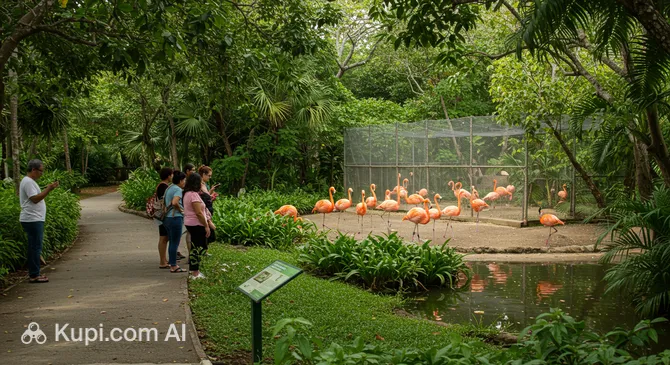
While the nights are for dancing, the city also offers plenty of daytime entertainment beyond historical sightseeing. Families and nature enthusiasts will enjoy the National Zoological Park, one of the largest zoos in Latin America, where animals roam in spacious, moat-separated environments rather than cages.
National Zoological Park. Illustration.
Source: Kupi.com AI
Traveler photos:
For those who love shopping, the city is a retail paradise. Modern complexes like Ágora Mall offer a mix of international brands, cinemas, and food courts, providing a cool, air-conditioned retreat from the tropical heat. Whether exploring the aisles of a mall or the dance floors of a club, Santo Domingo ensures your schedule is packed with entertainment day and night.
Parks & Museums
Beyond its bustling streets and colonial architecture, Santo Domingo offers a wealth of green spaces and cultural institutions that provide a deeper understanding of the Dominican Republic's heritage and natural beauty. For travelers seeking a breath of fresh air or an educational afternoon, the city's parks and museums serve as perfect sanctuaries to explore the island's biodiversity and history.
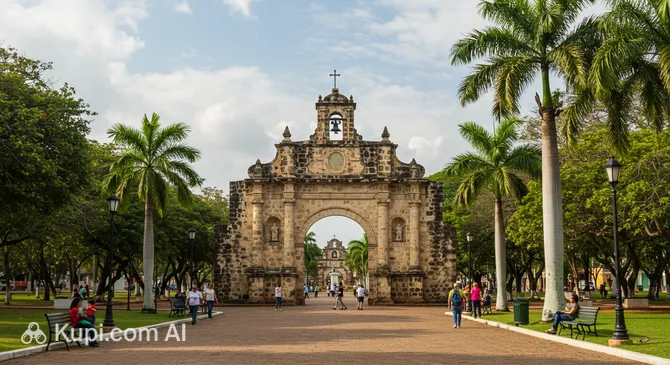
One of the most historically significant green spaces is Independence Park (Parque Independencia). Located at the western end of the Colonial Zone, this sacred ground houses the Altar of the Fatherland, a mausoleum dedicated to the founders of the Dominican Republic. It is more than just a park; it is a symbol of national pride and a peaceful place to walk among monuments and well-kept gardens. It serves as "Kilometer Zero," the point from which all distances in the country are measured.
Independence Park. Illustration.
Source: Kupi.com AI
Traveler photos:
For a more recreational atmosphere, the Ibero-American Park offers a lush urban retreat in the heart of the city. Known for its "Cave of the Nymphs" and extensive walking paths, it is a favorite spot for locals to exercise, practice yoga, or simply enjoy a quiet moment away from the traffic. Another unique outdoor area is Guibia Public Beach on the Malecón. While swimming is generally not recommended here, it features a beautiful plaza with gazebos, an open-air gym, and stunning views of the Caribbean Sea, making it an excellent spot for sunset watching.
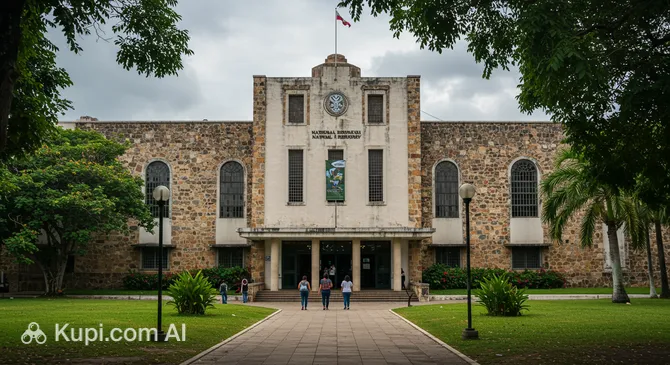
The city's cultural landscape is anchored by the Plaza de la Cultura, a complex that hosts several key institutions, including the National Museum of Natural History. This facility is a treasure trove for science enthusiasts, showcasing the diverse flora and fauna of the Caribbean. Visitors can marvel at the impressive skeletons of humpback whales and learn about the geological formation of the island, making it an educational stop for families and nature lovers alike.
National Museum of Natural History. Illustration.
Source: Kupi.com AI
Traveler photos:
To dive into the underwater world without getting wet, the Dominican Republic National Aquarium is a must-visit. Located near the coast, it features a spectacular glass tunnel that allows you to walk beneath sharks, rays, and colorful tropical fish. It plays a crucial role in marine conservation and offers a fascinating glimpse into the rich marine life that surrounds the island.
For a specific look at the country's struggle for independence, the Juan Pablo Duarte Wax Museum offers a unique perspective. Through life-size dioramas, it narrates the life and deeds of the founding father, Juan Pablo Duarte. It provides a visual and accessible way to comprehend the pivotal moments in Dominican history.
Insider Tip: If you are visiting the Plaza de la Cultura, try to go on a weekday morning to avoid school field trips and enjoy the museums in a quieter setting. Also, keep an eye out for open-air concerts or book fairs often held in the plaza's gardens throughout the year.
Getting Around
Navigating the bustling streets of Santo Domingo offers a genuine glimpse into the daily life of the city, with options ranging from modern rail systems to colorful, informal street transport. The most efficient and tourist-friendly way to get around is the Santo Domingo Metro. This modern subway system consists of two lines that cross the city from north to south and east to west, providing a safe, clean, and air-conditioned escape from the surface traffic. It is particularly useful for reaching major points of interest, including the government district, universities, and shopping centers.
Integrated with the subway is the Teleférico, the city's urban cable car system. While primarily designed to connect outlying neighborhoods with the city center, it has become a unique attraction in its own right. Riding the cable car offers travelers spectacular aerial views of the Ozama River and the sprawling urban landscape below. Since it connects directly to the Metro network, you can transfer between the train and the cable car using the same ticket, making it an economical way to sightsee from above.
For those who prefer road transport, the city operates a fleet of government-run buses known as OMSA. These are large, green or white buses that run along main corridors. However, the most ubiquitous form of transport is the Guagua (minibus) and the Carro Público (shared sedan taxi). Guaguas are privately owned vans that are often crowded and loud with music, stopping anywhere on demand. Carros Públicos are sedans that run fixed routes, squeezing up to six passengers into a standard car. While these offer a truly authentic local experience and are very cheap, they can be chaotic and are generally recommended only for adventurous travelers comfortable with little personal space.
The payment system varies significantly depending on your mode of travel. For the Metro and Teleférico, you must purchase a reloadable smart card (often called a Boleto Viajero) at any station booth. The card itself has a small issuance fee, and rides are very affordable, typically costing a fixed low rate regardless of distance. For OMSA buses, Guaguas, and Carros Públicos, payment is strictly cash only. You pay the driver or the conductor ("cobrador") directly upon entering or exiting. It is essential to carry small bills and coins, as drivers often have limited change for large denominations.
If you prefer a more private and direct mode of transport, taxis and ride-sharing apps are widely available. Uber is extremely popular, safe, and often cheaper than traditional street taxis. It also eliminates the language barrier and the need to haggle over fares. Traditional "radio taxis" can be called from hotels or restaurants, but they usually do not have meters; you must agree on a fare with the driver before starting your journey to avoid misunderstandings.
For a more leisurely pace, specifically within the historic Zona Colonial, you can find bike rental shops. Cycling is a pleasant way to explore the cobblestone streets and the waterfront Malecón on weekends when traffic is lighter. However, cycling in the main commercial avenues of the city is not recommended due to heavy traffic and aggressive driving styles.
Practically speaking, the Metro operates daily from approximately 6:00 AM to 10:30 PM. To have the most comfortable experience, try to avoid the peak rush hours (7:30 AM – 9:00 AM and 5:00 PM – 7:00 PM) when trains and platforms can become extremely crowded. If you choose to ride the Guaguas, keep your belongings close and secure, as the crowded conditions can attract pickpockets. By mixing the reliability of the Metro with the convenience of ride-sharing apps, you can navigate Santo Domingo with ease and confidence.
Accommodation
Where to Stay:
Accommodation in Santo Domingo is as diverse as the city itself, offering a wide spectrum of options that cater to every type of traveler. Whether you are a backpacker looking for a budget-friendly hostel, a business traveler seeking modern amenities, or a vacationer desiring a luxurious resort experience, the capital has something to suit your needs. The hotel infrastructure is well-developed, blending historic charm with contemporary comfort.
When choosing where to stay, the location is key to your experience. The Zona Colonial is the most popular area for tourists who want to be immersed in history; here, you will find charming boutique hotels housed in restored 16th-century buildings. For those who prefer a cosmopolitan vibe with shopping malls and high-end dining, the central business districts of Piantini and Naco offer sleek, modern hotels. Alternatively, the Gazcue neighborhood and the area along the Malecón provide easier access to the seafront and a more relaxed, residential atmosphere.
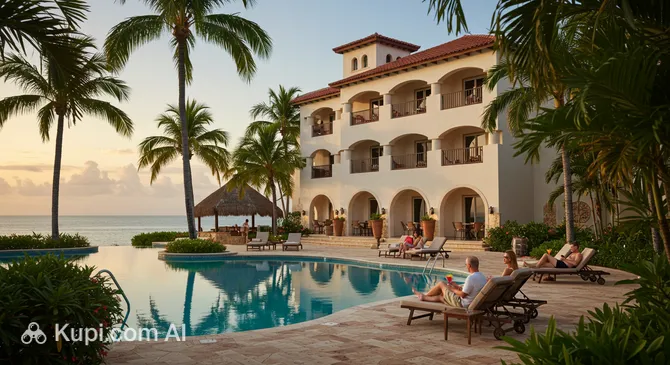
For travelers interested in a more resort-style experience or a unique stay, the city and its outskirts offer some distinct properties. You might consider Villa Campo Rico, which provides a lush, retreat-like setting perfect for relaxation. Another option for visitors is the Oasis de Chesterfield Plaza, offering comfortable lodging. These establishments cater to guests looking for specific amenities and a welcoming environment.
Villa Campo Rico. Illustration.
Source: Kupi.com AI
Traveler photos:
Booking Tips and Prices:
Prices in Santo Domingo are generally reasonable compared to other Caribbean destinations. Budget accommodations and hostels can range from $20 to $50 USD per night. Mid-range hotels typically fall between $70 and $120 USD, while luxury properties and high-end boutique hotels can start from $150 USD and go upwards. It is highly recommended to book your accommodation in advance, especially if you plan to visit during the peak winter season (December to April) or during major festivals like the Merengue Festival.
Most hotels can be booked via major online platforms, but direct booking is also common. Keep in mind that quoted prices often do not include taxes; be prepared for an additional 18% ITBIS (sales tax) and a 10% service charge to be added to your final bill.
Nearby Cities
For those looking to explore the surroundings, Santo Domingo serves as an excellent base for day trips to several interesting nearby locations:
Among the most popular destinations is Boca Chica, a vibrant beach town located approximately 35 kilometers east of the capital. It is famous for its calm, shallow turquoise waters and fine white sand, creating a natural swimming pool that is perfect for families and relaxation. The beachfront is lined with restaurants and bars where visitors can enjoy fresh seafood and the lively local atmosphere.
To the west lies San Cristobal, a city with deep historical roots and significant cultural importance. Known as the cradle of the Dominican Constitution, it offers history enthusiasts a chance to learn about the nation's political heritage. The surrounding province is also rich in natural beauty, featuring caves and rivers that provide a refreshing contrast to the urban environment of Santo Domingo.
These nearby destinations offer a glimpse into the diverse culture and landscapes of the region.
Shopping & Souvenirs
Santo Domingo stands out as a premier shopping destination in the Caribbean, offering a retail experience that ranges from high-end international boutiques to vibrant local bazaars. The city is a treasure trove for those looking to purchase authentic Dominican goods, fashion, and artisanal crafts. Whether you are searching for luxury brands or hunting for unique handmade souvenirs, the capital provides diverse options to satisfy every style and budget.
For a quintessential shopping experience mixed with history, Calle El Conde in the Colonial Zone is the place to start. This famous pedestrian-only street spans several blocks and is lined with a mix of souvenir shops, art galleries, and clothing stores. Strolling down this cobblestone promenade allows you to browse for local artwork and jewelry while soaking in the architectural beauty of the oldest city in the Americas.
If you prefer a modern, air-conditioned environment, the city boasts several world-class shopping centers. Ágora Mall is a standout choice, known for being the first eco-friendly "Green Building" in the country. It houses a vast array of international retailers, a cinema, and a diverse food court, making it a popular hub for locals and tourists alike. Another excellent option is Galería 360 Mall, which offers a spacious layout with numerous stores and frequently hosts cultural exhibitions and events in its central atrium.
Ágora Mall. Illustration.
Source: Kupi.com AI
Traveler photos:
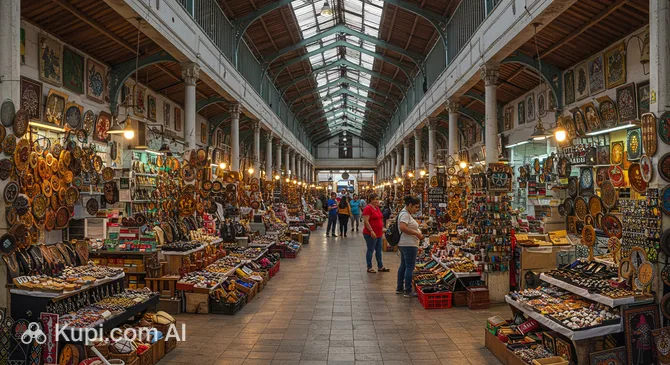
To dive deeper into local culture, a visit to Mercado Modelo is essential. Located on Avenida Mella, this bustling covered market is the largest craft market in Santo Domingo. It is a sensory explosion of colors and scents, where vendors sell everything from colorful paintings and wood carvings to leather goods and spirits. It is the perfect spot to practice your bargaining skills and interact with friendly local merchants.
Mercado Modelo. Illustration.
Source: Kupi.com AI
Traveler photos:
When it comes to souvenirs, the Dominican Republic is famous for several unique items. Larimar, a semi-precious blue stone found only in this country, is a top choice for jewelry lovers. Amber is another prized gem, often available in various shades and clarities. Beyond jewelry, travelers often bring back premium hand-rolled cigars, organic coffee, cacao, and bottles of the traditional spiced drink, Mamajuana. The faceless ceramic dolls, known as Muñecas Limé, are also a beloved symbol of Dominican culture.
Store opening hours in Santo Domingo generally run from 9:00 AM or 10:00 AM to 8:00 PM or 9:00 PM for major shopping malls, which often stay open later on weekends. Independent shops and markets like Mercado Modelo typically close earlier, around 5:00 PM or 6:00 PM, and may have reduced hours on Sundays. While credit cards are widely accepted in malls and established stores, it is highly recommended to carry cash (Dominican Pesos) when visiting markets or buying from street vendors, as electronic payment options may be limited there.
Regarding taxes, the Dominican Republic does not have a widely accessible VAT refund system for tourists for general purchases made in the city. Duty-free shopping is primarily available at the airports upon departure or in specific duty-free zones. Therefore, the price you see on the tag in city stores is typically the final price you will pay, inclusive of the local ITBIS tax.