Support

Puerto Plata

About

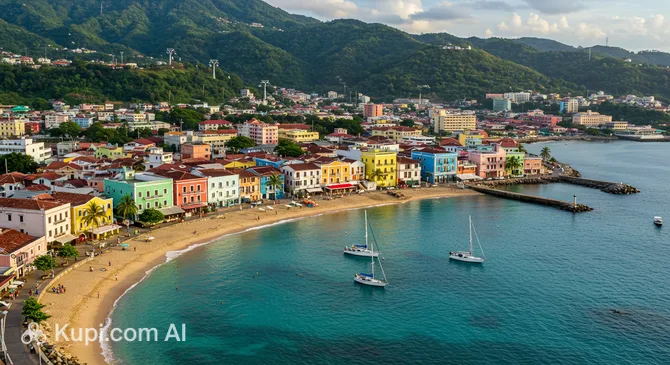
Welcome to Puerto Plata, officially known as San Felipe de Puerto Plata, a dazzling jewel on the northern coast of the Dominican Republic. Often referred to as the "Bride of the Atlantic," this vibrant city offers a perfect blend of colonial charm, lush natural landscapes, and pristine beaches. With a population of approximately 318,000 residents, it serves as a major trading port and a bustling hub of culture and tourism in the province.
Puerto Plata. Source: Kupi.Binoculars

The city sits nestled between the sparkling Atlantic Ocean and the majestic Cordillera Septentrional mountain range, creating a dramatic and picturesque backdrop for travelers. The history of Puerto Plata is deeply rooted in the age of exploration; Christopher Columbus himself named the area "Silver Port" due to the shimmering mist he observed over the mountains. Today, remnants of this rich past, such as the 16th-century Fort San Felipe, stand as proud guardians of the harbor and offer a glimpse into the city's strategic importance over the centuries.

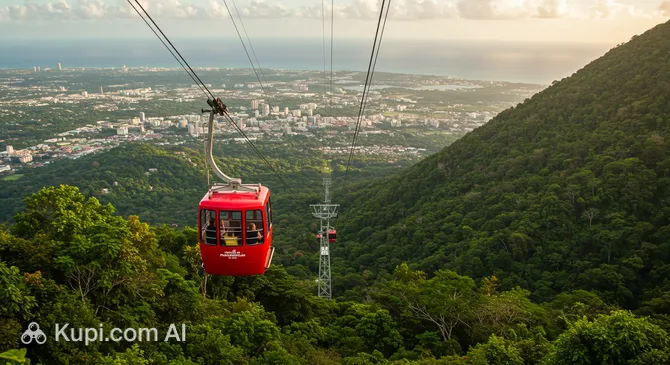
Visitors are spoiled for choice when it comes to unique experiences. A ride on the famous Teleférico (cable car) up to the summit of Mount Isabel de Torres is a must-do, offering panoramic views and a chance to see the iconic statue of Christ the Redeemer and the botanical gardens. For those interested in local treasures, the Amber Museum showcases some of the world's finest translucent fossilized resin, for which the region is famous. Whether you are exploring the Victorian-style architecture of the historic center or relaxing on the golden sands of Playa Dorada, Puerto Plata promises an unforgettable Caribbean escape.
Weather Overview

Puerto Plata enjoys a warm tropical climate, inviting visitors to its shores throughout the year. The region maintains a consistent temperature range, with monthly averages generally staying between 24°C and 28°C. For a more comprehensive breakdown of what to expect during your specific travel dates, you can consult the guide to the weather in Puerto Plata.

The coolest period typically occurs in January and February, where nighttime lows can dip to around 21.6°C, providing comfortable evenings. Conversely, the warmest months, such as August and September, see daytime highs reaching just over 30°C. Rainfall is a regular occurrence that keeps the landscape lush; October is often the wettest month with approximately 18 rainy days, while June is generally the driest with about 9 wet days. Expect warm conditions year-round with frequent showers that often pass quickly, balancing the heat.

Interesting Facts

Beyond the main attractions, Puerto Plata holds many fascinating secrets that surprise even seasoned travelers. From Hollywood connections to unique engineering feats, here are some intriguing details about this coastal gem.

  • A Jurassic Connection: The region is famously known as the "Amber Coast" due to its rich deposits of fossilized resin. The iconic mosquito encased in amber from the movie Jurassic Park was actually inspired by the pristine specimens found in this area, and you can see similar real-life examples at the Dominican Amber Museum.

  • A Caribbean Pioneer: The Puerto Plata Cable Car is not just a scenic ride; it holds the distinction of being the first aerial tramway of its kind in the Caribbean. Since 1975, it has been whisking visitors up the mountain, offering a rare experience in the tropics.

  • Twin of Rio: Standing guard atop Pico Isabel de Torres is a massive statue of Christ the Redeemer. It is a smaller but equally impressive replica of the world-famous monument in Rio de Janeiro, commissioned in the 1970s to crown the city's highest point.

  • Victorian Legacy: The city center boasts one of the largest collections of 19th-century Victorian-style houses in the Caribbean. These charming, pastel-colored wooden structures, featuring intricate fretwork, are locally known as "Gingerbread" houses and reflect the city's prosperous past as a major trading port.

Puerto Plata Cable Car. Source: Kupi.Binoculars

How to Get There

Reaching this northern Caribbean destination is convenient due to its proximity to several key transport hubs. Whether you are arriving from a neighboring region or flying in internationally, you have multiple options to suit your itinerary. You can find all ways to reach the city in our detailed guide.

The most direct way to arrive is by flying into La Union Airport (IATA: POP), also known as Gregorio Luperón International Airport. Conveniently located just 12.8 km from the center of Puerto Plata, this facility handles a significant volume of holiday traffic. Once you land, a transfer by taxi or shuttle generally takes around 40 minutes to reach the heart of the city.

Another excellent option is Cibao International Airport (IATA: STI), situated in the city of Santiago. Although it is not in Puerto Plata itself, it is a major regional hub with high passenger traffic and is located approximately 43 km away. The journey from Santiago to Puerto Plata typically takes about 1 hour and 25 minutes by road.

For those with flexible schedules or finding better connections elsewhere, Las Americas International Airport (IATA: SDQ) in Santo Domingo is the country's primary gateway. It is located in the capital, roughly 184.5 km from Puerto Plata. While it offers extensive international connections, be prepared for a longer ground transfer, which takes approximately 5 hours.

For clarity, here is a summary of the main airports:

Airport Name City Passenger Traffic Km from City
Las Americas International AirportSanto DomingoVery High184.5
Cibao International AirportSantiagoHigh43.0
La Union AirportPuerto PlataMedium12.8
Cap Haitien AirportCap-HaïtienLow158.0
Samaná El Catey InternationalEl CateyLow115.0

Main Attractions

Puerto Plata is a destination where history, nature, and modern culture converge, offering visitors a wide array of memorable experiences. From colonial fortifications to vibrant city streets, the attractions here paint a vivid picture of the Dominican Republic's rich heritage and lively spirit.

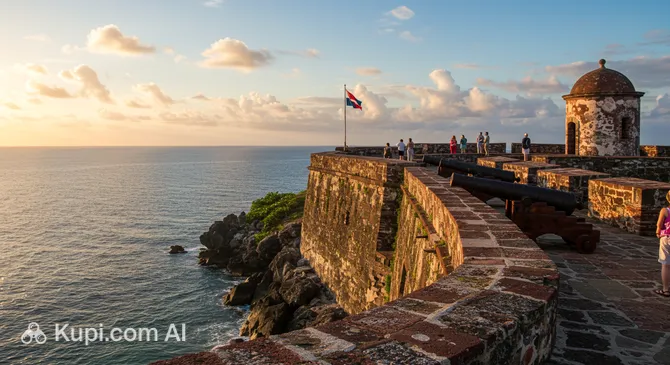
One of the most significant historical landmarks in the region is Fort San Felipe. Built in the 16th century to protect the city from pirates and corsairs, this massive stone fortress stands guard at the entrance of the harbor. It is one of the oldest military colonial structures in the Caribbean and offers a fascinating glimpse into the past. Visitors can explore the ancient walls, view historical artifacts in the small museum inside, and enjoy stunning views of the Atlantic Ocean from the ramparts.

Fort San Felipe. Source: Kupi.Binoculars

For those seeking breathtaking views and lush nature, a visit to Isabel de Torres National Park is essential. Rising majestically behind the city, this mountain peak is accessible by road or cable car and is crowned by a giant statue of Christ the Redeemer. Beyond the iconic monument, the park features beautiful botanical gardens filled with exotic flowers and ferns. The cool mountain air and panoramic vistas of the city and coastline make it a refreshing escape from the tropical heat below.

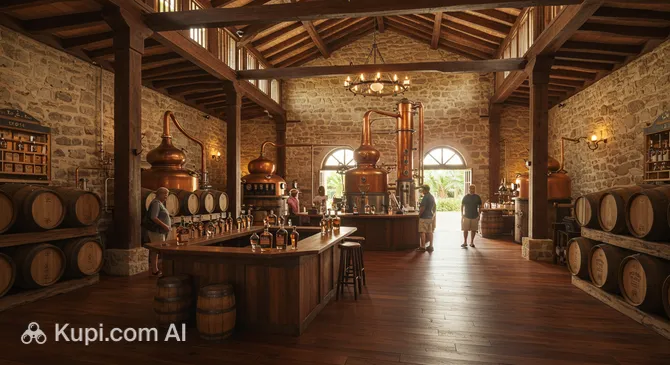
To experience the local flavor, travelers should stop by the Macorix House of Rum. This attraction offers an immersive journey into the history and production of one of the country's most famous exports. Guests can learn about the aging process, see the barrels where the magic happens, and, of course, sample different varieties of premium rums. It is a perfect spot to pick up a souvenir and taste the authentic spirit of the island.

Macorix House of Rum. Source: Kupi.Binoculars

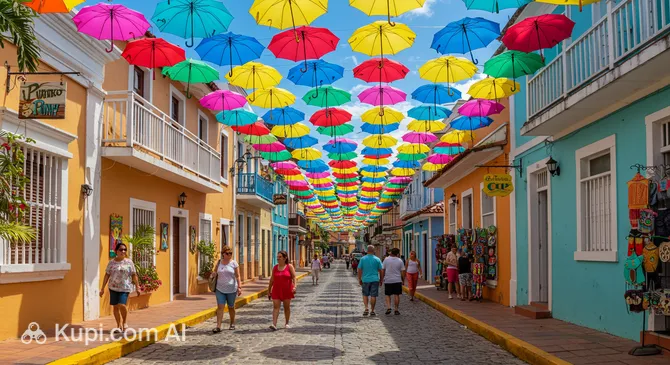
For a splash of color and a perfect photo opportunity, a walk down Umbrella Street is a delight. Located in the heart of the historic center, this pedestrian street is adorned with dozens of colorful umbrellas suspended overhead, creating a whimsical canopy. The area is lined with charming cafes, cigar shops, and boutiques, making it a lively place to enjoy a coffee, watch the world go by, and soak in the cheerful atmosphere of Puerto Plata.

Local Cuisine

Local Cuisine:

The culinary scene in Puerto Plata is a flavorful reflection of Dominican culture, blending Spanish, African, and Taíno influences into dishes that are hearty and delicious. Being a coastal city, fresh seafood is a staple, but the region is also famous for its rich stews and savory plantain-based recipes. Visitors should not leave without trying the national dish, La Bandera Dominicana, which consists of white rice, stewed beans, and meat, often served with fried plantains and a fresh salad.

For breakfast or a filling snack, Mangú is a local favorite. This dish features boiled and mashed green plantains topped with pickled red onions, usually accompanied by fried cheese, salami, and eggs. Another must-try street food, especially near the beaches, is the Yaniqueque, a crispy, fried dough cake that pairs perfectly with an ice-cold beverage on a hot day.

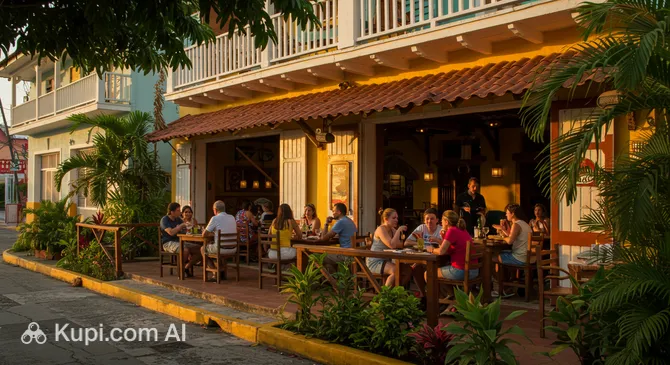
When it comes to dining out, the city offers a variety of excellent options ranging from casual eateries to elegant restaurants. Tio Pan Restaurant is a popular spot known for its welcoming atmosphere and a menu that combines bakery delights with savory local dishes. It is a great place to enjoy a relaxed meal with family or friends.

Tio Pan Restaurant. Source: Kupi.Binoculars

For those craving a mix of Italian and Caribbean flavors, La Tarappa offers a delightful menu in a charming setting right in the historic center. If you have a sweet tooth, a visit to the Del Oro Chocolate Factory is essential. Here, you can taste some of the finest organic chocolate made from locally grown cocoa beans. To end your evening, you might stop by Bohemios, a bar known for its great snacks and vibrant local vibe.

Travel Tips

Get ready to embrace the laid-back Caribbean vibes of Puerto Plata with confidence. To help you navigate the "Silver Port" like a pro, we have compiled a list of essential practical tips that cover everything from packing the right gear to understanding local customs.

  1. Clothing and Gear: The tropical climate calls for lightweight, breathable fabrics like cotton and linen to keep you cool. Pack comfortable walking shoes for exploring the cobblestone streets of the historic center and sturdy water shoes if you plan to hike the famous 27 Waterfalls of Damajagua. While beachwear is standard on the sand, remember to dress modestly—covering shoulders and knees—when visiting churches or religious sites.

  2. Transportation: For the most comfortable travel, use private taxis; since meters are rare, always agree on the fare before getting in. For a truly local experience, you can hop on a guagua (public minibus), which is very affordable but can be crowded. Motorcycle taxis, known as motoconchos, are ubiquitous but can be risky, so use them with caution and only for short distances.

  3. Finances: The local currency is the Dominican Peso (DOP). While US dollars are widely accepted in tourist hubs, paying in pesos often secures a better price. Major credit cards work in hotels and large restaurants, but you will need cash for local markets, small eateries, and tips. It is best to use ATMs at banks or official exchange houses rather than exchanging money at the airport.

  4. Health and Safety: A golden rule in Puerto Plata is to avoid drinking tap water; always opt for sealed bottled water for drinking and brushing your teeth. Pharmacies (Farmacias) are common and well-stocked for minor health needs. As a general safety precaution, leave expensive jewelry at home and avoid walking in isolated or unlit areas at night.

  5. Communication: Spanish is the official language. English is commonly spoken in resorts and by tour guides, but locals appreciate it when you try basic phrases like "Hola" (Hello) and "Gracias" (Thank you). Wi-Fi is available in most hotels and cafes, but for constant connectivity, you can buy a prepaid SIM card from local providers like Claro or Altice using your passport.

  6. Local Etiquette: Dominicans are incredibly warm and polite. It is customary to greet people with a "Buenos días" (Good morning) or "Buenas tardes" (Good afternoon) when entering a shop or boarding a vehicle. Be patient with service; the concept of "island time" means things happen at a more relaxed pace, so take a deep breath and enjoy the moment.

  7. What to Avoid: Do not purchase souvenirs made from coral, tortoise shell, or starfish. These items are often harvested illegally and damage the delicate marine ecosystem. Additionally, avoid wearing camouflage clothing, as it is technically reserved for the military and can sometimes cause confusion or issues with authorities.

  8. Power and Plugs: Puerto Plata operates on 110V electricity with standard US-style plugs (Type A and B). If you are visiting from Europe or a country with a different standard, be sure to pack a travel adapter to keep your phone and camera charged for all those vacation photos.

Armed with these practical insights, you are all set to enjoy the warmth and beauty of Puerto Plata without a worry. Relax, soak up the sun, and let the vibrant rhythm of the Dominican Republic create memories that will last a lifetime.

Entertainment & Nightlife

Nightlife and Entertainment:

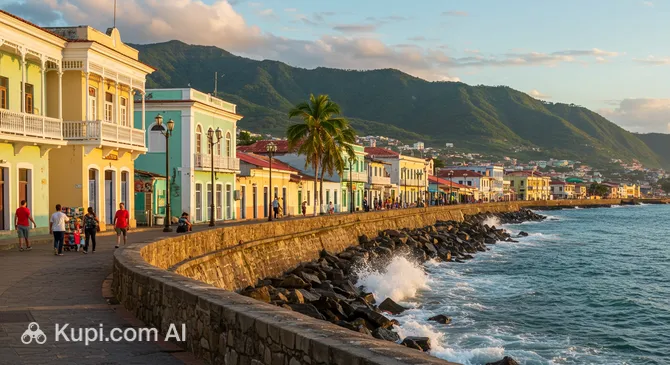
When the sun sets over the Atlantic, Puerto Plata shifts gears from a laid-back beach town to a lively hub of Caribbean entertainment. The nightlife here is vibrant yet unpretentious, offering everything from open-air seaside bars to energetic dance clubs. The epicenter of evening activity is undoubtedly the Puerto Plata Malecón. This scenic boardwalk stretches along the coast and comes alive at night with locals and tourists alike, enjoying the ocean breeze, music, and impromptu gatherings at the various kiosks and small bars lining the avenue.

Puerto Plata Malecón. Source: Kupi.Binoculars

For those looking to dance the night away, the city offers several exciting venues. Latin Disco Club is a popular spot where the rhythms of bachata, merengue, and salsa dominate the playlist. It attracts a mixed crowd of friendly locals and visitors eager to experience authentic Dominican dance culture. If you prefer a more resort-style atmosphere with a touch of glamour, Show Disco & Casino Puerto Plata is a classic choice. Located within the Playa Dorada complex, it allows guests to try their luck at the gaming tables before heading to the dance floor for a night of international and Latin hits.

Travelers seeking a more relaxed evening with great drinks and conversation should visit Green Jack Tar. This venue strikes a perfect balance between a chill bar and a lively hangout, often featuring live music and a sophisticated yet comfortable setting. It is an excellent place to enjoy a cocktail and unwind after a day of exploration. Dress codes in Puerto Plata are generally casual, though clubs and casinos in the Playa Dorada area may expect "smart casual" attire, so it is best to leave the flip-flops at the hotel.

Safety and logistics are important for a worry-free night out. While the Malecón and main tourist areas are generally safe for walking in the early evening, it is advisable to use taxis for transportation late at night. Private taxis or reputable services like Uber are recommended over hailing strangers. Prices are reasonable, with local beers often costing between 150 and 250 DOP and cocktails ranging from 350 to 600 DOP depending on the venue. The nightlife typically peaks around midnight, especially on weekends.

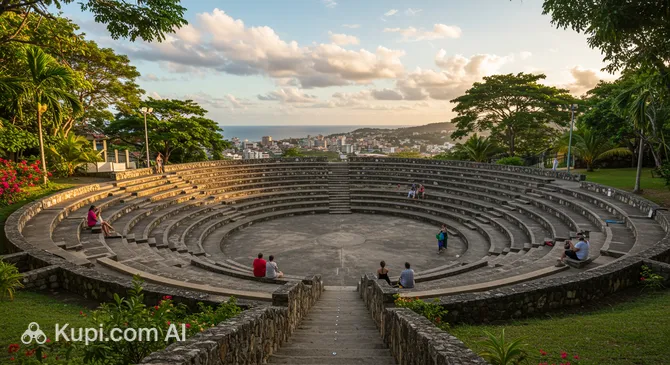
Beyond the nightlife, Puerto Plata offers diverse daytime entertainment options. Culture enthusiasts can explore the General Gregorio Luperón House Museum to dive deeper into national history. For grander spectacles, the stunning Puerto Plata Amphitheater, located right next to the ocean near the fortress, frequently hosts large concerts and cultural festivals, making it a premier destination for live entertainment under the stars.

Puerto Plata Amphitheater. Source: Kupi.Binoculars

Parks & Museums

Beyond its golden beaches, Puerto Plata offers a rich tapestry of green spaces and cultural institutions that tell the story of the region's vibrant heritage. From botanical wonders perched atop mountains to museums housed in Victorian-era gems, the city invites visitors to explore its natural beauty and historical depth.

For a breath of fresh air accompanied by stunning ocean views, La Puntilla Park is a favorite gathering spot for locals and tourists alike. Located at the foot of the historic fortress and adjacent to the amphitheater, this expansive waterfront area features paved pathways, manicured lawns, and the picturesque lighthouse. It is an ideal location for a sunset stroll or a relaxing afternoon picnic by the Atlantic. High above the city, Isabel de Torres National Park offers a completely different ecosystem. While famous for its Christ statue, the park is also home to a lush botanical garden filled with orchids, ferns, and bromeliads, making it a paradise for nature lovers seeking tranquility in the clouds.

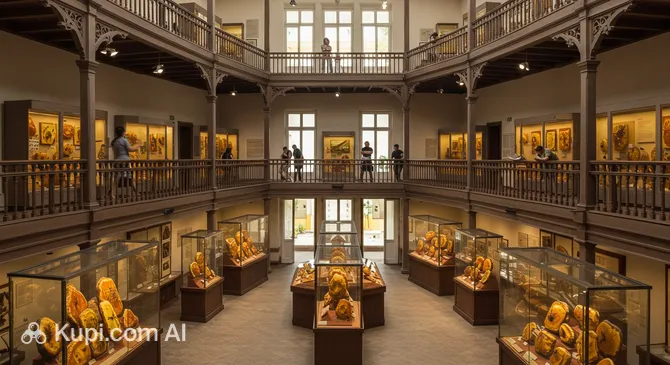
The city's museums provide a fascinating window into its past. The Dominican Amber Museum is a must-visit, set within a stunning classic Victorian mansion. Puerto Plata is known as the "Amber Coast," and this museum displays some of the world's most transparent and ancient specimens, including the famous amber with a prehistoric mosquito that inspired the movie Jurassic Park. It is a captivating stop for anyone interested in geology and natural history.

Dominican Amber Museum. Source: Kupi.Binoculars

Another cultural highlight is the General Gregorio Luperón House Museum. This beautifully restored green-and-white Victorian house is dedicated to the life of the national hero and leader of the Restoration War. Through interactive exhibits and period artifacts, visitors can gain a deeper understanding of the Dominican Republic's fight for independence and the pivotal role Puerto Plata played in it.

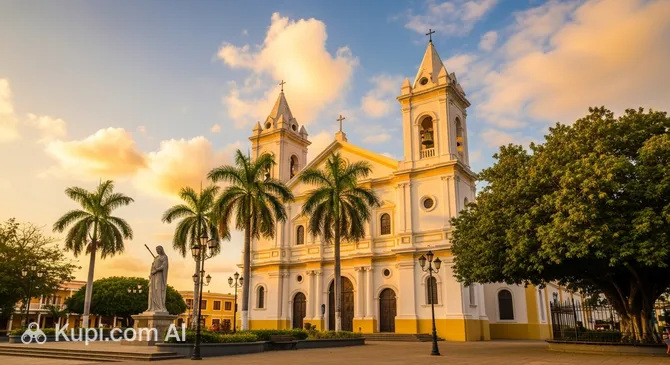
Architectural enthusiasts will appreciate the Cathedral of St. Philip the Apostle, located on the main square. Although the original structure was destroyed, the current cathedral is a majestic example of modern Victorian architecture with its imposing twin towers and vaulted ceilings. Just a short walk away, you can find the enchanting Doña Blanca Alley. Painted entirely in vibrant pink, this narrow passageway honors the founder of the first hotel in the city and has become an iconic spot for photography.

Cathedral of St. Philip the Apostle. Source: Kupi.Binoculars

For a unique insider experience, consider visiting the Del Oro Chocolate Factory not just for the sweets, but for the tour. It offers a sensory look at how organic Dominican cocoa is transformed into fine chocolate, providing a delicious and educational break from traditional sightseeing.

Getting Around

Navigating Puerto Plata is an adventure in itself, as the city lacks a formal metro or tram system. Instead, the public transport network is a lively, informal mix of privately owned vehicles that cover every corner of the area. For tourists, this offers a genuine slice of local life, though it requires a bit of know-how to use effectively compared to structured European or North American systems.

The most common way for locals to travel is by using Guaguas (minibuses) and Carros Públicos (shared taxis). Guaguas are typically minivans that run along main routes, connecting the city center with outlying neighborhoods and nearby beach towns like Sosúa and Cabarete. Carros Públicos look like regular sedans but operate on fixed routes similar to buses; passengers simply wave one down and squeeze in with other commuters. Both options are incredibly affordable, but they do not follow strict timetables—they generally depart once they are full.

For short distances within the city, you will see thousands of Motoconchos (motorcycle taxis). These are the fastest way to cut through traffic and are very inexpensive. However, they are often considered risky for tourists due to the lack of safety gear and aggressive driving. If you do choose to ride one, it is advisable to wear a helmet if available and exercise caution. A safer and more comfortable alternative is a private taxi, which can be found at designated stands near hotels and major attractions.

The payment system across the public transport network is strictly cash-based. There are no travel cards, passes, or digital ticket machines for guaguas or public cars. You pay the driver or the conductor (known as the cobrador) directly upon boarding or exiting. Fares are low, often ranging from small amounts for local trips to slightly more for intercity travel, so it is essential to carry small bills and coins in the local currency. Drivers often do not have change for large denominations.

For those who prefer modern convenience and fixed pricing, ride-sharing apps like Uber operate in Puerto Plata. Using an app is often the best choice for tourists as it provides GPS tracking, safety features, and eliminates the need to negotiate fares in Spanish. While car rentals are available for those who want independence, be prepared for chaotic traffic patterns and limited parking in the historic center.

Finally, while not a standard mode of commuting, the city features a unique transportation highlight: the Teleférico (cable car). While primarily a tourist attraction, it serves as the only direct transport link to the summit of Mount Isabel de Torres, offering a scenic journey that rises above the urban landscape and lush jungle.

Accommodation

Puerto Plata offers a diverse array of accommodation options suited to every type of traveler, from backpackers to luxury seekers. The city is widely renowned for its sprawling all-inclusive resorts, which provide a hassle-free vacation experience with meals, drinks, and entertainment included. However, beyond the resort gates, visitors can find charming boutique hotels housed in restored Victorian buildings, budget-friendly hostels, and a growing number of private vacation rentals and apartments.

When choosing where to stay, location is key. The Playa Dorada complex is a favorite among tourists; it is a secure, gated community featuring a cluster of resorts along a golden coastline, complete with a golf course and shopping center. For those who prefer a more authentic local vibe, the Historic Center offers proximity to museums, the central square, and cafes. Another popular area is Costambar, known for its relaxed atmosphere and abundance of rental villas and condos near the beach.

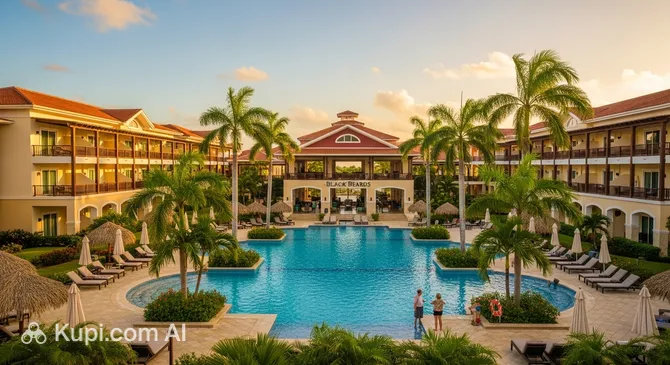
For a comfortable stay, you might consider Black Beards Resort. Establishments like this cater to visitors looking for amenities and relaxation close to the action. Whether you choose a full-service hotel or a smaller guesthouse, the hospitality in Puerto Plata is warm and welcoming.

Black Beards Resort. Source: Kupi.Binoculars

Prices vary significantly depending on the season and the level of luxury. Budget accommodations can be found for reasonable rates, while high-end resorts command premium prices, particularly during the peak travel months from December to April. It is highly recommended to book in advance during this period to secure the best rates and availability. Most properties can be booked via major online travel platforms, though some smaller guesthouses may offer better deals through direct contact.

Nearby Cities

For those looking to explore the surroundings, Puerto Plata serves as an excellent base for day trips to several interesting nearby locations. The region offers a mix of bustling urban centers, quiet towns, and stunning coastal retreats just a short drive away.

One of the most popular nearby destinations is Sosua, located just 18 km to the east. This vibrant beach town is renowned for its beautiful crescent-shaped bay, crystal-clear waters, and excellent snorkeling and diving opportunities. It has a lively atmosphere with numerous restaurants and bars, making it perfect for a day of sun and relaxation. Further inland, travelers can visit Santiago, the second-largest city in the Dominican Republic. It serves as the cultural and industrial heart of the Cibao valley, famous for its historic Monument to the Heroes of the Restoration and its world-class cigar factories.

Another interesting stop is Tamboril, often referred to as the "World Capital of Cigars." Nestled near the mountains, this town provides a unique insight into the country's tobacco heritage and offers a more authentic, local experience away from the main tourist trail.

City Population Distance (km)
Santiago 1,343,423 34
Gurabo al Medio 126,668 32
Esperanza 70,588 38
Tamboril 51,695 34
Sosua 49,593 18

These nearby destinations offer a glimpse into the diverse culture and landscapes of the region, allowing visitors to experience more than just the immediate coast of Puerto Plata.

Shopping & Souvenirs

Shopping:

Shopping in Puerto Plata is a vibrant experience that allows visitors to take a piece of the Caribbean home with them. The city is not defined by massive shopping malls but rather by charming boutiques, local markets, and specialized factories that showcase the best of Dominican craftsmanship. Whether you are looking for precious gemstones, handcrafted cigars, or locally produced rum, the "Silver Port" offers a variety of authentic treasures.

As the region is famously known as the "Amber Coast," semi-precious stones are the top purchase for many travelers. Amber, the fossilized resin that has existed for millions of years, is mined in the surrounding hills and fashioned into stunning jewelry. The rare blue amber is unique to this part of the world. Another local gem is Larimar, a beautiful blue stone found only in the Dominican Republic. For high-quality pieces and a guarantee of authenticity, the shop at the Dominican Amber Museum is an excellent place to start your search.

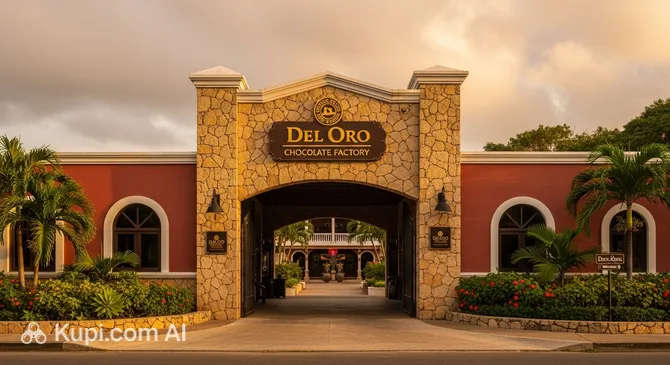
For a distinctive edible souvenir, consider a stop at the Del Oro Chocolate Factory. As the Dominican Republic is a premier exporter of organic cocoa, this location offers the chance to buy premium artisanal chocolates directly from the producers. These high-quality treats make excellent gifts for family and friends, ensuring you bring back a genuine taste of the island.

Del Oro Chocolate Factory. Source: Kupi.Binoculars

No trip to the Caribbean is complete without tasting the local spirits. The Macorix House of Rum offers a wide selection of premium rums, including flavored varieties like pineapple and coconut that capture the tropical essence of the island. Cigars are another popular buy; while there are many shops, ensure you buy from reputable vendors to get genuine hand-rolled Dominican tobacco.

For a mix of shopping and sightseeing, head to Umbrella Street (Calle San Felipe). This pedestrian-friendly zone is lined with colorful boutiques, coffee shops, and souvenir stores selling everything from Haitian art to beachwear. The lively atmosphere makes it a pleasant place to browse at a leisurely pace.

Umbrella Street. Source: Kupi.Binoculars

When shopping in Puerto Plata, it is helpful to know the local customs regarding payment. While large stores and supermarkets have fixed prices, haggling is expected and accepted in local craft markets and with street vendors. Always carry some Dominican Pesos for small purchases, although US dollars are widely accepted in tourist areas. Approach bargaining with a smile and a friendly attitude to get the best deal.

Reached the end of the page?

That means the route is fully explored