Support

Grand Turk

About

Welcome to Grand Turk, the historical heartbeat and the administrative capital of the Turks and Caicos Islands. Unlike the bustling resort atmosphere found elsewhere in the archipelago, this island offers a distinct "rustic charm" characterized by a slower, more relaxed pace of life. It is a place where colonial history blends seamlessly with breathtaking natural beauty, making it a fascinating destination for travelers seeking both culture and relaxation.

Geographically, Grand Turk is a small, slender island measuring approximately 18 square kilometers. Despite its modest size, it serves as a significant hub for the nation. With a population of around 5,800 residents, the island maintains a close-knit community feel. The climate is typically tropical and sunny, inviting visitors to enjoy the outdoors year-round. The island is also home to Cockburn Town, the seat of government, where visitors can stroll through streets lined with 18th and 19th-century Bermudian-style architecture.
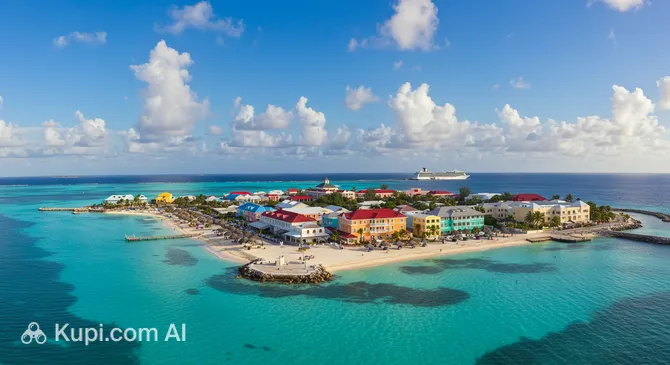
Grand Turk. Source: Kupi.Binoculars

For those interested in the past, the history of Grand Turk is rich and captivating. A visit to the Turks and Caicos National Museum is essential to understand the island's legacy, including its connection to the salt industry and the space race—Grand Turk was the splashdown point for astronaut John Glenn's Friendship 7 capsule in 1962.

Nature enthusiasts and adventure seekers will find plenty to admire here. Grand Turk is world-renowned for its exceptional diving and snorkeling, particularly along "The Wall," a dramatic coral reef drop-off that plunges thousands of feet into the deep blue ocean. Above water, Governor’s Beach offers pristine white sands and crystal-clear waters, perfect for a tranquil afternoon. You might even encounter the island's famous wild donkeys roaming freely, adding a unique touch to the local scenery.

Whether you are arriving by cruise ship or looking for a quiet island escape, Grand Turk promises an unforgettable experience. Its blend of friendly locals, historical intrigue, and stunning marine environments makes it a must-visit jewel in the Caribbean.
Weather Overview

Grand Turk enjoys a warm and inviting tropical climate, making it an appealing destination for travelers at any time of the year. The island is known for its consistent warmth, with very little variation in temperature between the seasons. For a comprehensive look at what to expect during your specific travel dates, you can consult the guide to weather in Grand Turk.

Visitors can look forward to steady average temperatures that rarely dip below comfortable levels. The coolest period is typically around March, with average temperatures of 24.5°C, while the heat peaks in August and September at approximately 27.8°C. This stability ensures that whether you visit in January or July, the weather remains conducive to outdoor exploration and beach relaxation.

Precipitation patterns on the island vary more by frequency than by volume. While the recorded rainfall amounts are generally low, the number of rainy days changes significantly throughout the year. The autumn months tend to see more frequent showers, with November experiencing up to 19 wet days. In contrast, spring and early summer offer drier conditions, with April and June seeing as few as 5 to 6 wet days, perfect for uninterrupted sunbathing.

Interesting Facts

Beyond the main attractions, Grand Turk holds many fascinating secrets that reveal its deep historical roots and unique geographical features. From disputed historical landings to engineering marvels transported across the ocean, the island offers intriguing stories for the curious traveler.
  • Grand Turk is at the center of a centuries-old historical debate regarding Christopher Columbus's first landfall in the Americas. While history books often point to San Salvador, many experts believe the description of the island Columbus called "Guanahani" in 1492 actually matches the geography of Grand Turk far more accurately.

  • The island is home to the only lighthouse in the entire country, but its origins are far from local. The Grand Turk Lighthouse was actually pre-fabricated in the United Kingdom in 1852 and shipped in pieces to be assembled on the island, where it still stands today as a historic sentinel.

  • The island's interior is marked by "salinas," or salt ponds, which are remnants of a booming salt industry that once supplied the American colonies. Today, these ponds often turn a vibrant shade of pink due to the concentration of brine and algae, creating a stunning natural backdrop that occasionally attracts flamingos.

  • While the surface waters at popular spots like Bajari Beach are calm and shallow, a dramatic geological feature lies just offshore. The island sits on the edge of the Columbus Passage, where the sea floor suddenly plummets 7,000 feet into the abyss at a spot known simply as "The Wall."

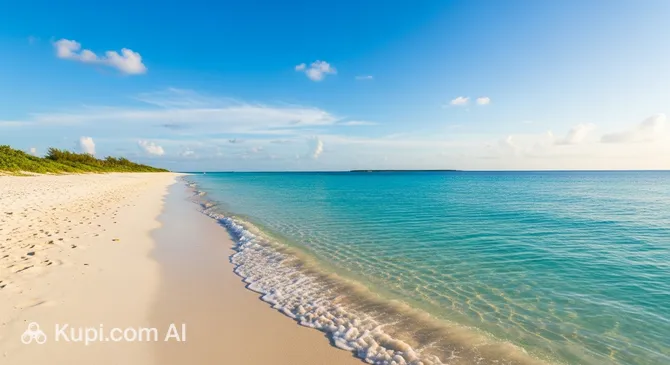
Bajari Beach. Source: Kupi.Binoculars

How to Get There

Reaching this stunning island destination is relatively straightforward, with air travel being the most common method for overnight guests, while many day visitors arrive by sea. For a comprehensive guide on planning your journey, you can read more about how to get to Grand Turk.

The island is served by its own facility, Grand Turk Airport (IATA: GDT), also known as JAGS McCartney International Airport. Located just 2.6 km from the heart of the city, it is the most convenient arrival point. Although it has a lower passenger volume compared to the country's main hub, it is essential for local connectivity. Once you land, the transfer to the city center or nearby hotels is quick and easy, typically taking about 5 to 10 minutes by taxi.

Most international travelers will first fly into Providenciales International Airport (IATA: PLS). This major airport is located in the city of Providenciales, approximately 121 km away from Grand Turk. As the primary gateway for the Turks and Caicos Islands, it handles a large number of passengers annually. Since it is situated on a different island, direct ground transport is not possible; travelers usually take a short connecting domestic flight from Providenciales to reach Grand Turk.

Grand Turk is also a world-renowned cruise port. A significant number of visitors arrive via the Grand Turk Cruise Center, which accommodates large cruise liners and offers immediate access to beaches and shopping, distinct from the air travel route.

For clarity, here is a summary of the main airports:

Airport Name City Passenger Traffic Km from City
Providenciales International Airport Providenciales High 121.5
La Union Airport Puerto Plata Medium 198.3
Cap Haitien Airport Cap-Haïtien Medium 221.3
Grand Turk Airport Grand Turk Small 2.6
South Caicos Airport South Caicos Small 40.7

Main Attractions

Grand Turk packs a surprising variety of sights into its modest footprint, ranging from pristine coastal spots to significant historical landmarks. Visitors can easily explore the island's highlights in a single day, experiencing a mix of colonial heritage, marine wonders, and relaxing beach life.

One of the top destinations for sun-seekers is Bajari Beach. This spot is celebrated for its quintessential Caribbean atmosphere, combining soft white sands with vibrant local culture. It is an excellent location for snorkeling, as the waters are clear and teeming with marine life, but it also appeals to those who simply want to enjoy island music and local cuisine by the shore.

For a deep dive into the island's past, the Turks and Caicos National Museum in Cockburn Town is a must-visit. Housed in the historic Guinep House, which dates back to the early 19th century, the museum features a fascinating collection of artifacts. Its centerpiece is the Molasses Reef Wreck, the oldest known European shipwreck in the Western Hemisphere, offering a unique glimpse into the age of exploration.

Another iconic landmark is the Grand Turk Lighthouse, situated on the northern tip of the island. Constructed in 1852, this cast-iron structure was originally built in the United Kingdom before being shipped to the Caribbean. Visitors can walk the grounds to enjoy panoramic views of the Atlantic Ocean, and during the winter months, it serves as an excellent vantage point for spotting migrating humpback whales.

Governor’s Beach is widely regarded as one of the most beautiful stretches of coastline on the island. Located near the cruise center yet often peaceful, it features crystal-clear, shallow waters and a distinct grove of casuarina trees that provide natural shade. It is the perfect place for swimming or a quiet picnic, offering a more secluded experience compared to the busier tourist hubs.

Finally, the Grand Turk Cruise Center serves as a modern playground for visitors, particularly those arriving by sea. While it is a commercial hub, it boasts a massive swimming pool, extensive shopping areas, and a dedicated exhibit commemorating NASA’s Mercury space program and John Glenn’s historic splashdown near the island in 1962.

Local Cuisine

The culinary landscape of Grand Turk is deeply rooted in its geography, offering a delightful taste of authentic Caribbean flavors with a heavy emphasis on fresh seafood. The island’s cuisine is unpretentious yet delicious, characterized by simple preparation methods that highlight the natural quality of the ingredients. Dining here is rarely a formal affair; instead, it reflects the relaxed, salty-air atmosphere of the island, where food is best enjoyed with a view of the turquoise sea.

The undisputed star of the local menu is the conch (pronounced "konk"), a large marine mollusk that is not only a national symbol but a dietary staple. You will find it prepared in countless ways, but a few dishes are essential for any visitor. Conch fritters—battered balls of conch meat mixed with herbs and peppers, then deep-fried—are the ultimate appetizer. For a lighter option, conch salad offers a refreshing "ceviche-style" experience, where the raw meat is "cooked" in citrus juices and tossed with peppers, onions, and tomatoes. Another favorite is cracked conch, where the meat is tenderized, breaded, and fried to golden perfection.

Beyond conch, the waters around the island provide an abundance of fish, including grouper, snapper, and mahi-mahi. These are often served grilled or blackened, accompanied by the quintessential side dish of the region: peas and rice. This savory mixture of pigeon peas, rice, and spices, sometimes cooked with coconut milk, complements the seafood perfectly. If you visit during the lobster season (typically August to March), do not miss the chance to try the local spiny lobster, usually grilled with garlic butter.

To wash down these savory meals, locals and tourists alike turn to refreshing tropical beverages. Rum punch is the signature cocktail of the islands, with each establishment boasting its own "secret" recipe that blends varying rums with fruit juices and a hint of nutmeg. Beer lovers should look for Turks Head, the local brewery's flagship label, which produces lagers and amber ales that pair wonderfully with a hot day on the beach.

The dining culture in Grand Turk centers on casual, open-air environments. You can find charming local eateries in the historic streets of Cockburn Town or rustic shacks right on the sand. Popular spots like Bajari Beach combine dining with entertainment, allowing visitors to enjoy grilled specialties and cool drinks while soaking up the vibrant beach club atmosphere. Whether you are grabbing a quick bite from a street vendor or sitting down for a sunset dinner, the food here is sure to be a highlight of your trip.

Travel Tips

Planning a trip to Grand Turk means preparing for a laid-back island experience where the pace is slow and the sun is strong. To help you make the most of your visit to this historic capital, here are some practical tips to ensure a smooth and enjoyable journey.

  1. Clothing and Gear: Light, breathable cotton or linen clothing is best for the tropical heat. Since the sun can be intense, bring a wide-brimmed hat, sunglasses, and reef-safe sunscreen to protect the marine life. While beachwear is perfect for the coast, remember to cover up with a sarong, shorts, or a shirt when walking through Cockburn Town or entering shops; walking around town in just swimwear is considered disrespectful.
  2. Transportation: There is no public bus system on the island. Taxis are readily available, especially near the Cruise Center and airport, but be aware that fares are often charged per person rather than per vehicle. For true freedom to explore the 18-square-kilometer island, renting a golf cart is the most popular option. If you do drive, remember that traffic moves on the left side of the road.
  3. Finances: The official currency is the United States Dollar (USD), making it convenient for many travelers. Major credit cards are accepted at hotels, larger restaurants, and the Cruise Center, but many local shops, smaller eateries, and taxi drivers only accept cash. It is wise to carry small bills. Tipping is customary, with 15-20% being the standard for good service in restaurants.
  4. Health and Safety: Grand Turk is generally very safe, but standard travel precautions apply; do not leave valuables unattended on the beach. There is a small hospital in Cockburn Town for emergencies. Pharmacies are available but may have limited operating hours, especially on weekends. It is recommended to drink bottled water rather than tap water, as local supply is often collected in cisterns.
  5. Communication: English is the official language, so you will have no trouble communicating with locals. Wi-Fi is widely available in hotels, restaurants, and the Cruise Center. If you need constant connectivity, you can purchase a local SIM card from providers in town, but for short visits, relying on free Wi-Fi spots is usually sufficient.
  6. Local Etiquette: Islanders are warm and polite, and proper greetings are very important. Always say "Good morning" or "Good afternoon" to a driver, shopkeeper, or passerby before asking a question or starting a transaction. Also, be prepared for "island time"—service may be slower than you are used to, so relax and be patient rather than rushing.
  7. What to Avoid: Strictly avoid touching, standing on, or taking coral and shells from the ocean. The marine ecosystem is fragile and protected by law; damaging it or trying to take "souvenirs" from the reef can result in heavy fines.
  8. Timing Your Visits: The island's atmosphere changes drastically depending on whether cruise ships are in port. If you are staying on the island overnight, try to visit popular attractions like the lighthouse or Governor's Beach in the early morning or late afternoon. This allows you to enjoy these spots peacefully before or after the cruise passengers have departed.

By keeping these practicalities in mind, you will be well-equipped to navigate the charming streets and stunning beaches of Grand Turk with ease. Relax, respect the local rhythm, and enjoy the unique hospitality of this beautiful Caribbean gem.

Entertainment & Nightlife

Travelers seeking the pulsating energy of large nightclubs or all-night parties might find Grand Turk surprisingly quiet, but that is exactly its appeal. The island’s nightlife is defined not by neon lights and velvet ropes, but by starlit skies, the sound of waves, and a laid-back, community-focused atmosphere. "Nightlife" here typically translates to "evening life," centered around sunset drinks, open-air beach bars, and leisurely dinners that occasionally transition into dancing if the mood is right.

The main hub for evening entertainment is Cockburn Town, particularly along Duke Street and Front Street. Here, historical colonial buildings house charming bars and restaurants that overlook the ocean. The vibe is universally casual and welcoming; you can leave your high heels and dress shoes at home. Flip-flops and smart-casual resort wear are the standard attire, even for the nicest dinners. Most venues operate on "island time," meaning service is relaxed, and closing times can be flexible depending on the crowd, though many places wind down by 10:00 PM or 11:00 PM.

For a taste of the island's festive spirit, Bajari Beach is a popular destination. While it is often busiest during the day when cruise ships are in port, it captures the quintessential Caribbean party vibe with island music, tropical cocktails, and a lively crowd. It is an excellent spot to enjoy a "sundowner" and mingle with fellow travelers before the evening settles into a calmer rhythm.

Another local favorite is Jack’s Shack, located just a short walk down the beach from the cruise center. Known for its friendly owners and famous jerk chicken, it offers a quintessential toes-in-the-sand experience. For a more traditional evening out, the Birdcage Bar at the Osprey Beach Hotel is a staple of Grand Turk social life. It is particularly famous for its twice-weekly BBQ nights (usually Wednesdays and Sundays) which often feature live local bands playing "ripsaw" music—a unique Turks and Caicos genre where a handsaw is scraped with a knife to create a rhythmic sound.

Regarding practicalities, it is important to plan your transportation in advance if you intend to stay out late. Taxis are not constantly cruising the streets at night, so it is wise to arrange a pickup time with a driver or ask the venue to call one for you. The island is generally very safe for walking, but street lighting can be sparse in some areas, so sticking to the main roads in Cockburn Town or taking a cab is recommended for peace of mind.

While the nights are tranquil, daytime entertainment in Grand Turk offers its own variety. Beyond the beaches, visitors can explore the island's history at the Turks and Caicos National Museum or take a tram tour through the historic salt pans. For those seeking active fun without the nightlife intensity, the island's daytime focus on diving, snorkeling, and exploring colonial architecture provides a fulfilling itinerary before the sun goes down.

Parks & Museums

Grand Turk blends its natural splendor with a deep respect for heritage, offering visitors a unique mix of protected marine environments and curated historical collections. While the island does not feature vast manicured botanical gardens, its designated national parks and well-preserved museums provide a fascinating window into both its ecological diversity and its storied past.

The island's most significant natural asset is the Columbus Landfall National Park. This protected area encompasses nearly the entire west coast of Grand Turk, including the celebrated Governor’s Beach and Cockburn Town Beach. It is not a traditional park with gates and paths, but rather a marine and coastal preserve that protects the pristine white sands and the coral reefs just offshore. It is the heart of the island's recreational life, offering world-class snorkeling and diving opportunities at the famous "Wall," where the ocean floor drops dramatically. Visitors come here to experience the raw beauty of the Caribbean environment in its most natural state.

For a lively combination of natural beauty and local culture, Bajari Beach is a standout destination. Located on the leeward side of the island, this stretch of coastline offers more than just sun and sand; it is a hub where the island's social life meets the sea. The area is maintained to provide a comfortable experience for visitors, with clear, shallow waters that are perfect for swimming. It serves as an excellent example of how Grand Turk utilizes its coastal geography to create accessible, open-air recreational spaces for relaxation and entertainment.

In the center of the island lies a different kind of natural landmark: the Great Salina. While not a park in the conventional sense, this large salt pond is a crucial part of the island's landscape and history. Restored to reflect the island's salt-raking past, it now serves as a tranquil haven for birdwatchers. The shallow, briny waters frequently attract flocks of pink flamingos and other wading birds, turning a simple walk through the town center into an unexpected wildlife viewing experience.

Culturally, the Turks and Caicos National Museum is the crown jewel of the island. Housed in the historic Guinep House—one of the oldest native stone buildings in Grand Turk—this facility is widely regarded as one of the best small museums in the Caribbean. Its exhibits are surprisingly diverse, covering everything from the indigenous Lucayan people to the island's role in the 1962 Mercury space mission. The highlight for many is the Molasses Reef Wreck exhibit, which displays artifacts from the oldest known European shipwreck in the Western Hemisphere, providing a tangible link to the Age of Exploration.

Another fascinating site is Her Majesty’s Prison, a historic compound that has been converted into a museum. Built in the 1830s and operational until the 1990s, this site offers a sobering but educational glimpse into the island's colonial judicial system. Visitors can tour the cell blocks, the exercise yard, and the warden's office, learning about the daily lives of inmates and the history of law and order in the territory. It stands as a well-preserved architectural example of the Victorian era.

Beyond museums, the island is dotted with significant historical structures. The Grand Turk Lighthouse on the northern tip is a major architectural landmark. Although visitors cannot climb to the top, the grounds offer a park-like setting with sweeping views of the Atlantic, making it a popular spot for picnics and whale watching in season. Additionally, a walk down Front Street in Cockburn Town reveals a living gallery of 18th and 19th-century Bermudian-style architecture, characterized by wooden verandas and stone walls.

For a truly authentic experience, take a quiet morning walk along the edges of the town salinas (salt ponds). While most tourists flock to the beaches, the interior ponds offer a peaceful atmosphere where you can often see wild donkeys grazing and flamingos feeding in the pink-hued water, offering a perfect photo opportunity away from the crowds.

Getting Around

Navigating Grand Turk is refreshingly simple, reflecting the island's small size and relaxed atmosphere. Unlike major metropolitan areas, there is no complex public transportation network here. You will not find subways, trams, trains, or a scheduled public bus system. Instead, the island relies on a mix of taxis, rental vehicles, and walking, making it easy for visitors to get around without the need for travel passes or complicated route maps.

The primary form of "public" transport is the taxi service. Taxis on the island are often large vans or shuttle buses, particularly those operating near the Cruise Center and the airport. These are not hailed via apps; instead, you will find them waiting at designated stands at major arrival points and hotels. For travel between the Cruise Center and Cockburn Town or Governor's Beach, these taxis often operate somewhat like a shared shuttle service, waiting to fill up with passengers before departing.

Regarding payment, cash is the absolute standard for transport. There are no electronic travel cards, ticket machines, or validation systems. The official currency is the US Dollar. It is crucial to know that taxi fares are typically charged per person, not per vehicle. Rates for standard routes—such as from the cruise port to the town center—are generally fixed and regulated, but it is always best to confirm the total price with the driver before you step inside the vehicle to avoid any misunderstandings.

For tourists seeking independence, renting a vehicle is the most popular alternative to taxis. While standard cars and jeeps are available, golf carts are the transport of choice for many visitors. They are perfectly suited to the island's flat terrain and slow speed limits, allowing you to enjoy the open air as you explore. Scooter and bicycle rentals are also widely available and offer an eco-friendly way to see the sights at your own pace.

If you choose to rent any vehicle, keep in mind a critical rule of the road: traffic moves on the left side. Most rental agencies will provide a brief orientation. Since the island is only about 11 kilometers long, it is nearly impossible to get lost. Whether you catch a taxi shuttle or cruise around in a golf cart, getting from the historic sites of the north to the beaches of the south is quick, easy, and scenic.

Accommodation

Where to Stay:

Accommodation in Grand Turk reflects the island's laid-back, historic character. Unlike the sprawling all-inclusive resorts and high-rise luxury chains found on the neighboring island of Providenciales, Grand Turk offers a more intimate and authentic lodging experience. The options here primarily consist of charming boutique hotels, colonial-style inns, and private vacation rentals. Most properties are small, family-run establishments that prioritize personal service and a quiet atmosphere over large-scale amenities.

The majority of accommodations are concentrated along the island's west coast, particularly in and around Cockburn Town. Staying in this area places visitors within easy walking distance of historical sites, the Bajari Beach area, and various dive shops, making it an ideal location for those who want to be close to the ocean and the town's modest dining scene. The shoreline here is dotted with properties that offer direct beach access, allowing guests to step straight from their rooms onto the sand.

For travelers preferring more privacy or self-catering options, the vacation rental market is vibrant. You can find beachfront villas and cozy apartments that offer a "home away from home" experience. These are particularly popular among divers and visitors planning longer stays who appreciate having their own kitchen facilities. While there are no massive resort complexes, the existing hotels often feature colonial architecture with breezy verandas, blending seamlessly with the island's heritage.

Booking Tip: Due to the small size of the island and the limited number of rooms available, inventory can fill up quickly, especially during the peak winter season and major diving events. It is highly recommended to book your accommodation several months in advance to secure your preferred spot.

Price Range and Booking: Prices in Grand Turk are generally considered mid-range to high, although they are often more affordable than the ultra-luxury rates seen in Providenciales. Budget options are scarce, so travelers should plan accordingly. While most properties are listed on major online booking platforms, many of the smaller inns also welcome direct inquiries, which can sometimes lead to better personalized service or specific room requests.

Nearby Cities

For those looking to explore the surroundings, Grand Turk serves as an excellent base for day trips to several interesting nearby locations:

City Population Distance (km)
Providenciales 44386 122
North Caicos 1600 97
South Caicos 1100 40
Middle Caicos 200 72
Salt Cay 108 16

Among these options, Salt Cay is the most accessible and charming destination for a quick getaway. Located just 16 km south of Grand Turk, this tiny island is often described as a "time capsule." With a population of just over 100 people, it offers a serene atmosphere free from modern traffic. Visitors flock here to explore the historic salt salinas, wander through the ruins of the salt industry, and, during the winter months, enjoy some of the best humpback whale watching in the region.

Another fascinating nearby option is South Caicos, known locally as the "Big South." Situated approximately 40 km away, it is the fishing capital of the country. The island boasts the historic Cockburn Harbour and offers a glimpse into the authentic maritime culture of the archipelago. Its rugged landscape and untouched beaches make it ideal for travelers seeking natural beauty and fresh seafood without the crowds.

While further afield, Providenciales is the main tourist hub of the Turks and Caicos Islands. Although it requires a short flight rather than a boat ride, it offers a striking contrast to the quiet rustic charm of Grand Turk. Here, visitors can experience the world-famous Grace Bay Beach, luxury resorts, and extensive shopping opportunities, making it a worthwhile visit for those wanting to see the more developed side of the country.

These nearby destinations offer a glimpse into the diverse culture and landscapes of the region.

Shopping & Souvenirs

Shopping in Grand Turk is a relaxed affair that perfectly mirrors the island's laid-back atmosphere. While you will not find sprawling metropolises filled with high-end fashion boutiques, the island offers a delightful selection of duty-free luxury goods, local handicrafts, and unique island mementos. The experience is largely split between the modern, polished environment of the cruise port and the rustic, historic charm of the main town.

The most authentic shopping experience can be found in Cockburn Town, particularly along Front Street and Duke Street. These historic roads, lined with colonial-era buildings, host a variety of small gift shops, art galleries, and boutiques. Here, you can browse for locally made items away from the largest crowds. A stroll down these streets offers not just retail therapy but a sightseeing tour of the island's architectural heritage.

Grand Turk does not have traditional enclosed shopping malls. Instead, the Grand Turk Cruise Center serves as the island's primary commercial complex. This massive open-air facility spans approximately 45,000 square feet and features a wide array of high-end retailers. Visitors can find major international brands selling jewelry, watches, and designer apparel, alongside large souvenir stores, all located within a short walk of the cruise ship pier.

For a more traditional vibe, look for the local craft markets and vendor stalls that often spring up when cruise ships are in port. These are frequently located just outside the Cruise Center gates or near popular attractions. Local artisans display their wares on tables under the shade of trees, offering everything from handmade jewelry to woven baskets. You can also find vendors near popular relaxation spots like Bajari Beach, allowing you to pick up a trinket between swims.

When it comes to keepsakes, sea salt is the ultimate Grand Turk souvenir, paying homage to the island's history as a major salt producer. You can buy gourmet salts in various flavors. Conch shells and conch jewelry are also iconic, but be sure to purchase them from a reputable shop that provides the necessary receipt or export permit sticker to clear customs. Other popular items include locally blended rum, rum cakes, and artwork depicting the island's vibrant landscapes.

Store hours in Grand Turk are heavily influenced by the cruise ship schedule. Most shops at the Cruise Center and in Cockburn Town open around 8:00 AM or 9:00 AM and close when the ships depart, typically between 5:00 PM and 6:00 PM. On days without cruise ships, shops in town may have shorter hours or close earlier. The US Dollar (USD) is the official currency and is accepted everywhere. Major credit cards are widely used in the Cruise Center and larger boutiques, but it is advisable to carry cash for smaller local vendors and taxi drivers.

Grand Turk is a haven for duty-free shopping, particularly within the Cruise Center. Tourists can purchase liquor, tobacco, jewelry, and perfumes at tax-free prices, which can offer significant savings compared to mainland prices. Be sure to check the customs allowances for your home country before making large purchases to ensure a smooth return trip.

Reached the end of the page?

That means the route is fully explored