Support

Mayaguana

About

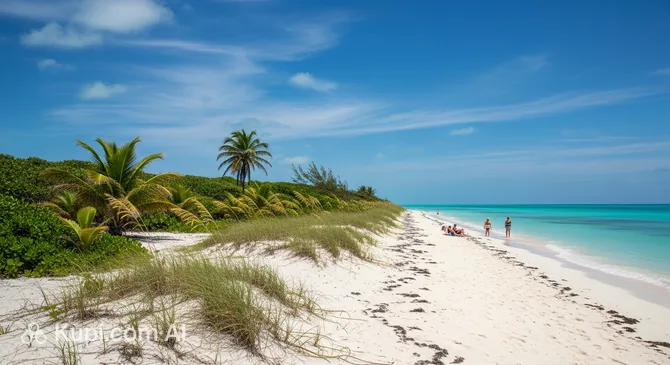
Welcome to Mayaguana, a secluded paradise that offers a truly authentic and untouched island experience. As the most easterly island in the Bahamas, it remains one of the least developed and most peaceful destinations in the archipelago. This isolation has preserved its pristine natural beauty, making it a perfect retreat for travelers seeking solitude, untouched beaches, and a slower pace of life far removed from the bustle of mass tourism.

Mayaguana. Source: Kupi.Binoculars

Geographically, Mayaguana is located approximately 560 kilometers southeast of Nassau and stands as the only island in its district. Despite its relatively large size, it is sparsely populated, with a close-knit community of around 277 residents primarily living in the settlements of Abraham’s Bay, Pirate’s Well, and Betsy Bay. The island features a diverse landscape of hardwood forests and stunning coastal stretches, enjoying a warm tropical climate that invites exploration year-round.

The history of Mayaguana is deeply rooted in the Lucayan era, and the island later served as a haven for pirates due to its strategic location. Today, visitors are drawn to its unique natural attractions rather than historical monuments. Booby Cay is a must-visit spot, famous for its population of Bartsch’s rock iguanas and native birds. The island is also a premier destination for bonefishing and diving, with vibrant coral reefs and underwater caves waiting to be discovered.

If you are looking to disconnect from the world and immerse yourself in nature, Mayaguana is the ideal destination. Its friendly locals, empty beaches, and crystal-clear waters create an inviting atmosphere that feels like a private escape. We invite you to discover the raw beauty and tranquility of this hidden Bahamian gem.

Weather Overview

Mayaguana enjoys a consistent tropical climate, making it a pleasant destination at almost any time of the year. The temperatures remain warm and inviting, with very little fluctuation between the seasons, ensuring a comfortable atmosphere for beachgoers and explorers alike. For a more detailed breakdown of conditions for your specific travel dates, you can check the weather in Mayaguana.

During the warmer months from June to September, average temperatures hover around 28°C, with daily highs occasionally reaching up to 29°C. Even in the "cooler" months like January and February, the climate remains mild and agreeable, with average temperatures settling around 24°C to 25°C. This stability makes the island an excellent choice for outdoor activities regardless of when you visit.

Rainfall patterns vary throughout the year, though the island generally stays quite dry compared to other tropical destinations. The driest period typically occurs in spring, particularly March and April, which see the fewest rainy days. In contrast, the autumn months—especially October and November—tend to be wetter, with precipitation occurring more frequently. Expect warm, sunny days year-round, with occasional showers being more common later in the year.

Interesting Facts

Beyond the pristine beaches and quiet villages, Mayaguana holds several intriguing details that define its unique character. Here are a few surprising facts about this remote island that often go unnoticed by the casual observer.

  • Mayaguana is widely cited as the only major island in the archipelago to retain its original Lucayan (Arawak) name. While European explorers renamed most other islands in the region, this ancient title has survived for centuries, preserving a direct linguistic link to the indigenous people who first inhabited the area.

  • The island has an unexpected connection to the space race and military history. In the mid-20th century, the United States Air Force established a missile tracking station here, and the exceptionally long runway at Abraham’s Bay was originally built to accommodate large military aircraft and support space-related operations.

  • Modern banking conveniences are virtually non-existent here. Due to its isolation and small community, the island is known for having no commercial banks or ATMs, meaning visitors must bring enough cash to cover their entire stay, adding to the feeling of being truly off the grid.

  • The island relies heavily on the "mail boat" tradition. The weekly arrival of the government mail boat is not just a logistical necessity for delivering food, supplies, and mail, but a significant social event that connects the residents of this easterly outpost with the rest of the nation.

How to Get There

Reaching this secluded Bahamian gem requires a bit of planning, as its remote location is part of its charm. While the island is off the beaten path, understanding the regional transport connections can help you organize your journey effectively. For a detailed breakdown of all available options, you can read more about how to get to Mayaguana.

The primary point of arrival for visitors is Mayaguana Airport (MYG), located near the settlement of Abraham’s Bay. This airport serves as the island's main lifeline, typically receiving regularly scheduled domestic flights from Nassau. Travelers usually fly into Nassau’s Lynden Pindling International Airport first and then transfer to a connecting flight to reach Mayaguana directly.

For those navigating the wider region, there are several international and regional airports on neighboring islands that serve as transit hubs. The closest major international facility is Providenciales International Airport (PLS), located in the Turks and Caicos Islands, approximately 107.8 km from Mayaguana. Another Bahamian option is San Salvador Airport (ZSA), situated about 237 km away. It is important to note that these airports are on separate islands; therefore, travelers arriving at these hubs must arrange connecting charter flights or other inter-island transport to reach Mayaguana.

For clarity, here is a summary of the regional airports in the vicinity:

Airport Name City Passenger Traffic Km from Mayaguana
Providenciales International AirportProvidencialesLarge107.8
Grand Turk AirportGrand TurkMedium225.1
San Salvador AirportCockburn TownSmall237.0
South Caicos AirportSouth CaicosSmall186.5

Mayaguana does not have a railway station, and there are no train services available on the island. Aside from air travel, the only other way to reach the island is by sea, either via private vessel or the weekly government mail boat service from Nassau, which offers a slower, more scenic route. Once on the island, transportation is limited; renting a car or arranging a ride with a local is the best way to get around.

Main Attractions

One of the most significant natural landmarks in the area is Booby Cay, located just off the eastern coast of the island. This small, uninhabited cay is famous for being the home of the endemic Bartsch’s rock iguana, a species found nowhere else on Earth. For wildlife enthusiasts and nature photographers, a boat trip to this sanctuary offers a rare opportunity to observe these prehistoric-looking creatures in their undisturbed natural habitat, alongside nesting seabirds.

For those seeking a pristine coastal experience, Horse Pond Beach on the north coast is a standout destination. Known for its gentle, turquoise waters and long stretches of soft sand, it is an ideal spot for swimming and shelling. Unlike the busy beaches found on more developed islands, visitors here can often enjoy the entire landscape to themselves, making it perfect for a secluded picnic or a peaceful afternoon of sunbathing.

The settlement of Pirate’s Well offers a fascinating glimpse into the island’s history and local culture. As the name implies, local lore suggests that pirates once stopped here to replenish their fresh water supplies from the natural wells. Today, it is a charming village where visitors can explore the historic sites, interact with the welcoming community, and enjoy the slow, rhythmic pace of life that defines Mayaguana.

Abraham’s Bay is not only the island's main settlement but also the gateway to some of its best underwater adventures. The bay is protected by a substantial barrier reef, creating calm, shallow waters that are teeming with marine life. It is a fantastic location for snorkeling and fishing, allowing tourists to easily explore vibrant coral formations and spot colorful fish just a short distance from the shore.

Nature lovers should also explore Curtis Creek, a rich wetland area that plays a vital role in the local ecosystem. This spot is particularly interesting for birdwatchers, as the mangroves attract a variety of native and migratory bird species. The serene environment provides a stark, beautiful contrast to the beaches, showcasing the diverse ecological landscape that this remote island has to offer.

Local Cuisine

The culinary experience in Mayaguana is defined by its simplicity, freshness, and deep connection to the ocean. As a remote "Out Island," the local diet relies heavily on what can be caught offshore or grown locally, offering visitors a taste of authentic, unpretentious Bahamian cuisine. There are no fast-food chains or fine-dining establishments here; instead, you will find hearty, home-cooked meals prepared with love and seasoned with island spices.

Seafood is the undisputed star of the menu. Conch (pronounced "konk") is a staple ingredient prepared in various ways, with conch salad being a must-try dish. This refreshing meal consists of raw conch diced with tomatoes, onions, and green peppers, "cooked" in fresh lime and sour orange juice. Another local favorite is cracked conch, where the meat is tenderized, battered, and deep-fried to golden perfection. Freshly caught fish, such as snapper or grouper, is often served steamed, fried, or stewed, typically accompanied by the classic Bahamian side dish of peas 'n rice.

Bread is also a significant part of the daily diet, with Johnnycake being the most famous variety. This dense, slightly sweet bread falls somewhere between a biscuit and a cake and is the perfect accompaniment to stewed fish or souse (a clear meat soup). Because imported supplies arrive via the weekly mail boat, the availability of certain ingredients can fluctuate, making the cuisine highly seasonal and reliant on the "catch of the day."

When it comes to beverages, visitors should try Sky Juice, also known as Gully Wash. This potent local cocktail blends gin with fresh coconut water and sweet condensed milk, often finished with a grating of nutmeg. It is a creamy, sweet, and deceptive drink that pairs perfectly with spicy island food. For a lighter option, local lagers like Kalik or Sands are widely available and offer a crisp refreshment against the tropical heat.

The dining scene in Mayaguana is intimate and informal. Most meals are served at small, family-run eateries or within the island's few guesthouses and small resorts. In settlements like Abraham’s Bay, you might find locals selling food from their homes or small stands, especially on weekends. Eating here is not just about sustenance; it is a social activity where tourists can mingle with residents and enjoy the warm hospitality that defines this tight-knit community.

Travel Tips

Traveling to Mayaguana offers a rare glimpse into the unspoiled, authentic side of the Bahamas, but its remote nature means that a bit of extra preparation goes a long way. To help you enjoy a smooth and stress-free adventure on this secluded island, we have compiled a list of essential practical tips for your journey.

  1. Clothing and Gear: Pack lightweight, breathable fabrics like cotton or linen to stay cool in the tropical heat. Since the island is known for its pristine nature, bringing effective insect repellent is crucial to protect against sand flies and mosquitoes, especially at dawn and dusk. Don't forget high-SPF sunscreen, sunglasses, and a hat, as the sun can be intense.
  2. Transportation: There is no public transport system, such as buses or taxis, on the island. The best way to get around is to rent a car, which is typically arranged informally through local guesthouses or residents rather than international rental agencies. It is highly recommended to book your vehicle in advance to ensure availability upon arrival.
  3. Finances: This is perhaps the most important tip: bring enough cash for your entire trip. Mayaguana has no commercial banks and no ATMs. While the US Dollar is accepted on par with the Bahamian Dollar, credit cards are rarely accepted at small local shops or eateries. You must arrive with sufficient physical currency to cover accommodation, food, and activities.
  4. Health and Safety: Medical facilities are limited to a government clinic, typically located in Abraham’s Bay, which handles basic healthcare and minor emergencies. There are no 24-hour pharmacies, so you should pack a comprehensive travel first-aid kit and a full supply of any prescription medications you require. The island is very safe, but standard precautions regarding dehydration and sun exposure should be taken.
  5. Communication: English is the official language, so communication with locals is effortless. However, mobile coverage can be spotty in certain areas. It is advisable to purchase a local SIM card (BTC or Aliv) if you need reliable connectivity, as international roaming fees can be high. Wi-Fi is usually available at guesthouses but may be slower than what you are used to.
  6. Local Etiquette: The community is small and tight-knit, so greeting people is a significant part of the culture. A friendly "Good morning" or "Good afternoon" to passersby is expected and appreciated. When walking through settlements, it is polite to cover up over your swimwear; reserve bikinis and swim trunks strictly for the beach.
  7. What to Avoid: Do not expect instant service or a rushed pace of life. Mayaguana operates on "island time," meaning things happen when they happen. Showing impatience or frustration with slower service in restaurants or shops is considered rude and will not speed things up.
  8. Supply Schedule: Be aware that fresh produce and goods arrive via the weekly mail boat. If you plan to self-cater or want the widest selection of snacks and drinks at local stores, try to do your shopping shortly after the boat arrives, as supplies can run low later in the week.

By keeping these practicalities in mind, you can fully relax and embrace the tranquility that makes Mayaguana so special. With your logistics sorted, you are free to focus on the stunning beaches, warm hospitality, and the unique charm of this hidden Bahamian treasure.

Entertainment & Nightlife

Nightlife in Mayaguana is the antithesis of the bustling clubs and neon-lit strips found in Nassau or Freeport. Here, the evening entertainment is defined by tranquility, connection, and the natural environment. Visitors should not expect discos, electronic music festivals, or crowded dance floors. Instead, the island offers a rare opportunity to experience "nightlife" in its purest form: stargazing under completely unpolluted skies, listening to the rhythm of the ocean, and enjoying quiet conversations with friendly locals.

The social hub of the island is primarily located in the settlement of Abraham’s Bay. This is where the pulse of the community beats, albeit at a slow and rhythmic pace. In the evenings, locals often gather at small roadside spots or community areas to share stories, play dominoes, and enjoy a cold drink. The atmosphere is incredibly welcoming and informal; there are no VIP sections or dress codes here. A pair of shorts and a comfortable shirt are all you need to fit in perfectly.

For visitors looking for a place to have a drink and a meal, the Baycaner Beach Resort in Pirate's Well serves as one of the island's main gathering points. As one of the few established venues, its restaurant and bar area offer a relaxed setting where tourists and residents mingle. It is the ideal spot to sip on a local Kalik beer or a "Sky Juice" while watching the moon rise over the water. Another area to explore is the center of Abraham’s Bay, where you might find small, family-run establishments or "snack shops" that double as evening hangouts, serving food and drinks with genuine Bahamian hospitality.

Practicality is key when planning an evening out in Mayaguana. Since there are no dedicated taxis cruising for passengers, you will need to rely on your rental car to get around. If you plan to drink, ensure you have a designated driver, as the roads are unlit and can be frequented by stray livestock or land crabs crossing at night. Most places operate on a cash-only basis, so always carry sufficient small bills. Hours are flexible; venues often stay open as long as there are customers, but it is wise to head out earlier in the evening, around 7:00 or 8:00 PM, to catch the most activity.

Safety is rarely a concern in terms of crime, as the island is small and the community is tight-knit. Walking around the settlements at night is generally very safe, but carrying a flashlight is highly recommended due to the lack of streetlights. The darkness that envelopes the island is one of its greatest assets, offering some of the most spectacular views of the Milky Way in the Caribbean.

Regarding daytime entertainment, Mayaguana remains untouched by commercial tourism. There are no movie theaters, shopping malls, or museums on the island. The "amusement parks" here are the vibrant coral reefs and the dense hardwood forests. Entertainment is self-made and outdoor-focused: exploring the historic ruins at Abraham’s Bay, picnicking on secluded beaches, or simply soaking in the silence that is so hard to find elsewhere in the modern world.

Parks & Museums

Mayaguana is a destination defined by its raw, untouched landscapes rather than manicured city parks or enclosed cultural institutions. For nature lovers and history enthusiasts, the entire island acts as an open-air sanctuary, offering a direct connection to the environment and the past without the barriers of ticket counters or velvet ropes.

Booby Cay stands out as the most significant natural area in the vicinity. Located just off the eastern coast, this small island is a haven for wildlife and functions as a protected natural reserve. It is home to the rare Bartsch’s rock iguana, a species indigenous to this specific area, as well as flourishing colonies of boobies and other seabirds. Visitors can explore the rugged terrain to observe these creatures in their natural habitat, making it a premier spot for eco-tourism and photography.

Another vital green space is the extensive wetland system surrounding Curtis Creek. This area is a lush maze of mangroves that serves as a nursery for marine life and a sanctuary for birds. Unlike a traditional urban park with paved paths, this is a wild, immersive environment where you can kayak or observe nature in its most primitive state. It provides a stark, beautiful contrast to the dry hardwood forests that cover much of the island's interior.

Regarding formal cultural institutions, it is important to note that Mayaguana does not possess traditional museums or art galleries. The island's culture is not stored in glass cases but is lived daily by its residents. The "museums" here are the stories shared by elders in the settlements of Abraham’s Bay, Betsy Bay, and Pirate’s Well. Travelers interested in local heritage are encouraged to visit the community centers or simply strike up a conversation with locals, who are often eager to share the rich oral history and traditions of this isolated outpost.

History buffs will find the remnants of the US Missile Tracking Station near the airport to be a fascinating site. Active during the mid-20th century space race, this abandoned facility offers a tangible link to the Cold War era and Mayaguana's unexpected role in global events. Exploring the crumbling structures and the massive runway provides a hauntingly atmospheric experience that contrasts with the island's otherwise timeless natural beauty.

In the settlement of Pirate’s Well, you can visit the actual site that gave the village its name. According to local lore, this area was frequented by buccaneers in the 17th and 18th centuries who stopped to replenish their fresh water supplies. While there is no grand monument, the site marks a significant point of connection to the Golden Age of Piracy and the island's maritime past.

For a truly authentic experience, ask a local guide to take you land crab catching after a heavy rain. This is not a tourist attraction in the conventional sense but a deep-seated local tradition. Participating in or watching the "crabbing" process offers a unique insight into the island's subsistence lifestyle and is often followed by a delicious, community-style meal featuring the fresh catch.

Getting Around

When planning a trip to Mayaguana, it is essential to understand that the island does not have a formal public transport system. There are no buses, trains, metros, or scheduled shuttles connecting the settlements of Abraham’s Bay, Betsy Bay, and Pirate’s Well. The infrastructure is minimal, reflecting the island's remote and sparsely populated nature, so you will not find ticket machines, travel apps, or transport maps here.

The most practical and common way for tourists to navigate the island is by renting a car. However, this process is quite different from international standards; there are no major car rental agencies or counters at the airport. Instead, vehicle rentals are typically arranged informally through local guesthouses or individual residents. It is highly recommended to organize this prior to your arrival or immediately upon landing by asking your host, as the fleet of available vehicles on the island is very small.

Regarding payment, cash is the only accepted method for transport services. You will not be able to use credit cards, travel passes, or mobile payment apps. Both Bahamian dollars and US dollars are accepted interchangeably. Since there are no fixed meters or official price lists, the cost of a rental or a ride is usually a flat daily rate or a negotiated fee. It is advisable to agree on the price clearly before starting your journey or taking possession of a vehicle.

While there is no official taxi service with marked cars patrolling the streets, "taxis" do exist in the form of locals offering rides for a fee. These are not vehicles you can hail from the roadside; rather, they must be arranged via phone or through your accommodation. If you need a ride from the airport to your lodging, your host will usually arrange for a driver to meet you. Always carry small bills to pay the driver directly.

For shorter distances within the small settlements, walking is a feasible and pleasant option, allowing you to soak in the quiet atmosphere. Some guesthouses may also offer bicycles for guest use, which are perfect for exploring the immediate coastline or visiting nearby beaches. However, given the distances between the main villages and the heat of the tropical sun, relying solely on bicycles or walking for inter-settlement travel is generally not practical.

Accommodation

Where to Stay:

Accommodation in Mayaguana reflects the island’s secluded and undeveloped character. Visitors should not expect high-rise luxury hotels, all-inclusive chains, or sprawling resorts. Instead, the island offers a small selection of intimate, family-run guesthouses and small lodges that provide a comfortable and authentic "Out Island" experience. These establishments are typically simple, clean, and known for their warm, personalized hospitality rather than five-star amenities.

The majority of lodging options are concentrated in the two main settlements: Abraham’s Bay and Pirate’s Well. Staying in Abraham’s Bay offers the convenience of being close to the airport, the main government dock, and the island's few shops and the clinic. On the other hand, Pirate’s Well is often preferred by those seeking a more scenic location, as it is home to the island's primary beachfront resort and offers easy access to the coast for swimming and relaxation.

One of the most well-known establishments on the island is the Baycaner Beach Resort, located in Pirate’s Well. As the only hotel of its size in Mayaguana, it serves as the central hub for visitors, offering air-conditioned rooms, a restaurant, and ocean views. Aside from this, there are a few smaller guesthouses and vacation rentals scattered across the settlements, often run by local families who can provide deep insights into island life and assist with logistics like car rentals and fishing trips.

Booking Tips: Due to the very limited number of rooms available on the island, it is essential to book your accommodation well in advance, especially if you plan to visit during holidays or the peak winter season. Do not rely on last-minute arrivals, as you may find no vacancies. Furthermore, online booking engines are rarely used here; the most effective way to secure a room is to call the establishment directly or contact them via email.

Regarding costs, accommodation generally falls into the mid-range category. While you won't find exorbitant luxury prices, the cost of running a business on a remote island means budget backpacker rates are also rare. Be prepared to pay for convenience and isolation. Crucially, most small guesthouses operate on a cash-only basis. You must bring sufficient physical cash to cover your entire stay, as credit cards are rarely accepted and there are no ATMs on the island.

Nearby Cities

For those looking to explore the surroundings, Mayaguana serves as an excellent base for day trips to several interesting nearby locations:

City Population Distance (km)
Nassau 274,400 526
George Town 16,000 303
North Eleuthera 3,000 500
Andros Town 2,500 567
Harbour Island 2,000 500

While Mayaguana offers unparalleled seclusion, a journey to these neighboring destinations reveals the vibrant variety of the Bahamas. Nassau, the bustling capital, provides a lively contrast with its colonial architecture, busy straw markets, and exciting nightlife. For a more relaxed but equally captivating experience, George Town serves as the gateway to the Exumas, known for their breathtaking sapphire waters and boating adventures. Alternatively, Harbour Island is famous for its elegant Dunmore Town and the stunning natural beauty of its pink sand beaches. These nearby destinations offer a glimpse into the diverse culture and landscapes of the region.

Shopping & Souvenirs

Shopping in Mayaguana is a far cry from the duty-free luxury boutiques and bustling straw markets found in Nassau or Freeport. As one of the most remote and least developed islands in the Bahamas, the retail experience here is defined by necessity and simplicity. Visitors should not expect a traditional shopping spree; instead, the island offers a few small, family-owned general stores that stock basic groceries, household supplies, and limited dry goods. This is "island style" commerce, where the focus is on community provision rather than tourism retail.

There are no designated shopping districts or commercial promenades on the island. The primary hub for any purchasing needs is the settlement of Abraham’s Bay. Here, you will find a handful of small grocery stores and "snack shops" scattered along the main roads. These establishments are often indistinguishable from residential homes, sometimes identified only by a small sign or the gathering of locals out front. A smaller selection of basic goods may occasionally be found in Pirate’s Well, but for the most part, Abraham’s Bay is where you go to restock on food and water.

Travelers looking for shopping malls, department stores, or designer outlets will not find them in Mayaguana. The island is completely devoid of large-scale commercial infrastructure. The retail landscape is comprised entirely of independent, mom-and-pop operations. If you require specialized equipment, extensive pharmacy items, or specific luxury goods, it is essential to purchase them in Nassau or your point of origin before arriving on the island.

Unlike other Bahamian destinations, Mayaguana does not have a formal public market for souvenirs or crafts. However, the arrival of the weekly mail boat at the government dock often creates a temporary, market-like atmosphere where fresh produce and goods are unloaded and sold. For fresh seafood, the "market" is often the local dock in the late afternoon, where you can buy fish, conch, or lobster directly from the fishermen returning with their daily catch.

While there are no dedicated souvenir shops, you can still find unique mementos if you know where to look. The best souvenirs from Mayaguana are authentic, handmade items crafted by local residents. Ask around in the settlements for individuals who create straw work (baskets, hats) or shell jewelry. These items are typically sold directly from the artisan's home, offering a personal connection to the maker that mass-produced trinkets cannot match. Bringing back a jar of locally preserved fruits or peppers is another great way to take a taste of the island home with you.

Opening hours in Mayaguana are flexible and operate on "island time." Generally, the small stores in Abraham’s Bay open around 8:00 AM or 9:00 AM and may close for a few hours during the midday heat, reopening in the late afternoon until around 6:00 PM or 7:00 PM. However, these times are not set in stone. Regarding payment, cash is the absolute rule. Credit cards and mobile payments are virtually non-existent in local shops. Both Bahamian dollars and US dollars are accepted, but you should carry small bills, as change for large denominations may not always be available.

Tax-free shopping or VAT refund schemes are not available on the island. The Global Blue tax-free shopping network that operates in major Bahamian tourist hubs does not extend to the small, informal businesses of Mayaguana. Prices are generally fixed, and while the cost of goods may be slightly higher than in Nassau due to shipping logistics, the convenience of finding supplies in such a remote location is well worth it.
Reached the end of the page?

That means the route is fully explored