Support

Colonel Hill

About

Welcome to Colonel Hill, the charming administrative center and main settlement of Crooked Island. Perched atop a gentle rise, this peaceful town offers visitors sweeping views of the turquoise ocean and a truly authentic island experience. As a quiet gem within the Bahamas, it serves as the perfect gateway for travelers seeking tranquility away from the bustling tourist hubs.

Geographically, Colonel Hill is situated on the northeastern side of the island, benefiting from refreshing trade winds and a warm, tropical climate year-round. With a modest population of approximately 300 residents, the town maintains a close-knit, friendly atmosphere where visitors are often greeted with genuine local hospitality. The slow pace of life here allows you to fully disconnect and immerse yourself in the natural beauty of the surroundings.
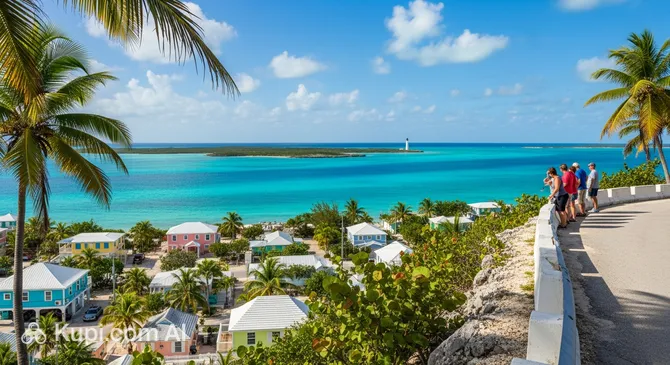
Colonel Hill. Source: Kupi.Binoculars

The area is rich in stories and heritage. Exploring the history of Colonel Hill reveals fascinating connections to the Loyalist era, which shaped much of the region's early development. Beyond its historical roots, the town is a fantastic base for outdoor adventures. You can visit the iconic Bird Rock Lighthouse, standing guard over the Crooked Island Passage, or explore the pristine beaches and renowned bonefishing flats that attract anglers from around the world.

Whether you are looking to explore hidden caves, enjoy a sunset over the Atlantic, or simply relax in a serene environment, Colonel Hill offers a unique slice of Bahamian life. It is an ideal destination for nature lovers and history buffs alike, promising an unforgettable escape into paradise.

Weather Overview

Travelers visiting Colonel Hill can look forward to a consistently warm and inviting tropical climate throughout the year. The temperatures remain comfortable with very little fluctuation, making it an excellent destination for outdoor activities at almost any time. For a comprehensive forecast and seasonal details, you can consult the guide to weather in Colonel Hill before your trip.

The cooler months, from January through March, see average temperatures around 24.6°C, offering a refreshing escape from colder climates. As the year progresses, the heat gradually increases, peaking in August with an average temperature of approximately 28.4°C. Even during the warmest periods, the island heat is often tempered by ocean breezes.

Precipitation patterns vary slightly by season. February and March are typically the driest months, with fewer rainy days. Conversely, the period from May through November tends to be wetter, with October seeing the highest frequency of precipitation, averaging 18 wet days. Generally, you can expect warm, sunny days year-round, interspersed with occasional showers during the late summer and autumn months.

Interesting Facts

Beyond the main attractions, Colonel Hill holds fascinating secrets that connect this quiet settlement to global history and commerce. The town and its surroundings are steeped in stories that surprise many visitors, revealing a legacy far greater than its size suggests.

  • The area surrounding the town is one of the few places in the world where the Cascarilla bark is harvested commercially; this aromatic bark is exported to Italy and serves as a secret, essential ingredient in the famous aperitif Campari.

  • Colonel Hill is widely cited as the home of the very first General Post Office in the Bahamas, having served as a critical drop-off point for mail carried by ships navigating the busy Crooked Island Passage in the 19th century.

  • When Christopher Columbus arrived in the region, he reportedly described the air around Crooked Island as the "sweetest" he had ever smelled, a fragrance attributed to the abundance of native herbs and wildflowers that still grow near the settlement today.

  • Just a short distance from the town, you can find the Marine Farm ruins, where ancient cannons still point toward the sea, serving as silent reminders of the old British fortifications that once guarded this strategic waterway.

How to Get There

Reaching the secluded paradise of Colonel Hill typically involves a combination of air travel and local logistics. As the main settlement on Crooked Island, it is somewhat remote, which preserves its tranquil atmosphere. For a detailed breakdown of routes, flight connections, and travel tips, you can read more about how to get to Colonel Hill.

The city of Colonel Hill does not have a major international airport of its own, so visitors usually fly into larger regional hubs before taking a connecting flight to the local airstrip. One of the most significant hubs in the wider region is Providenciales International Airport (IATA: PLS). Located in the city of Providenciales (Turks and Caicos Islands), it is approximately 227 km from Colonel Hill. As a large international facility, it offers numerous connections, though further travel by air or sea is required to cross the ocean distance to Crooked Island.

Within the Bahamas, travelers might also consider Exuma International Airport (IATA: GGT), situated in the city of George Town. It is located about 192 km from Colonel Hill and serves as a popular entry point for the Exumas with moderate passenger traffic. Additionally, San Salvador Airport (IATA: ZSA) in Cockburn Town is the closest listed option in the dataset, roughly 148 km away. Please note that since these airports are on separate islands, standard ground transport like taxis or buses cannot bridge the distance; a domestic flight is necessary to reach Colonel Hill.

For clarity, here is a summary of the main airports in the region:

Airport Name City Passenger Traffic Km from City
Providenciales International Airport Providenciales Large 227.6
Exuma International Airport George Town Medium 192.8
San Salvador Airport Cockburn Town Small 148.5

Main Attractions

Colonel Hill serves as the ideal launching pad for exploring the historical depth and natural splendor of Crooked Island. While the town itself is quiet and unassuming, it is surrounded by landmarks that tell the story of the Bahamas' colonial past and offer breathtaking encounters with nature.

Bird Rock Lighthouse is perhaps the most iconic structure in the district. Standing 115 feet tall on a small cay just off the coast, this majestic lighthouse was constructed in 1876 to guide vessels through the treacherous Crooked Island Passage. Although visitors typically view it from the water or the main shore, its imposing white masonry against the deep blue Atlantic makes for a spectacular photographic opportunity and a poignant reminder of the island's maritime heritage.

For those who enjoy immersing themselves in nature, Turtle Sound offers a serene escape. This intricate inland creek system functions almost like a river, winding through dense mangroves and opening into beautiful lagoons. It is a haven for wildlife, where kayakers and boaters can spot sea turtles, stingrays, and numerous bird species in their natural habitat. The calm, crystal-clear waters make it one of the most relaxing spots to visit near the settlement.

History enthusiasts will find the ruins of the Marine Farm, also known as Gun Bluff, particularly interesting. Located a short distance from the town, this site features the remains of an old British fortification. Ancient cannons still rest here, pointing out toward the ocean as silent sentinels of a bygone era. Exploring the stone walls and taking in the panoramic ocean views provides a tangible connection to the 18th-century Loyalist period.

Macki Caves provide a touch of mystery and adventure for travelers willing to explore the island's interior. These natural limestone caverns are steeped in local lore, with stories suggesting they were once used by pirates to stash their treasure or by the indigenous Lucayan people for shelter. Walking through the cool, shadowed chambers offers a thrilling contrast to the bright tropical sunshine and reveals the unique geological features of the island.

Local Cuisine

The culinary scene in Colonel Hill is a true reflection of the island's laid-back lifestyle and its deep connection to the sea. Visitors here should not expect commercial fast-food chains or elaborate fine-dining establishments. Instead, the local cuisine is defined by authentic, home-cooked Bahamian meals prepared with the freshest ingredients caught just offshore or grown in local gardens. Dining here is an intimate affair, often enjoyed at small guesthouses or family-run eateries where the hospitality is as warm as the food.

Seafood is naturally the star of the menu. A must-try dish is Cracked Conch, where tenderized conch meat is battered, deep-fried to golden perfection, and served with a side of spicy goat pepper sauce. For a hearty start to the day, locals often enjoy Stew Conch or Chicken Souse—a flavorful, clear-broth soup simmered with onions, peppers, and lime juice, typically accompanied by soft, homemade Johnny Cake or grits. Another staple is fresh snapper or grouper, often steamed or pan-fried and served with the quintessential side of Peas 'n' Rice.

When it comes to beverages, Colonel Hill offers a unique taste of local heritage. The island is famous for the Cascarilla bark, a native plant harvested in the district and exported to flavor the world-renowned liqueur, Campari. While you can certainly enjoy a Campari cocktail, adventurous travelers should try the local Cascarilla tea, a traditional "bush medicine" brew known for its aromatic and soothing properties. For something more spirited, Sky Juice—a creamy blend of gin, coconut water, and condensed milk—remains a favorite choice for cooling down after a day in the sun.

The food culture in Colonel Hill revolves largely around the community's lodges and small dining rooms, such as those found at Nature's Delight Lodge. These venues serve as social hubs where tourists and residents mingle, sharing stories over generous portions of comfort food. Because many ingredients are sourced daily, menus often depend on the morning's catch, ensuring that every meal is a fresh and seasonal experience.

Travel Tips

Visiting Colonel Hill offers a rare opportunity to experience the Bahamas as it used to be, but its remote and tranquil nature means you cannot rely on the conveniences found in major tourist hubs. To ensure your trip to this secluded paradise is as smooth and enjoyable as possible, here are some essential practical tips to keep in mind.

  1. Clothing and Gear: Pack lightweight, breathable fabrics like cotton and linen to stay comfortable in the tropical heat. Since Colonel Hill is known for its natural environment, bringing strong insect repellent is crucial to protect against sand flies ("no-see-ums") and mosquitoes, especially at dawn and dusk. Don't forget high-SPF sunscreen, a wide-brimmed hat, and polarized sunglasses for days on the water.
  2. Transportation: There is no public transportation system, such as buses or taxis that you can hail on the street, in this small settlement. The best way to explore Crooked Island is to rent a car in advance or arrange transport directly through your lodge or guesthouse. Walking is pleasant for the town itself, but a vehicle is necessary to reach distant beaches and historical sites.
  3. Finances: Cash is king in Colonel Hill. While the Bahamian Dollar (BSD) is the official currency, it is pegged 1:1 with the US Dollar, and both are accepted interchangeably. Credit cards are rarely accepted outside of major fishing lodges or the government administrative office. ATMs are scarce and can be unreliable on the island, so it is highly recommended to bring enough cash for your entire stay.
  4. Health and Safety: The town has a local government clinic for basic medical needs, but it is not equipped for major emergencies; serious conditions typically require an air ambulance evacuation to Nassau. Bring a well-stocked personal first-aid kit and an ample supply of any prescription medications you need, as there is no commercial pharmacy with a wide selection of goods.
  5. Communication: English is the primary language spoken by everyone, so communication is effortless. However, mobile signal coverage can be spotty in outlying areas. Wi-Fi is generally available at guesthouses and lodges, but it may be slower than what you are used to. If you need mobile data, check with local providers like BTC or Aliv, though buying a SIM card in Nassau before connecting to Colonel Hill is often easier.
  6. Local Etiquette: Bahamians value politeness and social connection. It is customary to greet everyone you pass with a friendly "Good morning," "Good afternoon," or "Good evening." A simple nod or smile goes a long way. Additionally, while beachwear is perfect for the sand, it is considered disrespectful to walk around the settlement or enter shops and churches without a cover-up or shirt.
  7. What to Avoid: Avoid expecting "city-speed" service. Life here moves on "island time," which is relaxed and unhurried. Showing impatience or rushing waitstaff and locals is seen as rude and counterproductive; instead, embrace the slower pace as part of the charm.
  8. Sunday Closures: Be aware that Sunday is a day of rest and worship in Colonel Hill. Most shops and grocery stores will be closed, so if you are self-catering, make sure to purchase your supplies on Saturday.

By packing the right essentials and adjusting to the gentle rhythm of island life, you will find Colonel Hill to be a welcoming and restorative destination. A little preparation allows you to focus less on logistics and more on the stunning sunsets and warm hospitality that define this unique corner of the Bahamas.

Entertainment & Nightlife

Entertainment and nightlife in Colonel Hill are defined by the island's serene and secluded character. Unlike the bustling casinos and high-energy nightclubs found in Nassau or Freeport, the evening scene here is incredibly low-key, intimate, and centered around socializing. The "nightlife" is less about partying until dawn and more about enjoying a cold Kalik beer, sharing stories with locals, and appreciating the absolute tranquility of the Bahamian out islands.

There are no designated nightlife districts or noisy strips in this small settlement of 300 people. Instead, the social hubs are typically the dining rooms and bars attached to the local fishing lodges and guesthouses. Places like Nature's Delight Lodge often become the evening gathering spots where guests and locals mingle. The atmosphere is casual and welcoming, with no strict dress codes—shorts and sandals are the norm. Another venue to check out is the bar at Crooked Island Lodge, where you can enjoy a cocktail with a view of the ocean, often accompanied by the sound of gentle waves rather than loud music.

For those seeking a truly local experience, small roadside establishments such as Gibson’s Lunch Room occasionally stay open into the evening, serving drinks and providing a space for community conversation. Prices are generally moderate, but it is essential to carry cash, as credit card machines are rare and often unreliable in these smaller venues. The best time to head out is around sunset, as most places wind down relatively early compared to city standards.

Safety is rarely a concern in terms of crime, as Colonel Hill is a tight-knit and peaceful community. It is safe to walk around the main areas in the evening, but the streets can be very dark due to limited streetlighting. If you plan to visit a venue away from your accommodation, arranging a ride in advance is crucial. There are no taxis to hail on the street, so you must rely on a rental car or transport organized by your host. Be cautious when driving at night, as the roads are unlit and you may encounter stray animals.

Before the evening settles in, daytime entertainment in Colonel Hill offers its own charm. While there are no amusement parks or large theaters, the "entertainment" is rooted in exploration. Visitors spend their days visiting the historic Bird Rock Lighthouse, exploring the ruins of the Marine Farm, or simply enjoying the pristine environment. The transition from a day of adventure to a quiet, starlit evening is the signature rhythm of life on Crooked Island.

Parks & Museums

In Colonel Hill, the concept of parks and museums takes on a different meaning compared to large metropolitan cities. Here, the entire island serves as a living natural reserve, and history is not kept behind glass but is etched into the landscape itself. The settlement offers an immersive experience where lush vegetation acts as the city park and centuries-old ruins function as open-air museums, telling the story of the Bahamas through stone and sea.

For nature enthusiasts, Turtle Sound is the most significant natural area in the district. Acting as a protected inland creek system, it functions much like a national park, offering a sanctuary for marine life and birds. Visitors can explore its calm, turquoise waters by kayak or small boat, navigating through dense mangroves that serve as nurseries for fish and sea turtles. It is a place of profound silence and beauty, perfect for those who wish to observe the island's ecosystem in its most pristine state.

Another key natural space is the rugged coastline surrounding the Bird Rock Lighthouse. While not a manicured garden, this area offers dramatic views of the Atlantic Ocean and the Crooked Island Passage. The scrubland here is dotted with native flora, including the famous Cascarilla plant, filling the air with a subtle, spicy fragrance. It is an ideal spot for walking and photography, where the raw power of the ocean meets the resilience of island vegetation.

Regarding cultural institutions, Colonel Hill does not possess traditional indoor museums or art galleries. Instead, the Marine Farm (also known as Gun Bluff) serves as the primary historical site reflecting the region's past. Located just a short distance from the main settlement, these ruins are the remnants of an old British fortification. Walking among the ancient cannons and crumbling stone walls allows visitors to step back into the Loyalist era, offering a tangible connection to the time when this remote island was a strategic maritime outpost.

The cultural heritage of the town is also embodied in the site of the Old General Post Office. As the location of the first General Post Office in the Bahamas, this spot holds immense historical weight for the community. While it may not offer a guided tour experience, it stands as a monument to Colonel Hill's former importance as a hub of communication and commerce in the 19th century. Architecture buffs will appreciate the simple, sturdy colonial style that characterizes the few remaining historic structures in the settlement.

For a truly authentic experience, take the time to speak with the older residents near the town center. Since there are no formal archives open to the public, the locals are the true custodians of the island's history. They can often point you toward lesser-known paths or share oral histories about the plantation era that you won't find in any guidebook.

Getting Around

Navigating Colonel Hill requires a shift in expectations, as the city does not possess a formal public transport system. There are no buses, trains, metros, or scheduled minibuses operating within the settlement or connecting it to other parts of Crooked Island. The transport infrastructure is informal and relies heavily on private arrangements, reflecting the remote and tranquil nature of the destination.

For most visitors, the primary method of getting around is by renting a car. Rental agencies are typically small, locally owned businesses, and the selection of vehicles is limited. It is highly advisable to reserve a vehicle well in advance of your arrival, often at the same time you book your accommodation. Having your own car provides the freedom to explore the lighthouse, beaches, and historical ruins at your own pace, which is essential given the lack of scheduled transit options.

Taxis are available but function quite differently from those in major cities. You cannot hail a cab on the street. Instead, taxi services are provided by local individuals and must be arranged beforehand. Your lodge or guesthouse host is usually the best resource for booking a ride. Drivers are friendly and knowledgeable locals who often double as impromptu tour guides, but they operate on their own schedules rather than a fixed timetable.

Payment for all transport services is exclusively in cash. There are no travel cards, mobile apps, or electronic ticketing systems. Both the local currency and US dollars are accepted interchangeably. Fares for taxis or private transfers are generally fixed based on the destination rather than a meter, so it is wise to confirm the price with the driver before starting your journey. Ensure you carry enough small bills, as drivers may not always have ample change for large denominations.

Walking is a viable option for exploring the immediate center of Colonel Hill, where the pace of life is slow and distances between some key buildings are short. However, for any excursions beyond the main settlement, the heat and distance make walking impractical. Cycling is also an option if your accommodation provides bikes, offering a leisurely way to see the coast, though dedicated bike rental shops are not a standard feature of the town.

Accommodation

Accommodation in Colonel Hill is defined by intimacy and seclusion, reflecting the quiet nature of Crooked Island itself. Travelers should not expect sprawling all-inclusive resorts, high-rise hotels, or familiar international chains. Instead, the lodging landscape consists primarily of charming, family-run guesthouses and specialized fishing lodges. These establishments offer a personalized experience where hosts often treat guests like family, providing a level of hospitality that is rare in larger tourist destinations.

Most accommodation options are situated along the coastline or within a short distance of the main settlement. Staying near the water allows visitors to take full advantage of the cooling trade winds and offers easy access to the flats for fishing or the beach for relaxation. Because the town is small, regardless of where you stay, you are never far from the airport or the few local conveniences available in the district.

The most prominent category of lodging here is the fishing lodge. These venues are designed specifically for anglers drawn to the world-class bonefishing in the region. They typically offer package deals that include meals, guides, and boat transfers. Even if you are not fishing, these lodges often provide the most comfortable amenities on the island, including air conditioning, Wi-Fi, and on-site dining. For those on a tighter budget or seeking a more independent stay, smaller guesthouses and villas offer simple, clean rooms without the extensive services of a full lodge.

Booking Tip: It is highly recommended to book your accommodation well in advance, especially if you plan to visit during the peak fishing season (typically October to June). Because the number of rooms in Colonel Hill is very limited, they can fill up quickly.

Regarding costs and booking methods, prices can vary significantly. Dedicated fishing lodges tend to be in the mid-to-high price range due to the all-inclusive nature of their packages. Simpler guesthouses are generally more affordable. Note that many local properties are not listed on major online booking platforms. The most effective way to secure a room is often by contacting the property directly via phone or email, or through a specialized travel agent. Be prepared to pay a deposit, and keep in mind that smaller establishments may prefer cash or checks over credit cards.

Nearby Cities

For those looking to explore the surroundings, Colonel Hill serves as an excellent base for day trips to several interesting nearby locations:

City Population Distance (km)
Nassau 274400 408
George Town 16000 180
North Eleuthera 3000 391
Andros Town 2500 445
Harbour Island 2000 392

While Colonel Hill offers seclusion, a short flight can transport you to entirely different atmospheres within the archipelago. George Town, located approximately 180 km away on Great Exuma, is a fantastic option for a change of pace. It is known for its beautiful Elizabeth Harbour and serves as the gateway to the Exuma Cays, famous for their swimming pigs and sapphire-blue waters. The town hosts the annual Family Island Regatta and offers a blend of laid-back charm with more amenities than the remote southern islands.

For a complete contrast to the quiet of Crooked Island, a trip to Nassau brings you to the vibrant heart of the country. As the capital city, it is bustling with activity, featuring historical landmarks like the Queen’s Staircase, the lively Straw Market, and extensive dining and shopping options. It is the perfect destination for travelers seeking a dose of history and urban energy before returning to the tranquility of nature.

Another unique destination is Harbour Island, renowned worldwide for its stunning Pink Sands Beach and elegant colonial architecture. Although it requires a bit more travel time, the island's chic atmosphere and picturesque streets offer a sophisticated and visually striking experience that complements the rugged beauty of Colonel Hill.

These nearby destinations offer a glimpse into the diverse culture and landscapes of the region.

Shopping & Souvenirs

Shopping in Colonel Hill is a reflection of the island's tranquil and unhurried lifestyle. Visitors should not expect the bustling duty-free promenades or luxury designer boutiques found in Nassau or Freeport. Instead, the retail experience here is intimate, functional, and centered around basic necessities and authentic local crafts. For travelers, "shopping" is less about acquiring goods and more about interacting with the friendly residents who run the small, family-owned establishments.

There are no designated shopping districts or sprawling commercial avenues in this small settlement. The few available stores are scattered along the main road that runs through the town. These are typically general stores or "commissaries" that stock a little bit of everything, from groceries and hardware to household supplies. A walk down the main street offers a glimpse into daily island life, where a shop visit is often accompanied by a warm conversation with the owner.

Travelers looking for large retail complexes will find that shopping malls do not exist in Colonel Hill. The infrastructure is designed to support a population of around 300 people, meaning large-scale commercial development is unnecessary and absent. The charm of the area lies in its lack of commercialization, allowing you to escape the consumer-driven atmosphere of larger tourist hubs.

While there is no formal flea market or covered bazaar, the arrival of the weekly mail boat at the dock serves as a temporary, bustling marketplace. This is a key event for the community, bringing fresh produce and goods from the capital. Additionally, you can often buy fresh seafood, such as conch or snapper, directly from local fishermen at the pier. It is the freshest "market" experience possible, connecting you directly with the source of your food.

When it comes to souvenirs, Colonel Hill offers unique treasures that you won't find elsewhere. The most iconic item to bring back is Cascarilla bark (or oil), which is harvested locally and used to flavor Campari. You may also find beautiful straw work, such as hand-plaited baskets, hats, and bags, crafted by local artisans who have passed down the weaving tradition for generations. Shell jewelry and homemade jams made from native fruits are also wonderful, authentic keepsakes.

Store hours are generally limited compared to international standards. Most shops open around 9:00 AM and close by 5:00 PM or 6:00 PM on weekdays. It is common for businesses to close for a lunch break in the middle of the day. Be aware that almost everything is closed on Sundays and public holidays. Regarding payment, cash is essential. Credit cards are rarely accepted in small shops, and while the US Dollar is accepted alongside the Bahamian Dollar, carrying smaller denominations is advisable as change may be limited.

Regarding tax-free shopping, the VAT (Value Added Tax) refund schemes available in major Bahamian tourist centers are generally not applicable in the small, informal shops of Colonel Hill. Visitors should not expect to find "Tax-Free" signage or refund processing services in this remote district.

Reached the end of the page?

That means the route is fully explored