Welcome to Nassau, the vibrant capital and the beating heart of the Bahamas. This bustling city serves as the center of commerce, education, and media for the archipelago, offering a unique blend of international glamour and tropical ease. Located on the island of New Providence, Nassau is home to approximately 274,400 residents, representing about 70 percent of the entire country's population, which contributes to its lively and cosmopolitan atmosphere.
Nassau. Source: Kupi.Binoculars
The city is a fascinating mix of old and new, where modern resorts stand alongside historic landmarks. The rich history of Nassau is visible in its well-preserved colonial architecture, particularly around Parliament Square with its distinctive pink government buildings. Visitors are often captivated by the Queen's Staircase, a major landmark carved out of solid limestone, and the colorful Straw Market, where local artisans sell their crafts. Just a bridge away lies Paradise Island, known for its world-class hotels and entertainment.
With its warm tropical climate, stunning harbor, and hilly landscape, Nassau offers the perfect setting for an unforgettable vacation. Whether you are eager to explore historic forts, relax on pristine beaches like Cable Beach, or enjoy the local culinary scene, this dynamic city invites you to experience the very best of the Caribbean.
Weather Overview
Nassau enjoys a delightful tropical climate that welcomes visitors with warmth throughout the year. The weather in Nassau is generally characterized by sunny skies and balmy temperatures, though the humidity and rainfall can vary depending on the season. Average temperatures remain comfortable, ranging from a pleasant 22.9°C in January to a warmer 28.5°C in August, which is typically the hottest month.
Rainfall is more frequent during the summer and early autumn months. The period from June to October sees a higher chance of precipitation, with October often experiencing around 18 wet days. Conversely, the winter and spring months are significantly drier; March is usually the driest time of the year with only about 6 wet days. Overall, travelers can expect hot, humid summers with occasional showers and mild, drier winters that are perfect for beach activities.
Interesting Facts
Beyond the popular beaches and resorts, Nassau holds many fascinating secrets that reveal its swashbuckling past and unique local culture. Here are a few intriguing details about the city that often surprise visitors.
Ardastra Gardens & Wildlife Conservation Centre. Source: Kupi.Binoculars
Nassau was once the stronghold of a "Republic of Pirates" in the early 18th century, where infamous figures like Blackbeard and Calico Jack roamed freely. You can dive into this lawless era at Pirates of Nassau, which chronicles the time when pirates significantly outnumbered the town's law-abiding citizens.
The city is home to the world’s only marching flamingo drill team. At the Ardastra Gardens & Wildlife Conservation Centre, a flock of the Bahamas' national birds performs synchronized movements on command, a tradition that has delighted spectators for decades.
The iconic Queen's Staircase was carved entirely by hand out of solid limestone rock. It took approximately 600 enslaved people over a decade to chisel the 66 steps (now 65 visible) to create a direct escape route from the fort to the city.
Perched on Bennett's Hill, Fort Fincastle was built in the distinct shape of a paddle-wheel steamer. This unique design was intended to intimidate potential raiders by making the fortification look like a massive warship ready to launch into battle.
How to Get There
Reaching the vibrant capital of the Bahamas is primarily done by air or sea, with the city serving as a major hub for the region. For travelers planning their journey, you can read more about how to get to Nassau and the various transport options available on our dedicated page.
The most significant and convenient entry point is Lynden Pindling International Airport(NAS). It is the largest international airport in the country and is located directly in the city of Nassau, approximately 11.7 km from the city center. This modern facility handles the vast majority of tourist traffic. A trip from the airport to downtown Nassau by taxi or bus typically takes around 38 minutes, depending on traffic conditions. As the main hub, it welcomes millions of passengers annually and offers numerous connections to major cities worldwide.
While Nassau is located on New Providence Island, there are other airports in the archipelago that serve neighboring islands. For instance, North Eleuthera International Airport(ELH) is located in the city of North Eleuthera, about 82.6 km from Nassau. Similarly, Governor's Harbour Airport(GHB) is situated in Governors Harbour, roughly 106.2 km away. Please note that since these airports are on different islands, travel to Nassau from them requires a connecting domestic flight or a ferry ride, rather than a simple taxi or bus journey.
For clarity, here is a summary of the main airports:
Airport Name
City
Passenger Traffic
Km from City
Lynden Pindling International Airport
Nassau
Large
11.7
Marsh Harbour International Airport
Marsh Harbour
Medium
164.7
Governor's Harbour Airport
Governors Harbour
Small
106.2
North Eleuthera International Airport
North Eleuthera
Small
82.6
South Eleuthera Airport
Rock Sound
Small
120.3
Regarding rail transport, it is important to note that the city of Nassau does not have a railway station or a train network. The nearest railway infrastructure is located across the ocean on the mainland United States. For example, the data lists Miami BL Station(EKW) in the city of Miami Beach, which is approximately 297.6 km from Nassau. Another nearby option is Aventura Brightline Station(AVT), also in Miami Beach, about 298.9 km away. Naturally, reaching Nassau from these stations requires a subsequent flight or a cruise.
Below is the information regarding these nearest railway stations:
Station
City
Passenger Traffic
Km to Center
Miami BL Station
Miami Beach
Large
297.6
Aventura Brightline Station
Miami Beach
Medium
298.9
Main Attractions
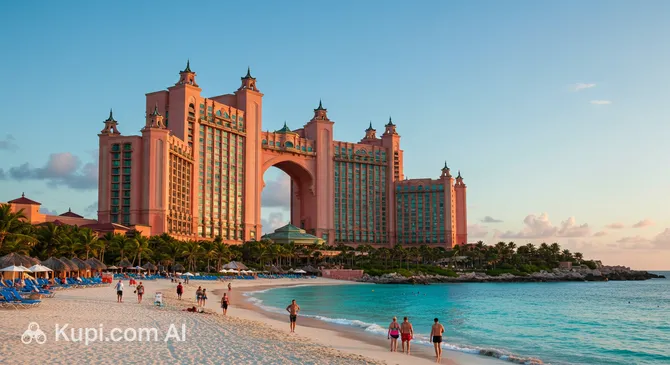
Nassau offers a diverse array of sights, ranging from colossal resort complexes to intimate historical landmarks. One of the most recognizable destinations is Atlantis Paradise Island. This massive ocean-themed resort is much more than just a hotel; it is a sprawling entertainment hub featuring the world's largest open-air marine habitat. Tourists flock here to explore the underwater ruins, enjoy the thrilling water park, or simply marvel at the sheer scale of the architecture that dominates the skyline of Paradise Island.
Atlantis Paradise Island. Source: Kupi.Binoculars
For those interested in the cultural heritage of the islands, the National Art Gallery of The Bahamas is a must-visit. Housed in the beautifully restored Villa Doyle, an 1860s colonial mansion, the gallery showcases an impressive collection of Bahamian art, from pre-colonial times to contemporary works. It provides a fascinating insight into the nation's history and creative spirit, offering a quiet and inspiring escape from the bustling city streets.
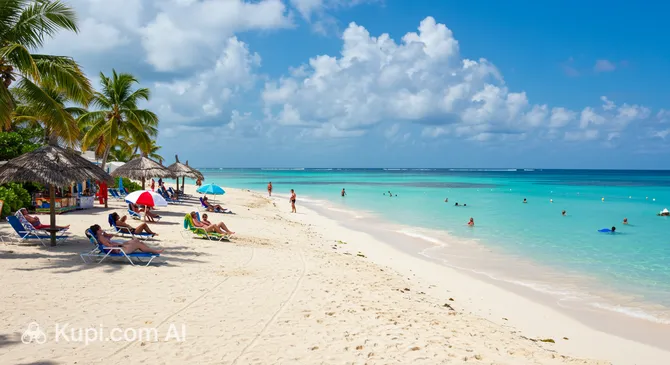
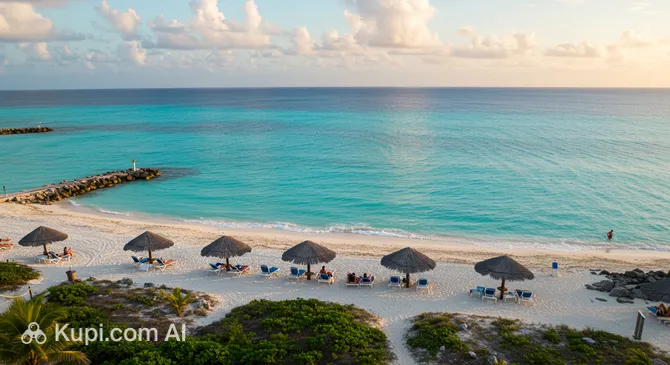
If you are looking for a lively beach experience close to the cruise port and downtown area, Junkanoo Beach is the perfect spot. Known for its energetic atmosphere, this strip of sand is lined with colorful shacks serving local food and drinks. It is an excellent place to mingle with locals, enjoy a quick swim in the turquoise waters, and soak up the vibrant island vibe without traveling far from the city center.
Junkanoo Beach. Source: Kupi.Binoculars
History enthusiasts should make time for Fort Montagu, the oldest fort still standing on the island of New Providence. Built in 1741 from local limestone, this small but significant fortification was constructed to defend the eastern entrance of the harbor. Today, it offers visitors a chance to step back in time and enjoy peaceful views of the ocean, making it a scenic and educational stop on any tour of Nassau's historic defenses.
Local Cuisine
The culinary scene in Nassau is a vibrant reflection of its island heritage, heavily influenced by the bounty of the surrounding ocean. At the heart of the local diet is the conch (pronounced "konk"), a large marine mollusk that serves as the national dish. Visitors should not miss the opportunity to try fresh conch salad, a refreshing ceviche-style dish prepared with diced peppers, onions, tomatoes, and citrus juices, often made right before your eyes at roadside stands. For a savory treat, conch fritters—deep-fried balls of batter and meat—are a staple appetizer found on almost every menu.
Beyond seafood, the sweet side of Bahamian cuisine is equally delightful. The most famous dessert is Guava Duff, a spongy cake roll filled with guava fruit and drizzled with a rich butter rum sauce. While this labor-intensive dish is traditional, you can find modern and delicious interpretations at The New Duff, a spot dedicated to perfecting this iconic treat. It is the perfect way to end a meal or enjoy a midday snack while exploring the city.
The New Duff. Source: Kupi.Binoculars
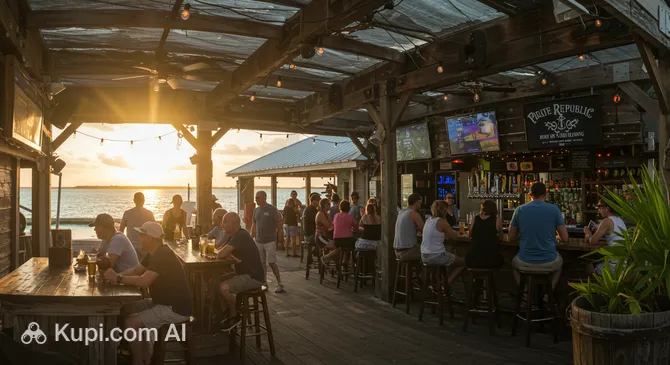
When it comes to beverages, rum is the spirit of choice, serving as the base for legendary cocktails like the Bahama Mama. However, for a truly authentic local experience, try Sky Juice (also known as Gully Wash), a potent mix of gin, coconut water, and condensed milk, topped with a sprinkle of nutmeg. Beer enthusiasts will also find plenty to enjoy, particularly at Pirate Republic Brewing, which offers craft beers inspired by the city's swashbuckling history right in the heart of downtown.
Pirate Republic Brewing. Source: Kupi.Binoculars
The dining culture in Nassau ranges from casual street food to elegant fine dining. For a lively atmosphere, the "Fish Fry" at Arawak Cay is the place to be, offering a strip of colorful shacks serving authentic Bahamian soul food like peas n' rice and fried snapper. On the other end of the spectrum, those seeking a romantic or sophisticated evening can visit Café Matisse, where Italian cuisine meets island hospitality in a beautiful garden setting. Whether you are eating from a paper plate by the beach or enjoying white-tablecloth service, the flavors of Nassau are sure to leave a lasting impression.
Travel Tips
To ensure your island getaway is as relaxing as the ocean breeze, a little preparation goes a long way. These practical tips will help you navigate Nassau with confidence, allowing you to focus on the sun, sand, and vibrant culture.
Clothing and Gear. Pack lightweight, breathable fabrics like cotton and linen to stay cool in the tropical heat. While beachwear is perfect for the shore, it is considered disrespectful to wear swimsuits or walk shirtless in downtown streets, shops, or restaurants; always bring a cover-up or a change of clothes. Comfortable walking shoes are essential for exploring the hilly streets. The Bahamas uses Type A and B power outlets (the same as the US and Canada), so bring an adapter if you are visiting from Europe or the UK.
Transportation. For daytime travel, Jitneys (public buses) are the most affordable and authentic way to get around; they cost a small fixed fee and cover major routes, but be aware they stop running around 7:00 PM. Taxis are widely available and reliable, though it is wise to confirm the fare before starting your journey as many do not use meters. If you choose to rent a car to explore the island's hidden gems, remember that traffic flows on the left side of the road.
Finances. The local currency is the Bahamian Dollar (BSD), which is pegged 1:1 to the US Dollar. You can use US currency freely across the island, and you will often receive change in a mix of both currencies. Major credit cards are accepted at hotels, restaurants, and larger stores, but you will need cash for the Straw Market, jitneys, and smaller roadside vendors. Tipping is customary; check your bill first, as many restaurants automatically add a 15% gratuity.
Health and Safety. Pharmacies are readily available in Nassau, with some near the major hospitals staying open late or 24 hours. While the main tourist hubs like Bay Street and Paradise Island are heavily policed and generally safe, it is advisable to avoid walking alone in unlit or isolated areas at night, particularly "Over-the-Hill" neighborhoods south of downtown. Always keep an eye on your belongings in crowded areas like the cruise port.
Communication.English is the official language, spoken with a distinct and melodious Bahamian dialect. You will have no trouble communicating, but listening carefully helps you catch the local slang. Wi-Fi is widely available in hotels, cafes, and public areas. If you need constant connectivity, you can easily purchase a local SIM card from providers like BTC or Aliv upon arrival.
Local Etiquette. Bahamians are warm and polite people who value courtesy. It is customary to greet everyone—from taxi drivers to shopkeepers—with a friendly "Good morning" or "Good afternoon" before starting a transaction or asking a question. When visiting churches or official buildings, modest dress is required; avoid wearing hats or sunglasses indoors.
What to Avoid. Do not take photographs of locals without asking for their permission first, as this is considered rude. Additionally, avoid purchasing seashells or coral from unauthorized vendors if you plan to take them home; strict environmental laws regulate the export of marine life, and you may face fines at customs without the proper permits.
Sunday Closures. Be aware that Sunday is a very quiet day in Nassau. Most shops on Bay Street, including the famous Straw Market, may have reduced hours or be closed entirely as locals attend church and spend time with family. It is the perfect day to book a resort pass, visit a beach, or enjoy a pre-booked excursion rather than planning a shopping trip.
With these practical insights in your pocket, you are ready to embrace the laid-back rhythm of Nassau. Respecting local customs and planning ahead will ensure your experience is not just a vacation, but a genuine connection with this beautiful island city.
Entertainment & Nightlife
As the sun sets over the Caribbean, Nassau transforms from a laid-back tropical paradise into a hub of vibrant entertainment. The nightlife here is diverse, catering to those seeking high-energy dance floors as well as those looking for a relaxed evening with a craft cocktail in hand. The primary centers of nocturnal activity are the mega-resorts on Paradise Island and Cable Beach, where casinos, lounges, and nightclubs keep the energy high until the early hours. In contrast, the downtown area offers a mix of historic charm and lively harbor-front bars.
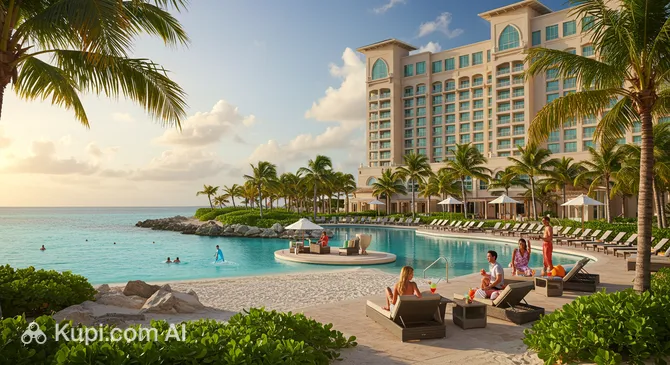
For travelers looking to immerse themselves in a world of glamour and excitement, Baha Mar on Cable Beach is a premier destination. This sprawling resort complex is home to one of the largest casinos in the Caribbean and features a variety of upscale bars and lounges. The atmosphere here is sophisticated and electric, often attracting a well-dressed crowd ready to enjoy live DJ sets or jazz performances. It is the perfect place to dress up and experience the luxurious side of island nightlife.
Baha Mar. Source: Kupi.Binoculars
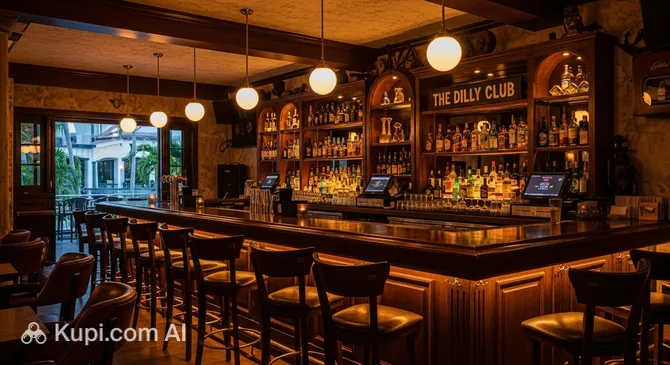
If you prefer a more intimate and specialized drinking experience, The Dilly Club offers a unique blend of a specialty coffee shop by day and a refined cocktail bar by night. Located in the Marina Village, it is known for its creative mixology and relaxed yet stylish ambiance. It is an excellent spot for couples or small groups to enjoy high-quality drinks in a setting that feels both local and cosmopolitan.
The Dilly Club. Source: Kupi.Binoculars
For a more casual and boisterous night out, The Bearded Clam Sports Bar & Restaurant is a favorite among visitors. Situated near the cruise port, this venue is famous for its fun atmosphere, friendly staff, and lively crowd. It is a great place to start your evening with a few drinks, watch a game, or simply soak up the energetic harbor vibes without the need for formal attire.
When planning a night out, practicalities are important. The dress code varies significantly; while beach bars and the "Fish Fry" at Arawak Cay are very casual, nightclubs and casinos within resorts like Atlantis or Baha Mar often require "resort elegant" attire—meaning no shorts or flip-flops for men in the evenings. Prices in the resort areas can be quite high, comparable to major international cities, so budget accordingly. For safety, it is highly recommended to take licensed taxis when moving between nightlife districts, especially late at night. While the main tourist zones are well-patrolled, walking alone in unlit areas or away from the main strips downtown is discouraged.
Before the night begins, Nassau offers plenty of daytime entertainment to fill your schedule. Thrill-seekers should not miss Aquaventure, a massive water park featuring high-speed slides and river rides that provide fun for all ages. For a dose of culture and history, the Pompey Museum offers poignant exhibits on the history of slavery and emancipation in the Bahamas, housed in a historic building that was once a marketplace. Whether you are screaming down a water slide or exploring the depths of history, the city ensures your days are just as engaging as your nights.
Parks & Museums
While Nassau is world-famous for its resorts and casinos, the city also boasts a rich tapestry of green spaces and cultural institutions that tell the story of the Bahamas. Beyond the bustling harbor, visitors can discover serene parks, historic cathedrals, and museums that preserve the island's fascinating heritage, offering a deeper connection to the local spirit.
For those seeking a relaxing escape shared by locals and visitors alike, Goodman's Bay Park is a perfect choice. Located just west of the city center on the way to Cable Beach, this recreational area features a spacious grassy lawn shaded by casuarina trees and a beautiful stretch of sandy beach. It is a popular spot for jogging, family picnics, and watching the sunset away from the more crowded tourist hubs, providing a genuine slice of Bahamian outdoor life.
Goodman's Bay Park. Source: Kupi.Binoculars
Another natural gem is Cabbage Beach, situated on the northern side of Paradise Island. Although it is well-known, its expansive length allows you to find a quiet spot if you walk further east away from the major hotels. With its powdery white sand and crystal-clear waters, it is arguably one of the most beautiful beaches in the region, ideal for swimming or simply admiring the stunning coastal scenery.
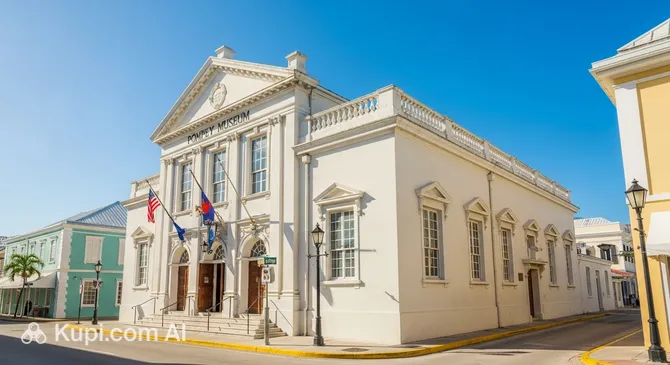
To understand the complex history of the Bahamas, a visit to the Pompey Museum is essential. Housed in the historic Vendue House, which was built before 1769 and once functioned as a marketplace for enslaved people, the museum is named after a courageous enslaved man who led a revolt on Exuma. Today, it hosts powerful exhibits on the history of slavery, emancipation, and the post-emancipation era, serving as a poignant reminder of the resilience of the Bahamian people.
Pompey Museum. Source: Kupi.Binoculars
For a more interactive journey into the city's swashbuckling past, Pirates of Nassau offers an immersive experience right in the heart of downtown. This attraction transports guests back to the year 1716, featuring a replica pirate ship, wax figures, and sound effects that bring the Golden Age of Piracy to life. It is an entertaining and educational stop, particularly for families, shedding light on the days when Blackbeard and other infamous figures ruled these waters.
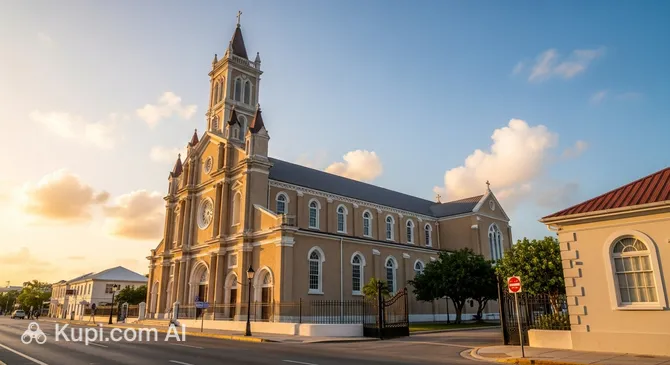
Among the city's architectural and spiritual landmarks, St. Francis Xavier Cathedral stands out as a site of serenity and beauty. As the oldest Roman Catholic church in the Bahamas, dedicated in 1887, it features stunning Gothic Revival architecture and beautiful stained glass windows. A visit here offers a peaceful retreat from the heat and noise of the city, allowing you to appreciate the island's religious history and craftsmanship.
St. Francis Xavier Cathedral. Source: Kupi.Binoculars
Insider Tip: If you are looking for a hidden oasis of calm, seek out the Versailles Gardens and French Cloisters on Paradise Island. While often used for weddings, these terraced gardens feature 12th-century Augustinian cloisters brought over from France, offering a surreal and picturesque slice of European history amidst the tropical landscape.
Getting Around
The public transport system in Nassau is relatively simple, relying primarily on a network of privately owned minibuses known locally as jitneys. There is no metro, tram, or train service in the city. These jitneys are the most authentic and affordable way to explore the island during the day, connecting the downtown area with popular residential districts, hotels, and beaches. The buses are typically white with colorful markings and are numbered according to their specific routes.
For tourists, the most useful route is often the Number 10 jitney, which travels west from downtown along the coast, passing the famous Fish Fry at Arawak Cay, Cable Beach, and several major resorts. To catch a bus, you can head to the main depot near Charlotte Street and George Street downtown, or simply wave one down at a designated stop along the road. Drivers are generally friendly and helpful, so do not hesitate to tell them your destination when you board; they will usually let you know when to get off.
The payment system is strictly cash-based; there are no travel cards, passes, or mobile ticketing apps for public transit. The fare is inexpensive, typically ranging from $1.25 to $1.50 for a standard one-way trip within the city zones. You can pay in either local currency or U.S. dollars, as they are used interchangeably. It is important to carry small bills and exact change, as drivers may not always have change for larger denominations. Customarily, you pay the driver as you exit the bus, although some may ask for payment upon entry.
A crucial piece of advice for visitors is to be aware of the operating hours. Jitneys generally run from around 6:30 AM to 7:00 PM. There is no public bus service at night. If you plan to stay out for dinner or late-night entertainment, you must arrange alternative transportation to get back to your accommodation. Additionally, service schedules can be somewhat flexible; buses often wait at the depot until they are full before departing, so patience is sometimes required.
For travel between downtown Nassau and Paradise Island, water taxis offer a scenic and popular alternative to road transport. These boats operate from the waterfront wharf and provide a quick, breezy ride across the harbor, often accompanied by a tour guide's narration. While slightly more expensive than a bus, they offer beautiful views of the cruise ships and the coastline. They typically run until the early evening, making them a convenient option for day trips to the resorts or beaches across the water.
When public transport is unavailable, taxis are the primary alternative. They are abundant and can be found at hotels, airports, and major tourist spots. Taxis are not metered; instead, fares are based on zones, so it is essential to agree on the price with the driver before starting your journey. For those who prefer more independence, renting a car or a scooter is an option, but remember that traffic flows on the left side of the road, and navigating the busy, sometimes narrow streets requires careful attention.
Accommodation
Accommodation in Nassau is synonymous with world-class hospitality, offering a wide spectrum of choices that range from legendary mega-resorts to charming colonial-style inns. While the city is famous for its sprawling, all-inclusive luxury complexes that cater to every whim, visitors can also find mid-range hotels, boutique guesthouses, and vacation rentals. Whether you are looking for a romantic suite with ocean views or a convenient base for island exploration, Nassau has a room to match your style, though it is generally known as a higher-end destination.
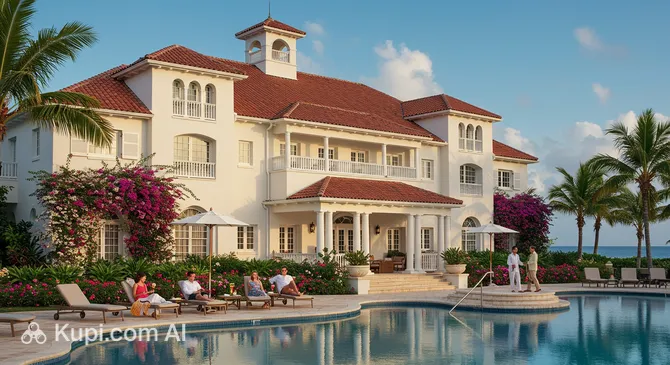
For those seeking the quintessential Bahamian resort experience, Paradise Island is the most popular area. Connected to Nassau by two bridges, this enclave is home to some of the most prestigious properties in the Caribbean. A prime example of the island's elegance is The Ocean Club, a Four Seasons Resort. Famed for its Versailles-inspired gardens and impeccable service, it offers a serene and sophisticated retreat for travelers who appreciate privacy and classic luxury.
The Ocean Club. Source: Kupi.Binoculars
Another vibrant hub for accommodation is the Cable Beach area, located a short drive west of downtown. This strip is renowned for its beautiful shoreline and large-scale developments. Here you will find Baha Mar, a colossal resort destination that combines three different hotel brands, a casino, and an array of dining options into one dynamic complex. Staying in this area provides easy access to pristine sands and energetic nightlife while remaining close enough to the city center for sightseeing trips.
Travelers who prefer to be in the heart of the action might consider staying in Downtown Nassau. This area offers closer proximity to historical landmarks, the cruise port, and local museums. Accommodation here tends to be more modest compared to the beach resorts, often taking the form of smaller hotels or historic buildings converted into guest lodgings. It is a convenient choice for those who plan to spend their days exploring the city's streets and culture rather than lounging by a pool.
When planning your stay, it is important to note that Nassau is a year-round destination, but prices fluctuate significantly. The peak season runs from mid-December to mid-April, during which rates are highest and availability can be tight. To secure the best deals and your preferred location, it is highly recommended to book several months in advance. Most accommodations can be easily reserved through major online booking platforms or directly via their websites. While budget options exist, they are less abundant, so flexible travelers might also explore vacation rental listings for more affordable alternatives.
Nearby Cities
While Nassau serves as the bustling hub of the country, the surrounding archipelago offers a multitude of other destinations that showcase a quieter, more traditional side of island life. Exploring these nearby cities and settlements—often referred to as the "Family Islands"—allows visitors to experience pristine nature, secluded beaches, and a slower pace that contrasts beautifully with the capital's energy.
Since the Bahamas is an archipelagic nation, traveling to these neighboring locations typically requires a short domestic flight or a scenic ferry ride rather than a car journey. Below is a list of the closest major towns and settlements that are easily accessible for a day trip or a weekend getaway:
Among these, Freeport on Grand Bahama Island stands out as the second-largest city in the nation, offering its own unique mix of ecological parks and resort entertainment. For those seeking a more rustic experience, North Eleuthera serves as the gateway to the famous pink sand beaches of Harbour Island, while Andros Town offers access to some of the world's best bonefishing and diving sites amidst vast mangrove forests.
Shopping & Souvenirs
Shopping:
Shopping in Nassau is a diverse experience that ranges from high-end luxury to vibrant local culture. The city is renowned as a duty-free haven, attracting visitors looking for bargains on international brands, while also offering a rich selection of authentic Bahamian crafts that reflect the island's heritage. Whether you are searching for a diamond necklace or a hand-woven basket, the city provides ample opportunities to find the perfect treasure.
The epicenter of retail therapy is undoubtedly Bay Street. Running parallel to the waterfront and the cruise ship docks, this bustling thoroughfare is lined with historic buildings housing upscale boutiques, jewelry stores, and perfumeries. It is the perfect place to stroll, soak in the colonial architecture, and browse for everything from designer sunglasses to fine leather goods in the heart of the city.
For a more modern and comprehensive shopping experience, the Harbour Bay Shopping Plaza is a popular destination. Located just east of downtown, it offers a variety of fashion retailers, a supermarket, and several dining options in a convenient open-air setting. Further afield, SouthWest Plaza serves as another key commercial hub, providing a mix of essential services and retail stores that cater to both locals and visitors staying in that part of the island.
Harbour Bay Shopping Plaza. Source: Kupi.Binoculars
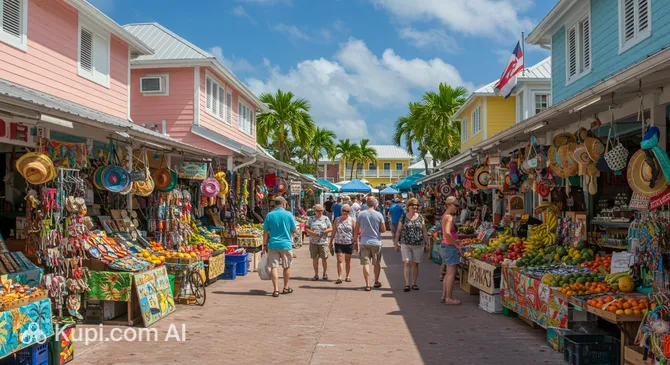
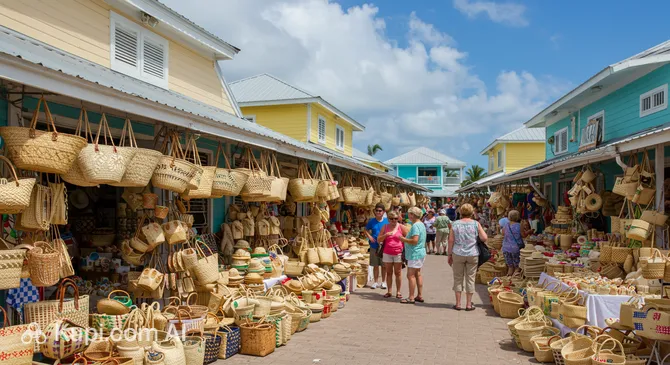
No shopping trip to Nassau is complete without visiting the iconic Nassau Straw Market. Located right on Bay Street, this world-famous market is the heartbeat of local commerce, where hundreds of artisans display hand-woven straw goods. It is a lively and colorful place where you can watch weavers at work and engage in friendly bargaining to secure the best price for unique handmade items.
Nassau Straw Market. Source: Kupi.Binoculars
When looking for the perfect keepsake, straw goods such as hats, bags, and mats are the top choice, showcasing a tradition passed down through generations. Other popular souvenirs include Bahamian rum cakes, which make for delicious gifts, and bottles of local rum. Colorful Androsia batik fabrics, featuring bold island prints, are also highly sought after by those wishing to take a piece of the vibrant Bahamian aesthetic home.
Most shops in the downtown area and malls operate from 9:00 AM to 5:00 PM, Monday through Saturday. Sunday is typically a quiet day with many stores closed, though some souvenir shops near the port may open if cruise ships are in town. Major credit cards are widely accepted in boutiques and malls, but cash (either US or Bahamian dollars) is essential for small purchases and bargaining at the Straw Market.
Nassau is a major destination for duty-free shopping, offering significant savings on luxury items like Swiss watches, fine jewelry, crystal, and fragrances. Tourists can purchase these goods exempt from certain local taxes, making it an attractive opportunity to buy high-value items at prices often lower than in the US or Europe.