Support

Freeport

About

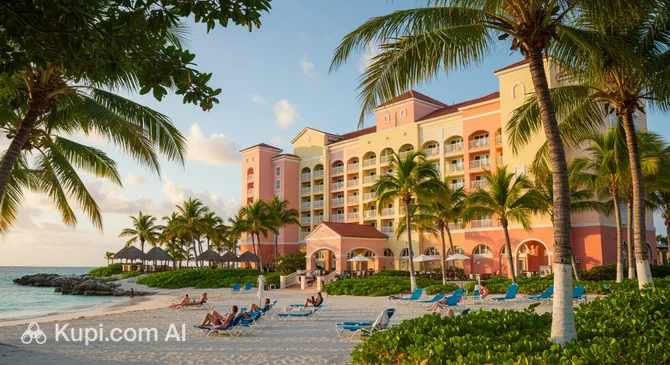
Welcome to Freeport, a vibrant city located on the island of Grand Bahama. As the second-largest city in the Bahamas, it offers a unique blend of tropical paradise and modern convenience. Known for its well-planned infrastructure and relaxed atmosphere, Freeport serves as a major hub for commerce and tourism, attracting visitors seeking both adventure and leisure in a stunning Caribbean setting.

Geographically, the city is situated in the northwestern part of the archipelago, just off the coast of Florida. With a population of approximately 45,945 residents, it balances the energy of a bustling town with the serenity of nature. The climate is typically tropical, offering warm, sunny weather year-round that is perfect for enjoying the pristine beaches and outdoor activities.
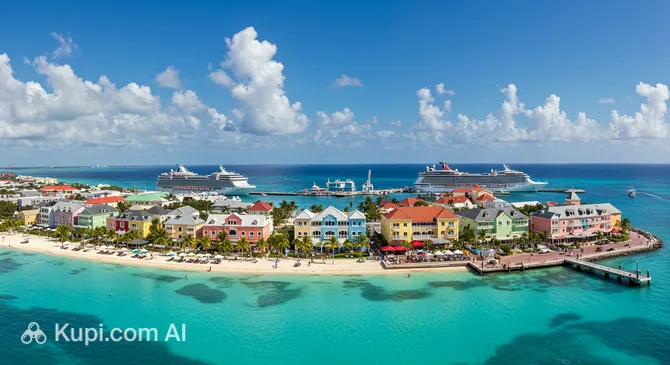
Freeport. Source: Kupi.Binoculars

Although it is a relatively young city, developed largely in the 1950s as a free trade zone, the area has a fascinating background. You can delve deeper into the history of Freeport to learn how it transformed from pine forests into a thriving center of industry and tourism. Today, it stands as a testament to ambitious planning and Bahamian hospitality.

Travelers are spoiled for choice when it comes to attractions. A must-visit is the Lucayan National Park, which boasts one of the world's largest underwater cave systems and the spectacular Gold Rock Beach. For those looking for shopping and dining, the Port Lucaya Marketplace is the heartbeat of the city's social life, featuring colorful architecture, live music, and local crafts. Nature lovers will also appreciate the Garden of the Groves, a lush botanical garden filled with exotic flora and cascading waterfalls.

Whether you are looking to explore underwater caverns, shop for authentic Bahamian souvenirs, or simply relax on white sandy shores, Freeport welcomes you with open arms. It is an ideal destination for an unforgettable island getaway.
Weather Overview

Freeport enjoys a pleasant subtropical climate that makes it a welcoming destination throughout the year. Visitors can generally expect warm days and mild nights, with average temperatures ranging from a comfortable 21.4°C in January to a peak of 28.3°C in August. The island's weather patterns are distinct, offering a cool, dry season and a warmer, wetter period.

The winter months, particularly from December to March, are characterized by lower humidity and fewer rainy days, with averages hovering around 22°C. This is often considered the ideal time for exploring the outdoors. As the year progresses into summer, the heat increases, and the frequency of rainfall rises significantly. From June through September, you can encounter up to 21 wet days per month, although these are often short, tropical showers.

For a more detailed breakdown of what to expect during your specific travel dates, you can view the current weather in Freeport. Being prepared for the seasonal shifts ensures you can make the most of the beautiful beaches and lush landscapes, regardless of when you choose to visit.

Interesting Facts

Beyond the popular beaches and resort areas, Freeport holds a collection of fascinating secrets that reveal its unique character. From its unusual origins to its role in Hollywood history, the city offers plenty of surprises for the curious traveler.
  • Unlike many Caribbean settlements with centuries of organic growth, Freeport is a meticulously planned city established in 1955. It was created through the Hawksbill Creek Agreement, which transformed a vast area of pine forest into a thriving free-trade zone and tourist destination almost overnight.

  • The city is home to the Rand Nature Center, a 100-acre sanctuary located right in the heart of the urban area. It is well-known among birdwatchers for its resident flock of West Indian flamingos, the national bird of the Bahamas, which can be observed up close in their natural habitat.

  • Freeport has served as a backdrop for major Hollywood productions due to its specialized open-water filming facilities. Scenes from the blockbuster franchise "Pirates of the Caribbean" were filmed in the waters off Grand Bahama, utilizing the island's endless horizon and crystal-clear depths.

  • Visitors can create their own signature scent at a local perfume factory housed in a replica of an old Bahamian mansion. This unique establishment allows guests to mix and bottle their own fragrances using regional ingredients, a rare experience in the Caribbean.

Rand Nature Center. Source: Kupi.Binoculars

How to Get There

Reaching this island destination is relatively straightforward, thanks to its proximity to the US mainland and well-connected transport hubs. Whether you are arriving by air or sea, there are several convenient routes to choose from. For a detailed overview of all travel options, you can read more about how to get to Freeport and plan your journey accordingly.

The most convenient entry point is Grand Bahama International Airport (IATA: FPO), located right in Freeport. Situated just 6 km from the city center, it welcomes flights from various international and domestic locations. Once you land, getting to your hotel is quick and easy; a taxi ride typically takes about 30 minutes depending on traffic and your specific destination on the island.

Many travelers also choose to fly into major hubs in Florida and connect via a smaller flight or ferry. Fort Lauderdale-Hollywood International Airport (IATA: FLL) in Fort Lauderdale is a popular choice, located approximately 158 km from Freeport. Similarly, Palm Beach International Airport (IATA: PBI) in West Palm Beach is about 146 km away. While these airports are in the United States, they serve as key transit points for visitors heading to Grand Bahama.

For clarity, here is a summary of the main airports:

Airport Name City Passenger Traffic Km from City
Fort Lauderdale-Hollywood International Airport Fort Lauderdale Large 158.4
Palm Beach International Airport West Palm Beach Large 145.6
Grand Bahama International Airport Freeport Medium 6.0
Marsh Harbour International Airport Marsh Harbour Medium 155.4
Bimini International Airport Alice Town Medium 111.3

The city of Freeport does not have a railway station, as it is located on an island. However, you can arrive at the West Palm Beach Station (IATA: WPT) in the city of West Palm Beach, which is about 142 km away across the ocean. This station is often used by travelers connecting to the ferry services that run between Florida and Grand Bahama. Another option is the Fort Lauderdale Railway Station (IATA: ZFT) in Fort Lauderdale, located approximately 161 km from Freeport. From these stations, you would need to take a taxi to the respective port or airport to complete your journey across the water.

Below is a list of the nearest railway stations on the mainland:

Station City Passenger Traffic Km to Center
West Palm Beach Station West Palm Beach Large 142.0
Miami BL Station Miami Beach Large 176.3
Aventura Brightline Station Miami Beach Medium 163.3
Fort Lauderdale Railway Station Fort Lauderdale Small 160.8

Main Attractions

Freeport offers a delightful mix of natural beauty, commercial hubs, and cultural experiences. Whether you are seeking the thrill of water sports, the relaxation of a secluded beach, or the vibrant atmosphere of a local market, the city has something to captivate every traveler. Here are some of the top places to include in your itinerary.

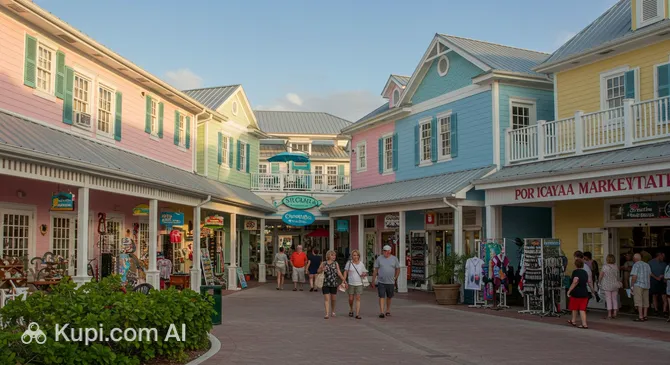
The heartbeat of the city's tourism and social scene is undoubtedly the Port Lucaya Marketplace. This sprawling open-air complex is much more than just a shopping destination; it is a colorful center of activity featuring over 40 boutiques, straw markets, and duty-free stores. Visitors are drawn here not only for the souvenirs but also for the lively atmosphere, which includes a wide array of restaurants and bars. In the evenings, the central square often comes alive with live Bahamian music and entertainment, making it the perfect spot to soak up the local culture.

Port Lucaya Marketplace. Source: Kupi.Binoculars

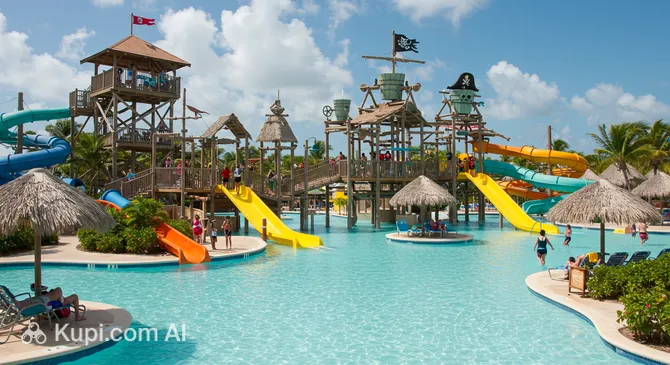
For those looking for a bit more adrenaline mixed with their beach day, Pirate's Cove Zipline and Water Park is a fantastic choice. Located at Taino Beach, this attraction offers a unique way to view the coast from above on a zipline course. Families and groups of friends will appreciate the variety of water activities available, from paddleboarding to an inflatable water park. It is an excellent location for active tourists who want to combine physical fun with the relaxing backdrop of the Caribbean Sea.

Pirate's Cove Zipline and Water Park. Source: Kupi.Binoculars

If your goal is to enjoy the classic sun-and-sand experience with added conveniences, Bahamas Adventures Beach provides a welcoming environment. This interactive beach club is designed to offer a hassle-free day by the ocean, complete with amenities and organized activities. It is particularly popular among visitors who want a structured beach day where everything from lounge chairs to water sports equipment is readily available, allowing for pure relaxation without the worry of logistics.

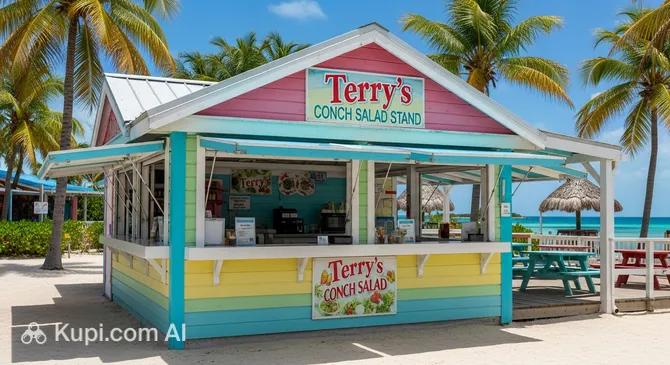
To truly taste the flavor of Grand Bahama, a stop at Terry’s Conch Salad Stand is highly recommended. While it may seem like a modest roadside stop, it is a culinary landmark for locals and tourists alike. Here, you can watch as fresh conch is expertly prepared right before your eyes into a zesty, citrus-marinated salad. It offers an authentic and delicious insight into the island's gastronomic traditions, far removed from the typical resort dining experience.

Terry’s Conch Salad Stand. Source: Kupi.Binoculars

Local Cuisine

The culinary scene in Freeport is a vibrant reflection of the island's culture, heavily reliant on the bounty of the surrounding ocean. Seafood lovers will find themselves in paradise here, as freshness is the standard for every meal. The undisputed king of the Bahamian table is the conch (pronounced "konk"), a large ocean mollusk that is prepared in a variety of delicious ways. Whether served raw in a zesty citrus-marinated conch salad, deep-fried as golden conch fritters, or tenderized and battered as "cracked conch," this delicacy is a must-try for any visitor.

Beyond shellfish, the local diet features an abundance of fresh fish, particularly grouper and snapper, which are often grilled, steamed, or fried to perfection. These main courses are typically accompanied by hearty Bahamian staples such as peas and rice—a savory blend of pigeon peas, rice, tomatoes, and spices—and Johnny Cake, a dense, slightly sweet bread that is perfect for soaking up rich sauces. For a seasonal treat, look out for the Bahamian spiny lobster, which is a favorite among locals and tourists alike.

No culinary journey in Freeport is complete without sampling the local beverages. Rum is the spirit of choice, forming the base of famous cocktails like the fruity Bahama Mama or the Goombay Smash. For something uniquely Bahamian, try Sky Juice (also known as Gulley Wash), a creamy and potent concoction made from fresh coconut water, gin, and condensed milk. If you prefer non-alcoholic options, the island offers refreshing tropical fruit punches and locally bottled sodas.

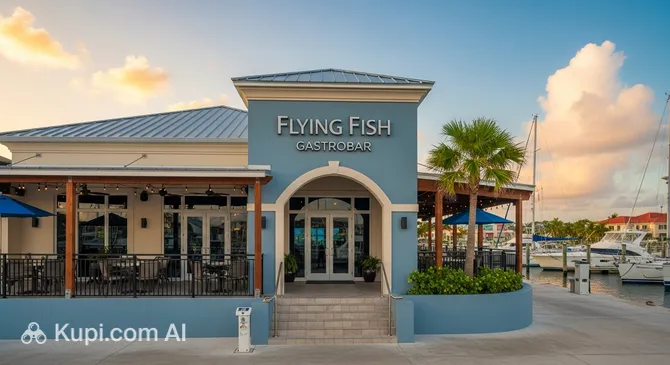
The dining culture in Freeport ranges from casual street food stalls to elegant waterfront establishments. A popular tradition on Grand Bahama is the "Fish Fry," particularly the one held at Smith’s Point on Wednesday nights, where visitors can mingle with residents over plates of fried fish and potato bread. For those seeking a more refined gastronomic experience, the city boasts several top-tier restaurants. One such destination is the Flying Fish GastroBar, which is celebrated for its modern take on casual dining and its focus on fresh, sustainable local seafood.

Flying Fish GastroBar. Source: Kupi.Binoculars

Whether you are grabbing a quick bite at a roadside stand or enjoying a sunset dinner by the marina, the food in Freeport offers a delicious insight into the island's warm and welcoming spirit.

Travel Tips

To ensure your trip to Freeport is as smooth and enjoyable as possible, we have compiled a set of essential travel tips. These practical insights will help you navigate the local customs, logistics, and lifestyle of Grand Bahama with the confidence of a seasoned traveler.

  1. Clothing and Gear: Given the warm subtropical climate, pack lightweight, breathable fabrics like cotton and linen. While swimwear is perfect for the beach, remember to cover up with a sarong or casual clothes when entering shops or restaurants. Comfortable walking shoes are a must for exploring nature parks. Don't forget high-SPF sunscreen, sunglasses, and a hat. If you are traveling from outside North America, note that the Bahamas uses Type A and B power outlets (the same as the US), so bring an adapter if necessary.

  2. Transportation: The most convenient way to get around Freeport and the Lucaya area is by taxi. Fares are generally fixed based on zones, but it is wise to confirm the price before starting your journey. For those wishing to explore the wider island at their own pace, renting a car is highly recommended; just remember that driving is on the left side of the road. Public "jitney" buses are an affordable option for daytime travel between major points, but they stop running in the early evening.

  3. Finances: The official currency is the Bahamian Dollar (BSD), which is pegged 1:1 to the US Dollar. US currency is accepted everywhere, so there is usually no need to exchange money if you already have USD. Major credit cards are widely accepted at hotels and restaurants, but you should carry cash for straw markets, small souvenir shops, and taxi drivers. Tipping is customary; check your bill first, as a 15% gratuity is sometimes automatically added.

  4. Health and Safety: Freeport is generally safe for tourists, but standard precautions like keeping valuables secure should be observed. Pharmacies are readily available in the downtown and Port Lucaya areas. The main hospital is the Rand Memorial Hospital. A key health tip is to bring insect repellent, as "no-see-ums" (sand flies) can be active at dusk, especially near the beach. Tap water is technically potable, but most visitors prefer bottled water for drinking.

  5. Communication: English is the official language, so you will have no trouble communicating. You may hear locals speaking a Bahamian dialect, which is fast and colorful, but standard English is used in all business interactions. Wi-Fi is widely available in hotels, cafes, and the Port Lucaya Marketplace. If you need mobile data, you can purchase a local SIM card from providers like BTC or Aliv.

  6. Local Etiquette: Bahamians are warm and polite people. It is customary to greet everyone—including strangers, shopkeepers, and taxi drivers—with a friendly "Good morning" or "Good afternoon" before asking a question or starting a transaction. Operating on "island time" is real here; service may be more relaxed than you are used to, so patience and a smile go a long way.

  7. What to Avoid: Do not wear camouflage clothing. It is illegal for anyone other than the military to wear camouflage print in the Bahamas, and this rule is strictly enforced, extending to children's clothes and accessories. Also, avoid buying souvenirs made from coral or protected marine life, as this harms the local ecosystem.

  8. Sunday Closures: Be aware that Sunday is a very quiet day on the island. Most shops in downtown Freeport will be closed, although the tourist-centric shops and restaurants in the Port Lucaya Marketplace typically remain open. It is a perfect day to book a resort pass or enjoy a nature tour rather than planning a shopping spree.

By keeping these tips in mind, you will be well-prepared to embrace the laid-back rhythm of island life. We hope you have a fantastic time exploring everything Freeport has to offer!

Entertainment & Nightlife

While Freeport is known for its relaxed island pace, the city comes alive after dark with a variety of entertainment options that cater to both laid-back travelers and those seeking a festive atmosphere. The nightlife here is less about thumping mega-clubs and more about open-air bars, live music, and socializing under the stars. The primary hub for evening activity is the bustling Port Lucaya area, where tourists and locals mingle to enjoy the cool Caribbean breeze and rhythmic beats.

The undisputed center of the action is the Port Lucaya Marketplace. By day, it is a shopper's paradise, but at night, Count Basie Square transforms into a vibrant entertainment venue. Visitors can enjoy live performances ranging from Bahamian Junkanoo music to calypso and reggae bands. The square is surrounded by numerous bars and pubs where you can grab a tropical cocktail and dance the night away. It is the perfect spot to experience the local culture in a safe and spirited environment.

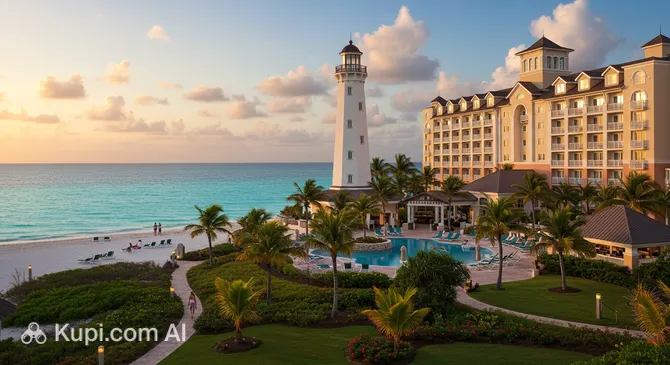
For those staying at or visiting the major resorts, the evening offerings are equally enticing. Lighthouse Pointe provides a sophisticated setting for evening relaxation. Guests can enjoy upscale drinks and often catch live entertainment within the resort complex, making it an ideal choice for a more refined night out. Similarly, Taino Beach Resort is a popular destination that often features themed nights and beach parties, offering a fun and energetic vibe right by the water.

Lighthouse Pointe. Source: Kupi.Binoculars

When planning a night out in Freeport, it is helpful to know that the atmosphere is generally "island casual." While some upscale restaurants and resort bars may require smart casual attire (collared shirts for men, no flip-flops), most open-air venues in Port Lucaya are very relaxed. Prices for drinks and cover charges are comparable to typical tourist destinations, so budgeting accordingly is wise. The safest and most convenient way to get around at night is by taxi. Taxis are readily available at hotels and the marketplace, and it is recommended to use them rather than walking long distances in unlit areas.

Beyond the nightlife, Freeport offers a range of daytime entertainment to fill your schedule before the sun goes down. The city is not heavy on traditional indoor amusements like large theaters or amusement parks; instead, the focus is on outdoor leisure. You can spend your days exploring ecological wonders, visiting the local perfume factory, or browsing the art galleries and duty-free shops that dot the city. Whether day or night, Freeport invites you to unwind and enjoy the moment.

Parks & Museums

Freeport is not only a destination for sun-seekers but also a sanctuary for nature enthusiasts and culture lovers. The city and its surroundings boast an impressive array of ecological treasures, from pine forests to underwater caves, alongside galleries that celebrate the island's artistic spirit.

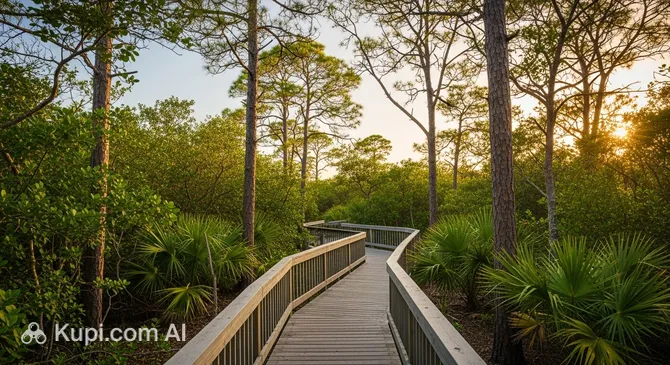
Lucayan National Park is arguably the most significant natural landmark in the region. Spanning 40 acres, it preserves one of the world's largest underwater cave systems. Visitors can explore the accessible parts of Ben’s Cave and Burial Mound Cave via wooden boardwalks that wind through a lush coppice and mangrove ecosystem. The park also leads to Gold Rock Beach, a breathtaking stretch of sand often cited as one of the most beautiful in the Bahamas, especially at low tide when the shoreline expands dramatically.

Another ecological gem is the Rand Nature Center. Located just minutes from the downtown area, this 100-acre park offers a peaceful retreat into the pine barrens. It is equipped with well-maintained trails that are perfect for a leisurely walk or birdwatching. The center is famously home to a resident flock of West Indian flamingos, and the self-guided trails provide educational insights into the island's native plants and medicinal flora.

For a more manicured experience, the Garden of the Groves offers a kaleidoscope of tropical beauty. This botanical paradise features winding paths shaded by tamarind and java plum trees, cascading waterfalls, and a serene meditation labyrinth. It is a haven for wildlife, attracting butterflies and migratory birds, making it a delightful spot for photographers and families alike.

In terms of cultural institutions, Freeport’s scene is intimate and focused on visual arts. The Glory Banks Art Gallery, situated within the visitor center of the Rand Nature Center, is a key cultural stop. It houses a permanent collection of works by the late Glory Banks, along with rotating exhibits from contemporary Bahamian artists. This venue provides a wonderful opportunity to appreciate the local aesthetic and history through paintings and sculptures.

Art lovers should also explore the galleries within the Port Lucaya Marketplace, such as Leo’s Art Gallery. Here, the vibrant colors of Bahamian life are captured on canvas by local talents. These spaces not only display art but often serve as hubs where visitors can meet the artists and learn about the stories behind their creations, offering a personal connection to the island's culture.

For an authentic insider experience, consider a trip to Peterson Cay National Park. As the smallest national park in the Bahamas, it is a tiny islet surrounded by spectacular coral reefs. Accessible only by boat or kayak, it offers pristine snorkeling conditions and a sense of seclusion that is hard to find elsewhere, making it a perfect day trip for eco-tourists.

Getting Around

The public transport system in Freeport is relatively simple and informal compared to major metropolitan hubs. There is no metro, tram, or railway network on the island. Instead, the city relies primarily on a system of privately owned minibuses, locally known as jitneys, which provide an affordable and authentic way to travel between the main commercial, residential, and tourist areas.

Jitneys are large vans or small buses that typically seat about 15 to 25 passengers. They operate on specific routes, with the most popular one for tourists being the connection between the downtown area and the Port Lucaya Marketplace. While there are designated bus stops, drivers are often flexible and may stop to pick up or drop off passengers along the route if signaled safely. The buses are generally clean and offer a great opportunity to mingle with local residents.

Payment on public transport is strictly cash-based. There are no travel cards, mobile apps, or electronic ticketing systems. You simply pay the driver directly, usually upon exiting the vehicle. Fares are very reasonable, typically ranging from $1.50 to $3.00 depending on the distance traveled. Both US Dollars and Bahamian Dollars are accepted interchangeably, but it is highly recommended to carry exact change or small bills to make the transaction smoother.

Tourists should be mindful of the operating hours. Jitneys run frequently throughout the day, often starting as early as 7:00 AM, but service winds down significantly after sunset. Most buses stop running by 7:00 PM. Therefore, this mode of transport is excellent for daytime sightseeing and shopping but is not suitable for late-night dining or enjoying the nightlife. If you plan to stay out late, you will need to arrange alternative transportation.

For travel outside of bus hours or to reach secluded beaches and nature parks not covered by jitney routes, taxis are the standard alternative. Taxis in Freeport are plentiful and can be found at hotels, the airport, and major tourist spots. They do not use meters; instead, fares are based on fixed zones. It is always advisable to confirm the price with the driver before starting your journey to avoid any confusion. Many taxi drivers also double as knowledgeable tour guides.

Given the island's layout and the spread-out nature of its attractions, renting a car is a popular choice for visitors who want maximum freedom. Several international and local rental agencies operate at the airport and in the city. Practical advice for drivers includes remembering that traffic flows on the left side of the road and that speed limits are strictly enforced. Scooter and bicycle rentals are also available in the Port Lucaya area for shorter, scenic trips.

A unique and enjoyable feature of local transport is the water taxi service that operates between the Port Lucaya Marketplace and Taino Beach. This short boat ride is not only a practical way to cross the water but also offers scenic views of the Bell Channel, making the journey itself a pleasant part of your day.

Accommodation

Finding the perfect place to stay in Freeport is an easy task, as the city offers a diverse range of accommodation options to suit every traveler's style and budget. The choices span from sprawling all-inclusive beachfront resorts and mid-range hotels to charming boutique inns and private vacation rentals. Whether you are looking for luxury pampering, a family-friendly environment, or a quiet romantic getaway, the island's hospitality sector is well-equipped to meet your needs.

The most popular area for tourists is undoubtedly Lucaya, which serves as the tourism hub of Grand Bahama. Staying here places you within walking distance of the pristine beaches and the vibrant social scene at the Port Lucaya Marketplace. This area is ideal for those who want to be in the center of the action, with easy access to restaurants, shops, and water sports. Conversely, visitors seeking a more secluded or authentic experience might opt for properties located further along the coast or near the quieter settlements, offering tranquility away from the main crowds.

For travelers seeking a classic resort experience with extensive amenities, Lighthouse Pointe is a top recommendation. Located at the Grand Lucayan, this property is known for its elegant atmosphere and offers both all-inclusive and room-only options. It places guests right on the edge of a stunning beach while remaining close to the island's premier shopping and dining district, making it a convenient base for exploration.

Another favorite among visitors is the Taino Beach Resort, which is celebrated for its family-oriented facilities and relaxed island vibe. Situated on a beautiful stretch of white sand, it features a lagoon-style pool with a waterslide and a lazy river that is a hit with children. The resort offers a mix of hotel rooms and condo-style units, providing a comfortable "home away from home" feeling for longer stays.

Taino Beach Resort. Source: Kupi.Binoculars

When planning your trip, it is important to consider the seasonality of the island. The peak tourist season runs from mid-December to mid-April, during which prices for accommodation can be higher and availability more limited. To secure the best rates and your preferred room, it is highly advisable to book several months in advance if you plan to visit during this period. The summer months, while warmer, often offer more competitive pricing.

Generally, price ranges in Freeport are moderate compared to some other Caribbean destinations. Budget-friendly options and smaller guesthouses can start around $100-$150 per night, while mid-range hotels typically fall between $180 and $300. Luxury resorts and all-inclusive packages will naturally command higher rates. Most properties can be easily booked through major online travel platforms, though booking directly with the hotel can sometimes yield special offers or package deals.

Nearby Cities

For those looking to explore the surroundings, Freeport serves as an excellent base for day trips to several interesting nearby locations:

Just a short drive to the western tip of Grand Bahama lies West End, the oldest settlement on the island. Historically known as a hub for rum-running during the prohibition era, today it is a peaceful fishing village celebrated for its hospitality and charm. It offers a more traditional Bahamian atmosphere compared to the resort-heavy areas, making it a perfect spot for seafood lovers and those interested in the island's past.

Although it requires a short flight or ferry ride, the capital city of Nassau is a popular excursion for travelers based in Freeport. Located on New Providence Island, Nassau is the bustling heart of the archipelago, famous for its colonial architecture, the vibrant Straw Market, and historic forts. A visit here provides a stark contrast to the relaxed pace of Freeport, offering a deep dive into the nation's culture and history.

For boating and sailing enthusiasts, Marsh Harbour in the Abaco Islands is another fascinating destination within reach. As the commercial center of the Abacos, it serves as a gateway to the surrounding cays. It is known for its marinas and serves as a launching point for exploring the beautiful waters and smaller islands that define this part of the Bahamas.

City Population Distance (km)
Nassau 274,400 210
West End 13,577 37
Marsh Harbour 6,000 157
North Eleuthera 3,000 230
Andros Town 2,500 212

These nearby destinations offer a glimpse into the diverse culture and landscapes of the region, allowing visitors to experience the unique character of different Bahamian islands.

Shopping & Souvenirs

Freeport is a fantastic destination for retail therapy, offering a blend of international luxury and island authenticity. As a free trade zone, the city is renowned for its duty-free bargains, making it an attractive spot for purchasing high-end goods at competitive prices. Visitors can explore a variety of venues, from elegant boutiques and perfume factories to bustling open-air markets filled with handcrafted treasures.

The primary hub for tourist shopping is located in the Lucaya district. Unlike traditional city centers with long high streets, the retail experience here is concentrated around the waterfront and resort areas. This allows visitors to browse leisurely in a pedestrian-friendly environment, often accompanied by the sounds of live island music and the refreshing sea breeze.

The crown jewel of the city's retail scene is the Port Lucaya Marketplace. This expansive open-air complex serves as the main "mall" for the island, featuring over 40 distinct stores. Here, you can find everything from designer jewelry, cameras, and watches to resort wear and leather goods. The colorful architecture and lively atmosphere make it much more than just a place to buy things; it is a central part of the Freeport experience.

For a taste of local culture, the Straw Market located within the Port Lucaya complex is a must-visit. This is where local artisans display their skills, weaving palm fronds into intricate hats, baskets, and mats. It is a vibrant and interactive place where you can watch the crafters at work and chat with them about their trade. Bargaining is often expected and is part of the friendly interaction between buyers and sellers in these stalls.

When looking for gifts to take home, authentic Bahamian straw goods are the most popular choice. Other excellent souvenirs include locally produced rum and decadent rum cakes, which are often available for tasting before you buy. For something unique, look for distinct island perfumes and colognes blended locally. Additionally, vibrant Androsia batik fabrics and handmade shell jewelry make for beautiful reminders of your tropical getaway.

Most shops in Freeport open around 9:00 AM or 10:00 AM and close by 6:00 PM. However, the stores within the Port Lucaya Marketplace often stay open later into the evening to accommodate dinner crowds. While the Bahamian Dollar is the official currency, US Dollars are accepted everywhere at a 1:1 exchange rate. Credit cards are widely used in boutiques and duty-free stores, but it is essential to carry cash for purchases at the straw markets and smaller stands.

One of the biggest draws for shoppers in Freeport is the opportunity for duty-free purchasing. Significant savings can be found on luxury items such as Swiss watches, crystal, fine jewelry, and designer fragrances. Since there are no sales taxes or import duties on these goods for tourists, the prices are often considerably lower than in many other countries.

Reached the end of the page?

That means the route is fully explored