Support

Marsh Harbour

About

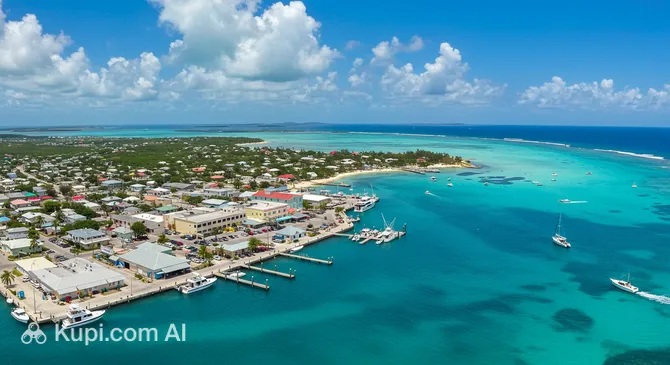
Marsh Harbour is the vibrant commercial center of the Abaco Islands and serves as a vital gateway for travelers exploring this stunning archipelago. As the third-largest settlement in the Bahamas, it offers a perfect blend of island charm and modern convenience. The town is renowned as a premier boating hub, bustling with activity from sailors, anglers, and tourists seeking the laid-back tropical lifestyle that defines the region.

Marsh Harbour. Source: Kupi.Binoculars

Located on Great Abaco Island, the city is home to approximately 6,000 residents, giving it a friendly, small-town atmosphere despite its status as a major transit point. The climate is typically tropical, offering warm, sunny weather that is ideal for water activities year-round. Visitors often use the town as a base to restock supplies, enjoy local dining, and prepare for adventures to the nearby cays.

The town has grown significantly over the years, evolving from a quiet sponging community into a bustling center of trade and tourism. Those interested in the history of Marsh Harbour will find that its development is deeply intertwined with the sea and the resilience of its people. Today, it stands as a testament to the enduring spirit of the Abacos, offering a mix of local shops, marinas, and waterfront restaurants.

Key attractions include the lively marinas where visitors can charter boats or catch a ferry to nearby destinations like Elbow Cay and Man-O-War Cay. For nature lovers, Mermaid Reef is a must-visit spot located just off the shore, offering excellent snorkeling opportunities with vibrant marine life. Whether you are passing through on a yacht or staying to explore the local culture, Marsh Harbour welcomes you with open arms and endless turquoise waters.

Weather Overview

Marsh Harbour enjoys a pleasant tropical climate that makes it a welcoming destination throughout the year. The weather in Marsh Harbour is characterized by consistent warmth, with temperatures remaining comfortable even during the cooler seasons. Visitors can generally look forward to sunny skies and gentle trade winds that are perfect for boating and water activities.

During the winter months of January through March, the climate is mild and drier. Average temperatures hover around 22°C to 23°C, with daily lows rarely dipping below 20°C. March is typically the driest month, featuring only about 7 wet days, which provides excellent conditions for exploring the Abaco Islands without interruption.

From June to September, the region experiences its warmest period, with average temperatures rising to approximately 28°C. August is usually the hottest month, seeing highs near 29.4°C. This season also brings more frequent precipitation, with July seeing up to 19 wet days, though rain often comes in short tropical showers. Overall, you can expect warm, humid summers with regular rainfall and milder, drier winters ideal for outdoor adventures.

Interesting Facts

Beyond the main attractions, Marsh Harbour holds many fascinating secrets and local quirks that add depth to its tropical charm. While it serves as a commercial hub, the town possesses unique features and urban legends that often go unnoticed by the casual observer.

  • The Solitary Traffic Light: For many years, Marsh Harbour was famous among Bahamians and frequent visitors for having the only functioning traffic light in the entire Abaco chain. This single signal became a humorous symbol of the town's "rush hour" in an otherwise laid-back island environment, illustrating the quirky balance between its city status and village atmosphere.

  • The Hilltop Castle: A curious architectural landmark known locally as "The Castle" sits high on a hill overlooking the town. Built by a local resident, this imposing structure contrasts sharply with the traditional colonial cottages and offers one of the most commanding panoramic views of the harbor, often serving as a visual navigation point for boaters entering the bay.

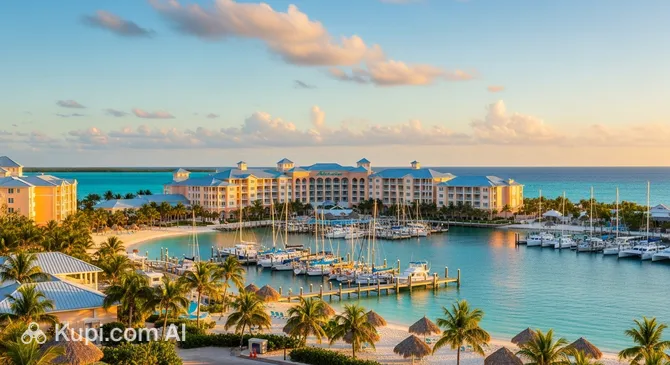
  • Tournament Capital: The town is not just a stopover but a world-class arena for sportfishing. During the peak season, the population swells with professional anglers as the marina at Abaco Beach Resort hosts prestigious events like the Bahamas Billfish Championship, turning the quiet docks into a vibrant center of international competition.

Abaco Beach Resort. Source: Kupi.Binoculars

How to Get There

Reaching this destination is an exciting part of the journey, with air travel being the most common method due to its island location. For a comprehensive guide on planning your trip, you can read more about how to get to Marsh Harbour. The city is well-connected to both neighboring islands and the United States, making it a convenient hub for visitors.

The most direct way to arrive is via Marsh Harbour International Airport (MHH), which is situated just 3.4 km from the city center. This facility welcomes numerous international and domestic flights daily. Once you land, a taxi to the downtown area takes approximately 5-10 minutes, allowing you to settle in quickly.

For those traveling from further afield, Lynden Pindling International Airport (NAS) in Nassau serves as a major gateway. Located about 170 km from Marsh Harbour, this large international hub offers connections to the Abacos via short domestic flights. Another option is Grand Bahama International Airport (FPO) in Freeport, roughly 162 km away, which also facilitates regional travel.

For clarity, here is a summary of the main airports:

Airport Name City Passenger Traffic Km from City
Lynden Pindling International Airport Nassau Large 170.1
Grand Bahama International Airport Freeport Medium 162.3
Marsh Harbour International Airport Marsh Harbour Medium 3.4
Governor's Harbour Airport Governors Harbour Small 157.2
North Eleuthera International Airport North Eleuthera Small 123.8

While there is no railway service within the Bahamas, travelers beginning their journey in Florida may utilize the West Palm Beach Station (WPT). Located in the city of West Palm Beach, approximately 298 km from Marsh Harbour across the ocean, this station serves as a transit point for those who plan to continue their trip to the islands by air or ferry.

Below is the information for the nearest major railway station:

Station City Passenger Traffic Km to Center
West Palm Beach Station West Palm Beach Large 298.2

Main Attractions

Attractions:

Marsh Harbour is primarily a destination defined by its maritime culture and laid-back island lifestyle rather than traditional monuments. The "attractions" here are the vibrant gathering spots where locals and visitors mingle, enjoying the stunning harbor views and fresh flavors of the Bahamas. Exploring these social hubs is the best way to experience the town's authentic character.

One of the most iconic locations in the area is the Abaco Beach Resort. While it serves as a premier hotel, its marina is a central attraction in its own right, often bustling with sportfishing boats and yachts from around the world. Tourists love this spot for its manicured grounds and the opportunity to watch the daily catch being brought in. It acts as a social anchor for the town, hosting events and offering a sophisticated yet relaxed atmosphere right on the water's edge.

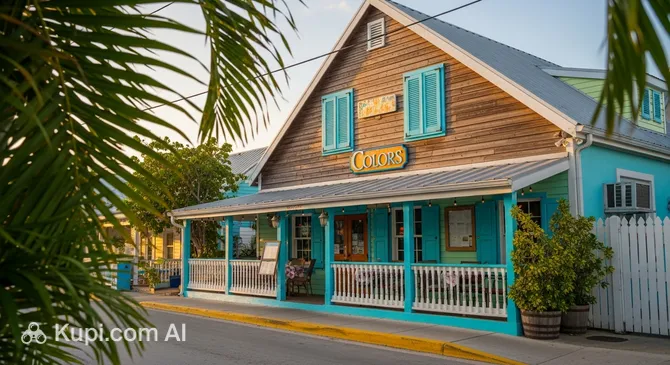
For those seeking a taste of local culinary culture, Colors is a must-visit establishment. Situated directly on the waterfront, this vibrant restaurant is famous for its colorful exterior and equally colorful Caribbean cuisine. It is an excellent place to sample authentic Bahamian dishes like conch fritters while enjoying a panoramic view of the harbor. The casual, open-air setting makes it a favorite for lunch or an early dinner, capturing the essence of a tropical getaway.

Colors. Source: Kupi.Binoculars

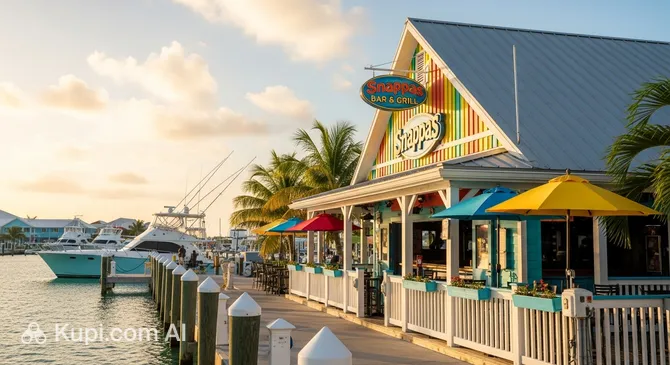
Another staple of the Marsh Harbour social scene is Snappas Bar and Grill. Located conveniently on the main strip, this spot is renowned for its lively ambiance, especially as the sun begins to set. It offers a mix of American and Bahamian favorites, making it a comforting stop for travelers. Tourists are drawn here not just for the food, but for the chance to unwind with a cold drink, listen to island music, and watch the lights of the boats reflecting off the calm waters of the bay.

Local Cuisine

The culinary landscape of Marsh Harbour is deeply rooted in the bounty of the surrounding ocean, making it a paradise for seafood lovers. As a central hub for fishermen and boaters, the city ensures that menus are consistently stocked with the freshest catches. Visitors can look forward to feasting on spiny lobster, grouper, and snapper, often prepared simply with lime, butter, and spices to highlight the natural flavors of the fish.

The undisputed star of the local table is the conch, a large marine mollusk that is prepared in a variety of delicious ways. A quintessential Bahamian dish to try is conch salad, a refreshing, ceviche-style mixture where fresh raw conch is "cooked" in citrus juices and tossed with diced tomatoes, onions, and peppers. For a hearty comfort meal, look for cracked conch, where the meat is tenderized, battered, and deep-fried to golden perfection, typically served alongside peas and rice.

To accompany these savory dishes, the local beverage scene offers plenty of tropical delights. Rum is the spirit of choice, serving as the base for famous cocktails like the Bahama Mama and the Goombay Smash, a potent blend of rums and fruit juices that originated in the nearby cays. For a lighter option, nothing beats an ice-cold Kalik or Sands, the national beers of the Bahamas, which are perfectly suited for the warm climate.

Snappas Bar and Grill. Source: Kupi.Binoculars

The dining culture in Marsh Harbour is refreshingly casual and revolves almost entirely around the waterfront. You will rarely need to dress up for dinner; the vibe is laid-back, with open-air restaurants inviting guests to relax in flip-flops and shorts. Popular gathering spots like Snappas Bar and Grill capture this spirit perfectly, offering a lively atmosphere where tourists and locals mingle over grilled favorites and sunset views.

For those seeking a vibrant taste of authentic island life, establishments like Colors provide a feast for both the eyes and the palate. Situated right on the water, such venues are known for their friendly service and traditional Bahamian recipes. Whether you are enjoying a casual lunch or a festive dinner, the food scene here is all about great flavors, generous portions, and the unbeatable backdrop of the turquoise harbor.

Travel Tips

Planning a trip to Marsh Harbour is the first step toward an unforgettable island adventure, and a little preparation goes a long way. To help you navigate the commercial hub of the Abacos with ease, here are some practical tips to keep in mind before you arrive.

  1. Clothing and Essentials. The climate is tropical and warm year-round, so pack lightweight, breathable fabrics like cotton and linen. Casual beachwear is the norm during the day, but you should bring "smart casual" attire for evening dining. Don't forget high-SPF sunscreen, a hat, and polarized sunglasses for days on the water. If you are traveling from Europe, bring a Type A or B power adapter, as the outlets are the same as in the US.

  2. Getting Around. There is no public bus or metro system in Marsh Harbour. Taxis are readily available at the airport and in town, but fares are generally fixed rather than metered, so confirm the price before getting in. If you plan to explore the length of Great Abaco, renting a car is highly recommended; just remember that driving is on the left side of the road. For visiting nearby cays, local ferry services are the primary mode of transport.

  3. Money Matters. The local currency is the Bahamian Dollar (BSD), which is pegged 1:1 with the US Dollar. US currency is accepted everywhere, so there is no urgent need to exchange money if you have American bills. Major credit cards are widely accepted at hotels and restaurants, but you will need cash for taxis, small vendors, and straw markets. ATMs are available in the town center.

  4. Health and Safety. Marsh Harbour is generally safe, but standard travel precautions apply. The sun can be intense, so stay hydrated; while tap water is often treated, tourists are usually advised to stick to bottled water to avoid stomach upsets. Be aware of "no-see-ums" (sand flies) at dusk and dawn, especially near the beach, so packing insect repellent is essential. Pharmacies are available in town for basic medical needs.

  5. Communication. English is the official language, spoken with a distinct Bahamian lilt, so you won't face any language barriers. Wi-Fi is standard in most hotels and cafes. If you need constant connectivity, consider purchasing a local SIM card from providers like BTC or Aliv, which have stores in Marsh Harbour, as international roaming charges can be high.

  6. Local Etiquette. Bahamians are warm and polite people. It is customary to greet everyone you meet with a friendly "Good morning" or "Good afternoon" before asking a question or starting a transaction. Also, embrace "island time"—service may be slower than what you are used to in big cities, so patience and a smile will get you far.

  7. What to Avoid. Do not wear swimwear away from the beach or pool areas; walking around town or entering shops shirtless or in a bikini is considered disrespectful. Additionally, avoid touching coral reefs if you go snorkeling, as they are fragile living ecosystems.

  8. Sunday Schedules. Keep in mind that Marsh Harbour is a fairly traditional community, and many shops, grocery stores, and businesses are closed or have very limited hours on Sundays. Plan your supply runs and banking for weekdays or Saturdays to avoid being caught out.

Armed with these tips, you are ready to enjoy everything this gateway to the Bahamas has to offer. Whether you are here for the boating, the food, or simply the sunshine, a little local knowledge ensures your vacation will be as relaxing as the breeze in the palm trees.

Entertainment & Nightlife

Entertainment in Marsh Harbour reflects the laid-back, maritime spirit of the Abaco Islands. You will not find sprawling nightclubs with laser shows or 24-hour party zones here. Instead, the nightlife is centered around socializing, live music, and the "sundowner" culture, where the evening begins with watching the sun dip below the horizon and continues with relaxed conversations under the stars. The atmosphere is universally welcoming, characterized by a mix of local residents, expatriates, and visiting boaters sharing stories of their day on the water.

The hub of evening activity is undoubtedly the waterfront area, particularly along the main harbor strip. This is where the pulse of the town beats fastest after dark. The dress code is almost exclusively "island casual"—shorts, polo shirts, and sundresses are the norm. Most venues are open-air or have large patios to take advantage of the warm tropical breeze, creating an environment that feels more like a large family gathering than a formal night out.

For a quintessential experience of Marsh Harbour nightlife, Snappas Bar and Grill is a favorite destination. Located right on the water, it is famous for its lively atmosphere and frequent live music performances featuring local bands playing reggae, calypso, and rake-and-scrape. It is the perfect spot to grab a cold beer, enjoy the rhythm, and mingle with the diverse crowd that gathers there every weekend.

Another popular spot to unwind is Colors, which transforms from a lunch spot into a vibrant evening hangout. With its deck overlooking the harbor, it offers a fantastic vantage point for evening drinks. The vibe here is unpretentious and fun, making it an excellent choice for travelers looking to enjoy authentic Bahamian hospitality without the crowds of a major city.

For those seeking a slightly more resort-style evening, the bars within the Abaco Beach Resort offer a sophisticated yet relaxed setting. The resort often hosts special events and has a pool bar that serves as a social anchor for the marina guests. It is a great place to sip a well-crafted cocktail while admiring the yachts docked nearby.

Practical advice for nightlife enthusiasts involves timing and transport. The "party" usually starts early, around sunset (6:00 PM to 8:00 PM), and winds down by midnight or 1:00 AM, although some nights can go later depending on the crowd. Prices for drinks are comparable to the US, though imported beers and spirits can be slightly higher. Since the town is spread out, walking between venues is possible in the central marina area, but if you are staying further afield, it is best to arrange a taxi. Taxis are generally safe and reliable, but you should have a number for a local service saved, as you cannot simply flag one down on the street late at night.

Safety in Marsh Harbour is generally good, but standard precautions apply. The main tourist areas around the marinas are well-lit and populated, making them safe for night walks. However, avoid wandering into unlit or residential backstreets alone after dark. Stick to the main roads and the waterfront promenade where the activity is concentrated.

While the nights are for relaxing, daytime entertainment in the city offers its own charm. Apart from the obvious water activities, visitors can explore local boutiques and art galleries that showcase Bahamian crafts. While there are no large amusement parks or grand museums, the town serves as a cultural gateway where you can arrange excursions to historic settlements on nearby cays, effectively making the entire archipelago your playground.
Parks & Museums

While Marsh Harbour is primarily known as a bustling commercial hub and boating gateway, it surprises visitors with its dedication to preserving the natural beauty and cultural heritage of the Abacos. The city may not be filled with traditional urban parks, but its "green spaces" are often blue, encompassing protected marine areas and nearby pine forests that offer a glimpse into the wild side of the Bahamas.

Mermaid Reef stands out as the city's most accessible and enchanting natural attraction. Located just off the shoreline, this protected marine park is a haven for snorkelers and nature enthusiasts. The reef is shallow enough for beginners and teeming with friendly marine life, including schools of snapper, parrotfish, and the occasional moray eel. It serves as a living aquarium where visitors can immerse themselves in the vibrant underwater ecosystem without needing a boat to travel far from town.

For a terrestrial adventure, the Abaco National Park is a significant natural area located a short drive south of the city limits. Spanning over 20,000 acres, this protected reserve is dominated by Caribbean pine forests and is famous for being the primary nesting ground of the endangered Bahama Parrot. Nature lovers using Marsh Harbour as their base can explore the trails to spot these colorful birds, along with other wildlife that thrives in the quiet woodlands, offering a stark contrast to the busy marina scene.

In terms of culture and history, the Abaco Museum of Natural History offers a fascinating educational experience right in the heart of Marsh Harbour. Housed within the "Friends of the Environment" center, this compact museum focuses on the environmental history of the archipelago. Exhibits showcase the unique geology of the islands, including the formation of blue holes and caves, as well as the pre-history of the Lucayan people. It is an essential stop for anyone wanting to understand the delicate ecosystems that define the region.

The city also boasts a thriving artistic community, with several local galleries and studios acting as cultural venues. Bahamian artists here are known for their vibrant depictions of island life, often using driftwood, conch shells, and canvas to tell stories of the sea. Visiting these small, often family-run galleries provides insight into the local creative spirit and offers a chance to see how the island's history of boatbuilding and fishing influences its contemporary art scene.

For a truly authentic experience, stop by the Friends of the Environment office not just for the museum, but to chat with local conservationists. They often have the most up-to-date information on eco-tours and can point you toward hidden blue holes or inland trails that aren't on the typical tourist map, giving you a deeper connection to the island's land and sea.

Getting Around

Navigating Marsh Harbour requires a shift in perspective from the typical urban travel experience. As a small island settlement with a population of around 6,000, the city does not possess a public transport system in the traditional sense. There are no subways, trams, or municipal bus networks circulating through the town. Instead, the transportation infrastructure is designed around the unique geography of the Abacos, relying heavily on taxis, rental vehicles, and an extensive ferry network that serves as the region's aquatic "bus" system.

For movement within the town and across Great Abaco Island, taxis are the primary mode of chauffeured transport. These are not hailed on the street like in major metropolises; they are typically found at the airport, marinas, and major hotels. Taxis in Marsh Harbour do not use meters. Instead, fares are based on fixed zones or specific destinations. It is standard practice to confirm the price with the driver before getting into the vehicle to avoid any confusion upon arrival.

The most vital component of the local "public" transport is the ferry service. Operating from the dock known as "The Crossing," these ferries are the lifeline connecting Marsh Harbour to the surrounding cays, such as Hope Town (Elbow Cay), Man-O-War Cay, and Great Guana Cay. While technically inter-island transport, they function much like a commuter train or bus system for locals and tourists alike. The ferries run on a strict daily schedule, usually starting around 7:00 AM and ending in the late afternoon or early evening, depending on the destination.

Regarding payment, cash is king in Marsh Harbour's transport sector. While some ferry services may accept credit cards at their main office or for online bookings, it is essential to carry cash (either Bahamian or US dollars) for taxi fares and onboard ferry ticket purchases. There are no travel cards, magnetic passes, or mobile transport apps for local transit. Fares for ferries are generally fixed for one-way or round-trip tickets, while taxi prices vary by distance.

For those seeking independence, renting a car is the most popular alternative. Since the town is spread out and serves as a base for exploring the larger island, having a vehicle allows you to visit the National Park or southern settlements at your own pace. Rental agencies are located at the airport and in the town center. Remember that driving is on the left side of the road. Bicycle rentals are also available for short trips around the immediate town area, though they are less common for longer excursions due to the heat and distances.

Practical advice for tourists includes planning ahead for evening travel. Since ferry services stop running around sunset (often between 5:45 PM and 7:00 PM), missing the last boat means chartering a private vessel, which is significantly more expensive. Similarly, while taxis are reliable during the day, it is wise to keep the phone number of a local taxi dispatcher or driver for late-night service, as you cannot rely on finding one waiting at a stand after dark.

Accommodation

Accommodation in Marsh Harbour caters primarily to boaters, anglers, and travelers seeking a relaxed island base. The options generally range from full-service waterfront resorts and mid-range hotels to a wide variety of vacation rentals and private villas. Unlike the massive all-inclusive chains found in Nassau, the lodging landscape here is more intimate, characterized by boutique properties and locally owned guesthouses that emphasize personal service and easy access to the sea.

The most popular and convenient area to stay is undoubtedly along the waterfront and marina district. Staying here places you within walking distance of the ferry dock, key restaurants, and shops, eliminating the immediate need for a car. This central zone is the heartbeat of the town, offering lively views of the harbor where you can watch yachts come and go. For those seeking more privacy, there are rental properties located slightly inland or on the outskirts of town, offering quieter surroundings while still being just a short taxi ride from the action.

A standout example of the local hospitality scene is the Abaco Beach Resort. As the largest and most prominent hotel in the area, it serves as a central hub for tourists. It features a full-service marina, private beach access, and varied room options ranging from standard guest rooms to spacious villas. It is particularly well-suited for families and groups who want a "one-stop-shop" experience with dining and activities onsite.

Booking Tip: Marsh Harbour is a major transit point and a boating capital, meaning rooms can fill up quickly, especially during peak fishing tournaments or the regatta season. It is highly advisable to book your accommodation at least a few months in advance if you plan to visit between March and July. For private rentals, early booking is essential to secure the best locations near the water.

Regarding costs, prices in Marsh Harbour generally lean towards the mid-range to luxury spectrum. Budget accommodation is relatively scarce compared to other global destinations, reflecting the island's import-heavy economy. Most established hotels and resorts can be booked via major online platforms, but for vacation rentals and smaller guest cottages, direct booking through local real estate agencies or specialized listing sites is common and often yields better rates.

Nearby Cities

For those looking to explore the surroundings, Marsh Harbour serves as an excellent base for day trips to several interesting nearby locations:

City Population Distance (km)
Nassau 274,400 168
Freeport 45,945 157
West End 13,577 190
North Eleuthera 3,000 125
Andros Town 2,500 224

North Eleuthera is one of the closest major destinations for an island-hopping adventure. Known for its rugged coastline and agricultural roots, it serves as the gateway to the famous Harbour Island and Spanish Wells. Visitors often take a short flight here to experience the renowned pink sand beaches and the charming, colonial-style architecture that defines the area, offering a picturesque contrast to the boating hubs of the Abacos.

For a complete change of pace, a trip to Nassau, the capital of the Bahamas, offers a vibrant urban experience. Located on New Providence Island, it is a bustling center of history, commerce, and culture. Travelers can explore historic forts, shop at the famous Straw Market, or enjoy the lively atmosphere of Bay Street. It provides a dynamic mix of colonial heritage and modern resort luxury, making it a fascinating spot for a day of exploration.

Freeport on Grand Bahama Island is another accessible option for nature lovers and shoppers alike. It is home to the Rand Nature Centre and the expansive Lucayan National Park, which features one of the world's largest underwater cave systems. The city combines ecological wonders with the commercial appeal of the Port Lucaya Marketplace, offering a diverse itinerary for a short visit.

These nearby destinations offer a glimpse into the diverse culture and landscapes of the region.

Shopping & Souvenirs

Shopping in Marsh Harbour is a practical and pleasant experience, reflecting its status as the commercial hub of the Abaco Islands. While you will not find sprawling luxury malls or high-end fashion avenues here, the city offers a robust selection of stores that cater to both the practical needs of boaters and the desires of souvenir hunters. The retail scene is characterized by a mix of well-stocked provision centers, charming local boutiques, and duty-free shops, making it the best place in the archipelago to stock up on supplies or find unique island treasures.

The primary shopping activity is concentrated along Don MacKay Boulevard and the main waterfront areas. This central artery runs through the town and is lined with various businesses, including hardware stores, pharmacies, and clothing boutiques. It serves as the commercial spine of the city, where visitors can find everything from beachwear and fishing gear to electronics. A stroll down this street offers a glimpse into the daily life of the locals and provides access to the most essential services.

Unlike major metropolitan areas, Marsh Harbour does not have traditional large-scale shopping malls. Instead, the retail landscape is defined by smaller shopping plazas and the famous Maxwell's Supermarket. Maxwell's is much more than a grocery store; it is a modern, expansive facility that serves as a central meeting point and carries a vast array of goods, including home essentials and books. For many visitors, especially those chartering boats, this is the first and most important stop to provision for their island adventures.

For those seeking authentic local crafts, the town features several smaller markets and independent gift shops located near the marinas. While there isn't a massive centralized straw market like in Nassau, you will find vendors selling beautiful handmade items. These intimate settings allow for a more personal interaction with shop owners, who are often happy to share the stories behind their products.

When looking for the perfect keepsake, focus on locally made goods that embody the spirit of the Bahamas. Popular souvenirs include straw goods such as woven hats, baskets, and bags, which are a traditional Bahamian craft. Androsia batik fabric, with its bright colors and island-inspired patterns, is another favorite. Additionally, locally produced ceramics, artwork depicting marine life, and bottles of Bahamian rum or hot sauce make for excellent gifts to bring back home.

Store hours in Marsh Harbour typically run from 9:00 AM to 5:00 PM, Monday through Saturday. It is important to note that Sunday is a quiet day in the Abacos, and most shops, including many grocery stores, are closed or have very limited operating hours. Payment is convenient, as the Bahamian Dollar is pegged 1:1 with the US Dollar, and American currency is accepted everywhere. Major credit cards are widely used in most established shops and restaurants, though carrying some cash is advisable for smaller vendors.

Tourists should also be aware of Tax-Free shopping opportunities. The Bahamas offers a Value Added Tax (VAT) refund system for eligible visitors purchasing goods like jewelry, watches, and leather goods at registered "Global Blue" or tax-free stores. If you plan on making significant purchases, be sure to ask the retailer for the necessary tax-free forms and have your passport handy to take advantage of these savings.

Reached the end of the page?

That means the route is fully explored