Support

Treasure Cay

About

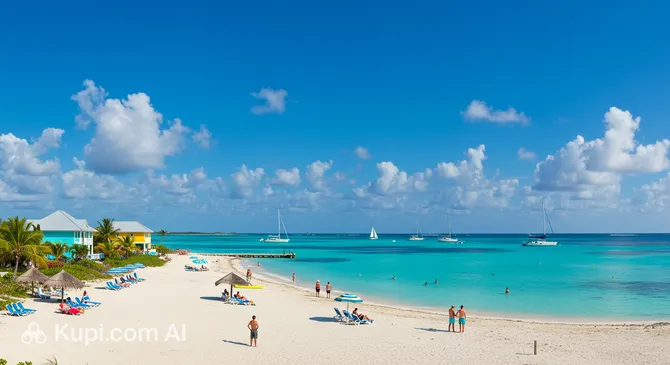
Treasure Cay is a captivating resort community that embodies the quintessential island lifestyle. Nestled in the Abaco chain of the Bahamas, it is celebrated for its spectacular coastal scenery and laid-back vibe, offering a perfect escape for travelers seeking sun, sand, and serenity.

Treasure Cay. Source: Kupi.Binoculars

Geographically, the town is situated on the east coast of Great Abaco Island and is home to a permanent population of around **1,500 people**, creating a friendly and intimate environment. The region benefits from a delightful tropical climate, ensuring warm, sunny days that are ideal for enjoying the outdoors year-round.

While it is now a premier vacation spot, the area has a fascinating past. You can discover more about its development and heritage by reading the history of Treasure Cay. Today, it stands as a testament to the allure of the Caribbean, blending modern amenities with natural splendor.

Visitors are primarily drawn to the world-famous **Treasure Cay Beach**, a 3.5-mile stretch of pristine white sand and mesmerizing turquoise water that is frequently ranked among the best beaches in the world. Beyond the shore, the area is a haven for boaters and anglers, featuring a bustling marina and offering easy access to the surrounding cays for unforgettable aquatic adventures.

If you are dreaming of a tranquil getaway where the ocean meets the sky, Treasure Cay awaits. It is the perfect destination to recharge, reconnect with nature, and enjoy the warm hospitality of the islands.

Weather Overview

Visitors to this beautiful island destination can look forward to a warm and inviting climate year-round. To help you choose the best time for your trip, you can review the detailed forecast and historical trends for the weather in Treasure Cay.

The temperatures are quite stable, rarely dropping too low. During the cooler winter months like January, the average temperature hovers around 21.8°C, providing a refreshing break from the heat. Summer brings warmer days, with August seeing average temperatures of roughly 28.3°C, perfect for swimming and water sports.

Precipitation follows a seasonal pattern, with the number of wet days increasing significantly during the summer. While February and March might only see about 7 to 8 wet days, the period from June through September can experience around 19 wet days per month. Generally, you can expect warm summers with frequent rain showers and mild, drier winters.

Interesting Facts

Beyond its stunning coastline and resort atmosphere, Treasure Cay holds fascinating stories and natural secrets that many visitors overlook. From its humble beginnings to hidden geological wonders, there is much more to this destination than meets the eye.

  • A Marketing Makeover: This idyllic location was not always known by its current evocative name. It was originally called Sand Banks Cay due to its geography. Developers in the mid-20th century decided to rename it "Treasure Cay" to make it sound more romantic and appealing to potential visitors and investors.

  • The First Loyalist Settlement: History runs deep here, as the area is the site of Carleton, the very first Loyalist settlement established in the Abacos. Founded in 1783 by refugees fleeing the American Revolution, the settlement was named after Sir Guy Carleton. Although it was short-lived due to a hurricane, its legacy marks the beginning of the modern era in the region.

  • A Hidden Blue Hole: While the ocean takes center stage, a mysterious natural wonder lies hidden within the nearby pine forests. The Treasure Cay Blue Hole is a deep inland sinkhole reaching depths of over 250 feet. Unlike ocean blue holes, this geological formation contains a unique mix of fresh and saltwater and is a favorite secret spot for adventurous swimmers.

  • World-Class Recognition: The local beach is not just popular among tourists; it has been scientifically recognized for its beauty. National Geographic has famously ranked Treasure Cay Beach as one of the top 10 beaches in the world, specifically citing its mesmerizing 3.5-mile stretch of powdery white sand and brilliant turquoise waters.

How to Get There

Reaching this serene island destination involves a bit of planning, but the journey is part of the adventure. Most travelers arrive by air, landing at nearby transport hubs before making a short transfer to the resort area. For a complete guide on logistics and transportation options, you can read more about how to get to Treasure Cay.

The city of Treasure Cay does not have its own major international airport listed in the immediate vicinity, but the most convenient entry point is Marsh Harbour International Airport (IATA: MHH). Located in the city of Marsh Harbour, it is approximately 27.1 km from Treasure Cay. This regional hub welcomes numerous flights and serves as a primary gateway for the Abacos. From the airport, a taxi ride to Treasure Cay typically takes around 60 minutes, offering scenic views of the island along the way.

For those traveling from further afield, Lynden Pindling International Airport (IATA: NAS) in Nassau is the main international hub for the country. Situated about 181.5 km from Treasure Cay, it handles a large volume of passenger traffic and connects to major cities worldwide. Travelers often fly into Nassau and then take a connecting domestic flight or a charter to the Abacos to reach their final destination.

Another option is Grand Bahama International Airport (IATA: FPO) in Freeport, located roughly 141.1 km away. While less direct than Marsh Harbour, it serves as an alternative entry point into the Bahamas, particularly for visitors coming from Florida or other nearby regions.

For clarity, here is a summary of the main airports:

Airport Name City Passenger Traffic Km from City
Lynden Pindling International Airport Nassau Large 181.5
Grand Bahama International Airport Freeport Medium 141.1
Marsh Harbour International Airport Marsh Harbour Medium 27.1
Governor's Harbour Airport Governors Harbour Small 181.4
North Eleuthera International Airport North Eleuthera Small 146.1

The city of Treasure Cay does not have a railway station, as it is located on an island. However, for travelers beginning their journey in the United States, West Palm Beach Station (IATA: WPT) in West Palm Beach is a notable transport hub located about 275.7 km away across the water. Many visitors take a train to this station and then transfer to a nearby port or airport to catch a flight or ferry to the Bahamas.

Similarly, the Aventura Brightline Station (IATA: AVT) in Miami Beach is approximately 296.7 km away. While these rail links do not connect directly to Treasure Cay, they are vital for reaching the Florida coast, which serves as the primary launching point for travel to the Abaco Islands.

Below is a list of relevant railway stations on the mainland:

Station City Passenger Traffic Km to Center
West Palm Beach Station West Palm Beach Large 275.7
Aventura Brightline Station Miami Beach Medium 296.7
Fort Lauderdale Railway Station Fort Lauderdale Small 295.5

Main Attractions

Treasure Cay Beach is undoubtedly the crown jewel of the area and the primary reason visitors flock to this destination. Often cited as one of the most beautiful beaches in the Caribbean, it features a breathtaking three-and-a-half-mile crescent of powdery white sand that feels soft to the touch. The water here is a mesmerizing shade of turquoise and remains calm and shallow, making it safe for swimming and perfect for long, relaxing walks along the shore.

For a unique wildlife encounter, a trip to No Name Cay, locally known as "Piggyville," is a must-do activity. Located just a short boat ride away, this small, uninhabited island is home to a colony of friendly swimming pigs. Tourists can wade into the water to feed and interact with these charming animals, creating unforgettable vacation memories and photo opportunities in a surreal tropical setting.

Nature enthusiasts should explore the Treasure Cay Blue Hole, a fascinating geological formation hidden within the pine forests inland. Unlike the offshore ocean holes, this deep sinkhole is surrounded by lush vegetation and offers a mix of fresh and saltwater. It is a serene and somewhat mysterious spot for a refreshing dip, attracting those looking to discover the island's natural secrets beyond the coastline.

While staying in Treasure Cay, many travelers take the opportunity to visit Green Turtle Cay. The ferry dock is conveniently located nearby, offering regular service to this historic island. Visitors can explore the charming settlement of New Plymouth, known for its Loyalist architecture, museums, and quaint streets, making it an excellent cultural day trip to complement the resort atmosphere of Treasure Cay.

Local Cuisine

The culinary scene in Treasure Cay is a delightful reflection of its island setting, where the ocean provides the main ingredients and the atmosphere is always relaxed. Dining here is less about white-tablecloth formality and more about fresh, flavorful comfort food enjoyed with the sound of waves in the background. The local cuisine is heavily centered around seafood, prepared with Bahamian spices and served in generous portions.

No visit to the Abacos is complete without trying conch, the quintessential Bahamian staple. You will find it prepared in numerous ways, but conch salad is a must-try appetizer. It is a refreshing mix of raw conch "cooked" in citrus juices with diced peppers, onions, and tomatoes. For a warm meal, cracked conch (battered and deep-fried) or savory conch fritters are local favorites. During the lobster season, the local spiny lobster, often referred to as crawfish, is a highlight, typically served grilled with drawn butter.

Beyond seafood, the side dishes are just as important to the gastronomic experience. Meals are often accompanied by peas 'n' rice, a savory blend of pigeon peas, rice, tomatoes, and thyme, or Bahamian macaroni and cheese, which is baked firm and cut into squares. For breakfast or a sweet treat, look out for Johnny Cake, a dense, bread-like biscuit, or the area's famous sticky cinnamon rolls, which have a legendary reputation among returning visitors.

When it comes to drinks, the Abaco region is the birthplace of the famous Goombay Smash. While it originated on a nearby cay, this potent rum punch is a staple in Treasure Cay's bars and restaurants. It is a fruity, sweet, and strong concoction that perfectly captures the tropical vibe. For beer lovers, an ice-cold Kalik or Sands—the local Bahamian lagers—are the standard choices for cooling off on a hot beach day.

The food culture in Treasure Cay is predominantly casual and social. Most dining venues are open-air beach bars or grills located near the marina and the shore. It is common for tourists and locals to mingle over sunset cocktails and fish fries. The vibe is unhurried, encouraging you to linger over your meal and enjoy the warm island hospitality.

Travel Tips

Planning a trip to Treasure Cay promises a relaxing escape to one of the most beautiful corners of the Bahamas, but a little local know-how goes a long way. To help you settle into the island rhythm effortlessly, here are some practical tips designed to make your stay as smooth and enjoyable as possible.

  1. Clothing and Gear: The vibe here is famously relaxed, so pack lightweight, breathable fabrics like cotton and linen. While swimwear is perfect for the beach, remember to wear a cover-up or casual clothes when visiting shops or restaurants. Essential items include high-SPF sunscreen, a wide-brimmed hat, and definitely insect repellent, as "no-see-ums" (sand flies) can be active at dusk and dawn. You won't need formal wear, but a light sweater is useful for breezy evenings.

  2. Transportation: Within the Treasure Cay community, golf carts are the primary and most fun mode of transport; they are widely available for rent and perfect for getting to the beach, marina, and shops. For trips further afield, such as to Marsh Harbour, you will need to hire a licensed taxi. Note that ride-hailing apps like Uber are not available here, so it is wise to keep the number of a reliable local taxi driver handy.

  3. Finances: The Bahamian Dollar (BSD) is pegged 1:1 with the US Dollar, and the two currencies are used interchangeably. It is highly recommended to bring plenty of cash, particularly in smaller denominations, as some smaller vendors and local spots may not accept cards. While major establishments in the resort area accept credit cards, ATMs can occasionally be out of service, so having a cash reserve is a smart move. Tipping around 15–20% is standard for good service.

  4. Health and Safety: Treasure Cay is a safe and family-friendly destination, but standard precautions like locking your golf cart and room should be observed. For medical needs, there is a local clinic for minor issues, but the main hospital and pharmacies are located in nearby Marsh Harbour. Be sure to stay hydrated and protect yourself from the strong tropical sun, which can be deceptive even on cloudy days.

  5. Communication: English is the official language, so you will have no trouble communicating. Wi-Fi is generally available in rental properties and the marina area, but speeds can vary. If you need constant connectivity, consider purchasing a local SIM card from providers like Aliv or BTC upon arrival in Marsh Harbour, as roaming charges on international plans can be steep.

  6. Local Etiquette: Bahamians are incredibly warm and polite people. It is customary to greet everyone you meet with a friendly "Good morning," "Good afternoon," or "Good evening" before starting a conversation or asking a question. Skipping this greeting can be seen as rude. Also, embrace the slower pace of life; rushing or showing impatience is contrary to the local culture.

  7. What to Avoid: Avoid getting frustrated by "Island Time." Service in restaurants and shops may be slower than what you are used to back home, but this is part of the laid-back charm. Simply relax, enjoy the view, and do not expect things to happen instantly. Additionally, never touch the coral reefs if you go snorkeling, as they are fragile ecosystems.

  8. Sunday Planning: Be aware that Sunday is a quiet day in the Abacos. Many shops, grocery stores, and some restaurants may have reduced hours or be closed entirely. It is a good idea to stock up on groceries and supplies on Saturday to ensure you have everything you need for a lazy Sunday by the pool or beach.

By keeping these tips in mind, you will be well-prepared to fully immerse yourself in the tranquility of Treasure Cay. Pack your sunglasses, leave your worries behind, and get ready to experience the warm hospitality and stunning natural beauty of this Bahamian gem.

Entertainment & Nightlife

Entertainment and nightlife in Treasure Cay reflect the destination's overall character: relaxed, intimate, and centered around socializing with fellow travelers and locals. You will not find neon-lit nightclubs, thumping discos, or sprawling entertainment districts here. Instead, the evening scene is defined by laid-back beach bars, sunset cocktails, and impromptu gatherings at the marina, where the atmosphere is warm and welcoming.

The hub of activity after dark is undoubtedly the **Marina area**. This is where the community naturally gravitates as the sun goes down. It serves as the social heart of the town, offering a safe and walkable district where you can enjoy a meal, listen to island music, and share stories of the day's catch. The vibe is decidedly "island casual"—there is no strict dress code, and flip-flops and shorts are the standard attire everywhere you go.

One of the most iconic spots to visit is the **Tipsy Seagull**. Located right at the marina, this open-air bar is legendary among boaters and residents alike. It is the perfect place to enjoy a cold beer or a rum punch while watching the boats dock for the evening. Depending on the season and the night of the week, you might find a lively crowd enjoying a DJ or live band, often spilling out onto the docks in a friendly, communal party atmosphere.

For a more scenic evening experience, the **Coco Beach Bar** is a must-visit, particularly in the late afternoon and early evening. Situated directly on the famous Treasure Cay Beach, it offers front-row seats to spectacular sunsets. While it is more of a daytime and early evening venue, it is the ideal spot to kick off your night with a tropical drink in hand before heading to the marina for dinner. Another excellent option is the **Bahama Beach Club**, which frequently hosts special dining nights and offers a refined yet relaxed setting for evening cocktails by the pool or ocean.

Practical advice for enjoying the nightlife here is simple: start early. Many venues wind down earlier than in major cities, with the peak social hours being from sunset until around 10:00 or 11:00 PM. Prices are typical for a Bahamian resort area—expect to pay a premium for imported spirits and beer, though local options like Kalik are more affordable. Most places accept credit cards, but carrying cash is always wise for smaller tabs or tips.

Safety is rarely a concern in Treasure Cay, as the community is small and tight-knit. It is generally safe to walk around the main marina and resort areas at night. However, the streets can be very dark due to limited street lighting. The primary mode of transport is the **golf cart**. If you are driving a cart at night, be extra cautious of pedestrians and other carts, and ensure your lights are working. There is no standard taxi hailing service on the street; if you need to go further afield, you must arrange a taxi in advance through your hotel or a local contact.

Regarding daytime entertainment, do not expect shopping malls, movie theaters, or amusement parks. The "entertainment" here is the great outdoors. Days are spent on the golf course, tennis courts, or out on the water. For a touch of culture or history, visitors often take the ferry to nearby Green Turtle Cay to visit museums and walk through historic settlements, as Treasure Cay itself is focused primarily on recreation and relaxation.
Parks & Museums

Treasure Cay is a destination where nature itself serves as the primary gallery and playground. While the community is renowned for its resort amenities, it lacks traditional city parks or large indoor museum complexes within its immediate gates. Instead, the area offers immersive natural experiences in its pine forests and coastal dunes, while the region’s rich history and culture are best explored through short excursions to the neighboring historic settlements.

Treasure Cay Beach and Coastal Dunes act as the community's central park. Unlike manicured city gardens, this area offers a raw, pristine natural environment. Visitors can walk along the soft, powdery sands flanked by natural dune vegetation, which provides a habitat for local bird species and helps protect the coastline. It is an ideal spot for nature lovers to observe the delicate ecosystem where the land meets the sea, offering a serene environment for morning jogs or sunset strolls away from the developed areas.

For a greener, more secluded experience, the area surrounding the Treasure Cay Blue Hole serves as a fascinating natural reserve. Hidden within a dense pine forest, this geological wonder is not just a swimming hole but a window into the island's subterranean makeup. The short hike through the woods to reach the sinkhole allows visitors to experience the native flora of the Abacos, including Caribbean pine and various air plants, providing a stark and beautiful contrast to the beach scenery.

Since Treasure Cay is primarily a resort community, those seeking museums and art galleries typically take the short ferry ride to nearby New Plymouth on Green Turtle Cay. The Albert Lowe Museum is a cultural highlight of the region, housed in a beautifully restored Victorian-era home. It chronicles the history of the Abacos, from the Lucayan Indians to the Loyalist settlers, featuring model ships, photographs, and artifacts that paint a vivid picture of island life through the centuries.

Another significant cultural venue accessible from Treasure Cay is the Loyalist Memorial Sculpture Garden in New Plymouth. This open-air "museum" features a collection of bronze busts depicting the founders and key figures of the Abaco settlements. Arranged in the pattern of the Union Jack, the garden offers a poignant tribute to the Loyalists who fled the United States after the American Revolution to start a new life in the Bahamas, deeply influencing the local culture.

Within Treasure Cay itself, history buffs should visit Carleton Point. This is the site of the first Loyalist settlement in the Abacos, established in 1783. Although the original settlement was destroyed by a hurricane shortly after its founding, a commemorative plaque marks the spot. Visiting this site offers a tangible connection to the resilience of the early settlers and provides a moment of reflection on the community's origins.

For an authentic insider experience, explore the Sand Banks Creek area by kayak or paddleboard. This extensive mangrove system is a nursery for marine life and a haven for turtles and rays. Paddling silently through these calm, shallow waters offers a rare chance to see the "wild" side of Treasure Cay, far removed from the marina bustle, where you can observe herons and egrets in their natural habitat.

Getting Around

Treasure Cay is a compact and serene destination, and as such, it does not possess a conventional public transport system like a metro, bus network, or trams. Visitors will not find scheduled municipal transit routes circulating within the town. Instead, the transportation infrastructure is tailored to the relaxed pace of the resort lifestyle, relying primarily on private rentals, walking, and hired services.

The most popular and iconic mode of getting around the community is the golf cart. For tourists, this serves as the primary everyday transport, perfect for navigating between the marina, the beach, private villas, and local shops. These open-air vehicles are widely available for rent by the day or week. They are easy to drive and ideally suited for the flat terrain and short distances that characterize the area.

For travel outside the immediate resort grounds, such as transfers to the airport or trips to other settlements like Marsh Harbour, taxis are the standard solution. Taxis are typically large vans or sedans that can accommodate luggage and groups. It is important to note that there are no meters; fares are generally fixed based on zones or destinations. You should always confirm the price with the driver before starting your journey, as ride-sharing apps are not operational in this region.

A unique and vital component of the local transport network is the ferry service. The Treasure Cay Ferry Dock offers regular scheduled departures to the nearby Green Turtle Cay. This water taxi service is reliable and functions as the main public link to the offshore islands. Tickets are typically purchased directly at the dock or on the boat, making it a convenient option for day trips.

When it comes to payment, cash is essential. While some larger rental agencies may accept credit cards for golf cart bookings, taxi drivers and ferry operators almost exclusively prefer cash. Both US dollars and the local currency are used interchangeably. Tourists are advised to carry small bills, as drivers may not always have change for large denominations. There are no travel passes or transit cards to worry about.

For those who prefer a more active pace, bicycles are a fantastic alternative. The roads are flat, and traffic is generally light and slow-moving, creating a safe environment for cycling. Walking is also a very viable option for getting around the main marina and beach areas, as most amenities are concentrated within a comfortable walking distance. Regardless of how you travel, remember that traffic flows on the left side of the road.

Accommodation

Finding accommodation in Treasure Cay is a unique experience that differs significantly from staying in a typical city or large resort hub. Rather than high-rise hotel chains or all-inclusive mega-resorts, the housing landscape here is dominated by vacation rentals, private villas, and condominium complexes. This setup allows visitors to enjoy a "home away from home" atmosphere, often with full kitchens and living spaces, making it ideal for families, groups of friends, or extended stays.

When choosing where to stay, location is the primary consideration. The most coveted spots are located along Treasure Cay Beach. Properties here offer direct access to the powdery white sand and stunning turquoise waters, allowing you to step right out of your door onto one of the world's best beaches. These beachfront condos and homes typically command a premium price but offer unmatched views and convenience for sun-seekers.

Alternatively, the Canal and Marina areas are extremely popular, particularly among boaters and anglers. Many homes in this section come with private docks, making them perfect for those arriving by vessel or planning to rent a boat during their stay. The canal side offers a tranquil, sheltered environment and is often just a short golf cart ride away from the beach, shops, and restaurants centered around the main marina complex.

In terms of pricing, accommodation generally falls into the mid-range to luxury categories. Budget options like hostels are virtually non-existent here. Prices can fluctuate significantly depending on the season, with the highest rates during the winter months and major holidays. Most bookings are made through online rental platforms or local property management agencies that specialize in the Abaco region. It is common for rentals to require a minimum stay, often ranging from three to seven nights.

Booking Tip: Because inventory is limited to individual homes and condos rather than large hotels with hundreds of rooms, the best properties tend to book up months in advance. If you are planning to visit during peak times, such as the Christmas holidays or during popular fishing tournaments, it is highly recommended to secure your reservation as early as possible.

Nearby Cities

For those looking to explore the surroundings, Treasure Cay serves as an excellent base for day trips to several interesting nearby locations:

Marsh Harbour is the closest major settlement and the commercial hub of the Abacos, located just a short drive away. It offers a lively contrast to the quiet of Treasure Cay, featuring a wider variety of dining options, souvenir shops, and the main ferry terminal for excursions to other outer cays. Visitors often head here to stock up on supplies, enjoy a meal at the harborfront restaurants, or simply experience the bustle of daily Bahamian life.

For a complete change of pace, the capital city of Nassau is accessible via a short inter-island flight. As the heartbeat of the Bahamas, it is rich in colonial history, bustling straw markets, and vibrant nightlife. A day trip here allows travelers to explore historic forts, the famous Queen's Staircase, and the energetic downtown area before returning to the tranquility of the Abacos in the evening.

City Population Distance (km)
Nassau 274400 181
Freeport 45945 136
West End 13577 168
Marsh Harbour 6000 27
North Eleuthera 3000 147

These nearby destinations offer a glimpse into the diverse culture and landscapes of the region.

Shopping & Souvenirs

Shopping in Treasure Cay is a relaxed and low-key affair, much like the lifestyle of the community itself. Visitors should not expect sprawling shopping complexes or high-end luxury boutiques. Instead, the retail experience focuses on vacation essentials, groceries, and charming local items. It is the perfect place to pick up beach gear, stock your villa’s kitchen, or find a unique memento to remember your island getaway.

The primary hub for commerce is the Treasure Cay Shopping Centre, located conveniently near the marina and the main road. This compact area serves as the town square and contains the community’s key amenities, including a well-stocked grocery store, a liquor store, and a few specialty boutiques. Everything here is accessible by golf cart or a short walk, making it easy to grab what you need without a long commute.

There are no large shopping malls in Treasure Cay. The retail scene is strictly small-scale and locally owned. For travelers needing a wider selection of goods, hardware, or larger supermarkets, a trip to the nearby city of Marsh Harbour is recommended. Marsh Harbour serves as the commercial center of the Abacos and offers more extensive shopping facilities compared to the limited options within the resort gates.

While there is no permanent large-scale market, you can often find local artisans selling their wares near the marina or during community events. These smaller, informal setups are excellent for engaging with residents and finding authentic handmade goods. It is worth keeping an eye out for pop-up stalls where locals might sell fresh produce, baked goods, or crafts, particularly during the peak winter tourist season.

When looking for souvenirs, authentic Bahamian craftsmanship is the way to go. Popular items to bring back include straw goods such as hand-woven hats, baskets, and bags, which are a staple of island culture. Conch shell jewelry and locally made ceramics also make beautiful gifts. Additionally, many visitors love to purchase branded t-shirts or caps featuring the Treasure Cay logo, as well as bottles of local hot sauce or rum to share the taste of the islands with friends back home.

Store opening hours generally follow a standard "island time" schedule. Most shops open around 9:00 AM and close by 5:00 PM from Monday to Saturday. It is important to note that Sunday is a quiet day, and many businesses, including some grocery stores, may be closed or have very limited hours. Planning your shopping trips for weekdays or Saturday mornings is always a good strategy.

Regarding payment, both the Bahamian Dollar (BSD) and the US Dollar (USD) are accepted interchangeably at a 1:1 ratio. Major credit cards are usually accepted at the main grocery store and larger established shops. However, for smaller purchases, tips, or buying from local artisans, carrying cash is highly recommended. While the Bahamas offers a VAT-free shopping scheme for tourists at certain certified retailers, this is mostly found in Nassau and larger outlets; it is less common to find participating stores in the smaller settlements of the Abacos.

Reached the end of the page?

That means the route is fully explored