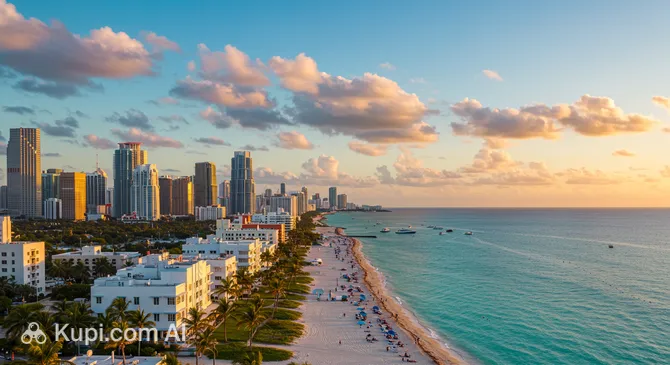
Miami is a dazzling metropolis that perfectly blends urban energy with tropical relaxation. Located on the southeastern coast of Florida, it is one of the most iconic destinations in the United States. Known for its year-round sunshine, the city serves as a major gateway to Latin America, resulting in a vibrant cultural melting pot that influences its food, art, and music.
With a metropolitan population of over 5.7 million, Miami is a bustling hub of activity set against a backdrop of stunning natural beauty. The city enjoys a tropical monsoon climate, making it a haven for beach lovers and outdoor enthusiasts regardless of the season. While it is celebrated for its modern skyline and luxurious lifestyle, the history of Miami reveals a fascinating evolution from a quiet river settlement to a global center of commerce and tourism.
Miami. Illustration.
Source: Kupi.com AI
Visitors are often drawn to the world-famous South Beach, where turquoise waters meet the pastel-hued architecture of the Art Deco Historic District. Beyond the beaches, the city offers unique experiences such as the colorful street art of the Wynwood Walls and the rhythmic streets of Little Havana, which offer a taste of Cuban heritage. Whether you are exploring the lush landscapes of nearby national parks or enjoying the vibrant nightlife, Miami promises an unforgettable experience for every traveler.
Weather Overview
Miami is famous for its inviting tropical climate, offering warm temperatures and plenty of sunshine throughout the year. The weather in Miami is generally characterized by hot, humid summers and mild, pleasant winters, making it a year-round destination for travelers.
During the summer months, particularly from June to September, average temperatures hover around 27°C to 28°C, with daily highs frequently exceeding 30°C. This period marks the wet season; for instance, August sees significant rainfall with approximately 28 wet days, so visitors should be prepared for frequent, though often brief, tropical showers.
In contrast, the winter season from December to February brings drier and more comfortable conditions. Average temperatures range from 20.8°C in January to 22.6°C in February, providing a perfect escape for those seeking warmth. March is typically one of the driest months, with only about 7 wet days, offering excellent conditions for exploring the city's beaches and outdoor attractions.
Average monthly temperature
Average monthly precipitation
Interesting Facts
Beyond the neon lights and sandy shores, Miami holds many fascinating secrets that surprise even frequent visitors. Here are some unique details about the Magic City that go beyond the typical tourist guide:
A Female Founder: Miami holds the distinct honor of being the only major city in the United States founded by a woman. Julia Tuttle, a citrus grower originally from Cleveland, famously convinced railroad tycoon Henry Flagler to extend his rail line to the area in 1896, earning her the title "Mother of Miami."
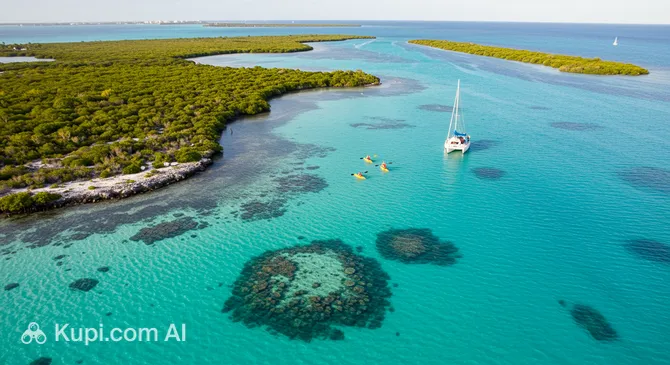
Surrounded by Wilderness: It is the only city in the country bordered by two separate national parks. To the west lies the vast Everglades, while the east is home to Biscayne National Park, a unique protected area that is 95% underwater and protects extensive coral reefs.
The Birthplace of Sunscreen: The modern sun protection we use today has its roots here. In the 1940s, local pharmacist Benjamin Green developed a red, sticky substance to protect soldiers from the sun during World War II, which he later refined into the famous Coppertone brand.
A Snowy Day: Despite its tropical climate, the city once witnessed a winter miracle. On January 19, 1977, snow flurries were officially recorded in Miami for the first and only time in recorded history, an event that remains a legendary topic of conversation among locals.
Biscayne National Park. Illustration.
Source: Kupi.com AI
Traveler photos:
How to Get There
Reaching this vibrant Florida destination is straightforward thanks to its status as a major global hub. Whether you are arriving from domestic locations or international origins, there are multiple convenient options available. You can find more about how to get to Miami and detailed transport advice on our dedicated page.
The most prominent entry point is Miami International Airport (IATA: MIA). Although it serves the entire metropolitan area, the airport is technically located in the city of Miami Beach, approximately 10.5 km from Miami. A taxi or bus ride from here typically takes around 36 minutes. It is a massive hub handling a very large volume of passengers annually. Another excellent option is Fort Lauderdale-Hollywood International Airport (IATA: FLL). This airport is situated in the city of Fort Lauderdale, about 34.7 km away from Miami. The transfer time by road is generally around 72 minutes. For those exploring the wider region, Palm Beach International Airport (IATA: PBI) in West Palm Beach is another alternative, though it is further away at roughly 102.5 km.
For clarity, here is a summary of the main airports:
Travelers preferring rail transport also have convenient choices. The closest major stop is the Miami BL Station (IATA: EKW). It is located in the city of Miami Beach, just 2.0 km from Miami, making for a quick 23-minute transfer by taxi or local transit. This station serves a significant number of passengers and offers modern connectivity. Alternatively, you can arrive at the Fort Lauderdale Railway Station (IATA: ZFT) in Fort Lauderdale, which is about 33.3 km away from Miami, with a travel time of approximately 70 minutes to the city center.
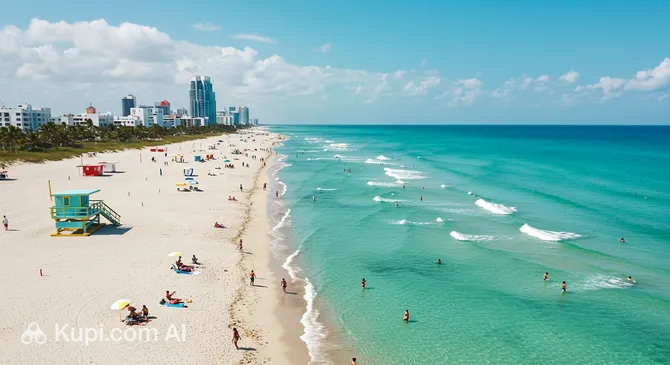
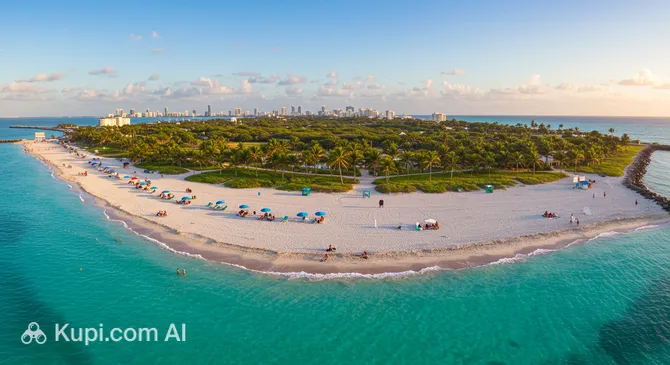
Miami offers a diverse array of sights that go far beyond its famous nightlife, ranging from pristine natural reserves to historic landmarks. A visit to the city would be incomplete without spending time at Miami Beach. This world-renowned destination is celebrated for its wide stretches of white sand, turquoise waters, and the iconic Art Deco architecture that lines Ocean Drive. It is the perfect spot for sunbathing, swimming, or simply soaking up the vibrant atmosphere that defines the region.
Miami Beach. Illustration.
Source: Kupi.com AI
Traveler photos:
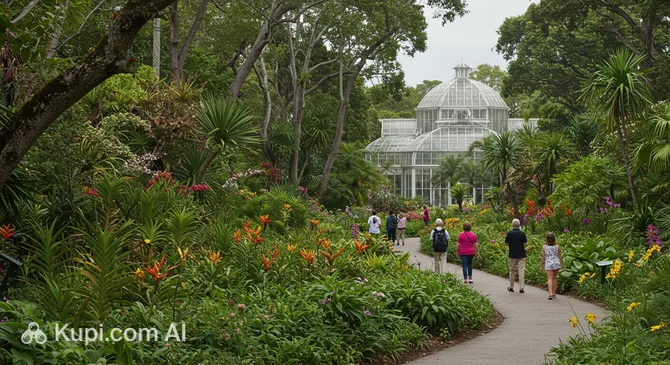
For those seeking tranquility and natural beauty, the Fairchild Tropical Botanic Garden is a must-visit. Spanning 83 acres, this lush oasis is dedicated to exploring, explaining, and conserving the world of tropical plants. Visitors can wander through extensive collections of rare palms, cycads, and flowering trees, making it a peaceful retreat from the urban bustle and a delight for nature enthusiasts.
Fairchild Tropical Botanic Garden. Illustration.
Source: Kupi.com AI
Traveler photos:
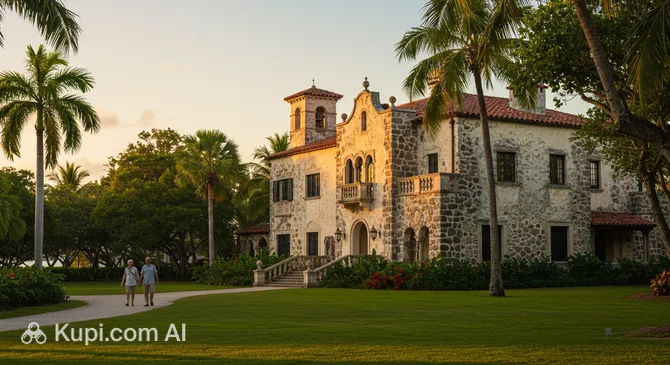
History buffs and architecture lovers will appreciate the Deering Estate, the 1920s home of Charles Deering. Located along the edge of Biscayne Bay, this 444-acre environmental, archaeological, and historical preserve offers a glimpse into Florida's past. Guests can tour the historic stone house, explore the coastal dunes, and even spot local wildlife like manatees in the surrounding waters.
Deering Estate. Illustration.
Source: Kupi.com AI
Traveler photos:
Another significant landmark is the Cape Florida Lighthouse, situated within Bill Baggs Cape Florida State Park on Key Biscayne. As the oldest standing structure in Miami-Dade County, it offers a fascinating look into the maritime history of the area. Visitors can climb the lighthouse for breathtaking panoramic views of the Atlantic Ocean and the distant city skyline.
Local Cuisine
The culinary landscape of Miami is a vibrant reflection of its diverse cultural heritage, blending American, Caribbean, and Latin American influences into a unique flavor profile often referred to as "Floribbean." Food here is more than just sustenance; it is a celebration of the city's multicultural soul. The heavy Cuban influence is undeniable, making the city one of the best places in the world to enjoy authentic Latin cuisine outside of Latin America.
One of the absolute must-try dishes is the iconic Cuban sandwich. This hearty meal consists of ham, roasted pork, Swiss cheese, pickles, and mustard, all pressed between compellingly crusty Cuban bread. For seafood lovers, Stone Crabs are a seasonal delicacy that locals eagerly await. Typically served cold with a tangy mustard sauce, they are a quintessential part of the city's high-end dining scene. To finish on a sweet note, no trip is complete without a slice of Key Lime Pie, a tart and creamy dessert made from the small, aromatic limes native to the Florida Keys.
When it comes to beverages, the local coffee culture is legendary. Café Cubano, or simply a "colada," is a sweet, potent espresso served in tiny cups and often shared among friends as a social ritual. It is the fuel that powers the city's energetic rhythm. On the relaxing side, the tropical climate pairs perfectly with a refreshing Mojito. This rum-based cocktail, with its mix of lime, mint, and sugar, captures the essence of Miami's laid-back beach lifestyle.
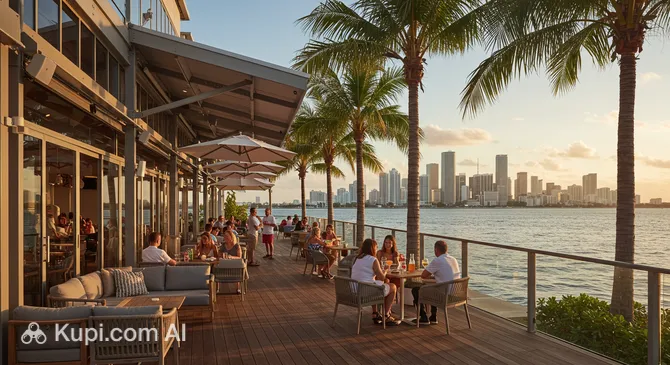
The dining experience in the city ranges from casual "ventanitas"—walk-up windows serving pastries and coffee—to luxurious waterfront establishments. Tourists and locals alike flock to the Design District and Little Havana to explore everything from gourmet food halls to family-run eateries. For those seeking a memorable meal accompanied by breathtaking skyline vistas, the Rusty Pelican is a celebrated choice, offering fresh seafood and an elegant atmosphere right on the water.
Rusty Pelican. Illustration.
Source: Kupi.com AI
Traveler photos:
Another highlight of the local food scene is the abundance of fresh tropical fruits and ceviche, reflecting the city's proximity to the ocean and the tropics. Whether you are enjoying a quick empanada on the go or a multi-course dinner under the stars, the flavors of Miami promise a gastronomic adventure that is as colorful and dynamic as the city itself.
Travel Tips
Planning a trip to Miami is the start of an exciting adventure, but a few practical preparations can make your stay much more enjoyable. To help you navigate the city's unique rhythm and climate, we have compiled a list of essential advice for your journey.
Clothing and Gear: Due to the tropical climate, lightweight and breathable clothing is essential for the outdoors, but be aware that indoor venues often blast air conditioning. It is smart to carry a light jacket or cardigan to handle the temperature drop. Comfortable sandals and walking shoes are necessary, and high-quality sun protection is non-negotiable.
Transportation: Public transport options like the Metrorail and the free Metromover are useful for the city center, but the city is vast. For maximum flexibility, renting a car is often recommended, though traffic can be heavy. Alternatively, ride-sharing apps are very popular and convenient for getting between neighborhoods without parking hassles.
Finances: The currency used is the United States Dollar (USD). International credit cards are widely accepted, and ATMs are easy to find. Tipping is a crucial part of the service economy; a tip of 15-20% is standard, but always check your bill in tourist areas like South Beach, as a gratuity may already be included.
Health and Safety: Major pharmacy chains are found on almost every corner, with many open 24 hours. The city is generally safe for tourists, but standard big-city precautions apply: keep valuables secure and avoid walking alone in poorly lit areas at night. Drink plenty of water to avoid dehydration in the heat.
Communication: While English is the main language, the influence of Latin culture means Spanish is heard everywhere. You will get by perfectly with English, but knowing a few Spanish greetings can be a friendly gesture. Wi-Fi is widely available in public spaces, and you can easily purchase a local SIM card if needed.
Local Etiquette: Greetings often involve a single kiss on the cheek, even among new acquaintances in social settings. While the daytime vibe is beach-casual, many nightclubs and upscale restaurants enforce a strict dress code, so pack something stylish for the evenings.
What to Avoid: Do not assume that swimwear is acceptable attire anywhere other than the beach or pool deck; cover up when entering shops or restaurants. Additionally, avoid leaving food unattended outdoors, as local birds and wildlife are quick to snatch a snack.
Weather Awareness: If you are visiting between June and November, you are in the Atlantic hurricane season. Keep an eye on local weather forecasts, and don't be alarmed by the intense but short-lived afternoon rain showers that are typical during the summer months.
Armed with these practical insights, you can confidently explore everything from the neon-lit streets of Ocean Drive to the artistic corners of Wynwood. Enjoy the warmth, the culture, and the unforgettable energy of this spectacular coastal city.
Entertainment & Nightlife
Entertainment and Nightlife:
Miami is globally renowned as a playground for the night, offering an electric atmosphere that rivals any major capital in the world. When the sun sets, the city transforms into a neon-lit spectacle where the party often continues well past sunrise. The nightlife scene is diverse, ranging from the high-octane dance clubs of South Beach to the laid-back, artistic bars of the mainland.
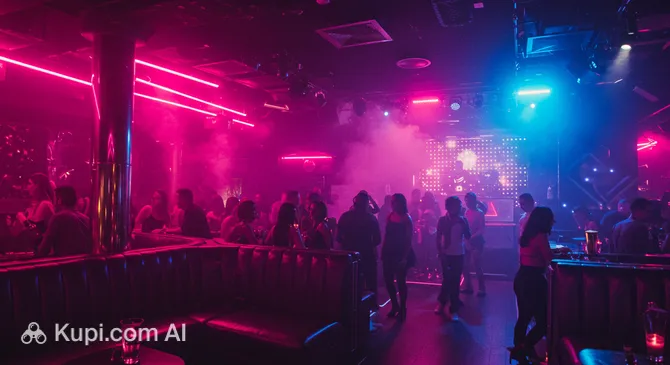
The epicenter of the action is undoubtedly South Beach. Here, Ocean Drive and Collins Avenue are lined with legendary venues where celebrity sightings are common and the energy is palpable. For those seeking a classic, high-energy club experience, Amsterdam Night Club is a popular destination that embodies the vibrant spirit of the district. The crowd here is stylish and international, often dressed to impress in the latest fashion trends.
Amsterdam Night Club. Illustration.
Source: Kupi.com AI
Traveler photos:
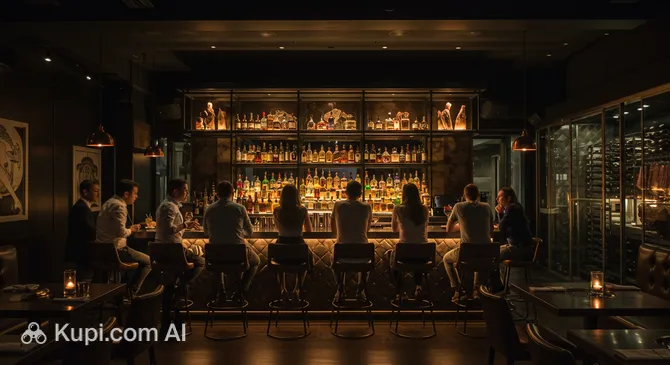
If you prefer a more alternative and artsy vibe, the Wynwood Arts District is the place to be. This neighborhood has evolved into a hipster haven, filled with open-air beer gardens, craft cocktail bars, and live music venues adorned with colorful street art. It offers a stark contrast to the velvet ropes of the beach, providing a more casual yet lively atmosphere. For a sophisticated evening that blends high-end dining with a vibrant bar scene, COTE Miami in the Design District offers an upscale environment perfect for starting the night with style.
COTE Miami. Illustration.
Source: Kupi.com AI
Traveler photos:
For those interested in gaming and live entertainment, the city offers extensive resort experiences. The Miccosukee Casino & Resort is a major complex located on the edge of the Everglades, featuring non-stop gaming action, concerts, and boxing matches, providing a different flavor of nightlife away from the city center.
Practical Advice for Night Owls:
Timing: The party starts late here. Bars may fill up around 10:00 PM, but nightclubs rarely get going before midnight, with the peak hours often being between 1:00 AM and 3:00 AM.
Dress Code: Appearances matter, especially in South Beach and Brickell. Many venues strictly enforce dress codes—think button-down shirts and dress shoes for men, and chic evening wear for women. Beachwear is generally not accepted in nightlife venues.
Prices: Be prepared for premium pricing. Cover charges can be steep, and cocktails at top-tier clubs are expensive. It is wise to budget accordingly.
Getting Around: Parking can be a nightmare and expensive. The best way to navigate the nightlife is by using ride-sharing apps like Uber or Lyft, which are plentiful and safe.
Safety: While the main nightlife districts are heavily patrolled and generally safe, it is important to stay aware of your surroundings. Stick to well-lit, populated streets, especially when leaving venues late at night. Always keep an eye on your drinks and travel in groups whenever possible.
Beyond the velvet ropes and DJ sets, the city offers plenty of daytime entertainment to balance out the late nights. Culture seekers can explore the Patricia and Phillip Frost Art Museum for world-class exhibitions. For families or those looking for active fun, places like the Urban Air Trampoline and Adventure Park offer a great way to burn off energy indoors.
Parks & Museums
While the city is famous for its coastline, Miami's green spaces and cultural institutions offer a refreshing change of pace for travelers. Nature lovers will find plenty to explore, starting with Crandon Park on Key Biscayne. This sprawling treasure features a pristine two-mile beach, a nature center, and diverse ecosystems including dunes and mangroves. For a more urban outdoor experience, Tropical Park provides a vast recreational area with lakes and trails, perfect for picnics and sports. Those looking to immerse themselves in Florida's untamed wilderness should visit the Everglades and Francis S. Taylor Wildlife Management Area (WCA 3B), a vast expanse of sawgrass marshes that offers a glimpse into the region's unique wetland ecology.
Crandon Park. Illustration.
Source: Kupi.com AI
Traveler photos:
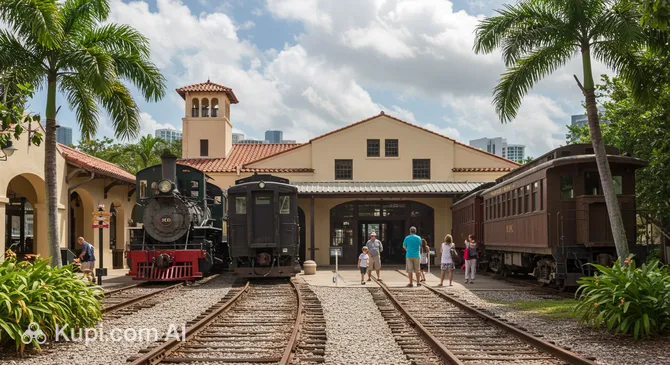
For history enthusiasts and families, the city presents fascinating educational opportunities. The Gold Coast Railroad Museum is a must-see, preserving the golden age of rail travel with its impressive collection of historic railcars and equipment, including a presidential pullman. If you prefer a stroll through the past, the Cauley Square Historic Village offers a nostalgic retreat. This railroad village turned historic site features charming cottages, antique shops, and lush gardens that transport visitors back to the early days of Old Florida.
Gold Coast Railroad Museum. Illustration.
Source: Kupi.com AI
Traveler photos:
Animal lovers will also find unique attractions dedicated to wildlife. Amazon and Beyond takes visitors on a journey through the flora and fauna of the Americas, offering immersive exhibits that highlight the biodiversity of the rainforest. Additionally, aquatic enthusiasts can explore the Neighborhood Fish Farm, a local favorite that showcases a wide variety of exotic fish and corals, providing an interesting stop for hobbyists and curious travelers alike.
Amazon and Beyond. Illustration.
Source: Kupi.com AI
Traveler photos:
Getting Around
Navigating Miami is relatively straightforward, offering a mix of modern rail systems, extensive bus routes, and unique local solutions. While the city is spread out, the areas most popular with visitors—such as Downtown, Brickell, and the coastal districts—are well-connected by public transit. Understanding the different options can save you time and money, allowing you to explore the metropolis without the stress of driving in heavy traffic.
The backbone of the urban transport network is the Metrorail, an elevated rapid transit system that stretches for 25 miles. It operates on two lines, Green and Orange, connecting the northern and southern suburbs to the city center. For tourists, the Orange Line is particularly useful as it provides a direct link between Miami International Airport and Downtown. Trains run from 5:00 AM to midnight, seven days a week, offering a fast and reliable way to bypass street-level congestion.
A special feature that every visitor should take advantage of is the Metromover. This is a free, automated people mover system that loops around Downtown and Brickell. It is elevated, offering spectacular views of the skyscrapers and the bay, making it both a practical mode of transport and a sightseeing experience in itself. It connects seamlessly with the Metrorail and runs frequently, making it the perfect way to hop between museums, parks, and dining districts in the city center without spending a dime.
For destinations not served by rail, the Metrobus network covers the entire county with over 90 routes. While buses can get you almost anywhere, including Miami Beach and Key Biscayne, they are subject to traffic conditions. A popular and charming alternative for short distances is the city's system of vintage-style Trolleys. Both the City of Miami and nearby Miami Beach operate their own trolley networks. These are free to ride, air-conditioned, and serve key tourist areas like Little Havana, the Design District, and the beaches.
Paying for transit is modern and convenient. The standard one-way fare for Metrorail and Metrobus is approximately $2.25. You can pay using an EASY Card (a reloadable plastic card) or an EASY Ticket (a paper ticket for short-term use), which can be purchased at ticket vending machines located at rail stations. However, the most convenient option for tourists is contactless payment. You can simply tap your contactless credit card, debit card, or mobile wallet (like Apple Pay or Google Pay) directly at the fare gate or bus reader. The system automatically caps your daily fare at roughly $5.65, meaning you won't pay more than that regardless of how many rides you take in a day.
If you prefer more flexibility, alternative transport methods are widely available. Ride-sharing apps like Uber and Lyft are extremely popular and often preferred over traditional taxis for their ease of use and transparent pricing. For those who enjoy an active lifestyle, the Citi Bike program offers a bike-sharing network with solar-powered stations throughout the city and beach areas. While renting a car is a common choice for exploring the wider region or the Everglades, be aware that parking in tourist hotspots can be scarce and expensive.
Accommodation
Accommodation in Miami is as diverse and vibrant as the city itself, offering a wide spectrum of options that cater to every type of traveler. From historic Art Deco boutique hotels and budget-friendly hostels to towering luxury resorts and private vacation rentals, the city provides a multitude of ways to experience its unique lifestyle. Whether you are looking for a party atmosphere, a romantic getaway, or a family-friendly vacation, you will find a place that suits your needs.
The choice of location largely depends on the kind of experience you desire. South Beach is the most famous district, perfect for those who want to be in the heart of the action, close to the ocean, and within walking distance of the best nightlife and dining. For a more urban and sophisticated vibe, the Downtown and Brickell areas offer modern skyscrapers with rooftop pools and stunning views of Biscayne Bay. Travelers seeking a quieter, more relaxing beach vacation often prefer areas like Sunny Isles Beach or Key Biscayne, which are slightly removed from the frenetic energy of South Beach.
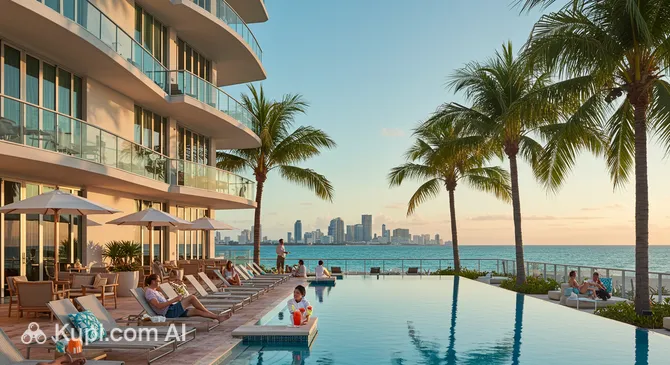
For those seeking a quintessential oceanfront experience with the comforts of home, the Marenas Beach Resort is a notable option. Situated on a stretch of white sand, it combines the amenities of a luxury hotel with the convenience of apartment-style living, making it ideal for families or longer stays.
Marenas Beach Resort. Illustration.
Source: Kupi.com AI
Traveler photos:
If your trip is focused on entertainment and gaming, or if you plan to explore the natural wonders of the Everglades, staying further west can be strategic. The Miccosukee Casino & Resort offers a comprehensive resort experience with 24-hour gaming and entertainment, located conveniently near the edge of the wetlands, providing a distinct alternative to the coastal hotels.
Booking Tips and Prices:
Prices in Miami fluctuate significantly depending on the season. The peak tourist season runs from November to April, when the weather is mild and dry. During these months, and especially during major events like Art Basel or Spring Break, rates are at their highest, and it is highly recommended to book your accommodation several months in advance. The summer months offer lower rates but come with higher humidity and heat.
Generally, budget travelers can find hostel beds or simple motels starting from around $40-$80 per night, while mid-range hotels typically range from $150 to $300. Luxury oceanfront resorts can easily exceed $500 per night. Booking is most commonly done through major online travel platforms, though booking directly with hotels can sometimes yield special perks or waived resort fees.
Nearby Cities
For those looking to explore the surroundings, Miami serves as an excellent base for day trips to several interesting nearby locations:
City
Population
Distance
Miami Beach
83 469
7 km
Coral Gables
49 269
7 km
Key Biscayne
14 530
8 km
Gladeview
14 161
10 km
Miami Shores
11 551
11 km
Miami Beach is often mistaken for a district of Miami, but it is actually a separate island city connected by causeways. Located just 7 km away, it offers a completely different vibe centered around the ocean. Visitors flock here to admire the pastel-colored buildings of the Art Deco Historic District, stroll along the famous Ocean Drive, and enjoy some of the most celebrated beaches in the world. It is the perfect spot for a day of sunbathing followed by world-class dining.
For a deep dive into the region's Hispanic heritage, Hialeah is a fascinating destination situated about 11 km northwest of the city center. Known for having one of the largest Cuban-American populations in the country, the city offers an authentic cultural experience with its vibrant street life and local markets. A major highlight is the historic Hialeah Park Racing & Casino, a grand venue famous for its 1920s architecture and the flock of bright pink flamingos that inhabit its infield lake.
Heading west for approximately 16 km brings you to Doral, a city renowned for its upscale lifestyle and green spaces. It is a haven for golf enthusiasts, home to prestigious courses like the famous Blue Monster. Additionally, Doral is a major shopping destination featuring the Dolphin Mall, and its culinary scene is distinct for its strong Venezuelan influence, earning it the nickname "Doralzuela" among locals who enjoy its authentic arepas and South American cuisine.
These nearby destinations offer a glimpse into the diverse culture and landscapes of the region.
Shopping & Souvenirs
General Overview: Shopping in Miami is a serious pastime and a major draw for visitors from around the globe. The city offers an incredible variety of retail experiences, ranging from ultra-luxury design houses and avant-garde boutiques to massive outlet centers and quirky local shops. Whether you are looking for high-end fashion, unique home decor, or the latest electronics, the city caters to every taste and budget. It is particularly famous for its open-air shopping centers that take advantage of the tropical weather, blending retail therapy with lush landscaping and modern architecture.
Main Shopping Areas: For a blend of high fashion, art, and architecture, the Miami Design District is the place to be. This creative neighborhood is home to flagship stores of the world's most prestigious luxury brands, all set amidst impressive public art installations and sleek buildings. It offers a sophisticated atmosphere where window shopping is an experience in itself. Another vibrant area is Calle Ocho in Little Havana, where you can find authentic cultural goods, from hand-rolled cigars to traditional guayabera shirts and Latin music records, offering a distinctively local flavor compared to the glitzy malls.
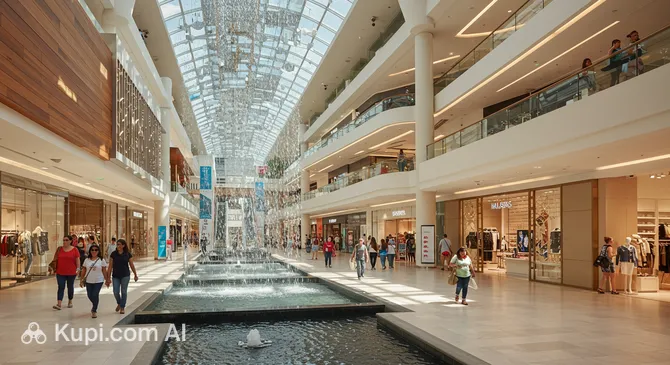
Shopping Malls: The city is renowned for its sprawling shopping centers. One of the most iconic destinations is Dadeland Mall. Located in the Kendall district, this massive indoor mall is a landmark in the community, featuring Florida's largest Macy's and a vast array of international retailers and dining options. It serves as a convenient one-stop shop for fashion and lifestyle needs.
Dadeland Mall. Illustration.
Source: Kupi.com AI
Traveler photos:
For those who prefer an outdoor setting, Pembroke Gardens offers a beautiful lifestyle center experience. Although situated just north of the city limits, it is a popular spot for its pleasant open-air layout, where visitors can stroll between shops and restaurants in a relaxed, garden-like environment. Another notable mention is Bayside Marketplace in Downtown Miami, which combines shopping with waterfront views and live entertainment.
Markets: Beyond the modern malls, the city's markets offer a more eclectic vibe. Bayside Marketplace is not just a mall but a festival marketplace where you can find numerous stalls selling local crafts, souvenirs, and accessories. For foodies, various farmers' markets pop up throughout the neighborhoods on weekends, such as the one in Coconut Grove, offering fresh tropical fruits, artisanal honey, and prepared foods that reflect the city's diverse culinary heritage.
Souvenirs: When looking for gifts to bring home, focus on items that capture the spirit of the city. Cuban coffee and traditional espresso makers are excellent choices for coffee lovers. Hand-rolled cigars (often made with tobacco from other regions in the Cuban style) are a classic purchase from Little Havana. Art prints from local Wynwood artists, colorful beachwear, and citrus-based products like key lime treats are also popular reminders of a trip to the Sunshine State.
Opening Hours and Payment: Most major malls and department stores are open from 10:00 AM to 9:00 PM on weekdays and Saturdays, with slightly shorter hours on Sundays, typically closing around 6:00 PM or 7:00 PM. Independent boutiques and street shops may open later, around 11:00 AM. Credit and debit cards are universally accepted, and contactless payments are becoming standard. Cash is useful for small purchases at markets or for tipping valets.
Tax-Free: The United States does not have a national VAT refund system for tourists like many European countries. In Florida, a sales tax (usually around 7%) is added to the price tag at the register. Visitors generally cannot claim a refund on this tax at the airport upon departure. However, some large department stores may offer shipping services to international addresses, which might exempt the purchase from local sales tax depending on the destination, though shipping costs usually apply.