Support

Holguin

About

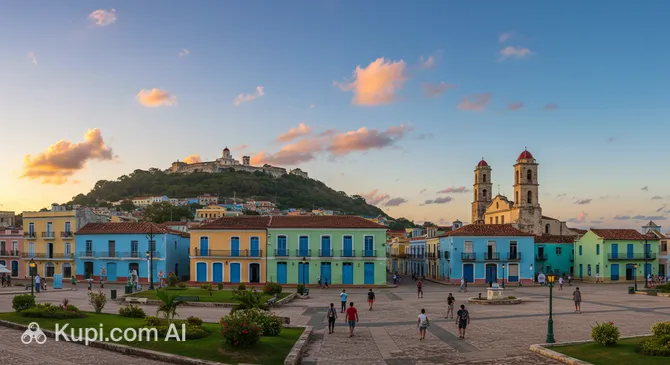
Welcome to Holguin, a vibrant metropolis often affectionately referred to as the "City of Parks." As the capital of the Holguín Province and the fourth-largest city in Cuba, it offers a distinctively authentic experience away from the busiest tourist hubs. With a population of over 350,000 residents, the city pulses with local life, characterized by its numerous historic plazas and a friendly, laid-back atmosphere.

Holguin. Source: Kupi.Binoculars

Geographically, the city is nestled in a landscape of rolling hills and lush vegetation, serving as a gateway to the pristine beaches of the northern coast. While exploring the streets, visitors can delve into the fascinating history of Holguin, which dates back to its founding in the 16th century. The city's colonial architecture and well-preserved squares stand as a testament to its rich heritage and cultural depth.

One of the most iconic landmarks is the Loma de la Cruz (Hill of the Cross). Climbing its 458 steps rewards travelers with breathtaking panoramic views of the entire city and the surrounding countryside. Another highlight is the bustling Parque Calixto García, the heart of social life where locals gather, offering a perfect spot for people-watching and enjoying the local rhythm.

Whether you are a history enthusiast, a nature lover, or simply seeking a genuine taste of local life, Holguin is an inviting destination. Its unique blend of urban energy and scenic beauty makes it an ideal starting point for an unforgettable journey through the eastern region of the island.

Weather Overview

The weather in Holguin is characterized by a warm, tropical climate throughout the year, making the city an inviting destination regardless of the season. Temperatures remain consistently pleasant, with January being the coolest month, maintaining an average of around 24.6°C and minimums rarely dropping below 21°C. The heat intensifies during the summer, particularly in August, where average temperatures rise to 29.1°C and daily highs can reach nearly 33°C.

Rainfall patterns show a distinct variation between seasons. The period from May to October tends to be wetter, with May and October often seeing rain on more than 20 days each month. Conversely, the winter months are significantly drier; February, for instance, typically experiences only about 5 wet days, creating excellent conditions for sightseeing.

Visitors can generally expect hot and humid summers with frequent showers, while the winter months offer warm, drier conditions ideal for outdoor exploration. This balance allows travelers to choose the perfect time for their trip based on their preference for heat or milder days.

Interesting Facts

Beyond the main attractions, Holguin holds many fascinating secrets that reveal the unique character of this eastern Cuban city. From quirky local legends to historical milestones, there is much to discover beneath the surface.
Calixto García Park. Source: Kupi.Binoculars
  • A Historic Landing: The coast of Holguin is famously the spot where Christopher Columbus first landed in Cuba on October 27, 1492. Upon arriving at Cayo Bariay, he is said to have declared it "the most beautiful land human eyes have ever seen," a phrase that locals still proudly quote today.

  • The Legend of the Cross: While the Loma de la Cruz is famous for its views, the cross itself has a specific origin story. It was erected in 1790 by a Franciscan friar named Antonio de Alegría, who climbed the hill to place the cross in hopes of ending a severe drought and warding off epidemics that were plaguing the town at the time.

  • Pancho the Donkey: One of the city's most unusual celebrities is a lineage of donkeys named Pancho, residing at the Mirador de Mayabe. These donkeys became famous for their peculiar habit of drinking beer and eating chicharrones (pork rinds), a quirky tradition that has entertained visitors for decades.

  • Unique Urban Design: Unlike many colonial cities that grew organically around a single square, Holguin was designed with a very straight, organized grid system. This layout connects a series of plazas, with the bustling Calixto García Park serving as the precise geometric center where the city's social life converges.

How to Get There

Reaching this eastern Cuban destination is relatively straightforward, with several options available for international and domestic travelers. For a detailed breakdown of routes and tips, you can read more about how to get to Holguin, which covers the most convenient entry points. The city is well-connected by air, serving as a major hub for the region.

The most direct way to arrive is via Frank Pais Airport (IATA: HOG), located within the municipality itself. This international facility handles a significant number of visitors annually and is the primary gateway for tourists heading to the nearby beach resorts. It is situated just 12.6 km from the city center, making the transfer very quick; a taxi or bus ride typically takes around 40 minutes. Because of its proximity and flight volume, it is the preferred choice for most travelers.

Alternatively, visitors can fly into Antonio Maceo Airport (IATA: SCU) in the neighboring city of Santiago de Cuba. Although it is a larger hub with higher passenger traffic, it is located approximately 110 km away. The journey from Santiago de Cuba to Holguin generally takes about 3 hours by road, offering a scenic drive through the Cuban countryside. Another option for some travelers might be the Ignacio Agramonte International Airport (IATA: CMW) in Camagüey, though it is further afield at roughly 175 km from the city.

For clarity, here is a summary of the main airports:

Airport Name City Passenger Traffic Km from City
Antonio Maceo Airport Santiago de Cuba High 110.8
Frank Pais Airport Holguin Medium 12.6
Jardines del Rey Airport Cayo Coco Medium 276.0
Ignacio Agramonte International Airport Camagüey Medium 175.1
Boscobel Ocho Rios Small 284.8

Main Attractions

Holguin is a city that invites exploration, offering a delightful mix of colonial architecture, historical landmarks, and vibrant public spaces. Known as the "City of Parks," its urban design encourages walking and discovering the unique charm of eastern Cuba. From panoramic viewpoints to bustling squares, the attractions here provide a deep dive into the region's culture and history.

A perfect starting point for any tour is the magnificent Loma de la Cruz (Hill of the Cross). This iconic landmark is accessible via a steep stairway of 458 steps, a climb that is considered a rite of passage for visitors. Once at the top, you are rewarded with sweeping views of the entire city and the surrounding lush hills. It is an ideal spot for photography, especially at sunset when the city lights begin to twinkle, and it holds significant historical value as a site of pilgrimage and local legends.

Calixto García Park. Source: Kupi.Binoculars

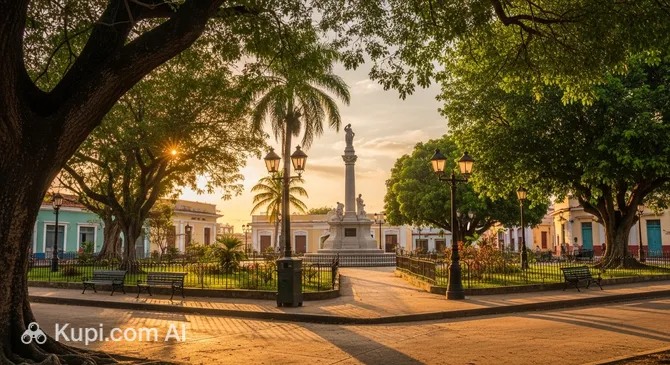
In the very center of the downtown area lies Calixto García Park, a place that serves as the city's living room. This majestic plaza is not just a transit point but a destination in itself, surrounded by important buildings like the theater and art galleries. It is interesting to tourists for its lively atmosphere; here, you can sit on a bench under the shade of large trees, connect to the local Wi-Fi, and observe the daily life of the "Holguineros." The park features a statue of the general it is named after, a hero of the Cuban War of Independence.

Another architectural gem is the Catedral de San Isidoro (San Isidoro Cathedral). Dating back to the 18th century, this church is distinct for its pristine white façade and Moorish-style ceilings. It stands as a testament to the city's colonial past and religious heritage. Visitors are often drawn to its peaceful interior and the statue of Pope John Paul II outside, commemorating his visit to the diocese, which adds a layer of modern history to the site.

For history buffs, the Museo de Historia Provincial, commonly known as La Periquera, is a must-visit. Housed in a neoclassical building that is a National Monument, the museum's name—meaning "The Parrot Cage"—stems from the colorful uniforms of Spanish soldiers who once garrisoned there. Inside, you will find a comprehensive collection of artifacts ranging from pre-Columbian archaeology to relics from the wars of independence, including the famous Axe of Holguin, which has become a symbol of the city.

Local Cuisine

The culinary scene in Holguin offers a delicious window into the traditions of Eastern Cuba, known as the "Oriente." The local food is hearty, flavorful, and deeply rooted in the region's agricultural abundance. While you will find staples common across the island, such as black beans and rice, the specific preparation in this province often includes a richer use of spices and local vegetables. Dining here is generally a laid-back affair, reflecting the relaxed pace of the city itself.

When it comes to main dishes, Cerdo Asado (roast pork) is the undisputed king of the table. In Holguin, it is often marinated in "mojo"—a citrusy garlic sauce—and slow-cooked until tender. Another regional specialty worth seeking out is Casabe. This ancient unleavened bread made from yucca (cassava) has indigenous roots and is traditionally served as a side dish to roast pork or fried meat, absorbing the savory juices perfectly. For a comforting meal, try the Ajiaco, a thick soup brimming with various root vegetables, corn, and meats, which locals consider a restorative cure-all.

Holguin holds a special title as the brewing capital of the country, making it the perfect place for beer lovers. The city is home to the brewery that produces Cuba's most famous brands, Cristal and Bucanero. You will find these beers fresher here than anywhere else on the island. For a non-alcoholic option that is distinctly regional, try Prú Oriental. This fermented drink made from roots, herbs, and sugar has a unique, slightly fizzy taste and is believed by locals to have medicinal properties. Fresh fruit juices, or jugos naturales, made from mango, guava, or pineapple are also widely available and incredibly refreshing.

To experience the most authentic flavors, visitors should look for paladares, which are privately owned restaurants often run out of family homes or converted spaces. These establishments typically offer better quality and service than state-run venues. The area surrounding Calixto García Park is a hub for social activity and a great starting point for foodies. Here, you can find street vendors selling "pizzas cubanas," roasted peanuts in paper cones (maní), and sweet treats, allowing you to snack while enjoying the vibrant atmosphere of the city center.

Travel Tips

Visiting Holguin offers a genuine glimpse into the soul of Cuba, but navigating the local nuances requires a bit of insider knowledge. These practical tips will help you embrace the laid-back rhythm of the "City of Parks" while avoiding common travel pitfalls.

  1. Clothing and Gear: Given the tropical climate, pack lightweight, breathable fabrics like cotton or linen to stay cool. Comfortable walking shoes are essential, especially if you plan to tackle the 458 steps of the Hill of the Cross. Don't forget a wide-brimmed hat, high-SPF sunscreen, and a universal travel adapter, as outlets can vary.
  2. Transportation: Inside the city, horse-drawn carriages (known as coches) and bicycle taxis are the most authentic and affordable ways to get around. For longer trips or airport transfers, official taxis are reliable. Car rentals are often expensive and in short supply, so if you need a vehicle, it is crucial to book it weeks or even months in advance.
  3. Finances: Cash is the primary method of payment in Holguin. While some hotels accept non-US credit cards, most private restaurants (paladares) and small shops operate solely on cash. It is best to bring Euros or Canadian Dollars to exchange for Cuban Pesos (CUP) at official exchange houses (CADECA). Keep small bills handy for tipping, which is customary and appreciated.
  4. Health and Safety: The city is generally safe, but standard precautions against petty theft should be taken in crowded areas. Do not drink tap water; always rely on sealed bottled water to avoid health issues. Since local pharmacies may have limited stock, bring a personal medical kit with painkillers, stomach relief medicine, and any necessary prescription drugs.
  5. Communication: Spanish is the main language, and while English is spoken in tourist resorts, it is less common in the city center. downloading an offline translation app and an offline map is highly recommended. Internet access is available in public Wi-Fi zones, such as the main parks, using pre-paid ETECSA cards that you can buy locally.
  6. Local Etiquette: Cubans are warm and social people; it is polite to greet shopkeepers or drivers with a "Buenos días" or "Hola." If you visit the San Isidoro Cathedral, ensure you are dressed modestly with shoulders and knees covered. Always ask for permission before taking close-up photos of residents.
  7. What to Avoid: Avoid exchanging money with street vendors, as this can be unsafe and illegal; stick to official channels. Additionally, try not to display expensive jewelry or large amounts of cash in public, simply to avoid drawing unnecessary attention.
  8. Local Insight: Holguin is known as the brewing capital of the country. Take advantage of this by trying the local beers, Cristal or Bucanero, which are often fresher here than anywhere else on the island. For a non-alcoholic alternative, look for street vendors selling Prú, a traditional refreshing herbal drink unique to eastern Cuba.

By keeping these practicalities in mind, you will be well-prepared to explore the charming plazas and historic streets of Holguin with confidence. Embrace the local customs, stay hydrated, and enjoy the warm hospitality that makes this eastern city so special.

Entertainment & Nightlife

While Holguin may not have the frantic pace of Havana, its nightlife offers a deeply authentic and vibrant experience that centers on music, dance, and socializing under the stars. The city comes alive after sunset, transforming its famous squares into open-air meeting points where locals and visitors mingle. The atmosphere is generally relaxed and welcoming, with a focus on traditional Cuban rhythms like son and salsa, though modern reggaeton beats are never far away.

The heart of the evening action is undoubtedly the area surrounding Calixto García Park. Unlike in many other cities where nightlife is hidden behind closed doors, here it spills out onto the streets. This "open-air lounge" is where the evening begins; friends gather on the benches to chat, access Wi-Fi, and enjoy the cooling breeze. It is a bustling district where you can find nearby bars and cafes serving cold beers and rum cocktails, making it the perfect starting point for a night out.

For lovers of traditional music, the Casa de la Trova "El Guayabero" is an absolute must-visit. Named after the legendary musician Faustino Oramas, this venue is the soul of the city's musical heritage. Located just a short walk from the central park, it hosts live bands playing classic Cuban genres. The crowd is a mix of older locals keeping the traditions alive and tourists eager to dance. It is a casual, unpretentious spot where the focus is entirely on the quality of the music and the joy of dancing.

If you are looking for a more spectacular evening show, the Cabaret Nocturno offers a classic Cuban cabaret experience. Situated on the outskirts of the city towards the road to Las Tunas, this open-air venue features elaborate dance performances with colorful costumes, live orchestras, and singers, often compared to a smaller, more intimate version of Havana's Tropicana. After the show, the floor opens up for a disco, attracting a younger crowd ready to party until the early hours. The dress code here is "smart casual"—avoid beachwear, but formal attire is not strictly required.

Regarding practicalities, nightlife in Holguin is quite affordable compared to the capital. Most venues charge a modest cover entry fee (often including a drink), payable in cash. The action typically kicks off around 10:00 PM, with clubs staying open until 2:00 AM or 3:00 AM. For transportation, it is best to use official taxis or "bicitaxis" (bicycle taxis) for short distances within the center. While the city is safe for night walks in the main well-lit plazas, it is advisable to take a taxi if you are heading to venues on the outskirts like the Cabaret Nocturno.

During the daylight hours, entertainment takes a more cultural turn. The Teatro Eddy Suñol, located on the central park, is an Art Deco gem that hosts ballet, opera, and theatrical plays. For families or those seeking a relaxed afternoon, the city offers several museums and recreational areas, though the true charm of Holguin's entertainment lies in its spontaneous street life and the rhythmic energy of its evenings.
Parks & Museums

Holguin is widely celebrated as the "City of Parks," a title that perfectly captures its urban layout and cultural spirit. Unlike many other colonial towns with a single central plaza, this city features a unique system of several squares aligned to create a continuous corridor of greenery and social activity. These spaces serve as open-air living rooms where history, nature, and daily life intersect seamlessly, offering visitors a refreshing break from the tropical heat.

The most prominent of these green spaces is Calixto García Park. Located in the very heart of the city, it functions as the primary meeting point for locals and visitors alike. It is surrounded by historic arcades and significant buildings, offering a vibrant atmosphere day and night. The park is dominated by a statue of the eponymous general, a hero of the independence wars, and serves as a venue for book fairs, concerts, and spontaneous conversations.

Calixto García Park. Source: Kupi.Binoculars

Just a short walk away lies Parque Peralta, more commonly known to locals as the Parque de las Flores (Park of Flowers). As its nickname suggests, this square is renowned for its colorful gardens and the majestic Cathedral of San Isidoro that overlooks it. It offers a more tranquil environment compared to the bustling main square. Another key green area is Parque San José, which provides plenty of shade with its lush trees and is a favorite spot for chess players and families, centering around a statue of the patriot Carlos Manuel de Céspedes.

For those interested in the region's scientific and natural heritage, the Museo de Historia Natural Carlos de la Torre is a standout institution. Housed in a beautiful eclectic-style palace, it is famous for holding one of the most complete collections of Polymita snails—vibrantly colored land snails that are endemic to eastern Cuba and considered among the most beautiful in the world. The museum offers a fascinating look at the island's biodiversity and paleontological history.

While the Provincial History Museum (La Periquera) is the city's most famous landmark, the Casa Natal de Calixto García offers a more intimate glimpse into the past. This preserved colonial house was the birthplace of the famous general and now displays personal belongings, documents, weapons, and period furniture. It provides a focused narrative on the wars of independence and helps visitors understand the life of one of Cuba's most important military figures.

For a truly authentic experience, consider visiting the Jardín Botánico de Holguín (Botanical Garden), located a few kilometers outside the city center. It is often overlooked by standard tours but hosts an impressive collection of cacti and endemic plants. Alternatively, art lovers should check out the Centro Provincial de Artes Plásticas, which frequently hosts temporary exhibits by talented local artists right on the main park, offering a window into contemporary Cuban creativity.

Getting Around

Navigating Holguin is an experience in itself, characterized by a unique blend of modern necessity and traditional charm. Unlike major capitals with extensive metro systems, public transport here relies heavily on road-based options, ranging from standard vehicles to animal-drawn transport. The city center is compact and grid-like, making walking a viable and pleasant option for short distances, but for reaching outlying neighborhoods or the airport, you will need to use wheels.

The most iconic and widely used form of public transport in the city is the horse-drawn carriage, locally known as a coche de caballos. These carriages function similarly to buses in other cities, operating on fixed routes along main avenues. They are a staple of local life and offer an authentic way to travel. You simply flag one down as it passes or board at designated stops, usually near the main parks or markets. It is a slow but scenic way to move around, allowing you to take in the street life at a leisurely pace.

For shorter, more direct trips within the downtown area, bicitaxis (bicycle taxis) are extremely popular. These three-wheeled pedicabs can navigate narrow streets and bring you right to the doorstep of your destination. They are perfect for short hops when the heat becomes too intense for walking. Similarly, moto-taxis (motorcycle taxis) offer a faster alternative for solo travelers, zipping through traffic to get you across town quickly.

Regarding the payment system, cash is the absolute standard for all local transport. There are no electronic travel cards, apps, or ticket machines. You pay the driver directly upon boarding or exiting. For horse carriages and local buses, the fare is usually a small fixed amount in the local currency. For bicitaxis and private taxis, prices are not metered; you must negotiate and agree on the fare before the journey begins to avoid misunderstandings later. It is essential to carry small bills and coins, as drivers often do not have change for large denominations.

Standard urban buses do exist, but they are often crowded and their schedules can be unpredictable, making them less convenient for tourists on a tight schedule. Visitors generally find the horse carriages or private transport options more reliable and comfortable. If you prefer more conventional comfort, official yellow taxis are available, particularly at the airport and near major hotels. These are air-conditioned and run on a metered system or fixed rates for specific zones.

For those considering alternatives, car rentals are available but can be expensive and subject to low availability, so booking well in advance is crucial. Driving yourself allows for freedom to explore the surrounding province, but within the city, parking can be scarce. Walking remains the best advice for exploring the historic center, as the grid layout connects the series of parks and plazas seamlessly, allowing you to absorb the atmosphere without the need for a vehicle.

Accommodation

Where to Stay:

Accommodation in Holguin caters to a variety of travel styles, ranging from authentic local experiences to standard hotel comforts. The city is particularly renowned for its vast network of casas particulares (private homestays), which are often the preferred choice for independent travelers seeking a genuine connection with Cuban culture. For those who prefer more traditional services, there are several state-run hotels located within the city limits, offering mid-range amenities suitable for business travelers and tourists alike.

When choosing an area to stay, the most convenient location is undoubtedly the historic center. Staying near the main plazas, such as Calixto García Park, places you within walking distance of the best restaurants, museums, and nightlife. This central district allows you to immerse yourself in the "City of Parks" atmosphere, where everything is accessible on foot. Conversely, some larger hotels are situated slightly outside the downtown core, offering quieter surroundings and swimming pools, but requiring a short taxi ride to reach the main attractions.

While the city itself offers comfortable city hotels, it is important to note that the famous all-inclusive luxury beach resorts are not located in Holguin city proper. Travelers looking for sprawling 5-star beach properties typically head to the coastline at Guardalavaca, which is about an hour's drive away. In the city, the hotels are generally functional and modest, focusing on providing a base for exploration rather than a resort experience.

Regarding costs and booking, the price range in the city is generally affordable. Casas particulares offer excellent value for money, often including a hearty breakfast for a small extra fee. It is highly recommended to book your accommodation in advance, especially during the high season (November to March), as the best options fill up quickly. While hotels can be booked through major online travel agencies, private homes are often reserved through specialized platforms or direct contact. Remember that while accommodation might be pre-paid online, you will likely need cash (Euros or USD) for any extra services like meals or laundry once you arrive.

Nearby Cities

For those looking to explore the surroundings, Holguin serves as an excellent base for day trips to several interesting nearby locations:

One of the most culturally significant stops is Bayamo, often referred to as the "Cradle of Cuban Nationality." Located less than 70 km away, it is famous for being the birthplace of the national anthem and offers a beautifully preserved historic center where horse-drawn carriages remain a primary mode of transport. It provides a deep dive into the island's independence history.

To the west lies Las Tunas, known as the "City of Sculptures." This provincial capital is celebrated for the hundreds of artistic works scattered throughout its streets and parks. It has a quieter, more local vibe compared to larger tourist hubs, making it a pleasant spot to experience the daily rhythm of the Cuban interior.

For nature lovers, Mayarí offers a gateway to the impressive landscapes of the Sierra Cristal mountains. While the town itself is modest, it is the starting point for excursions to the Pinares de Mayarí, a region of pine forests and waterfalls that offers a cool, refreshing contrast to the coastal heat.

City Population Distance (km)
Bayamo 235,107 69
Las Tunas 202,105 73
Contramaestre 106,002 65
Mayarí 102,354 65
Puerto Padre 93,705 49

These nearby destinations offer a glimpse into the diverse culture and landscapes of the region.

Shopping & Souvenirs

Shopping in Holguin offers a distinctively authentic experience that contrasts with the large commercial centers found in other parts of the world. Rather than sprawling luxury malls, the city invites visitors to explore a network of modest state-run stores, lively street stalls, and specialized boutiques. The retail scene here is less about international fashion brands and more about discovering local craftsmanship, traditional Cuban products, and unique artistic creations that reflect the spirit of the Oriente region.

The commercial heartbeat of the city is concentrated in its historic downtown, particularly along the pedestrian-friendly boulevards. Calle Libertad (also known as Manduley) and Calle Maceo serve as the main arteries for shoppers. These bustling streets connect the city's famous squares, including the central Calixto García Park, and are lined with a variety of shops selling everything from clothing and shoes to books and music. Strolling down these avenues provides not just a shopping opportunity, but a chance to observe the daily rhythm of local life.

For a more curated experience, the Plaza de la Marqueta is the city's premier destination for visitors. This beautifully restored cultural and commercial complex is housed in a former market building and stands as a hub for local artisans. Inside, you will find a collection of small workshops and galleries offering high-quality ceramics, leather goods, and textiles. It is an excellent place to find gifts that are truly representative of Holguin's artistic heritage, all within a charming architectural setting.

When it comes to souvenirs, visitors should focus on the products for which the island is world-renowned. Cuban rum and cigars are the top choices; for the best quality and authenticity, it is advisable to purchase these items at official state-run establishments like La Casa del Habano or specialized liquor stores found in the city center. Beyond tobacco and spirits, look for intricate wood carvings, handmade jewelry, and artwork sold by local vendors in the craft markets (ferias de artesanía) that often pop up near the main plazas.

Store hours in Holguin generally follow a standard schedule, opening around 9:00 AM and closing by 5:00 PM or 6:00 PM. Smaller shops and private vendors may close for a lunch break in the early afternoon. On Sundays, many establishments operate on reduced hours or may be closed entirely, so it is best to plan your shopping excursions for weekdays or Saturday mornings.

Regarding payment, cash is the most widely accepted method, especially for private artisans, street vendors, and small cafes. While some larger state-run stores (often referred to as MLC stores) accept international credit cards, the systems can sometimes be unreliable. Therefore, carrying a sufficient amount of Cuban Pesos (CUP) or small denominations of Euros or USD is highly recommended to ensure smooth transactions throughout your shopping journey.

Reached the end of the page?

That means the route is fully explored