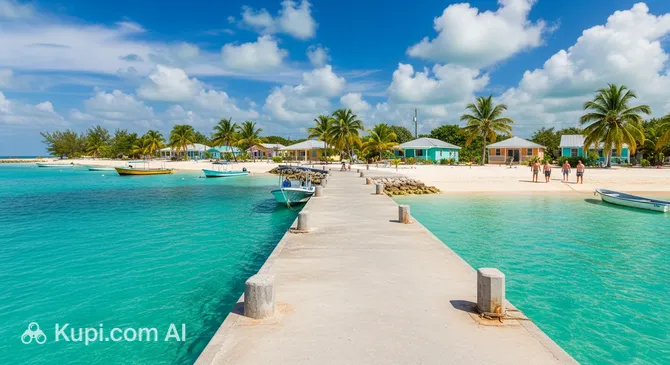
Spring Point is a destination where the concept of cultural heritage and green spaces is defined by the raw, untouched environment rather than curated institutions. You will not find manicured city parks or air-conditioned museums here; instead, the entire island of Acklins serves as a living gallery of history and a vast, wild nature reserve. Visitors are invited to explore a landscape where the boundaries between the past and the present, and between land and sea, are beautifully blurred.
Nature and Green Spaces
While there are no formal botanical gardens, the indigenous Cascarilla forests surrounding Spring Point act as a unique natural sanctuary. This area is one of the few places on Earth where the Cascarilla shrub grows in abundance. A walk through these scrublands is an aromatic experience, as the plant releases a scent often described as a mix of nutmeg and cinnamon. It is a functional landscape where nature meets local industry, offering visitors a chance to see the source of the essential oils used in perfumes and liqueurs worldwide.
The coastline itself serves as the community's central park, particularly the stretches of mangrove wetlands bordering the settlement. These vibrant green ecosystems are teeming with birdlife, including herons and egrets, making them a paradise for birdwatchers and nature photographers. Unlike a traditional park, these wetlands are best explored by kayak or a small skiff, allowing you to glide silently through the "creeks" that serve as nurseries for the marine life of the Bahamas.
Museums and Cultural Heritage
Spring Point does not possess a traditional building labeled as a museum; however, the Pompey Bay Archeological Site offers a profound window into the region's ancient culture. Located just a short distance south of the settlement, this area contains one of the most significant Lucayan Indian sites ever discovered. Walking here is like stepping into an open-air museum where you can envision the lives of the archipelago’s original inhabitants. Artifacts found in the area suggest a thriving community existed here centuries before European arrival, making the ground itself a repository of history.
The cultural narrative continues with the remnants of the Loyalist Plantation era scattered across the island. Although many structures have been reclaimed by nature, the ruins of old cotton plantations near Spring Point stand as silent monuments to the 18th and 19th centuries. These stone foundations and crumbling walls tell the story of the American Loyalists who fled to these islands, bringing with them an agricultural economy that shaped the demographic and cultural landscape of the southern islands.
Historical Landmarks
A significant site for local heritage is the Spring Point Freshwater Spring, the namesake of the settlement. Historically, fresh water was the most valuable resource in these saline environments, and this natural spring made the location a vital stopover for sailors and early settlers. While unassuming in appearance, it represents the lifeline that allowed a community to flourish here. It is a humble yet poignant landmark that connects visitors to the daily struggles and triumphs of the island's ancestors.
Authentic Experiences
For a truly authentic cultural insight, spend time observing or participating in the Cascarilla bark harvesting process. This is not a staged tourist attraction but a genuine livelihood for many families in Spring Point. Locals are often willing to demonstrate how the bark is carefully stripped and dried in the sun. It is a rare opportunity to witness a tradition that has remained virtually unchanged for over a century, providing a direct link to the island's economic history and botanical culture.