Support

Matthew Town

About

Matthew Town is the sole settlement on Great Inagua Island and serves as a fascinating gateway to the southernmost reaches of the Bahamas. Unlike the busy resort centers found elsewhere in the archipelago, this town offers a distinctively authentic and tranquil experience. It is the administrative center of the district and a community where the warmth of the locals matches the tropical climate.

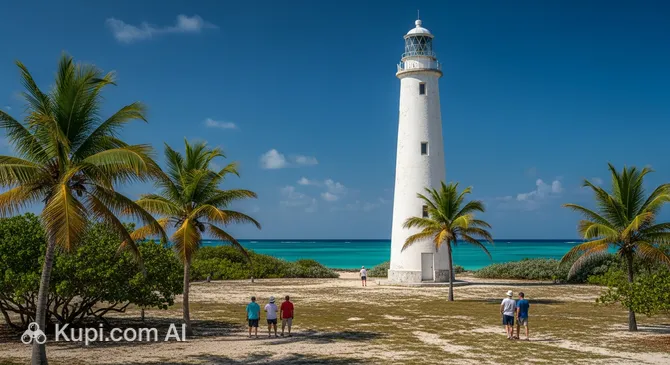
Matthew Town. Source: Kupi.Binoculars

With a modest population of approximately 900 residents, the town maintains a close-knit, village-like atmosphere. Geographically, it is positioned to overlook the ocean, providing stunning sunset views. The history of Matthew Town is deeply intertwined with the salt industry, and today it remains home to the Morton Salt Company, one of the largest solar salt operations in North America. Visitors are often captivated by the surreal sight of massive, glistening white salt mountains rising against the bright blue sky.

Beyond its industrial heritage, Matthew Town is the perfect base for exploring the island's incredible biodiversity. It is the primary jumping-off point for excursions to the Inagua National Park, famous for hosting the world's largest breeding colony of West Indian flamingos. Another key landmark is the 19th-century Great Inagua Lighthouse, a white stone structure that stands as a testament to the island's maritime importance. Whether you are a dedicated birdwatcher or simply seeking a peaceful retreat, Matthew Town invites you to discover its unique charm and natural wonders.

Weather Overview

Matthew Town experiences a consistently warm tropical climate, making it an inviting destination for travelers throughout the year. Temperatures remain pleasant and stable, with average lows hovering around 24.4°C in the cooler months, and average highs reaching approximately 29.7°C during the peak heat of September. This limited temperature range ensures that the weather is rarely too cold for outdoor exploration.

Rainfall patterns in the region are seasonal, primarily defined by the frequency of wet days rather than heavy downpours. Generally, visitors can expect warm conditions with occasional rain that becomes more frequent in the autumn; October is typically the wettest month with about 17 wet days, while July is the driest with only four. For a more detailed breakdown of seasonal conditions to help plan your trip, you can check the current weather in Matthew Town.

Interesting Facts

Beyond its reputation as a quiet salt-producing settlement, Matthew Town holds fascinating secrets that blend industrial history with local lore. The town is a place where nature and human activity have forged an unexpected alliance, and where legends of kings and pirates still whisper in the ocean breeze.
  • A Kingdom of Birds: The wildlife here doesn't just coexist with the population; it overwhelms it. With over 80,000 West Indian flamingos residing in the nearby national park and only about 900 human residents in the town, the birds outnumber the locals by a staggering ratio of nearly 90 to 1.

  • Industrial Symbiosis: The Morton Salt facility, one of the largest solar salt operations in North America, is inadvertently responsible for the island's booming flamingo population. The salt pans provide an ideal breeding ground for brine shrimp—the flamingos' primary food source—creating a unique cycle where heavy industry helps sustain a thriving ecosystem.

  • The King's Buried Treasure: Local legend claims that Henri Christophe, the self-proclaimed King of Haiti in the early 19th century, built a secret summer retreat on the island. It is rumored that he buried a vast cache of gold and silver near the Northeast Point, a treasure that has never been recovered.

  • A Beacon of Tradition: The 19th-century lighthouse standing guard over the town holds a special place in maritime history. Until its relatively recent automation, it was one of the last remaining lighthouses in the world to be hand-cranked and fueled by kerosene, requiring keepers to manually wind the mechanism every two hours to keep the light turning.

  • Donkeys in the Streets: It is not uncommon to see wild donkeys roaming freely through the outskirts of the town. Descendants of working animals from the salt pans of a bygone era, these creatures now wander the island unchecked, often startling visitors who don't expect to see them in a tropical paradise.

How to Get There

Reaching this remote destination requires some planning, as it is located on the southernmost island of the Bahamas. While there are no direct road links to the major international hubs listed nearby, understanding the regional transport network can help you plan your journey. For a detailed breakdown of all routes and travel tips, you can read more about how to get to Matthew Town.

Although Matthew Town is primarily served by its local airstrip, travelers in the wider Caribbean region often pass through larger hubs on neighboring islands. One of the closest significant airports is Providenciales International Airport (PLS), located in Providenciales, Turks and Caicos Islands. It is situated approximately 172 km from Matthew Town. Since this airport is across the ocean, a direct taxi or bus ride is not possible; travelers typically need to arrange a charter flight or a connecting boat transfer to cross the distance.

Another major aviation facility in the vicinity is Antonio Maceo Airport (SCU), located in Santiago de Cuba. This airport handles a large volume of passengers and is about 250 km away from Matthew Town. Similar to other regional options, it is located in a different country (Cuba), so reaching Matthew Town from here involves international travel logistics rather than a simple road transfer.

For clarity, here is a summary of the main airports in the surrounding region:

Airport Name City Passenger Traffic Km from City
Antonio Maceo Airport Santiago de Cuba Large 250.4
Providenciales International Airport Providenciales Medium 172.2
Cap Haitien Airport Cap-Haïtien Medium 203.9
Grand Turk Airport Grand Turk Small 268.2
South Caicos Airport South Caicos Small 231.1

Matthew Town does not have a railway station, and there is no railway network on Great Inagua Island. Visitors generally rely on air travel to the local airport or arrival by sea to reach the settlement. Once on the island, local transport options such as taxis or rental cars are available to navigate the town and its surroundings.

Main Attractions

Matthew Town serves as the gateway to some of the most untouched and spectacular natural environments in the Caribbean. While the town itself is quaint and quiet, the surrounding area offers unique experiences that draw nature lovers, birdwatchers, and eco-tourists from around the globe. Here are the top attractions to explore during your visit.

Inagua National Park is undoubtedly the crown jewel of the island and a must-visit for anyone traveling to Matthew Town. Spanning nearly half of Great Inagua, this protected area is world-renowned for hosting the largest breeding colony of West Indian flamingos. Visitors can witness a sea of pink as tens of thousands of these majestic birds wade through the shallow waters. Beyond the flamingos, the park is a haven for over 140 species of native and migratory birds, including Bahama parrots, pelicans, and herons, making it a premier destination for ornithologists and wildlife enthusiasts.

Standing sentinel over the town is the historic Great Inagua Lighthouse. Constructed in 1870, this gleaming white stone structure rises 113 feet into the air and remains an iconic symbol of the island's maritime heritage. It is one of the few remaining lighthouses in the Bahamas that was hand-operated for over a century. A climb to the top rewards visitors with breathtaking panoramic views of Matthew Town, the shimmering salt pans, and the vast expanse of the ocean, offering a perfect vantage point for photography.

The Morton Salt Facilities offer an industrial landscape that is surprisingly beautiful and surreal. As one of the largest solar salt operations in North America, the facility features massive mountains of crystallized salt that sparkle brilliantly under the tropical sun. The stark white mounds contrast sharply with the deep blue sky, creating a unique visual spectacle. Tours can often be arranged to learn about the salt harvesting process, which has been the economic lifeblood of the island since the 1930s.

For those interested in marine life, the Union Creek Reserve is a fascinating stop located just a short drive from the main settlement. This tidal creek is a protected research site dedicated to the study and conservation of Green Turtles. The enclosed waters provide a safe nursery for these endangered creatures, allowing visitors the rare opportunity to observe them in their natural habitat. It serves as an important educational site highlighting the island's commitment to preserving its rich biodiversity.

Local Cuisine

The culinary scene in Matthew Town is a celebration of the ocean's bounty, offering an authentic taste of the Bahamas without the commercial polish of larger tourist hubs. Here, "farm-to-table" is effectively replaced by "sea-to-spoon," with menus dictated largely by the catch of the day. Seafood lovers will find themselves in paradise, as the isolation of Great Inagua ensures that fish, conch, and lobster are served incredibly fresh, often prepared just hours after being pulled from the pristine waters surrounding the island.

The undisputed king of the local table is the conch. Visitors should not miss the chance to try conch salad, a refreshing ceviche-style dish where the meat is diced with tomatoes, onions, and green peppers, then marinated in sour orange and lime juice. For a heartier meal, cracked conch—tenderized, battered, and deep-fried—is a local favorite, typically served alongside the quintessential Bahamian side dish: peas 'n' rice. During the season, the local spiny lobster becomes a culinary highlight, often grilled with garlic butter or curried to perfection.

To wash down these savory meals, locals often turn to the island's signature beverages. Sky Juice is a potent and creamy cocktail made from gin, coconut water, and condensed milk, usually topped with a sprinkle of nutmeg. It is a sweet treat that packs a surprising punch. For those preferring something lighter, a cold bottle of Kalik or Sands, the national beers of the region, provides a crisp and refreshing accompaniment to the warm tropical weather and spicy island flavors.

Dining in Matthew Town is a casual and communal affair. You will not find fine dining establishments or international chains here; instead, the food culture revolves around small, family-run eateries, snack bars, and the dining rooms of local guest houses. The atmosphere is consistently laid-back and welcoming, often feeling more like eating in a friend's home than a formal restaurant. It is common for visitors to share stories with locals over a meal, making the dining experience as much about the warm hospitality as it is about the delicious, home-cooked food.

Travel Tips

Visiting Matthew Town is a unique adventure that takes you far off the beaten path, offering a glimpse into a quieter, more authentic side of the Caribbean. To make the most of your journey to this remote southern outpost, a little extra preparation is essential to ensure a smooth and enjoyable experience.

  1. Clothing and Gear: Given the tropical climate, lightweight and breathable fabrics like cotton or linen are your best bet for staying cool. Since you will likely be exploring the salt flats or the national park, bring sturdy walking shoes or hiking boots rather than just flip-flops. A wide-brimmed hat, high-SPF sunscreen, and high-quality polarized sunglasses are indispensable to protect against the intense sun reflecting off the white salt pans.

  2. Transportation: There is no public transport system like buses or trains in Matthew Town. To explore the island, especially to reach the Inagua National Park or the lighthouse, you will need to rent a car or hire a local taxi. Car rentals are typically arranged through local individuals or guesthouses rather than international agencies, so it is wise to book this in advance.

  3. Finances: The Bahamian Dollar (BSD) is pegged 1:1 to the US Dollar, and both are accepted interchangeably. While the few larger establishments may accept credit cards, cash is king here. It is highly recommended to bring sufficient cash with you, as banking facilities are limited and ATMs may not always be reliable or stocked on this remote island.

  4. Health and Safety: Matthew Town is generally very safe and peaceful, but it is remote. There is a local clinic for basic medical needs, but serious emergencies require air evacuation. A critical item to pack is strong insect repellent; the mangroves and salt marshes can attract mosquitoes and sandflies, particularly at dawn and dusk.

  5. Communication: English is the official language, spoken with a distinct dialect. Wi-Fi is usually available at guesthouses and the main lodge, but connectivity can be slower than you are used to. If you need constant data, consider purchasing a local SIM card (BTC or Aliv) upon arrival in the Bahamas, though coverage may vary in the island's interior.

  6. Local Etiquette: The community is small and friendly, where everyone knows everyone. It is polite to greet people you pass on the street with a warm "Good morning" or "Good afternoon." Islanders appreciate a relaxed pace of life, so practice patience and don't rush service staff; embracing "island time" is part of the charm.

  7. What to Avoid: Do not disturb the wildlife. The flamingos and other birds in the sanctuary are wild animals; keep a respectful distance and never attempt to chase or feed them. Also, avoid walking around the town center in just swimwear; it is respectful to cover up when leaving the beach.

  8. Sunday Closures: Be aware that Sunday is a day of rest and worship for many residents. Most shops and businesses will be closed, so plan your grocery shopping or fuel needs for Saturday to avoid being caught out.

By keeping these practical tips in mind, you will be well-equipped to navigate the rustic charm of Great Inagua. Embrace the slower rhythm, connect with the welcoming locals, and enjoy the unparalleled natural beauty that makes Matthew Town such a special destination.

Entertainment & Nightlife

Entertainment and nightlife in Matthew Town are defined by the island's tranquil, small-town character rather than the high-energy club scenes found in Nassau or Freeport. The atmosphere here is incredibly laid-back, authentic, and centered around socializing with the friendly local community. Instead of neon-lit dance floors and velvet ropes, visitors will find cozy, open-air bars where the evening entertainment consists of lively conversations, cold beers, and the rhythmic sounds of traditional Bahamian Rake 'n' Scrape music playing from a jukebox.

The nightlife "hub," if it can be called that, is effectively the town center where a few key establishments are located within walking distance of each other. The vibe is casual and unpretentious; there is no strict dress code, and shorts and sandals are the norm. Evenings typically start early, with locals gathering around sunset to unwind after a day of work. While some spots may stay open until the last customer leaves—especially on weekends—the town generally quiets down by midnight, leaving the stage to the spectacular, light-pollution-free starry skies.

For a taste of the local social scene, The Main House is the historic heart of the town. Originally built for the salt company executives, it houses a restaurant and bar that serves as a primary gathering spot for both visitors and residents. It offers a relaxed setting to enjoy a cocktail while swapping stories with birdwatchers and salt workers. Another popular spot is Cozy Corner, a local bar known for its welcoming spirit and vibrant atmosphere, often hosting impromptu games of dominoes that can get quite competitive and entertaining to watch. Top Notch Bar and Lounge is also a staple, offering a place to enjoy drinks and socialize in a friendly, inviting environment.

Practical advice for a night out in Matthew Town is simple: bring cash. Most local bars and smaller venues do not accept credit cards. Prices are generally affordable, with beers and mixed drinks costing significantly less than at major tourist resorts. Getting around is safe and easy; the town is small enough to walk, but be aware that street lighting can be sparse in some areas. Carrying a small flashlight is recommended, not just to see the path, but to avoid bumping into the wild donkeys that often roam the streets after dark.

Safety is rarely a concern in this close-knit community, and walking at night is generally considered very safe. However, standard precautions apply: stick to the main roads and avoid unlit shortcuts. Taxis are not typically hailed on the street at night; if you need a ride back to your guesthouse from a bar, it is best to arrange it in advance or ask the bartender to call one of the local drivers for you.

During the daylight hours, entertainment shifts entirely to the outdoors and cultural appreciation, as there are no movie theaters, bowling alleys, or amusement parks on the island. Visitors spend their days exploring the natural history of the area or visiting the Erickson Museum, located in the public library, which offers a glimpse into the island's colonial past and industrial heritage. For many, the ultimate daytime entertainment is simply observing the abundant wildlife or snorkeling in the crystal-clear waters just off the coast.

Parks & Museums

While Matthew Town may not feature the manicured botanical gardens or sprawling city parks found in larger metropolises, it offers something far more spectacular: access to vast, untamed wilderness and a deep connection to its industrial and maritime past. The "green spaces" here are wild reserves teeming with life, and the cultural venues are intimate repositories of a unique island history that revolves around salt and the sea.

Inagua National Park serves as the region's ultimate natural sanctuary. Covering nearly half of the island, this protected area is not a typical park with benches and playgrounds, but a raw expanse of wetlands, mangroves, and salt pans. It is a globally significant site for biodiversity, designated as a Wetland of International Importance. For tourists, the primary allure is the opportunity to immerse themselves in an untouched ecosystem where nature rules supreme. The park provides a rare chance to observe the famous West Indian flamingos in their natural habitat, alongside other exotic bird species like the Bahama parrot and reddish egret, making it a paradise for photographers and nature enthusiasts.

Another vital natural area is the Union Creek Reserve. Located a short distance from the town, this enclosed tidal creek functions as a specialized marine park. It is distinct from the main national park due to its specific focus on marine conservation, particularly for Green Turtles. The reserve allows visitors to see these endangered creatures in a protected environment that serves as a research station. It is an educational experience that highlights the delicate balance of the Bahamas' marine ecosystems, offering a quieter, more aquatic counterpart to the avian-rich interior of the island.

On the cultural front, the Erickson Museum stands as the town's primary custodian of history. Housed within the public library building, this modest yet fascinating museum is dedicated to the Erickson family, who revolutionized the salt industry on the island in the 1930s. The collection features a variety of artifacts, photographs, and documents that trace the development of Matthew Town from a sleepy outpost to a salt-producing powerhouse. Visitors can explore displays of antique tools, household items from the colonial era, and detailed accounts of how the community survived and thrived in such a remote location.

Although not a museum in the traditional sense, the Great Inagua Lighthouse acts as a living monument to the island's maritime heritage. Built in 1870, the structure itself is an architectural marvel of the period. While the interior is functional, the site offers a tangible connection to the past, when kerosene lamps and hand-cranked mechanisms guided ships through the treacherous southern channels. Standing at the base or climbing to the top provides a historical perspective that complements the exhibits found in the Erickson Museum.

For a truly authentic experience, visitors should ask locals about the ruins of the 19th-century prison. Though not a formal tourist attraction with signage, the remnants of this limestone structure offer a haunting glimpse into the island's colonial administration. It is a lesser-known spot that requires a bit of local guidance to find, but exploring the weathered stone walls provides a quiet moment to reflect on the generations who have called this isolated island home.

Getting Around

Travelers planning a visit to Matthew Town should be aware that the city does not have a formal public transport system. There are no buses, trams, metros, or trains operating within the settlement or on the wider island. Due to the small population and the compact nature of the town, the infrastructure is not designed for mass transit, and visitors will not find scheduled routes, bus stops, or transport maps commonly associated with larger urban centers.

The primary method of motorized transport for tourists is the local taxi service. These are not typically marked with the uniform branding seen in major cities, nor do they operate with meters. Instead, taxis are often private vehicles driven by locals who provide transportation services. It is rare to be able to hail a cab directly from the street; instead, rides must usually be arranged by telephone or through your accommodation host. Taxis are essential for reaching distances beyond the town center, such as the lighthouse or the national park.

Regarding payment, the system is entirely cash-based. There are no travel passes, smart cards, or mobile transport applications available for use in Matthew Town. Ride-sharing apps like Uber or Lyft do not operate here. Visitors should carry sufficient cash in small denominations to pay for fares. Since taxis are unmetered, it is standard practice and highly advisable to agree on the fare with the driver before beginning the journey to avoid any misunderstandings upon arrival.

For those who prefer more independence, renting a car or a bicycle is a popular alternative. Car rentals are generally informal and are often organized through local guesthouses or private individuals rather than international rental agencies. Bicycles are an excellent way to navigate the flat terrain of the town itself and allow for a leisurely pace suited to the relaxed atmosphere. Walking is also a perfectly feasible option for getting around the main settlement, as most shops, the museum, and the coastline are within a reasonable distance of one another.

Since there are no operating hours for public transport, getting around requires a bit of forward planning, especially in the evenings. Taxi services may not be readily available late at night unless pre-arranged. Tourists are advised to secure the phone numbers of a few reliable drivers upon arrival or ask the staff at their lodging to assist with booking rides in advance for dinner outings or early morning excursions.

Accommodation

Accommodation in Matthew Town is reflective of its status as a remote, working community rather than a commercial tourist hub. Travelers will not find sprawling all-inclusive resorts, high-rise luxury hotels, or international chains here. Instead, the lodging landscape is defined by intimate guesthouses, small lodges, and vacation rentals that offer a homely and authentic Bahamian experience. The options are comfortable and clean, typically run by local families who provide personalized hospitality that larger establishments cannot match.

Because the settlement is small and compact, location is rarely a complicating factor when choosing where to stay. Almost all accommodation options are situated within the town proper, placing visitors within easy walking distance of the grocery store, the few local eateries, and the coastline. Staying in the heart of the town also allows for easy interaction with the friendly locals and provides a convenient base for arranging excursions to the lighthouse or the national park.

The most iconic place to stay is undoubtedly The Main House. Originally built to house executives of the salt company, this historic facility doubles as the social center of the island. It offers simple but comfortable rooms and is famous for its on-site restaurant and bar, where guests can mingle with salt workers, visiting scientists, and birdwatchers. Other options in town include smaller, privately-owned guesthouses like Brenville House or Sunset Apartments, which offer a quiet retreat and often include kitchenette facilities for those who prefer to prepare their own meals.

Booking Tip: Due to the very limited number of rooms available on the entire island, it is crucial to book your accommodation well in advance. Showing up without a reservation is risky, as the few available spots can fill up quickly, especially during the peak birdwatching season or when contractors are visiting the salt facility.

In terms of pricing, accommodation in Matthew Town generally falls into the mid-range category. While not exorbitantly expensive, prices reflect the remote nature of the island and the cost of importing goods. Visitors should be aware that booking methods are often traditional; while some places may have a web presence, many rely on direct telephone calls or email for reservations. Additionally, travelers should be prepared to pay in cash, as credit card facilities may not be available at smaller guesthouses.

Nearby Cities

Matthew Town's remote location on the southernmost edge of the archipelago makes it a unique destination, often visited as part of a more extensive exploration of the Bahamas. While the significant distances to other major settlements preclude simple day excursions, these regional hubs serve as excellent next stops or transit points for travelers extending their journey through the islands.

Nassau, the vibrant capital, offers a complete change of pace with its bustling streets, duty-free shopping, and colonial heritage, serving as the primary connection point for almost all international visitors. For those looking to continue their nature-focused adventure, George Town in the Exumas is a renowned boating capital, famous for its stunning harbor and proximity to the iconic swimming pigs and pristine cays.

City Population Distance (km)
Nassau 274,400 591
George Town 16,000 357
North Eleuthera 3,000 588
Andros Town 2,500 611
Harbour Island 2,000 589

These destinations highlight the diversity of the region, offering everything from busy urban centers to quiet island retreats for those planning a wider itinerary.

Shopping & Souvenirs

Shopping in Matthew Town is a modest and functional affair, reflecting the settlement's status as a remote working community rather than a commercial tourist hub. Visitors will not find designer boutiques, duty-free promenades, or sprawling retail complexes here. Instead, the shopping scene is centered around essential goods, groceries, and a few unique local crafts. The experience is intimate and authentic, offering a chance to interact with residents in small, family-run establishments where the pace is unhurried and the service is personal.

There is no specific "shopping district" in the traditional sense, as the entire town is compact enough to navigate on foot. The primary commercial activity is concentrated along the main streets near the town center, particularly around Gregory Street and the vicinity of the administrative buildings. Here, you will find the few general stores and small shops that serve the daily needs of the 900 residents. Exploring these streets offers a glimpse into local life, where a trip to the store is often as much about social interaction as it is about purchasing supplies.

Travelers looking for a "mall" should adjust their expectations. Matthew Town does not have shopping malls. The closest equivalent is the Inagua General Store (often referred to locally as the "shopping center" or "supermarket"). This establishment acts as the island's primary retail hub, stocking everything from groceries and fresh produce to hardware, clothing, and household items. It is the lifeline for the community, and for tourists, it is the go-to spot for snacks, drinks, and any toiletries or supplies forgotten at home.

While there are no bustling open-air bazaars, the arrival of the mail boat creates a market-like atmosphere. When the boat docks, fresh produce and goods from Nassau and abroad arrive, and the town buzzes with activity as locals gather to collect their orders and buy fresh fruits and vegetables. For visitors, this is a fascinating weekly event to witness. Occasionally, you may find small pop-up stalls or individuals selling homemade treats or fresh catch near the harbor, but these are informal and sporadic.

For souvenirs, the best treasures are those that reflect the island's natural and industrial heritage. Straw work is a classic Bahamian craft, and you may find locals plaiting baskets, hats, and bags with intricate designs. Given the island's major industry, sea salt from the Morton Salt facility makes for a unique and fitting keepsake. Additionally, jewelry made from seashells or "sea glass" collected from the pristine shores is a popular, locally-made memento that captures the spirit of the ocean.

Business hours in Matthew Town are generally from 9:00 AM to 5:00 PM, Monday through Saturday. However, many smaller shops may close for a lunch break around midday. It is important to note that Sunday is strictly observed as a day of rest and worship; almost all shops, including the main grocery stores, will be closed. Visitors should plan ahead and purchase any necessary supplies on Saturday.

regarding payment, cash is essential. While the main general store may accept credit cards, smaller vendors, artisans, and stalls operate exclusively with cash. Both Bahamian dollars and US dollars are accepted interchangeably. As for tax-free shopping, this system is primarily designed for the luxury retailers in Nassau and Freeport. In Matthew Town, you should not expect to find VAT-refund participation; the focus here is on simple, direct transactions.
Reached the end of the page?

That means the route is fully explored