Support

Cap-Haïtien

About

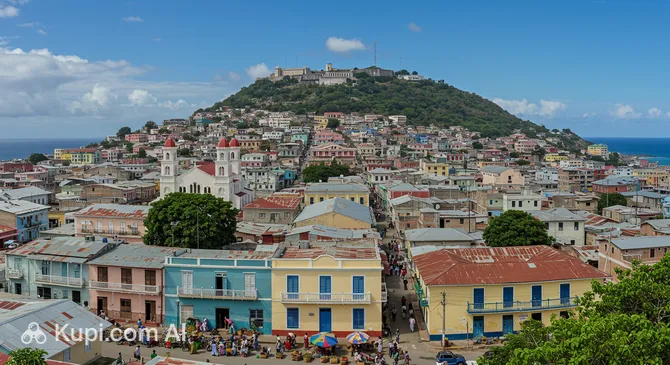
Cap-Haïtien, often affectionately referred to as "Le Cap," is a city brimming with charm and historical depth. Located on the northern coast of Haiti, it serves as the capital of the Nord Department and offers a more relaxed and picturesque atmosphere compared to the bustling south. Known for its well-preserved colonial architecture, the city has historically been nicknamed the "Paris of the Antilles" due to its elegant style and cultural significance.

Cap-Haïtien. Source: Kupi.Binoculars

With a population of approximately 190,000 residents, Cap-Haïtien is a vibrant urban center nestled between the Atlantic Ocean and lush green mountains. The history of Cap-Haïtien is deeply intertwined with the story of the nation's independence, and walking through its narrow streets offers a fascinating glimpse into the past. The city's layout and buildings reflect a unique blend of Caribbean and French influences that captivate visitors immediately upon arrival.

Travelers flock here primarily to explore the nearby UNESCO World Heritage Sites, including the majestic Citadelle Laferrière, a massive fortress atop a mountain, and the ruins of the Sans-Souci Palace. Within the city itself, the Cathedral of Our Lady of the Assumption stands as a stunning landmark on the central square, surrounded by historic houses with colorful facades. Whether you are a history enthusiast or simply seeking to experience the authentic culture of the region, Cap-Haïtien is a destination that promises an unforgettable journey.

Weather Overview

Cap-Haïtien enjoys a consistently warm tropical climate, making it an inviting destination for travelers year-round. Average temperatures are quite stable, fluctuating between a comfortable 24°C in the cooler months of January and February and rising to around 27°C from June through September. You can generally expect warm days with highs often reaching close to 30°C, while evenings remain pleasant with minimum temperatures rarely dropping below 21°C.

Precipitation is a frequent companion in this region, so it is wise to be prepared for showers regardless of when you visit. The number of rainy days varies, with February being the driest month featuring about 10 wet days, whereas September and October can see rain on more than 20 days of the month. To help you pack the right gear for your trip, you can view more specific details about the weather in Cap-Haïtien. Overall, lightweight clothing is recommended, along with an umbrella or raincoat to handle the occasional downpours.

Interesting Facts

Beyond its well-known landmarks, Cap-Haïtien holds many fascinating secrets that reveal its pivotal role in the history of the Americas. The city's streets and shores echo with stories of exploration, revolutionary defiance, and resilience.

  • The waters near the city are the site of a momentous historical event: the shipwreck of Christopher Columbus's flagship, the Santa Maria, on Christmas Eve in 1492. Timber from the wrecked vessel was used to construct La Navidad, the very first European settlement in the New World, located just a few miles east of the modern city limits.

  • Cap-Haïtien was the scene of a dramatic act of scorched-earth warfare during the Haitian Revolution. In 1802, rather than surrendering the city to approaching French forces, General Henry Christophe ordered it to be burned to the ground, famously setting fire to his own mansion first as a signal to the residents.

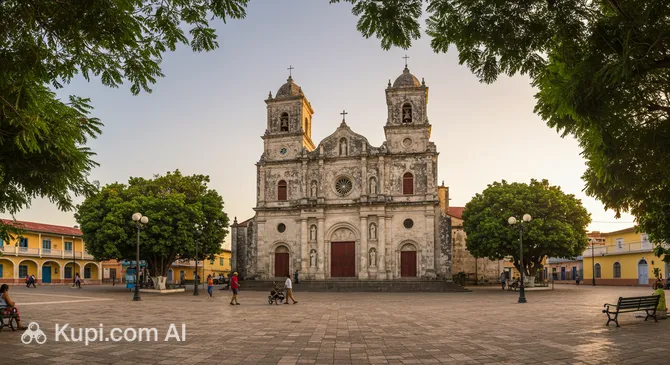
  • The majestic Cathedral of Our Lady of the Assumption stands on a square that has been the city's focal point since the late 17th century. While the current building dates to the early 1900s, it represents the city's endurance, having been reconstructed after the devastating earthquake of 1842 destroyed the previous colonial church.

Cathedral of Our Lady of the Assumption (Cap-Haïtien). Source: Kupi.Binoculars

How to Get There

Reaching this historic destination is relatively straightforward, with options ranging from direct flights to overland journeys from the capital or neighboring regions. For a complete overview of travel methods and routes, you can read more about how to get to Cap-Haïtien.

The most convenient way to arrive is by flying directly into Cap Haitien Airport (IATA: CAP), also known as Hugo Chávez International Airport. Located just 1.3 km from the city center, it serves as the primary gateway for the northern region. This international airport handles a moderate volume of traffic, including connections from Florida and other Caribbean locations. A taxi or bus ride from the terminal to the heart of the city is extremely short, typically taking only 5 to 10 minutes.

Another major entry point is Toussaint Louverture International Airport (IATA: PAP), located in the capital city of Port-au-Prince. This is the country's busiest hub, handling a large number of international flights. Although the straight-line distance is approximately 128 km, the actual road trip is significantly longer due to the winding terrain and road conditions. Travelers choosing this route should be prepared for a longer overland journey, which generally takes around 5 to 7 hours but offers a scenic drive through the country's diverse landscapes.

For clarity, here is a summary of the main airports in the region:

Airport Name City Passenger Traffic Km from City
Cibao International Airport Santiago High 172.0
Toussaint Louverture International Airport Port-au-Prince High 128.4
La Union Airport Puerto Plata Medium 171.6
Cap Haitien Airport Cap-Haïtien Medium 1.3
South Caicos Airport South Caicos Low 209.2

Main Attractions

Cap-Haïtien is a treasure trove of history and culture, offering visitors a unique glimpse into Haiti's glorious past and vibrant present. While the city itself is walkable and filled with colonial charm, it also serves as the gateway to some of the most significant monuments in the Caribbean. From mountaintop fortresses to lively local gathering spots, the attractions here cater to history buffs and culture seekers alike.

Undoubtedly the most iconic site in the region is the Citadelle Laferrière. Perched atop the Bonnet à l'Evêque mountain, this massive stone fortress is a UNESCO World Heritage Site and a symbol of Haitian liberty. Built in the early 19th century to defend the newly independent nation against potential French incursions, it is the largest fortress in the Americas. The journey to the top offers breathtaking panoramic views of the northern coast, and exploring the vast collection of cannons and stockpiles within the citadel is an awe-inspiring experience.

Located at the foot of the mountain leading to the Citadelle lies the Sans-Souci Palace. Once the royal residence of King Henri Christophe, this site was compared to Versailles in its prime. Although it was severely damaged by an earthquake in 1842, the ruins remain majestic and evocative. Visitors can wander through the grand staircases and crumbling arches, imagining the opulence of the royal court that once thrived here. Together with the Citadelle, it forms the core of the National History Park.

In the heart of the city, the Cathedral of Our Lady of the Assumption dominates the central square, Place d'Armes. This stunning colonial-style church is not only a place of worship but also a centerpiece of the city's architectural heritage. Its silver cupola and yellow facade make it a favorite subject for photographers. Inside, the atmosphere is serene, offering a quiet respite from the bustling streets outside.

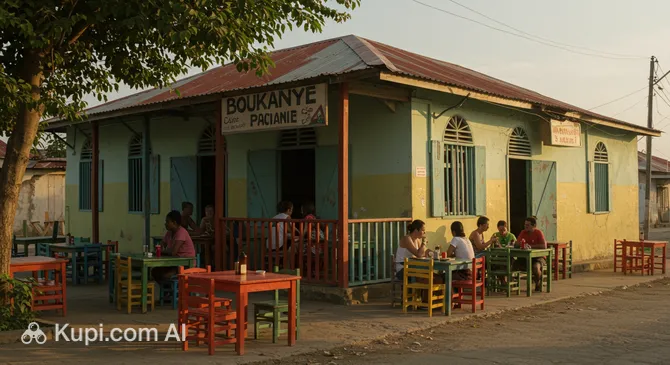
For a taste of modern local culture and nightlife, Boukanye is a popular destination for both locals and tourists. Situated by the waterfront, this establishment is well-regarded for its vibrant atmosphere and delicious local cuisine. It is an excellent spot to enjoy traditional Haitian dishes, sip on a refreshing cocktail, and soak in the rhythms of the city as the sun sets over the ocean.

Boukanye. Source: Kupi.Binoculars

Local Cuisine

The culinary scene in Cap-Haïtien is a vibrant reflection of the city's rich history and coastal location, offering a delicious blend of African, French, and Taino influences. Known as the gastronomic capital of the north, the city is famous for its bold flavors, fresh seafood, and unique regional specialties that distinguish it from the rest of the country. Visitors will find that food here is not just sustenance but a celebration of local culture, often prepared with aromatic herbs, spices, and a touch of heat.

One dish that every traveler must try is Poulet aux Noix (Chicken with Cashews). The northern region of Haiti is the primary producer of cashew nuts, and this signature stew combines tender chicken with crunchy, locally grown nuts in a savory tomato-based sauce. Another seafood staple in this coastal city is Lambi (conch meat), which is typically grilled or stewed to perfection and served with a side of rice and beans or fried plantains. Of course, no meal is complete without a side of Pikliz, a spicy pickled vegetable relish that adds a kick to any dish, particularly the national favorite, Griot (marinated and fried pork).

To quench your thirst, the local beverage options are as colorful as the food. Haiti is renowned for its high-quality rum, and Rhum Barbancourt is a source of national pride, often enjoyed neat or in cocktails. For a refreshing non-alcoholic option, fresh fruit juices are abundant, with soursop (corossol), passion fruit, and mango being popular choices. Beer lovers should try a cold Prestige, the country's most iconic lager, which pairs perfectly with a warm afternoon by the sea.

The food culture in Cap-Haïtien ranges from casual street food to relaxed seaside dining. In the evenings, the streets come alive with Fritay vendors selling fried delights like accra (malanga fritters) and marinad (seasoned batter balls). For a sit-down meal with a view, the Boulevard du Carénage is the place to be, lined with establishments where you can enjoy the ocean breeze. A popular spot to experience this lively atmosphere is Boukanye, a restaurant known for its welcoming vibe and authentic local dishes, making it an excellent choice for those looking to immerse themselves in the city's social and culinary life.

Travel Tips

Visiting Cap-Haïtien is a rewarding experience that offers a deep dive into Caribbean history and culture, but like any unique destination, it requires a bit of preparation to navigate smoothly. To help you make the most of your time in this historic coastal city, we have compiled a list of essential practical tips that will ensure your journey is both enjoyable and hassle-free.

  1. Clothing and Gear: The climate is tropical and humid, so pack lightweight, breathable fabrics like cotton or linen. Since rain can occur unexpectedly, especially in the afternoons, carrying a compact umbrella or a light rain jacket is wise. Most importantly, bring sturdy, comfortable walking shoes; the streets can be uneven, and hiking up to the Citadelle Laferrière requires reliable footwear.
  2. Transportation: For short distances within the city, moto-taxis are the quickest and most common option, but always negotiate the fare before hopping on. Colorful shared trucks known as tap-taps are an inexpensive way to travel like a local, though they can be crowded. For longer excursions or a more comfortable experience, hiring a private driver or a taxi through your hotel is highly recommended over renting a car, as road conditions can be challenging.
  3. Finances: The local currency is the Haitian Gourde (HTG). While US dollars are accepted at many hotels and larger restaurants, carrying local cash is essential for street vendors, markets, and small shops. ATMs are available in the city center, but they can occasionally be out of service or run out of cash, so it is prudent to bring enough cash to cover your immediate needs. Tipping is appreciated for good service.
  4. Health and Safety: Cap-Haïtien is generally calmer and safer than the capital, but standard precautions apply. Avoid walking alone in poorly lit areas at night and keep valuables secure. strictly avoid drinking tap water; always opt for sealed bottled water for drinking and brushing your teeth. It is also advisable to pack insect repellent to protect against mosquitoes, which are active year-round.
  5. Communication: The official languages are French and Haitian Creole (Kreyòl). While hotel staff may speak English, it is not widely spoken in the streets. Learning a few basic Creole phrases like "Bonjou" (Good morning) and "Bonswa" (Good evening) will go a long way in breaking the ice. Buying a local SIM card (Digicel or Natcom) is easy and recommended for staying connected, as Wi-Fi can be intermittent outside of hotels.
  6. Local Etiquette: Haitians value politeness and social graces. It is customary to greet people with a friendly "Bonjour" or "Bonsoir" when entering a shop, boarding transport, or starting a conversation. When interacting with locals, a smile and a respectful demeanor are highly valued. Always ask for permission before taking photographs of people, as snapping pictures without consent is considered rude.
  7. What to Avoid: Do not take photos of police officers, military personnel, or government buildings, as this is prohibited. Additionally, avoid public displays of frustration or anger; patience is a virtue here, and keeping a calm attitude will help resolve any situation much faster.
  8. Power Supply: Electricity can be inconsistent in Haiti, and power outages are not uncommon. Many hotels have generators, but it is a great idea to pack a portable power bank to keep your phone charged while exploring. A small flashlight or headlamp can also be very useful if you plan to be out after dark.

By keeping these practical tips in mind, you will be well-equipped to embrace the vibrant rhythm of Cap-Haïtien. From the warmth of the locals to the stunning historical sites, a little preparation will allow you to focus on the beauty and spirit of this fascinating city.

Entertainment & Nightlife

Entertainment in Cap-Haïtien is distinct from the high-energy club scenes found in larger Caribbean capitals; instead, it offers a laid-back, culturally rich atmosphere centered around socializing, music, and the sea. The nightlife here is driven by the rhythms of Kompa and Troubadour music, with locals and visitors gathering to enjoy cool ocean breezes and spirited conversation. The city comes alive after sunset, particularly on weekends, when the air fills with the sounds of live bands and DJ sets.

The epicenter of the city's evening activity is the Boulevard du Carénage. This seaside promenade is lined with a variety of restaurants, bars, and lounges that overlook the Atlantic Ocean. It is the perfect place to start the night, hopping from one venue to another. The vibe is generally casual yet sophisticated, with patrons dressed in "smart casual" attire—think linen shirts and summer dresses rather than beachwear. Most venues open for dinner around 7:00 PM, with the bar scene picking up momentum by 9:00 PM and continuing until past midnight.

Among the popular spots to experience the local nightlife is Boukanye. While known for its food, it transforms in the evenings into a lively social hub where you can sip on Barbancourt rum cocktails and enjoy the waterfront ambiance. Another staple of the Boulevard is Lakay, a long-standing establishment that frequently hosts live music events and offers a quintessential Cap-Haïtien experience. For those looking for a more modern lounge feel, several hotel bars in the area also welcome non-guests, providing a comfortable setting to unwind with a Prestige beer.

For practical advice, it is best to carry cash (Haitian Gourdes), as not all smaller bars accept credit cards. Prices are generally affordable, with beers costing around $2-4 USD and cocktails ranging from $5-8 USD. When it comes to transportation, moto-taxis are ubiquitous, but for safety and comfort at night, it is advisable to use private taxis recommended by your hotel or the venue you are visiting. While the Boulevard du Carénage is bustling and generally considered safe due to the crowds, it is important to stay within well-lit, populated areas and avoid walking alone on deserted side streets.

Before the sun goes down, Cap-Haïtien offers a modest but interesting array of daytime entertainment. While you won't find large amusement parks, the city is a living museum of colonial architecture. Cultural enthusiasts can visit local art galleries or the Numismatic Museum to learn about the country's history through its currency. The city also has a few small theaters and cultural centers that occasionally host plays and community events, offering a glimpse into the artistic soul of the North.

Parks & Museums

Cap-Haïtien is often described as a "living museum," where history is etched into the very stones of its streets rather than confined solely to glass cases. While the city may not feature extensive botanical gardens in the traditional sense, its public plazas and surrounding historical sites offer profound cultural depth and natural beauty, serving as the primary green spaces for locals and visitors alike.

Place d'Armes is the city's beating heart and its most accessible green sanctuary. Located centrally, this leafy square is shaded by tall trees and serves as a communal living room where residents gather to relax and socialize. It offers a picturesque view of the Cathedral of Our Lady of the Assumption, making it a perfect spot for travelers to sit and soak in the colonial atmosphere. Just a short distance from the city center lies the Heroes Monument of Vertières, an impressive open-air sculpture park and historical site. This expansive green area commemorates the final battle of the Haitian Revolution with larger-than-life statues of independence heroes, offering a powerful mix of artistic grandeur and peaceful parkland suitable for reflection.

For those seeking a more curated look at the region's heritage, the Numismatic Museum offers a fascinating perspective. Housed in the beautifully restored Maison Altieri—a historic architectural gem in its own right—this museum explores Haiti's history through the evolution of its currency. Exhibits trace the nation's economic journey from indigenous trade items to colonial coins and modern banknotes, providing a unique lens on the country's past. Visitors can admire rare collections while appreciating the preserved colonial interior of the building itself.

Beyond the city limits, the entire National History Park serves as a colossal outdoor museum. While primarily known for the Citadelle Laferrière, the complex includes the Musée du Roi Henri Christophe located near the ruins of the Sans-Souci Palace. This institution safeguards artifacts related to the monarch's reign, including weaponry, uniforms, and personal items, helping to contextualize the sheer scale of the monuments outside. The combination of lush mountain trails and well-preserved history makes this area an essential excursion for any cultural enthusiast.

Insider Tip: When visiting the Heroes Monument of Vertières, try to arrive in the early morning or late afternoon. The lighting at these times casts dramatic shadows on the bronze statues, creating incredible photo opportunities, and the temperature is much more comfortable for exploring the spacious grounds.

Getting Around

Navigating Cap-Haïtien is an experience defined by color and informality, as the city does not have a conventional European-style public transport system like a metro or tram network. Instead, the streets are dominated by tap-taps, which are the primary means of getting around. These are privately owned pickup trucks or small buses that have been converted into shared taxis, fitted with benches in the back and covered by a roof. They follow fixed routes along major avenues but do not have designated stops; passengers simply wave to hail one and tap on the side of the vehicle or ring a buzzer to signal the driver when they wish to get off.

For shorter distances or to reach areas not serviced by tap-taps, moto-taxis (motorcycle taxis) are the most convenient and ubiquitous option. You will see drivers waiting at street corners or cruising through traffic, often wearing identifying vests. They are faster and more agile than cars, making them ideal for navigating narrow streets or heavy traffic. However, they are strictly for one passenger at a time, and helmets are not always provided, so riders should exercise caution.

The payment system is entirely cash-based; there are no travel cards, passes, or mobile apps for public transit here. Fares for both tap-taps and moto-taxis are generally very affordable, often costing just a small amount of local currency. It is essential to carry small bills and coins, as drivers rarely have change for large denominations. For tap-taps, you typically pay the driver or an assistant (known as the "contrôleur") upon exiting the vehicle. For moto-taxis, the price is not fixed by a meter, so you must negotiate and agree on the fare with the driver before hopping on to avoid any misunderstandings later.

Tourists should be aware that public transport operates from early morning until the evening, with frequency dropping significantly after dark. There are no official tickets to validate; the transaction is purely a direct cash exchange. If you are unsure about the route of a tap-tap, simply ask the driver or a fellow passenger if they are heading toward your destination—locals are generally helpful. When using moto-taxis, it is advisable to choose drivers who appear professional and are wearing a numbered vest, which often indicates they belong to a registered association.

For those seeking more comfort or privacy, standard private taxis are available, though they are less common on the streets than in major capital cities. They are best arranged through your hotel reception or found at the airport. Car rentals are an option, but due to the chaotic nature of local traffic and limited signage, most visitors prefer to hire a car with a local driver. This allows you to explore the region at your own pace without the stress of navigating unfamiliar driving conditions.

A unique feature of the transport system in this city, and indeed throughout Haiti, is the artistic nature of the tap-taps themselves. They are often elaborately painted with religious scenes, pop culture icons, and intricate geometric patterns, turning the daily commute into a moving art exhibition. Riding one is not just a logistical necessity but a cultural immersion, offering a chance to rub shoulders with residents and experience the city's lively rhythm firsthand.
Accommodation

Accommodation in Cap-Haïtien caters to a variety of travelers, ranging from history enthusiasts to beach lovers. The city offers a diverse selection of places to stay, including charming boutique hotels housed in restored colonial buildings, practical mid-range guesthouses, and more expansive beach resorts located just outside the city limits. While the options are not as vast as in major global tourism hubs, visitors will find comfortable and welcoming environments that reflect the local culture and hospitality.

When choosing where to stay, location is a key factor. The historic city center is ideal for those who want to be within walking distance of the main architectural landmarks, markets, and the central square. Staying here immerses you in the daily rhythm of the city. Alternatively, the coastal areas and the Boulevard du Carénage offer accommodations with sea views and cooling breezes. For travelers seeking a quieter, resort-style experience with direct beach access, the areas slightly north of the city center, towards the surrounding bays, provide a more secluded and relaxing atmosphere.

Booking Tips and Prices: It is highly recommended to book your accommodation in advance, especially if you plan to visit during peak periods such as the Carnival season or Easter, when the city fills up with domestic and international visitors. In terms of pricing, Cap-Haïtien is generally affordable. Budget travelers can find simple guesthouses for a modest fee, while mid-range and upper-tier hotels command higher prices, particularly those offering amenities like swimming pools and ocean views. While larger hotels can often be booked via major online platforms, many smaller, family-run establishments may require direct contact or payment in cash upon arrival.

Nearby Cities

For those looking to explore the surroundings, Cap-Haïtien serves as an excellent base for day trips to several interesting nearby locations. The region is rich in history and natural beauty, offering travelers the chance to discover smaller towns that played significant roles in the country's past.

Limonade is situated just a short drive east of the city and is steeped in historical importance. It is located near the site of Puerto Real and the area where Christopher Columbus's flagship, the Santa Maria, ran aground, leading to the establishment of the first European settlement in the Americas. Today, it is also known for its vibrant university atmosphere, hosting the impressive Henri Christophe Campus, which brings a youthful energy to the town.

To the west lies Limbé, a town that appeals to culture and nature enthusiasts alike. It is home to the Musée de Guahaba, a small but fascinating museum dedicated to preserving Taino artifacts and colonial history, providing deep insights into the island's pre-Columbian era. The surrounding area is lush and green, often serving as a gateway for those venturing further towards the pristine beaches of Labadee or the western coast.

Another noteworthy destination is Plaisance, located further south in the mountains. As its name suggests, it is a pleasant stop known for its cooler climate and stunning panoramic views of the verdant northern mountain ranges. It offers a refreshing escape from the coastal heat and showcases the agricultural heart of the region.

City Population Distance (km)
Limbe 69,256 21
Limonade 69,256 11
Acul du Nord 55,908 13
Bas-Limbe 50,456 19
Plaisance 50,367 32

These nearby destinations offer a glimpse into the diverse culture and landscapes of the region.

Shopping & Souvenirs

Shopping:

Shopping in Cap-Haïtien is a vibrant immersion into local culture rather than a visit to polished commercial centers. The city lacks large modern shopping malls, but it makes up for this with bustling markets, street vendors, and small artisan shops where visitors can find unique treasures. Exploring the local commerce is an excellent way to interact with residents and discover the artistic soul of Haiti.

The most sought-after items for travelers are undoubtedly Haitian arts and crafts. The country is world-renowned for its vivid painting style, often characterized by bright colors and historical or daily life scenes. You can find these paintings displayed in small galleries or sold by street vendors near popular tourist sites. In addition to canvas art, look for intricate wood carvings and the famous fer forgé (wrought iron) sculptures, which are created from recycled metal drums and transformed into stunning decorative pieces.

For those interested in flavors to take home, local rum and coffee are essential purchases. Rhum Barbancourt is the national spirit and makes for a perfect gift; it is widely available in grocery stores and liquor shops throughout the city. Haitian organic coffee is another highlight, known for its rich and smooth profile. You might also find jars of pikliz (spicy pickled vegetables) or local fruit jams, which offer a taste of the island's culinary heritage.

The heart of the local trade can be found at the city's markets, such as the historic Marché Cluny (often referred to as the Iron Market of Cap-Haïtien). This architectural landmark is a hive of activity where vendors sell everything from fresh tropical produce to clothes and household goods. While it can be crowded and chaotic, it offers an authentic glimpse into daily life. For a more relaxed shopping experience, visitors often browse the stalls along the Boulevard du Carénage or near the entrance to the Citadelle Laferrière, where souvenir stands cater specifically to tourists.

When shopping in markets or buying from street vendors, bargaining is a customary and expected part of the transaction. Prices are rarely fixed, so it is polite to negotiate a fair price with a smile. Cash is king in these settings, and you will need Haitian Gourdes in small denominations, as vendors often do not have change for large bills or foreign currency. Conversely, larger supermarkets and hotel gift shops may accept US dollars and credit cards, but it is always wise to ask beforehand.

Reached the end of the page?

That means the route is fully explored