Support

Santiago

About

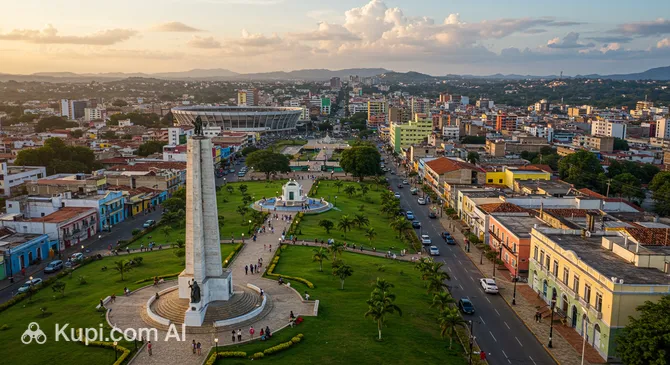
Santiago de los Caballeros, often simply referred to as Santiago, is the second-largest metropolis in the nation and a vibrant cultural hub. Unlike the coastal resort towns, this city offers a deeply authentic urban experience, pulsing with industry, art, and tradition. Known affectionately as the "Heart City" (Ciudad Corazón), it serves as the commercial center of the fertile Cibao Valley, surrounded by the majestic Central and Septentrional mountain ranges.

Located in the northern central region of the Dominican Republic, Santiago enjoys a tropical climate that is slightly cooler and breezier than the coast due to its inland valley position. With a population exceeding 1.3 million, it is a bustling city that perfectly balances modern development with colonial charm. The region is famously lush, known worldwide for its rich soil that produces some of the finest tobacco on the planet.
Santiago. Source: Kupi.Binoculars

The city is steeped in tradition, having been originally founded in 1495. Visitors interested in the past can explore the fascinating history of Santiago, which tells the story of its resilience through earthquakes and battles to become the thriving capital of the Cibao region. Today, it stands as a testament to Dominican heritage, distinct from the beach-focused tourism found elsewhere on the island.

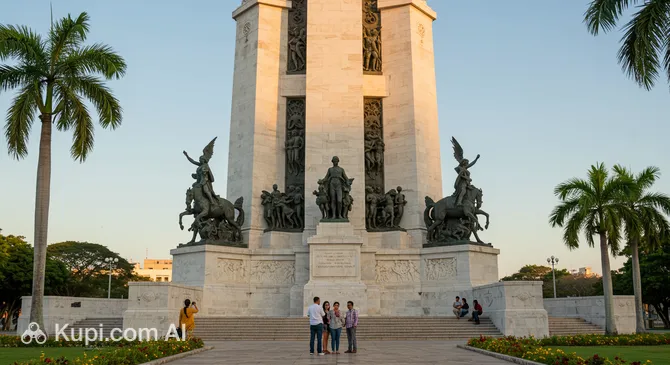
One of the most iconic landmarks is the Monumento a los Héroes de la Restauración, a towering white marble monument that offers panoramic views of the city and serves as a popular gathering spot for locals. Culture enthusiasts should not miss the Centro León, a world-class museum and cultural center showcasing Dominican art, folklore, and ecology. Additionally, as the "Cigar Capital of the World," Santiago invites travelers to visit its famous factories to see the intricate process of hand-rolling premium cigars.

Whether you are drawn by the lively Merengue beats, the exquisite local cuisine, or the warmth of its people, Santiago promises an unforgettable journey into the soul of the country. It is a must-visit destination for those seeking to discover the true rhythm of daily life in the Caribbean's most diverse nation.
Weather Overview

Santiago experiences a tropical climate characterized by consistent warmth and varying humidity levels throughout the year. When planning your trip, it is helpful to check the current weather in Santiago to ensure you pack appropriate clothing. Generally, the city enjoys pleasant temperatures that rarely drop below 19°C or rise significantly above 32°C, making it a great destination for travelers who enjoy the heat.

The coolest period occurs in January and February, with average temperatures around 23.2°C and lows dipping to approximately 19.0°C, offering a comfortable atmosphere for outdoor exploration. In contrast, the summer months bring higher temperatures; August is typically the warmest month, seeing average highs of 31.8°C. Rainfall is distributed across the year, with September being the wettest month featuring about 18 wet days, while January is the driest with only 8 wet days. Overall, visitors can expect warm days year-round with frequent but often short-lived showers, especially in the late summer and early autumn.

Interesting Facts

Beyond the main attractions, Santiago holds many fascinating secrets and historical quirks that define its unique character. This city is not just an industrial hub; it is a place where deep-rooted traditions and surprising stories wait around every corner.
Monument to the Heroes of the Restoration. Source: Kupi.Binoculars
  • The First of Its Name: While there are famous cities named Santiago in Chile, Cuba, and Spain, Santiago de los Caballeros holds the distinction of being the very first "Santiago" established in the Americas. It was originally founded in 1495 by 30 Spanish aristocrats, giving the city its noble nickname.

  • The Valley of Death: Baseball is treated with religious fervor here. The Cibao Stadium is famously nicknamed the "Valley of Death" by rival teams, not because of danger, but due to the overwhelming energy and noise of the local fans supporting the Aguilas Cibaeñas.

  • A Redefined Landmark: The iconic Monument to the Heroes of the Restoration is the city's symbol of freedom, but it has a complex past. It was originally built by the dictator Rafael Trujillo to honor himself, only being renamed and rededicated to the nation's independence fighters after his regime ended.

  • Horse-Drawn Heritage: Unlike the capital city of Santo Domingo, Santiago has fiercely preserved the tradition of horse-drawn carriages known as "coches." These are not just tourist attractions but a protected part of the city's cultural heritage, often seen weaving through the historic center.

How to Get There

Santiago de los Caballeros is a major hub in the Dominican Republic, making it easily accessible for international and domestic travelers. Visitors can choose from several airports located within a convenient distance of the city. For those who want to explore all ways to reach the city, including road transport options, the region offers a well-connected network of highways and bus routes.

The most convenient entry point is Cibao International Airport (STI), located directly in Santiago. It is a bustling regional hub handling over 2 million passengers annually. Since the airport is situated just 12.3 km from the city center, the journey is quick and straightforward. A taxi or shuttle ride typically takes approximately 20 to 30 minutes, depending on traffic conditions.

Another excellent option is La Union Airport (POP), also known as Gregorio Luperón International Airport. It is located in the city of Puerto Plata, which is about 33.4 km from Santiago. This airport is a popular choice for tourists visiting the northern coast. The transfer to Santiago by taxi or rental car usually takes around 1 hour via the scenic mountain highway.

For travelers arriving on long-haul flights, Las Americas International Airport (SDQ) in Santo Domingo is the country's primary gateway. Although it is located in Santo Domingo, approximately 158.5 km away, it offers the widest range of international connections. The drive to Santiago takes about 2.5 to 3 hours along the main highway, and comfortable express buses are also available for this route.

For clarity, here is a summary of the main airports:
Airport Name City Passenger Traffic Km from City
Las Americas International AirportSanto DomingoHigh158.5
Cibao International AirportSantiagoHigh12.3
La Union AirportPuerto PlataMedium33.4
Cap Haitien AirportCap-HaïtienSmall160.0
Samaná El Catey InternationalEl CateySmall103.1

Main Attractions

Santiago de los Caballeros is a treasure trove of cultural heritage, historical landmarks, and vibrant public spaces. Unlike the typical beach destinations, the attractions here invite visitors to dive deep into the Dominican soul, exploring everything from world-class museums to energetic sports arenas. Whether you are a history buff or a nature lover, the city offers a diverse array of experiences.

The most recognizable symbol of the city is undoubtedly the Monument to the Heroes of the Restoration. Standing majestically on a hilltop, this 70-meter tall white marble tower honors the soldiers who fought to regain the country's independence from Spain. Visitors can climb to the upper levels for breathtaking 360-degree views of Santiago and the surrounding Cibao Valley, making it the perfect spot for sunset photography and evening strolls.

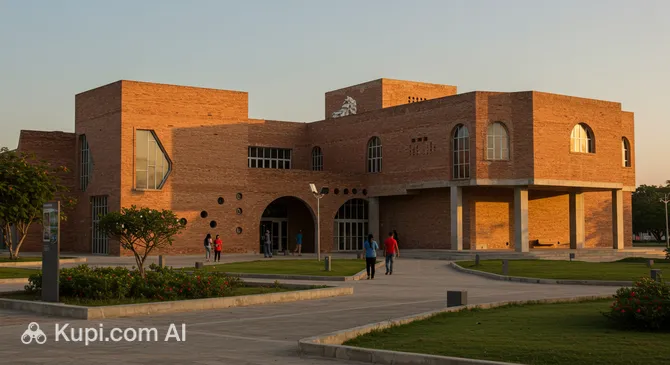
For a profound look into Dominican art and identity, a visit to the Eduardo León Jimenes Cultural Center, commonly known as Centro León, is essential. This world-class museum and cultural center houses extensive collections of Dominican archaeology, visual arts, and ethnography. It is not just a museum but an active cultural hub that hosts concerts, workshops, and educational programs, offering a sophisticated perspective on the Caribbean's history and biodiversity.

Eduardo León Jimenes Cultural Center. Source: Kupi.Binoculars

Those seeking a green escape within the urban environment will be delighted by the Santiago Botanical Garden Professor Eugenio de Jesús Marcano Fondeur. Spanning over a million square meters, it is one of the largest botanical gardens in the Caribbean. The park features kilometers of walking and cycling trails, a butterfly garden, and diverse plant collections, serving as a peaceful sanctuary for both locals and tourists.

Santiago Botanical Garden Professor Eugenio de Jesús Marcano Fondeur. Source: Kupi.Binoculars

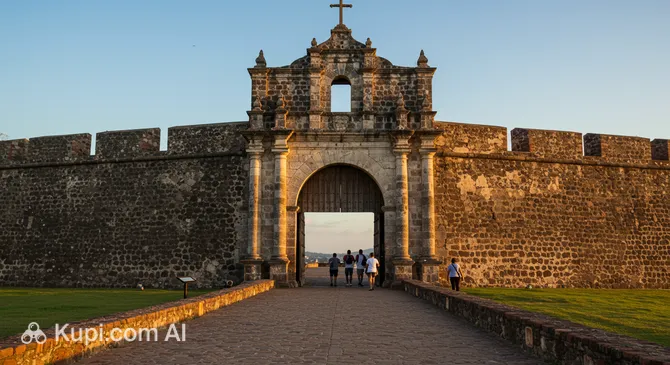
History enthusiasts should also explore Fort San Luis, a historic military fortress that has watched over the city since the late 17th century. Located near the Yaque del Norte River, it has served various roles throughout history, from a municipal prison to a military school. Today, it has been transformed into a museum showcasing military artifacts, historical paintings, and classic architecture, offering a glimpse into the strategic importance of Santiago.

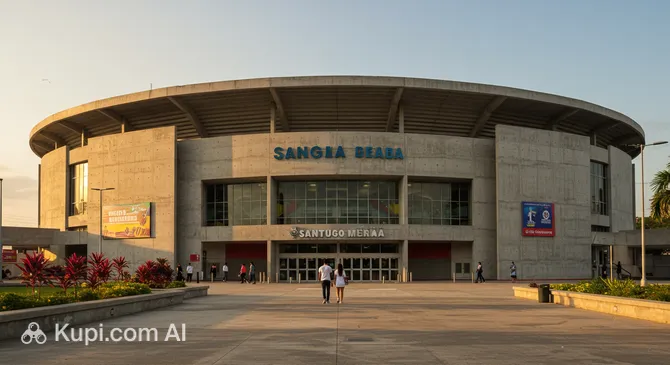
Finally, no trip to Santiago is complete without experiencing the local passion for baseball at the Cibao Stadium. Known as the home of the fierce Águilas Cibaeñas team, this stadium is legendary for its electric atmosphere. Attending a game here is more than just watching sports; it is a cultural immersion into the "Valley of Death," where the energy of the fans is unmatched anywhere else in the country.

Cibao Stadium. Source: Kupi.Binoculars

Local Cuisine

As the capital of the fertile Cibao Valley, Santiago de los Caballeros is arguably the gastronomic heart of the Dominican Republic. The city's location ensures a steady supply of fresh produce, quality meats, and aromatic spices, resulting in a cuisine that is robust, flavorful, and deeply traditional. Unlike the coastal areas where seafood dominates, Santiago's table is famous for its savory meat dishes and hearty stews, reflecting the agricultural richness of the region.

One dish you absolutely cannot miss in Santiago is the legendary Yaroa. Born on the streets of this very city, it has become a national street food icon. It typically consists of a base of french fries or mashed sweet plantains, layered with seasoned ground beef or shredded chicken, and smothered in melted cheese, mayonnaise, and ketchup. It is the ultimate comfort food, best enjoyed after a night out. Another regional specialty is Chivo Liniero (spicy goat stew). The goats in this region graze on wild oregano, which naturally seasons the meat, giving it a unique and tender flavor that locals cherish.

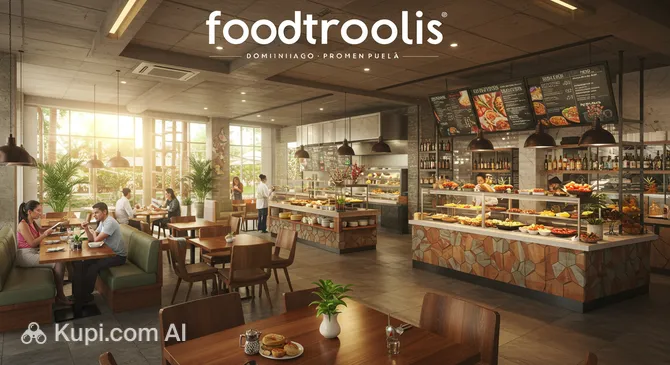
The dining scene in Santiago is a vibrant mix of upscale restaurants, traditional "comedores," and modern food parks. For those who want to sample a variety of local and international flavors in a lively, open-air setting, Foodtropolis is an excellent choice. This gastronomic park gathers numerous food trucks and stalls, offering everything from gourmet burgers to authentic Dominican bites, making it a popular meeting point for friends and families.

Foodtropolis. Source: Kupi.Binoculars

For a more classic dining experience that blends good food with a social atmosphere, Square One is a well-known establishment in the city. It serves a diverse menu that caters to all tastes, from hearty breakfasts to late-night dinners. The area around the Monument is also a hotspot for dining, where you can find numerous vendors selling "chicharrón" (fried pork belly) and empanadas, allowing you to taste the city's street food culture while enjoying the view.

When it comes to drinks, Santiago takes pride in its coffee culture, thanks to the nearby mountain plantations. A cup of freshly brewed Cibao coffee is the perfect way to start the day. To cool down in the afternoon heat, try a Morir Soñando, a refreshing mixture of milk, sugar, ice, and orange juice. As the sun sets, the city comes alive with social venues like La Comparona Restaurant & Lounge, where you can enjoy a cold Presidente beer—the national lager—or a glass of Mamajuana, a traditional herbal spiced rum drink, amidst a trendy and welcoming crowd.

Travel Tips

Visiting Santiago de los Caballeros offers a genuine immersion into Dominican urban life, distinct from the typical resort experience. To help you navigate the "Heart City" with confidence and ease, here are some practical tips designed to make your stay smooth and enjoyable.

  1. Clothing and Gear: Santiago is inland and can get quite warm, so pack lightweight, breathable fabrics like cotton or linen. While the vibe is relaxed, locals take pride in their appearance; avoid wearing beachwear or flip-flops in restaurants and museums. Comfortable walking shoes are essential for exploring the hilly terrain around the Monument. Don't forget a universal travel adapter (Type A and B plugs) and a light jacket for heavily air-conditioned venues.
  2. Transportation: The most convenient and safe way for tourists to get around is by using ride-hailing apps like Uber, which are widely available and reliable in the city. While you will see colorful shared taxis known as conchos everywhere, they can be confusing for newcomers and often crowded. If you choose to rent a car, be prepared for chaotic traffic and aggressive driving styles; reliable navigation apps like Waze or Google Maps are a must.
  3. Finances: The official currency is the Dominican Peso (DOP). While major hotels, malls, and restaurants accept credit cards, cash is king for smaller purchases, street food, and transport. It is wise to carry smaller bills, as breaking a 2,000-peso note can be difficult for small vendors. ATMs are plentiful in shopping centers and at banks; stick to these rather than isolated machines on the street for safety. Tipping is customary; check your bill for a 10% service charge, and feel free to add an extra 10% for good service.
  4. Health and Safety: Never drink tap water; always opt for bottled or purified water to avoid stomach issues. Pharmacies are common and often well-stocked, with chains like Farmacia Carol or FarmaValue easily accessible. Regarding safety, Santiago is a bustling metropolis, so exercise standard big-city precautions: avoid walking alone in poorly lit or unfamiliar neighborhoods at night, and keep expensive jewelry or electronics out of sight in crowded public spaces.
  5. Communication: Spanish is the primary language, and while staff at high-end hotels may speak English, it is not widely spoken by the general public. Learning basic phrases like "Hola" (Hello), "Por favor" (Please), and "¿Cuánto cuesta?" (How much?) goes a long way. For connectivity, purchase a local SIM card (Claro or Altice) at a mall using your passport. WhatsApp is the preferred method of communication for everything from restaurant reservations to chatting with locals.
  6. Local Etiquette: Dominicans are warm and polite people. It is customary to greet people with a "Buenos días" or "Buenas tardes" when entering a shop or elevator. If you see someone eating, it is polite to say "Buen provecho" (enjoy your meal). When visiting religious sites or government buildings, ensure your shoulders and knees are covered.
  7. What to Avoid: Do not exchange money on the street, no matter how good the rate sounds; always use official exchange houses (casas de cambio) or banks. Also, avoid hailing unmarked taxis on the street, especially at night; stick to official radio taxis or apps to ensure your safety and a fair price.
  8. Baseball Fever: If you are visiting between October and January, try to attend a baseball game at Cibao Stadium. Baseball is not just a sport here; it is a religion. Even if you aren't a huge sports fan, the energy, music, and passion of the Aguiluchas (fans of the local team) provide an unparalleled cultural experience.

By keeping these practicalities in mind, you will be well-prepared to embrace the rhythm of Santiago. From its historic streets to its lively culinary scene, the city is ready to welcome you with the open arms and hospitality that the Cibao region is famous for.

Entertainment & Nightlife

When the sun sets over the Cibao Valley, Santiago de los Caballeros transforms into a vibrant playground. Unlike the tourist-heavy coastal towns, the nightlife here is authentically Dominican, driven by a large student population and a fun-loving local workforce. The atmosphere is energetic, sophisticated, and centered around music and socializing. Whether you prefer a quiet terrace with a view or a pulsating dance floor, the "Heart City" has a rhythm for everyone.

The epicenter of evening activity is undoubtedly the area surrounding the Monument to the Heroes of the Restoration. This hilltop district is not just for sightseeing; at night, it becomes a massive open-air social gathering. Locals park their cars, blast music, and enjoy drinks and street food with friends. Just down the hill, the neighborhood of Los Jardines Metropolitanos offers a more upscale experience. This trendy district is packed with chic bars, lounges, and restaurants where the city's fashionable crowd gathers to see and be seen.

For those looking to experience the legendary Dominican party spirit, Lovera Bar is an institution in Santiago. It is a massive venue that blends the vibe of a car wash (a cultural phenomenon in the DR acting as open-air bars) with a high-energy nightclub. It is the perfect place to dance to Bachata and Merengue until the early morning hours, surrounded by locals who take their dancing seriously.

Lovera Bar. Source: Kupi.Binoculars

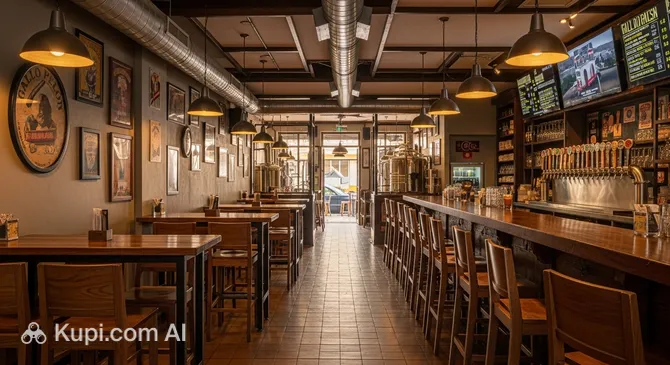
If you prefer a more relaxed environment with a focus on artisanal drinks, Gallo Pelón Brew Pub offers a refreshing change of pace. Located in the historic center near the Parque Los Chachases, this venue is known for its craft beers and artistic ambiance. It often hosts live music and cultural events, making it a favorite spot for the city's bohemians and expats to unwind in a cozy setting.

Gallo Pelón Brew Pub. Source: Kupi.Binoculars

Another notable venue for nightlife enthusiasts is the Amaprosan Club. While it serves as a recreational club by day, its events and gatherings can offer a glimpse into the local social scene. For a more commercial clubbing experience, the nightlife districts also feature various discos where international hits mix with Latin beats.

Daytime entertainment in Santiago is equally diverse. Families and shoppers often flock to modern centers like Plaza Internacional and Colinas Mall. These are not just shopping destinations but entertainment hubs featuring modern cinemas, arcades, and food courts, providing a cool escape from the midday heat.

Practical Nightlife Tips:

  • Timing: The night starts late in Santiago. Bars start filling up around 10:00 PM, and clubs don't hit their peak until after midnight.
  • Dress Code: Dominicans dress to impress. For clubs and upscale bars, avoid shorts, flip-flops, or sleeveless shirts. Smart casual or cocktail attire is the norm.
  • Safety: While the main nightlife districts like Los Jardines and the Monument area are generally safe and well-patrolled, it is best to avoid walking long distances at night. Use ride-sharing apps like Uber or call a radio taxi to move between venues.
  • Prices: Entertainment is generally more affordable than in Punta Cana or Santo Domingo, but prices in trendy lounges can be comparable to international standards.

Parks & Museums

Parks and Museums:

Santiago de los Caballeros is a city that proudly showcases its heritage, offering a sophisticated blend of lush green spaces and deep cultural institutions. Beyond the bustling commercial streets, visitors will find serene parks and world-class museums that narrate the story of the Dominican Republic's "Heart City." Whether you are looking to escape into nature or delve into the artistic soul of the Caribbean, Santiago provides ample opportunities for exploration.

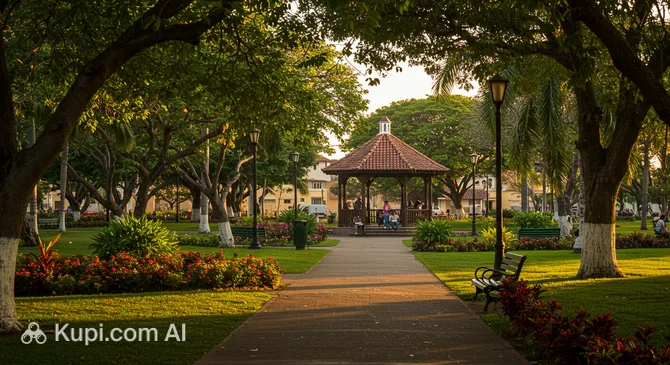
In the very center of the historic district lies Duarte Park, one of the oldest and most significant public spaces in the city. Surrounded by colonial-style architecture and the majestic Cathedral of Santiago Apostle, this park serves as a peaceful urban retreat. It is a favorite spot for locals to relax on benches under the shade of ancient trees, making it an excellent location for people-watching and soaking in the daily rhythm of Santiago. The park often hosts small cultural events and is a perfect starting point for a walking tour of the downtown area.

Duarte Park. Source: Kupi.Binoculars

For a more expansive nature experience, the Santiago Botanical Garden Professor Eugenio de Jesús Marcano Fondeur is a must-visit. As a green lung for the city, this vast area offers more than just plants; it features miles of cycling and walking trails, a butterfly sanctuary, and varied ecosystems that highlight the biodiversity of the Cibao Valley. It is an ideal destination for families or anyone seeking tranquility away from the urban noise, offering a refreshing contrast to the city's industrial energy.

When it comes to culture, the Eduardo León Jimenes Cultural Center stands out as the premier cultural institution in the Caribbean. Far more than a traditional museum, Centro León offers an immersive journey through Dominican identity, featuring award-winning exhibits on anthropology, visual arts, and the history of tobacco. Its interactive approach and beautifully curated gardens make it engaging for visitors of all ages, providing a deep understanding of what it means to be Dominican.

History buffs will appreciate a visit to Fort San Luis, a fortress that has guarded the city since the colonial era. Perched on a strategic elevation near the Yaque del Norte River, this site has been transformed into a museum displaying military artifacts, historical weaponry, and art. The fort not only offers a lesson in the city's strategic history but also provides commanding views of the surrounding area, making it a picturesque stop for photographers.

Fort San Luis. Source: Kupi.Binoculars

Beyond these main sites, Santiago is also home to the fascinating Museo del Tabaco (Tobacco Museum). Located in a historic warehouse, this museum celebrates the region's status as the "Cigar Capital of the World," showcasing the tools and processes of tobacco cultivation that have driven the local economy for centuries.

Insider Tip: For a unique open-air art experience, take a walk through the neighborhood of Los Pepines. The city has embraced a vibrant muralist movement, transforming ordinary streets into colorful outdoor galleries. These "Murales de Ciudad" depict folklore, daily life, and historical figures, offering an authentic and free cultural tour that captures the artistic spirit of Santiago's youth.

Getting Around

Navigating Santiago de los Caballeros offers a fascinating contrast between traditional Caribbean methods and rapidly developing modern infrastructure. The city is currently undergoing a major transformation with the introduction of an Integrated Transport System (SIT), designed to streamline mobility across the metropolis. However, for many locals, the daily rhythm still relies heavily on the informal networks that have served the population for decades.

The most iconic and ubiquitous form of public transport in Santiago is the Concho (public car). These are shared sedans that run along fixed routes, identified by a letter placed on the roof or windshield (e.g., Ruta A, Ruta K, Ruta M). Unlike standard taxis, they pick up and drop off passengers anywhere along their specific route. They are incredibly affordable and frequent, but they can be confusing for visitors as there are no official maps, and the vehicles are often crowded, squeezing four passengers in the back and two in the front passenger seat.

A major highlight of the city's modernization is the Teleférico de Santiago (Cable Car). This system not only alleviates traffic but also offers tourists a unique vantage point. Gliding above the urban landscape and the Yaque del Norte River, the cable car connects marginalized neighborhoods with the city center. It is part of the new integrated network that also includes the Monorail (Monorriel), a high-tech system designed to link the main industrial and commercial districts. These modern options are safer, more comfortable, and air-conditioned compared to traditional street transport.

For shorter distances or reaching areas inaccessible to cars, you will see thousands of Motoconchos (motorcycle taxis). They are the fastest way to cut through traffic, and drivers usually wear identifying vests. While they are a genuine part of the local experience, they are generally not recommended for tourists due to safety concerns and aggressive driving styles. If you must use one, always insist on a helmet, though they are rarely provided.

Regarding payment, the system is split. For Conchos and Motoconchos, cash is the only accepted method. You pay the driver directly upon entering or exiting. It is essential to carry small bills and coins, as drivers often do not have change for large denominations. Conversely, the modern Teleférico and Monorail systems utilize a rechargeable smart card or contactless payment methods, moving the city towards a cashless standard for mass transit.

For most tourists, the most practical and stress-free alternatives are ride-sharing apps like Uber. They are widely available, reliable, and overcome the language barrier since you input your destination in the app. Traditional radio taxis are also available and can be called from hotels or restaurants; they are safer than hailing a random car on the street but are more expensive than the apps.

Practical Advice: Public transport typically operates from early morning until around 9:00 PM or 10:00 PM. If you choose to ride a Concho, simply wave your hand to flag one down, but ensure it displays the correct route letter for your destination. Be aware of your surroundings and keep valuables secure, especially in crowded vehicles. For a relaxed sightseeing experience, stick to the cable car for the views, and use taxis or ride-shares for evening outings or specific destinations.

Accommodation

Accommodation in Santiago de los Caballeros caters primarily to business travelers and cultural tourists, offering a distinct experience from the all-inclusive beach resorts found on the coast. The city provides a solid range of options, from reliable international hotel chains and modern business hotels to charming boutique guesthouses and budget-friendly hostels. Since Santiago is the commercial heart of the Cibao region, many properties focus on comfort and connectivity, ensuring high-speed internet and meeting facilities are standard amenities.

For the most convenient and enjoyable stay, the areas surrounding the Monument to the Heroes of the Restoration and the neighborhood of Los Jardines Metropolitanos are highly recommended. These districts are considered the safest and most walkable parts of the city, placing you within easy reach of the best restaurants, bars, and nightlife. Staying here allows visitors to enjoy the vibrant evening atmosphere without needing long taxi rides. Alternatively, the historic city center offers more affordable options and proximity to landmarks, though it can be bustling and noisy during the day.

Travelers will generally find that accommodation prices in Santiago are more reasonable than in major tourist hubs. Budget travelers can find economical guesthouses and apartment rentals, while mid-range hotels offer excellent value with pools and gyms. Luxury in Santiago is often defined by personalized service and historic elegance rather than sprawling resort complexes. Booking is typically done easily through major online platforms, though contacting smaller, family-run establishments directly can sometimes yield better rates.

Booking Tip: While room availability is generally good year-round, the city fills up quickly during specific events. If you plan to visit during the winter baseball season (October to January), especially when the local team plays at the Cibao Stadium, it is wise to book well in advance. The same applies to February during the vibrant Carnival celebrations. Additionally, since Santiago is a business hub, hotels can sometimes be busier on weekdays than on weekends.

Nearby Cities

For those looking to explore the surroundings, Santiago serves as an excellent base for day trips to several interesting nearby locations. The region is dotted with towns that offer unique cultural, historical, and culinary experiences just a short drive from the city center.

One of the most notable destinations is Moca, located approximately 20 kilometers away. This city is famous for its rich history and is often called the "Sepulcher of Tyrants" due to its role in various political revolutions. Visitors flock here to admire the stunning Iglesia Sagrado Corazón de Jesús, a church renowned for its breathtaking stained-glass windows and Italian architecture. Moca is also a gastronomic hotspot, celebrated nationwide for serving the best mofongo—a savory dish made of mashed fried plantains, garlic, and pork cracklings.

Another fascinating stop is Tamboril, situated just 9 kilometers from Santiago. Known as the "World Capital of Cigars," this town is the epicenter of the country's premium tobacco industry. Many of the world's most prestigious cigar factories are located here, making it a pilgrimage site for aficionados who wish to see the hand-rolling process up close. Beyond tobacco, Tamboril offers a quieter, small-town atmosphere that provides a relaxing contrast to the bustling energy of Santiago.

City Population Distance (km)
Moca 172,294 20
Gurabo al Medio 126,668 4
Tamboril 51,695 9
Punal 46,516 10
Villa Bisono 42,092 21

These nearby destinations offer a glimpse into the diverse culture and landscapes of the region, allowing travelers to experience the authentic daily life of the Cibao Valley beyond the city limits.

Shopping & Souvenirs

Shopping:

Shopping in Santiago de los Caballeros offers a dynamic mix of modern convenience and traditional Dominican commerce. As the commercial hub of the Cibao Valley, the city is not just a destination for tourists but the primary marketplace for the entire region. Visitors can expect a diverse experience ranging from air-conditioned, high-end shopping centers to bustling, colorful streets where bargaining is part of the daily rhythm. Whether you are looking for international fashion brands or authentic local craftsmanship, Santiago provides ample opportunities to find unique treasures.

The most iconic shopping district in the city is Calle del Sol (Sun Street). Located in the historic downtown area, this vibrant artery pulses with energy from morning until dusk. It is lined with hundreds of stores, vendors, and stalls selling everything from fabrics and shoes to electronics and jewelry. Walking down Calle del Sol is an experience in itself, offering a deep dive into the chaotic yet charming commercial life of the city. It is the perfect place to find bargains and observe the daily hustle of the locals.

For a more relaxed and modern shopping experience, the city boasts several excellent malls. Plaza Internacional is one of the most prestigious shopping centers in Santiago. Situated in the upscale La Trinitaria neighborhood, it features a collection of international brand names, designer boutiques, and chic cafes, making it a favorite spot for the city's fashion-conscious crowd.

Plaza Internacional. Source: Kupi.Binoculars

Another major destination is Colinas Mall, located in the northern part of the city. This expansive complex is family-oriented and offers a wider variety of department stores, a large supermarket, and entertainment facilities. It is an ideal one-stop-shop for travelers who need to pick up travel essentials, clothing, or electronics in a comfortable, climate-controlled environment.

When it comes to traditional markets, the Mercado Modelo on Calle del Sol is a landmark that should not be missed. This is the heart of artisanal shopping in Santiago. Inside, narrow aisles are packed with stalls displaying colorful paintings, wood carvings, and religious artifacts. It is the best place in the city to interact with local artisans and find handcrafted goods that reflect the island's culture.

Regarding souvenirs, Santiago is world-famous as the "Cigar Capital." Bringing back a box of premium hand-rolled cigars is practically mandatory for aficionados; brands like La Aurora or Arturo Fuente are locally produced and highly prized. Additionally, the Dominican Republic is known for its semi-precious stones. Look for jewelry made with Larimar (a light blue stone found only in the DR) or Amber. Faceless clay dolls, known as Muñecas Limé, and organic coffee from the nearby mountains are also popular gifts.

Store opening hours generally run from 9:00 AM to 6:00 PM for street shops and downtown businesses, often closing earlier on Saturdays and staying closed on Sundays. Shopping malls, however, typically stay open until 9:00 PM every day of the week. Major credit cards (Visa, MasterCard) are widely accepted in malls, hotels, and restaurants. However, if you plan to shop at Mercado Modelo or street vendors along Calle del Sol, carrying Dominican Pesos in cash is essential, as cards are rarely accepted there.

Tourists visiting the Dominican Republic may be eligible for a refund of the ITBIS (Value Added Tax) on goods purchased at participating "Tax-Free" stores. To take advantage of this, look for the tax-free signage in shop windows, and be sure to ask for the necessary refund forms at the checkout. You will need to present your passport and the goods at the customs office at the airport upon departure to process the refund.

Reached the end of the page?

That means the route is fully explored