Support

Guantanamo

About

Guantanamo is a vibrant city located in the southeastern part of Cuba, known for its rich cultural tapestry and warm hospitality. Often celebrated in song and folklore, this provincial capital serves as a major hub in the eastern region of the island, offering visitors a unique glimpse into the authentic daily life and traditions of the Cuban people.

Geographically, the city is situated inland from the coast, nestled near the Guaso River and surrounded by a landscape that transitions into the rugged terrain of the Nipe-Sagua-Baracoa mountains. With a population of approximately 228,000 inhabitants, it is a bustling urban center that maintains a close connection to its agricultural roots, particularly sugar and coffee production.
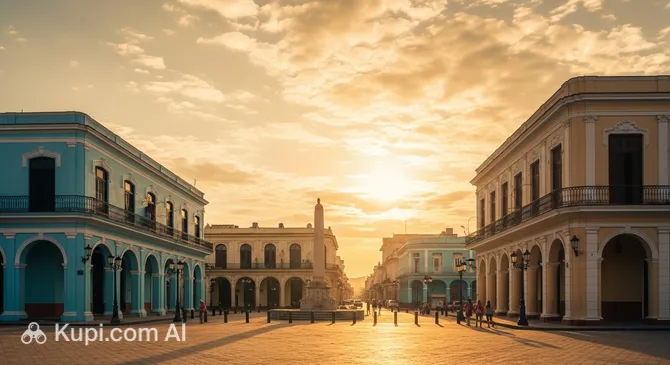
Guantanamo. Source: Kupi.Binoculars

The cultural identity of the region is distinct and captivating. Delving into the history of Guantanamo reveals a fascinating blend of Spanish, African, and French influences, the latter brought by immigrants from Haiti. This heritage is proudly preserved in the Tumba Francesa, a traditional dance and drumming style recognized by UNESCO. The city is also widely regarded as the birthplace of changüí, a lively precursor to the son cubano, making it a must-visit destination for music enthusiasts.

Travelers exploring the area should not miss the Zoológico de Piedra (Stone Zoo), a truly unique open-air museum where hundreds of animal sculptures have been carved directly into the natural limestone rocks by local artist Ángel Íñigo and his son. In the city center, the Parque José Martí offers a pleasant space to relax and admire local landmarks, such as the Parroquia de Santa Catalina de Riccis.

Whether you are drawn by the rhythm of its drums, the creativity of its stone sculptors, or the scenic beauty of the surrounding province, Guantanamo invites you to discover a spirited and soulful side of the Caribbean.

Weather Overview

The city generally experiences a warm tropical climate, making it a suitable destination for visitors year-round. For a more detailed breakdown of conditions during your specific travel dates, reviewing the weather in Guantanamo is highly recommended.

Temperatures remain pleasant and consistent, with monthly averages ranging from approximately 24.7°C in the cooler month of January to around 28.8°C during the peak heat of July and August. Daily highs in the summer frequently reach 32.7°C, while winter nights are milder, dipping to around 20.7°C.

Precipitation patterns vary significantly across the seasons. The winter months, particularly February and March, are notably drier with as few as 3 to 5 wet days per month. In contrast, the period from May through October sees an increase in rainfall frequency, with May often experiencing up to 21 wet days. Travelers should expect hot, humid summers with regular showers and drier, comfortable winters.

Interesting Facts

Beyond the main attractions, Guantanamo holds many fascinating secrets that offer a deeper understanding of its unique identity within the Caribbean.

  • Indigenous Meaning: The name "Guantanamo" is derived from the indigenous Taíno language and translates roughly to "land between rivers." This is geographically accurate, as the city is famously framed by the Guaso, Bano, and Jaibo rivers.

  • The City's Symbol: Perched atop the eclectic Palacio de Salcines is a statue known as La Fama (The Fame). This figure, depicting a woman blowing a trumpet, is the official symbol of the city and is a rare architectural feature in the region.

  • A Musical Legacy: The world-renowned song "Guantanamera" (The Girl from Guantanamo) is inextricably linked to this locale. While the melody's exact origins are debated, the title explicitly celebrates the women of this city, and the lyrics are adapted from the verses of the national hero, José Martí.

  • Planned Precision: Unlike the winding, maze-like streets found in many of the island's older colonial settlements, the historic center of Guantanamo was designed with a remarkably straight grid layout, making it exceptionally easy for visitors to navigate.

How to Get There

Reaching this eastern Cuban city typically involves flying into one of the major regional hubs in neighboring provinces and completing the journey by road. While the city itself is not a primary international gateway, the surrounding infrastructure makes it accessible for travelers. For a comprehensive breakdown of routes and transport modes, you can read more about how to get to Guantanamo.

The most convenient option for many visitors is Antonio Maceo Airport (IATA: SCU), located in the city of Santiago de Cuba. This international airport is approximately 74.8 km from Guantanamo. It handles a large volume of passengers annually, serving as a key entry point for the eastern side of the island. From here, the travel time by taxi or private transfer is roughly 2 hours and 15 minutes, offering a scenic drive through the Oriente region.

Another viable alternative is Frank Pais Airport (IATA: HOG), situated in Holguin. Although it is further away—about 151 km from Guantanamo—it is a significant international airport receiving flights from various countries. Travelers choosing this route should be prepared for a longer ground transfer, which typically takes around 4 hours and 10 minutes by taxi.

For clarity, here is a summary of the main airports in the wider region:

Airport Name City Passenger Traffic Km from City
Antonio Maceo Airport Santiago de Cuba High 74.8
Norman Manley International Airport Kingston High 288.7
Frank Pais Airport Holguin Medium 151.2
Boscobel Ocho Rios Low 263.5
Les Cayes Les Cayes 238.3

Main Attractions

Parque José Martí serves as the beating heart of the city and is the perfect starting point for any exploration. Located centrally, this bustling square is surrounded by some of the most important buildings in town, including the striking Parroquia de Santa Catalina de Riccis. For tourists, it is an ideal spot to sit on a shaded bench, enjoy the local atmosphere, and watch the daily life of the residents unfold. On weekends, the park often hosts music performances, filling the air with traditional Cuban rhythms.

Just a short walk from the central park stands the Palacio de Salcines, an architectural gem that defines the city's skyline. Designed by the celebrated architect Leticio Salcines, this eclectic building is renowned for its intricate design and the statue of La Fama (The Fame) perched on its summit. This figure of a woman blowing a trumpet is not only a beautiful artistic feature but also the official symbol of the city, making it a must-see for visitors interested in local heritage and photography.

For a truly unique experience, travelers should venture slightly outside the city to the Zoológico de Piedra (Stone Zoo). Nestled in the tropical hills of the Yateras municipality, this open-air museum features hundreds of life-sized animals carved directly into the natural limestone terrain. Created by the sculptor Ángel Íñigo, the stone creatures—ranging from lions to elephants—seem to emerge organically from the lush vegetation, offering a fascinating blend of art and nature that captivates adults and children alike.

History enthusiasts will appreciate a visit to the Plaza de la Revolución Mariana Grajales. This expansive square is dedicated to the mother of the Maceo brothers, key figures in Cuba's independence wars. The site is dominated by a monumental sculpture and serves as a gathering place for major cultural and political events. It provides a grand setting to reflect on the region's deep historical roots and the legacy of its local heroes.

Local Cuisine

The cuisine of Guantanamo offers a delicious introduction to the distinct flavors of Eastern Cuba, known locally as the "Oriente." Unlike the western parts of the island, the food here is often characterized by a richer use of spices and a sweetness derived from the region's abundant tropical produce. Visitors will find that the culinary scene is deeply rooted in tradition, relying heavily on fresh ingredients sourced from the nearby mountains and fertile valleys.

One of the most iconic dishes to try is Congrí Oriental. While rice and beans are a staple across the country, this eastern version typically uses small red beans instead of the black beans found in Havana, cooked together with the rice, garlic, and spices to create a flavorful, reddish-brown mixture. It is often served alongside lechon asado (roast pork) or fried chicken. Another regional favorite is the hearty caldosa, a thick stew brimming with meat, corn, and various root vegetables known as viandas, such as yuca, malanga, and sweet potato.

When it comes to beverages, Guantanamo is famous for a unique local drink called Prú. This refreshing, non-alcoholic beverage is made from fermenting various roots, herbs, and spices, resulting in a fizzy, slightly sweet, and medicinal flavor profile that locals swear by for its health benefits. For those seeking something stronger, the region produces excellent rum, and coffee lovers will appreciate the dark, strong espresso, as the surrounding province is a major coffee-growing area.

The food culture in the city is best experienced in paladares, which are privately owned restaurants often run out of family homes. These establishments typically offer the most authentic home-cooked meals and warm service. Street food is also a common sight, with vendors selling fresh tropical fruits like mangoes and mamey, as well as quick snacks like pizzas and fried plantain chips, allowing travelers to taste the local rhythm of life on the go.

Travel Tips

Visiting Guantanamo offers a chance to experience the authentic soul of the "Oriente," far removed from the typical resort atmosphere. To ensure your journey through this culturally rich and hospitable city is as smooth as it is memorable, a bit of specific preparation is essential given the unique logistics of travel in Cuba.

  1. Clothing and Gear: Due to the tropical heat, which can be intense in this eastern province, pack lightweight, breathable fabrics like cotton or linen. A hat, sunglasses, and high-SPF sunscreen are non-negotiable. Comfortable walking shoes are best for navigating the city streets and the Stone Zoo. While casual wear is the norm, remember to dress modestly—covering shoulders and knees—if you plan to enter religious sites like the Parroquia de Santa Catalina de Riccis.

  2. Transportation: Getting around Guantanamo is an experience in itself. While standard taxis exist, locals heavily rely on bicitaxis (bicycle taxis) and horse-drawn carriages known as coches. These are affordable and convenient for short distances within the city. Always agree on the fare before starting your journey. Public buses can be crowded and unpredictable, so they are less recommended for tourists. Car rentals are available but can be expensive and subject to low availability.

  3. Finances: Cash is king in Guantanamo. The local currency is the Cuban Peso (CUP). It is crucial to bring foreign currency (Euros, Canadian Dollars, or GBP) in cash to exchange at official CADECA exchange houses or banks. Credit cards, especially those issued by US banks, often do not work, and card terminals can be unreliable due to connection issues. Budget for all daily expenses, including meals and transport, to be paid in cash, and keep small bills handy for tipping.

  4. Health and Safety: The city is generally safe for travelers, but standard precautions against petty theft should be taken; keep valuables secure. Pharmacies often face shortages, so it is vital to bring a well-stocked travel medical kit, including pain relievers, stomach medication, and any prescription drugs you need. Do not drink tap water; always opt for sealed bottled water to avoid stomach upsets. Insect repellent is also advisable to protect against mosquitoes.

  5. Communication: Spanish is the primary language, and English proficiency among locals may be limited outside of major hotels. Learning a few basic phrases or having an offline translation app is highly recommended. Internet access is not omnipresent; you will typically need to purchase a NAUTA scratch card from an ETECSA office to use Wi-Fi in designated public parks or hotel lobbies. Downloading offline maps before your trip is a lifesaver.

  6. Local Etiquette: Guantanamo is famous for its warmth. Greetings are important; a simple "Buenos días" or a handshake goes a long way. If you are invited to a home or engage in conversation, be polite and patient. Music is central to life here, specifically the changüí rhythm; showing appreciation for local art and dance is the best way to connect with residents. Always ask for permission before taking close-up photos of people.

  7. What to Avoid: Avoid taking photographs of military personnel, police officers, or government buildings, as this is strictly prohibited. It is also wise to refrain from engaging in sensitive political discussions or bringing up the topic of the nearby naval base, as this can be a complex issue for locals. Stick to neutral topics like culture, music, and food.

  8. Additional Tip: Don't leave without trying the local specialty beverage, Prú. It is a fermented drink made from roots and herbs, sold at specific "Casas del Prú" or by street vendors. It is refreshing, unique to the eastern region, and locals consider it a healthy elixir—just make sure to buy it from a reputable hygienic vendor or establishment.

By keeping these practicalities in mind, you will be well-equipped to navigate the streets of Guantanamo with confidence. Embracing the local rhythm and being prepared for the "Cuban time" pace of life will allow you to fully enjoy the vibrant culture and welcoming spirit of this fascinating city.

Entertainment & Nightlife

Entertainment in Guantanamo is deeply rooted in the region's musical heritage, offering an authentic experience that stands apart from the polished, commercial nightlife of larger tourist hubs. The city comes alive after dark not with the sound of electronic beats, but with the infectious rhythms of son, trova, and the locally born changüí. For visitors to Cuba, the evening atmosphere here is welcoming, casual, and centered around socializing, dancing, and enjoying live performances.

The nightlife scene is concentrated primarily in the city center, particularly in the blocks surrounding Parque José Martí. This area serves as the social hub where locals gather to cool off after a hot day. The vibe here is laid-back and unpretentious; there is no strict dress code, though "smart casual" is the norm for entering clubs or dance venues. Most establishments open their doors around 9:00 PM, but the real energy typically picks up after 10:30 PM and continues well into the early morning hours.

For a quintessential night out, the Casa de la Trova Benito Odio is an absolute must-visit. Located conveniently near the central park, this venue is the heartbeat of the city's traditional music scene. Here, you can sip on Cuban rum while watching talented local bands perform classic tracks that often inspire spontaneous dancing among the crowd. It creates an intimate setting where tourists and residents mix freely, united by a love for melody and rhythm.

Another unique venue that defines the city's identity is the Casa del Changüí. Dedicated to the preservation of the changüí genre—a rapid, syncopated style of music that originated in this province—this spot offers a cultural immersion you cannot find anywhere else in the country. The atmosphere is energetic and raw, often featuring "descargas" (jam sessions) that showcase the virtuosity of local musicians playing the tres guitar and marímbula.

For those seeking a more cabaret-style experience, the nightly shows at Hotel Guantánamo provide a mix of dance performances and disco music. It is a popular spot for a late-night drink and dancing in a more modern setting. Prices for cover charges and drinks in the city are generally very affordable. When moving around at night, the city center is walkable and generally safe, but for longer distances or to return to your accommodation, it is best to hire a bicitaxi (bicycle taxi). Always agree on the fare beforehand.

During the day, entertainment options lean towards the cultural and educational. The Teatro Guaso is a prominent architectural landmark that hosts plays, concerts, and community events. History buffs can explore the Museo Provincial, housed in a former prison, which details the region's history and the struggle for independence. Whether day or night, the entertainment here is a testament to the resilient and joyous spirit of the Guantanamero people.

Parks & Museums

While Guantanamo is often bustling with the energy of daily life, the city also offers serene green spaces and insightful cultural institutions where visitors can pause and reflect. The local parks serve as communal living rooms for residents, while the museums provide a deep dive into the region's unique history, ranging from indigenous roots to its surprising connection to space exploration.

Parque 24 de Febrero is a significant urban oasis that offers a quieter alternative to the city's main square. Known for its relaxed atmosphere, this park is a favorite among locals for reading, playing chess, or simply escaping the midday sun under the shade of mature trees. It features a central gazebo and is surrounded by eclectic architecture, making it a picturesque spot to observe the slower pace of provincial life away from the commercial hustle.

Although Parque José Martí acts as the city's central hub, it is also a vital green space in its own right. As the heart of the urban grid, it is meticulously landscaped with tropical plants and paved walkways that invite leisurely strolls. The park is more than just a transit point; it is a cultural stage where the community gathers, offering tourists a front-row seat to the city's social dynamics amidst a setting of well-preserved colonial-style gardening.

For those interested in the region's heritage, the Museo Provincial de Guantánamo is an essential stop. Housed in a fortress-like building that famously served as a Spanish colonial prison, the museum itself is a piece of history. Inside, visitors will find comprehensive exhibits detailing the province's past, including its aboriginal cultures, the struggle for independence, and the influence of Haitian immigration. A particularly fascinating section is often dedicated to Arnaldo Tamayo Méndez, the first Cuban and Latin American cosmonaut, who is a native of this province.

Art enthusiasts should direct their attention to the Museo de Artes Decorativas. Located within the iconic Palacio de Salcines, this museum offers a glimpse into the opulent side of the city's history. The collection features European porcelain, antique furniture, and fine glassware that once belonged to the region's wealthy families. The setting itself, with its intricate architectural details, complements the exhibits, providing a well-rounded aesthetic experience.

For a truly authentic experience, keep an eye out for the Casa del Changüí. While primarily a music venue, it functions as a living museum dedicated to the preservation of the changüí genre. Visitors can often see traditional instruments like the marímbula up close and learn about the rural origins of this rhythmic style directly from the musicians who keep the tradition alive.

Getting Around

Navigating the public transport system in Guantanamo is a unique experience that differs significantly from what travelers might encounter in major European or North American cities. There is no metro, tram, or trolleybus network here. Instead, the city relies on a mix of motorized vehicles and traditional animal-powered transport, reflecting the resourceful and relaxed pace of life in the region. For visitors, understanding this local ecosystem is key to getting around efficiently and affordably.

The most distinctive and widely used form of public transport in the city is the horse-drawn carriage, locally known as a coche. Unlike in many other destinations where these are reserved for expensive tourist rides, here they function as a standard bus service with fixed routes and designated stops. They are numbered, just like bus lines, and serve as the backbone of urban mobility for residents. Complementing the carriages are bicitaxis (bicycle taxis), which are three-wheeled cycles with a double seat behind the driver. These are perfect for short distances and offer a door-to-door service that larger vehicles cannot provide.

For longer distances or travel between municipalities, you will encounter local buses (guaguas) and converted trucks known as camiones. The buses can be infrequent and are often crowded, making them less popular with tourists who are on a tight schedule. The camiones are large trucks fitted with bench seating in the back; they are a staple of inter-city transport in the province but offer little in the way of comfort or suspension. While they are an authentic way to travel, they are best suited for adventurous visitors.

The payment system is entirely cash-based. There are no travel cards, mobile apps, or electronic ticket machines. You must pay directly to the driver or a conductor upon boarding or when you reach your destination. The currency used is the Cuban Peso (CUP). Fares for horse carriages and local buses are extremely low, often amounting to just a few pesos. However, bicitaxis and private transport will have higher rates, which are often negotiable. It is essential to carry small bills and coins, as drivers rarely have change for large denominations.

Travelers looking for more comfort can opt for taxis, which come in various forms, from classic American cars to modern sedans and even motorcycles (moto-taxis). Official state taxis are generally metered or have fixed rates for specific zones, while private taxis require you to negotiate the price before getting in. Car rentals are available but can be expensive and supply is often limited, so booking in advance is recommended if you prefer to drive yourself.

When using public transport, particularly at bus stops or taxi stands, you should be aware of the "el último" system. Instead of forming a physical line, people ask "¿Quién es el último?" (Who is the last?) upon arrival. You simply identify the person ahead of you and wait your turn comfortably in the shade. Operating hours for public transport are generally from early morning until early evening. After dark, the frequency of horse carriages and buses drops significantly, so it is advisable to rely on private taxis or arrange transport in advance for late-night outings.

Accommodation

Accommodation in Guantanamo reflects the city's authentic and unpretentious character. Unlike the all-inclusive resort destinations found on Cuba's northern coast, lodging here is geared towards cultural immersion and practical comfort. The options primarily consist of state-run hotels and, most notably, a robust network of private homestays known as casas particulares. For travelers seeking a genuine connection with the local lifestyle, these private rentals are often the superior choice.

Casas particulares are private homes licensed to rent rooms to tourists. They are easily identified by a blue symbol (resembling an anchor or eye) on the door. Staying in a casa offers excellent value for money, typically ranging from budget to lower mid-range prices. The rooms usually include air conditioning and private bathrooms, but the real highlight is the hospitality; hosts often provide hearty breakfasts and home-cooked dinners that rival the best restaurants in town. This is the most popular way to stay in the city.

For those who prefer the amenities of a traditional hotel, the selection is limited but functional. The most well-known establishment is Hotel Guantánamo, located in the Caribe neighborhood, slightly removed from the historic center. It features Soviet-era architecture, a swimming pool, and a cabaret, making it a focal point for local events. Another option is the historic Hotel Martí, situated directly on the central square. While these hotels offer standard services, visitors should manage expectations regarding maintenance and internet connectivity, which can be sporadic compared to international standards.

The best area to stay for most tourists is the Historic Center (Centro), particularly the blocks surrounding Parque José Martí. Staying here places you within walking distance of the main architectural landmarks, the Casa de la Trova, and the cathedral. The streets are lively and safe, allowing for easy exploration on foot. The area around Hotel Guantánamo is quieter and more residential but requires a short taxi or coche ride to reach the main cultural attractions.

Booking Tips and Prices: Prices in Guantanamo are generally lower than in Havana or Santiago de Cuba. A night in a casa particular typically costs between $20 and $40 USD, while hotels may charge slightly more. It is highly recommended to book your accommodation in advance, especially during the Festival del Changüí or peak winter months. While some hotels accept online bookings, many casas are best reserved through specialized platforms before you arrive in Cuba. Always carry enough cash (Euros or USD) to cover your stay if you haven't pre-paid, as card payments can be unreliable.

Nearby Cities

For those looking to explore the surroundings, Guantanamo serves as an excellent base for day trips to several interesting nearby locations:

City Population Distance (km)
Santiago de Cuba 507000 74
Contramaestre 106002 121
Mayarí 102354 92
San Luis 88496 78
Baracoa 79797 75

Among these destinations, Santiago de Cuba is arguably the most significant cultural hub in the region. Located just a short drive away, it is the second-largest city in the country and is celebrated for its deep historical roots, being the birthplace of many revolutionary movements and musical genres. Visitors can explore the UNESCO-listed Castillo de San Pedro de la Roca, wander through the lively Parque Céspedes, or immerse themselves in the city's vibrant carnival traditions.

Another unmissable spot is Baracoa, situated to the east. As the oldest Spanish settlement in the country, it offers a distinct atmosphere characterized by its isolation and lush tropical surroundings. It is famous for the flat-topped El Yunque mountain, its unique cocoa-based cuisine, and the scenic journey via La Farola viaduct. Nature lovers will appreciate the pristine rivers and rainforests that make this area a sharp contrast to the drier landscapes of Guantanamo.

These nearby destinations offer a glimpse into the diverse culture and landscapes of the region.

Shopping & Souvenirs

Shopping in Guantanamo offers a genuine glimpse into the daily life of the Cuban people, distinct from the commercialized experiences found in major global tourist hubs. Rather than sprawling luxury malls or international designer boutiques, visitors will encounter a mix of functional state-run stores, small private businesses, and lively open-air markets. The retail scene here is utilitarian and deeply local, focusing on necessities, agricultural produce, and regional specialties that reflect the culture of the "Oriente."

The commercial heart of the city beats strongest in the streets surrounding the central Parque José Martí. The most prominent thoroughfare for shopping is Calle Pedro A. Pérez, a bustling avenue lined with various establishments selling clothing, footwear, and household items. Strolling down this street and the adjacent Calle Los Maceo allows tourists to immerse themselves in the local hustle and bustle, where music often spills out from storefronts and vendors sell snacks along the sidewalks.

Travelers should not expect Western-style shopping malls. Instead, the city features "Tiendas Panamericanas" or TRD (Tiendas de Recaudación de Divisas) stores. These are state-operated department stores that stock imported goods, ranging from electronics and appliances to packaged foods and toiletries. While they may lack the glitz of modern malls, they are essential stops for purchasing bottled water, sunscreen, or other travel necessities that might not be available in smaller street kiosks.

For a more colorful and aromatic experience, the local Agromercados (agricultural markets) are unmissable. These markets are the best places to witness the agricultural bounty of the province. Here, vendors display piles of fresh tropical fruits like mangoes, guavas, and avocados, alongside root vegetables and spices. The atmosphere is vibrant and authentic, offering a perfect opportunity to interact with local farmers and taste fresh produce that hasn't traveled thousands of miles to reach a shelf.

When searching for souvenirs, focus on items that represent the region's unique heritage. Since Guantanamo is a major coffee-producing area, bags of local coffee make for an excellent and aromatic gift. Music lovers should look for traditional percussion instruments, such as claves or maracas, which celebrate the city's reputation as the birthplace of the changüí rhythm. Additionally, simple handicrafts made from wood, leather, or coconut shells can often be found at street stalls or artisan fairs near the city center.

Store hours typically run from 9:00 AM to 5:00 PM or 6:00 PM on weekdays and Saturdays, with many businesses closing early or remaining closed on Sundays. Payment methods can be specific: private shops, street vendors, and agromarkets deal almost exclusively in cash (Cuban Pesos - CUP). Conversely, some state-run stores may require payment via magnetic cards. It is highly advisable for tourists to carry small denominations of cash for most daily shopping interactions.

Visitors should be aware that Cuba does not offer a tax-free shopping scheme or VAT refund service for tourists. The price you see on the tag is the final price you pay, so there is no paperwork to collect for refunds at the airport upon departure.

Reached the end of the page?

That means the route is fully explored