Support

Ponce

About

Ponce, often referred to as "La Perla del Sur" (The Pearl of the South), is a vibrant city that stands out for its distinct cultural identity and architectural beauty. Located on the southern coast of Puerto Rico, it serves as a major urban center while retaining a relaxed and welcoming atmosphere. The city is renowned for its well-preserved historic center, where visitors can admire the unique "Ponce Creole" architectural style that blends neoclassical and colonial influences.

Ponce. Source: Kupi.Binoculars

With a population of approximately 125,000 residents, the city is a bustling hub of activity and culture. To truly understand the depth of local heritage, exploring the history of Ponce is essential, as it reveals the fascinating stories behind its grand mansions, sugar industry roots, and artistic evolution. The climate here is typically tropical, offering warm and sunny weather that is perfect for sightseeing throughout the year.

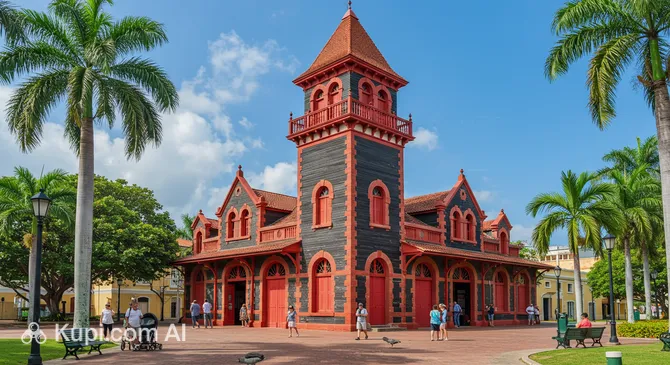
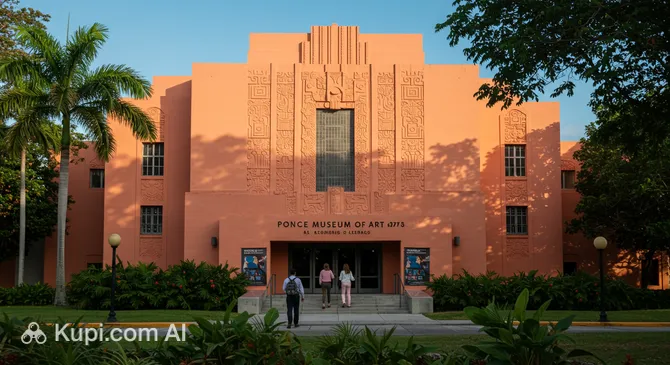
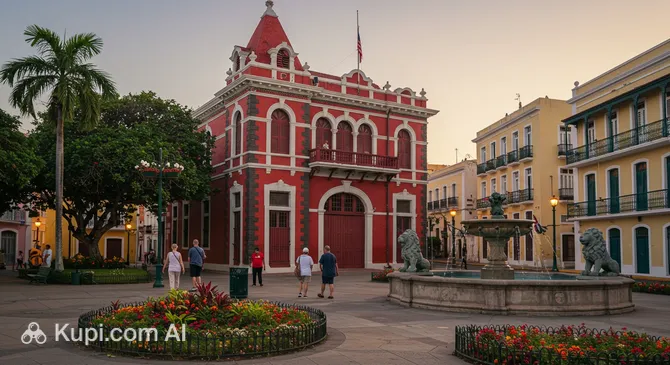
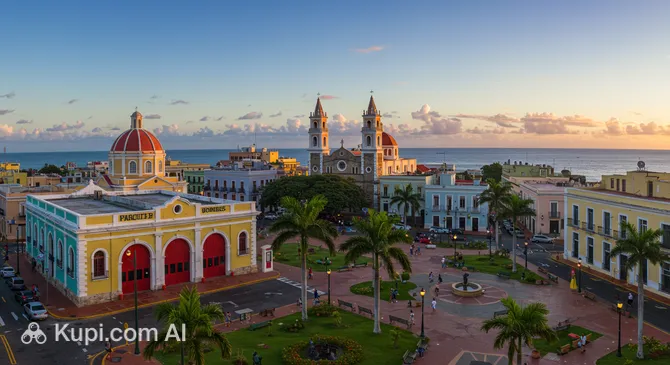
The heart of the city is Plaza Las Delicias, a lively square home to the iconic Parque de Bombas, a striking red-and-black historic firehouse that has become a symbol of the region. Art enthusiasts will appreciate the Museo de Arte de Ponce, which houses one of the most significant European art collections in the Caribbean. Whether you are strolling through the colorful streets or enjoying the local cuisine, Ponce offers a rich and memorable experience for every traveler.

Weather Overview

Visitors to this southern coastal city can expect a warm, tropical climate throughout the year, making it an inviting destination regardless of the season. Temperatures are remarkably consistent, generally staying between typical lows of 20°C and highs of around 30°C. For a more detailed breakdown of what to expect during your specific travel dates, you can check the weather in Ponce to help plan your itinerary.

The coolest and driest months are typically January and February, where the average temperature hovers around 23.7°C and rain occurs less frequently, often on just 10 or 11 days of the month. As the year progresses, both heat and humidity tend to rise; by July and August, average temperatures reach approximately 26.8°C. Travelers should be prepared for more frequent rainfall from May through October, with September historically seeing the highest number of wet days.

Interesting Facts

Beyond its well-known neoclassical architecture and vibrant main square, Ponce holds many fascinating secrets that deepen the appreciation of its heritage. The city is defined not just by its buildings, but by a fierce sense of local pride and unique traditions that set it apart from the rest of the island.
  • The residents possess a legendary sense of pride, often summarized by the popular local saying, "Ponce es Ponce y lo demás es parking" (Ponce is Ponce and the rest is parking). This humorous phrase reflects the belief that the city is the true center of culture and importance in Puerto Rico, treating the rest of the island as mere surroundings.

  • The iconic Parque de Bombas, famous for its red and black stripes, was not originally built as a fire station. It was actually constructed as the main pavilion for the 1882 Exhibition Trade Fair to showcase the region's agricultural and industrial achievements before being repurposed for the fire corps.

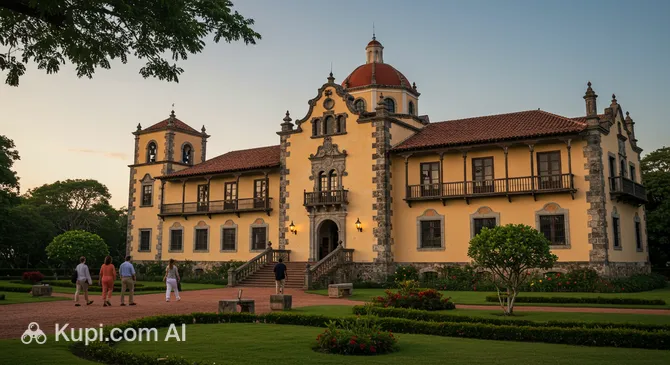
  • Ponce is the birthplace of one of the world's renowned rum brands, Don Q. The majestic Serrallés Castle Museum, sitting atop a hill, was the lavish estate of the Serrallés family, the rum barons who played a pivotal role in the city's economic history.

  • The city hosts the oldest continuous carnival in Puerto Rico, distinguished by its unique "Vejigantes." Unlike the coconut-husk masks found in other towns, the masks in Ponce are crafted from papier-mâché and feature multiple horns, representing demons that are playfully chased away during the festivities.

Serrallés Castle Museum. Source: Kupi.Binoculars

How to Get There

Reaching this southern gem is straightforward, with several airport options available depending on your itinerary. The most convenient entry point is Mercedita Airport (PSE), located directly in Ponce, just 6.6 km from the downtown area. Although it is a smaller regional hub, landing here saves significant travel time on the ground, with a taxi or transfer taking approximately 30 minutes to reach the city center.

Most international travelers, however, arrive via Luis Muñoz Marín International Airport (SJU) in the capital city of San Juan. This major airport is about 81.5 km from Ponce, and the drive typically takes around 2 hours and 22 minutes. Another alternative is Rafael Hernandez Airport (BQN) in Aguadilla, roughly 76.5 km away, which requires a drive of about 2 hours and 15 minutes. You can read more about how to get to Ponce to help plan your journey.

For clarity, here is a summary of the main airports:

Airport Name City Passenger Traffic Km from City
Luis Muñoz Marín International AirportSan JuanHigh81.5
Rafael Hernandez AirportAguadillaMedium76.5
Mercedita AirportPonceLow6.6
Benjamin Rivera Noriega AirportCulebraLow143.9
Antonio Rivera Rodriguez AirportViequesLow120.9

Main Attractions

Ponce is a city that wears its history on its sleeve, offering visitors a rich tapestry of architectural marvels and cultural institutions. The city center is compact and walkable, making it easy to explore the most significant landmarks on foot. From vibrant public squares to world-class museums, the attractions here reflect the city's aristocratic past and its modern artistic spirit.

One of the most recognizable structures in all of Puerto Rico is the Parque de Bombas. Located prominently in the main square, this historic firehouse draws the eye immediately with its bold red and black stripes. Built originally for an exposition in 1882, it served as a working fire station for over a century. Today, it operates as a museum dedicated to the brave firefighters of Ponce, offering tourists a glimpse into the city's civic history through memorabilia and photographs.

Parque de Bombas. Source: Kupi.Binoculars

Just a short walk away, art lovers will find the renowned Ponce Museum of Art. This institution is widely considered one of the finest art museums in the Caribbean. Its impressive collection spans centuries, featuring European masterpieces, including the famous "Flaming June" by Lord Frederic Leighton, as well as significant works of Puerto Rican art. The building itself, designed by Edward Durell Stone, is a masterpiece of mid-century modern architecture that provides a serene environment for appreciating the exhibits.

Ponce Museum of Art. Source: Kupi.Binoculars

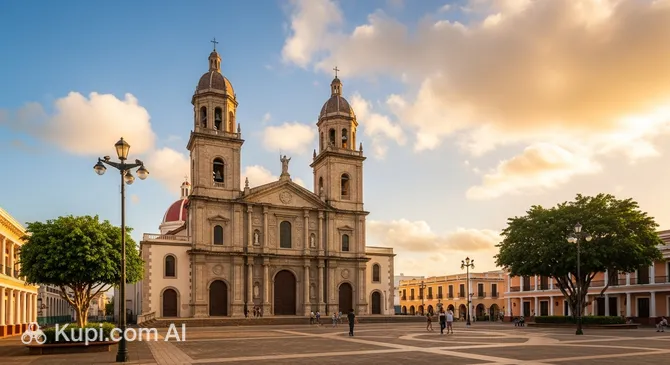
Dominating the skyline of the historic district is the Cathedral of Our Lady of Guadalupe. This majestic cathedral stands at the center of the town and has been a place of worship for centuries, though the current neoclassical structure dates back to the early 20th century. Its pale blue and white facade is distinctively elegant, and the interior features beautiful stained glass windows and a peaceful atmosphere that offers a respite from the bustling streets outside.

Cathedral of Our Lady of Guadalupe. Source: Kupi.Binoculars

Surrounding the cathedral and the old firehouse is the Luis Muñoz Rivera Plaza. This lively public square is the heartbeat of the city, shaded by large trees and adorned with fountains and statues. It is the perfect place to sit on a bench, enjoy a local ice cream, and watch the daily life of Ponce unfold. The plaza frequently hosts cultural events and musical performances, making it a central gathering point for both locals and tourists.

Local Cuisine

The culinary scene in Ponce is a vibrant reflection of its history, blending indigenous Taíno, Spanish, and African influences into what is locally known as Cocina Criolla. As a coastal city, the gastronomy here is heavily defined by fresh seafood, bold spices, and tropical fruits. Visitors will find that dining in "The Pearl of the South" is not just about sustenance but a celebration of local pride, with recipes that have been perfected over generations.

One of the absolute must-try dishes is Mofongo, a Puerto Rican staple that locals in Ponce prepare with exceptional skill. Made from fried green plantains mashed with garlic, olive oil, and pork cracklings (chicharrón), it is typically served as a mound topped with shrimp in creole sauce, fried pork chunks (carne frita), or chicken. Another classic to look for is Arroz con Gandules, a savory yellow rice cooked with pigeon peas and sofrito, often served alongside slow-roasted pork. For a quick but delicious bite, look for Bacalaítos, crispy salt cod fritters that are a favorite street food snack.

No culinary tour of Ponce is complete without indulging in its most famous dessert. Located right on the main square, you will find a legendary ice cream shop known as "Los Chinos," famous for its handmade fruit sorbets and ice creams. The flavors here are distinctly tropical and unique; the Corn (Maíz) and Soursop (Guanábana) flavors are iconic local treats that offer a refreshing break from the Caribbean heat.

When it comes to drinks, Ponce is the proud birthplace of Don Q, one of Puerto Rico's most renowned rum brands. The local drinking culture revolves deeply around this heritage. You can enjoy a high-quality aged rum on the rocks or try a Chichaíto, a popular local shooter made by mixing anise liqueur with white rum. For a non-alcoholic option, fresh fruit juices and icy frappés made from mango, passion fruit, or pineapple are widely available and incredibly refreshing.

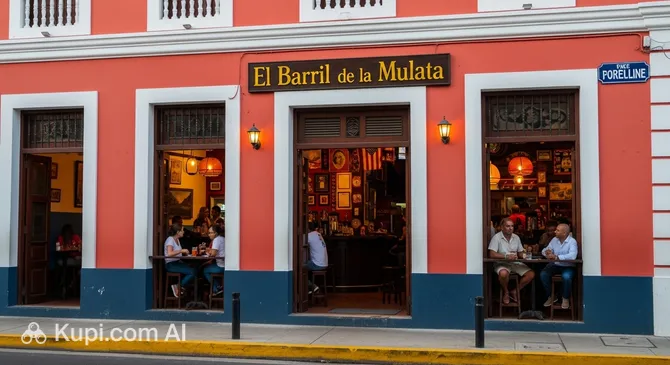
The dining atmosphere in Ponce ranges from elegant restaurants in restored colonial buildings to casual open-air eateries. For a taste of authentic local atmosphere and traditional "Criollo" cuisine, you might visit El Barril de la Mulata. It is a great spot to immerse yourself in the local vibe, enjoy hearty dishes, and sip on a cold drink while soaking in the spirited character of the city.

El Barril de la Mulata. Source: Kupi.Binoculars

Travel Tips

Visiting Ponce is a delightful experience that immerses you in the rich history and distinct culture of Puerto Rico's southern coast. To ensure your trip to "The Pearl of the South" is as smooth and enjoyable as possible, here are some practical tips to help you navigate the city like a pro.

  1. Clothing and Gear: Ponce is known for being warmer and drier than the northern coast, so pack light, breathable fabrics like cotton or linen to stay cool. Comfortable walking shoes are essential for exploring the historic city center. Don't forget high-SPF sunscreen, a hat, and sunglasses. If you plan to enter the Cathedral of Our Lady of Guadalupe or other religious sites, dress modestly; avoid wearing beachwear or very short shorts inside.
  2. Transportation: The most efficient way to explore Ponce and its surrounding areas is by renting a car. Public transportation is somewhat limited and can be unpredictable for tourists. While rideshare apps like Uber operate in the area, availability can be lower than in San Juan, so having your own vehicle gives you the freedom to visit attractions like the Serrallés Castle or the boardwalk at your own pace.
  3. Finances: The official currency is the United States Dollar (USD). Major credit and debit cards are widely accepted at hotels, restaurants, and larger shops. However, it is wise to carry some cash, particularly in small denominations, for street vendors, parking fees, or small local kiosks known as "chinchorros." Tipping is customary and follows US standards; leaving 15-20% for good service in restaurants is expected.
  4. Health and Safety: Ponce is generally safe for tourists, but standard precautions apply; stay in well-lit areas at night and be aware of your surroundings. Pharmacies, including major chains like Walgreens and CVS, are easy to find and often open late. The emergency number for police or medical assistance is 911. Since it is a tropical climate, carrying mosquito repellent is recommended, especially during the rainy season.
  5. Communication: Spanish is the primary language spoken in Ponce. While many people in the tourism industry speak English, it is less widely spoken here than in the San Juan metro area. Locals appreciate it when you try to use basic Spanish phrases. If you are visiting from the US, your cell phone plan will likely work exactly as it does at home without roaming charges, which makes using maps and translation apps very convenient.
  6. Local Etiquette: Puerto Ricans are warm and hospitable people. A polite greeting like "Buenos días" (Good morning) or "Buenas tardes" (Good afternoon) when entering a shop or elevator goes a long way. A unique and charming local custom is saying "Buen provecho" (bon appétit) to strangers when you walk past a table where people are eating; it is a sign of good manners and friendliness.
  7. What to Avoid: Avoid wearing swimwear or walking around shirtless outside of pool or beach areas, as this is considered disrespectful in the city streets. Also, try not to be impatient with service; the pace of life in the south is more relaxed than in major metropolitan cities. Embrace the "island time" and enjoy the moment rather than rushing.
  8. Local Insight: Be mindful of the immense local pride. The saying "Ponce es Ponce" is taken seriously here. Residents view their city as culturally distinct from the rest of the island. Showing appreciation for their unique architecture, history, and local dishes will instantly endear you to the locals.

By keeping these practical tips in mind, you will be well-prepared to soak up the sun, culture, and hospitality that define this majestic city. Whether you are admiring the architecture or enjoying a local sorbet in the plaza, a little preparation ensures your adventure in Ponce will be truly unforgettable.

Entertainment & Nightlife

Nightlife in Ponce offers a more relaxed and authentic experience compared to the high-energy club scenes found in the capital. Instead of massive discotheques, the evening entertainment here revolves around socializing in open-air plazas, enjoying live music in local pubs, and savoring the cool tropical breeze. The atmosphere is generally welcoming and laid-back, with a mix of locals and visitors gathering to unwind after a day of sightseeing.

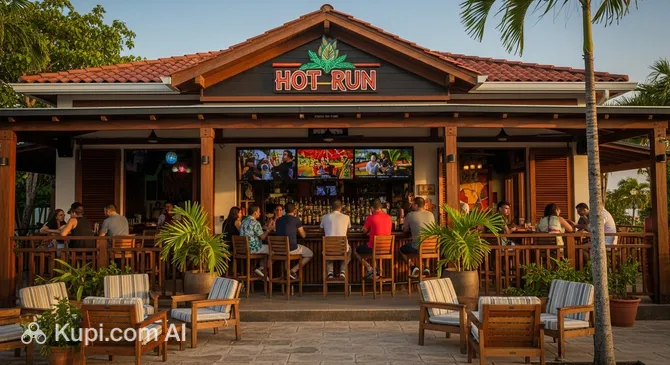
The heartbeat of the city's nightlife is arguably the historic downtown area, particularly the streets surrounding the main square. Here, you will find a variety of establishments ranging from historic hotel bars to lively sports grills. A popular venue for both locals and tourists is Hot Run. This spot is well-regarded for its vibrant atmosphere, making it a great place to grab a drink, watch a game, and immerse yourself in the local social scene.

Hot Run. Source: Kupi.Binoculars

For those interested in a blend of dining and evening entertainment, El Barril de la Mulata is another excellent choice. While it serves delicious food during the day, it transitions into a lively spot at night where you can enjoy cocktails and often listen to music. The dress code in most of these downtown venues is casual to smart-casual; while you don't need a suit and tie, leaving the beachwear at the hotel is recommended.

If you are looking for large-scale entertainment, such as concerts, basketball games, or major cultural events, check the schedule for the Juan "Pachín" Vicens Auditorium. Named after a legendary local basketball player, this arena is a central hub for major gatherings and offers a different kind of night out compared to the bar scene.

When planning a night out, keep in mind that things kick off a bit later, with many bars filling up around 9:00 PM or 10:00 PM on weekends. Prices for drinks and cover charges are generally lower than in San Juan. For safety, it is best to stick to the well-lit, populated areas of the historic center. While the downtown is walkable, if you are moving between districts or returning to your hotel late at night, it is advisable to use a taxi or a rideshare app like Uber rather than walking long distances alone.

Before the sun goes down, Ponce offers plenty of daytime entertainment to fill your itinerary. Beyond the historical sites, you can enjoy modern amenities and shopping. Plaza Del Caribe is the largest shopping mall in the region, offering a wide range of stores, a cinema, and dining options, providing a perfect air-conditioned retreat during the hottest parts of the day.

Parks & Museums

Ponce is a city where history and nature intertwine seamlessly, offering visitors a sophisticated mix of manicured green spaces and world-class cultural institutions. From the shaded benches of its central square to the halls of its prestigious museums, the city invites travelers to explore its artistic soul and its relaxing outdoor environments.

The most accessible and vibrant green space in the city is the Luis Muñoz Rivera Plaza. Located in the very heart of the historic district, this tree-lined square serves as the city's living room. It is surrounded by some of Ponce's most important landmarks and features elegant fountains and statues that pay homage to local history. It is an ideal spot for a leisurely stroll, offering a cool respite from the Caribbean sun and a front-row seat to the daily life of the "Ponceños."

Luis Muñoz Rivera Plaza. Source: Kupi.Binoculars

For those seeking a more tranquil and curated natural experience, the serene Japanese Garden (Jardín Japonés) offers a peaceful escape. Located on the El Vigía hill, near the famous castle, this garden features koi ponds, bonzai trees, and traditional bridges, providing a stark but beautiful contrast to the tropical landscape surrounding it. Another unique natural landmark is the Parque de la Ceiba, home to a massive, ancient Ceiba tree that is estimated to be over 500 years old, symbolizing the enduring strength of nature in the region.

Culturally, the city is a heavyweight in the Caribbean, anchored by the renowned Ponce Museum of Art. This institution is a treasure trove of Western art, boasting an impressive collection that ranges from the Italian Baroque to the Pre-Raphaelite Brotherhood, including the iconic "Flaming June." The museum not only showcases European masterpieces but also highlights the rich artistic heritage of Puerto Rico, making it an essential stop for any culture lover.

History comes alive at the majestic Serrallés Castle Museum. This Spanish Revival mansion, once the summer home of the powerful Serrallés family (producers of Don Q rum), now serves as a window into the opulent lifestyle of the sugar barons of the 1930s. Visitors can tour the lavishly furnished rooms, learn about the history of the sugar and rum industries, and enjoy panoramic views of the city and the Caribbean Sea from its terraces.

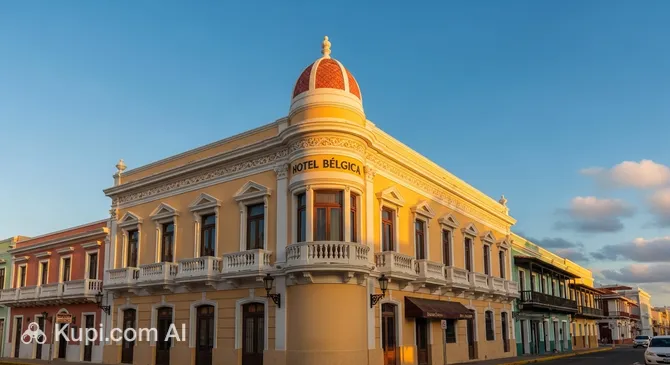
The city's architecture itself is a museum of sorts, with many buildings reflecting the "Ponce Creole" style. A prime example of this historical charm is the Hotel Bélgica. Just steps from the main plaza, this building is one of the oldest operating hotels in Puerto Rico and showcases the classic colonial aesthetic with its balconies and high ceilings, preserving the atmosphere of a bygone era.

Hotel Bélgica. Source: Kupi.Binoculars

Even the city's most famous landmark, the Parque de Bombas, functions as a museum. While its exterior is famous for its red and black stripes, the interior houses a collection of firefighting memorabilia that tells the story of the city's brave fire corps. It is a small but fascinating exhibition that provides context to the civic pride that defines Ponce.

For a truly authentic experience, take the time to walk through the streets radiating from the main plaza early in the morning. The soft light illuminates the pastel-colored facades and intricate balconies of the historic homes, offering a quiet and magical perspective of the city before the day's bustle begins.

Getting Around

Navigating Ponce is relatively straightforward, though the public transport options are somewhat different from what you might find in larger metropolitan areas. The city does not have a metro or tram system. Instead, the primary mode of public transportation for locals is a network of buses and shared vans. For most tourists, however, the historic center is compact enough to be explored on foot, while reaching attractions on the outskirts is best done by car or taxi.

The backbone of the city's public transit is the SITRAS (Sistema Integrado de Transportación del Sur). This municipal bus system was designed to connect the downtown area with various outlying neighborhoods and communities. The buses are modern, air-conditioned, and generally comfortable. They operate on fixed routes that converge at the main terminal, which is located within walking distance of the city center. For visitors, this can be a useful way to get a feel for the local rhythm, although the routes are primarily designed for residents commuting to work or school.

One of the most tourist-friendly aspects of the SITRAS system is the cost. The service is free of charge for all passengers. There are no travel passes, smart cards, or tickets to purchase. You simply wait at a designated stop, board the bus, and enjoy the ride. However, because it is a free service, buses can sometimes be crowded during peak hours. It is important to note that the operating hours are generally limited to daytime and early evening, typically running from around 6:00 AM to 7:00 PM, and service may be reduced or unavailable on weekends and holidays.

An alternative to the municipal buses is the system of Públicos. These are privately owned shared vans or minibuses that follow specific routes throughout the city and to neighboring towns. Unlike standard buses, Públicos often do not have a strict timetable; they typically depart from the terminal once they are full. Payment for these vehicles is almost exclusively in cash. Prices are fixed and very affordable, usually just a few dollars, but you should carry small bills and coins as drivers may not have change for large denominations.

For those preferring more direct and private transportation, taxis are readily available, particularly around the Plaza Las Delicias and major hotels. It is advisable to ask about the fare before starting your journey, as not all taxis use meters. Rideshare apps like Uber also operate in the city, providing a convenient and familiar alternative for tourists. However, availability can be lower than in the capital, so allow extra time when booking a ride, especially in the evening.

While there is no historic metro or cable car, the city does offer a charming transport option specifically for visitors: the tourist trolley, often affectionately called the "Chu-Chu Train." When operational, this open-air trolley offers guided tours around the historic district, allowing you to see the architectural highlights without the effort of walking in the heat. It is a delightful way to get an overview of the city center's layout before exploring specific sites on foot.

Ultimately, while public transport exists, the most practical advice for a tourist wanting to explore beyond the immediate downtown area is to rent a car. This offers the freedom to visit the castle on the hill, the boardwalk, and nearby beaches on your own schedule. If you rely on SITRAS or Públicos, be patient, plan your day around daylight hours, and always have a backup plan for getting back to your accommodation in the evening.
Accommodation

Ponce provides a refreshing alternative to the large beach resorts found elsewhere on the island. The accommodation landscape here is defined by character and history rather than sprawling all-inclusive complexes. Visitors can choose from charming boutique hotels housed in restored colonial buildings, reliable international chains, and an increasing number of vacation rentals. The options cater largely to travelers who value culture and architecture, offering a more intimate connection to the city's heritage.

The most popular area to stay is undoubtedly the Historic Downtown (Ponce Centro). Staying here places you within walking distance of the main square, museums, and the iconic firehouse. It is the perfect location for those who want to step out of their lobby and immediately be surrounded by 19th-century architecture and local life. For those arriving by car or preferring modern amenities like larger pools and ample parking, the areas on the outskirts of the city, particularly near the main highways and the coast, offer larger chain hotels that provide a consistent and comfortable experience.

Travelers will generally find that accommodation prices in Ponce are more affordable than in San Juan. The range typically spans from budget-friendly guesthouses to mid-range hotels, with fewer ultra-luxury options. While room availability is usually good, it is highly recommended to book well in advance if you plan to visit during major local events, especially the famous Carnaval de Ponce in February or March, when the city fills up with visitors. Booking is easily done through major online platforms, which offer the widest selection of current deals.

Nearby Cities

For those looking to explore the surroundings, Ponce serves as an excellent base for day trips to several interesting nearby locations. The southern and western regions of Puerto Rico are rich in history and culture, offering distinct experiences just a short drive from the city center.

One of the most charming stops is San Germán, located roughly 44 km to the west. As the second-oldest city in Puerto Rico, it is steeped in colonial history and is home to the Porta Coeli Convent, one of the oldest church structures in the New World. Visitors love walking through its historic district, which feels like stepping back in time with its elegant architecture and cobblestone streets.

Even closer is the colorful town of Yauco, situated just 25 km away. Traditionally known as the "Coffee Town" for its agricultural heritage, it has recently become famous for "Yaucromatic," a vibrant public art project. The hillsides here are adorned with bright, large-scale murals that have turned the town into an open-air gallery, making it a favorite spot for photographers and art lovers.

For a taste of the west coast, Mayagüez offers a lively atmosphere driven by its university community and port history. Known as the "Sultana of the West," it features one of the most beautiful main plazas on the island, complete with a statue of Christopher Columbus. It serves as a gateway to the western region's renowned gastronomy and sunsets.

City Population Distance (km)
Arecibo12349952
San German10374744
Mayagüez9342657
Yauco8030725
Juana Diaz7175914

These nearby destinations offer a glimpse into the diverse culture and landscapes of the region, allowing travelers to easily expand their itinerary beyond the borders of Ponce.

Shopping & Souvenirs

Shopping in Ponce offers a delightful blend of modern convenience and traditional Caribbean charm. While the city is not primarily known as a high-end fashion capital like San Juan, it serves as the commercial hub for the southern region of Puerto Rico. Visitors can enjoy a mix of experiences, ranging from browsing air-conditioned shopping centers with international brands to exploring vibrant pedestrian streets filled with local boutiques and artisan shops.

For those looking to experience the local rhythm of commerce, the historic downtown area is the best place to start. The heart of this district is Paseo Atocha, a lively pedestrian street that has been the city's commercial spine for decades. Here, the atmosphere is bustling and authentic, lined with small shops selling everything from clothing and shoes to music and household goods. The streets surrounding the main square also feature various souvenir shops and jewelry stores housed in beautiful colonial buildings.

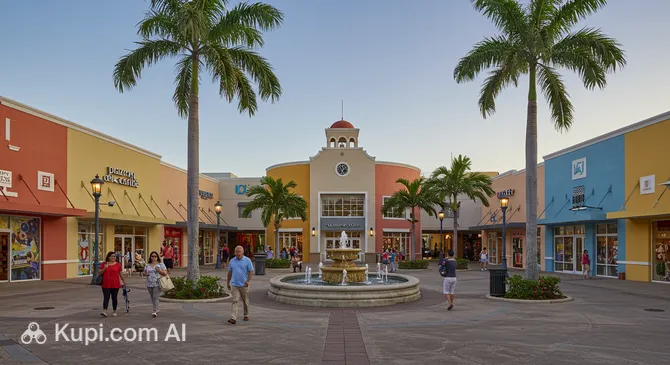
When it comes to large-scale retail, the city boasts the most significant shopping center in the southern part of the island. Plaza Del Caribe is a massive, modern mall that serves as a primary destination for both locals and tourists. It features over 130 stores, including major US department stores, fashion chains, a cinema, and a wide variety of dining options. It is the perfect place to find familiar brands or escape the midday heat in a comfortable environment.

Plaza Del Caribe. Source: Kupi.Binoculars

Another option for practical shopping is the Centro Del Sur Mall. While smaller than its counterpart, it offers a range of essential services and stores that cater to everyday needs. It is less tourist-oriented but provides a good glimpse into the local shopping habits of the residents.

For a more traditional experience, a visit to the Plaza del Mercado Isabel II is highly recommended. This historic Art Deco building is not just an architectural gem but a functioning market where you can find fresh local produce, fruits, and spices. It is an excellent spot to see the agricultural bounty of the region and perhaps pick up some local snacks or ingredients.

If you are looking for unique keepsakes to take home, Ponce is the ideal place to purchase a Vejigante mask. These colorful, horned masks made from papier-mâché are iconic symbols of the city's carnival and are crafted by skilled local artisans. Other excellent souvenirs include bottles of Don Q rum, which is produced locally, as well as hand-carved wooden saints (santos) and locally grown coffee from the nearby mountains.

Store hours in Ponce vary by location. The major shopping malls typically operate from 9:00 AM to 9:00 PM on weekdays and Saturdays, with slightly shorter hours on Sundays, usually from 11:00 AM to 7:00 PM. In contrast, shops in the historic downtown and along Paseo Atocha tend to close earlier, often by 5:00 PM or 6:00 PM, and many may be closed on Sundays. The currency used is the US Dollar (USD). Credit and debit cards are widely accepted in malls and established stores, but carrying cash is advisable for small purchases from street vendors or in the market.

Travelers should be aware that Puerto Rico applies a Sales and Use Tax (IVU) of 11.5% on most goods and services. Unlike some international destinations, there is no simple "tax-free" refund system for general tourists on everyday goods, so the price you see on the shelf will usually have this tax added at the register.

Reached the end of the page?

That means the route is fully explored