Support

Mitu

About

Welcome to Mitú, the captivating capital of the Vaupés department and a true hidden gem nestled in the heart of the Amazon rainforest. Unlike typical tourist destinations, this city offers a profound connection with nature and a unique atmosphere defined by its isolation and lush surroundings. As a gateway to one of the most biodiverse regions in Colombia, Mitú invites travelers to experience a world where the jungle meets urban life in perfect harmony, offering a serene escape from the hustle and bustle of modern cities.

Geographically, the city is situated on the banks of the majestic Vaupés River, just north of the equator. Its location is incredibly remote; there are no roads connecting it to the rest of the country, making air travel the primary means of access. This isolation has helped preserve its pristine environment and rich cultural tapestry. The climate is characteristically tropical—warm and humid year-round—which supports the dense greenery that encircles the town. With a population of approximately 45,000 inhabitants, it serves as the vital commercial and administrative hub for the surrounding indigenous communities.
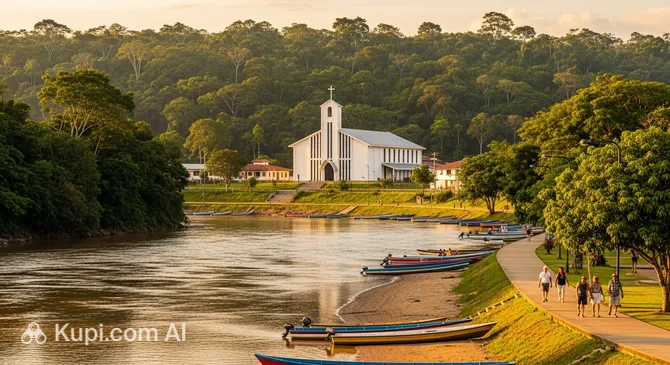
Mitu. Source: Kupi.Binoculars

The cultural heritage of the region is one of its most defining features. The area has been home to various indigenous groups, such as the Tukano and Cubeo peoples, for millennia. The modern settlement was officially founded in 1936, originally serving as a meeting point for rubber tappers and traders. Today, visitors can learn more about the fascinating history of Mitu and its transformation from a small river hamlet into a vibrant multicultural center where ancestral traditions are still proudly practiced and celebrated.

For nature lovers and adventurers, the city offers unforgettable experiences. One of the top attractions is the Cerro de Urania, a rocky hill that provides a challenging hike and rewards climbers with breathtaking panoramic views of the endless Amazonian canopy. It is also a prime spot for birdwatching, home to unique species like the Guianan cock-of-the-rock. Another must-visit feature is the Vaupés River itself; visitors can enjoy boat tours to nearby waterfalls, relax on the sandy river beaches that appear during the dry season, or simply stroll along the riverside Malecón to watch the sunset.

We invite you to discover the magic of Mitú, a destination that promises adventure, tranquility, and a deep immersion into the lungs of the world. Whether you are exploring the indigenous malokas to understand local wisdom or navigating the calm waters of the river, this Amazonian treasure awaits with open arms to offer you an experience unlike any other.

Weather Overview

Mitu experiences a consistent tropical climate, characterized by warm temperatures and high humidity throughout the year. The thermometer remains remarkably stable, with average monthly temperatures fluctuating only slightly between 24.8°C and 26.6°C. Days are typically hot, with maximums reaching up to 30.5°C in months like September and October, while nights are pleasant, dropping to around 22°C.

Rainfall is a defining feature of the region, keeping the surrounding jungle lush and vibrant. There is no true dry season, though February is relatively drier with 19 wet days compared to the peak wet months of May, June, and July, which can see rain on up to 29 days. For a more detailed breakdown of what to expect during your specific travel dates, you can consult the guide to the weather in Mitu.

Expect warm, humid conditions year-round with frequent rainfall, particularly from May through July, so carrying waterproof gear is highly recommended.

Interesting Facts

Beyond the main attractions, Mitú holds many fascinating secrets that reveal its deep connection to the Amazonian wilderness and indigenous heritage. This remote city is not just a travel destination but a living museum of ancient geology and unique cultural traditions.

  • The region is world-renowned among anthropologists for a practice known as linguistic exogamy. In many local indigenous communities, it is traditional to marry someone who speaks a different language. As a result, it is common for inhabitants to be fluent in three or more languages, making this one of the most linguistically diverse areas on the planet.

  • The landscape around the city is far older than the Andes Mountains. The rocky outcrops, including the famous Cerro de Urania, are part of the Guiana Shield, which is one of the oldest geological formations on Earth, dating back billions of years to the Precambrian era.

  • The mystical beauty of the Vaupés department was immortalized in the film Embrace of the Serpent (El abrazo de la serpiente). This cinematic masterpiece, which was the first Colombian film nominated for an Academy Award, was partially shot in the region, highlighting its stunning rivers and dense jungles to a global audience.

  • Mitú functions effectively as an inland island. It is one of the few departmental capitals in the country with no road connection to the national highway network. All vehicles, fuel, and major supplies must be flown in or transported via a long and complex river journey, creating a unique local economy and lifestyle.

How to Get There

Reaching Mitu is an adventure in itself, as this remote Amazonian capital is effectively an island within the rainforest, disconnected from Colombia's national road network. Because there are no highways linking it to the interior of the country, air travel is the most practical and common method of arrival. For travelers planning their journey, we recommend checking all ways to reach the city to ensure a smooth trip.

The city is served by its own local air hub, Mitu (MVP), which is conveniently located right within the urban area. Situated just 0.2 km from the city center, the airport is incredibly accessible; a taxi ride takes only a few minutes, or it can even be reached on foot depending on your luggage. Although it is a smaller regional facility, it is the lifeline of the department, handling the majority of passenger and cargo traffic. Travelers typically connect here via flights from Villavicencio or Bogotá.

For clarity, here is a summary of the main airport:

Airport Name City Passenger Traffic Km from City
MituMituRegional0.2

Regarding other forms of transport, Mitu does not have a railway station, and there are no train services operating in this part of the Amazon. Furthermore, the lack of connecting roads means you cannot reach the city by bus or car from the rest of Colombia. The only alternative to flying is a long and arduous journey by river along the Vaupés River, which is primarily used for cargo and by local indigenous communities, taking several days or even weeks depending on the starting point.

Main Attractions

While Mitú is a remote destination, it offers a distinct set of attractions that appeal to eco-tourists and those seeking cultural immersion. The city serves as a base for exploring the surrounding Amazonian wonders, blending natural beauty with the rich heritage of the Vaupés region.

One of the most iconic landmarks is the Cerro de Urania. Located just a short distance from the town center, this imposing rock formation is part of the ancient Guiana Shield. It is a favorite spot for hikers and nature enthusiasts who climb to its flat summit to witness a spectacular 360-degree view of the endless green rainforest canopy. The area is also a hotspot for birdwatching, offering chances to spot rare species in their natural habitat.

In the heart of the town stands the Cathedral of María Inmaculada. This striking church is the architectural centerpiece of Mitú and a symbol of the community's faith. Its design is distinct, often capturing the attention of visitors with its imposing structure set against the backdrop of a jungle town. It serves as a peaceful place to observe local life and appreciate the town's quiet, spiritual atmosphere.

For a relaxing afternoon, the Malecón on the Vaupés River is the place to be. This riverside promenade allows tourists to take a leisurely stroll while watching the wooden boats, known as "falcas," navigate the waters. It is particularly beautiful at sunset when the sky reflects over the river. During the dry season, the receding waters reveal expansive sandy beaches along the riverbanks, which become popular spots for locals and visitors to swim and sunbathe.

A visit to Mitú would be incomplete without experiencing the local indigenous culture at the nearby communities and Malokas. Places like Ceima Cachivera offer travelers the unique opportunity to interact with local ethnic groups, such as the Tukano and Cubeo. Visitors can enter a traditional Maloka (communal house), witness ancestral dances, and purchase authentic handicrafts made from cumare fibers and wood, directly supporting the local artisans.

Local Cuisine

The gastronomy of Mitu is a fascinating journey into the heart of the Amazon, deeply rooted in the traditions of the indigenous communities of the Vaupés. Unlike the standard fare found in the rest of Colombia, the local cuisine here relies heavily on ingredients sourced directly from the jungle and the river. The food culture is centered around cassava (yuca), river fish, and exotic fruits, offering flavors that are earthy, smoky, and often surprising to the unaccustomed palate.

One of the most iconic dishes you must try is Quiñapira. This traditional indigenous soup is the culinary soul of the region, prepared with fresh river fish and seasoned with a spicy sauce made from fermented chili peppers and wild seeds. It is typically served with Casabe, a large, crispy flatbread made from cassava flour that serves as the daily bread for locals. Another preparation technique unique to the area is Moquiado, where fish or meat is wrapped in leaves and slowly smoked over a fire, preserving the food while imparting a rich, distinct flavor.

For those with an adventurous spirit, the local diet also includes unique sources of protein such as Manivara, a type of large ant that is harvested at specific times of the year. These are often toasted and eaten as a crunchy snack or used as a garnish. You will also find Fariña, a coarse, toasted cassava flour, on almost every table; it is sprinkled over soups and stews to add texture and substance, much like rice is used elsewhere.

To quench your thirst, the region offers an incredible variety of beverages made from Amazonian fruits. Juices made from Arazá, Copoazú, and Camu Camu are refreshing, highly nutritious, and widely available. For a more traditional experience, you might encounter Chicha or Mingao, fermented or thick drinks made from cassava or plantains that play a central role in social gatherings and community celebrations.

Dining in Mitu is less about fancy restaurants and more about authentic, home-style cooking. While there are small eateries in the town center serving daily specials, the true essence of local food is found in the marketplaces and near the port along the Vaupés River. Here, the connection between the environment and the plate is undeniable, providing a culinary experience that is as organic and natural as the surrounding rainforest.

Travel Tips

Visiting Mitu is a genuine adventure into the heart of the Amazon, and because of its remote nature, it requires a bit more preparation than your typical tourist destination. To help you navigate the capital of Vaupés with ease and respect for its unique environment, here are some practical tips to keep in mind before you pack your bags.

  1. Clothing and Gear: The climate is hot and humid, so pack lightweight, breathable, and quick-drying clothing. Long-sleeved shirts and long trousers are highly recommended to protect against sun exposure and insect bites. Since rain is frequent, a sturdy rain poncho is essential. For footwear, while comfortable sneakers are fine for the town, rubber boots are absolute must-haves for any jungle excursions or muddy paths; you can often buy them locally if you don't want to carry them.

  2. Transportation: You won't find car rental agencies or standard taxi cabs here. The primary mode of transport within the urban area is the mototaxi (a three-wheeled motorized rickshaw or tuk-tuk), which is affordable and readily available. For exploring the surrounding areas, the river is the main highway, so be prepared to travel by wooden boats or speedboats. Walking is also a viable and pleasant option for getting around the small town center.

  3. Finances: Mitu operates largely on a cash economy. While there are a few ATMs (typically Banco Agrario or BBVA), they can occasionally run out of money or face technical issues due to connectivity. It is crucial to bring enough cash in Colombian Pesos (COP) to cover your entire stay, including tours, food, and transport. Credit cards are rarely accepted outside of a few specific hotels or larger shops.

  4. Health and Safety: Mitu is generally safe for tourists, but nature poses the biggest risks. Ensure you have a valid Yellow Fever vaccination certificate, as it is often required for entry into Amazonian regions. Bring a well-stocked personal first-aid kit and plenty of high-strength insect repellent to protect against mosquitoes. Always drink bottled or purified water, never tap water, to avoid stomach issues.

  5. Communication: Spanish is the main language for communication with visitors, though many locals speak indigenous languages like Tukano or Cubeo among themselves. English is not widely spoken, so learning basic Spanish phrases is very helpful. Mobile signal can be intermittent and data speeds are often slow; downloading offline maps and translation apps before you arrive is a smart move.

  6. Local Etiquette: The people of Vaupés are welcoming but deeply rooted in their traditions. Always ask for explicit permission before taking photographs of local people, especially members of indigenous communities. When visiting indigenous territories or malokas, follow the lead of your guide regarding where to sit and how to behave, as these are spaces of cultural and spiritual significance.

  7. What to Avoid: Never venture into the jungle alone. The rainforest is dense and disorienting, and it is easy to get lost without a knowledgeable local guide. Additionally, avoid refusing food or drink offered by an indigenous host during a visit, as sharing is a vital part of their hospitality; simply accepting a small amount is a sign of respect.

  8. Additional Tip: Hire a local indigenous guide for your excursions. Not only does this support the local economy, but their knowledge of the flora, fauna, and ancestral legends will transform your trip from a simple sightseeing tour into a profound educational experience that you cannot get from a guidebook.

By keeping these practicalities in mind, you will be well-equipped to embrace the wild beauty and cultural richness of Mitu. Prepare for a disconnection from the digital world and a deep reconnection with nature, ensuring a memorable and respectful visit to this extraordinary corner of Colombia.

Entertainment & Nightlife

Nightlife in Mitu offers a distinctively authentic experience that contrasts sharply with the high-energy club scenes of Colombia's larger metropolises. Instead of neon-lit districts and massive discotheques, the evening entertainment here revolves around social connection, traditional rhythms, and the laid-back atmosphere of the Amazon. The nightlife is concentrated primarily in the few blocks surrounding the Parque Principal and along the Malecón overlooking the Vaupés River, where locals gather to cool off after a hot day.

The vibe is undeniably casual and welcoming. Most venues are open-air or semi-open establishments where the dress code is relaxed—shorts and t-shirts are the norm. The music is a vibrant mix of Colombian crossover hits, ranging from Vallenato and Salsa to Merengue, often played at high volume to encourage singing along. For a taste of the local scene, you can visit All Grill Parrilla Bar, a popular spot where residents enjoy grilled food accompanied by cold beers and music. Another venue to check out is El Poblado Risto-Bar, which offers a friendly environment for evening drinks and socializing. On weekends, places like the Centro Recreacional Estadero Los Paisas often become lively hubs for families and groups of friends to eat, drink, and dance.

Practicality is key when enjoying a night out in this remote capital. The best time to experience the local culture is on Friday and Saturday nights when the town comes alive. Prices are generally very affordable compared to the rest of the country, with domestic beers and spirits being the main choices. Since credit card machines can be unreliable due to internet connectivity, it is essential to carry sufficient cash for your evening expenses. For transportation, the ubiquitous motocarros (motorized tricycles) are the standard way to get around; they are cheap and safe, but it is advisable to arrange a pickup if you plan to stay out late, as service decreases after midnight.

Safety in Mitu is generally good within the urban perimeter, but standard precautions apply. Stick to well-lit streets near the town center and avoid wandering into unlit outskirts or the jungle edges at night. The community is tight-knit, and tourists are usually treated with curiosity and kindness.

While the nights are for socializing, daytime entertainment is deeply rooted in the surrounding nature and culture. Before the sun sets, visitors can explore the indigenous markets near the river port to see local crafts or take a refreshing dip in the natural river beaches that emerge during the dry season. For a cultural fix, the local Malokas offer a glimpse into the ancestral traditions of the Vaupés peoples, providing a profound contrast to the modern rhythms of the night.

Parks & Museums

In Mitu, the concept of public space is inextricably linked to the surrounding Amazon rainforest. Rather than extensive manicured gardens, the city's green spaces are defined by the lush jungle vegetation and the majestic river that flows alongside it. The cultural heritage here is not typically found behind glass cases but is instead a living, breathing experience found in community gathering spots and architectural landmarks that reflect the region's indigenous roots and missionary history.

The Parque Principal serves as the beating heart of the city's social life. Located centrally, it is a modest but vibrant square where locals gather to socialize, especially in the cooler evening hours. Surrounded by key government buildings and local businesses, it offers a glimpse into the daily rhythm of the capital. Just a short walk away is the Malecón on the Vaupés River, a scenic riverside promenade that acts as a linear park. It is the perfect place for a leisurely stroll to admire the "falcas" (wooden boats) navigating the water and to witness stunning sunsets over the jungle canopy.

For a more immersive natural experience, the Cerro de Urania functions as a massive natural park on the outskirts of the city. While not a park in the urban sense, this geological formation is the premier destination for outdoor recreation. It offers hiking trails that lead to a flat summit with panoramic views of the Amazon. It is an ecological haven where visitors can observe exotic birds and unique flora, making it an essential stop for nature enthusiasts visiting the region.

When it comes to museums, Mitu offers a unique perspective; its "museums" are often the communities themselves. The Indigenous Malokas found in nearby settlements like Ceima Cachivera are considered living museums. These ancestral longhouses preserve the cosmology, dances, and oral histories of the Tukano, Cubeo, and other ethnic groups. Visiting a Maloka provides a cultural education far deeper than a static exhibit, allowing tourists to interact with elders and learn about the symbiotic relationship between the people and the forest.

In terms of architecture, the Catedral de María Inmaculada is the most significant landmark in the city. Its imposing structure dominates the skyline and reflects the historical influence of Catholic missions in the Vaupés department. The cathedral is not only a place of worship but also a symbol of the town's development. Its design is simple yet striking against the backdrop of the rainforest, drawing the eye of every visitor who arrives in the city center.

For a truly authentic experience, look for the seasonal river beaches that appear during the dry months (typically at the beginning of the year). These ephemeral sandy stretches along the Vaupés River become the locals' favorite recreational spots for swimming and picnics, offering a "beach day" experience in the middle of the jungle that few tourists expect to find.

Getting Around

The public transport system in Mitu is distinctively different from what you might encounter in larger cities. Due to its small size and remote location in the Amazon rainforest, there is no metro, tram, or extensive urban bus network. Instead, the city relies on a more informal and flexible system suited to the local terrain and lifestyle. The urban area is compact, meaning that heavy mass transit infrastructure is neither available nor necessary for daily navigation.

The undisputed king of the road here is the motocarro. These three-wheeled motorized rickshaws, similar to tuk-tuks found in other parts of the world, serve as the primary means of public transportation. They are ubiquitous, affordable, and perfectly designed for the local climate, often featuring a roof to protect passengers from the frequent tropical rains while remaining open-sided for ventilation. Standard car taxis are rare, and while you might see motorcycles offering rides (mototaxis), the motocarro is the standard choice for tourists carrying luggage or shopping.

Regarding payment, the system is exclusively cash-based. There are no travel cards, digital passes, or mobile apps for booking rides. You simply flag down a vehicle on the street or find one waiting at popular spots like the airport, the main square, or the river port. Fares are generally fixed for rides within the urban perimeter and are very inexpensive. It is highly advisable to carry small bills and coins, as drivers often do not have change for large denominations. Always confirm the price with the driver before hopping in to avoid any misunderstandings.

For tourists, walking is often the best alternative for exploring the town center. Mitu is small enough that you can easily reach the main cathedral, the market, and the riverside promenade on foot. However, if you plan to visit the surrounding communities or attractions like Cerro de Urania, you will need to hire a motocarro for a private trip. Be aware that public transport options decrease significantly after dark, so if you are dining out late, it is wise to arrange your return ride in advance.

A unique feature of the local "public transport" is the river network. Since there are no roads connecting Mitu to the rest of the country, the Vaupés River acts as the main highway. Wooden boats, known locally as falcas or speedboats (voladoras), operate somewhat like buses, connecting the city with indigenous communities upstream and downstream. These depart from the main port and are essential for any excursions into the deeper jungle. Just like urban transport, these river services require cash payment and often operate on a schedule based on demand or early morning departures.

Accommodation

When planning a stay in Mitu, travelers should adjust their expectations to the reality of a remote Amazonian outpost. The accommodation landscape here is modest and functional, catering primarily to visiting officials, contractors, and eco-tourists. You will not find international luxury hotel chains or sprawling five-star resorts in this part of the jungle. Instead, the city offers a selection of small, independent hotels and family-run guesthouses, often referred to as residencias, which provide a clean, safe, and authentic base for your adventures.

The majority of lodging options are conveniently clustered within the small urban center (Casco Urbano). Because the city is compact, staying downtown places you within easy walking distance of key landmarks such as the main square, the cathedral, and the river port. This central location is particularly practical given that the airport is situated just blocks away from the commercial area; in many cases, you can simply walk from the terminal to your hotel, eliminating the need for complex transfers.

In terms of amenities, simplicity is the standard. Most rooms come with private bathrooms, though hot water is a rarity and generally unnecessary due to the warm tropical climate. The main differentiator between budget and mid-range options is usually air conditioning. Basic rooms may only offer a fan, while slightly higher-priced accommodations provide air conditioning, which can be a significant comfort during the humid Amazonian nights. Wi-Fi is available in many hotels but can be slow or intermittent, so it is best to be prepared for a digital detox.

Booking accommodation in Mitu often requires a more traditional approach. While a few properties may be listed on major online travel platforms, many local establishments still rely on direct phone calls or messaging apps for reservations. Prices are generally very affordable, falling squarely into the budget to mid-range categories. A crucial tip for all visitors is to carry sufficient cash to pay for your entire stay upon arrival, as credit card terminals are scarce and frequently offline due to connectivity issues in the region.

Nearby Cities

For those looking to explore the wider region, Mitu serves as a reference point for reaching several interesting locations in the Colombian Amazon and Orinoquía, though travelers should note that due to the vast distances and lack of roads, these "nearby" destinations are best reached by light aircraft or extended river expeditions for a short visit:

The closest major urban hub is San Jose del Guaviare, often considered the gateway where the plains meet the jungle. It is a rapidly growing eco-tourism destination famous for the ancient rock paintings of the Serranía de la Lindosa and the stunning natural pools of Las Gachas. It offers a mix of history, archaeology, and natural beauty that complements the deep jungle experience of Vaupés.

Further to the west lies La Macarena, a world-renowned destination home to Caño Cristales. Known as the "River of Five Colors" or the "Liquid Rainbow," this natural wonder displays vibrant aquatic plants in shades of red, yellow, green, blue, and black during the second half of the year. It is one of Colombia's most spectacular sights and a must-visit for nature lovers exploring this part of the country.

To the north, you will find Cumaribo, located in the Vichada department. This vast municipality offers an authentic glimpse into the life of the remote eastern plains (Llanos Orientales). It is a destination for the truly adventurous, offering expansive landscapes and a chance to witness the transition between the savannah and the forest ecosystems.

City Population Distance (km)
San Jose del Guaviare68878305
Cumaribo43138366
Puerto Gaitan41017396
La Macarena36781408
Puerto Lopez35097436

These nearby destinations offer a glimpse into the diverse culture and landscapes of the region, ranging from ancient rock art sites to multi-colored rivers and vast plains.

Shopping & Souvenirs

Shopping in Mitú is an experience far removed from the polished malls and high-end boutiques of major cities. Instead of luxury brands, visitors will find a commercial landscape driven by necessity and deep cultural tradition. The shopping scene here is authentic and raw, offering a fascinating glimpse into the daily lives of the Amazonian inhabitants. It is the perfect place to find goods that are truly unique to the Vaupés region, particularly items connected to the jungle environment and the indigenous communities that call this area home.

The commercial heart of the city is concentrated in the few blocks surrounding the Parque Principal and extending towards the riverfront. This compact downtown area is where you will find the majority of general stores, hardware shops, and pharmacies. The streets here are bustling with activity during the day, as locals from nearby communities arrive to trade and purchase essential supplies. A stroll down these streets offers a colorful mix of modern goods and traditional jungle necessities, from rubber boots and machetes to mobile phones and groceries.

Travelers should be aware that there are no shopping malls or large department stores in Mitú. The retail environment consists almost entirely of small, family-owned businesses and independent vendors. If you are looking for specific travel gear, electronics, or fashion, it is highly advisable to purchase these items in Bogotá or Villavicencio before flying in, as the selection here is limited to basic staples.

The most interesting shopping destination for tourists is undoubtedly the market area near the Vaupés River port. This is where the pulse of the local economy beats strongest. Here, indigenous families arrive by boat to sell fresh produce harvested from the rainforest and the river. You can find exotic Amazonian fruits like arazá, copoazú, and camu camu, as well as fresh fish. It is a vibrant, sensory experience where you can see the ingredients of the local cuisine in their rawest form.

When it comes to souvenirs, Mitú offers distinct handicrafts that you won't easily find elsewhere in Colombia. The region is famous for its weaving using cumare, a fiber derived from a native palm. Look for beautifully crafted mochilas (bags), hammocks, and fishing nets made from this durable material. Another prized item is the traditional woodwork, including replicas of the "thinking stools" used by indigenous elders. For a culinary memento, consider buying a bag of mañoco (toasted cassava flour) or a bottle of local spicy sauce made from Amazonian chilies.

Regarding practicalities, stores typically open around 8:00 AM and close by 6:00 PM or 7:00 PM. It is common for smaller shops to close for a lunch break between 12:00 PM and 2:00 PM. Sundays are generally very quiet, with most businesses remaining closed.

Payment methods are a critical consideration for any visitor. Mitú operates almost exclusively as a cash economy. Credit and debit cards are rarely accepted in shops or markets. While there are a few ATMs in the town, they can suffer from connection failures or run out of cash. Therefore, it is essential to withdraw sufficient Colombian Pesos (COP) before your arrival to cover all your shopping and daily expenses.

Tax-free shopping or VAT refund services are not available in Mitú. The informal nature of many local businesses and the remote location mean that such tourist schemes are not implemented here.

Reached the end of the page?

That means the route is fully explored