Support

Tingo Maria

About

Welcome to Tingo Maria, a vibrant city often referred to as the "Gateway to the Amazon." Nestled in the lush Huallaga River valley, this destination offers a perfect blend of urban energy and breathtaking natural beauty. It serves as a major entry point into the jungle regions of Peru, attracting travelers who are eager to explore the biodiversity and scenic landscapes of the high rainforest.

Located in the Huánuco Region, the city enjoys a warm, tropical climate year-round. It is frequently known as the "City of the Sleeping Beauty" (Ciudad de la Bella Durmiente), a title inspired by the distinctive mountain formation that overlooks the town. With a population of approximately 46,000 residents, it maintains a friendly and welcoming atmosphere while providing essential amenities for visitors. The history of Tingo Maria is closely tied to the colonization of the Amazon and the development of agriculture in the area, evolving from a small settlement into a bustling commercial hub.

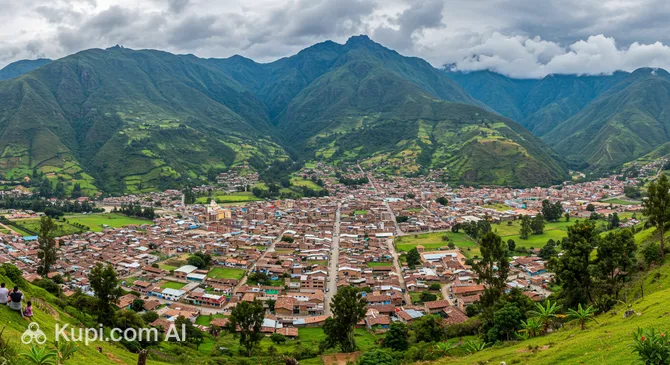
Tingo Maria. Source: Kupi.Binoculars

One of the city's most iconic features is the mountain range known as La Bella Durmiente, which resembles the silhouette of a woman lying down and dominates the horizon. Nature enthusiasts flock to the Tingo María National Park to explore the famous Cueva de las Lechuzas (Cave of the Owls), a massive limestone cavern inhabited by nocturnal birds and bats. The area is also renowned for its stunning waterfalls, such as the majestic Velo de la Novia.

Whether you are looking for outdoor adventure, hiking trails, or simply a place to relax surrounded by nature, Tingo Maria is an exceptional choice. We invite you to pack your bags and discover the unique charm and natural wonders of this Peruvian jungle gem.

Weather Overview

Travelers to this region can expect a consistent tropical climate, characterized by comfortable temperatures that remain relatively stable throughout the year. The weather in Tingo Maria typically features average temperatures hovering between 19°C and 21°C. September tends to be the warmest month, with daytime highs reaching nearly 26°C, while the coolest nights occur in July, with lows dipping to around 14.5°C.

Rainfall is a distinct feature of the local climate, with a marked difference between seasons. The period from November to April is significantly wetter, often seeing rain almost every day, particularly in December and January. In contrast, the months from June to August offer a drier window with considerably fewer wet days, making this season a popular choice for those looking to explore the outdoors with less interruption from the rain.

Interesting Facts

Beyond the lush landscapes and the famous mountain silhouette, Tingo Maria holds intriguing stories and unique features that surprise many visitors. Here are some fascinating details that add depth to the charm of this Amazonian destination.

  • The Meaning Behind the Name: The word "Tingo" is derived from the Quechua word "Tinku," which means the confluence or meeting of two rivers. This refers to the city's geographic location where the Monzón River meets the Huallaga River. The name "Maria" is popularly believed to honor a local woman who provided food and lodging to travelers and researchers in the early days of the settlement.

  • Not Actually Owls: Although the city's most famous cavern is called the "Cave of the Owls" (Cueva de las Lechuzas), it is not inhabited by owls. The cavern is actually home to a colony of oilbirds (Steatornis caripensis), or "guácharos." These are unique, fruit-eating nocturnal birds that navigate using echolocation, much like bats, which is a rare trait among birds.

  • The Legend of Nunash: The iconic "Sleeping Beauty" mountain range is steeped in local folklore. According to the legend, the formation is the eternal resting place of Princess Nunash. She fell in love with a young warrior named Cuynac, and after a tragic series of events involving sorcery and separation, she was transformed into the mountain to wait forever for her beloved, while he turned into a rock at her feet.

  • A Hub for Japanese Heritage: Tingo Maria holds a unique place in the history of Peru as the site of the first organized Japanese immigration to the Amazon region. This cultural influence has left a lasting legacy on the local agriculture and community, distinguishing it from many other jungle towns.

How to Get There

Reaching this gateway to the Amazon is convenient, primarily due to the presence of a local airport that connects the city to the capital and other regions. For a comprehensive overview of travel options, including overland routes, you can check all ways to reach the city in our detailed guide. The most direct method is to fly into the Tingo Maria airport (IATA: TGI), which is located just 1.3 km from the city center. While it is a smaller facility with modest passenger traffic, it offers the ultimate convenience, with a quick taxi ride to downtown taking only about 5 minutes.

Another viable option is to fly into Huanuco Airport (IATA: HUU), located in the city of Huanuco. This airport is approximately 68 km away from Tingo Maria and serves as a significant regional hub with higher passenger volume. Travelers arriving here can take a taxi or a local bus to reach Tingo Maria, a journey that typically takes around 2 hours and offers scenic views of the Huallaga Valley. For those exploring the wider region, Capitan Rolden Airport (IATA: PCL) in Pucallpa is another major terminal, though it is situated about 187 km away.

For clarity, here is a summary of the main airports:

Airport Name City Passenger Traffic Km from City
Capitan Rolden Airport Pucallpa Medium 186.9
Jauja Airport Jauja Medium 280.9
Huanuco Airport Huanuco Medium 68.1
Anta Anta Small 175.7
Tingo Maria Tingo Maria Small 1.3

Main Attractions

Tingo María National Park is undoubtedly the crown jewel of the region and the primary reason many travelers visit the area. Dominated by the mountain chain known as "The Sleeping Beauty," the park protects a vast area of high jungle ecosystem. It is fascinating for tourists because it offers accessible hiking trails that lead to viewpoints with panoramic vistas of the city and the Huallaga river valley, allowing visitors to fully appreciate the lush, green landscape of the Peruvian Amazon.

Inside the national park lies the famous Cueva de las Lechuzas (Cave of the Owls), a massive limestone cavern that extends deep into the mountain. This site is a thrill for adventurers and wildlife enthusiasts, as it is inhabited by a large colony of oilbirds (guácharos)—nocturnal birds often mistaken for owls—as well as bats and parrots. A wooden walkway allows you to venture safely into the cave to observe the fascinating stalactites, stalagmites, and the unique ecosystem thriving in the darkness.

Another spectacular natural wonder is the Velo de la Novia Waterfall, located in the impressive Boquerón del Padre Abad canyon. The waterfall gets its name, which translates to "Bride's Veil," from the way the water fans out over the rocks as it cascades down into a crystal-clear pool. It is a favorite spot for photography and nature walks, offering a refreshing mist and the chance to swim in the cool waters surrounded by dense tropical vegetation.

For a relaxing day trip, Laguna de los Milagros is a serene lake situated just outside the city. Known for its medicinal mud and peaceful atmosphere, the lake is surrounded by hills and forest, making it a scenic retreat. Visitors enjoy renting traditional boats to paddle across the calm water, observing local birds, or simply unwinding in hammocks at the rustic restaurants that serve fresh regional cuisine along the shore.

Finally, the Jardín Botánico de Tingo María offers a closer look at the region's incredible biodiversity without leaving the city limits. Managed by the local university, this botanical garden is home to thousands of plant species, including exotic orchids, timber trees, and medicinal plants. It is an educational and visually stunning stop for anyone interested in botany or simply wanting to enjoy a quiet walk among towering tropical trees.

Local Cuisine

The cuisine of Tingo Maria offers a delightful journey into the exotic flavors of the Peruvian Amazon. Distinct from the culinary traditions of the coast or the Andes, the local food, known as "comida de la selva," relies heavily on fresh ingredients sourced directly from the jungle. Visitors will find that the dishes here are hearty, aromatic, and centered around staples like plantains, river fish, and unique tropical fruits.

One dish you simply must try is Tacacho con Cecina. This iconic meal features green plantains that are roasted and mashed with pork lard, served alongside a savory piece of smoked pork (cecina) and often accompanied by spicy chorizo. Another regional classic is the Juane, a flavorful parcel of rice, chicken, olives, and hard-boiled egg, seasoned with turmeric and spices, then wrapped in a bijao leaf and steamed. For those who prefer seafood, Paterashca involves cooking fresh river fish seasoned with local herbs inside leaves over hot coals, locking in a smoky and delicious moisture.

To quench your thirst in the tropical heat, the city offers an array of refreshing beverages. Refresco de Cocona is a local favorite, praised for its citrusy, distinct taste that pairs perfectly with the rich local dishes. You can also enjoy juices made from Camu Camu, a small fruit famous for having one of the highest concentrations of Vitamin C in the world. On the adventurous side, the region is renowned for its exotic macerated liqueurs, such as "7 Raíces" or "Rompe Calzón," which are infused with bark, roots, and honey, and are often credited with medicinal or aphrodisiac properties.

The food culture in Tingo Maria is vibrant and accessible. For the most authentic experience, travelers should visit the main local market, the Mercado Modelo. It is a bustling hub where locals gather to eat affordable, freshly prepared breakfasts and lunches. In the evenings, the streets around the main square often feature vendors selling grilled sweet plantains (maduros) and other snacks, providing a perfect and casual way to sample the city's gastronomic character.

Travel Tips

Visiting Tingo Maria is an exciting adventure into the Peruvian high jungle, but the tropical environment and local customs require a bit of preparation to ensure a smooth trip. These practical tips are designed to help you navigate the "City of the Sleeping Beauty" like a pro, allowing you to focus on the stunning nature and warm culture.

  1. Clothing and Gear: Since you are entering a tropical zone, pack lightweight, breathable clothing made of quick-drying fabrics to handle the humidity. A sturdy rain poncho or waterproof jacket is essential, as sudden downpours are common regardless of the season. For exploring the Cueva de las Lechuzas or hiking to waterfalls, bring comfortable, non-slip trekking shoes. Don't forget a universal travel adapter (Peru uses types A and C) and a high-quality insect repellent containing DEET.

  2. Transportation: The most popular and convenient way to get around Tingo Maria is by mototaxi (a three-wheeled motorized rickshaw). They are everywhere, affordable, and perfect for short distances within the city. Always agree on the fare with the driver before getting in, as they do not use meters. For excursions to waterfalls or attractions further out, you can hire a private taxi or join a tour; car rentals are less common and generally not necessary for the city itself.

  3. Finances: The local currency is the Peruvian Sol (PEN). While some hotels and larger restaurants accept credit cards (Visa and Mastercard), cash is king here, especially for mototaxis, street food, and entrance fees to natural attractions. There are ATMs located around the main square (Plaza de Armas), but it is wise to carry small bills and coins, as breaking large notes can be difficult in smaller shops.

  4. Health and Safety: Tingo Maria is generally safe for tourists, but standard precautions apply. Avoid drinking tap water; always opt for sealed bottled water to prevent stomach issues. Pharmacies, often called boticas, are plentiful near the city center, and some operate 24/7. Since this is a jungle region, protect yourself from mosquito bites to avoid tropical diseases like dengue, especially at dawn and dusk.

  5. Communication: Spanish is the primary language, and English is not widely spoken outside of major tour agencies or high-end hotels. Learning a few basic phrases like "Buenos días" (Good morning) and "¿Cuánto cuesta?" (How much?) will go a long way. For connectivity, purchase a local prepaid SIM card (Claro and Movistar have good coverage) at a shop in the city center, as hotel Wi-Fi can sometimes be slow or intermittent.

  6. Local Etiquette: People in the jungle regions are known for their warmth and friendliness. A handshake is the standard greeting, often accompanied by a smile. When visiting natural sites or rural communities, always ask for permission before taking close-up photos of locals. It is also polite to greet shopkeepers and drivers when you start an interaction.

  7. What to Avoid: Never venture into deep jungle trails without a certified local guide. The terrain can be deceptive, and getting lost is a real risk. Additionally, avoid wearing heavy perfumes or colognes when hiking, as strong scents can attract insects and wildlife, making your trek uncomfortable.

  8. Market Insight: For an authentic start to your day, visit the local market early in the morning—around 7:00 AM. This is when the exotic fruits are freshest, and you can ask for a "jugo surtido" (mixed juice) or try fresh cocona juice, a local staple that is both delicious and incredibly refreshing in the humid heat.

By keeping these suggestions in mind, you will be well-equipped to embrace the vibrant rhythm of life in Tingo Maria. Whether you are haggling for a mototaxi ride or marveling at the oilbirds in the caves, a little preparation ensures your jungle getaway remains a fond and hassle-free memory.

Entertainment & Nightlife

As the sun sets over the Sleeping Beauty mountain range, Tingo Maria transforms from a bustling trade hub into a lively center of tropical entertainment. The nightlife here is vibrant, unpretentious, and heavily influenced by the jungle's warmth and energy. Unlike the formal clubs of larger metropolitan cities, the evening scene in Tingo Maria is characterized by open-air venues, loud Latin music, and a strong culture of socializing over exotic regional cocktails.

The heart of the action is undoubtedly concentrated around the Alameda Perú and Avenida Raimondi. This central area is where locals and tourists converge to enjoy the cool evening breeze. The atmosphere is distinctively relaxed; the dress code is almost universally casual, with shorts and light shirts being the norm due to the humid climate. On weekends, the streets fill with the sounds of salsa, cumbia, and reggaeton spilling out from various establishments, creating a festive environment that lasts well into the early morning hours.

For those looking to experience the local vibe, the city offers several popular spots. Trapiche Bar is a local institution and a must-visit for anyone wanting to experience the authentic jungle atmosphere. Famous for its rustic wooden architecture and incredible variety of macerated drinks, it is the perfect place to socialize rather than just dance. For those who do want to hit the dance floor, Happy World is a well-known disco among the crowd, offering a lively mix of music and an energetic ambiance. If you prefer singing over dancing, the city is dotted with numerous "Video Pubs" and karaoke bars, which are incredibly popular with residents looking to unwind.

No night out in Tingo Maria is complete without sampling the region's famous "tragos exóticos" (exotic drinks). Local bars, especially places like Trapiche, take great pride in their macerated liqueurs, which are infused with roots, barks, and jungle fruits. Be sure to try a glass of 7 Raíces or the humorously named Rompe Calzón. These drinks are potent, sweet, and deeply ingrained in the local social culture. Prices are generally very affordable compared to Lima or Cusco, making it easy to enjoy a full night out without breaking the bank.

Regarding safety and logistics, the city center is generally safe for walking during the early evening, but it is always widely recommended to use transport late at night. The ubiquitous mototaxis operate 24/7 and are the standard way to get home safely; just ensure you agree on the fare before hopping in. While the main avenues are well-lit and populated, avoid wandering into unlit outskirts or quiet side streets alone after midnight.

While the nights are for partying, daytime entertainment in Tingo Maria is more low-key and cultural. If you aren't exploring the national parks, you can visit the Museo de Zoología at the local university (UNAS), which houses an impressive collection of Amazonian fauna. Alternatively, the Plaza de Armas serves as a casual gathering spot where you can enjoy an ice cream, watch street performers, and soak in the daily rhythm of this charming jungle city.

Parks & Museums

Tingo Maria is a city where the boundary between urban life and the Amazon rainforest is beautifully blurred. Its cultural and recreational spaces reflect this deep connection with nature, offering visitors a mix of lush green areas for relaxation and educational venues that showcase the region's rich biodiversity and history.

Jardín Botánico de la UNAS is a must-visit for nature lovers who want to experience the jungle's flora without leaving the city. Managed by the National Agrarian University of the Jungle, this extensive garden serves as a living library of Amazonian plants. Visitors can wander through shaded paths lined with towering timber trees, vibrant orchids, and medicinal plants used by indigenous communities. It is a peaceful retreat perfect for a quiet afternoon walk, offering a concentrated look at the region's botanical diversity.

For a taste of local life, the Plaza de Armas serves as the city's main urban park and social hub. Unlike the dense forest surrounding the town, this manicured square offers a breezy, open space where residents gather to socialize. It is an excellent spot to sit on a bench under the shade of palm trees, enjoy a local ice cream, and admire the backdrop of the "Sleeping Beauty" mountain range. The plaza is often the venue for small fairs and cultural events, making it a lively place to observe the daily rhythm of Tingo Maria.

When it comes to museums, the Museo de Zoología de la UNAS offers a fascinating, albeit static, look at the creatures that inhabit the surrounding rainforest. Located within the university campus, this museum houses a significant collection of taxidermy specimens, including jaguars, tapirs, and exotic birds. It provides a valuable educational experience, allowing tourists to see animals up close that are otherwise difficult to spot in the wild, helping visitors appreciate the sheer variety of fauna in the Huánuco region.

Another unique cultural stop is the Serpentario Animals Paradise. While more of a conservation center than a traditional museum, it plays a crucial role in educating the public about the Amazon's reptiles. Here, you can safely observe various species of snakes, both venomous and non-venomous, and learn about their importance to the ecosystem. The center aims to demystify these often-feared creatures and offers a thrilling yet safe encounter for wildlife enthusiasts.

Architecturally, the city is relatively modern, but the Parroquia Santa Teresita del Niño Jesús stands out as a key landmark. Located prominently on the Plaza de Armas, this church features a simple yet charming design that anchors the city center. It is a focal point for religious festivals and a peaceful sanctuary for reflection amidst the bustling commercial activity of the downtown area.

For an authentic local experience, take a stroll down the Alameda Perú in the late afternoon. This pedestrian-friendly promenade is lined with trees and benches, acting as a green corridor through the city. It is a favorite spot for couples and families to walk, offering a more intimate and relaxed atmosphere than the main square, and is often where you will find some of the best street food vendors setting up as the sun goes down.

Getting Around

Navigating Tingo Maria is a distinct experience compared to larger metropolitan areas, as the city does not rely on a complex network of trains or large buses. Instead, the public transport system is informal, flexible, and dominated by the mototaxi (also known as a trimóvil or bajaj). These three-wheeled, motorized rickshaws are the heartbeat of the city's transit, buzzing through the streets at all hours. They are perfectly improved for the tropical climate, often featuring open sides that allow for a cooling breeze, although many have vinyl covers to protect passengers during the frequent jungle rains.

For destinations further afield or for travel between the city center and nearby towns like Naranjillo or Castillo Grande, colectivos (shared taxis or minibuses) are the standard option. These vehicles follow set routes but do not have fixed schedules; they simply depart when they are full. You can typically find them gathering at specific street corners or designated paraderos (stops) near the market areas. They are a cost-effective way to travel longer distances where a mototaxi might be too slow or uncomfortable.

The payment system in Tingo Maria is entirely cash-based. There are no travel cards, mobile apps, or electronic ticket machines for local transport. When using a mototaxi, the fare is calculated per ride rather than per person, though drivers may charge a bit more for extra passengers or heavy luggage. Prices are generally very affordable, with short rides within the city center costing only a few Soles. It is essential to carry small coins and bills, as drivers rarely have change for large denominations.

A crucial piece of advice for tourists is to negotiate the fare before entering the vehicle. Since mototaxis do not use meters, you must agree on a price with the driver upfront to avoid misunderstandings upon arrival. While rates are relatively standard among locals, confirming the cost ensures a smooth transaction. Operating hours are technically 24/7, but availability decreases significantly late at night, so it is wise to have a trusted driver's number or arrange transport in advance if you plan to be out very late.

While standard car taxis exist, they are far less common than mototaxis and are primarily used for airport transfers or during heavy storms when the smaller vehicles offer less protection. Walking is also a viable and pleasant alternative for getting around the downtown area, as the city center is compact and flat. Car rentals are rare and generally unnecessary for navigating the city itself, though they might be useful for independent exploration of the surrounding national parks.

Accommodation

Finding a place to stay in Tingo Maria is generally straightforward and affordable. The city caters primarily to backpackers, nature enthusiasts, and national tourists, so the accommodation landscape is dominated by budget-friendly hostels (hospedajes) and mid-range hotels. You will not find ultra-luxury international resort chains here; instead, the charm lies in locally owned establishments, riverside bungalows, and comfortable city hotels that offer a warm, personalized welcome.

For those who prioritize convenience, the city center is the best area to base yourself. Staying near the Plaza de Armas or along the busy Avenida Raimondi places you within walking distance of the main market, restaurants, and the bustling nightlife. This area is ideal for travelers relying on public transport, as mototaxis and colectivos are readily available at your doorstep. Alternatively, if you prefer a quieter experience surrounded by nature, look for eco-lodges located on the outskirts of the city, particularly along the road leading to the Tingo María National Park. These spots often feature lush gardens, hammocks, and sometimes swimming pools, providing a relaxing refuge from the humid tropical heat.

When it comes to amenities, it is highly recommended to choose a room with air conditioning or at least a powerful fan, as the jungle humidity can be intense, especially at night. Many mid-range options now offer Wi-Fi and private bathrooms with hot water, though hot showers are often less of a priority in the warm climate. Some of the more established hotels in the city center also feature on-site restaurants and pools, which are a delightful perk after a long day of hiking through caves and waterfalls.

Accommodation in Tingo Maria is generally very reasonably priced compared to major tourist hubs like Cusco or Lima. Budget travelers can find basic rooms for very low rates, while mid-range hotels offer excellent value for money. While major booking platforms list the larger hotels, many smaller hostels and lodges still operate via direct contact (phone or WhatsApp) or social media pages. A crucial tip for visitors is to book well in advance if you plan to visit during the Festival of San Juan in late June. This is the biggest celebration in the Peruvian Amazon, and the city fills up completely, with prices often rising to match the high demand.

Nearby Cities

For those looking to explore the surroundings, Tingo Maria serves as an excellent base for day trips to several interesting nearby locations:

One of the most popular nearby destinations is Huanuco, located approximately 74 km away. Known as the "City with the Best Climate in the World," it serves as the regional capital and offers a fascinating contrast to the jungle environment of Tingo Maria. Visitors can explore the ancient Kotosh Temple, famous for the "Crossed Hands" sculpture, or stroll across the historic Calicanto Bridge. It is an ideal spot for history buffs and those wanting to experience the transition between the Andes and the Amazon.

For a deeper dive into the Amazon basin, Pucallpa is a significant option, though it requires a longer journey. Situated on the banks of the Ucayali River, it is a bustling port city that connects the region to the mighty Amazon River. Travelers here can experience the vibrant indigenous art scene, visit the Yarinacocha Lagoon, and witness the lively river commerce that defines daily life in the low jungle.

Another unique option is Cerro de Pasco, one of the highest cities in the world. While the altitude change is drastic compared to Tingo Maria, it offers a starkly different landscape dominated by mining history and high-Andean scenery. It provides a glimpse into the rugged industrial heritage of the Peruvian highlands.

City Population Distance (km)
Pucallpa 326040 185
Huanuco 196627 74
Barranca 144381 251
Huaraz 118836 170
Cerro de Pasco 58899 154

These nearby destinations offer a glimpse into the diverse culture and landscapes of the region.

Shopping & Souvenirs

Shopping in Tingo Maria offers a unique opportunity to immerse yourself in the authentic culture of the Peruvian Amazon. Unlike the large metropolitan centers of the coast, the commercial scene here is not defined by luxury brands or sprawling department stores. Instead, it is characterized by vibrant local markets, independent boutiques, and stalls selling regional products that reflect the rich biodiversity of the jungle. Visitors will find that the best purchases are often edible treats or handcrafted items that carry the essence of the high rainforest.

The city's commercial life revolves largely around Avenida Raimondi. This bustling avenue serves as the main artery of Tingo Maria, lined with a wide variety of shops ranging from clothing and footwear stores to pharmacies and electronics vendors. Walking down this street provides a lively snapshot of daily life, with music often playing from storefronts and vendors displaying their wares on the sidewalks. The area surrounding the Plaza de Armas also features several souvenir shops and smaller galleries where you can find local crafts and postcards.

Travelers looking for a modern shopping mall experience should be aware that Tingo Maria does not have large, western-style shopping centers. The retail environment is traditional, focusing on small businesses and commercial galleries ("galerías") rather than massive complexes. For basic necessities, groceries, and standard household items, there are well-stocked supermarkets and smaller convenience stores scattered throughout the downtown area.

The true heart of commerce in the city is the Mercado Modelo. This market is an essential stop for any visitor, offering a sensory explosion of colors, smells, and sounds. It is the best place to discover the region's exotic fruits, such as camu camu, cocona, and aguaymanto. Beyond fresh produce, the market is a hub for local ingredients, spices, and traditional medicines. It is also an excellent spot to observe local customs and interact with friendly vendors who are usually happy to explain the uses of various jungle plants.

When it comes to souvenirs, Tingo Maria is famous for its agricultural products. The region produces some of the finest coffee and cacao in Peru. buying bags of locally roasted coffee or artisanal chocolate is highly recommended, as they make for delicious and high-quality gifts. Another popular purchase is the variety of macerated liqueurs (macerados), which are spirits infused with exotic roots, barks, and fruits, such as the famous "7 Raíces." Additionally, you can find beautiful handicrafts made from seeds, wood, and other natural materials sourced from the surrounding forest.

Most shops in the city typically open around 9:00 AM and close between 8:00 PM and 9:00 PM, Monday through Saturday. The markets, however, start much earlier, with activity peaking in the morning hours. Sunday hours can be reduced, with some smaller shops closing for the day. regarding payment, cash is king in Tingo Maria. While some larger supermarkets and hotels accept credit cards, most market vendors, souvenir stalls, and smaller shops deal exclusively in Peruvian Soles (PEN). It is advisable to carry small bills and coins to make transactions smoother.

Tourists should note that Tingo Maria does not typically offer a tax-free shopping scheme for international visitors, as this is generally limited to specific authorized retailers in major transport hubs like Lima. Prices here are already quite affordable compared to larger tourist cities, so bargaining is acceptable in markets and with street vendors, but usually not in fixed-price stores.
Reached the end of the page?

That means the route is fully explored