Support

Ayacucho

About

Ayacucho is a captivating destination located in the central highlands of Peru, renowned for its profound religious heritage and vibrant artisan traditions. Often referred to as the "City of Churches," it stands as a testament to colonial architecture and Andean culture, offering visitors a unique glimpse into the soul of the region. The city is celebrated for its peaceful atmosphere and the warmth of its people.

Situated at an elevation of approximately 2,761 meters, the city enjoys a temperate climate with sunny days and cool nights. With a population of around 216,000 residents, it serves as a significant commercial and cultural hub in the Andes. The history of Ayacucho is deeply intertwined with the country's struggle for independence, as well as a rich legacy of artistic expression that continues to thrive today.
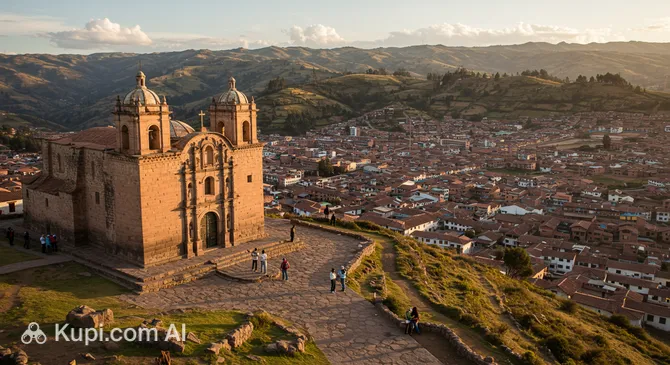
Ayacucho. Source: Kupi.Binoculars

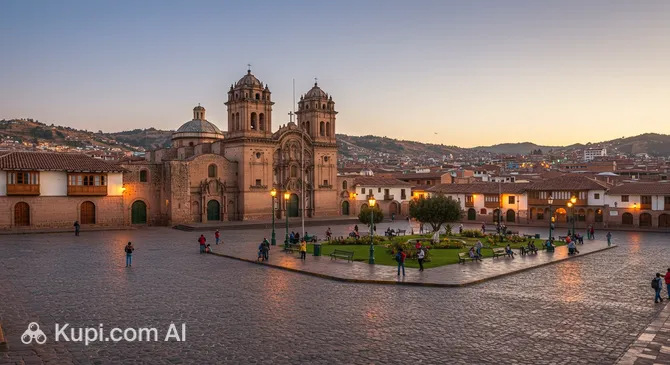
Travelers are drawn to the stunning Plaza Mayor, which is surrounded by beautiful colonial mansions and stone arcades. The city is famous for housing 33 churches, one for each year of Jesus's life, with the Cathedral being a prominent highlight. Just outside the city lies the Pampa de Ayacucho, a historical sanctuary featuring a towering obelisk that commemorates the decisive battle for South American independence.

Whether you are admiring the intricate retablos crafted by local masters or exploring the cobblestone streets, Ayacucho invites you to experience a destination full of history and charm. It is a perfect stop for those seeking to explore the cultural depth of the Peruvian Andes.
Weather Overview

Travelers visiting this Andean city can generally expect a temperate climate with moderate daytime temperatures year-round, though conditions vary significantly between seasons. The weather in Ayacucho is typically characterized by a distinct dry period during the middle of the year and a rainy season that spans the summer months.

From May to August, the region experiences its dry season, with June and July being the coldest months. During this time, average temperatures hover around 9°C, and while days are often sunny, nights can get quite chilly with lows dropping to approximately 3°C. Rainfall is very rare during these months, with July seeing as few as 4 wet days on average.

Conversely, the warmer months from October to March bring frequent precipitation. November and December are among the warmest, with average temperatures around 12°C and daily highs reaching up to 16.5°C. However, visitors should pack waterproof clothing, as this period sees a high frequency of rain, with January and March often recording up to 29 wet days per month.

Interesting Facts

Beyond the main attractions, Ayacucho holds many fascinating secrets and cultural treasures waiting to be discovered. This highland city is not just a collection of colonial buildings, but a living museum of traditions and history that surprises many visitors.
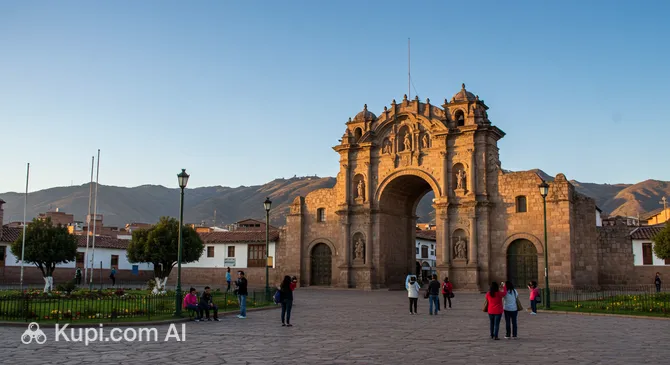
Arch of Triumph of Ayacucho. Source: Kupi.Binoculars
  • Ayacucho is famous for hosting the most spectacular Holy Week (Semana Santa) celebrations in Peru. This ten-day festival is widely considered second only to the processions in Seville, Spain, drawing thousands of visitors to witness the vibrant carpets of flowers and massive candlelit processions.

  • The city is the undisputed capital of Peruvian folk art, particularly known for its retablos. These intricate, colorful wooden boxes with double doors originally served as portable altars for travelers but have evolved to depict complex scenes of everyday Andean life and social history.

  • Standing proudly in the city, the Arch of Triumph of Ayacucho was built to commemorate the Battle of Ayacucho in 1824, which sealed the independence of Peru and South America. Modeled after European triumphal arches, it remains a powerful symbol of liberty in the region.

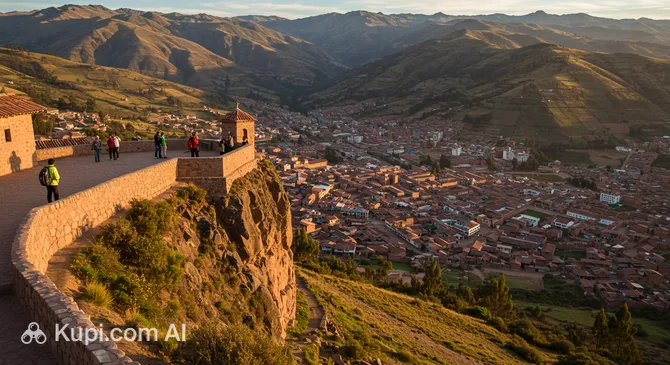
  • For those seeking panoramic vistas, the La Picota Viewpoint offers exceptional views over the city. Its name historically refers to a stone pillory where punishments were administered during colonial times, adding a layer of historical intrigue to the scenic spot.

  • Long before the rise of the Inca Empire, this region was the heart of the Wari culture. The area surrounding the modern city was once home to a sprawling urban center that influenced the Andes for centuries, leaving behind ruins that predate Machu Picchu by hundreds of years.

How to Get There

Reaching this historic city in the Peruvian Andes is an adventure that rewards travelers with stunning landscapes and cultural depth. While the journey requires some planning due to the mountainous terrain, there are reliable options available. You can read more about how to get to Ayacucho to decide which route best fits your travel itinerary.

The most direct and convenient entry point is Yanamilla Airport (IATA: AYP), located within Ayacucho itself. Situated just 2.3 km from the city center, this regional airport handles a moderate volume of passengers and offers a quick connection to the heart of the city. A taxi ride from the terminal to your accommodation is typically short and convenient.

Travelers exploring the wider region might also consider Alejandro Velasco Astete (IATA: CUZ) in the city of Cusco. It is a major international hub with large passenger traffic, but it is located about 250.9 km from Ayacucho. The overland journey from Cusco involves a long and scenic drive through the mountains. Another alternative is Jauja Airport (IATA: JAU) in Jauja, roughly 204.4 km away, which also requires a significant road trip through the Andean highlands to reach the destination.

For clarity, here is a summary of the main airports:

Airport Name City Passenger Traffic Km from City
Alejandro Velasco Astete Cusco Large 250.9
Yanamilla Airport Ayacucho Medium 2.3
Jauja Airport Jauja Medium 204.4
Maria Reiche Neuman Airport Nazca Small 203.3
Capitan FAP Renan Elias Olivera Airport Pisco 225.6

Since there are no railway stations currently serving the immediate area, many visitors choose to travel by bus, particularly from Lima. The road trip offers spectacular views of the Andean highlands, though it is a longer journey compared to flying. Several reputable bus companies operate daily services, providing a comfortable and scenic alternative for those who prefer ground transport.

Main Attractions

While the city is famous for its religious architecture, there are several other compelling sites that offer a deeper understanding of local culture and history. Visitors can explore a mix of poignant museums, scenic viewpoints, and relaxing green spaces that define the character of this Andean destination.

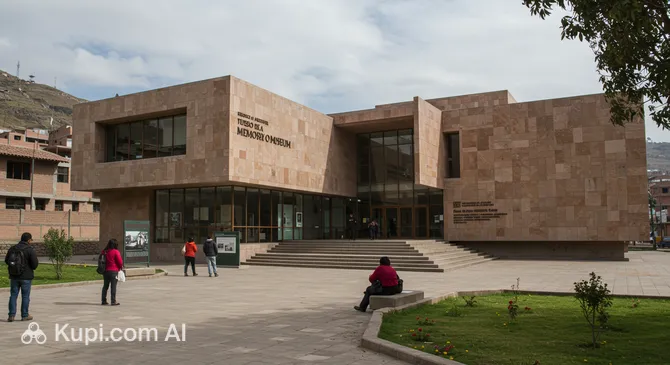
A deeply moving stop for many travelers is the Memory Museum (Museo de la Memoria). This institution is dedicated to preserving the social history of the region, offering a space for reflection on the events that shaped the community in the late 20th century. It is an essential visit for those who wish to understand the resilience of the local people and the importance of peace in the Peruvian highlands.

Memory Museum. Source: Kupi.Binoculars

For those seeking spiritual sites combined with local traditions, El Calvario is a noteworthy destination. Often associated with the city's fervent religious festivities, this site attracts pilgrims and tourists alike. It provides a unique atmosphere of devotion and offers visitors a chance to observe the living heritage of the city in a serene setting.

El Calvario. Source: Kupi.Binoculars

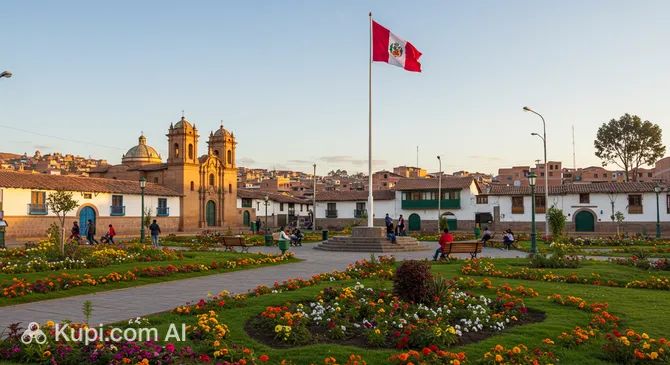
Travelers looking to unwind should visit Bandera Park. This recreational area serves as a pleasant escape from the bustling city center, offering a glimpse into the everyday life of the residents. It is a great spot for a leisurely walk, allowing visitors to enjoy the fresh Andean air and the scenic surroundings of the valley.

Local Cuisine

The culinary scene in Ayacucho is a delightful journey through Andean flavors, characterized by hearty ingredients, aromatic spices, and centuries-old traditions. The city is known for its distinctive regional cuisine that blends indigenous techniques with Spanish influences, creating dishes that are both comforting and full of character. Food here is not just sustenance; it is a central part of the local identity and daily life.

One dish you simply cannot leave without trying is Puca Picante. Its name translates to "spicy red" in Quechua, derived from the vibrant color given by beet juice and aji panca (red chili). This stew is made with potatoes, peanuts, and pork, creating a rich and creamy texture that is often served with rice and a side of fried pork belly (chicharrón). Another local favorite is Qapchi, a fresh appetizer made with crumbled Andean cheese, rocoto peppers, milk, and herbs, typically served over boiled potatoes.

Meat lovers will appreciate the famous Chorizo Ayacuchano. Unlike other sausages, this variety is marinated in vinegar and Andean spices, then fried until golden and juicy. It is traditionally served with boiled potatoes and a fresh salad. For a quick bite, look for the iconic Chapla bread. These small, flat, and slightly sweet artisanal breads are baked in wood-fired ovens and are perfect when paired with local cheese or avocado.

The streets of Ayacucho, particularly around the main square, offer a unique sweet treat known as Muyuchi. This traditional artisanal ice cream is prepared by local women (mamachas) in metal pots spun manually in a bed of ice and salt. It is creamy, sweet, and usually topped with a dash of airampo (a cactus fruit) syrup or sesame seeds. It is a refreshing way to end a meal while soaking in the atmosphere of the city.

To accompany your meal, try the traditional Chicha de Jora, a fermented corn beer that has been a staple in the Andes since Inca times. For something non-alcoholic and warm, especially during the cool evenings, locals often enjoy Ponche, a hot drink made from peanuts, sesame, or other grains, often sold by street vendors. Dining in Ayacucho ranges from bustling food stalls at the central market, where you can find the most authentic flavors at affordable prices, to charming courtyard restaurants that offer a cozy setting for a leisurely dinner.

Travel Tips

Welcome to Ayacucho, a city where colonial history and Andean culture blend seamlessly to create an unforgettable experience. To help you navigate the "City of Churches" with ease and make the most of your stay in the Peruvian highlands, here are some essential practical tips.

  1. Clothing and Gear: Since the weather in the Andes can change rapidly, dressing in layers is the best strategy. Bring a warm jacket for the chilly evenings and lighter clothing for the sunny days, along with a good hat and sunscreen to protect against high-altitude UV rays. If you plan to visit any of the city's 33 churches, remember to dress modestly, covering your shoulders and knees out of respect.
  2. Transportation: The historic center is compact and best explored on foot, allowing you to appreciate the architecture up close. For longer distances, mototaxis (motorized rickshaws) are the most popular and affordable way to get around; just agree on the fare before hopping in. Standard taxis are also available, and car rentals are generally unnecessary unless you plan to drive independently to remote archaeological sites.
  3. Finances: The local currency is the Peruvian Sol (PEN). While major hotels and restaurants near the Plaza Mayor accept credit cards, cash is king in local markets, smaller shops, and for transport. ATMs are readily available around the main square, but it is wise to carry small bills and coins for everyday purchases and tips.
  4. Health and Safety: Ayacucho sits at an altitude of over 2,700 meters, so take it easy on your first day to avoid altitude sickness (soroche); staying hydrated and drinking coca tea helps. Pharmacies are common in the city center for basic needs. The city is generally safe for tourists, but standard precautions like keeping an eye on your belongings in crowded markets apply.
  5. Communication: Spanish is the primary language, and while many locals also speak Quechua, English is not widely spoken outside of tour agencies and high-end hotels. It is highly recommended to learn a few basic phrases in Spanish or download an offline translation app. You can easily purchase a local SIM card (Claro or Movistar) at shops near the main square for connectivity.
  6. Local Etiquette: Peruvians are polite and warm; a simple greeting like "Buenos días" or "Buenas tardes" when entering a shop or taxi is expected and appreciated. When photographing locals, especially in traditional dress, always ask for permission first. During religious festivals, maintain a respectful distance and silence during solemn processions.
  7. What to Avoid: strictly avoid drinking tap water to prevent stomach issues; always opt for bottled or boiled water. Additionally, avoid wearing revealing clothing like tank tops or very short shorts when entering religious buildings, as this is considered disrespectful in this deeply traditional city.
  8. Shopping Tip: For the best souvenirs, head to the Santa Ana neighborhood. This district is famous for its master artisans who create the renowned Ayacucho retablos and intricate weavings. Buying directly from their workshops not only guarantees authenticity but also supports the local artistic community.

With these tips in mind, you are ready to immerse yourself in the rich traditions and stunning landscapes of this Andean gem. Enjoy the warmth of the people and the unique charm that makes Ayacucho such a special destination!

Entertainment & Nightlife

When the sun sets over the Andes, Ayacucho transforms from a city of solemn churches into a vibrant hub of activity. The nightlife here is a delightful mix of traditional Andean culture and modern entertainment, centered largely around the Plaza Mayor and the bustling Jirón Asamblea. This pedestrian-friendly street is the heart of the evening action, lined with restaurants, bars, and cafes where locals and visitors gather to socialize.

For those looking to experience the local bar scene, Taberna Magia Negra is a standout venue. Known for its eclectic decor featuring upside-down black umbrellas hanging from the ceiling, it offers a quirky and relaxed atmosphere perfect for enjoying craft beers and stone-baked pizzas. If you are in the mood for dancing, Rhunas is often cited as the city's most popular discotheque. It typically gets going late at night, playing a mix of international hits and Latin rhythms that keep the crowd moving until the early hours. Another excellent spot for cocktails is El Templo Bar & Cocina, where you can sample creative drinks made with regional ingredients in a stylish setting.

For a more scenic evening experience, head to La Picota Viewpoint. While it is a popular stop during the day, visiting at dusk offers a magical perspective as the city lights begin to twinkle below, creating a romantic and peaceful atmosphere away from the noise of the center.

La Picota Viewpoint. Source: Kupi.Binoculars

The atmosphere in Ayacucho's nightlife districts is generally casual and welcoming. There is rarely a strict dress code, so comfortable travel attire is usually acceptable, though locals tend to dress up a bit for clubs on weekends. Prices are very affordable compared to Lima or Cusco, making a night out here wallet-friendly. The best time to experience the buzz is on Friday and Saturday nights, although the Plaza remains lively throughout the week.

Safety is relatively good in the main tourist areas, but it is always wise to remain cautious. Stick to well-lit streets around the center and avoid walking alone in the outskirts late at night. When returning to your accommodation, it is recommended to use registered taxis or mototaxis rather than hailing random cars on the street.

During the day, the city offers plenty of entertainment options beyond its famous churches. Families and those seeking a relaxing break can visit Bandera Park, a green space ideal for a leisurely stroll or a picnic with a view. For a more educational experience, the Memory Museum provides a profound look into the region's recent history, offering a meaningful contrast to the lighter entertainment found elsewhere in the city.

Bandera Park. Source: Kupi.Binoculars

Parks & Museums

Beyond its renowned religious architecture, the city offers a compelling selection of cultural institutions and green spaces that allow visitors to connect with its deep historical roots and natural beauty. Exploring these venues provides a more holistic view of the region, ranging from the ancient legacy of pre-Inca civilizations to the serene atmosphere of its public promenades.

For those interested in the region's ancient past, the Hipólito Unanue Archaeological Museum is a must-visit. It houses an impressive collection of ceramics, monoliths, and textiles from the Wari culture, which dominated the Andes long before the Incas. Another significant cultural venue is the Memory Museum (Museo de la Memoria). This poignant institution offers a space for reflection, dedicated to understanding the social history of the late 20th century and honoring the resilience of the local community through personal testimonies and art.

Art enthusiasts should not miss the Joaquín López Antay Museum of Popular Art. Located in an old colonial mansion, it celebrates the life and work of the celebrated master artisan who transformed the traditional St. Mark's boxes into the famous Ayacucho retablos. The museum displays a vibrant collection of folk art that captures the everyday life and traditions of the Andean people.

When it comes to outdoor spaces, Bandera Park stands out as a favorite recreational area. Situated near the city center, it offers panoramic views of the surrounding valley and serves as a lively gathering spot where families enjoy the fresh air. It is an excellent place to observe local life and relax after a day of sightseeing.

Another charming green space is the Alameda Valdelirios. This historic promenade, entered through a neoclassical arch, is lined with willow and molle trees, creating a romantic and peaceful environment. It is a perfect example of colonial urban planning and provides a quiet escape for a leisurely stroll away from the bustling Plaza Mayor.

For a truly authentic experience, take a moment to peek into the courtyards of the historic casonas (colonial houses) around the city center. Many of these private residences feature lush internal gardens with stone fountains and flowering plants, offering a hidden oasis of tranquility that many tourists overlook.

Getting Around

Public transport in Ayacucho is informal, bustling, and distinctively different from large metropolitan systems. There is no metro, tram, or large municipal bus network. Instead, the city relies heavily on a fleet of privately operated minibuses, known locally as combis, and the iconic motorized rickshaws called mototaxis. This network covers the entire urban area effectively, offering an authentic way to move around like a local.

The most common way to travel longer distances across the city is by combi. These vans follow fixed routes, which are usually displayed on colorful placards placed in the windshield or painted on the side of the vehicle. There are no designated bus stops in many areas; you simply stand by the side of the road and wave your hand to flag one down. To get off, you just alert the driver or the assistant (known as the cobrador) when you are nearing your destination.

For shorter trips, especially outside the immediate historic center, mototaxis are the undisputed kings of the road. These three-wheeled vehicles are nimble, abundant, and ideal for navigating the city's narrow or hilly streets. They are a fun and breezy way to get from one neighborhood to another, though they are often restricted from entering the very center of the Plaza Mayor to maintain traffic order. They operate more like private taxis but at a fraction of the cost.

The payment system is entirely cash-based. There are no travel cards, passes, or mobile apps for public transport here. Fares are incredibly affordable, typically costing just a few soles depending on the distance. You pay the driver or the cobrador directly upon entering or exiting the vehicle. It is essential to carry small change and coins, as drivers often do not have change for large bills.

For tourists, standard taxis are a reliable alternative, particularly at night or when carrying luggage. Unlike in many capital cities, taxis here do not use meters. You must negotiate and agree on the fare with the driver before getting in. Rates are generally low and fixed by zones, but it is always good practice to ask a local or your hotel receptionist for the approximate going rate to avoid being overcharged.

Walking remains the best option for exploring the historic core. Most of the main attractions, restaurants, and museums are clustered within a few blocks of the central square. However, if you venture further out to viewpoints or suburban markets, hopping into a combi or hailing a mototaxi provides a practical and culturally immersive travel experience.

Accommodation

Accommodation in Ayacucho caters primarily to cultural travelers and pilgrims, offering a range of options that reflect the city's colonial charm. Visitors will not find massive international resort chains here; instead, the hospitality scene is dominated by locally owned establishments. These range from budget-friendly backpacker hostels to comfortable mid-range hotels, many of which are housed in beautifully restored colonial mansions (casonas) featuring peaceful central courtyards and traditional architecture.

For the most convenient experience, it is highly recommended to stay in the Historic Center. Choosing a hotel within a few blocks of the Plaza Mayor places you within easy walking distance of the city's famous churches, museums, and restaurants. This area is not only safe and well-lit but also allows you to immerse yourself in the vibrant atmosphere of the city, particularly in the evenings when the main square comes alive with locals and visitors.

Pricing in Ayacucho is generally very affordable compared to other major Peruvian destinations like Cusco or Lima. Travelers can find excellent value for money, with clean and comfortable private rooms available at budget prices. While major online booking platforms list the larger hotels, many smaller, family-run guesthouses still rely on direct bookings or walk-ins, although availability is usually good throughout most of the year.

Important Booking Tip: The one major exception to the general availability rule is during Holy Week (Semana Santa). As Ayacucho hosts the largest religious festival in Peru, the city is flooded with thousands of visitors during this period. If you plan to travel then, it is essential to book your accommodation several months in advance, as prices can triple and rooms sell out completely.

Nearby Cities

For those looking to explore the surroundings, Ayacucho serves as an excellent base for day trips to several interesting nearby locations:

One of the most compelling destinations for a short visit is Andahuaylas, often referred to as the "Land of the Chankas." Located in the Apurímac region, it offers travelers a chance to explore the stunning Laguna de Pacucha, a beautiful high-altitude lake known for its deep blue waters and recreational activities. The town itself is vibrant and provides a deeper insight into the pre-Inca history of the southern Andes.

Another significant city in the central highlands is Huancayo, situated in the fertile Mantaro Valley. Known for its bustling commerce and rich artisan traditions, it is a hub of Andean culture. Visitors here can explore the unique geological formations of Torre Torre or visit the Park of Identity (Parque de la Identidad Wanka), which celebrates the local heritage with distinct architecture and stonework.

For those seeking a warmer climate and natural beauty, Abancay serves as a gateway to the Ampay National Sanctuary. This city is nestled in a deep valley and is famous for its "eternal spring" weather. Nearby, history enthusiasts can visit the Saywite archaeological site, which features a mysterious monolith carved with complex figures and terraces, offering a fascinating puzzle for archaeologists and tourists alike.

City Population Distance (km)
Huancayo 378203 162
Ica 282407 192
Pisco 109965 221
Andahuaylas 80000 107
Abancay 72277 153

These nearby destinations offer a glimpse into the diverse culture and landscapes of the region.

Shopping & Souvenirs

Shopping in Ayacucho is a unique experience that centers less on modern consumerism and more on cultural immersion. Known as the "Capital of Peruvian Popular Art," the city is a treasure trove for visitors seeking authentic handicrafts and traditional creations. While you will not find high-end luxury boutiques, the opportunity to buy directly from master artisans makes the shopping scene here exceptional. The city is particularly famous for its intricate folk art, which reflects centuries of Andean history and skill.

The heart of commercial activity lies around the Plaza Mayor and the connecting streets, particularly Jirón Asamblea. This bustling pedestrian-friendly thoroughfare is lined with a variety of shops, pharmacies, and banks. For a more specialized experience, travelers should head to the Santa Ana District. This historic neighborhood is home to many of the city's most renowned weavers and stone carvers. Walking through its streets allows you to visit family-run workshops where you can watch artisans at work and purchase textiles directly from the source.

Unlike Lima or Cusco, Ayacucho does not feature massive international shopping malls. The retail landscape is dominated by smaller commercial galleries and independent stores. There are a few modern supermarkets and small shopping centers for daily necessities, but the true charm of the city lies in its traditional trade. Visitors looking for a "mall" experience might find the options limited, but the local galleries near the main square offer a good selection of clothing, electronics, and regional products.

Markets are the lifeblood of the city's commerce. The most important one is the Mercado Nery García Zárate. It is a vibrant, chaotic, and fascinating place where locals buy everything from fresh produce and regional cheeses to clothing and household goods. For tourists specifically looking for handicrafts, the Mercado Artesanal Shosaku Nagase is the place to go. It gathers numerous artisans under one roof, offering a concentrated selection of the region's best folk art without the need to traverse the entire city.

When it comes to souvenirs, the iconic Retablo Ayacuchano is the must-buy item. These colorful wooden boxes, filled with dough figures depicting religious or everyday scenes, are the symbol of the region. Another distinctive product is Huamanga stone (alabaster) carvings. This white, translucent stone is sculpted into nativity scenes, churches, and delicate figures. Additionally, the region is famous for its ceramics from the nearby town of Quinua and high-quality woven tapestries.

Most shops in the city center open around 9:00 AM or 10:00 AM and stay open until 8:00 PM or 9:00 PM. Many smaller businesses may close for a short break during lunch hours (siesta). While established shops and hotels accept credit cards (Visa and Mastercard are most common), cash is absolutely essential for markets, street vendors, and taxi fares. The Peruvian tax-free refund system is generally not applicable in the traditional markets and artisan workshops where most tourists shop, as these are often informal or small-scale businesses.

Reached the end of the page?

That means the route is fully explored