Support

Anta

About

Anta is a captivating destination located in the heart of the Cusco Region in Peru. Often overshadowed by its larger neighbors, this charming town offers a more serene and authentic glimpse into Andean life. Known as the "breadbasket of Cusco" due to its fertile lands, Anta sits within a vast plain surrounded by breathtaking mountain scenery, providing a peaceful retreat for travelers seeking to explore the Sacred Valley's less trodden paths.

Geographically, the town is situated at a high altitude, typical of the Andes, which contributes to its crisp, refreshing climate and clear blue skies. With a population of approximately 20,000 residents, it maintains a close-knit community atmosphere while still offering essential amenities for visitors. The area is characterized by the stunning Pampa de Anta, a high-altitude plateau that offers panoramic views of snow-capped peaks like Salkantay and Veronica.
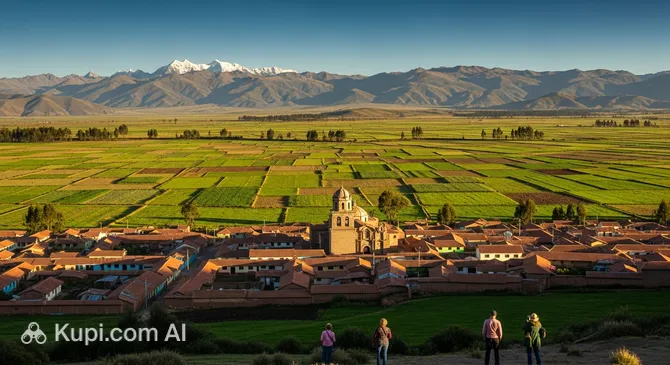
Anta. Source: Kupi.Binoculars

The region is rich in cultural heritage, and delving into the history of Anta reveals its significance during the Inca Empire and the colonial era. The town and its surroundings were strategic locations for agriculture and movement within the empire. Today, this legacy is visible in the blend of colonial architecture and nearby archaeological remnants that dot the landscape.

Travelers exploring the area should not miss the opportunity to visit Killarumiyoc, an ancient Inca site dedicated to the moon, located just a short distance away. Another highlight is the impressive system of agricultural terraces in nearby Zurite, which showcases the engineering mastery of the Incas. The town itself is a great starting point for hiking and enjoying the natural beauty of the Andean highlands without the heavy crowds found in major tourist hubs.

Whether you are a history enthusiast or a nature lover, Anta welcomes you with open arms. Its combination of rich traditions, stunning landscapes, and warm hospitality makes it a delightful stop on any Peruvian itinerary. We invite you to step off the beaten path and experience the unique charm of this highland treasure.

Weather Overview

The climate in this high-altitude region is generally cool and temperate, typical of the Peruvian Andes. Temperatures remain relatively consistent throughout the year, with daily averages fluctuating between 8°C and 10°C. The warmest months are usually October and November, where daytime highs reach roughly 14°C, while the coolest period occurs in June and July, with nighttime lows dropping to around 3°C.

Rainfall patterns play a significant role in shaping the travel experience here. The wet season dominates the beginning of the year, particularly from January to March, when rain is expected almost daily. Conversely, the middle of the year marks the dry season, with June seeing as few as 6 wet days. For a more detailed breakdown to help plan your trip, you can consult the guide on the weather in Anta.

Expect cool, moderate temperatures year-round with a distinct rainy season in the early months and drier, crisp conditions during the winter.

Interesting Facts

Beyond the scenic landscapes and agricultural importance, Anta holds fascinating secrets deeply rooted in Inca mythology and geological history. Here are a few intriguing details that reveal the depth of this destination's heritage.

  • The Field of Blood: The serene Pampa de Anta is believed to be the site of the legendary "Yahuar Pampa," or Blood Plain. According to oral tradition, this is where the Inca ruler Pachacutec defeated the Chanca confederation, a pivotal victory that launched the expansion of the Inca Empire. Legend says that during this desperate battle, the very stones of the plain turned into warriors, known as Pururaucas, to fight alongside the Incas.

  • A Prehistoric Lake Bed: The unusually flat and vast terrain of the Anta province, sitting at a high altitude among rugged peaks, is a geological anomaly. It is widely understood to be the bed of an ancient, dried-up lake. This geological origin explains the exceptional fertility of the soil, which has sustained local civilizations for millennia and earned the area its reputation as a regional breadbasket.

  • Astronomical Precision: While the archaeological site of Killarumiyoc is known as a temple to the moon, its engineering is even more complex than it appears. The central stone features a unique semicircular carving that aligns with the lunar cycle. During certain times of the year, particularly around the solstices, the shadows cast on the rock face create specific geometric shapes, demonstrating the sophisticated astronomical understanding of its ancient builders.

How to Get There

Reaching this destination is relatively straightforward, primarily due to its proximity to the major regional hub of Cusco. Most travelers arrive by air to the nearest city and continue their journey by road. For a comprehensive guide on travel logistics, you can read more about how to get to Anta.

The city of Anta does not have its own airport, but you can easily fly into Alejandro Velasco Astete (IATA: CUZ) in the city of Cusco, which is only about 24 km from Anta. This is the primary gateway for visitors to the region. The drive from the airport to Anta typically takes around 55 minutes by taxi or private transfer. A secondary option is Yanamilla Airport (IATA: AYP) in Ayacucho, though it is located approximately 226 km away, making it a much longer journey by land.

For clarity, here is a summary of the main airports:

Airport Name City Passenger Traffic Km from City
Alejandro Velasco Astete Cusco Large 23.8
Yanamilla Airport Ayacucho Medium 225.6

Main Attractions

While Anta is often viewed as a tranquil stopover in the Cusco Region, it serves as the gateway to some of the Andes' most fascinating and less-crowded archaeological and natural wonders. The province is dotted with remnants of the Inca civilization and breathtaking landscapes that offer a perfect alternative to the busier tourist circuits.

Killarumiyoc is arguably the most significant archaeological site in the immediate vicinity. Known as the "Temple of the Moon," this ancient sanctuary features a massive limestone rock adorned with a distinct semicircular carving representing the phases of the moon. It was a major center for spiritual ceremonies and astronomical observation. Tourists are drawn here not only for the historical intrigue but also for the palpable sense of energy and the stunning views of the Anta plains below.

Just a short drive from the town center lies the impressive Zurite Terraces. These are among the largest continuous agricultural terraces constructed by the Incas, stretching for nearly a kilometer. Unlike other sites where terraces serve mainly a structural purpose, the andenes at Zurite were used as an agricultural laboratory to experiment with different crops at various microclimates. Walking along these massive stone walls gives visitors a profound appreciation for Inca engineering and their mastery of the rugged Andean terrain.

For nature lovers willing to venture a bit further within the province, Humantay Lake is an unmissable gem located near the district of Mollepata. Nestled at the base of the snow-capped Humantay Mountain, the lake is famous for its striking turquoise waters that contrast vividly with the surrounding white peaks and rocky slopes. It is a popular day-trip destination for hikers seeking dramatic high-altitude scenery and is often visited as part of the Salkantay Trek route.

Another historical treasure in the wider Anta province is Tarawasi, located near the town of Limatambo. This archaeological complex is renowned for its exceptional stone masonry, featuring a ceremonial platform (ushnu) with polygonal walls that rival those found in Cusco city. The site’s flower-shaped stone patterns and its location in a lush, warmer valley make it a unique stop for those interested in the architectural diversity of the Inca Empire.

Local Cuisine

The culinary scene in Anta is a direct reflection of its reputation as the "breadbasket of Cusco." Thanks to the fertile soil of the Pampa de Anta, the local gastronomy is defined by fresh, high-quality ingredients, particularly dairy products, corn, and a vast variety of native potatoes. Visitors here can expect hearty, rustic Andean flavors that provide sustenance for the high-altitude climate, served in portions that reflect the region's generous hospitality.

One of the most celebrated dishes in the province is Lechón, a succulent roasted suckling pig with crispy skin. This delicacy is so significant that the nearby district of Huarocondo is famous throughout Peru for it, but you can find excellent versions throughout Anta. It is typically served with golden roasted potatoes, tamales (steamed corn dough), and sometimes moraya (white freeze-dried potato). Another staple to try is Cuy Chactado, or fried guinea pig, which is flattened and cooked under a stone to ensure a crunchy exterior, usually accompanied by potatoes and a spicy chili sauce known as uchucuta.

For a lighter snack or a side dish, Choclo con Queso is ubiquitous. The giant-kernel corn grown in the Sacred Valley region is boiled and served with a slice of fresh, salty Andean cheese, offering a perfect balance of sweet and savory. This simple yet satisfying combination is a favorite street food item, often sold by vendors around the main plazas or at transport stops.

To wash down these rich meals, locals turn to traditional fermented beverages. Chicha de Jora, a corn beer that dates back to Inca times, is the standard drink of the Andes. In Anta, you will also frequently see Frutillada, a variation of chicha blended with wild strawberries and spices, easily identified by the red plastic bags hanging on poles outside local homes, signaling that fresh batches are available inside.

The dining culture in Anta is far removed from the polished restaurants of major tourist hubs. Here, the experience is authentic and communal, centering around picanterías—traditional lunchtime eateries where families gather to eat at long communal tables. Sunday markets are also a prime spot to explore the local flavors, where open-air stalls offer steaming soups like Chairo and fresh breads, providing a genuine taste of daily life in the Peruvian highlands.

Travel Tips

Visiting Anta offers a genuine connection with the Peruvian Andes, but its high altitude and rural setting require some smart packing and planning. Here are some practical tips to help you navigate the "breadbasket of Cusco" comfortably and respectfully.

  1. Dress in Layers for the Andes: The weather in the Pampa de Anta can change rapidly from sunny to chilly. Bring a warm fleece or jacket for the cold mornings and evenings, but wear lighter layers underneath for the intense midday sun. A wide-brimmed hat and high-SPF sunscreen are non-negotiable due to the extreme UV radiation at this altitude.

  2. Master the Colectivos: While taxis are available, the most common way to travel between Anta and Cusco or nearby villages is by colectivo (shared van). They are frequent, very affordable, and offer a slice of local life. However, if you want to visit scattered sites like Killarumiyoc at your own pace, hiring a private driver for the day is often more convenient than relying on public transit schedules.

  3. Carry Cash in Soles: The Peruvian Sol (PEN) is the only currency accepted in local markets, small shops, and traditional picanterías. While you may find an ATM in the town center, it is reliable practice to withdraw sufficient cash in Cusco City before arriving. Always carry small coins and bills, as vendors often struggle to make change for large denominations.

  4. Prioritize Health and Hydration: Anta sits at a high elevation (over 3,300 meters), so altitude sickness is a real possibility. Take it slow on your first day, eat light meals, and drink plenty of water. Local pharmacies are available for basics, but for serious medical issues, the clinics in nearby Cusco are better equipped. Avoid drinking tap water; stick to bottled or purified options.

  5. Brush Up on Your Spanish: English is rarely spoken in Anta outside of specific guided tours. Knowing basic Spanish phrases will be incredibly helpful for ordering food or asking for directions. Quechua is also widely spoken here; learning a simple greeting like Allin p'unchay (Good day) will earn you warm smiles from the locals.

  6. Respect Local Etiquette: Andean culture values politeness. Always greet people when entering a shop or boarding a shared van with a "Buenos días" or "Buenas tardes." If you wish to take photos of locals, especially those working in the fields or wearing traditional dress, always ask for permission first to avoid causing offense.

  7. Avoid Night Travel on Rural Roads: If you are exploring the outskirts or driving yourself, aim to be back in the main town or your accommodation before dark. Rural roads can be unlit, winding, and often lack signage, making them hazardous for those unfamiliar with the terrain.

  8. Experience the Sunday Market: If your schedule permits, try to visit on a Sunday. This is typically the liveliest market day, where farmers from the surrounding valleys gather to sell the region's famous corn, potatoes, and livestock. It is a fantastic opportunity to see the town at its most vibrant and authentic.

By keeping these practicalities in mind, you will be well-prepared to enjoy the tranquility and rich history of Anta without any hassles. Embrace the slower pace of Andean life, and you are sure to have an unforgettable adventure in this scenic corner of Peru.

Entertainment & Nightlife

Anta is a destination defined by its tranquility rather than a pulsating party scene. Unlike the nearby city of Cusco, which is famous for its vibrant nightlife, this town offers a peaceful retreat where the evenings are best spent enjoying a quiet meal, socializing with locals, or simply gazing at the spectacular, unpolluted Andean sky. For travelers, the "nightlife" here is about slowing down and appreciating the rural rhythm of the highlands.

If you are seeking high-energy clubs, bars, or dance floors, your best option is to take a 30 to 45-minute taxi ride into Cusco City, where the party continues until dawn. However, for those staying in town, the district of Izcuchaca serves as the main commercial hub and offers a few welcoming spots for a relaxed evening. The atmosphere is casual and family-oriented, with most activity winding down by 9:00 PM or 10:00 PM.

While there are no large nightclubs, you can find pleasant venues for dinner and drinks. La Casa de Anta is a popular local establishment that functions as a pizzeria and restaurant. It provides a cozy, warm environment perfect for enjoying a wood-fired pizza and a cold beer after a day of hiking. Another option is Restaurant Sabor Anteño, which offers authentic regional dishes in a traditional setting, allowing visitors to savor local flavors like chicharrones well into the evening.

For a more informal experience, a walk through the Corredor Gastronómico in Izcuchaca reveals the town's street food culture. As the sun sets, vendors often set up grills serving anticuchos (marinated heart skewers) and other local snacks. It is a safe and authentic way to experience the local lifestyle, though it is advisable to dress warmly as temperatures drop sharply at night.

Safety in Anta is generally good, but the streets can be dimly lit once you leave the main plaza. It is recommended to stick to the center of Izcuchaca for night walks and to arrange reliable transport if your accommodation is on the outskirts, as taxis can be scarce late at night. During the day, entertainment shifts to the outdoors, with opportunities to explore the bustling local markets or visit nearby archaeological sites like Killarumiyoc, which offer a fascinating glimpse into the region's history before the quiet of the evening sets in.

Parks & Museums

While Anta may not boast the extensive collection of indoor museums found in nearby Cusco, the entire province serves as a magnificent open-air gallery of Inca history and Andean nature. The town and its surroundings offer a refreshing escape where cultural heritage is etched into the landscape itself, and green spaces are defined by vast agricultural plains and towering mountain backdrops rather than manicured city gardens.

The heart of local social life is undoubtedly the Plaza de Armas of Anta (often centered in the district of Izcuchaca). This main square is a vibrant gathering place filled with native trees and well-maintained gardens, offering a perfect spot to observe daily life. It serves as an urban park where families stroll, children play, and locals catch up on news. The plaza is surrounded by key municipal buildings and offers a clean, organized environment that contrasts with the rugged countryside, making it a pleasant stop for a relaxing afternoon break.

Beyond the town limits lies the breathtaking Pampa de Anta, a massive high-altitude plateau that functions as a colossal natural park. This vast plain is a patchwork of agricultural fields known for their incredible fertility, often referred to as the "breadbasket of Cusco." Visitors can take scenic drives or walks across this flat terrain, enjoying uninterrupted panoramic views of the snow-capped Salkantay and Veronica mountains. It is a photographer's dream, especially during the rainy season when the fields turn a vibrant green and temporary wetlands attract local birdlife.

For those seeking a connection with water and nature, Laguna Huaypo is a stunning natural attraction located on the border of the Anta and Urubamba provinces. This serene high-Andean lake offers crystal-clear waters reflecting the surrounding peaks and is a popular spot for picnics, kayaking, and stand-up paddleboarding. Unlike the busier lakes in the region, Huaypo remains relatively tranquil, providing a peaceful setting to appreciate the raw beauty of the Andes just a short drive from the town center.

In terms of cultural institutions, the Archaeological Complex of Killarumiyoc acts as the region's premier historical venue. Often described as a sanctuary or temple, it functions effectively as an open-air museum dedicated to Inca spirituality and astronomy. The site features the famous "Moonstone," a massive rock with a semicircular carving, alongside terraces, canals, and caves. Walking through this site offers an educational journey into how the Incas integrated their architecture with the natural environment to worship celestial bodies.

Another significant site that reflects the area's rich history is the Archaeological Complex of Tarawasi. Located near the town of Limatambo within the province, this site showcases some of the finest examples of cellular style Inca masonry. It was historically a tambo, or rest house, for travelers on the Inca road system. The precise stone fitting and the flower-shaped patterns on the walls make it an architectural gallery in its own right, offering insights into the logistical and aesthetic mastery of the Inca Empire.

For a unique look at agricultural history, the Andenes de Zurite offer a perspective different from typical ruins. These are among the widest agricultural terraces ever built by the Incas and served as an agricultural research station. Today, they stand as a monument to ancient engineering and farming techniques. Visiting Zurite is like stepping into a living museum of agronomy, where you can see how crops were adapted to different altitudes centuries ago.

Insider Tip: If you are interested in local flora, take a moment to explore the wetlands within the Pampa de Anta, particularly near the Compone area. Often overlooked by tourists, these marshy areas are havens for birdwatching, home to species like the Andean gull and various ducks, offering a quiet and authentic nature experience away from the main roads.

Getting Around

The public transport system in Anta is straightforward and primarily road-based, reflecting the town's size and rural setting. Unlike major metropolitan areas, there are no metros, trams, or extensive train networks for local commuting. Instead, the system relies heavily on a network of buses, shared minivans known as colectivos, and smaller vehicles that navigate the town's streets and connect it with neighboring communities and the regional capital.

For getting around within the town itself and the immediate district of Izcuchaca, the most popular and convenient mode of transport is the mototaxi. These motorized tricycles are agile, abundant, and perfect for short distances. They function like small taxis, capable of carrying two passengers and light luggage. Standard taxis are also available, usually congregating around the Plaza de Armas or the main market, but they are generally used for slightly longer trips to nearby archaeological sites or villages where mototaxis might struggle with the terrain.

Connectivity to the nearby major city is maintained through frequent colectivos and regional buses. These depart regularly from designated terminals or stops along the main highway. The vans are fast and efficient, leaving as soon as they are full, which typically happens quickly during peak hours. Larger buses may have a set schedule but are often slower due to frequent stops to pick up passengers along the route.

The payment system in Anta is exclusively cash-based. There are no travel cards, digital passes, or mobile apps for public transit here. Passengers must pay the driver or the assistant (often called the cobrador) directly. For local mototaxis, you pay upon reaching your destination. For regional buses and colectivos, payment is usually collected during the journey or upon disembarking. Prices are very affordable, with local rides costing just a few Soles.

When using taxis or mototaxis, it is standard practice to agree on the fare before getting into the vehicle, as they do not use meters. Fares are generally fixed for specific zones within the town, but clarifying the price beforehand avoids misunderstandings. It is highly recommended to carry small change (coins and small bills), as drivers often do not have enough change for large banknotes.

Operating hours for transport are quite broad but not 24/7. Mototaxis and regional colectivos typically start running as early as 5:00 AM and continue until around 9:00 PM or 10:00 PM. After these hours, finding transport can be difficult, and you may need to rely on private taxis arranged by your accommodation or restaurant. Walking is also a viable alternative for navigating the central areas, as the town is compact and safe during the day.

Accommodation

Accommodation in Anta reflects the town's character as a peaceful, authentic Andean community rather than a bustling tourist hub. Travelers will not find large international hotel chains or ultra-luxury resorts here. Instead, the area offers a selection of modest, comfortable options ranging from family-run guesthouses (known locally as hospedajes) to mid-range country lodges. These establishments often provide a warm, personal touch, allowing visitors to experience the genuine hospitality of the Cusco region without the crowds found in the main city.

For those prioritizing convenience, the district of Izcuchaca serves as the commercial heart of the province and offers the highest concentration of lodgings. Staying here places you within walking distance of the main market, restaurants, and transport terminals, making it an ideal base for those relying on public transit. Alternatively, visitors seeking tranquility can find rustic lodges and eco-friendly cabins scattered across the Pampa de Anta. These locations offer stunning views of the snow-capped mountains and a quiet atmosphere perfect for stargazing, though they may require a taxi or private vehicle to reach.

Prices in Anta are generally quite affordable compared to the nearby tourist capital of Cusco. You can expect to find budget-friendly rooms that cover the essentials, as well as slightly more expensive options that offer amenities like hot water, private bathrooms, and breakfast. While some of the larger country lodges may be listed on major online booking platforms, many smaller local guesthouses operate on a walk-in basis or take reservations directly by phone. It is advisable to carry cash in Peruvian Soles, as card payment facilities may not be available in smaller establishments.

Booking Tip: Although Anta is rarely fully booked, availability can tighten during regional festivals or the peak dry season (June to August). If you plan to visit during these times, or if you have your heart set on a specific countryside lodge, it is smart to secure your reservation a few weeks in advance.

Nearby Cities

For those looking to explore the surroundings, Anta serves as an excellent base for day trips to several interesting nearby locations:

City Population Distance (km)
Cusco 428,450 21
Ayacucho 216,444 228
Andahuaylas 80,000 135
Abancay 72,277 83
Sicuani 33,575 134

The most prominent destination for a day trip is undoubtedly Cusco, located just a short drive away. As the historic capital of the Inca Empire, it offers an endless array of attractions, from the intricate stone walls of the Hatun Rumiyoc street to the majestic Sacsayhuamán fortress overlooking the city. Visitors can spend the day wandering through the vibrant San Pedro Market, admiring the colonial architecture of the Plaza de Armas, or exploring world-class museums before returning to the quiet of Anta in the evening.

For travelers interested in venturing towards the warmer valleys of the Apurímac region, Abancay is a feasible option for a longer day excursion. Known as the "Valley of Eternal Spring," it offers a pleasant climate and serves as a gateway to the Saywite Archaeological Site, famous for its monolith carved with mysterious geometric and zoomorphic figures. The journey itself provides spectacular views as the road descends from the high Andes into the lush canyons below.

Another interesting direction is south towards Sicuani. While primarily a commercial hub, it is the jumping-off point for visiting the impressive Temple of Wiracocha in Raqchi. This massive archaeological complex features soaring adobe walls on stone foundations and unique circular storehouses, offering a distinct architectural style compared to the sites closer to Cusco.

These nearby destinations offer a glimpse into the diverse culture and landscapes of the region.

Shopping & Souvenirs

Shopping in Anta offers a refreshing departure from the commercialized tourist centers of the region. Instead of high-end boutiques or souvenir shops catering exclusively to visitors, the retail experience here is authentic and deeply rooted in the daily needs of the local population. As the "breadbasket of Cusco," the city's commerce revolves around agriculture, offering travelers a unique opportunity to purchase fresh, organic produce and observe the traditional trading practices of the Andean highlands at fair, local prices.

The primary commercial hub for the area is the district of Izcuchaca. The streets radiating from its central market and main plaza are lined with small, family-run businesses known as tiendas or bodegas. Here, you can find a variety of goods ranging from everyday groceries and hardware to affordable clothing and textiles. Walking through these busy streets provides a genuine glimpse into the bustling activity of a provincial Peruvian town.

Travelers should be aware that there are no shopping malls or large department stores in Anta. The retail landscape is characterized by small-scale, independent vendors. For those seeking modern fashion brands, electronics, or a cinema, the closest option is to travel to the nearby city of Cusco, where large centers like Real Plaza provide a conventional modern shopping experience.

The true heart of the local economy is the Mercado de Izcuchaca. This market is a sensory delight, overflowing with the region's famous agricultural bounty. You will see sacks of diverse native potatoes, giant-kernel corn (choclo), and fresh herbs. The market comes alive on Sundays, when the weekly fair attracts farmers from remote villages who come to sell livestock, grains, and prepared foods. It is a chaotic, colorful, and fascinating event that is as much a cultural attraction as it is a shopping venue.

When looking for keepsakes, the best items to bring back from Anta are edible souvenirs. The region is famous for its dairy products, so buying a wheel of fresh Andean cheese (queso fresco) is highly recommended. You can also pick up bags of toasted corn (cancha) or local honey. While not a handicraft center, the Sunday market often features stalls selling traditional utilitarian textiles, such as warm wool blankets and ponchos, which are often more affordable here than in major tourist hubs.

Store hours in Anta typically run from around 7:00 AM to 7:00 PM, though market vendors often pack up earlier in the afternoon once their goods are sold. Cash is essential for all transactions. Credit cards are almost never accepted in markets, street stalls, or small shops. Visitors should carry Peruvian Soles in small denominations (coins and bills of 10 or 20), as vendors frequently struggle to make change for large banknotes.

Regarding tax refunds, the Tax-Free Shopping system available to tourists in Peru applies only to specific authorized retailers, usually found in major cities or airports. The small shops and markets in Anta do not participate in this scheme, so you should not expect to receive tax refund forms for purchases made here.

Reached the end of the page?

That means the route is fully explored