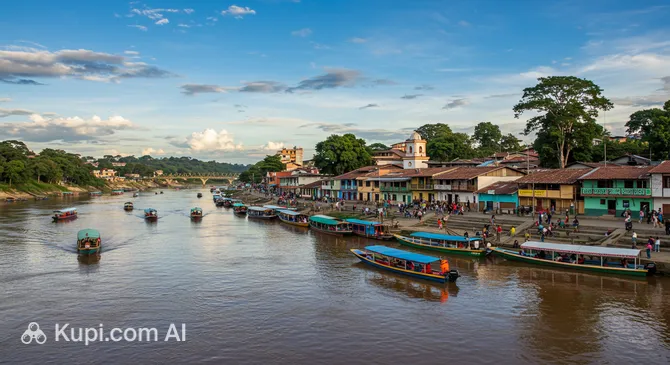
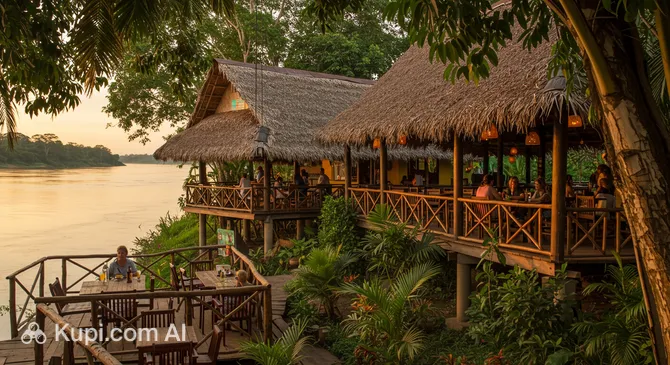
Welcome to Iquitos, a vibrant metropolis nestled deep within the heart of the Amazon Rainforest. As the capital of the Loreto Region in Peru, this city offers a travel experience unlike any other. Despite having a population of approximately 377,609 residents, Iquitos holds the unique distinction of being the largest city in the world that is inaccessible by road, reachable only by boat or plane.
The city's atmosphere is a fascinating blend of frenetic energy and jungle tranquility. Visitors are often captivated by the rich history of Iquitos, which is still visible today in the elegant European-style mansions built during the rubber boom of the late 19th and early 20th centuries. This architectural heritage stands in stark contrast to the surrounding wild nature.
Iquitos. Illustration.
Source: Kupi.com AI
Among the city's top attractions is the famous Iron House (Casa de Fierro), designed by Gustave Eiffel, which was transported from Paris piece by piece. Another must-see is the Belén district, often referred to as the "Venice of the Amazon," where houses float on rafts during the high-water season and a bustling market offers exotic local products. Whether you are planning a deep jungle expedition or simply want to soak up the local culture, Iquitos promises an unforgettable adventure.
Weather Overview
Iquitos experiences a tropical rainforest climate characterized by consistent heat and high humidity throughout the year. Located deep within the Amazon, the city does not see drastic seasonal changes, maintaining a steady rhythm of warm days and regular rainfall. For travelers planning a trip, checking the detailed forecast for the weather in Iquitos is recommended to prepare for the humid jungle environment.
Temperatures remain remarkably stable, with average daily highs hovering between 29°C and 31°C and lows rarely dropping below 22°C. The warmest months are typically September and October, where temperatures can reach up to 31.7°C. Precipitation is a constant feature, with rain occurring frequently regardless of the season. The wettest period, particularly around March and April, sees precipitation on up to 28 days per month, while even the relatively drier month of August still records about 18 wet days.
Average monthly temperature
Average monthly precipitation
Interesting Facts
Beyond the main attractions, Iquitos holds many fascinating secrets hidden within its jungle surroundings. From floating historical monuments to unique culinary traditions, the city offers plenty of surprises for the curious traveler.
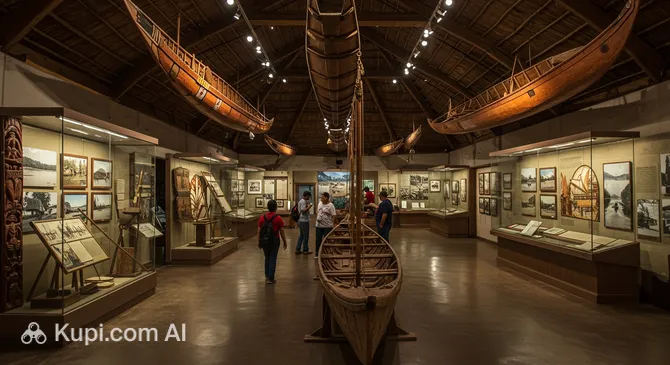
The Boat Museum is not housed in a traditional building but is located aboard the Ayapua, a restored steamship built in Hamburg in 1906. This vessel played a crucial role during the rubber boom and now serves as a floating testament to that opulent era.
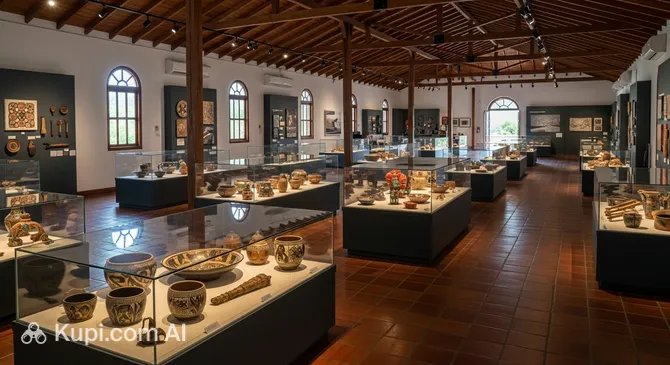
For those interested in anthropology, the Museum of Indigenous Amazonian Cultures provides an in-depth look at the diverse heritage of the Amazon. It features an impressive collection of artifacts representing over 40 different tribes from the Amazon basin.
The waters surrounding the city are home to the Amazon river dolphin, famous for its distinct pink coloration. These intelligent creatures are the subject of numerous local legends, including stories where they transform into humans to charm villagers.
Iquitos is a destination for adventurous eaters, offering local delicacies such as suri. These large palm weevil grubs are a staple of Amazonian cuisine and are typically served grilled on skewers, tasting surprisingly like hazelnuts or butter.
Boat Museum. Illustration.
Source: Kupi.com AI
Traveler photos:
How to Get There
Reaching Iquitos is a unique experience, as it is famously the largest city in the world that cannot be accessed by road. Located deep in the Amazon rainforest, it is effectively an island surrounded by jungle and rivers. The most convenient and common way to arrive is by air, though adventurous travelers can also opt for a multi-day river journey. You can find all ways to reach the city and plan your logistics in detail on our dedicated page.
The primary entry point for visitors is the C.F. Secada Vignetta International Airport (IATA: IQT). Situated approximately 7.8 km from the city center, it is a crucial lifeline for the region. A trip from the airport to downtown Iquitos typically takes about 30 to 35 minutes by taxi or the ubiquitous motocarros. As the main hub for the Loreto Region, the airport handles a significant volume of passengers annually, connecting the Amazon to Lima and other major Peruvian cities.
For clarity, here is a summary of the main airport serving the city:
Since there are no railway stations or highways connecting Iquitos to the rest of Peru, alternative transport options are limited to the waterways. River boats, known locally as lanchas, carry passengers and cargo from port cities like Pucallpa and Yurimaguas. These journeys along the Amazon River and its tributaries move at a slow pace, offering a scenic but lengthy route that can take several days to complete.
Main Attractions
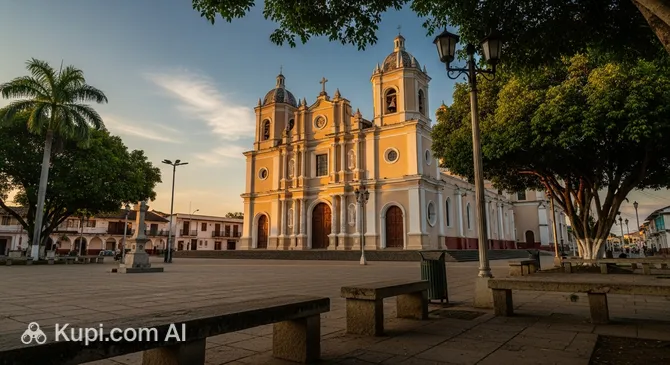
A tour of the city often begins at the heart of the historic center, where the St. John the Baptist Cathedral stands as a prominent landmark. Located on the Plaza de Armas, this neo-Gothic structure was built in the early 20th century and features a striking clock tower. It is a fascinating stop for visitors who want to admire its architectural details and enjoy the vibrant atmosphere of the main square, which serves as a central meeting point for locals and tourists alike.
St. John the Baptist Cathedral. Illustration.
Source: Kupi.com AI
Traveler photos:
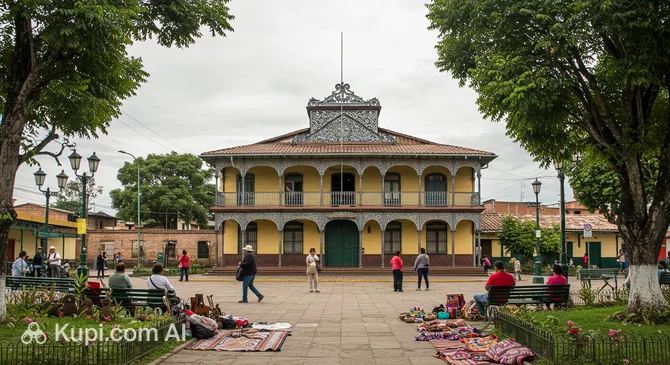
For a more local and relaxed atmosphere, travelers should visit Sargento Lores Square. This charming public space serves as a tribute to a local hero and offers a peaceful retreat from the busier parts of the city. It is a popular spot for evening strolls, where visitors can sit on the benches, enjoy the greenery, and observe the daily life of Iquitos residents in a friendly, community-focused setting.
Sargento Lores Square. Illustration.
Source: Kupi.com AI
Traveler photos:
For a dining experience that doubles as a sightseeing adventure, Al Frio y al Fuego is a must-visit destination. This floating restaurant is anchored in the middle of the Itaya River, accessible only by a short boat ride. It offers a luxurious setting with a central pool and serves exquisite Amazonian cuisine, making it the perfect spot to enjoy a sunset dinner while surrounded by the tranquil waters of the jungle.
Al Frio y al Fuego. Illustration.
Source: Kupi.com AI
Traveler photos:
Another significant public space is the 28th of July Square (Plaza 28 de Julio), the largest plaza in Iquitos. It is a bustling hub of activity, especially in the evenings when families gather to relax and enjoy the cooler air. The square is historically interesting as it houses a vintage steam locomotive that was once used to transport rubber, offering a glimpse into the industrial history that shaped the region.
Local Cuisine
The culinary scene in Iquitos is a vibrant reflection of its location in the heart of the Amazon. Unlike the coastal or Andean cuisines of Peru, the food here relies heavily on the bounty of the jungle and the river. The flavors are exotic, earthy, and often surprising, utilizing fresh river fish, tropical fruits, and distinct regional herbs. For visitors, dining here is an exploration of ingredients that are rarely found outside the rainforest.
One of the most iconic dishes you must try is Juane. Traditionally consumed during the Festival of San Juan, it consists of rice seasoned with turmeric, chicken, olive, and egg, all wrapped tightly in bijao leaves and boiled. The leaves impart a unique aroma to the rice, making it a staple comfort food. Another favorite is Tacacho con Cecina, a hearty meal featuring balls of mashed roasted plantains mixed with lard and spices, served alongside savory smoked pork jerky.
Fish lovers will be in paradise, as the Amazon River provides an abundance of freshwater species. The massive Paiche, one of the largest freshwater fish in the world, is a local delicacy often served grilled or in ceviche. For a traditional cooking method, look for Patarashca, where fish is seasoned with local spices like sacha culantro, wrapped in leaves, and grilled over charcoal to lock in the moisture and flavor.
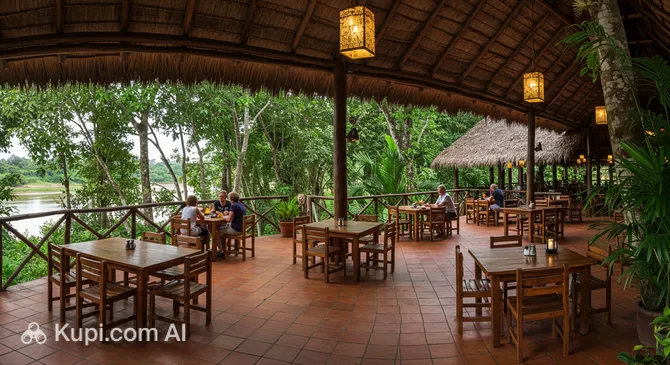
To experience authentic local dining, you might visit Las Terrazas. This restaurant is known for offering a variety of regional dishes in a pleasant atmosphere, allowing you to sample the distinctive tastes of the Amazon in comfort. Whether you are looking for a full meal or a light snack, it is a great spot to immerse yourself in the local gastronomy.
Las Terrazas. Illustration.
Source: Kupi.com AI
Traveler photos:
The beverage culture in Iquitos is equally fascinating. Due to the heat, fresh fruit juices are incredibly popular. Be sure to try Camu Camu, a tart cherry-like fruit with an exceptionally high vitamin C content, or Aguajina, a refreshing drink made from the aguaje palm fruit. For something stronger, the region is famous for its "jungle elixirs"—medicinal roots and barks steeped in aguardiente. These exotic liqueurs often have curious names like 7 Raices (Seven Roots) and are reputed to have various health or aphrodisiac properties.
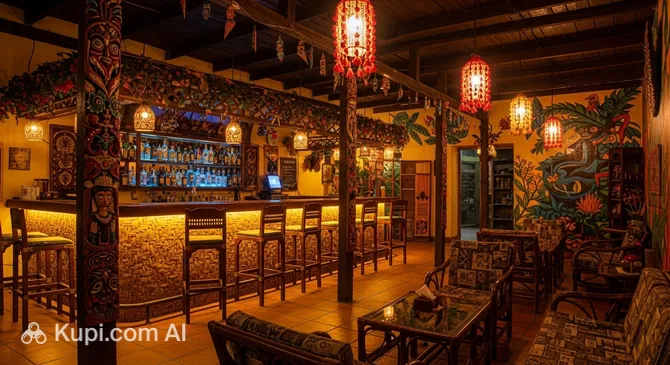
Nightlife and social drinking are also part of the city's charm. Places like Arandú Bar offer a relaxed setting to enjoy these local concoctions while soaking in the riverside vibes. Locals and tourists alike gather in such spots to cool off after a hot day, enjoying cold beers or regional cocktails while listening to the sounds of the jungle city.
Arandú Bar. Illustration.
Source: Kupi.com AI
Traveler photos:
Street food is another pillar of the Iquitos food experience. Walking along the Boulevard or exploring the areas near the main markets, you will find vendors selling grilled plantains, skewers, and exotic fruits. While the bustling Belén Market offers a raw and intense look at the ingredients, many travelers prefer the cleaner, more established eateries and street stalls in the city center to sample these Amazonian treats safely.
Travel Tips
Visiting the "Capital of the Peruvian Amazon" is an adventure that requires a bit more preparation than your average city break. Because Iquitos is isolated from the rest of the country by the dense jungle and accessible only by air or river, it functions with its own unique rhythm and set of rules. To help you navigate the humid streets, bustling markets, and river waterways with ease, we have compiled these essential practical tips for your journey.
Clothing and Gear: Pack for the heat and humidity. Light, breathable fabrics like cotton or linen are essential, and long sleeves are recommended to protect against both the sun and mosquitoes. Since rain can strike suddenly and heavily, always carry a lightweight rain poncho or waterproof jacket. Comfortable, closed-toe walking shoes are best for the city, while rubber boots (often provided by lodges) are necessary if you plan to trek into the jungle.
Transportation: You won't find a traditional metro or many standard taxis here. The king of the road in Iquitos is the motocarro (a motorized rickshaw or tuk-tuk). They are everywhere, cheap, and the most authentic way to get around. Always agree on the fare with the driver before hopping in, as they do not use meters. For river crossing, "peque-peque" boats are the standard mode of transport.
Finances: The local currency is the Peruvian Sol (PEN). While major hotels and some upscale restaurants accept credit cards, cash is absolute king in Iquitos. You will need small bills and coins for motocarros, street food, and market purchases. ATMs are available around the Plaza de Armas, but it is wise to withdraw money during the day in secure locations. Tipping is not mandatory but is appreciated for good service.
Health and Safety: The tropical environment demands vigilance regarding health. Insect repellent containing DEET is non-negotiable to protect against mosquito-borne illnesses. Never drink tap water; stick strictly to bottled or purified water, even for brushing your teeth. Pharmacies are common in the city center, but for serious medical issues, stick to the main clinics or hospitals recommended by your insurance.
Communication: Spanish is the primary language. English is spoken by tour guides and hotel staff, but very few taxi drivers or market vendors will speak it. Learning a few basic phrases like "¿Cuánto cuesta?" (How much?) and "Por favor" (Please) goes a long way. Buying a local SIM card (Claro or Movistar have good coverage) is recommended, as Wi-Fi can be slow or spotty.
Local Etiquette: People in the jungle are generally warm and laid-back. A simple greeting of "Buenos días" or "Buenas tardes" when entering a shop or boarding a boat is polite and expected. When visiting indigenous communities or walking through markets, always ask for permission before taking photos of people, as snapping pictures without consent can be considered rude or intrusive.
What to Avoid: Do not buy souvenirs made from endangered animals, such as feathers, skins, or insect specimens; it is illegal and harmful to the ecosystem. Additionally, avoid wandering into the lower zone of the Belén district alone or with valuables, especially towards the evening, as it can be unsafe for tourists.
Jungle Timing: If you plan to visit the famous Belén Market, go early in the morning, around 7:00 AM to 9:00 AM. This is when the market is most active, the fish is freshest, and the temperature is still relatively manageable before the midday heat kicks in.
Iquitos is a city that rewards those who embrace its chaotic charm and intense nature. By packing the right gear, respecting local customs, and moving with the flow of the Amazon river life, you will ensure that your trip is not just safe, but truly magical. Enjoy the incredible biodiversity and the warm hospitality of the people of the rainforest!
Entertainment & Nightlife
As the tropical sun sets, Iquitos sheds its sweltering daytime heat and transforms into a lively hub of activity. The city’s nightlife is vibrant, unpretentious, and uniquely Amazonian, driven by the rhythmic beats of cumbia and salsa that spill out onto the streets. The epicenter of evening entertainment is the Malecón Tarapacá, the riverside boulevard where locals and tourists gather to enjoy the cool breeze coming off the Itaya River. This area is bustling with street performers, craft vendors, and open-air cafes, making it the perfect place to start your night with a leisurely walk.
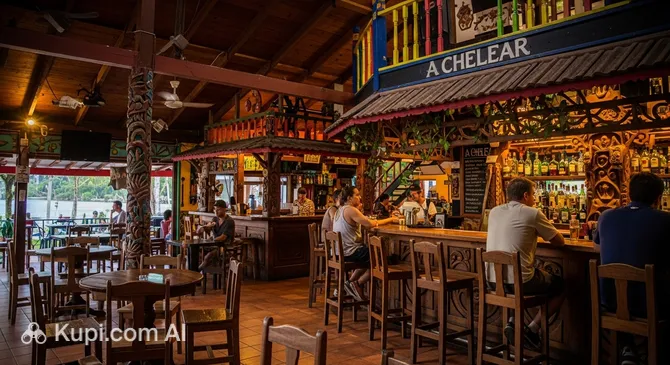
For those looking to dive into the local bar scene, the atmosphere is generally relaxed and welcoming. You won't find strict dress codes here; shorts and t-shirts are the norm even in the evening. A popular stop for a cold drink is A Chelear. This venue captures the essence of Iquitos nightlife, offering a spirited environment where you can enjoy icy beers and engage in conversation with friendly residents. It is an ideal spot to soak up the local vibe before heading to a dance club or a late-night eatery.
A Chelear. Illustration.
Source: Kupi.com AI
Traveler photos:
Beyond the standard bars, Iquitos is famous for its "exotic" cocktail lounges, often referred to as trago corto bars. Here, adventurous souls can sample regional aphrodisiacs and medicinal liquors with names like 7 Raices (Seven Roots) or Rompe Calzón. Venues like the legendary Musmuqui (located near the main square) are institutions in their own right, serving these potent jungle elixirs in a dimly lit, cavernous setting that feels worlds away from a typical city bar.
When navigating the nightlife, safety and transport are straightforward. The most common way to get around is by motocarro. These motorized rickshaws are everywhere, buzzing through the streets at all hours. It is best to agree on a fare before hopping in—usually a few soles for short distances. While the Malecón and the Plaza de Armas are safe for night walks, it is advisable to take a motocarro if you are heading to areas further out or returning to your hotel late at night. Avoid walking alone in poorly lit streets, particularly around the Belén district after dark.
While the night belongs to music and socializing, daytime entertainment in Iquitos offers its own variety of diversions. For families or those seeking outdoor leisure, the Don Pepe Recreation Area provides a pleasant escape with space for activities and relaxation. Alternatively, if you need a respite from the intense jungle humidity, the Iquitos Shopping Mall offers a modern, air-conditioned environment with cinema screens, shops, and food courts, serving as a comfortable contrast to the wild nature surrounding the city.
Parks & Museums
While Iquitos is primarily known as the gateway to the wild Amazon Rainforest, the city itself preserves its heritage and biodiversity through several distinct museums and managed natural areas. Visitors can explore fascinating collections that chronicle the region's indigenous history and the opulent rubber boom era, or visit conservation centers that offer a closer look at the local wildlife without venturing deep into the jungle.
One of the most popular outdoor destinations near the city is the Quistococha Tourist Complex. Located about 15 minutes from the city center, this extensive park features a natural lagoon surrounded by vegetation and, surprisingly, a white sand beach known as "Tunchi Playa." It is a favorite weekend spot for locals to swim and relax. The complex also houses a zoological park where you can see Amazonian fauna, including jaguars, monkeys, and the massive paiche fish, in a setting that integrates the natural forest landscape.
For those interested in wildlife conservation, the Amazon Rescue Center (CREA) is a heartwarming and educational stop. This facility focuses on the rescue, rehabilitation, and release of aquatic mammals, particularly the Amazonian manatee. Visitors receive a guided tour where they learn about the threats these gentle creatures face and, in some cases, have the opportunity to feed the baby manatees. It is an inspiring experience that highlights the importance of protecting the Amazon's delicate ecosystem.
In terms of cultural heritage, the Museum of Indigenous Amazonian Cultures stands out as a premier institution. Situated on the Malecón Tarapacá, this museum offers a comprehensive overview of the diverse indigenous nations of the Amazon basin. The exhibits showcase authentic artifacts, including ceremonial feather headdresses, tools, and clothing, providing deep insight into the cosmovision and daily lives of the tribes that have inhabited the rainforest for centuries.
Museum of Indigenous Amazonian Cultures. Illustration.
Source: Kupi.com AI
Traveler photos:
Another unique cultural venue is the Boat Museum (Museo Barco Histórico Ayapua). Stepping aboard this restored 1906 German steamship is like traveling back in time to the rubber boom era. Moored on the riverbank, the museum displays Victorian-era navigation instruments, uniforms, and period furniture. It offers a tangible connection to the time when Iquitos was one of the wealthiest cities in South America, driven by the export of rubber to Europe and the United States.
For a truly authentic experience, consider taking a short boat ride to the Pilpintuwasi Butterfly Farm and Animal Orphanage. More than just a butterfly garden, this sanctuary rehabilitates wild animals rescued from illegal trafficking. It is one of the few places where you can see the metamorphosis of exotic butterflies up close and observe animals like sloths and anteaters in a protected, semi-wild environment.
Getting Around
Navigating Iquitos is an experience entirely distinct from most other major cities. Due to its isolation in the Amazon rainforest and the lack of road connections to the outside world, the city has developed a unique transport ecosystem. You will not find a metro system, trams, or a complex network of trains here. Instead, the streets are dominated by open-air vehicles and the waterways serve as essential highways for locals and tourists alike.
The undisputed king of the road in Iquitos is the motocarro. These three-wheeled motorized rickshaws, similar to tuk-tuks found in Asia, are everywhere. They function as the primary form of taxi service. They are agile, breezy, and offer an authentic way to see the city. Hailing one is as simple as raising your hand on any street corner; you rarely have to wait more than a few seconds for a driver to pull over.
For longer distances or a more economical journey, you can use the local buses. These are often colorful, large vehicles, sometimes built with wooden bodies, known locally as colectivos. They run on fixed routes, typically connecting the city center with outlying districts like San Juan or the airport area. While they lack air conditioning and can be crowded, they are incredibly cheap and offer a window into the daily life of the residents.
Given the city's geography, water transport is just as important as road transport. To cross the rivers or visit the floating district of Belén, you will use peque-peques. These are small, elongated wooden boats named after the sound of their motors. They act as water taxis, ferrying passengers from the boulevards to nearby communities. For longer river trips, larger speedboats and ferries depart from the main ports.
Payment and Fares: The public transport system in Iquitos operates exclusively on cash. There are no travel cards, passes, or mobile apps for ticketing.
For motocarros, there are no meters. You must negotiate and agree on the fare with the driver before you get in. A typical ride within the city center costs a few Soles, while trips to the airport or further out will cost more.
For buses, you pay the conductor or driver directly upon boarding or exiting; the fare is fixed and very low.
Always carry small coins and banknotes, as drivers often do not have change for large bills.
Standard car taxis do exist, but they are far less common than motocarros. You will mostly find them parked at the airport or near major hotels. They are a good alternative if you have a lot of luggage, are traveling in a group of more than three, or prefer air conditioning (which is rare). Ride-sharing apps are generally not reliable or widely used compared to the instant availability of street-hailed transport.
Practical Advice for Tourists:
1. Safety First: When riding in a motocarro, keep your bags and cameras secure inside the vehicle to prevent snatch-theft from passing motorcycles.
2. Operating Hours: Motocarros run 24/7, though they may be harder to find in remote areas late at night. Buses usually stop running around 10:00 PM or 11:00 PM.
3. Walking: The historic center, particularly around the Plaza de Armas and the Malecón, is compact and best explored on foot.
4. Language: Drivers rarely speak English. Knowing numbers in Spanish and the name of your destination is very helpful for negotiating fares.
Accommodation
Finding the right place to stay in Iquitos depends largely on the type of experience you are seeking. The accommodation landscape is generally divided into two distinct categories: city-based hotels for those who value convenience and urban amenities, and remote jungle lodges for those looking to immerse themselves in the rainforest. Within the city, options range from budget-friendly backpacker hostels to comfortable mid-range hotels, often housed in historic rubber-boom era buildings.
For travelers staying in the city, the most popular and convenient area is the Historic Center, particularly the blocks surrounding the Plaza de Armas and the Malecón Tarapacá. Staying in this vicinity places you within walking distance of the main museums, restaurants, and the scenic riverfront boulevard. It is the best location if you want to explore the local culture, enjoy the nightlife, and have easy access to banks and shops before heading out on a tour.
A unique feature of visiting Iquitos is the opportunity to stay in a jungle lodge. These accommodations are located downriver from the city, accessible only by boat, and offer a completely different experience. They range from rustic, eco-friendly bungalows with limited electricity to upscale, all-inclusive resorts that provide guided excursions and gourmet meals. Staying in a lodge allows you to sleep to the sounds of the Amazon, though it requires more logistical planning than a city hotel.
Regarding costs, accommodation in the city is generally very affordable compared to other major Peruvian destinations. You can find clean, air-conditioned rooms at reasonable rates. Jungle lodges, however, tend to be pricier due to the all-inclusive nature of the packages (transport, food, and guiding) and the logistics of operating in remote areas. Booking tip: If you plan to stay in a popular jungle lodge, it is highly recommended to book weeks or even months in advance, especially during the dry season, as the best spots fill up quickly.
Nearby Cities
For those looking to explore beyond the immediate vicinity, Iquitos serves as a strategic starting point for reaching other significant locations in the Peruvian Amazon. Although direct road access is non-existent, the city functions as a hub for regional connections via air and river transport. These nearby major cities are excellent onward destinations for travelers wishing to experience different facets of the jungle or connect back to the Andean road networks.
One significant destination for a continued journey is Pucallpa. Located on the banks of the Ucayali River, it offers a different perspective of the rainforest compared to Iquitos. Pucallpa is known for its vibrant indigenous art, particularly from the Shipibo-Conibo people, and serves as a vital commercial link where the jungle finally meets the national highway system connecting to the Andes and Lima.
Another captivating spot in the region is Tarapoto, often referred to as the "City of Palms." Situated in the high jungle, it boasts a slightly cooler climate and is surrounded by lush cloud forests. Visitors are drawn to its stunning waterfalls, such as Ahuashiyacu, and its reputation as a center for cacao and chocolate production, providing a scenic contrast to the lowland jungle of Iquitos.
For those interested in traditional river trade routes, Yurimaguas is a charming town known as the "Pearl of the Huallaga." It is an essential port city that connects the northern Andes with the Amazon basin. The town features a beautiful cathedral and bustling markets, offering a glimpse into the daily life of river communities before the landscape transitions into the deep rainforest.
City
Population
Distance
Nauta
2 500
92 km
Requena
25 313
160 km
Trompeteros
—
201 km
El Encanto
2 000
221 km
These destinations offer a glimpse into the diverse culture and landscapes of the broader region, making them perfect additions to an extended Peruvian adventure.
Shopping & Souvenirs
Shopping in Iquitos is less about high-end fashion or luxury brands and more about discovering the unique treasures of the Amazon. The city offers a vibrant commercial scene where modern conveniences meet traditional jungle commerce. Visitors can find everything from essential travel gear and electronics to exquisite indigenous handicrafts that make for meaningful keepsakes. The experience is often colorful and lively, reflecting the energetic spirit of this rainforest metropolis.
The main commercial artery of the city is Jirón Próspero. This bustling street runs through the city center towards the Belén district and is lined with a multitude of shops, pharmacies, banks, and clothing stores. It is the perfect place to soak up the local atmosphere, as vendors spill out onto the sidewalks selling affordable goods, footwear, and textiles. Walking down this street offers a glimpse into the daily buying and selling habits of the Iquiteños.
For those seeking a more modern, air-conditioned environment, the city has a few shopping centers that provide a respite from the heat. The Iquitos Shopping Mall is a popular destination for locals and tourists alike, offering a variety of retail stores, a food court, and cinema screens. Another notable spot is the Quispe Shopping Center, which serves as a convenient stop for general shopping needs. While these malls are modest compared to those in Lima, they are well-equipped hubs for entertainment and comfort.
Iquitos Shopping Mall. Illustration.
Source: Kupi.com AI
Traveler photos:
Markets are the soul of shopping in Iquitos. While the famous Belén Market is primarily for food and exotic ingredients, the best place for souvenirs is the San Juan Artisan Market (Mercado Artesanal de San Juan), located on the Avenida Quiñones. Here, you can browse through stalls run by local artisans offering high-quality craftsmanship without the hustle of the city center. Additionally, the Boulevard (Malecón Tarapacá) often hosts vendors selling handmade jewelry and small trinkets in the evenings.
When looking for souvenirs, the region’s indigenous art is the highlight. Look for intricate geometric textiles and ceramics from the Shipibo-Conibo people, or colorful paintings on bark cloth (llanchama). Carved wooden figures made from sustainable jungle timber, such as bloodwood (palo sangre), are also popular. Jewelry made from Amazonian seeds (huayruro) and scales of the paiche fish are unique, eco-friendly gifts. Important: strictly avoid purchasing items made from endangered animals, such as butterfly wings, stuffed reptiles, or bird feathers, as this is illegal and harms the ecosystem.
Opening hours for most shops in the city center are typically from 9:00 AM to 1:00 PM and then from 4:00 PM to 8:00 PM, observing a midday break for the hottest part of the day, although larger supermarkets and malls stay open continuously until around 10:00 PM. Payment is predominantly in cash (Peruvian Soles), especially in markets and smaller stores. While the malls and larger restaurants accept credit cards (Visa and Mastercard), it is essential to carry small bills for street vendors and motocarros.
Regarding tax-free shopping, Peru does have a system allowing foreign tourists to claim a refund on the General Sales Tax (IGV) at affiliated "Tax Free" stores. However, finding such authorized retailers in Iquitos is rare compared to Lima or Cusco. Furthermore, the Loreto region operates under specific tax laws that often exempt local transactions from IGV, making the standard refund process less relevant for most casual purchases here.