Support

Sao Paulo

About

Welcome to Sao Paulo, a colossal metropolis that pulses with energy around the clock. As the financial and cultural heartbeat of Brazil, this city offers an overwhelming array of experiences, from high-end gastronomy to vibrant street art. Often referred to affectionately as "Sampa" by locals, it is a place where concrete skyscrapers meet lush green spaces, creating a unique urban landscape that never fails to impress.
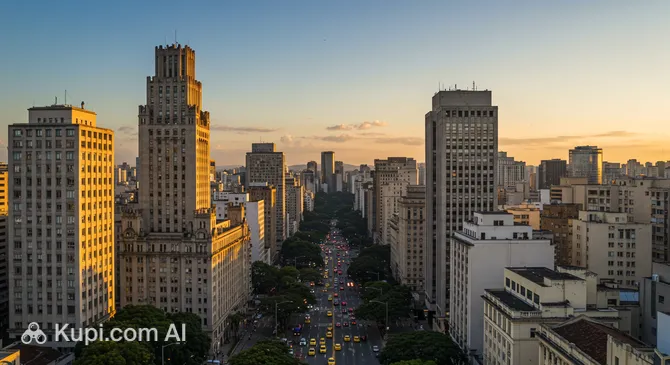
Sao Paulo. Source: Kupi.Binoculars

Located in the southeastern part of the country on the Piratininga Plateau, the city sits at an elevation that provides a relatively mild, albeit sometimes unpredictable, climate. With a staggering population of over 23 million people in its metropolitan area, it stands as the most populous city in the Southern Hemisphere and the Americas. This immense scale contributes to its status as a global city with significant influence in commerce, arts, and entertainment.

The city is a true melting pot of cultures, shaped by centuries of immigration from Europe, Asia, and the Middle East. Exploring the history of Sao Paulo reveals how a modest Jesuit mission transformed into an industrial and economic powerhouse. Today, this diverse heritage is vividly reflected in neighborhoods like Liberdade, which houses the largest Japanese community outside of Japan, and the Italian-influenced district of Bixiga.

Travelers will find no shortage of attractions to explore. The iconic Paulista Avenue is a must-visit, lined with modern architecture, shopping centers, and the famous Sao Paulo Museum of Art (MASP). For a break from the urban bustle, Ibirapuera Park offers a sprawling green oasis perfect for jogging, picnics, and visiting cultural pavilions. Additionally, the city is renowned as a gastronomic capital, boasting thousands of restaurants that serve everything from traditional feijoada to world-class pizza.

Whether you are visiting for business or leisure, Sao Paulo invites you to dive into its dynamic atmosphere. It is a destination that rewards the curious traveler with endless discoveries, vibrant nightlife, and a warm, welcoming spirit.
Weather Overview

Sao Paulo enjoys a subtropical climate, generally defined by mild temperatures and distinct wet and dry periods. Due to its location on a plateau, the city avoids the sweltering heat found in other parts of Brazil, making it a comfortable destination year-round. Expect warm, humid summers with frequent rain and cooler, drier winters.

The summer season, spanning from December to March, brings the warmest weather. Average temperatures hover around 23°C, with daytime highs reaching up to 27.1°C in January. However, this period is also characterized by high humidity and frequent rainfall; January is particularly wet, with rain recorded on up to 24 days of the month, so packing an umbrella is essential.

In contrast, the winter months from June to August offer a different atmosphere. The weather becomes significantly drier, with July seeing as few as 4 wet days. Temperatures drop during this time, averaging around 17°C to 18°C, with nighttime lows occasionally dipping to 12.1°C. To plan your trip with the most accurate forecast, be sure to check the detailed weather in Sao Paulo.

Interesting Facts

Beyond the main attractions and towering skyscrapers, Sao Paulo holds many fascinating secrets that surprise even the most seasoned travelers. This sprawling metropolis is a city of superlatives and unique cultural quirks that define its vibrant character.

São Paulo Museum of Art. Source: Kupi.Binoculars
  • Sao Paulo is home to the largest Japanese community outside of Japan. The Liberdade district is the heart of this cultural fusion, featuring traditional red torii gates, Japanese gardens, and a vast array of authentic Asian restaurants and shops.

  • The city boasts one of the largest private helicopter fleets in the world. To bypass the legendary traffic jams, many executives and wealthy residents take to the skies, resulting in a skyline dotted with hundreds of helipads.

  • Gastronomy is taken very seriously here, especially when it comes to pizza. Locals consume more than one million pizzas every single day, making the city one of the top pizza capitals globally, rivaling even cities in Italy.

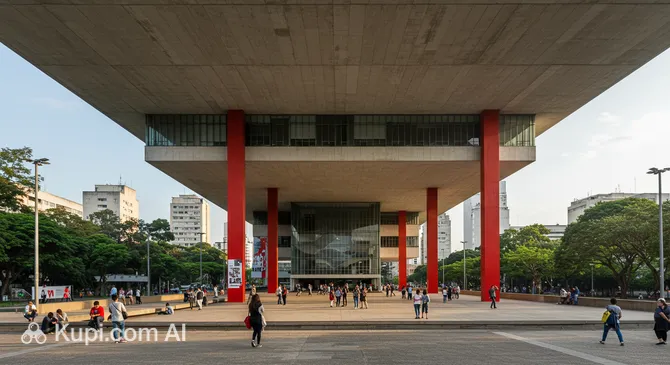
  • The iconic São Paulo Museum of Art is an architectural marvel designed by Lina Bo Bardi. The main structure is suspended in the air by two massive red beams, creating a free public plaza underneath known as the "Vão Livre."

  • At the Municipal Market of São Paulo, you can find a culinary legend: the massive mortadella sandwich. This towering snack is packed with nearly half a kilogram of meat and has become a must-try symbol of the city's hearty appetite.

How to Get There

Sao Paulo is the primary transportation hub of Brazil, making it easily accessible from almost anywhere in the world. Whether you are arriving from an international destination or a neighboring city, you have several options for reaching the metropolis. For a complete guide on all available transport methods, you can read more about how to get to Sao Paulo.

The main gateway for international travelers is Sao Paulo-Guarulhos International Airport (IATA: GRU). Located approximately 21.3 km from the city center, it handles the vast majority of long-haul flights. A taxi or car ride from here typically takes around 50 to 55 minutes, depending on traffic conditions. This is a large facility with extensive services, connecting the city to major global capitals.

For domestic flights, Sao Paulo/Congonhas Airport (IATA: CGH) is the most convenient option. It is situated just 8.1 km from the downtown area, making the commute significantly shorter—usually about 35 minutes by road. Due to its proximity to the city, it is a favorite for business travelers and those flying from other Brazilian cities.

Another significant option is Viracopos Airport (IATA: VCP), located about 79.1 km from Sao Paulo. While it is further away, taking roughly 2 hours and 20 minutes to reach by car, it serves as a major hub for certain airlines and offers numerous connections. Travelers often choose this airport for specific domestic routes or cargo services.

For clarity, here is a summary of the main airports:

Airport Name City Passenger Traffic Km from City
Sao Paulo-Guarulhos International Airport Sao Paulo Very Large 21.3
Sao Paulo/Congonhas Airport Sao Paulo Large 8.1
Viracopos Airport Sao Paulo Large 79.1
Sao Jose dos Campos Sao Jose dos Campos Small 87.3
Sao Paulo Catarina Airport Aracariguama 56.6

Main Attractions

Sao Paulo is a city of endless possibilities, offering a rich tapestry of cultural, historical, and recreational experiences. From sprawling green spaces to architectural marvels, the metropolis caters to every type of traveler. Exploring its diverse neighborhoods reveals the unique character that makes this urban giant so captivating.

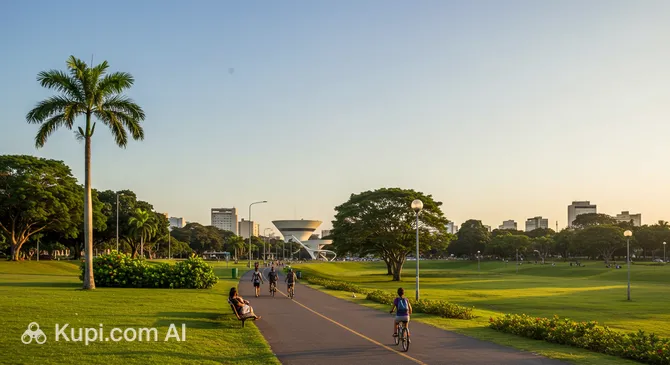
One of the most beloved spots in the city is Ibirapuera Park. Often compared to Central Park in New York, this vast green oasis is a favorite among locals for jogging, picnicking, and leisure. Beyond its natural beauty, the park is a cultural hub designed by renowned architect Oscar Niemeyer, housing important venues like the Afro Brazil Museum and the Museum of Modern Art. It is the perfect place to escape the concrete jungle and enjoy a relaxing afternoon.

Ibirapuera Park. Source: Kupi.Binoculars

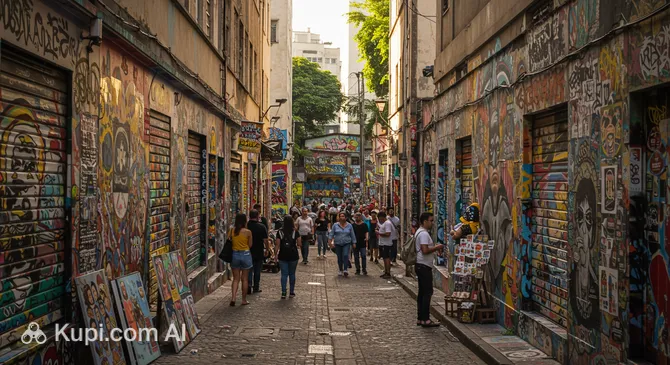
For those interested in urban art, Batman Alley (Beco do Batman) is an absolute must-see. Located in the bohemian Vila Madalena neighborhood, this open-air gallery features a constantly changing display of vibrant graffiti and street art. Every inch of the walls along these narrow cobblestone streets is covered in colorful murals, making it one of the most photogenic locations in the city and a testament to Sao Paulo's creative spirit.

Batman Alley. Source: Kupi.Binoculars

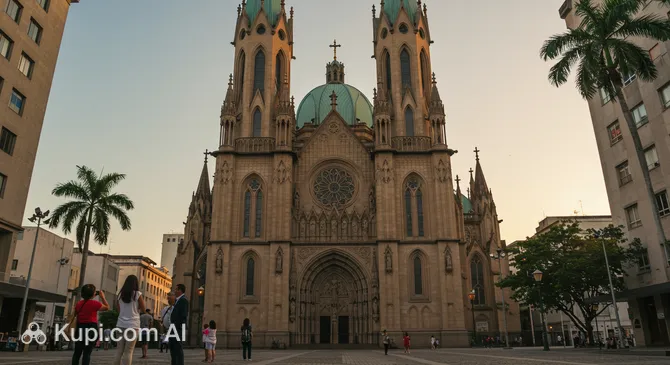
Standing tall in the city center is the imposing São Paulo Cathedral, also known as Catedral da Sé. This Neo-Gothic masterpiece is one of the largest churches in Brazil and features a stunning copper dome and intricate stained glass windows. Visitors can explore the main nave or descend into the crypt, which houses the tombs of bishops and historical figures. The cathedral marks the "Marco Zero," the geographical center of the city.

São Paulo Cathedral. Source: Kupi.Binoculars

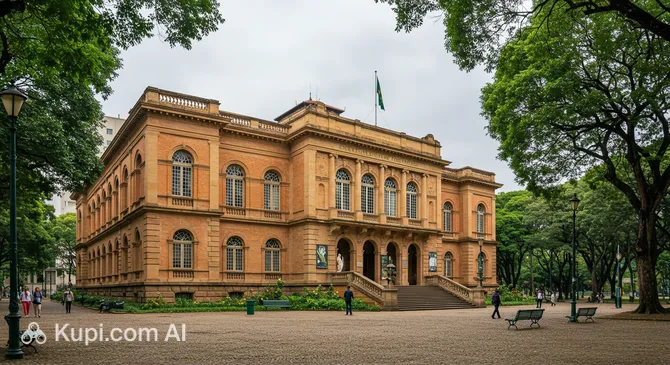
Art enthusiasts should not miss the Pinacoteca of São Paulo, the oldest art museum in the city. Housed in a striking 19th-century brick building near the Luz station, the museum showcases a significant collection of Brazilian art from the 19th century to the present day. The renovation by architect Paulo Mendes da Rocha beautifully blends the historic structure with modern elements, creating a unique setting for appreciating the artworks.

Pinacoteca of São Paulo. Source: Kupi.Binoculars

Finally, in a country famous for its passion for soccer, the Museum of Football is a fascinating destination. Located beneath the stands of the historic Pacaembu Stadium, this interactive museum tells the history of the sport and its deep connection to Brazilian culture. Through engaging exhibits and multimedia displays, visitors can relive iconic moments and understand why football is considered a religion in Brazil.

Local Cuisine

Sao Paulo is widely regarded as the gastronomic capital of Brazil, offering a culinary landscape as diverse as its population. With profound influences from Italian, Japanese, Lebanese, and Portuguese immigrants, the city serves up everything from high-end fusion cuisine to mouthwatering street food. For food lovers, "Sampa" is a paradise where you can dine in a different part of the world every night without ever leaving the city limits.

One of the most traditional dishes you must try is the Virado à Paulista. Originating from the region's early history, this hearty meal consists of rice, tutu de feijão (bean paste), a pork chop, sausage, crispy kale, a fried egg, and a fried banana. It is typically served on Mondays in many local restaurants. Another local favorite is the Coxinha, a tear-drop-shaped chicken croquette that is the undisputed king of Brazilian snacks. You will find the best ones in humble snack bars and traditional bakeries known as padarias.

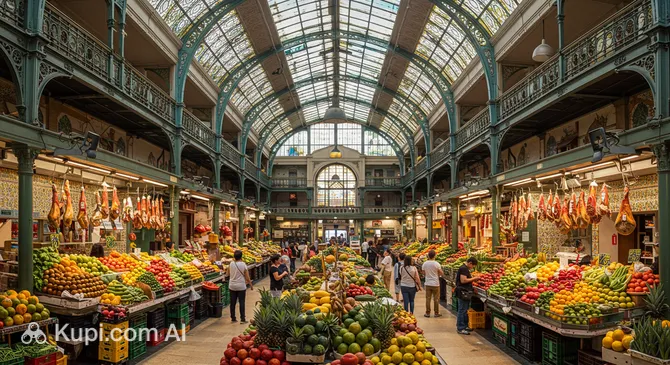
Municipal Market of São Paulo. Source: Kupi.Binoculars

No culinary tour is complete without a visit to the Municipal Market of São Paulo. This historic building is famous for two things: an incredible variety of exotic fruits and the legendary mortadella sandwich. This massive sandwich is stacked high with layers of Italian meat and melted cheese, challenging even the biggest appetites. While there, you can also sample Pastel de Bacalhau (codfish pastry), another market staple that locals adore.

For meat lovers, the Brazilian churrascaria is an essential experience. These steakhouses serve meat "rodízio" style, where waiters continuously bring skewers of various cuts to your table until you signal them to stop. A renowned spot to experience this tradition is Fogo de Chão Jardins, where the quality of the service and the beef is exceptional. Additionally, due to the massive Italian heritage, the city's pizza is often cited as some of the best in the world, typically eaten with a knife and fork at Sunday family gatherings.

To wash it all down, the quintessential drink is the Caipirinha, made with cachaça, sugar, lime, and ice. It is refreshing and potent. If you prefer something non-alcoholic, try Guaraná, a sweet, berry-based soda unique to Brazil, or Caldo de Cana (fresh sugarcane juice), which pairs perfectly with a deep-fried pastel at local street fairs. Coffee culture is also deeply ingrained here, with locals enjoying strong, small cups of coffee, known as cafezinho, throughout the day.

Travel Tips

Visiting a metropolis as vast and dynamic as Sao Paulo can be exhilarating, but a little preparation goes a long way in ensuring a smooth trip. To help you navigate the "concrete jungle" with the confidence of a local, here are some practical tips covering everything from safety to social norms.

  1. Clothing and Gear: The weather in Sao Paulo is famously unpredictable, often earning the nickname "Cidade da Garoa" (City of Drizzle). Pack layers, as a sunny morning can quickly turn into a chilly, rainy afternoon. A waterproof jacket and a sturdy umbrella are essential items, especially in summer (December to March). Comfortable walking shoes are a must for exploring the hilly streets. While the dress code is generally casual and urban, modest attire covering shoulders and knees is recommended if you plan to enter religious sites like the São Paulo Cathedral.

  2. Transportation: The subway system, known as the Metrô, is one of the best ways to get around; it is clean, safe, and efficient, though it gets very crowded during rush hours (7–9 AM and 5–7 PM). For destinations not reached by rail, ride-hailing apps like Uber and 99 are extremely popular, safe, and often more convenient than hailing street taxis. renting a car is generally not recommended for staying within the city due to heavy traffic and complex parking rules.

  3. Finances: The local currency is the Brazilian Real (BRL). Credit and debit cards are widely accepted almost everywhere, from high-end restaurants to street corner snack bars. However, it is wise to carry small amounts of cash for tips or small vendors. ATMs are plentiful, but for safety reasons, always use machines located inside banks or shopping malls rather than those on the street. Tipping is usually included in restaurant bills as a 10% service charge.

  4. Health and Safety: Pharmacies (look for "Farmácia" or "Drogaria") are abundant, with major chains like Droga Raia or Drogasil often open 24/7. Regarding safety, Sao Paulo requires the same vigilance as any major global city. Avoid using your mobile phone openly on the street to prevent snatching, and keep your belongings close in crowded areas. While neighborhoods like Vila Madalena are lively at night, the historic center (Centro) can be unsafe after dark, so it is best to explore that area during the day or with a guide.

  5. Communication: The official language is Portuguese. While staff in major hotels and business centers often speak English, it is not widely spoken by the general public. Learning a few basic phrases like "Bom dia" (Good morning) and "Obrigado" (Thank you) will be greatly appreciated. WhatsApp is the primary tool for communication in Brazil; most businesses use it for reservations and inquiries. Buying a local SIM card or an e-SIM is highly recommended for navigation and translation apps.

  6. Local Etiquette: Brazilians are warm and informal. Greetings often involve a handshake, a hug, or a kiss on the cheek (usually one in Sao Paulo), even among new acquaintances in social settings. The "thumbs up" gesture is universally used to say "yes," "thanks," or "okay." Punctuality can be flexible for social gatherings, where arriving 15–30 minutes late is normal, but business meetings generally start on time.

  7. What to Avoid: Do not drink tap water; always opt for filtered or bottled water to avoid stomach issues. Additionally, avoid making the "OK" hand sign (forming a circle with thumb and index finger), as it is considered an offensive gesture in Brazil. Finally, never flush toilet paper down the toilet; use the small bin provided next to it, as the plumbing systems are not designed for paper.

  8. Sunday on Paulista: A fantastic local hack is to visit Paulista Avenue on a Sunday. The avenue is closed to cars from morning until late afternoon, transforming into a massive pedestrian park filled with musicians, artisans, and families. It is the perfect time to soak up the city's vibe without the noise of traffic.

Armed with these tips, you are ready to embrace the chaotic charm of Sao Paulo. Whether you are navigating the metro to an art exhibit or ordering a cafezinho at a local bakery, keeping these practicalities in mind will help you focus on enjoying the rich culture and incredible energy of this unique city.

Entertainment & Nightlife

Sao Paulo is a city that truly never sleeps, boasting a nightlife scene as vast and diverse as its population. From gritty underground clubs to sophisticated rooftop bars, the metropolis offers entertainment options for every taste and budget. The energy here is contagious, with locals known as "Paulistanos" taking their leisure time seriously, often partying well into the sunrise.

The heart of the city's bohemian life beats in the Vila Madalena neighborhood. This district is famous for its high concentration of botecos (traditional bars), where crowds spill out onto the sidewalks to enjoy cold beer and animated conversation. It is a casual, artistic area perfect for bar-hopping. In contrast, Vila Olímpia caters to a more upscale crowd, featuring high-end nightclubs with electronic music and strict dress codes. For those seeking diversity and an alternative vibe, Rua Augusta connects the center to the Jardins district and is a hub for everything from rock bars to LGBTQ+ friendly venues.

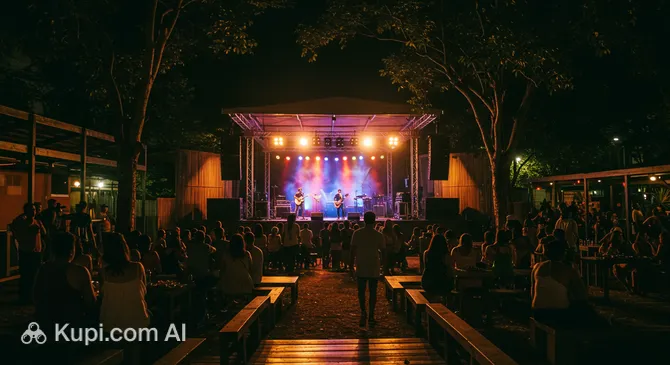
For a truly authentic Brazilian experience, you should visit Canto da Ema in the Pinheiros district. This beloved venue is dedicated to forró, a popular northeastern Brazilian dance and music style. It offers a welcoming atmosphere where you can watch live bands and even take a dance lesson to learn the basic steps.

Canto da Ema. Source: Kupi.Binoculars

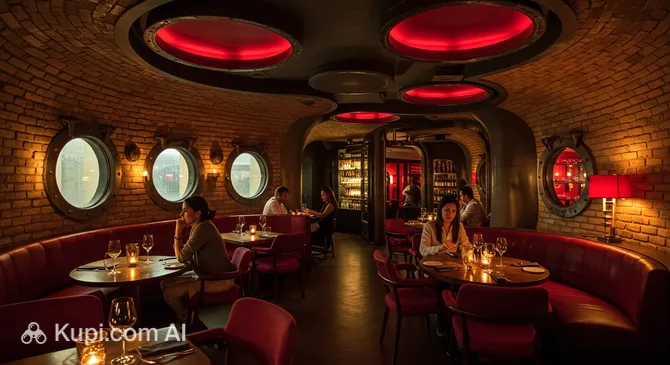
If you prefer a more sophisticated evening with breathtaking views, the rooftop bar at Hotel Unique is an iconic destination. Known as Skye Bar, it features a crimson pool and offers panoramic vistas of Ibirapuera Park and the city skyline, making it an ideal spot for sunset cocktails or a glamorous night out.

Hotel Unique. Source: Kupi.Binoculars

When planning your night, keep in mind that the party starts late in Sao Paulo. Bars typically get busy around 9:00 PM, while nightclubs often do not fill up until after 1:00 AM. Many venues operate with a "consumação" system, where your entrance fee can be used as credit towards drinks. Regarding safety, it is highly recommended to use ride-sharing apps or taxis to move between venues at night. Avoid walking in empty streets after dark, even in popular districts.

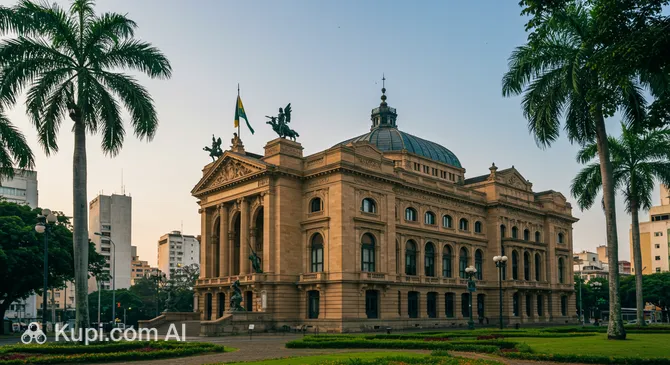
Beyond the nightlife, the city offers rich daytime entertainment. Culture lovers should visit the Municipal Theatre of São Paulo, an architectural jewel that hosts operas, ballets, and orchestral performances. For family fun or a romantic evening view, the Roda Rico is the largest Ferris wheel in Latin America, providing a unique perspective of the sprawling urban landscape.

Municipal Theatre of São Paulo. Source: Kupi.Binoculars

Whether you are looking to dance to the rhythm of samba, enjoy a fine dining experience at Vila Olímpia Grill, or simply soak up the electric atmosphere of a busy street corner, Sao Paulo delivers an unforgettable entertainment experience.

Parks & Museums

While Sao Paulo is famous for its skyscrapers, the city is also home to remarkable cultural institutions and green sanctuaries that offer a refreshing counterpoint to the urban pace. Beyond the well-known landmarks, visitors can discover a wealth of specialized museums and lush parks that cater to history buffs, science enthusiasts, and nature lovers alike.

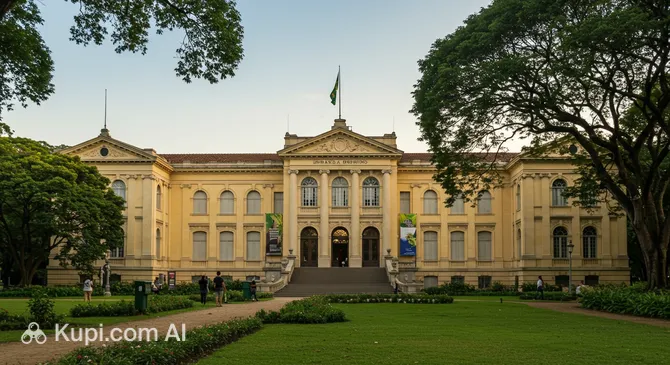
A highlight for history enthusiasts is the Ipiranga Museum (Museu Paulista). Situated on the historic site where Brazil's independence was proclaimed, this monumental building features a stunning collection of art, furniture, and documents from the Empire era. Its majestic architecture is complemented by French-style gardens, making it one of the most visually striking locations in the city.

Ipiranga Museum. Source: Kupi.Binoculars

For an interactive educational experience, the Catavento Museum is an exceptional destination, especially for families. Housed in the historic Palácio das Indústrias, this science museum encourages visitors to touch and participate in exhibits covering astronomy, physics, and biology. Another architectural and cultural gem is the Latin America Memorial, a complex designed by Oscar Niemeyer that hosts art exhibitions and celebrates the cultural integration of Latin American nations.

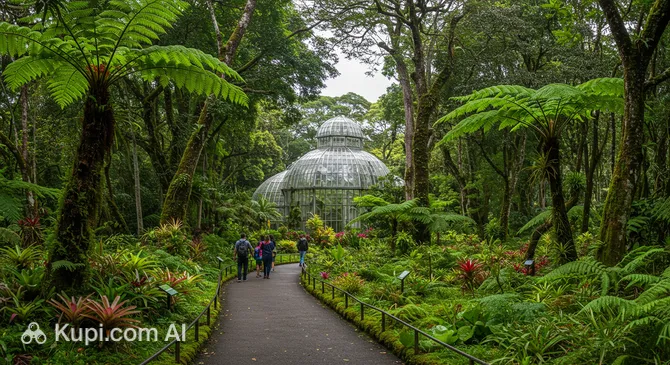
Those seeking tranquility should head to the São Paulo Botanical Garden. Located in the south of the city, this peaceful reserve protects a significant area of the Atlantic Rainforest. Visitors can walk along serene trails lined with orchids, water lilies, and native trees, often spotting monkeys and colorful birds in their natural habitat.

São Paulo Botanical Garden. Source: Kupi.Binoculars

For outdoor sports and leisure, Villa-Lobos Park offers vast open spaces, bike paths, and courts, drawing crowds on weekends for concerts and recreation. If you prefer a more adventurous outing, Jaraguá State Park features trails that lead to the highest point in Sao Paulo, rewarding hikers with breathtaking panoramic views of the metropolis.

Wildlife lovers have excellent options as well. The São Paulo Zoo is one of the largest in the country, housing thousands of animals in spacious enclosures. Alternatively, the São Paulo Aquarium offers a journey through various aquatic ecosystems, from the Amazon River to the icy waters of Antarctica, complete with polar bears and kangaroos.

Getting Around

Navigating Sao Paulo is an adventure in itself, given the city's immense size and constant movement. Fortunately, the metropolis boasts a comprehensive and integrated public transport network that serves as a lifeline for millions of residents and visitors. The system is primarily composed of the Metrô (subway), CPTM (suburban trains), and an extensive fleet of municipal buses. For tourists, the rail network is generally the most efficient, safe, and traffic-free way to reach major attractions and neighborhoods.

The Metro and CPTM trains work seamlessly together, effectively functioning as a single massive network with free transfers between lines within stations. The lines are color-coded and numbered, making navigation relatively straightforward even for non-Portuguese speakers. The yellow line (Line 4) and lilac line (Line 5) are particularly modern and driverless, connecting key tourist areas like Paulista Avenue and Ibirapuera. Stations are typically clean, well-lit, and guarded, offering a reliable escape from the city's legendary traffic jams.

For destinations not covered by rail, the municipal buses, managed by SPTrans, fill the gaps. You will see thousands of buses navigating the city, often using exclusive corridors that allow them to bypass congestion. While the bus system is vast, it can be complex for newcomers. It is highly recommended to use navigation apps like Google Maps or Moovit to plan your bus routes, as they provide real-time arrival estimates and indicate exactly which stop to use.

The payment system has modernized significantly. The most convenient option for getting around is the Bilhete Único, a rechargeable smart card that is accepted on buses, the metro, and trains. It offers the benefit of fare integration, allowing you to take up to four buses within a three-hour window for the price of one, or receive a discount when transferring between rail and bus. While tourists can buy a version of this card, for short stays, it is often easier to purchase single-ride tickets. These are now largely digital QR Codes, which can be bought via the "TOP" app, at self-service machines in stations, or even via WhatsApp. The fare for a single trip is approximately 5.00 BRL.

Practicality is key when using the system. The rail network generally operates from 4:40 AM to midnight, extending until 1:00 AM on Saturdays. Be mindful of rush hours (roughly 7:00–9:00 AM and 5:00–7:00 PM), when trains can become incredibly crowded. During these times, "pushers" are not used, but personal space is non-existent. For safety, always carry your backpack on your front and keep valuables secure, although the metro is statistically one of the safest places in the city.

If you prefer more privacy or are traveling late at night, ride-sharing apps like Uber and 99 are extremely popular, safe, and often surprisingly affordable. They are widely preferred over hailing street taxis, although official white taxis are reliable and can use bus lanes, which is a significant advantage during peak traffic. For short distances in flat areas like Faria Lima or Ibirapuera Park, bike-sharing systems such as "Bike Itaú" are available; you simply unlock an orange bike using an app and return it to any nearby station.

A special feature worth noting for transport enthusiasts is the historic Luz Station. Built in the late 19th century with structures imported from England, it is not just a major transport hub but also a stunning architectural landmark housing the Portuguese Language Museum. Additionally, on weekends, the CPTM operates the Expresso Turístico (Tourist Express), a retro train ride departing from Luz that takes passengers to charming nearby towns like Paranapiacaba and Jundiaí, offering a nostalgic journey through the history of the railway.

Accommodation

Accommodation in Sao Paulo is as diverse as the city itself, catering to every type of traveler and budget. Whether you are looking for a luxurious five-star suite, a practical business hotel, or a vibrant hostel to meet fellow backpackers, the metropolis has it all. The sheer size of the city means that choosing the right location is crucial for a convenient stay, saving you time in traffic and keeping you close to the main attractions.

For most tourists, the neighborhoods of Jardins and the region around Paulista Avenue are the most recommended areas. These districts offer a blend of safety, excellent infrastructure, and walkability, placing you steps away from museums, high-end shopping, and great restaurants. If you prefer a more bohemian atmosphere with a lively nightlife scene, the Vila Madalena and Pinheiros districts are fantastic choices, filled with charming guesthouses and modern hostels. For business travelers, the Itaim Bibi and Vila Olímpia areas are the financial hubs, populated with sleek, modern hotels.

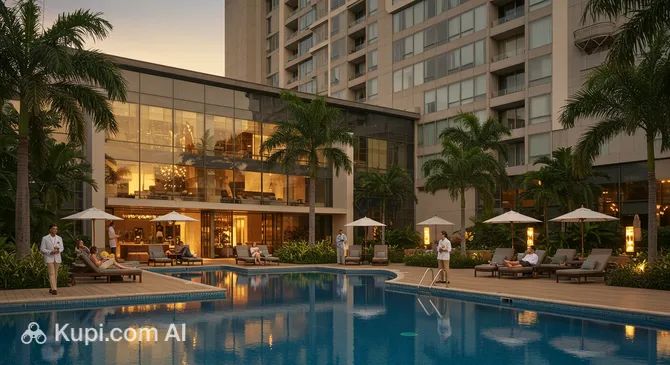
Travelers seeking a premium experience with world-class amenities will find excellent options in the city. One standout choice is the Grand Hyatt São Paulo, located in the prestigious Berrini district. This hotel is known for its sophisticated design, panoramic views of the Estaiada Bridge, and exceptional service, making it a favorite for both leisure and business visitors.

Grand Hyatt São Paulo. Source: Kupi.Binoculars

For those looking to escape the urban density without leaving the region, the Terras Altas Hotel offers a resort-style experience. Surrounded by nature, it provides a peaceful retreat with extensive leisure facilities, perfect for families or anyone needing a break from the fast pace of the city center.

Prices in Sao Paulo can vary significantly depending on the season and the neighborhood. While budget accommodation is widely available, rates at top-tier hotels can spike during major events like the Formula 1 Grand Prix or the Lollapalooza festival. It is highly advisable to book in advance if your trip coincides with these large events. Most bookings can be easily made via major online platforms, and credit cards are universally accepted for payment.

Nearby Cities

For those looking to explore the surroundings, Sao Paulo serves as an excellent base for day trips to several interesting nearby locations:

One of the most popular escapes is Santos, a historic port city located about 70 kilometers from the capital. It offers a perfect mix of culture and coastline, featuring the fascinating Coffee Museum, a historic tram line, and the longest beachfront garden in the world. Just a short ferry ride away lies Guarujá, known for its beautiful sandy beaches like Enseada and Pitangueiras, making it a favorite spot for sunseekers.

For art and culture enthusiasts, Embu das Artes is a charming colonial town situated roughly 30 kilometers away. It is famous for its vibrant weekend open-air market, where hundreds of artisans sell paintings, sculptures, furniture, and handicrafts. The town's cobblestone streets, colorful historic buildings, and cozy restaurants serving traditional Brazilian food create a delightful atmosphere for a relaxing day out.

Another unique destination is Paranapiacaba, a small village nestled in the Serra do Mar mountains. built by a British railway company in the 19th century, it retains a distinct Victorian English architectural style. The village is often shrouded in mist, adding to its mysterious allure, and hosts an annual winter festival that draws visitors to explore its railway museum and surrounding nature trails.

City Population Distance (km)
Guarulhos 1324781 15
Sao Bernardo do Campo 816925 18
Santo Andre 721368 21
Osasco 694844 16
Mauá 453286 22

These nearby destinations offer a glimpse into the diverse culture and landscapes of the region.

Shopping & Souvenirs

Shopping in Sao Paulo is an experience that rivals any major global capital, offering a staggering variety that ranges from ultra-luxury boutiques to chaotic, bargain-filled street markets. The city is the commercial heart of Brazil, meaning you can find virtually anything here. Whether you are looking for high-end international fashion, unique local handicrafts, or the latest electronics, the city's retail landscape is vast and diverse, catering to every budget and style.

For those seeking luxury and sophistication, Rua Oscar Freire in the Jardins district is the place to be. Often compared to Rodeo Drive, this tree-lined street is home to flagship stores of top Brazilian designers and international brands. On the complete opposite end of the spectrum is the legendary Rua 25 de Março. As the largest open-air market in Latin America, it is a sensory overload of crowds and commerce where you can buy clothes, toys, and jewelry at unbeatable prices. It is an intense experience, but essential for understanding the city's vibrant trade culture.

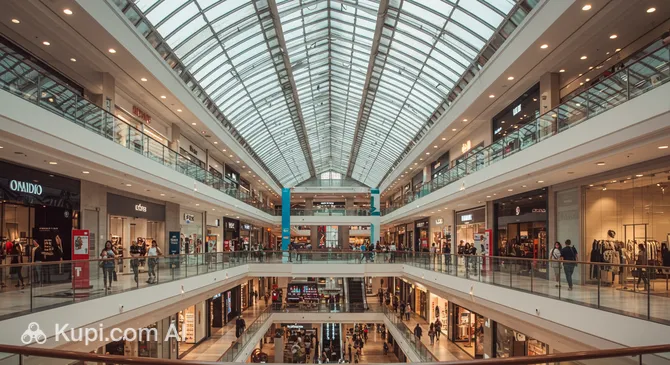
The city also has a deep love affair with shopping malls, which serve as safe, air-conditioned havens for leisure and dining. The Eldorado Shopping Mall is one of the most traditional and beloved spots, featuring a wide range of stores and a large food court. For a truly massive experience, the Aricanduva Shopping Center stands out as the largest shopping complex in Brazil and Latin America, housing not just shops but also auto centers and entertainment facilities.

Eldorado Shopping Mall. Source: Kupi.Binoculars

Markets are another highlight of the shopping scene. While the Municipal Market of São Paulo is famous for its food, it is also a great place to buy exotic spices, hot sauces, and nuts to take home. On Saturdays, the Praça Benedito Calixto in Pinheiros hosts a charming antique and arts fair. Here, you can browse through vintage vinyl, retro furniture, and handmade crafts while enjoying live chorinho music and local street food.

When it comes to souvenirs, there are a few quintessential items to look for. A pair of Havaianas flip-flops is a must; they are cheaper here than anywhere else in the world and come in countless designs. Brazil is also the world's largest producer of coffee, so buying a bag of premium gourmet beans is a great idea. Other popular gifts include bottles of artisanal Cachaça (sugar cane spirit), soapstone carvings, and jewelry made from Brazilian gemstones like amethyst and topaz.

Stores in shopping malls typically open from 10:00 AM to 10:00 PM, Monday through Saturday, with reduced hours on Sundays (usually 2:00 PM to 8:00 PM). Street shops generally operate from 9:00 AM to 6:00 PM and close early on Saturdays, often around 1:00 PM. Credit and debit cards are widely accepted, even by small street vendors. You might notice locals paying in "parcelas" (installments), but this option is usually reserved for Brazilian credit cards; tourists typically pay the full amount upfront.

Regarding tax refunds, it is important to note that Brazil does not currently have a functioning tax-free shopping system for international tourists comparable to those in Europe or the US. The price you see on the tag is the final price, inclusive of all taxes. Therefore, travelers should not expect to claim VAT refunds at the airport upon departure.

Reached the end of the page?

That means the route is fully explored