Support

Paraty

About

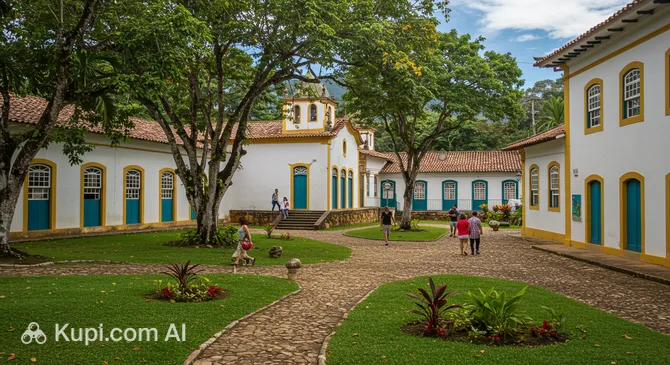
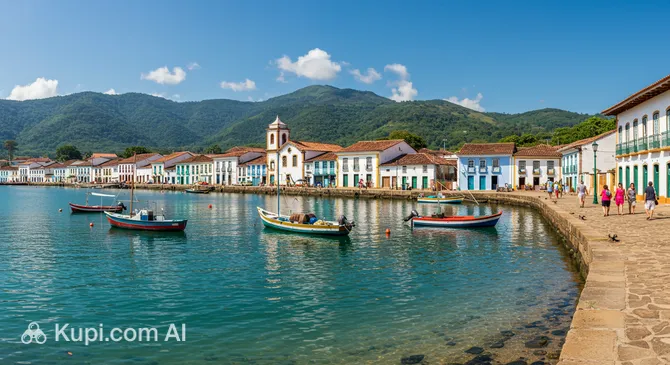
Welcome to Paraty, a captivating destination that seamlessly blends colonial charm with breathtaking natural beauty. Regarded as one of the most picturesque towns in Brazil, it offers visitors a unique journey back in time. With its preserved architecture and laid-back atmosphere, Paraty is a place where the pace of life slows down, allowing travelers to fully immerse themselves in the rich culture and stunning scenery of the Costa Verde (Green Coast).
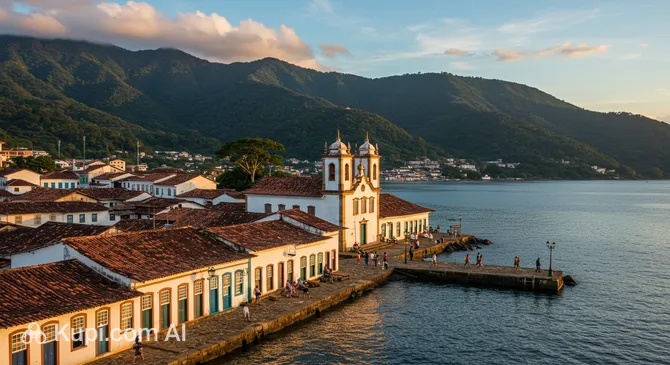
Paraty. Source: Kupi.Binoculars

Located in the state of Rio de Janeiro, the city is nestled between the lush Atlantic Forest and the emerald waters of the sea. Geographically, it sits roughly halfway between the bustling metropolises of Rio de Janeiro and São Paulo, making it an accessible yet secluded retreat. With a population of approximately 37,500 residents, Paraty maintains a cozy, small-town feel despite its international fame. The climate here is tropical, characterized by warm temperatures year-round and frequent rains that keep the surrounding forests vibrant and green.

The town's significance goes far beyond its visual appeal. To truly appreciate its character, it is worth delving into the history of Paraty, which served as a crucial port during the Brazilian Gold Rush. The Historic Center is a UNESCO World Heritage site, famous for its car-free cobblestone streets—known locally as pé-de-moleque—and whitewashed buildings adorned with colorful door and window frames. This area floods during high tides, a unique engineering feature designed to clean the streets naturally.

Beyond the historic streets, Paraty is a paradise for nature lovers. Visitors can take traditional schooner boats to explore the pristine islands and secluded beaches of the bay, or venture into the mountains to discover hidden waterfalls and historic cachaça distilleries. Whether you are wandering through its artistic alleyways or swimming in its crystal-clear waters, Paraty promises an unforgettable experience for every traveler.
Weather Overview

Paraty experiences a tropical climate characterized by pleasant temperatures and significant humidity throughout the year. The weather patterns are distinct, offering a mix of warm, rainy periods and cooler, drier seasons. For a more comprehensive breakdown of what to expect during your visit, you can consult the guide to the weather in Paraty.

The summer months, particularly January through March, are the warmest, with average temperatures hovering around 23.5°C and daily highs reaching up to 26.5°C. However, this is also the wettest time of year, with some form of precipitation occurring on as many as 29 days in January. In contrast, the winter season from June to August brings cooler air, with average temperatures dipping to approximately 18.0°C in July. This period is significantly drier, with July seeing only about 8 wet days, making it a popular time for outdoor exploration.

Interesting Facts

Beyond the picturesque colonial facades, Paraty holds many fascinating secrets that reveal its clever urban planning and rich cultural heritage. From architectural mysteries to unique engineering feats, the town offers plenty of surprises for the observant traveler.

  • The historic center was intentionally designed to flood. At high tide, particularly during the full moon, seawater flows into the streets through special openings in the seawalls. This unique colonial engineering feature was created to naturally wash the streets clean and aid in sanitation.

  • Paraty has a deep connection with Brazil's national spirit, cachaça. In the colonial era, the town was such a prolific producer of the sugarcane liquor that the word "Paraty" actually became a synonym for high-quality cachaça throughout the country, a legacy that continues with its annual festival.

  • Observant visitors will notice geometric symbols etched into the stone corners of many historic houses. These are widely believed to be Masonic markings, serving as a secret code to identify the homes of Freemasons or to indicate the hierarchy of the residents within the order during the 18th and 19th centuries.

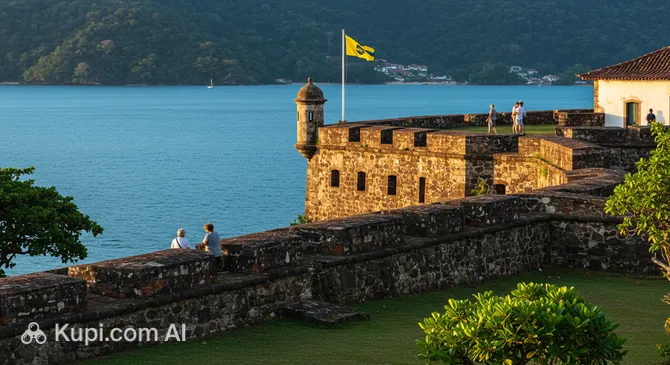
  • The town was once heavily fortified to protect the gold route. The Defender Perpetual Fort Museum is the best-preserved remnant of these defenses, standing on a hill where it once guarded the port against pirates and privateers looking to plunder the gold shipments from Minas Gerais.

Defender Perpetual Fort Museum. Source: Kupi.Binoculars

How to Get There

Reaching this colonial gem is part of the adventure, as the journey takes you through some of Brazil's most scenic coastal landscapes. While the town is secluded, it is well-connected by road to major metropolitan centers. For a comprehensive guide on all available transport options, including buses and private transfers, you can read more about how to get to Paraty.

The city of Paraty does not have its own airport suitable for commercial flights, but you can fly into Galeão Antonio Carlos Jobim International Airport (IATA: GIG) in Rio de Janeiro, which is about 159 km from Paraty. As a large international hub, it offers numerous connections, and the drive to Paraty by taxi or bus takes approximately 4 hours and 20 minutes. Alternatively, many travelers choose Sao Paulo-Guarulhos International Airport (IATA: GRU) in Sao Paulo. Although it is slightly further at 182 km, this major airport handles a vast volume of international traffic, with a travel time to the coast of around 5 hours. For a closer regional option, you might consider Sao Jose dos Campos (IATA: SJK) in the city of Sao Jose dos Campos, located 117 km away, which reduces the road journey to about 3 hours and 15 minutes.

For clarity, here is a summary of the main airports:

Airport Name City Passenger Traffic Km from City
Sao Paulo-Guarulhos International Airport Sao Paulo Very High 181.9
Galeão Antonio Carlos Jobim International Airport Rio de Janeiro High 159.3
Santos Dumont Airport Rio de Janeiro Medium 162.8
Marica Municipal Airport Maricá Low 196.2
Sao Jose dos Campos Sao Jose dos Campos Low 117.3

Main Attractions

Paraty is a treasure trove of cultural and natural wonders, offering visitors a delightful mix of history, art, and coastal beauty. The town's attractions range from centuries-old religious sites to vibrant cultural hubs and serene beaches, ensuring there is something to captivate every traveler.

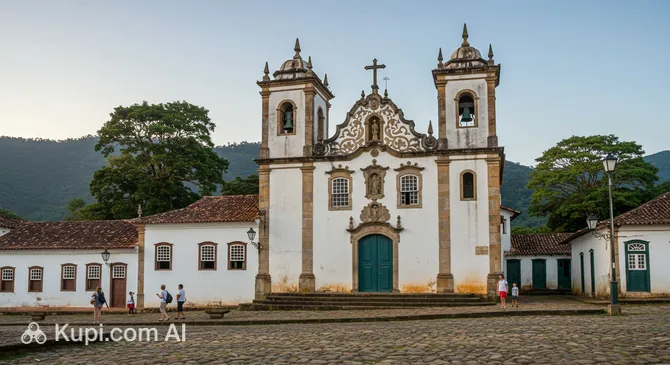
One of the most iconic landmarks in the historic center is the Museum of Sacred Art of Paraty. Housed within the Church of Santa Rita, which dates back to 1722, this museum is often regarded as a postcard symbol of the city. Inside, visitors can admire a valuable collection of religious artifacts, silverware, and colonial furniture that tell the story of the town's devout past and artistic heritage.

Museum of Sacred Art of Paraty. Source: Kupi.Binoculars

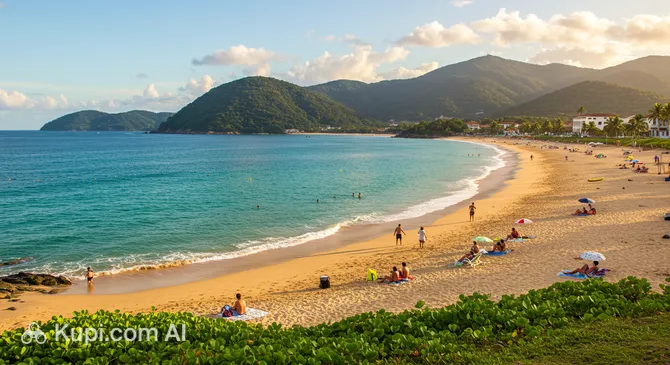
For those looking to relax by the water without venturing far, Jabaquara Beach is an excellent choice. Located just a short walk or drive from the historic center, this beach is famous for its calm, shallow waters and the medicinal mud found at one end, which is celebrated during the traditional "Bloco da Lama" carnival festivities. It is a peaceful spot perfect for a leisurely swim, kayaking, or enjoying fresh seafood at the beachfront kiosks.

Jabaquara Beach. Source: Kupi.Binoculars

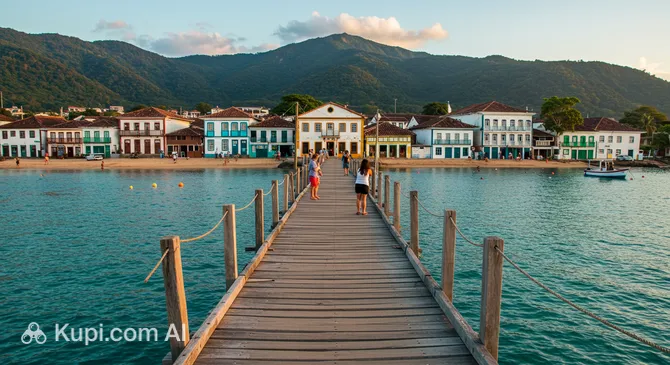
The bustling heart of the town's maritime life is the Paraty Pier. This is the main gateway for the colorful schooners and boats that take tourists to explore the stunning islands and secluded coves of the bay. Even if you are not embarking on a boat trip, the pier offers a magnificent view of the town against the backdrop of lush green mountains, making it a favorite spot for photography and sunset watching.

Paraty Pier. Source: Kupi.Binoculars

Culture enthusiasts should not miss a visit to Sesc Paraty. This dynamic cultural center is a vibrant hub for arts and education, hosting a diverse array of art exhibitions, musical performances, film screenings, and workshops throughout the year. It plays a significant role in the local community and offers tourists a unique chance to engage with contemporary Brazilian art and culture within a beautiful historical setting.

Local Cuisine

Local Cuisine:

Paraty is a destination where history and flavor intertwine, earning it the prestigious title of a UNESCO Creative City of Gastronomy. The local culinary tradition, known as Caiçara cuisine, is a vibrant fusion of Indigenous, Portuguese, and African influences. This coastal heritage relies heavily on fresh ingredients sourced directly from the sea and the surrounding Atlantic Forest, with seafood, manioc flour, and bananas playing starring roles in many traditional recipes.

A quintessential dish to try is Azul-marinho, a hearty stew made with fish and green bananas cooked in an iron pot. The chemical reaction between the banana's tannin and the iron gives the broth a distinct deep blue color, creating a unique gastronomic experience. Another local icon is cachaça. Paraty has been producing this sugarcane spirit for centuries, and it is the key ingredient in the "Jorge Amado," a beloved local cocktail that mixes cachaça infused with clove and cinnamon with passion fruit.

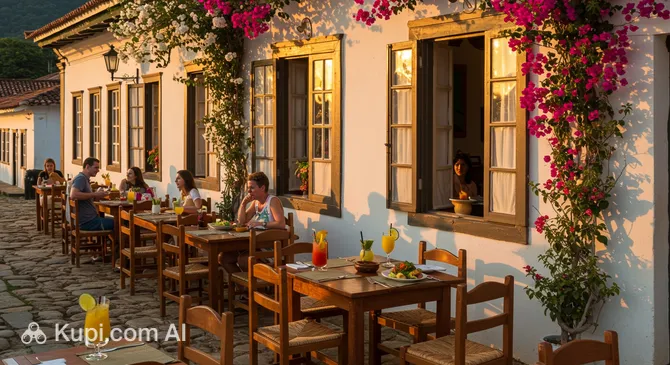
The town offers a diverse dining scene, ranging from sophisticated bistros in the Historic Center to relaxed beachside spots. For those seeking a memorable dining experience, Arte e Sabor is a wonderful option. It is appreciated for its inviting ambiance and a menu that often highlights the best of regional flavors with a creative touch.

Arte e Sabor. Source: Kupi.Binoculars

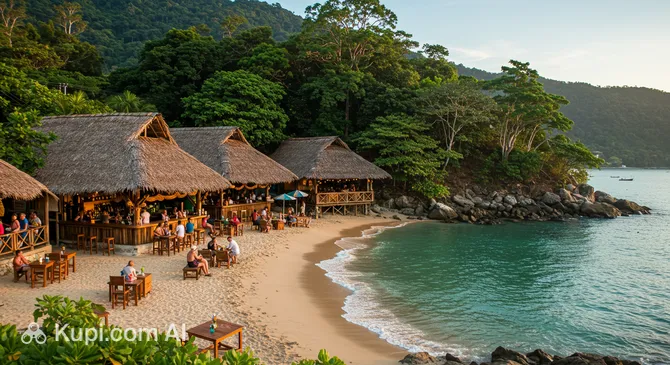
If you prefer a more casual bite, Quintal da Vó Artisan Burger Restaurant serves up delicious handmade burgers in a friendly setting, perfect for a relaxed evening. Meanwhile, those looking to unwind by the sea can visit BalacoBacco Beach Bar. Located near the water, it is an ideal spot to enjoy refreshing drinks and appetizers while taking in the beautiful coastal views of Jabaquara.

BalacoBacco Beach Bar. Source: Kupi.Binoculars

Travel Tips

Visiting Paraty is a delightful experience, but its unique historic infrastructure and tropical setting require a bit of preparation to ensure a smooth trip. These practical tips will help you navigate the cobblestone streets and lush surroundings like a seasoned traveler.

  1. Clothing and Gear: The most important rule for Paraty is to bring comfortable, flat walking shoes. The historic center is paved with irregular cobblestones known as pé-de-moleque, which can be slippery and difficult to walk on. Leave high heels at home; sneakers or sturdy sandals are best. Since the region is part of the "Green Coast," rain is frequent, so pack a lightweight raincoat or umbrella alongside your swimwear and light, breathable fabrics for the heat.

  2. Transportation: The Historic Center is strictly pedestrian-only, so you will be exploring the main sights on foot. To reach nearby beaches like Trindade or waterfalls, local buses run regularly from the main bus station in the commercial center. Taxis and ride-hailing apps are available, but availability can be limited late at night or in remote areas. For island hopping, colorful schooners and small private boats are the primary mode of transport.

  3. Finances: The local currency is the Brazilian Real (BRL). While most restaurants, hotels, and shops in the town center accept credit and debit cards, it is essential to carry cash for small purchases, street food, and boat tours. If you plan to visit secluded beaches or islands, cash is often the only payment method accepted. ATMs are located in the commercial part of town, outside the historic zone.

  4. Health and Safety: Paraty is generally safe for tourists, but standard precautions apply; keep an eye on your belongings in crowded areas. Being surrounded by the Atlantic Forest means mosquitoes are common, so bringing effective insect repellent is mandatory. Pharmacies are plentiful in the new town area along Avenida Roberto Silveira, but it is wise to carry a basic medical kit for minor needs.

  5. Communication: The official language is Portuguese. While staff in hotels and tourist-focused restaurants often speak English, it is not widely spoken by bus drivers or local vendors. Learning a few basic phrases like "Bom dia" (Good morning) and "Obrigado" (Thank you) goes a long way. Wi-Fi is widely available in establishments, but buying a local SIM card (Claro or Vivo are popular choices) is recommended for reliable maps and translation apps.

  6. Local Etiquette: Brazilians are warm and informal. Greetings often involve a handshake or a kiss on the cheek. While Paraty is a beach destination, it is polite to wear a shirt or cover-up when walking through the town, entering shops, or visiting churches; walking around the historic streets in just swimwear is generally frowned upon.

  7. What to Avoid: Avoid wearing high heels or shoes with thin soles in the Historic Center; the risk of twisting an ankle on the large, uneven stones is very real. Also, try to avoid rolling heavy suitcases over these stones—it is loud, difficult, and can damage your luggage wheels; consider hiring a cart porter (carroceiro) at the town entrance.

  8. Tide Awareness: A unique feature of Paraty is that the streets near the pier flood during high tide, especially during the full moon. While this creates beautiful photo opportunities with reflections, the water comes from the sea and mixes with street drainage. It is best to check the tide tables to avoid getting your feet wet unexpectedly or finding your path blocked.

By keeping these tips in mind, you will be well-equipped to enjoy the relaxed rhythm and enchanting atmosphere of Paraty without any hassles. Embrace the slow pace, enjoy the local flavors, and let the charm of this colonial treasure captivate you.

Entertainment & Nightlife

The nightlife in Paraty is defined by its atmospheric charm rather than loud nightclubs. As the sun sets, the Historic Center transforms into a magical setting where colonial lanterns illuminate the cobblestone streets, and the sound of live music drifts from open windows. The energy is concentrated around Praça da Matriz, the main square, which serves as the beating heart of the town's evening social scene. Here, locals and tourists gather at outdoor tables to enjoy conversation, cold beer, and the rhythms of Samba, Jazz, and MPB (Popular Brazilian Music) performed by talented local artists.

For a culturally enriching evening, Sesc Paraty is a standout venue. Located in a beautifully preserved building, it frequently hosts high-quality music concerts, film screenings, and artistic performances that attract a diverse crowd. Another unique entertainment option is the renowned Teatro Espaço, home to the "Contadores de Estórias" puppet theater. Their world-famous shows, usually held at 9:00 PM, are sophisticated and moving, designed primarily for adults rather than children, making for an unforgettable night out.

Sesc Paraty. Source: Kupi.Binoculars

If you prefer a more relaxed vibe by the water, the area around the Port of Paraty offers a serene backdrop for an evening stroll. It is a perfect spot to watch the moon reflect off the bay before heading to a nearby bar. For those willing to venture slightly outside the historic center to Jabaquara Beach, BalacoBacco Beach Bar provides a laid-back atmosphere where you can sip tropical cocktails with your feet in the sand, offering a breezy alternative to the town center.

Port of Paraty. Source: Kupi.Binoculars

The dress code in Paraty is decidedly casual and bohemian; light fabrics and comfortable shoes are the norm. Ladies should strictly avoid high heels due to the uneven street surfaces. The nightlife typically kicks off after dinner, around 10:00 PM, and winds down by 1:00 or 2:00 AM, although weekends can go later. The town is generally safe for night walks, especially within the well-lit Historic Center, but it is advisable to use a taxi when returning to accommodations in outlying neighborhoods like Jabaquara or Portal das Artes late at night.

While the evenings are for music and socializing, daytime entertainment is equally engaging. Visitors can explore the town's rich history through its various museums or take a boat tour from the pier. However, the true spirit of Paraty shines brightest at night, when the heat of the day fades and the town's artistic soul comes alive under the stars.

Parks & Museums

Paraty is a destination where cultural heritage and natural splendor are inextricably linked. The city is not only a museum under the open sky but also a gateway to some of Brazil's most pristine ecological sanctuaries, offering visitors a chance to explore lush rainforests alongside centuries-old history.

The most significant natural area surrounding the city is the Serra da Bocaina National Park. This vast protected area covers a rugged mountain range covered in the Atlantic Forest, serving as a verdant backdrop to the colonial town. It is a haven for biodiversity and home to numerous waterfalls, including the famous Tobogã Falls, a natural rock slide that locals slide down standing up. Within this park, nature enthusiasts can hike through dense vegetation, spot exotic birds, and discover the "Caminho do Ouro" (Gold Path), a preserved stone road built by enslaved people in the 17th century to transport gold from the interior to the coast.

Another area of immense natural beauty is the region of Trindade, located within the Cairuçu Environmental Protection Area. Although it is a short drive from the city center, it feels like a different world with its wild beaches and the spectacular Caixa d'Aço natural pool. Here, large rock formations protect a swimming area from the open ocean, creating a calm, crystal-clear aquarium teeming with colorful fish, perfect for snorkeling and relaxing in nature.

In terms of cultural institutions, the Casa da Cultura (House of Culture) is a cornerstone of the local arts scene. Managed by the community, this vibrant center hosts rotating exhibitions of local painters, photographers, and sculptors, offering a deep dive into the contemporary artistic soul of Paraty. The building itself is a beautifully restored colonial mansion, and its upper windows provide a lovely view of the historic streets.

For a glimpse into the military and industrial past of the region, the Defender Perpetual Fort Museum is essential. Perched on Morro da Vila Velha, the museum displays not only the original cannons used to defend the bay but also artifacts related to the production of cachaça and sugar, which were economic pillars of the region. The surrounding grounds are park-like and offer one of the best panoramic views of the bay and the historic center.

Religious history is best explored at the Museum of Sacred Art of Paraty. Located inside the Church of Santa Rita, the oldest church in town, it houses a significant collection of clay, wood, and ivory images dating from the 17th to the 20th centuries. The museum also features impressive silver religious artifacts and furniture, providing insight into the wealthy and devout society that built this town during the gold boom.

For an authentic and lesser-known experience, visit the Mini Estrada Real. This theme park features miniature replicas of famous buildings from Paraty and cities in Minas Gerais along the Royal Road. It is a charming and educational stop, especially for those interested in architecture and geography, offering a bird's-eye perspective of the route that shaped Brazil's history.

Getting Around

Navigating Paraty is a unique experience compared to many modern cities, primarily because its most famous area, the Historic Center, is entirely pedestrianized. Motorized vehicles are strictly prohibited from entering these colonial streets, preserving the tranquility and structural integrity of the heritage site. For visitors, this means that walking is the primary mode of transport within the town center. The uneven cobblestone streets, known locally as pé-de-moleque, require sturdy footwear, as they can be challenging to navigate in sandals or heels.

For travel beyond the historic core, the city relies on a network of municipal and intermunicipal buses. The main transport hub is the Bus Station (Rodoviária), located within walking distance of the Historic Center. From here, buses operated by the Colitur company connect the central area to outlying neighborhoods and popular tourist spots, such as the village of Trindade and Penha. These buses are robust and reliable, serving as the lifeline for both locals and tourists wishing to explore the surrounding coastline and waterfalls.

The payment system for local public transport is straightforward and somewhat traditional. On municipal and regional buses, fares are typically paid in cash directly to the conductor or driver upon boarding. There are no complex travel cards or digital validation apps for short-term visitors. It is highly advisable to carry small change, as breaking large banknotes can sometimes be difficult. Fares are affordable, usually costing a few Reais, making the bus an economical way to reach distant beaches without hiring a private transfer.

Given the city's coastal geography, boats serve as an essential and scenic form of "public" transport. While not a formal municipal system, water taxis and small boats operate regularly from the main pier. They are the only way to access certain islands and secluded beaches that are unreachable by road. Prices for these trips are generally fixed based on the destination, but it is often possible to negotiate, especially in the off-season. For a day of exploration, schooners offer shared tours, functioning as a leisure transport service around the bay.

For those preferring more direct and private transportation, standard taxis are readily available. You can find designated taxi ranks near the Bus Station and the main squares bordering the Historic Center. Ride-sharing apps like Uber and 99 do operate in the city, but availability can be sporadic, particularly late at night or in more remote areas like Trindade. If you plan to return from a distant beach after sunset, arranging a pickup with a taxi driver or checking the last bus schedule is a safer bet than relying solely on an app.

Bicycles are another popular alternative, particularly for reaching nearby areas like Jabaquara Beach. Several hostels and shops offer bike rentals for daily use. Cycling is a pleasant way to explore the flat avenues surrounding the historic zone, but riders should strictly avoid the cobblestone streets of the center, which are unsuitable for tires. Whether by boat, bus, or bike, the transport options here encourage a slower pace of travel, perfectly in tune with the city's relaxed atmosphere.

Accommodation

Where to Stay:

Accommodation in Paraty is an integral part of the travel experience, characterized largely by charming guesthouses known as pousadas. Unlike cities dominated by large chain hotels, Paraty focuses on boutique stays that reflect its colonial heritage and tropical setting. The options range from budget-friendly hostels and family-run guesthouses to sophisticated, high-end retreats located in restored 18th-century mansions.

The most sought-after location is undoubtedly the Historic Center. Staying within this pedestrian-only zone allows you to sleep in beautifully preserved colonial buildings, stepping out directly onto the cobblestone streets near the best restaurants and cultural sites. However, travelers should be aware that this area can be pricier and somewhat noisier on weekends. Since cars are prohibited, you will need to walk with your luggage to your accommodation, or hire a cart porter at the town entrance.

For those seeking a quieter atmosphere or traveling by car, the neighborhoods just outside the historic core are excellent alternatives. The area around Jabaquara Beach is a popular choice, offering a more relaxed, beachside vibe with plenty of space and easier parking. It is connected to the center by a pleasant 20-minute walk or a quick bike ride. Another convenient option is the Pontal neighborhood, located just across the river from the historic center, providing close proximity to the action but often at more affordable rates.

Booking Tip: Paraty hosts several major international events, such as the Literary Festival (FLIP) and the Bourbon Festival, as well as vibrant New Year's Eve celebrations. During these peak times, the town fills up completely. It is highly recommended to book your accommodation at least three to four months in advance if you plan to visit during these festivals or national holidays.

Prices in Paraty cater to all budgets. Backpackers can find numerous well-equipped hostels with dormitory beds, while mid-range travelers have a vast selection of comfortable pousadas offering breakfast and swimming pools. The luxury segment features exclusive boutique hotels that blend historical architecture with modern amenities. Most accommodations can be easily booked via major online platforms, though contacting smaller establishments directly can sometimes secure a better rate or a specific room request.

Nearby Cities

For those looking to explore the surroundings, Paraty serves as an excellent base for day trips to several interesting nearby locations:

City Population Distance (km)
Rio Claro 199,961 81
Angra dos Reis 188,276 47
Barra Mansa 179,915 93
Pindamonhangaba 160,614 83
Resende 125,214 87

Among the most popular destinations for a short visit is Angra dos Reis. Located less than an hour away, this coastal city is renowned for its magnificent bay, which is dotted with 365 islands and over two thousand beaches. It is a premier destination for diving, snorkeling, and boat tours, serving as the main access point to the famous Ilha Grande. The crystal-clear emerald waters make it a paradise for water sports enthusiasts.

Heading inland towards the mountains, Resende offers a completely different atmosphere. Situated in the Paraíba Valley, it acts as a gateway to the Mantiqueira Mountains and the nearby Itatiaia National Park. Visitors often pass through here to reach the charming district of Penedo, known as "Little Finland," which features unique architecture, chocolate factories, and waterfalls, providing a delightful contrast to the coastal heat.

For those interested in ecotourism and history, Rio Claro is another intriguing option. It is home to the district of Lídice, which is celebrated for its abundance of pristine waterfalls and natural pools. The region offers a tranquil escape into nature, perfect for hiking and enjoying the lush Atlantic Forest scenery away from the busier tourist hubs.

These nearby destinations offer a glimpse into the diverse culture and landscapes of the region.

Shopping & Souvenirs

General Overview: Shopping in Paraty is a delightful cultural experience that stands in stark contrast to the commercialized malls of large cities. Instead of international chain stores, visitors will find a vibrant scene dominated by independent boutiques, art studios, and artisanal workshops. The town is renowned for its artistic community and high-quality local production, making it the perfect place to find unique items that reflect the region's rich history and tropical character. The shopping atmosphere is relaxed and intimate, often involving a chat with the artist or maker themselves.

Main Shopping Areas/Streets: The heart of the shopping action is located within the Historic Center. As you wander through the pedestrian-only cobblestone lanes, you will discover that almost every street offers something interesting. Rua do Comércio is particularly famous for its concentration of colorful shops selling clothing, accessories, and home decor. Rua da Lapa and Rua da Cadeia are also excellent spots to explore, lined with galleries and souvenir stores housed in beautifully preserved colonial buildings. The experience of window shopping here, set against the backdrop of white walls and painted door frames, is an attraction in itself.

Shopping Malls: Travelers should be aware that Paraty does not have large, modern shopping malls. The town's charm lies in its preservation of the past, which strictly limits modern construction in the tourist areas. In the newer part of town, along Avenida Roberto Silveira, you can find smaller commercial galleries and plazas that host essential services, pharmacies, and supermarkets, but for leisure shopping, the Historic Center is the undisputed hub.

Markets: While there is no massive central bazaar, the town has a lively tradition of street commerce. Near the Port of Paraty and the main squares, you will often find vendors setting up stalls to sell local handicrafts, jewelry, and indigenous art, especially in the late afternoon and evening. These small, informal markets are great places to find affordable keepsakes and interact with local artisans who craft their wares by hand.

Souvenirs: The most iconic product to bring back from Paraty is undoubtedly cachaça. The region has a centuries-old tradition of producing this sugarcane spirit, and there are numerous dedicated cachaçarias in town where you can taste and buy premium aged bottles. Art lovers should look for papier-mâché masks, which are colorful and whimsical representations of local folklore often used in festivals. Additionally, miniature wooden boats, colorful paintings by local artists, and handmade ceramics make for wonderful gifts that capture the nautical and artistic spirit of the coast.

Opening Hours and Payment: Shops in the Historic Center typically operate on "tourist time." They often open later in the morning, around 10:00 AM or 11:00 AM, but stay open well into the evening, often closing around 9:00 PM or 10:00 PM to accommodate the dinner crowd. Most established shops and boutiques accept major credit and debit cards. However, if you plan to buy from street vendors or small stalls near the pier, it is advisable to carry cash in Brazilian Reais (BRL).

Tax-Free: Brazil does not operate a widely accessible VAT refund or tax-free shopping system for international tourists comparable to those found in Europe. Visitors should expect the price on the tag to be the final price, inclusive of all local taxes.

Reached the end of the page?

That means the route is fully explored