Support

Angra dos Reis

About

Angra dos Reis is a captivating coastal destination that embodies the tropical beauty of the state of Rio de Janeiro. Renowned for its emerald waters and lush vegetation, this city in Brazil is a true haven for sailors, divers, and nature enthusiasts looking to escape into a world of natural splendor.

Angra dos Reis. Source: Kupi.Binoculars

With a population of approximately 188,000 residents, the city serves as a bustling gateway to a spectacular archipelago along the famous Costa Verde (Green Coast). The history of Angra dos Reis is deeply intertwined with its maritime heritage, featuring colonial architecture and ancient churches that reflect its long-standing importance as a port city since the early colonial era.

The region is most famous for its stunning bay, which is dotted with 365 islands—legendarily one for each day of the year—and over two thousand beaches. Among these, the renowned Ilha Grande stands out as a pristine ecological sanctuary with no cars and breathtaking hiking trails. Visitors flock here to explore the vibrant marine life, enjoy scenic boat tours, and relax on secluded sandy shores.

Whether you are seeking a luxurious yacht experience or a rustic adventure in the Atlantic Rainforest, Angra dos Reis offers an unforgettable atmosphere. Its unique combination of steep mountains and crystal-clear sea makes it a must-visit destination for anyone planning a trip to this enchanting part of the world.

Weather Overview

Angra dos Reis experiences a tropical climate characterized by pleasant warmth throughout the year, though there are distinct seasonal variations in rainfall. The summer months, spanning from December to March, are generally the warmest, with average temperatures hovering around 24°C and daily highs reaching up to 27°C. However, travelers should note that this period is also the wettest, with precipitation occurring on up to 26 days per month.

In contrast, the winter season from June to August brings cooler and significantly drier conditions. During this time, average temperatures dip to approximately 18°C to 19°C, with overnight lows occasionally falling to around 15°C. July is typically the driest month of the year, featuring only about 8 wet days, which can be ideal for those looking to avoid the rain.

For a more comprehensive breakdown of monthly averages and forecasts, you can consult the detailed guide to the weather in Angra dos Reis. Overall, you can expect warm, humid summers with frequent showers and milder, drier winters perfect for exploring the outdoors.

Interesting Facts

Beyond the main attractions and stunning coastline, Angra dos Reis holds many fascinating secrets and historical curiosities that go unnoticed by the casual observer. From its royal naming origin to its strategic importance in modern infrastructure, the city offers more than just scenic beaches.

  • A Royal Christening: The name "Angra dos Reis" translates to "Cove of the Kings." It was given this title because the Portuguese navigator Gonçalo Coelho arrived in the bay on January 6, 1502, which is celebrated as the Feast of the Epiphany or Three Kings' Day.

  • Nuclear Energy Hub: While famous for its nature, the city is also the site of the Central Nuclear Almirante Álvaro Alberto, which houses Brazil's only nuclear power plants (Angra 1, 2, and 3). This makes the municipality a unique mix of untouched wilderness and critical national energy infrastructure.

  • A History of Seclusion: The famous Ilha Grande, now a top tourist spot, was once a restricted area that housed a leper colony and later the high-security Cândido Mendes Penal Institute. The prison's presence ironically helped preserve the island's pristine nature by keeping developers and mass tourism at bay for decades.

  • The Brazilian Caribbean: The region is home to Cataguás Island, which is frequently compared to the Caribbean due to its exceptionally white sands and turquoise waters. It is actually formed by two small islets connected by a strip of sand, creating a breathtaking natural swimming pool.

Cataguás Island. Source: Kupi.Binoculars

How to Get There

Reaching this coastal paradise is an adventure in itself, typically involving a scenic drive along the Costa Verde. While the city does not have a major commercial airport within its immediate limits, it is well-connected to the transport hubs of neighboring metropolitan areas. For a detailed guide on all available transport options, you can read more about how to get to Angra dos Reis.

The city of Angra dos Reis does not have its own airport for large commercial flights, but you can fly into Galeão Antonio Carlos Jobim International Airport (IATA: GIG) in the city of Rio de Janeiro, which is about 114 km from Angra dos Reis. As a major international gateway, it welcomes flights from around the world. The journey from the airport to Angra by taxi or transfer typically takes approximately 3 hours, depending on traffic conditions.

Another convenient option is Santos Dumont Airport (IATA: SDU), also located in Rio de Janeiro, roughly 119 km away. This airport primarily handles domestic flights and offers stunning views of the city upon approach. Ground transport from here to Angra dos Reis generally takes around 3 hours and 20 minutes. Both airports offer car rental services and bus connections that make the transfer to the coast relatively straightforward.

For clarity, here is a summary of the main airports:

Airport Name City Passenger Traffic Km from City
Galeão Antonio Carlos Jobim International Airport Rio de Janeiro Large 114.0
Santos Dumont Airport Rio de Janeiro Medium 119.0
Zona da Mata Regional Airport Juiz de Fora Small 203.5
Marica Municipal Airport Maricá Small 152.9
Sao Jose dos Campos Sao Jose dos Campos Small 160.1

Regarding rail travel, there are currently no passenger train services directly linking Angra dos Reis to major Brazilian cities. The railway lines in the region are primarily used for freight transport. Visitors typically arrive by intercity bus or private car, enjoying the winding roads that offer spectacular glimpses of the Atlantic Ocean and the surrounding rainforest.

Main Attractions

Angra dos Reis is primarily defined by its stunning coastline and island life, but there are several specific spots on the mainland and nearby that serve as perfect starting points or destinations for your journey. From bustling piers to secluded coves, the city offers a variety of experiences for every type of traveler.

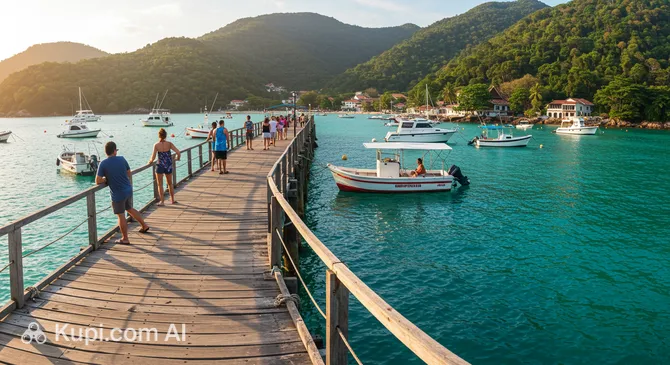
One of the most vital locations for any tourist is the Santa Luzia Pier. Located conveniently in the city center, this pier acts as the main hub for maritime excursions. It is here that you will likely embark on schooners and speedboats to explore the famous islands of the bay. The area is lively and offers a beautiful view of the boats bobbing in the harbor, making it a great place to soak in the local atmosphere before setting sail.

Santa Luzia Pier. Source: Kupi.Binoculars

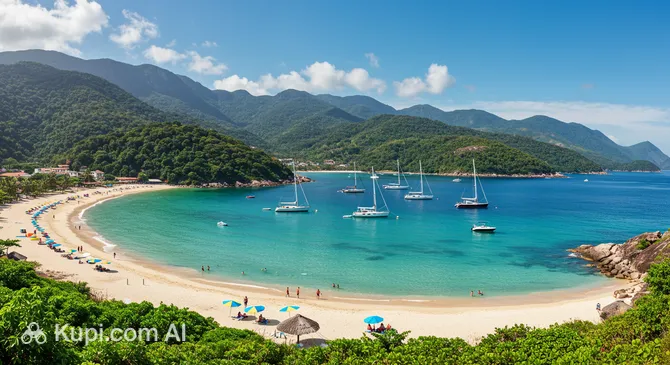
For those looking to relax on the sand without venturing too far, Figueira Beach is a delightful choice. Known for its tranquil waters and inviting scenery, it is an excellent spot for families and those seeking a peaceful swim. The beach is often praised for its natural beauty and is a fine example of the region's lush coastal vegetation meeting the sea.

Figueira Beach. Source: Kupi.Binoculars

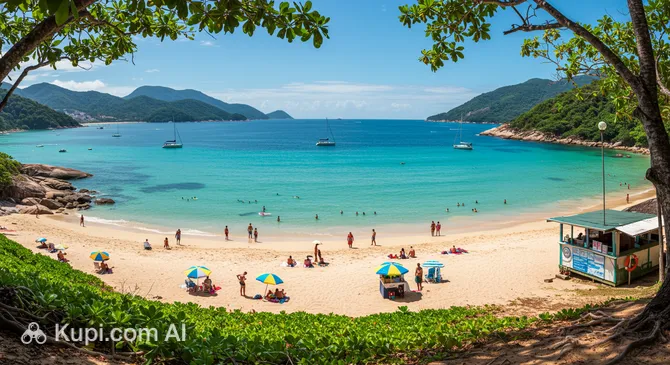
Another accessible gem is Costeirinha Beach. Its proximity to the city center makes it a popular choice for locals and visitors alike who want a quick escape to the water. The beach features calm, clear waters that are perfect for a refreshing dip, and its location offers a charming view of the bay, especially during sunset.

Costeirinha Beach. Source: Kupi.Binoculars

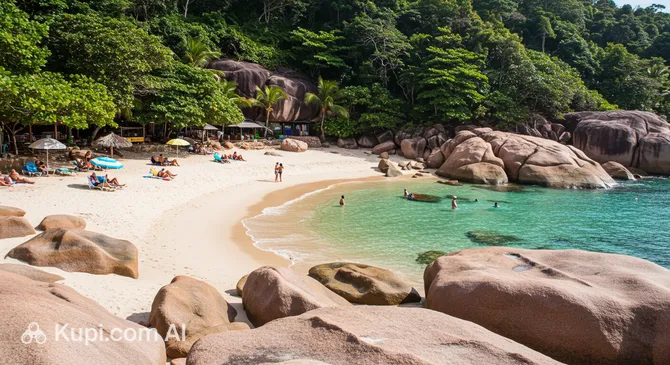
If you prefer a more secluded experience surrounded by dense greenery, Tanguazinho Beach is worth a visit. This spot is less urbanized and offers a closer connection to the Atlantic Rainforest that frames the coast. It is an ideal location for nature lovers who appreciate quiet moments and the untouched beauty of Angra's shoreline.

Tanguazinho Beach. Source: Kupi.Binoculars

Local Cuisine

The gastronomy of Angra dos Reis is deeply rooted in the "Caiçara" culture, offering a bountiful array of fresh seafood harvested directly from the surrounding bay. Visitors can expect high-quality ingredients, with menus dominated by fish, shrimp, squid, and mussels, often prepared with simple yet flavorful seasonings that highlight the natural taste of the ocean.

One of the signature dishes you should not miss is Peixe com Banana (Fish with Banana). This savory combination features fresh fish fillets cooked with plantains, creating a unique balance of salty and sweet flavors that is typical of the Costa Verde region. Another favorite is the traditional Moqueca, a rich fish stew cooked in a clay pot with coconut milk, tomatoes, coriander, and palm oil, usually served with rice and pirão (a fish broth thickened with cassava flour).

For a more casual dining experience or a hearty snack, the local pastéis (deep-fried pastries) are an absolute must. They are often stuffed with generous portions of shrimp, cheese, or crab. A well-known establishment to try these delights is the Chuveiro Bar – Aquidabã Branch. It is a favorite stop for both locals and tourists seeking a tasty, quick meal in a relaxed setting.

Chuveiro Bar – Aquidabã Branch. Source: Kupi.Binoculars

No culinary tour of Angra is complete without sampling the local beverages. The classic Brazilian Caipirinha, made with cachaça, sugar, lime, and ice, is the perfect companion for a sunny day on the beach. For a non-alcoholic option, fresh fruit juices are abundant, with flavors like passion fruit, acerola, and pineapple being particularly refreshing in the tropical heat.

The food culture here is diverse, ranging from floating restaurants near the islands to charming bistros in the historic center. If you find yourself in the heart of the city, Dito & Feito is another welcoming spot where you can enjoy a variety of dishes. Whether you are eating with your feet in the sand or at a comfortable table overlooking the marina, the flavors of Angra dos Reis are sure to be a highlight of your trip.

Dito & Feito. Source: Kupi.Binoculars

Travel Tips

Welcome to Angra dos Reis! To ensure your adventure through this stunning archipelago is as relaxing as the scenery, we have compiled some essential travel advice to help you navigate the region with ease.

  1. Clothing and Gear: The climate is tropical and humid, so pack light, breathable fabrics like cotton or linen. Since you will likely spend much of your time on boats or beaches, high-SPF sunscreen, sunglasses, and a hat are non-negotiable. Bring a waterproof bag (dry bag) to protect your electronics and wallet during boat transfers, and pack insect repellent, as mosquitoes can be active near the Atlantic Rainforest.
  2. Transportation: Public buses operate throughout the municipality, but they can be infrequent and crowded. Renting a car is often the best way to explore the mainland coast and reach the marinas. For island hopping, use the official boats and water taxis departing from Santa Luzia Station. Ride-hailing apps are available in the city center but can be unreliable in remote beach areas.
  3. Finances: The local currency is the Brazilian Real (BRL). While credit and debit cards are widely accepted in the city center and at major hotels, cash is essential for paying small boat operators, buying snacks at remote beach kiosks, or tipping. Be sure to withdraw sufficient funds at ATMs in the city center before heading to the islands, as banking facilities there are limited or non-existent.
  4. Health and Safety: Pharmacies are plentiful in the downtown area (Centro) for basic needs. In case of medical emergencies, the Hospital Geral da Japuíba is the primary public facility. As in many tourist destinations, keep an eye on your belongings in crowded areas and avoid walking into unmarked residential communities on the hillsides (favelas) without a local guide.
  5. Communication: Portuguese is the primary language, and English is not widely spoken outside of high-end hotels and tour agencies. It is highly recommended to download a translation app and offline maps before your trip. You can purchase a SIM card from major carriers like Vivo or Claro at newsstands or official stores in the city center to ensure you have internet access.
  6. Local Etiquette: Brazilians are warm and informal; a handshake or a kiss on the cheek is a standard greeting. While swimwear is perfect for the beach and boats, it is considered impolite to walk around the city center, supermarkets, or restaurants in just a bikini or swim trunks. Always wear a shirt or cover-up when leaving the sand.
  7. What to Avoid: Do not drink tap water; always opt for sealed bottled or filtered water to prevent stomach issues. Additionally, avoid flashing expensive jewelry or cameras in busy public spaces or leaving your bags unattended on the beach while swimming.
  8. Boat Tour Insight: If you plan to take a schooner tour (passeio de escuna), arrive at the pier by 9:00 AM to secure a good spot. For a more personalized experience, consider renting a private speedboat (lancha) if your budget allows; this lets you visit secluded coves that the larger tourist boats cannot reach.

With these practical tips in hand, you are fully prepared to embrace the vibrant culture and breathtaking natural beauty of the Costa Verde. Enjoy the crystal-clear waters and the unforgettable hospitality that make Angra dos Reis a true paradise!

Entertainment & Nightlife

The nightlife in Angra dos Reis reflects the city’s laid-back, coastal atmosphere. Unlike the high-energy clubbing scene found in Rio de Janeiro, the evenings here are characterized by a relaxed vibe where locals and visitors gather to enjoy cold drinks, good food, and live music. The entertainment scene is primarily centered around socializing in open-air bars and restaurants, often accompanied by the sounds of MPB (Música Popular Brasileira) or acoustic performances.

The most bustling area for evening entertainment is the Centro (Downtown), particularly around the squares and the waterfront. Here, you will find a variety of establishments serving "petiscos" (Brazilian tapas) and refreshing cocktails. For those staying on the mainland, the nightlife is less about dancing until dawn and more about enjoying the warm tropical breeze with friends. However, if you are venturing to the islands, Vila do Abraão on Ilha Grande offers a more spirited scene with forró nights and beachside parties.

For a complete entertainment experience that combines dining, shopping, and leisure, the Pirates Shopping Mall is a favorite destination. Located near the marina, it offers a safe and modern environment where you can enjoy a movie at the cinema, dine at the food court, or simply stroll around in the evening. It is a popular hub for families and groups looking for a lively yet controlled atmosphere.

Pirates Shopping Mall. Source: Kupi.Binoculars

If you prefer a more traditional bar setting, the Chuveiro Bar – Aquidabã Branch is a well-known spot among locals. It is famous for its delicious pastries and casual environment, making it an excellent place to start your night with a cold beer and lively conversation. The dress code in most of these venues is very casual; shorts and t-shirts are the norm, fitting perfectly with the beach town aesthetic.

For a quieter, romantic evening, a walk along the Santa Luzia Pier is highly recommended. Illuminated at night, it offers beautiful views of the boats docked in the harbor and the city lights reflecting on the water. It is a peaceful spot to unwind after a day of exploration.

Practical Advice: The best time to experience the nightlife is from Thursday to Saturday. Prices are generally moderate compared to larger cities. regarding safety, while the main tourist areas and the shopping mall are secure, it is advisable to use taxis or ride-hailing apps like Uber when moving between districts at night, rather than walking in poorly lit or unfamiliar streets.

While the nights are relaxing, daytime entertainment in Angra offers a different kind of excitement. Beyond the beaches, you can explore the city’s rich history at the Museum of Sacred Art, located in the Church of Nossa Senhora da Lapa, or visit the historic monuments scattered throughout the downtown area. These cultural stops provide a fascinating contrast to the natural wonders that dominate the region.

Parks & Museums

While Angra dos Reis is globally celebrated for its emerald waters and island adventures, the city also boasts a rich tapestry of green spaces and cultural heritage sites on the mainland. Visitors who take the time to explore beyond the shoreline will discover lush protected areas and historic venues that tell the story of one of Brazil's oldest cities.

For nature enthusiasts, the region serves as a gateway to the majestic Ilha Grande State Park. Although located on the largest island of the archipelago, this protected reserve is the crown jewel of the local ecosystem. It encompasses vast stretches of the Atlantic Rainforest, offering a network of hiking trails that lead to hidden waterfalls and peaks with panoramic views. It is an essential stop for those wishing to immerse themselves in the raw biodiversity of the Costa Verde.

On the mainland, you can find pockets of tranquility such as Praia do Leste. This area is an excellent example of the region's natural beauty, where the dense vegetation comes right down to the water's edge. It provides a peaceful setting for a walk or a quiet afternoon surrounded by nature, away from the more commercialized tourist hubs. The preservation of such spots highlights the city's commitment to maintaining its ecological charm.

Praia do Leste. Source: Kupi.Binoculars

In terms of culture, the Museum of Sacred Art (Museu de Arte Sacra) is a standout institution. Housed within the historic Church of Nossa Senhora da Lapa, the museum features a remarkable collection of baroque imagery, silverware, and religious artifacts from the 17th to the 20th centuries. It offers a fascinating glimpse into the colonial past and the deep religious traditions that have shaped the community over hundreds of years.

Another significant cultural venue is the Casa de Cultura Poeta Brasil dos Reis. Located in a beautifully preserved colonial mansion, this center is dedicated to promoting local arts and history. It hosts rotating exhibitions of paintings, photography, and sculptures by regional artists, making it a vibrant space to understand the contemporary cultural pulse of the city while admiring its architectural heritage.

For a mix of history and architecture, the Convent of São Bernardino de Sena is a must-visit landmark. Dating back to the 18th century, this complex sits on a hill overlooking the city and the harbor. Although parts of it are in ruins, the site evokes a sense of time travel, and the view from the top provides one of the best vantage points for photographing the bay and the urban landscape below.

For a truly authentic experience, take a stroll through the historic city center to find the Chafariz da Saudade. This 19th-century fountain is a lesser-known relic that was once a meeting point for locals. Visiting these smaller monuments offers a quiet reflection on the daily life of Angra dos Reis in centuries past, far removed from the bustle of the modern marinas.

Getting Around

The public transport system in Angra dos Reis is relatively simple and primarily designed to connect the city center with the residential neighborhoods and the numerous beaches along the coast. Unlike larger metropolitan areas, there is no metro, tram, or train service for passengers within the city. The main mode of land transportation is the municipal bus network, which is extensive enough to reach most points of interest on the mainland.

Buses in the city are easy to navigate and are generally identified by their destination signs on the front. The fleet is operated by local companies, with Viação Senhor do Bonfim being the most prominent provider. These buses run frequently between the central bus station and outlying districts. For tourists, they are a cost-effective way to explore the coastline, although the ride can be bumpy and winding due to the region's geography.

Given that a significant part of the municipality consists of islands, water transport is considered an essential part of the public transit system. The Barcas (large ferries) operate regular routes connecting the mainland—departing from the Cais da Lapa—to Vila do Abraão on Ilha Grande. This is the most affordable way to reach the main island. For a faster journey, smaller flexboats or speedboats depart from the Santa Luzia Station (Estação Santa Luzia), functioning somewhat like water taxis with scheduled departures.

Regarding payment, the system is quite traditional. For municipal buses, fares are typically paid in cash directly to the conductor or driver upon boarding. While there are electronic cards used by locals (such as the "Passageiro Cidadão"), they are not practical for short-term visitors. Therefore, it is highly recommended to carry small change. For the ferries and fast boats, tickets must be purchased at the ticket counters located at the piers before boarding. Prices for the official ferry are fixed and affordable, while private fast boats charge significantly higher rates.

If you prefer more comfort or direct routes, taxis are widely available, especially around the city center and the bus terminal. They use taximeters, but for longer trips to distant beaches, it is often possible to negotiate a fixed price beforehand. Ride-hailing apps are also operational in Angra dos Reis, offering a convenient alternative, though availability may be limited if you are in a remote beach area late at night.

For a smooth experience, tourists should be aware that public transport schedules can change on Sundays and holidays, with reduced frequency. Bus stops are not always clearly marked with timetables, so asking a local or checking the operator's website is advisable. Additionally, if you plan to take the ferry to the islands, arrive at the pier at least 30 minutes in advance, as queues can be long during the high season.

Accommodation

Where to Stay:

Finding the perfect place to stay in Angra dos Reis is part of the adventure, as the accommodation options are as diverse as the landscape itself. The region caters to a wide spectrum of travelers, ranging from backpackers seeking budget-friendly hostels to couples and families looking for the comfort of sophisticated resorts. A very popular option in this part of Brazil is the traditional "pousada" (guesthouse), which often offers a cozy, family-run atmosphere with personalized service and breakfast included.

When choosing a location, the decision largely depends on the type of experience you desire. Staying on the mainland (near the city center or along the Estrada do Contorno) is highly convenient for those who want easy access to transportation, shops, and the main piers for boat excursions. On the other hand, booking a stay on one of the islands, particularly Ilha Grande, offers a more rustic and immersive connection with nature, often in car-free villages where you walk everywhere on sand or trails.

For travelers seeking a comprehensive, high-end experience on the mainland, the city offers several large properties that provide extensive amenities. A notable example is the Eco Resort de Angra. Situated near the historic center, this resort is designed for those who want to enjoy the region's natural beauty without sacrificing luxury, offering pools, sports courts, and direct access to the water.

Eco Resort de Angra. Source: Kupi.Binoculars

Booking Tips: Angra dos Reis is a premier holiday destination for Brazilians, especially residents of Rio de Janeiro and São Paulo. Consequently, during the high season (December to March) and on national holidays, occupancy rates soar. It is strongly advised to book your accommodation at least two to three months in advance to secure the best spots and rates.

Price Range and Methods: Prices can vary significantly. Budget travelers can find hostel beds or simple campsites for reasonable rates, while mid-range pousadas offer good value for money. Luxury resorts and private island rentals command premium prices. Most accommodations can be booked via major online travel platforms, which is recommended for security and transparency. However, many smaller pousadas also accept direct bookings via their websites or messaging apps, sometimes offering a slight discount for cash payments.

Nearby Cities

For those looking to explore the surroundings, Angra dos Reis serves as an excellent base for day trips to several interesting nearby locations:

Heading inland towards the Paraíba Valley, travelers can visit Resende, a city that sits at the foot of the majestic Mantiqueira Mountains. It is widely known as the gateway to the Itatiaia National Park, the oldest in Brazil, making it a prime destination for hikers and nature lovers seeking waterfalls and mountain peaks. The city also boasts a charming historic center and the renowned Agulhas Negras Military Academy.

Closer to Angra, Rio Claro offers a peaceful retreat characterized by its rolling green hills and rural atmosphere. It is an excellent spot for eco-tourism, offering access to refreshing waterfalls and observation points with stunning views of the region. For those seeking more urban amenities, Volta Redonda, known as the "City of Steel," features shopping centers, cultural spaces, and a well-maintained municipal zoo located within a forest reserve.

City Population Distance (km)
Volta Redonda 273988 60
Rio Claro 199961 36
Barra Mansa 179915 54
Resende 125214 61
Barra do Pirai 96865 78

These nearby destinations offer a glimpse into the diverse culture and landscapes of the region.

Shopping & Souvenirs

Shopping in Angra dos Reis is a relaxed experience that perfectly mirrors the city's coastal lifestyle. While it is not a major metropolis known for high-end luxury fashion, the city offers a variety of charming stores, practical conveniences, and local boutiques. Visitors will find everything needed for a beach holiday, from swimwear and nautical gear to authentic Brazilian handicrafts, all set against a backdrop of historic buildings and the sea.

The primary hub for commerce is the Centro (Downtown area). This district is where the daily life of the city unfolds, featuring a mix of traditional shops, banks, and pharmacies. The main pedestrian thoroughfare, often referred to as Rua do Comércio, is lined with clothing stores, shoe shops, and variety stores. It is the best place to find affordable apparel and essential items before heading out to the islands.

For a more modern and comprehensive shopping experience, the Pirates Shopping Mall (Shopping Piratas) is the city's premier destination. Located near the marina, it is the largest complex of its kind in the region, offering a wide selection of national fashion brands, a food court, and a supermarket. It is particularly convenient for tourists arriving by boat, as it has its own docking facilities. Another option in the heart of the city is Angra Shopping, a smaller but central mall that serves as a quick stop for electronics, accessories, and casual dining.

Markets in Angra dos Reis are deeply connected to the local culture. The Mercado de Peixe (Fish Market) is a vibrant spot where you can see the day's catch, including fresh shrimp, squid, and fish arriving directly from the bay. While primarily for food, the surrounding area often hosts small stalls selling local goods. Additionally, near the Santa Luzia Station—the main departure point for tourist boats—you will often find artisans selling handmade jewelry, wood carvings, and souvenirs that reflect the caiçara heritage.

When it comes to souvenirs, the best items to bring back are those that capture the essence of the Brazilian coast. Beachwear is a top choice, with local boutiques selling colorful bikinis (famous for their "Brazilian cut") and cangas (sarongs) featuring tropical prints. Bottles of artisanal cachaça produced in the nearby Paraty region are also popular gifts, as are decorative items made from seashells and driftwood found along the Green Coast.

Standard store hours in the city center are typically from 9:00 AM to 7:00 PM on weekdays, with shops closing earlier on Saturdays, usually around 1:00 PM or 2:00 PM. Most stores are closed on Sundays, except for the shopping malls, which usually operate from afternoon until late evening. Credit and debit cards are widely accepted throughout the city, including at most market stalls, though carrying some cash (Brazilian Reals) is advisable for small vendors or remote island shops.

Travelers should note that Brazil does not currently operate a Value Added Tax (VAT) refund system for international tourists similar to those found in Europe. Therefore, the price displayed on the tag is the final price you will pay, and there are no tax-free forms to process at the airport upon departure.
Reached the end of the page?

That means the route is fully explored