Support

Lavras

About

Lavras is a captivating city located in the southern part of the state of Minas Gerais, Brazil. Known affectionately as the "City of the Ipês" due to the beautiful trumpet trees that adorn its streets, it offers a welcoming atmosphere that perfectly balances traditional charm with the vibrancy of a university town. Nestled among rolling hills, the city serves as a significant educational and agricultural center in the region, providing a scenic backdrop for travelers.
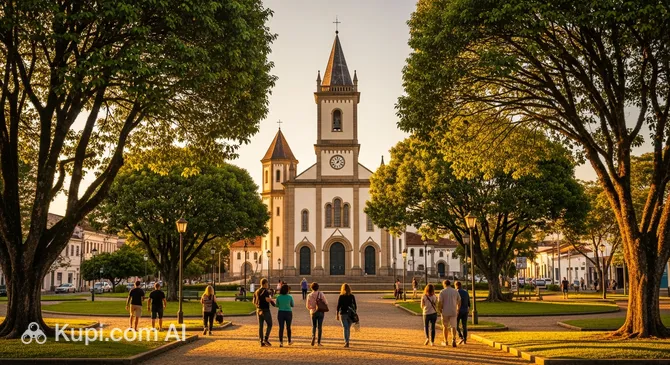
Lavras. Source: Kupi.Binoculars

With a population of approximately 92,000 residents, Lavras maintains a friendly community feel while offering modern amenities. Those interested in the local heritage will find the history of Lavras fascinating, as it traces the city's evolution from its colonial gold-mining origins to its current status as a hub of knowledge and research. The climate here is generally mild, making it pleasant to explore the urban area and its surroundings throughout most of the year.

One of the city's main highlights is the Federal University of Lavras (UFLA). Its sprawling campus resembles a large park and is home to historic buildings, museums, and beautiful gardens that are open to the public. In the city center, the Parish of Sant'Ana stands out as a remarkable architectural landmark, reflecting the deep religious traditions of the area. Whether you are visiting for the academic environment or simply to enjoy the hospitality of Minas Gerais, Lavras invites you to discover its unique culture and serene landscapes.

Weather Overview

The climate in this region is generally mild and agreeable, characterized by warm, humid summers and cooler, dry winters. Travelers planning a trip can expect distinct seasonal changes, with rainfall being the most significant variable throughout the year. For more detailed information on what to expect during your visit, you can consult the guide to the weather in Lavras.

From December to February, the city experiences its warmest and wettest weather. Average temperatures stay around 23°C, while daily highs can reach approximately 27°C. This period sees frequent precipitation, with up to 22 wet days per month, so packing a raincoat is advisable. Conversely, the winter months of June and July are much drier, with precipitation dropping significantly and only one or two wet days on average. During this time, temperatures are cooler, averaging around 17.6°C in July, with nighttime lows occasionally dipping to 11.5°C.

Interesting Facts

Beyond the main attractions, Lavras holds many fascinating secrets that reveal its pioneering spirit and rich history. From its unique name to its surprising industrial connections, here are some little-known facts about this charming city.

  • The "Funnel" Mystery: The city was originally known as "Lavras do Funil." While "Lavras" refers to the gold mining washings common in the 18th century, the "Funil" (funnel) part of the name described a specific narrow canyon in the Rio Grande river where early explorers believed gold accumulated, shaping the settlement's early identity.

  • Pioneering Transport: In 1911, Lavras became one of the very few cities in the Brazilian interior to inaugurate an electric tramway system. The "bonde" (tram) was a symbol of modernity and progress at the time, distinguishing the city from its neighbors and marking it as a regional hub long before the arrival of major highways.

  • An Industrialist's Green Legacy: The beloved Quedas do Rio Bonito Ecological Park exists largely due to Abraham Kasinski, a prominent figure in Brazil's automotive industry. He purchased the land specifically to save its pristine waterfalls and native forests from destruction, creating a private reserve that is now a public treasure.

  • City of Schools: While currently famous for its federal university, the city earned the nickname "City of Schools" (Cidade das Escolas) much earlier, in the late 19th century. This was largely due to the founding of the Gammon Institute by American Presbyterian missionaries, which established Lavras as a center of educational excellence decades ago.

How to Get There

Reaching Lavras is the first step of your journey into the scenic heart of Minas Gerais. While the city is nestled among rolling hills and coffee plantations, it is well-connected to the rest of the country by a network of highways. For travelers planning their trip, finding the right route is essential, so be sure to check all ways to reach the city to choose the option that best suits your itinerary.

The city of Lavras does not have its own airport, but you can fly into Tancredo Neves International Airport (IATA: CNF) in the city of Belo Horizonte, which is about 207 km from Lavras. This is one of the most convenient major hubs for reaching the region. From the airport, the journey by taxi or rental car typically takes around 3 to 4 hours, depending on traffic conditions on the Fernão Dias highway. Another option for domestic travelers is the Zona da Mata Regional Airport (IATA: IZA) in Juiz de Fora. Located approximately 192 km away, it offers a slightly shorter drive of about 3 hours, though flight options may be more limited compared to the capital.

For international visitors, the Galeão Antonio Carlos Jobim International Airport (IATA: GIG) in Rio de Janeiro is another viable entry point. Situated about 251 km from Lavras, this major airport serves a wide range of global destinations. The drive from Rio can take approximately 4 to 5 hours. While the distance is greater, the frequency of international flights makes it a popular choice for those arriving from abroad.

For clarity, here is a summary of the main airports:

Airport Name City Passenger Traffic Km from City
Galeão Antonio Carlos Jobim International Airport Rio de Janeiro Large 251.2
Tancredo Neves International Airport Belo Horizonte Large 207.7
Santos Dumont Airport Rio de Janeiro Medium 264.7
Zona da Mata Regional Airport Juiz de Fora Small 191.9
Sao Jose dos Campos Sao Jose dos Campos Small 237.5

Currently, there is no regular passenger railway service directly to Lavras for travelers arriving from other major cities. While the region has a rich railway history, modern access is primarily by road. Visitors typically arrive by intercity buses or car rentals from the airports mentioned above. The bus network in Minas Gerais is extensive and comfortable, making it a reliable alternative for those who prefer not to drive.

Main Attractions

Lavras offers a delightful mix of natural beauty, academic heritage, and historical architecture, making it a rewarding destination for travelers. The city's attractions reflect its dual identity as a vibrant university town and a guardian of regional traditions, providing visitors with varied experiences ranging from outdoor adventures to cultural deep dives.

One of the most popular spots for nature lovers is the Parque Ecológico Quedas do Rio Bonito. This expansive ecological park is a sanctuary of the Atlantic Forest, offering a perfect escape into nature just a short distance from the city. Visitors can explore scenic hiking trails, relax by the waterfalls, or enjoy a swim in the natural pools. The park is maintained by a private foundation but is open to the public, serving as a vital space for conservation and leisure where you can observe native flora and fauna in a pristine setting.

For those interested in local history, the Museu Bi Moreira is an essential stop. Located on the historic campus of the Federal University of Lavras (UFLA), this museum is housed in a charming building that dates back to the early 20th century. Its collection includes thousands of artifacts, photographs, and documents that chronicle the development of Lavras and the university. It is a fascinating place to learn about the region's agricultural roots and the social evolution of the community over the decades.

In the heart of the city stands the Igreja Matriz de Sant'Ana, a major architectural and religious landmark. Built between 1904 and 1917 to replace an older 18th-century chapel, this imposing church features a beautiful interior and serves as the center of Catholic life in Lavras. Its grandeur and serene atmosphere make it a noteworthy site for those appreciating religious art and history.

Science enthusiasts should not miss the Museu de História Natural (Natural History Museum), also situated within the UFLA campus. This educational facility offers engaging exhibits on zoology, mineralogy, and paleontology. It is particularly interesting for families and students, providing an interactive way to understand the natural world through its diverse collection of taxidermy animals, rocks, and fossils.

Local Cuisine

The local cuisine in Lavras is a delightful reflection of its location in Minas Gerais, a state widely regarded as the culinary heart of Brazil. Visitors can expect hearty, comfort-food dishes often prepared on traditional wood-burning stoves, known as fogão a lenha, which impart a distinct smoky flavor to the food. The city's gastronomic scene is deeply rooted in agricultural traditions, enhanced by the fresh produce and dairy resulting from the region's strong farming culture.

When it comes to main courses, you simply must try Feijão Tropeiro. This iconic dish consists of beans mixed with cassava flour, sausage, eggs, and collard greens, historically prepared by the troops (tropeiros) who traversed the region. Another staple is Frango com Quiabo, a savory stew of chicken and okra that is a Sunday favorite for many local families. For those who enjoy pork, Leitão à Pururuca (roasted pig with crackling skin) is a mouthwatering option often found in traditional restaurants.

No visit to Lavras is complete without indulging in the region's famous dairy products. The area is renowned for its Queijo Minas, a soft, white cheese that pairs perfectly with Doce de Leite (milk caramel) or guava paste, a combination affectionately known as "Romeo and Juliet." For a quick snack, the ubiquitous Pão de Queijo (cheese bread) is best enjoyed warm and fresh from a local bakery, offering a chewy, cheesy bite that defines the breakfast culture here.

In terms of beverages, Lavras sits in a major coffee-producing zone. You will find excellent, locally sourced coffee served in almost every establishment, often strong and sweet. For an alcoholic option, the region produces high-quality Cachaça, a sugarcane spirit. It can be sipped neat by connoisseurs or mixed into a refreshing Caipirinha with lime and sugar.

The dining atmosphere in Lavras is a unique blend of university energy and rural hospitality. Due to the large student population from the federal university, the city is dotted with lively bars and "self-service" restaurants where you pay by the kilo, offering a budget-friendly way to sample a variety of local dishes. On weekends, locals often flock to farm-style restaurants on the outskirts of the city to enjoy long lunches in a rustic setting, celebrating the slow-food culture that Minas Gerais is famous for.

Travel Tips

Welcome to Lavras, a city where the vibrant energy of university life blends seamlessly with the traditional warmth of Minas Gerais. To help you navigate the "City of the Ipês" with confidence and make the most of your visit, we have compiled a set of essential practical tips.

  1. Clothing and Gear: Since Lavras is located in a hilly region with distinct seasons, layers are your best friend. In summer (December to March), pack light, breathable clothing and a sturdy umbrella or raincoat, as afternoon showers are common. For winter evenings (June to August), bring a warm jacket or sweater, as temperatures can drop significantly. Comfortable walking shoes are a must, given the city's undulating terrain and the expansive campus of the federal university.

  2. Transportation: The city is well-served by ride-hailing apps like Uber and 99, which are often the most convenient way to get around. There is also a reliable local bus system (Autotrans) that connects the city center to the UFLA campus and residential neighborhoods. If you plan to visit the Quedas do Rio Bonito park or nearby waterfalls, renting a car is highly recommended for flexibility.

  3. Finances: The official currency is the Brazilian Real (BRL). Credit and debit cards are widely accepted, even in small bakeries and cafes. However, it is wise to carry some cash for small purchases at street fairs or rural attractions. ATMs are available at major bank branches and within the university campus. Tipping around 10% is standard in restaurants and is usually included in the bill as a service charge.

  4. Health and Safety: Lavras is generally safer than Brazil's large metropolises, but standard precautions apply. Avoid walking alone in poorly lit areas late at night and keep an eye on your belongings in crowded places. Pharmacies are plentiful, with major chains like Droga Raia or Drogaria Araujo often open late. For medical emergencies, dial 192 for an ambulance or head to the UPA (Unidade de Pronto Atendimento).

  5. Communication: Portuguese is the primary language. While you might find English speakers within the university community, it is not widely spoken in general commerce. Learning a few basic phrases like "Bom dia" (Good morning) and "Obrigado" (Thank you) goes a long way. Buying a local SIM card (Vivo, TIM, or Claro) is easy at newsstands or official stores and ensures you have data for maps and translation apps.

  6. Local Etiquette: The people of Minas Gerais are known for their friendliness. It is polite to greet shopkeepers and drivers upon contact. When invited to a local's home, do not be surprised if you are immediately offered coffee and cheese bread; refusing food can sometimes be seen as impolite. Handshakes are common for first meetings, while friends often greet with a hug or cheek kisses.

  7. What to Avoid: Avoid drinking tap water; sticking to filtered or bottled water is the safest choice to prevent stomach issues. Also, try not to be impatient in service situations; the pace of life here is more relaxed than in bustling capitals like São Paulo, and rushing people is considered rude.

  8. University Life Hack: The UFLA campus is not just for students; it functions as a large public park. If you want to experience local life, visit the campus on a weekend morning. You will find families picnicking, people exercising, and a peaceful atmosphere that offers a great break from the city center's noise.

By keeping these tips in mind, you will be well-prepared to enjoy everything Lavras has to offer, from its scenic university grounds to its delicious culinary scene. Have a safe and memorable journey through the heart of Minas Gerais!

Entertainment & Nightlife

Lavras boasts a vibrant and energetic nightlife, largely driven by its substantial university population. As a major educational hub in Minas Gerais, the city comes alive when the sun sets, particularly from Thursday through Saturday. The atmosphere is distinctly youthful and casual, characterized by a mix of traditional bohemian bars, lively student gatherings, and venues that play everything from Brazilian country music (sertanejo) to electronic beats.

The heart of the action can often be found in the city center and along the main avenues leading towards the Federal University. Praça Dr. Augusto Silva is a central meeting point where locals and visitors gather to enjoy the evening breeze, often serving as a starting point before heading to nearby establishments. The nightlife here is less about exclusive, high-end clubs and more about social interaction, cold beer, and good food shared among friends.

For a truly authentic experience, you must visit Bar do Roberto. This establishment is a legendary institution in Lavras, famous across the region for its relaxed environment and, most importantly, its delicious appetizers. It is the perfect place to sit at a plastic table, order a cold bottle of beer, and try their renowned meatballs, soaking in the local culture. Another popular spot for a lively evening is Camuá, which combines a restaurant atmosphere with a bar vibe, offering great steaks and drinks in a more polished setting suitable for couples or groups looking for a nice dinner that extends into the night.

If you are looking for music and dancing, the city frequently hosts events at venues like Villa's, which often features live bands and DJs catering to the university crowd. The dress code in Lavras is generally relaxed; jeans and a nice top are perfectly acceptable almost anywhere. Prices are quite reasonable compared to larger Brazilian cities, making a night out very affordable. The best time to go out is usually after 9:00 PM, with bars filling up by 10:00 PM.

Regarding safety, Lavras is considered safe for night outings, especially in the main commercial districts. However, it is always advisable to avoid walking alone in unlit areas late at night. For transportation, the most convenient and safe option is to use ride-sharing apps or call a local taxi service, which are readily available and inexpensive for short cross-town trips.

During the day, entertainment takes a more laid-back turn. Culture enthusiasts can check the schedule at the Teatro Municipal de Lavras, which occasionally hosts plays and musical performances. For a relaxing afternoon, the local cinemas offer the latest movie releases. Additionally, the city's shopping centers provide a cool refuge for a bit of shopping or a coffee break before the evening festivities begin.

Parks & Museums

Lavras is a city where culture and nature coexist harmoniously, offering visitors a refreshing blend of well-maintained green spaces and institutions dedicated to preserving regional history. From the manicured gardens in the city center to the expansive natural reserves on the outskirts, the city provides ample opportunities for relaxation and learning.

Praça Dr. Augusto Silva is the heart of the city's social life and arguably its most charming urban green space. Often referred to as the "Public Garden," this historic square is far more than just a meeting point; it is a lush arboretum featuring century-old trees, including majestic imperial palms. Visitors can stroll along its shaded pathways, admire the classic bandstand and fountains, or simply relax on the benches while observing the local rhythm of life. On weekends, the square often hosts craft fairs and cultural events, making it a vibrant spot to experience the local community spirit.

For a more immersive nature experience, the Parque Ecológico Quedas do Rio Bonito is the premier destination in the region. Covering over 200 hectares, this private reserve is open to the public and serves as a sanctuary for the Atlantic Forest's native flora and fauna. The park features a network of trails ranging from easy walks to more challenging hikes, leading to the stunning "Poço Bonito" natural pool and several waterfalls. It is an ideal spot for swimming, picnicking, and enjoying panoramic views from the elevated lookout points, offering a perfect escape from the urban environment.

The city's cultural landscape is deeply intertwined with its academic identity, best represented by the Museu Bi Moreira. Located on the historic campus of the Federal University of Lavras (UFLA), this museum is housed in the Álvaro Botelho building, an architectural gem in itself. The museum's collection is vast and eclectic, featuring over 5,000 items that range from indigenous artifacts and colonial tools to a rare "hemeroteca" (newspaper archive) that documents the region's past. It provides a comprehensive look at the social and agricultural evolution of southern Minas Gerais.

Another significant institution within the university grounds is the Museu de História Natural (Natural History Museum). This facility is particularly engaging for families and science enthusiasts, boasting a diverse collection that spans zoology, mineralogy, and paleontology. The exhibits include taxidermied animals representing the Brazilian biodiversity, as well as geological specimens that tell the story of the earth's formation. It serves as an educational hub, making science accessible and fascinating for visitors of all ages.

For a unique "insider" experience, consider spending a Sunday morning exploring the UFLA Campus grounds. Beyond the museums, the university itself functions as a massive park with beautiful avenues lined with Ipê trees, serene lakes, and the historic Chapel of São Miguel. It is a favorite spot for locals to jog, cycle, or enjoy a quiet walk, offering a peaceful atmosphere that perfectly captures the studious yet relaxed soul of Lavras.

Getting Around

Public transport in Lavras is primarily based on a bus network that connects the city center, residential neighborhoods, and the university district. As a medium-sized city, there is no metro, tram, or train system for urban commuting. The buses are generally reliable and are the most common way for residents and students to navigate the city, easily identifiable by their blue and white color scheme, operated by the local concessionaire, Autotrans.

For tourists, the payment system is straightforward. While local residents often use rechargeable electronic cards, visitors can pay the fare directly in cash on board. You enter through the front door and pay the conductor or the driver before passing through the turnstile. The fare is affordable, typically costing around a few Reais per trip. It is highly recommended to carry small bills and coins, as breaking large notes can sometimes be difficult for the bus staff.

Operating hours for the bus lines generally run from early morning, around 5:30 AM, until approximately 11:30 PM. On weekends and holidays, the frequency of buses decreases significantly, so planning ahead is essential. To check routes and schedules, apps like Moovit are widely used in the region and provide reasonably accurate real-time information, helping you determine which line to take to reach specific attractions or the university campus.

Given the city's hilly terrain, walking long distances can be tiring, making ride-hailing apps like Uber and 99 excellent alternatives. These services are very popular, safe, and usually quite inexpensive due to the short distances within the city. Traditional taxis are also available, mostly found at designated stands (pontos de táxi) in the central square and near the bus station, offering a reliable option if you do not have mobile data.

A unique feature of transport in Lavras is the internal bus system within the Federal University of Lavras (UFLA), affectionately known by students as "Mamadeira." If you are visiting the campus to see the museums or the ecological park, you might see these buses circulating. They are specifically designed to transport students and staff across the massive campus, which functions almost like a small city within the city. While primarily for the academic community, the campus is open to the public, and the internal distances often necessitate some form of vehicle transport.

Accommodation

Accommodation in Lavras is designed to cater primarily to business travelers, visiting academics, and families connected to the university community. The city does not feature extensive luxury resorts; instead, visitors will find a solid selection of functional mid-range hotels, charming pousadas (Brazilian guesthouses), and budget-friendly hostels. The hospitality here is characterized by the warmth of Minas Gerais, often including a hearty breakfast with local cheese and coffee.

For the most convenient stay, look for options in the City Center (Centro). This area offers easy access to dining, banking, and the main square, Praça Dr. Augusto Silva, making it easy to explore the town on foot. Alternatively, if your visit is centered around the university, the neighborhoods adjacent to the Federal University of Lavras (UFLA) provide excellent proximity to the campus, museums, and events, offering a practical solution for those attending conferences or visiting students.

A helpful tip for booking: Since Lavras is a university town, occupancy rates spike significantly during major academic events, such as graduations, scientific congresses, and entrance exams. It is highly recommended to check the university calendar and book your room well in advance if your trip coincides with these busy periods, as the best options tend to sell out quickly.

In terms of pricing, the city is quite affordable compared to major tourist destinations in Brazil. Most accommodations fall into the budget to mid-range categories. While the larger hotels can be booked through standard international online platforms, some smaller local guesthouses may offer better rates or specific availability if contacted directly or through regional booking sites.

Nearby Cities

For those looking to explore the surroundings, Lavras serves as an excellent base for day trips to several interesting nearby locations:

Just a short drive away lies Três Corações, a city that holds a special place in the hearts of sports fans worldwide as the birthplace of the legendary football player Pelé. Visitors can explore the House of Pelé, a replica of his childhood home filled with memorabilia, or visit the plaza named in his honor. Beyond football, the city offers a glimpse into the everyday life of southern Minas Gerais with its lively squares and historical monuments.

Another fascinating destination is Varginha, often referred to as the "UFO Capital of Brazil" following a famous alleged extraterrestrial incident in 1996. The city embraces this quirky fame with alien-themed sculptures and souvenirs, making for a fun and unique visit. Apart from its folklore, Varginha is a major economic hub known for its high-quality coffee production, offering excellent cafes and opportunities to learn about the region's coffee culture.

For lovers of music and faith, Três Pontas is a charming stop. Known as the "City of Music," it was the childhood home of the renowned Brazilian singer Milton Nascimento. The town is also a pilgrimage site for devotees of Father Victor, a beatified priest whose legacy draws thousands of visitors. Surrounded by endless coffee plantations, it provides a scenic and culturally rich experience just west of Lavras.

City Population Distance (km)
Varginha 123,081 58
Tres Coracoes 72,765 57
Tres Pontas 53,860 55
Campo Belo 51,544 48
Oliveira 39,466 63

These nearby destinations offer a glimpse into the diverse culture and landscapes of the region.

Shopping & Souvenirs

Shopping in Lavras offers a pleasant mix of modern convenience and traditional Minas Gerais charm. Whether you are looking for the latest fashion trends, university essentials, or authentic local produce, the city provides a variety of options ranging from bustling street markets to contemporary shopping centers.

For a classic high-street experience, head straight to Rua Dr. Francisco Sales in the city center. This vibrant thoroughfare is the commercial heartbeat of Lavras, lined with a multitude of stores selling clothing, footwear, electronics, and household goods. It is the perfect place to witness the daily rhythm of the city, where locals run errands and browse the shop windows. The surrounding streets also host numerous boutiques and smaller galleries, offering everything from budget-friendly items to more upscale fashion.

If you prefer a mall environment, the city has expanded its retail landscape. The established Lavras Shopping, located on Rua Dr. Antônio Gonçalves de Faria, is a compact and convenient center that has served the community for years, offering essential services, a food court, and a cinema. For a larger and more modern experience, the Shopping Cidade da Serra is the newest major addition to the region. Situated near the junction of the BR-265 highway, this extensive complex features major national retail chains, a wide range of dining options, and entertainment facilities, serving as a regional hub for shopping and leisure.

To truly taste the local culture, you must visit the city's markets. The Mercado Municipal is a traditional spot where you can find fresh produce, spices, and the famous regional cheeses. On Sundays, the Feira da Praça Dr. Augusto Silva transforms the main square into a lively open-air market. Running from 8:00 AM to 2:00 PM, it is the best place to buy handmade crafts (artesanato), decorative items, and street food. It is a favorite weekend activity for families and a great spot to pick up unique souvenirs directly from local artisans.

Visitors interested in sustainable and organic products should check out the Feira Agroecológica da UFLA. Held on Wednesdays within the Federal University campus, this market focuses on goods produced by local farmers and the academic community, including honey, sweets, and organic vegetables. It reflects the city's strong agricultural roots and commitment to sustainability.

When it comes to souvenirs, items that celebrate the flavors of Minas Gerais are top choices. Look for:

  • Coffee: As Lavras is in a major coffee-producing zone, bags of locally roasted beans make excellent gifts.
  • Queijo Minas: The traditional white cheese is a staple; try the cured (curado) versions for easier transport.
  • Doce de Leite: Often sold in jars or blocks, this milk caramel is a beloved local sweet.
  • Cachaça: High-quality artisanal sugarcane spirits produced in the region are highly prized by connoisseurs.

Reached the end of the page?

That means the route is fully explored