Support

Araxá

About

Welcome to Araxá, a captivating destination renowned for its therapeutic mineral waters and serene atmosphere. Nestled in the lush landscapes of the Minas Gerais state, this city offers a perfect blend of wellness tourism and cultural depth. As a prominent spot in Brazil, Araxá attracts visitors looking to rejuvenate their minds and bodies amidst stunning natural surroundings.

Araxá. Source: Kupi.Binoculars

Geographically, the city is situated in the Triângulo Mineiro and Alto Paranaíba region, benefiting from a high-altitude tropical climate that ensures pleasant temperatures year-round. With a population of approximately 103,000 residents, it maintains a welcoming, small-town feel while providing excellent infrastructure for travelers. The region is also celebrated for its high-quality coffee production and rich gastronomy.

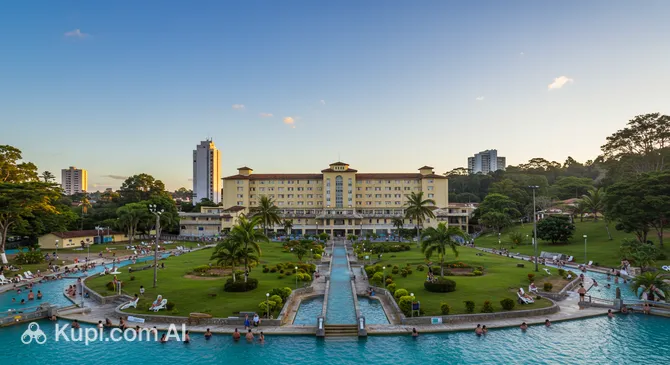
The history of Araxá is deeply intertwined with local legends, most notably that of Dona Beja, a fascinating historical figure whose legacy permeates the city's culture. Beyond its stories, the city is famous for the majestic Grande Hotel e Termas de Araxá. This architectural masterpiece is the center of the city's spa culture, where visitors can bathe in the famous sulfurous and radioactive waters believed to have medicinal properties.

Whether you are exploring the scenic Barreiro Complex or enjoying the local sweets and cheeses, Araxá promises a memorable experience. It is an ideal getaway for those seeking tranquility, history, and natural beauty all in one place.

Weather Overview

The climate in this region is generally mild and agreeable, largely influenced by its elevation within Minas Gerais. To help you pack appropriately, it is useful to review the weather in Araxá before your journey. The summer months, spanning from December to March, are typically warm and humid, with average temperatures hovering around 23°C and daily highs reaching up to 27°C.

In contrast, the winter period from June to August brings significantly drier conditions and cooler air. July is often the driest month, with virtually no rainy days and minimum temperatures dropping to around 12.6°C, creating a crisp atmosphere. Overall, visitors can expect warm summers with frequent rainfall and mild, dry winters that are perfect for outdoor activities.

Interesting Facts

Beyond the main attractions, Araxá holds many fascinating secrets that reveal its geological uniqueness and cultural depth. Discover some of the intriguing stories and features that make this city truly one of a kind.

  • An Ancient Volcano: The city is located within the crater of an extinct volcano. This rare geological setting is the primary reason for the region's abundance of therapeutic mineral waters and its incredibly fertile soil.

  • The World's Niobium Capital: Araxá is home to the largest niobium reserves on the planet. This rare and valuable metal is essential for the aerospace and high-tech industries, placing the city on the global map for mining and technology.

  • A Short-Lived Casino: The majestic Grande Hotel was originally built in the 1940s to serve as a luxury casino. However, gambling was banned in Brazil just two years after its opening, transforming the complex into the historic thermal spa resort visited today.

  • The Legend of Dona Beja: The city is famously associated with Ana Jacinta de São José, known as Dona Beja. A powerful and controversial 19th-century figure, she is remembered in local folklore for bathing in a magical spring to maintain her youth and beauty.

How to Get There

Reaching this charming destination in Minas Gerais usually involves a combination of air travel and a scenic drive through the Brazilian countryside. For a complete overview of routes and logistics, you can check all ways to reach the city in our detailed guide.

The city of Araxá does not have a major commercial airport listed for widespread connections, so visitors often fly into Uberaba Airport (UBA) in the city of Uberaba. It is located approximately 109 km from Araxá, making it one of the most convenient entry points. The travel time by taxi or private transfer is estimated to be approximately 1.5 to 2 hours. This airport serves a modest number of passengers annually.

A larger alternative is the Uberlândia–Tenente Coronel Aviador César Bombonato Airport (UDI), situated in Uberlândia, about 155 km away. As a more significant regional hub, it handles a higher volume of traffic and offers more flight options. The drive from Uberlândia to Araxá takes approximately 2.5 to 3 hours. Both airports provide reliable gateways to the region.

For clarity, here is a summary of the main airports:

Airport Name City Passenger Traffic Km from City
Uberlândia–Tenente Coronel Aviador César Bombonato Airport Uberlândia High 155.5
Sao Jose do Rio Preto Airport Sao Jose do Rio Preto Medium 291.2
Dr. Leite Lopes State Airport Ribeirão Preto Medium 192.1
Uberaba Airport Uberaba Low 108.8
Caldas Novas Caldas Novas Low 270.5

Currently, there is no active passenger railway station serving Araxá directly. Travelers looking to visit the city typically rely on the regional bus network, which is well-developed in Brazil, or choose to rent a car to enjoy the drive through the rolling hills of Minas Gerais.

Main Attractions

The crown jewel of tourism in the city is undoubtedly the Grande Hotel e Termas de Araxá. Located within the stunning Barreiro Complex, this monumental building is a masterpiece of colonial architecture, inaugurated in the 1940s. Beyond its imposing facade, visitors are drawn to its magnificent gardens designed by the renowned landscape architect Roberto Burle Marx. It is the perfect place to admire history, walk through lush greenery, and experience the grandeur of Brazil's golden era of casinos and thermal tourism.

Connected to the city's reputation for healing, the Fonte Andrade Júnior is a must-visit spot for those seeking wellness. Situated in a charming pavilion on a small island within the Barreiro Complex, this spring is famous for its sulfurous waters, which are believed to have therapeutic properties for rheumatism and skin conditions. The site is surrounded by a peaceful park, making it an ideal location for a relaxing afternoon stroll while soaking in the local atmosphere.

For nature lovers and adventure seekers, Horizonte Perdido offers some of the most breathtaking views in the region. Perched high in the mountains, this scenic lookout point provides a panoramic vista of the lush valleys and hills of Minas Gerais. It is a popular spot for watching spectacular sunsets and is also a well-known destination for hang gliding and paragliding enthusiasts who flock here to take advantage of the excellent wind conditions.

To delve into the cultural heritage of the area, the Museu Calmon Barreto is a fascinating stop. Housed in a preserved historical building, the museum is dedicated to the life and work of Calmon Barreto, a distinct local artist who excelled as a painter, sculptor, and writer. The exhibits offer a deep dive into the artistic soul of Araxá, displaying works that capture the essence of the region's people and landscapes.

Another significant site is the Fonte Dona Beja, named after the legendary historical figure who is synonymous with the city's folklore. This spring produces radioactive water, which is said to be energizing and beneficial for the metabolism. The location is not only a place to sample the famous mineral water but also serves as a connection to the intriguing myths and stories of Dona Beja that permeate the local culture.

Local Cuisine

The local cuisine in Araxá is a delightful reflection of the wider gastronomic tradition of Minas Gerais, often celebrated as the heart of Brazilian comfort food. Known as comida mineira, the dishes here are typically prepared with rustic, farm-fresh ingredients and often cooked on wood-burning stoves to enhance their flavor. The food scene is defined by its warmth and hospitality, inviting visitors to slow down and savor every bite.

A true culinary icon of the city is the Queijo Araxá. This artisanal cheese, made from raw milk, is famous throughout the country and holds a protected geographical indication due to its unique terroir and production method. It is the star ingredient in the beloved pão de queijo (cheese bread), a snack that is practically mandatory at breakfast or as an afternoon treat. For a hearty lunch, travelers should try feijão tropeiro, a rich dish combining beans, cassava flour, sausage, eggs, and crisp pork cracklings, or the classic frango com quiabo, a chicken stew cooked with okra and fresh herbs.

Those with a sweet tooth will find paradise here, as the city is renowned for its traditional doces (sweets). The local ambrosia, a creamy dessert made with milk, sugar, and eggs, is a signature treat often flavored with a hint of cinnamon. Jars of doce de leite (milk caramel) and crystallized fruits are widely available in markets and make for excellent edible souvenirs.

To accompany these rich flavors, the local beverages are equally impressive. As the region is a significant producer of high-quality beans, a cup of fresh, locally grown coffee is the perfect way to finish a meal. For a spirited taste of the culture, visitors can sample artisanal cachaça, the famous Brazilian sugarcane spirit, which is often aged in wooden barrels in this area to achieve a smooth and complex finish.

The food culture in Brazil is deeply social, and in Araxá, this is no exception. Locals and tourists alike gather in cozy, family-run restaurants known as restaurantes de comida caseira to enjoy buffet-style meals cooked in iron pots. The city's bakeries and cafes are also vibrant meeting points, particularly in the late afternoon, where the aroma of fresh cheese bread and brewing coffee fills the air.

Travel Tips

To ensure your trip to Araxá is as relaxing and enjoyable as the thermal waters that made the city famous, a little preparation goes a long way. These practical tips are designed to help you navigate the local customs, logistics, and environment with ease, allowing you to focus on soaking up the history and natural beauty of Minas Gerais.

  1. Pack for Variable Weather and Wellness: Since Araxá is located at a higher altitude, evenings can get chilly, especially during the dry winter months (June to August). Bring a light jacket or sweater even if the days are warm. Most importantly, do not forget your swimwear; visiting the thermal baths at the Barreiro Complex is a highlight you will not want to miss.

  2. Transportation Options: While there is a local bus system, it may not be the most efficient way to reach scattered attractions like Horizonte Perdido. For maximum flexibility, renting a car is highly recommended. Alternatively, ride-hailing apps and local taxis are reliable for getting around the city center and to the main hotel zones.

  3. Cash for Artisanal Goods: The official currency is the Brazilian Real (BRL). While credit and debit cards are widely accepted in hotels and restaurants, you will likely want to buy local cheese (Queijo Araxá) or sweets from small producers or street markets. Carrying some cash is essential for these smaller, authentic transactions.

  4. Health and Hydration: Tap water is generally treated, but it is safer for tourists to drink bottled or filtered water to avoid any stomach issues. If you plan to hike or visit outdoor lookouts, carry insect repellent and sunscreen, as the sun in the tropical highlands can be stronger than it feels.

  5. Language Essentials: English is not widely spoken outside of the major hotels and tourist information centers. It is very helpful to download a translation app and learn a few basic Portuguese phrases like "Bom dia" (Good morning) and "Obrigado/a" (Thank you). Locals are very patient and appreciate the effort.

  6. Local Etiquette: The people of Minas Gerais are known for their hospitality and gentleness. When entering a shop or greeting someone, a friendly hello is expected. It is polite to accept coffee if offered, as sharing a cup is a significant part of the local social culture.

  7. What to Avoid: Avoid walking in deserted or poorly lit areas late at night, a standard precaution in many Brazilian cities. Also, try not to rush your meals; dining here is a leisurely social event, and showing impatience with service can be seen as rude.

  8. Shopping for Souvenirs: Plan your shopping for the daytime, as many smaller shops close early on Saturday afternoons and remain closed on Sundays. If you are buying the famous local cheese to take home, ask the seller for vacuum-sealed packaging to ensure it travels safely.

By keeping these simple suggestions in mind, you will be well-equipped to experience the best of Araxá. Whether you are indulging in local delicacies or exploring the lush landscapes, the city's welcoming spirit is sure to make you feel right at home.

Entertainment & Nightlife

The nightlife in Araxá reflects the warm and hospitable spirit of Minas Gerais, offering a scene that favors lively conversation, cold drinks, and live music over massive nightclubs. The city comes alive after dark with a variety of bars and "petiscarias"—establishments dedicated to serving delicious local appetizers—where friends gather to unwind. The atmosphere is generally relaxed and friendly, making it easy for tourists to mingle with locals.

The main hub for evening entertainment is Avenida Imbiara. This vibrant avenue acts as the city's nightlife artery, lined with numerous pubs, restaurants, and snack bars. Walking down this street, you will find outdoor seating areas buzzing with activity, perfect for watching the world go by while enjoying a local craft beer. It is the most reliable destination if you are looking for a place that stays open late and offers a spirited vibe.

For those seeking specific venues, Cabaré Music Bar is a standout option for dancing and high-energy entertainment. It frequently hosts live bands playing popular Brazilian hits, particularly sertanejo, and offers a club-like experience with a modern sound system. Another excellent choice is Barão, known for its great cocktails, pizza, and live music schedule that ranges from rock to pop. For a more alternative and inclusive environment, Libertas Bar offers themed parties and a rustic, artistic setting that draws a diverse crowd.

When planning your night out, keep in mind that the action usually starts later in the evening, with many locals heading out around 21:00 or 22:00. The dress code is typically casual to smart-casual; comfortable yet neat attire is suitable for almost anywhere in town. Prices are generally affordable, though it is common for bars to charge a small couvert artístico (cover charge) when live musicians are performing.

Regarding safety, Araxá is considered relatively safe compared to major urban centers, but standard precautions apply. It is best to stick to busy, well-lit areas like the city center and Avenida Imbiara. For transportation late at night, avoid walking long distances; instead, use ride-hailing apps or call a radio taxi to return to your accommodation safely.

While the nights are for socializing, the daytime entertainment in the city is equally engaging but more focused on culture and history. Visitors can spend their afternoons visiting theaters or exploring the city's museums, such as the Museu Calmon Barreto, which offers a deep dive into the local arts scene. This blend of cultural days and spirited nights makes the city a well-rounded destination for travelers.

Parks & Museums

The cultural and natural landscape of Araxá offers a harmonious blend of meticulously designed gardens, scenic lookouts, and institutions dedicated to preserving the region's rich heritage. Visitors will find that the city's green spaces are not just for relaxation but are also steeped in history, while its museums provide an intimate look into the artistic and religious soul of Minas Gerais.

The most iconic green space in the city is undoubtedly the expansive park area within the Barreiro Complex. While famous for its thermal waters, the grounds themselves are a major attraction, featuring gardens originally designed by the celebrated landscape architect Roberto Burle Marx. Visitors can stroll around the serene lake, admire the carefully curated native vegetation, and enjoy the shade of ancient trees. It is an ideal spot for a family picnic or a peaceful morning walk, offering a direct connection to the lush biodiversity of the region.

For a different perspective, Parque do Cristo offers one of the best vantage points in the city. Located on one of the highest hills in the urban area, this park is crowned by a statue of Christ and provides panoramic views of Araxá. It is a favorite among locals for outdoor exercise, featuring walking paths and open spaces. Tourists often visit in the late afternoon to watch the sunset paint the city in golden hues, making it a perfect location for photography enthusiasts.

Immersing yourself in the local culture is best done through the city's museums. The Museu Calmon Barreto is a cultural cornerstone, housed in a beautiful 19th-century building. It is dedicated to the city's most famous son, Calmon Barreto, whose paintings, sculptures, and writings vividly capture the spirit of the local people and landscapes. The museum does not just display art; it tells the story of the region through the eyes of a man who loved it deeply.

Another significant cultural venue is the Museu Sacro de São Sebastião. Located within the historic Church of São Sebastião, this museum preserves a valuable collection of religious art. The exhibits include wooden sculptures, sacred vestments, and liturgical objects that reflect the deep-rooted faith and colonial history of Minas Gerais. The church itself is a simple yet charming example of local architecture, providing a quiet and contemplative atmosphere for visitors.

Among the architectural landmarks, the Igreja Matriz de São Domingos stands out as a masterpiece. Its imposing façade and intricate interior design make it a must-see for those interested in religious architecture. The church dominates the city center's landscape and serves as a focal point for many local festivals and community gatherings, blending architectural beauty with living tradition.

For an authentic experience close to nature, seek out the Mata da Cascatinha. Located near the Barreiro Complex, this small nature reserve offers short trails through dense vegetation, leading to a charming little waterfall. It is a lesser-known spot compared to the main thermal spa, offering a quiet refuge for birdwatching and enjoying the sounds of the forest away from the crowds.

Getting Around

Public transport in Araxá is primarily composed of a comprehensive bus network that connects the residential neighborhoods, the city center, and the main tourist districts. As a medium-sized city, it does not have a metro, tram, or train system for urban commuting. The buses are reliable and serve as the most economical way for visitors to navigate the area, particularly for reaching the famous thermal complex located a few kilometers from the downtown core.

The local bus fleet is operated by a single concessionaire, ensuring a standardized service throughout the municipality. For tourists, the payment system is quite straightforward. While local residents often use electronic recharge cards, visitors can pay for their fare directly in cash (Brazilian Reais) upon boarding. It is advisable to carry small bills or coins, as drivers or conductors may not always have change for large banknotes. The fare is affordable, making it a budget-friendly option for daily travel.

Buses typically operate from the early morning, around 06:00, until approximately 23:00 or midnight, depending on the route. Boarding usually takes place through the front door, where you pay the fare, and passengers exit through the rear. If you are planning to visit the Barreiro Complex—the city's main attraction—look for buses specifically marked with "Barreiro" on the destination sign. These lines run regularly between the city center and the resort area, offering a convenient link for those without a car.

For those seeking more comfort or speed, ride-hailing apps are a popular and effective alternative in Araxá. Services like Uber and 99 are active in the city and are often preferred by tourists for their convenience and safety, especially for evening outings or trips with luggage. Traditional taxis are also available and can be found at designated stands (pontos de táxi) near major squares, the bus terminal, and large hotels. They run on a meter, and it is common to round up the fare slightly as a tip.

Another common mode of transport in the region is the moto-taxi (motorcycle taxi). You will see designated stands for these throughout the city. They are a faster and cheaper alternative to cars, suitable for solo travelers who need to get somewhere quickly, though they are less practical for sightseeing or carrying shopping. If you choose this option, ensure the driver provides a helmet, which is mandatory by law.

Walking is also a viable option if you are exploring the historic center, where museums, churches, and shops are clustered relatively close together. However, due to the hilly terrain of the region and the distance to the thermal springs, combining walking with buses or ride-shares is usually the best strategy for a comfortable visit.

Accommodation

Finding the perfect place to stay in Araxá is an essential part of the experience, as the city offers a delightful mix of historical charm and modern convenience. The accommodation landscape ranges from simple, family-run inns known as pousadas to business-class hotels and, most notably, a world-class luxury resort. Whether you are visiting for the therapeutic waters, a business trip, or a cultural exploration, there is an option to suit every budget and preference.

The most iconic area for tourists is undoubtedly the Barreiro Complex. Located about 5 kilometers from the city center, this region is a haven of tranquility surrounded by lush gardens and nature. Staying here places you right next to the famous thermal springs and the main recreational parks. It is the ideal choice for travelers seeking relaxation, wellness treatments, and a direct connection to the city’s history. The atmosphere is quiet and scenic, perfect for disconnecting from the hustle and bustle.

Alternatively, the City Center offers a more practical and urban experience. Staying downtown provides easy walking access to museums, the Church of São Domingos, and a wide variety of restaurants and shops. This area is particularly convenient for those relying on public transport or taxis, as it serves as the hub for local logistics. The central district is often populated by mid-range hotels and budget-friendly guesthouses, making it a strategic base for explorers who want to be close to the local community and nightlife.

The crown jewel of the city's hospitality sector is the majestic Grande Hotel e Termas de Araxá. While it serves as a major tourist attraction, it is also a functioning resort hotel that defines the luxury segment in the region. Guests here can experience the grandeur of the 1940s, with direct access to the thermal baths and the beautiful gardens designed by Roberto Burle Marx. It is more than just a place to sleep; it is an immersive historical experience.

regarding prices, Araxá is generally quite affordable compared to major Brazilian capitals. Budget travelers can find economical rooms in the city center, while mid-range options offer comfortable amenities like air conditioning and breakfast for a reasonable rate. The luxury segment, primarily represented by the resort in Barreiro, commands higher prices, reflecting its exclusive services and heritage status. Most accommodations can be booked via major online platforms, though contacting smaller pousadas directly can sometimes yield better deals.

Booking Tip: If you plan to visit during the winter months (June and July) or during major national holidays, it is highly recommended to book your accommodation well in advance. These periods often coincide with local festivals and peak thermal tourism, causing the most popular hotels to fill up quickly.

Nearby Cities

For those looking to explore the surroundings, Araxá serves as an excellent base for day trips to several interesting nearby locations:

One of the most notable destinations is Uberaba, located approximately 106 km away. This city is internationally recognized for its paleontological heritage, particularly in the district of Peirópolis, which houses an impressive museum and dinosaur fossil sites. Additionally, Uberaba is a major center for agribusiness and holds significant cultural importance as the former home of the medium Chico Xavier.

Closer to Araxá, just 72 km away, lies Patrocínio. This town is situated in the heart of the Cerrado Mineiro, a region famous for producing some of the world's highest-quality coffee. It is an excellent stop for coffee enthusiasts interested in visiting local farms and understanding the production process of Brazil's most famous export.

Another interesting option is Patos de Minas, known as the national capital of corn. While it is an agricultural powerhouse, the city also offers pleasant parks and a lively regional atmosphere, hosting major festivals that celebrate the rural traditions of Minas Gerais.

City Population Distance (km)
Franca 358539 116
Uberaba 333783 106
Patos de Minas 150833 118
Patrocinio 82471 72
Monte Carmelo 45772 111

These nearby destinations offer a glimpse into the diverse culture and landscapes of the region.

Shopping & Souvenirs

Shopping in Araxá offers a delightful immersion into the traditions of Minas Gerais, focusing less on international luxury brands and more on authentic, high-quality regional products. The city is celebrated for its gastronomic treasures and skilled craftsmanship, making it a paradise for visitors looking to take a piece of Brazilian culture home. The experience is intimate and welcoming, often involving direct contact with local producers and artisans.

The heart of the city's commercial activity is located in the Centro (Downtown) area. The most prominent thoroughfare for general shopping is Rua Presidente Olegário Maciel. Along this bustling street and the surrounding "Calçadão" (pedestrian zone), tourists can find a wide variety of clothing stores, pharmacies, shoe shops, and banks. It is the perfect place to witness the daily life of residents and find everyday necessities.

For a more modern and concentrated shopping experience, the city features the Boulevard Garden. While smaller than the massive malls found in Brazil's metropolises, this open-air gallery offers a charming environment with a selection of boutiques, a food court, and services. It provides a relaxed atmosphere for an evening stroll or a quick bite after a day of sightseeing.

A true highlight for any visitor is the Mercado Municipal. This market is the epicenter of local flavors and a mandatory stop for foodies. Here, you can sample and purchase the region's agricultural pride, including fresh fruits, cured meats, and homemade preserves. It is also an excellent spot to chat with friendly vendors who are always eager to explain the origins of their products.

When it comes to souvenirs, Araxá is famous for its specific local goods. The top recommendation is undoubtedly the Queijo Araxá, an artisanal cheese with a distinct flavor and texture that is prized across the country. Equally famous are the traditional doces (sweets), particularly the crystallized fruits and ambrosia found in specialized shops like the renowned Doces Joaninha. Additionally, visitors should look for handicrafts made from soapstone (pedra sabão) and intricate hand-woven fabrics produced by local weaving cooperatives.

Store opening hours generally follow the standard Brazilian commercial schedule. Street shops typically open from 09:00 to 18:00 on weekdays and from 09:00 to 13:00 on Saturdays, remaining closed on Sundays. The Boulevard Garden and larger supermarkets may operate until later in the evening and on weekends. Regarding payment, major credit and debit cards are widely accepted, but it is advisable to carry some cash (Reais) when buying from small market stalls or independent artisans to ensure a smooth transaction.

Tourists should be aware that Brazil does not operate a standard Value Added Tax (VAT) refund system for international visitors similar to those found in Europe. Therefore, the price displayed on the tag is the final price you pay. Focus on the unique value and quality of the handmade goods, which are often very reasonably priced given the craftsmanship involved.

Reached the end of the page?

That means the route is fully explored