Support

Paracatu

About

Paracatu is a captivating historical city located in the northwest of the state of Minas Gerais, offering a unique window into the colonial past of Brazil. Often referred to as "Little Ouro Preto" due to its well-preserved architecture and significant role during the 18th-century Gold Cycle, the city combines cultural richness with a welcoming, small-town atmosphere. With a population of approximately 85,000 residents, it serves as an important cultural and economic hub in the region, boasting a climate that encourages year-round exploration.

The heart of the city is its Historical Center, which has been recognized as a national heritage site. Here, visitors can stroll along cobblestone streets lined with charming colonial mansions and centuries-old churches that tell the story of the region's development. For those interested in the events that shaped this fascinating municipality, delving into the history of Paracatu reveals tales of gold prospectors, diverse cultural influences, and the evolution of its vibrant community.
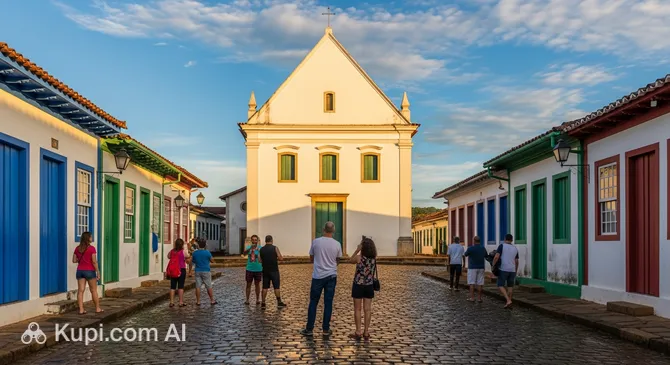
Paracatu. Source: Kupi.Binoculars

Beyond its architectural heritage, Paracatu offers delightful experiences for nature lovers and food enthusiasts. The city is famous for its unique gastronomy, particularly the distinct pão de queijo (cheese bread), which is considered a local treasure. Nature enthusiasts can enjoy the serene environment of the Paracatu State Park, a protected area that provides a refreshing escape into the lush landscapes of the Cerrado biome.

Whether you are drawn by the allure of colonial history or the taste of authentic local cuisine, Paracatu promises a memorable visit. Its blend of tradition, natural beauty, and warm hospitality makes it a perfect destination for travelers seeking to uncover the authentic spirit of Minas Gerais.

Weather Overview

Paracatu enjoys a tropical climate characterized by distinct wet and dry seasons, ensuring that visitors can find suitable conditions for travel year-round. The weather in Paracatu remains generally warm, with average temperatures fluctuating between comfortable lows in the winter and higher heat during the transition to summer.

The warmest months are typically September and October, where average maximum temperatures can reach 32.1°C. In contrast, the winter period from June to August offers milder conditions, with average lows dropping to around 14.8°C in July. This season is also the driest time of the year, often recording zero wet days for consecutive months, making it ideal for outdoor activities.

Rainfall is most concentrated during the summer, particularly from November to January, when the city can experience up to 22 wet days in a single month. Overall, travelers should expect warm, humid summers with frequent showers and cooler, extremely dry winters with clear skies.

Interesting Facts

To uncover the true character of this destination, one must look beyond the colonial facades and explore the unique traditions that define local life. Paracatu holds several fascinating distinctions that set it apart from other historical cities in the region.

  • A Distinct Culinary Masterpiece: Paracatu is widely renowned for its unique recipe for pão de queijo (cheese bread). Unlike the standard version found across Brazil, the local variety is distinguished by its preparation method: the ingredients are mixed raw, skipping the traditional step of scalding the starch with boiling liquids. This specific technique is so culturally significant that it has been declared an Intangible Cultural Heritage of the state of Minas Gerais.

  • The "Good River": The city's name has indigenous origins derived from the Tupi-Guarani language. It comes from the combination of "pará" (river) and "catu" (good), translating to "Good River." This name reflects the abundance and quality of the waterways that originally attracted explorers and settlers to the region during the gold rush.

  • Unusually Flat Geography: While most famous colonial gold-mining towns in Minas Gerais, such as Ouro Preto, are known for their steep hills and rugged terrain, Paracatu is notable for being built on relatively flat ground. Despite the level topography, the historical center maintains the charmingly irregular street layout characteristic of the colonial period, rather than following a strict grid pattern.

  • A Protected National Treasure: The historical center of Paracatu is not just a collection of old buildings; it is a federally protected site. In 2010, the National Institute of Historic and Artistic Heritage (IPHAN) listed the city center, recognizing its architectural ensemble as the largest and most significant in the northwestern region of the state.

How to Get There

Reaching Paracatu is a straightforward journey, typically involving a flight to a major regional hub followed by a scenic drive. While the city is well-connected by road to the rest of Minas Gerais and the Federal District, it does not host commercial flights directly. Visitors usually arrive at one of the larger airports in neighboring cities and continue their trip by bus or rental car. For a detailed guide on planning your route, you can read more about how to get to Paracatu and the best transport options available.

The most convenient gateway is Brasilia International Airport (IATA: BSB), located in the capital city of Brasilia. Situated approximately 187 km from Paracatu, this is the closest major transport hub. As a large international airport, it receives flights from all over the world and connects to numerous domestic destinations. From the airport, the travel time by taxi or car is generally around 3 hours via the BR-040 highway. Bus services are also frequent, though the journey may take slightly longer.

Another viable option is Santa Genoveva Airport (IATA: GYN) in Goiania, which is about 259 km away. While further than Brasilia, it serves as an important regional hub with good infrastructure. Travelers can also consider Uberlândia–Tenente Coronel Aviador César Bombonato Airport (IATA: UDI), located roughly 233 km from Paracatu. Both alternatives require a subsequent road trip of approximately 3.5 to 4 hours to reach the city center.

For clarity, here is a summary of the main airports:

Airport Name City Passenger Traffic Km from City
Brasilia International Airport Brasilia Large 187.1
Santa Genoveva Airport Goiania Medium 259.1
Uberlândia–Tenente Coronel Aviador César Bombonato Airport Uberlândia Medium 233.1
Caldas Novas Caldas Novas Small 192.9

Main Attractions

Paracatu offers a fascinating journey through time, with its well-preserved colonial architecture and rich cultural heritage. The city’s attractions provide a glimpse into the 18th-century gold rush era, blending history, art, and religious tradition. Here are some of the key places to visit.

The Igreja Matriz de Santo Antônio is the city's most iconic religious landmark and a must-see for architecture enthusiasts. Built in the early 18th century, this cathedral is unique among Minas Gerais churches because it lacks the traditional bell towers on its main facade, reflecting a style more common in the neighboring state of Goiás. Inside, visitors can admire the intricate baroque woodwork of its seven altars, which showcase the artistic craftsmanship of the period.

Another significant religious site is the Igreja de Nossa Senhora do Rosário. Constructed around 1744 by the Brotherhood of the Blacks, this church is a powerful symbol of the city's history and the resilience of its people. Its architecture is simpler and more rustic than the main cathedral, featuring "taipa" (rammed earth) walls that characterize the transition between the architectural styles of Minas and Goiás. It remains an active center for faith and cultural celebrations today.

For a deeper dive into local history, the Museu Histórico de Paracatu is an essential stop. Housed in a charming building from 1903 that once served as the municipal market, the museum preserves a vast collection of photographs, documents, and artifacts. The exhibits narrate the evolution of the city, from the days of the gold cycle and the lives of the quilombola communities to the development of modern Paracatu society.

Art and culture lovers should visit the Casa de Cultura. Located in a beautiful 19th-century mansion that was once a private residence, this cultural center is the heart of the city's artistic life. It hosts rotating art exhibitions, music workshops, and cultural events. It is also an excellent place to find local handicrafts, allowing tourists to appreciate and purchase unique pieces made by regional artisans.

Local Cuisine

The culinary scene in Paracatu is a delightful reflection of its geographical location, blending the heartwarming traditions of Minas Gerais with influences from the neighboring state of Goiás. Known for its rustic simplicity and intense flavors, the local gastronomy is often prepared on traditional wood-burning stoves, offering tourists a true taste of the Brazilian countryside. Food here is not just sustenance; it is a cultural heritage deeply connected to the region's history and agriculture.

The absolute star of the city’s menu is the famous Pão de Queijo de Paracatu. While this cheese bread is a staple across Brazil, the local version is unique enough to have earned a geographical indication and recognition as intangible cultural heritage. Unlike traditional recipes that scald the starch, the Paracatu method mixes raw sour manioc starch with grated cured cheese, milk, and eggs. The result is a golden, dense, and intensely flavorful treat that is best enjoyed fresh from the oven at one of the many cafes in the historical center.

Beyond cheese bread, visitors should try the savory Empadão, a hearty pie filled with ingredients like chicken, sausage, corn, and cheese, showcasing the Goiano influence on the local palate. For those with a sweet tooth, the Mané Pelado is a must-try. This traditional cake, made from grated cassava, cheese, and coconut, offers a moist texture and a perfect balance of sweet and savory notes, typically served during afternoon coffee.

To accompany these dishes, the region offers excellent beverages. As is typical in Minas Gerais, artisanal cachaça is widely produced and appreciated, with several local distilleries offering high-quality aged varieties. For a non-alcoholic option, tourists can explore juices made from exotic fruits native to the Cerrado biome, such as cajá, mangaba, and tamarind, which provide a refreshing break from the tropical heat.

Dining in Paracatu is a casual and welcoming affair. The best experiences are often found in family-run restaurants and historical mansions converted into eateries, where the "self-service" buffet on a wood stove is a common format. This allows travelers to sample a wide variety of dishes, including feijão tropeiro (beans with flour and sausage) and frango com quiabo (chicken with okra), in a single meal.

Travel Tips

Welcome to Paracatu! To help you navigate this charming slice of Minas Gerais with ease and confidence, we have compiled a set of essential travel guidelines. These practical tips are designed to ensure your journey through the historic "Little Ouro Preto" is as smooth and enjoyable as possible.

  1. Clothing and Gear: Since Paracatu is generally warm, pack light, breathable fabrics like cotton or linen. However, if you are visiting during the dry winter months (June to August), bring a light jacket or sweater, as evenings can get chilly. Most importantly, wear comfortable, flat walking shoes. The historical center features uneven cobblestone streets that can be difficult to navigate in heels or stiff footwear. For visiting churches, dress modestly; avoid very short skirts or sleeveless tops out of respect.

  2. Transportation: The best way to explore the Historical Center is on foot, allowing you to appreciate the architecture up close. For longer distances, local taxis and moto-táxis (motorcycle taxis) are widely available and affordable. While ride-hailing apps may exist, their availability can be inconsistent compared to major cities like Brasilia, so it is wise to have cash for traditional taxis. If you plan to visit waterfalls or surrounding areas, renting a car is highly recommended.

  3. Finances: The official currency is the Brazilian Real (BRL). Major credit and debit cards are widely accepted in hotels, restaurants, and larger shops. However, it is essential to carry some cash for small purchases, such as street food or handicrafts, and for smaller establishments that may not accept cards. ATMs are available in the city center. Tipping is customary; a 10% service charge is usually included in restaurant bills, but you can add more for exceptional service.

  4. Health and Safety: Paracatu is generally safer than Brazil's large metropolitan capitals, but standard precautions should still be taken. Avoid displaying expensive jewelry or electronics in public and stay aware of your surroundings, especially at night. Pharmacies are easy to find in the city center for minor health needs. As a general rule throughout the country, drink bottled or filtered water rather than tap water to avoid stomach issues.

  5. Communication: The primary language is Portuguese, and English is not widely spoken outside of high-end hotels. It is highly advisable to download an offline translation app or learn a few basic phrases like "Bom dia" (Good morning) and "Obrigado/a" (Thank you). Wi-Fi is common in hotels and cafes. For mobile data, you can purchase a SIM card from carriers like Vivo or Claro, though setting it up as a foreigner can sometimes be tricky; an eSIM is a convenient alternative.

  6. Local Etiquette: The people of Minas Gerais are known for their warmth and hospitality. Greetings often involve a firm handshake or, among women, a kiss on the cheek. It is polite to greet shopkeepers and hotel staff upon entering. Life here moves at a more relaxed pace than in big cities, so be patient with service and enjoy the laid-back atmosphere.

  7. What to Avoid: Do not enter religious sites while a mass or ceremony is taking place unless you intend to participate respectfully; taking flash photography during services is frowned upon. Also, avoid relying solely on digital payments; internet outages can happen, so having a backup payment method is smart.

  8. Local Insight: Be sure to sample the local pão de queijo at different times of the day. In Paracatu, this delicacy is often served fresh in the mid-afternoon as a snack. Unlike in other cities where shops stay open late, many local businesses may close for a lunch break or shut down early on Sundays, so plan your shopping accordingly.

With these tips in hand, you are fully prepared to immerse yourself in the rich culture and history of Paracatu. We hope you have a wonderful time exploring the unique heritage and warm hospitality that make this city a true highlight of Minas Gerais.

Entertainment & Nightlife

While Paracatu is deeply rooted in colonial history, its nightlife offers a surprisingly vibrant and modern energy. The city’s evening entertainment is centered around the Brazilian tradition of the "boteco"—lively bars where friends gather to share cold beer, cocktails, and hearty appetizers. Unlike the high-intensity club scenes of major metropolises, the night here is characterized by a relaxed, social atmosphere, often accompanied by live music ranging from Brazilian popular music (MPB) and sertanejo to pop rock.

The nightlife is primarily concentrated in two main areas: the Historical Center and the Bairro Santana. In the historic district, the charm of centuries-old facades provides a unique backdrop for evening drinks. Praça do Santana is a particularly popular gathering spot, where locals and visitors alike sit at outdoor tables to enjoy the warm evenings. Another bustling corridor is Avenida Olegário Maciel, which hosts a variety of establishments ranging from casual snack bars to more upscale venues.

For those seeking a lively atmosphere, the establishments surrounding the main squares often feature acoustic sets and diverse musical schedules. Travelers looking for a cozy vibe will find venues inspired by traditional pub styles, offering rustic environments and a selection of craft and commercial beers. The city is also famous for its open-air "petiscarias" (snack bars), where you can sample delicious local snacks while mingling with the friendly crowd. These spots are particularly known for serving freshwater fish dishes, a local specialty that pairs perfectly with a cold drink.

Most bars and pubs begin to fill up around 8:00 PM, with Thursday through Saturday being the busiest nights. The dress code is generally casual and comfortable. Prices in Paracatu are quite reasonable compared to larger cities, making it easy to enjoy a full night out without overspending. To get around safely, it is best to use local taxis or motorcycle taxis (moto-táxis), which are affordable and widely available. While the city is safe, stick to well-lit main streets and avoid walking alone in deserted areas late at night.

Before the sun sets, Paracatu offers plenty of daytime entertainment to fill your itinerary. Culture enthusiasts should not miss the Casa de Cultura, which hosts art exhibitions and workshops, or the Museu Histórico for a deep dive into the region's past. For nature lovers, the surrounding countryside features refreshing escapes, including several scenic waterfalls and natural pools located a short drive from the city center, perfect for a relaxing afternoon swim before hitting the town at night.

Parks & Museums

Paracatu is a destination where the rugged beauty of the Cerrado meets a rich colonial legacy. While the city is famous for its architecture, it also serves as a gateway to impressive natural sanctuaries and specialized historical repositories. For travelers, this means the opportunity to combine a morning of hiking or swimming with an afternoon dedicated to deep historical research or leisurely strolls through centuries-old plazas.

The Parque Estadual de Paracatu is the premier destination for outdoor enthusiasts in the region. Created to protect the local water supply and the native vegetation, this expansive park offers a direct connection to the biodiversity of the Cerrado biome. Visitors can explore a network of trails that showcase the unique flora of the savanna, characterized by twisted trees and vibrant wildflowers. It is a peaceful retreat ideal for birdwatching, photography, and enjoying the silence of nature just a short distance from the urban center.

For a refreshing break from the tropical heat, the Cachoeira do Ascânio (often referred to as Cachoeira Grande) is a standout attraction. Located within the scenic Circuito das Cachoeiras do Prata, roughly 40 kilometers from the city, this impressive waterfall features a drop of nearly 40 meters. The cascading water forms a large natural pool framed by reddish rocks and lush vegetation, making it an idyllic setting for swimming and picnicking. It offers a more rustic and adventurous alternative to the manicured environment of the city, rewarding visitors with one of the most picturesque landscapes in the area.

In the realm of heritage, the Arquivo Público Municipal offers a different perspective than the city's traditional museums. While other institutions display physical artifacts, the Archive preserves the written memory of Paracatu. It houses a treasure trove of documents dating back to the 18th and 19th centuries, including judicial records, manuscripts, and administrative papers from the Gold Cycle. For those with a keen interest in history, this facility provides a fascinating look at the social and legal fabric of the colonial era, detailing the lives of miners, slaves, and early settlers.

Beyond specific institutions, the city itself functions as a living museum. Public spaces like the Largo do Rosário and Praça do Santana are surrounded by preserved colonial mansions and serve as cultural gathering points. Unlike the steep topography of Ouro Preto, these squares are relatively flat, inviting visitors to take long, comfortable walks to admire the 18th-century facades. While the Museu Histórico and Casa de Cultura remain key cultural anchors, simply exploring these open-air spaces offers an authentic glimpse into the daily life and architectural grandeur of historic Brazil.

Getting Around

As a medium-sized municipality in the interior of Minas Gerais, Paracatu relies primarily on a road-based transportation network. Visitors should not expect the complex infrastructure found in major metropolitan capitals, such as subways, trams, or trains. Instead, the public transport system consists almost exclusively of a municipal bus network that connects the residential neighborhoods to the central commercial and historical districts. For tourists, this means that getting around is relatively simple, though it requires a bit of patience and flexibility.

The local bus service acts as the backbone of urban mobility. These buses are generally clean and functional, operating on fixed routes that converge in the city center. While there is no central "bus terminal" for urban lines, most routes pass through the main avenues and the vicinity of the Historical Center. It is important to note that bus stops are not always clearly marked with timetables or maps. In many cases, a simple shelter or a signpost indicates a stop, and you may need to ask locals which bus to take for your specific destination.

Regarding payment, simplicity is key. The fare system in Paracatu is predominantly cash-based for occasional visitors. You enter the bus through the front door and pay the conductor or the driver directly before passing through the turnstile. While local residents may use electronic travel cards, these are not typically marketed to short-term tourists. It is highly recommended to carry small bills and coins, as breaking large banknotes can be difficult on board. The fares are affordable, making this an economical way to travel if you are staying outside the walkable historic zone.

A unique and highly popular feature of transport in this region—and much of the Brazilian interior—is the moto-táxi (motorcycle taxi). While not strictly "public" transport, they function as an essential part of the city's mobility ecosystem, filling the gaps left by the bus schedule. Identifiable by their bright vests and specialized license plates, these drivers offer a fast and inexpensive way to navigate the city. They are regulated by the municipality, and helmets are provided for passengers. For a solo traveler, this is often the quickest way to get from a hotel to a distant attraction.

For those preferring more comfort, standard taxis are available at designated stands, usually found near the main squares and the bus station (Rodoviária). Ride-hailing apps do operate in the city, but availability can be inconsistent compared to larger hubs. You might find a ride quickly during the day, but wait times can increase significantly in the evenings or on weekends. If you have a scheduled appointment or a bus to catch to another city, booking a traditional taxi in advance is often the safer bet.

Practical advice for using the system includes planning your movements around the operating hours. Buses typically run from early morning (around 6:00 AM) until late evening (around 10:00 PM or 11:00 PM), with reduced frequency on Sundays and holidays. When waiting at a stop, you must signal clearly to the driver by raising your hand; otherwise, the bus may not stop. Finally, given the compact nature of the main tourist area, walking remains the best "transport" for exploring the colonial mansions and churches, allowing you to bypass the need for vehicles altogether within the historic core.

Accommodation

Finding a place to stay in Paracatu is a straightforward experience, with options that reflect the city’s dual identity as a historical treasure and a regional business hub. The accommodation landscape is primarily composed of cozy pousadas (guesthouses) and functional mid-range hotels. While travelers should not expect sprawling luxury resorts or five-star international chains, they will find a selection of clean, comfortable, and welcoming establishments known for the warm hospitality typical of Minas Gerais.

For tourists, the most attractive area to stay is undoubtedly the Historical Center. Choosing accommodation here places you within walking distance of the main churches, museums, and the best restaurants. Many of the lodging options in this district are housed in restored colonial mansions, offering a charming atmosphere with antique furnishings and internal courtyards. Waking up in the heart of the old town allows for an immersive experience, where the sights and sounds of the 18th century are just outside your window.

Alternatively, the commercial center and the areas adjacent to the major avenues offer more modern, business-oriented hotels. These establishments typically provide standard amenities such as private parking, Wi-Fi, and breakfast buffets. They are often chosen by those visiting for work or travelers passing through who prefer quick access to the BR-040 highway. Staying in this part of town offers convenience and easy access to banks, supermarkets, and pharmacies.

Booking Tip: Paracatu is generally not overrun by mass tourism, so finding a room is usually easy. However, the city hosts significant cultural events, such as the Paracatu Jazz Festival and traditional religious celebrations like the Feast of Our Lady of the Rosary. During these specific times, the best guesthouses in the historical center fill up quickly, so it is highly advisable to book your accommodation at least a few weeks in advance.

In terms of cost, the city is quite affordable compared to Brazil's major tourist capitals. The price range typically spans from budget to mid-range, offering excellent value for money. Most established hotels and larger pousadas are listed on major online booking platforms, making reservations simple. However, some smaller, family-run guesthouses may still prefer direct contact via phone or messaging apps, often providing a more personalized service from the moment you book.

Nearby Cities

For those looking to explore the surroundings, Paracatu serves as an excellent base for day trips to several interesting nearby locations:

City Population Distance (km)
Brasilia 3,039,444 192
Luziania 174,531 156
Patos de Minas 150,833 156
Catalao 110,983 155
Patrocinio 82,471 190

Brasilia, the federal capital, stands out as the most significant destination in the vicinity. A UNESCO World Heritage Site, it is world-renowned for its futuristic urban planning and the iconic modernist architecture of Oscar Niemeyer. Visitors can explore monumental government buildings, the breathtaking Metropolitan Cathedral, and vast recreational areas like the City Park, offering a stark contrast to the colonial charm of Paracatu.

Patos de Minas provides a genuine taste of the agricultural prosperity of Minas Gerais. Known as the "National Corn Capital," the city is famous for its lively Fenamilho festival and its strong connection to agribusiness. It offers a pleasant urban environment with parks and cultural centers that celebrate the traditions of the countryside.

Luziania, located in the neighboring state of Goiás, is a favorite spot for those seeking leisure and nature. The city is a gateway to Lake Corumbá IV, a massive reservoir that attracts tourists for fishing, boating, and water sports. It serves as a relaxing retreat for travelers looking to enjoy the natural beauty of the Central Brazilian plateau.

These nearby destinations offer a glimpse into the diverse culture and landscapes of the region.

Shopping & Souvenirs

Shopping in Paracatu offers a delightful mix of modern convenience and deep-rooted cultural tradition. While the city does not feature the massive luxury malls found in metropolitan capitals, it provides a warm and authentic retail experience. Visitors can explore bustling commercial avenues for everyday needs or wander through historic districts to discover unique artisanal treasures that reflect the region's rich heritage.

The city's commercial pulse beats strongest along Avenida Olegário Maciel. This major thoroughfare is lined with a variety of shops, ranging from popular fashion retailers and shoe stores to electronics shops and pharmacies. It is the go-to destination for residents and tourists alike who are looking for modern goods and services. For a more scenic and traditional shopping atmosphere, the Historical Center offers smaller boutiques and craft shops set amidst colonial architecture, perfect for leisurely browsing.

For a concentrated shopping experience, Shopping Paracatu is the primary destination in the city. Located on the main avenue, it offers a comfortable, climate-controlled environment with a selection of clothing stores, accessories, and a food court. It serves as a modern meeting point for locals. Another option is the Paracatu Shopping Center, a smaller gallery that provides essential services and a quieter atmosphere for quick purchases.

To truly taste the local culture, a visit to the Feira do Produtor Rural (Rural Producer's Market) is essential. Typically bustling on weekends, this market is where local farmers sell fresh produce, homemade sweets, and regional cheeses. It is an excellent place to interact with the community and sample fresh ingredients. Additionally, the Casa do Artesão and the shop at the Casa de Cultura are vital stops for finding authentic handicrafts, supporting local artisans who keep regional traditions alive.

When it comes to souvenirs, Paracatu offers items that are deeply connected to its identity. The city is famous for its distinct pão de queijo (cheese bread), and you can often buy frozen packages or dry mixes to take home. Artisanal cachaça is another popular gift, reflecting the distillation traditions of Minas Gerais. For non-edible keepsakes, look for corn husk crafts (artesanato em palha de milho), a specialty of the local Quilombola communities, as well as intricate embroidery and hand-woven textiles.

Store opening hours in Paracatu generally follow the standard Brazilian schedule. Street shops typically operate from 9:00 AM to 6:00 PM on weekdays and from 9:00 AM to 1:00 PM on Saturdays, closing on Sundays. Shopping malls usually stay open later, often until 10:00 PM from Monday to Saturday, with reduced hours on Sundays. Credit and debit cards are widely accepted in most establishments, but it is advisable to carry cash when visiting street markets or buying from small vendors.

Tourists should note that tax-free shopping or VAT refunds are not generally available in Brazil for standard consumer goods. The prices displayed on items are final, including all applicable taxes. Bargaining is not common in established stores but can be acceptable in markets or when purchasing multiple handmade items directly from artisans.

Reached the end of the page?

That means the route is fully explored