Support

Goiania

About

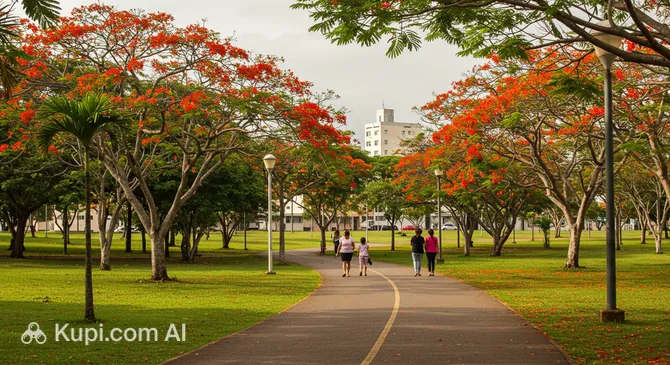
Welcome to Goiania, the vibrant capital of the state of Goiás and a city celebrated for its harmonious blend of urban development and nature. Known as the "Spring Capital" and the "Green Capital" of the country due to its high ratio of green space per inhabitant, Goiania offers a refreshing atmosphere that stands out among major metropolises. It is a planned city, designed with a focus on quality of life, making it an intriguing destination for travelers seeking both culture and relaxation.

Geographically situated in the Central-West region of Brazil, the city lies on the Brazilian Highlands, enjoying a tropical savanna climate with distinct wet and dry seasons. With a population of approximately 1.4 million people, it serves as a significant economic and cultural hub while maintaining a welcoming, community-oriented vibe.
Goiania. Source: Kupi.Binoculars

Founded in 1933, the city was built from the ground up to replace the former capital, Cidade de Goiás. The history of Goiania is fascinating, as its initial plan was heavily influenced by the principles of modern urbanism. This heritage is most visible in the city center, which boasts an impressive collection of Art Deco architecture. In fact, Goiania possesses one of the most significant concentrations of Art Deco buildings in the world, recognized as a National Historical Heritage site.

Beyond its architectural gems, the city is famous for its abundance of parks, such as the popular Flamboyant Park and Vaca Brava Park, which serve as green lungs and social gathering spots for locals and tourists alike. Visitors can also explore the vibrant local culture through its cuisine, tasting regional specialties made with pequi and other fruits native to the Cerrado biome.

Whether you are strolling through its leafy avenues, admiring the historic buildings, or enjoying the lively local markets, Goiania invites you to experience the heart of the Brazilian interior. It is a destination that surprises and delights, offering a perfect mix of modernity, history, and nature.
Weather Overview

Goiania experiences a tropical savanna climate characterized by two distinct seasons: a humid, rainy summer and a dry winter. When planning your trip, it is helpful to check the weather in Goiania to pack accordingly for the specific time of year. The wet season generally spans from October to April, with rainfall peaking between December and February, where you might encounter rain on more than 20 days per month.

In contrast, the dry season from May to September brings clear skies and very little precipitation; in fact, June, July, and August typically see almost zero rainfall. During these months, the daily temperature range widens, with cooler nights dropping to around 15°C in July, while daytime highs remain pleasant. September is often the hottest month, with average maximum temperatures reaching up to 33.2°C. Overall, visitors can expect warm weather year-round, with heavy showers in the summer and arid, sunny conditions during the winter.

Interesting Facts

Beyond the main attractions, Goiania holds many fascinating secrets and cultural quirks that define its unique identity. Here are some intriguing details that often surprise visitors.
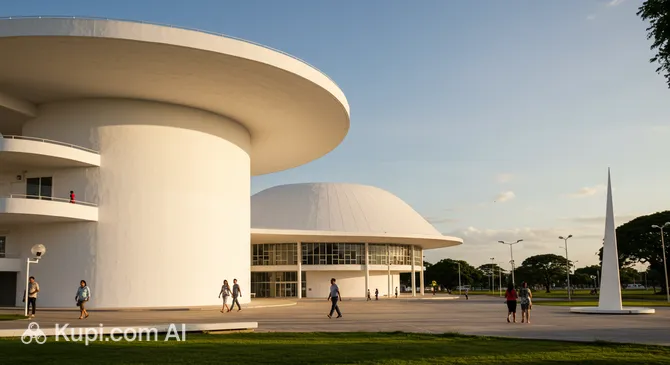
Oscar Niemeyer Cultural Center. Source: Kupi.Binoculars
  • The Capital of Sertanejo: Goiania is widely considered the "Nashville of Brazil." It is the epicenter of sertanejo (Brazilian country music), and many of the nation's most famous musical duos launched their careers in the city's bars and concert halls.

  • A Green Giant: The city is frequently cited as having one of the highest ratios of green space per inhabitant in the world. This commitment to nature preserves ancient trees and water sources right in the urban core, such as the dense Buritis Forest, which is the city's oldest natural heritage site.

  • Niemeyer’s Legacy: While Brasilia is famous for its modernist architecture, Goiania also boasts a masterpiece by the legendary architect Oscar Niemeyer. The Oscar Niemeyer Cultural Center features his signature geometric shapes, including a striking red triangle and a large dome, set against a vast esplanade.

  • The Pequi Capital: The local cuisine revolves heavily around the pequi, a yellow fruit native to the Cerrado biome with a very strong, distinctive flavor. It is so beloved that it has become a cultural symbol, though visitors are often warned to gnaw it carefully to avoid the thorns inside the seed.

How to Get There

Reaching the capital of Goiás is relatively straightforward, with air travel being the most common method for those coming from distant locations. The city is well-connected to the rest of the country, and you can find more about how to get to Goiania and the specific transport options available to plan your journey effectively.

The primary entry point for most visitors is Santa Genoveva Airport (IATA: GYN). Located directly in Goiania, this facility handles a large volume of domestic flights and serves as the main hub for the region. It is situated approximately 8 km from the city center, making the commute quite short. A trip by taxi or app-based transport usually takes about 35 minutes, depending on traffic conditions.

Alternatively, international travelers or those looking for more direct connection options might choose to fly into Brasilia International Airport (IATA: BSB), located in the city of Brasilia. While it is about 170 km away from Goiania, it is a much larger hub offering a wider range of flights. From Brasilia, you can reach Goiania by renting a car or taking a bus, a journey that typically takes around 3 to 4 hours via the highway.

For clarity, here is a summary of the main airports:

Airport Name City Passenger Traffic Km from City
Brasilia International Airport Brasilia Large 170.4
Santa Genoveva Airport Goiania Medium 8.1
Uberlândia–Tenente Coronel Aviador César Bombonato Airport Uberlândia Medium 267.1
Caldas Novas Caldas Novas Small 134.9

Regarding rail transport, Goiania does not currently have a passenger railway station connecting it to other major cities. Visitors traveling by land rely primarily on the extensive bus network or private vehicles. The city is well-served by federal highways, and the main bus terminal, Rodoviária de Goiânia, receives daily arrivals from various parts of Brazil.

Main Attractions

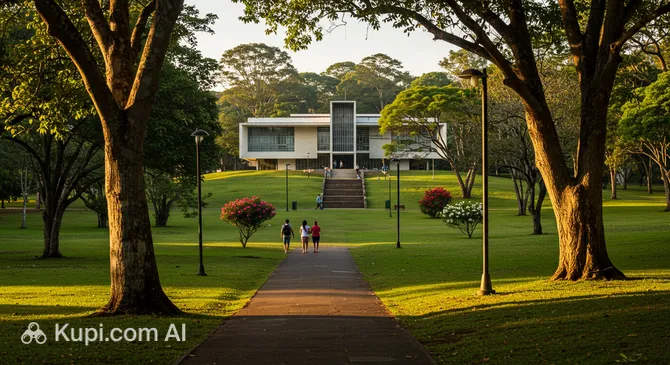
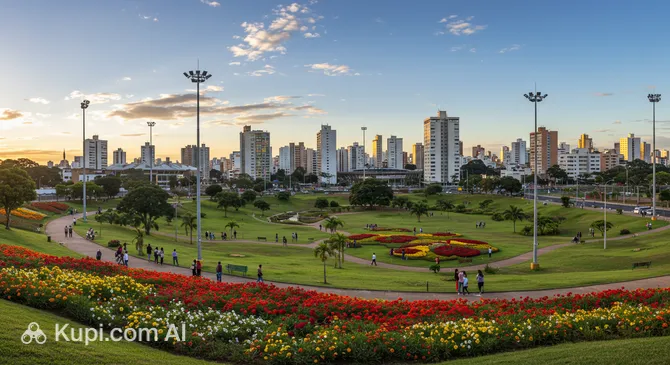
Exploring Goiania means diving into a city that perfectly balances urban life with nature and history. One of the most beloved spots for locals and visitors alike is Flamboyant Park. Located in the Jardim Goiás neighborhood, this expansive green space is centered around two beautiful lakes and offers a refreshing escape from the city bustle. It is an ideal place for a morning jog, a leisurely picnic, or simply admiring the native trees, including the vibrant flamboyant trees that give the park its name.

Flamboyant Park. Source: Kupi.Binoculars

For those interested in the city's origins, Pedro Ludovico Square, also known as Praça Cívica, is a must-visit landmark. As the initial center of construction for the planned capital, this square is surrounded by significant government buildings that showcase the city's renowned Art Deco architecture. It serves as the historical heart of Goiania, featuring monuments like the Monument to the Three Races, which honors the cultural mix that formed the state of Goiás.

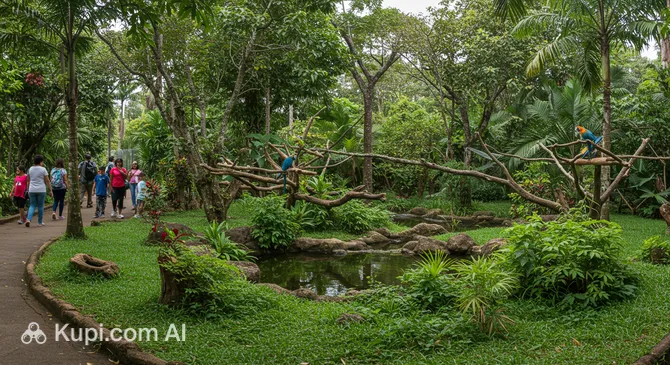
Nature enthusiasts and families will find plenty to enjoy at the Goiânia Zoo. Situated within the scenic Lago das Rosas area, the zoo is home to hundreds of animals from diverse species, including mammals, birds, and reptiles. The facility focuses on environmental education and conservation, allowing visitors to learn about wildlife while strolling through shaded paths that connect the animal enclosures with the park's natural beauty.

Goiânia Zoo. Source: Kupi.Binoculars

To gain a deeper understanding of the local history, a visit to the Pedro Ludovico Museum is highly recommended. This museum is housed in the former Art Deco residence of Pedro Ludovico Teixeira, the founder of Goiania. The house has been preserved with its original furniture, personal objects, and library, offering an intimate glimpse into the domestic life of the 1930s and the vision behind the city's creation.

Another excellent option for recreation is Vaca Brava Park. Occupying a large area in the Bueno sector, it features a generous lake and a small forest of native vegetation that provides a habitat for small animals and birds. Its central location near shopping centers and bustling avenues makes it a convenient and popular gathering spot for enjoying the outdoors without leaving the urban environment.

Local Cuisine

The culinary scene in Goiania is a flavorful reflection of the Brazilian heartland, deeply rooted in the traditions of the countryside and the abundance of the Cerrado biome. The local cuisine is hearty, colorful, and famous for its bold ingredients. A true staple of the city is the pamonha, a corn-based delicacy that can be served savory with cheese and sausage, or sweet. Goiania is often cited as the capital of pamonha, and you will find specialized shops, known as pamonharias, scattered throughout the neighborhoods.

Another dish that defines the region is the Empadão Goiano, a rich and savory pot pie filled with a mix of chicken, sausage, cheese, and guariroba—a type of bitter palm heart native to the area. For a taste of the most controversial yet beloved local ingredient, try the galinhada (chicken and rice) cooked with pequi. This yellow fruit has a unique, intense aroma and flavor that locals adore, though it is an acquired taste for some visitors.

Carne de Sol 1008. Source: Kupi.Binoculars

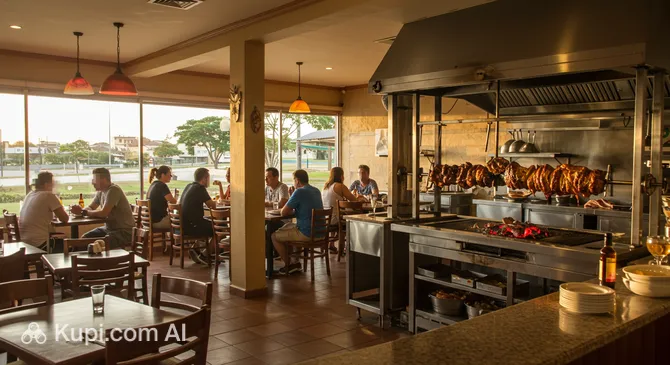
Meat lovers will feel right at home here, as high-quality beef is a cornerstone of the diet. One of the most popular preparations is carne de sol, heavily salted beef that is cured in the sun and typically served with cassava and clarified butter. A renowned spot to experience this traditional dish is Carne de Sol 1008, a bustling restaurant that is a favorite among residents for its generous portions and authentic regional flavors.

Goiania also has a vibrant street food culture, most notably its "Pit Dogs." These are ubiquitous sandwich stands found on street corners and squares, serving massive burgers and pressed sandwiches late into the night. They are a cultural institution in the city, perfect for a quick and inexpensive meal. For a more open-air dining experience, the city's street markets, or feiras, are essential. The famous Feira do Sol, held on Sundays at Praça do Sol, offers a wide variety of street food stalls where you can sample everything from pastel (fried pastry) to yakisoba.

The social life of the city revolves heavily around its bars and "botecos." Locals often gather at these establishments to enjoy happy hour with cold beer and appetizers. If you are looking for a lively atmosphere with good food and drinks, Caseratto (Setor Marista) is a great example of the city's modern gastrobar scene. For those who prefer a different vibe with live music, Vikings Pub offers a thematic environment to enjoy the night.

To cool off from the tropical heat, do not miss the chance to try fresh juices made from native Cerrado fruits. Flavors like mangaba, cajá, and cupuaçu offer a refreshing break from the ordinary. Whether you are dining in a sophisticated restaurant or grabbing a bite at a street market, the food in Goiania is prepared with a warmth and hospitality that makes every meal memorable.

Travel Tips

To make the most of your visit to the "Spring Capital," it helps to know a few local ins and outs that go beyond the standard guidebooks. Goiania is a welcoming and organized city, but like any Brazilian metropolis, having some inside knowledge will ensure your trip is smooth, safe, and truly enjoyable.

  1. Dress for the Heat and Sun. Since Goiania is located in the tropical savanna, light and breathable fabrics like cotton or linen are essential year-round. The sun can be intense even on cloudy days, so a hat, sunglasses, and high-SPF sunscreen are non-negotiable. For footwear, bring comfortable sneakers for walking in the parks and a pair of sandals for casual outings. Electrical outlets here typically use the three-pin Type N standard (compatible with Type C), and the voltage is 220V, so check your devices before plugging them in.

  2. Rely on Ride-Hailing Apps. While the city has a public bus system (RMTC) that requires a rechargeable Sitpass card, it can be crowded and confusing for non-Portuguese speakers. The most convenient and safe way to get around is using apps like Uber or 99. They are widely available, reasonably priced, and allow you to track your route. If you prefer driving, renting a car is a good option due to the city's wide avenues, but be prepared for heavy traffic during rush hours.

  3. Cash is King at the Markets. The official currency is the Brazilian Real (BRL). Credit and debit cards are accepted almost everywhere, including small kiosks and restaurants. However, Goiania is famous for its open-air street markets (feiras), where cash is often preferred or necessary for small purchases. It is wise to carry some small bills for these occasions. Tipping around 10% is standard in restaurants and is usually included in the bill as a service charge.

  4. Stay Hydrated and Safe. The air can get extremely dry, especially between May and September, so carry a water bottle and drink plenty of fluids; however, avoid drinking tap water unless it is filtered. Pharmacies are abundant, with major chains like Drogasil or Pague Menos often open 24/7. In terms of safety, stick to bustling neighborhoods like Setor Marista and Setor Bueno. Avoid walking in empty parks or quiet streets at night, and keep your valuables discreet to avoid attracting attention.

  5. Bridge the Language Barrier. Portuguese is the primary language, and English is not widely spoken outside of major hotels and business centers. Learning a few basic phrases like "Bom dia" (Good morning) and "Obrigado" (Thank you) goes a long way. It is highly recommended to download an offline translation app and an offline map on your phone. For connectivity, you can buy a SIM card at shopping malls, though getting an eSIM before arrival is often much easier for tourists.

  6. Embrace the Warmth. Locals, known as goianos, are incredibly friendly and informal. It is common to greet people with a smile, a handshake, or even a cheek kiss (usually one) if you are being introduced by a friend. Using a "thumbs up" gesture is a universal sign of approval or agreement here. When entering shops or elevators, a polite greeting to those present is considered good manners.

  7. Avoid the "Jeitinho" with Rules. While Brazilians are known for being relaxed, do not assume traffic laws or queues are suggestions. cutting lines or disrespecting designated spaces can be frowned upon. Also, avoid making comparisons between Goiania and other Brazilian cities or criticizing the local country music (sertanejo), which is a source of immense local pride.

  8. Sunday is Market Day. If you are in the city on a weekend, do not miss the Feira da Lua (Saturday) or the Feira do Sol (Sunday). These aren't just places to buy clothes and crafts; they are major social events where locals gather to eat street food. It’s the best "life hack" for experiencing the true vibe of the city and trying authentic snacks like pastel and pamonha for a low price.

By keeping these practical tips in mind, you will be well-prepared to navigate Goiania like a local rather than a tourist. Enjoy the lush greenery, the vibrant food scene, and the warm hospitality that makes this city a hidden gem in the heart of Brazil.

Entertainment & Nightlife

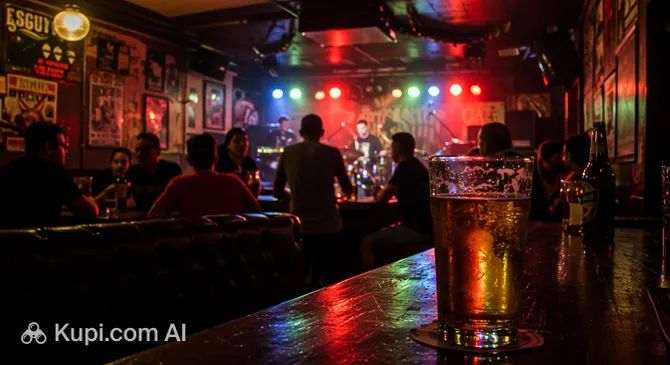
Goiania comes alive after dark, offering a spirited nightlife scene that caters to diverse tastes. While the city is famous as the cradle of sertanejo music, its entertainment options extend far beyond country bars. For those who prefer rock, blues, and high-quality live performances, Bolshoi Pub is a cultural institution. Known for its intimate atmosphere and excellent acoustics, it frequently hosts renowned national and international artists, making it a favorite spot for music lovers.

Bolshoi Pub. Source: Kupi.Binoculars

If you are looking for a lively environment to gather with friends, the city's "gastrobar" culture is thriving. Local Gastrobar is a popular choice, offering a relaxed setting with sophisticated bar food and signature cocktails. For a more thematic experience, visitors can head to Vikings Pub, which combines a unique Norse-inspired decor with cold beer and rock music, providing a fun alternative to the traditional local venues.

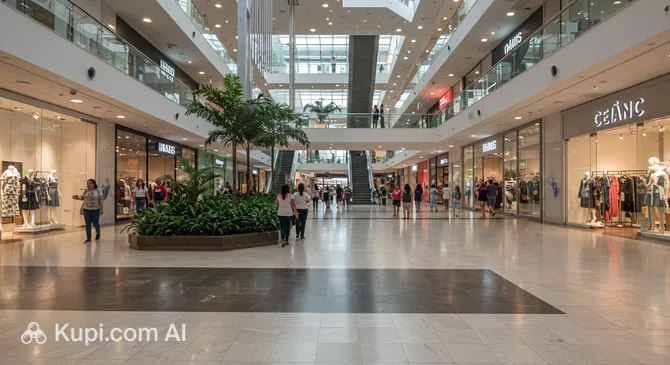
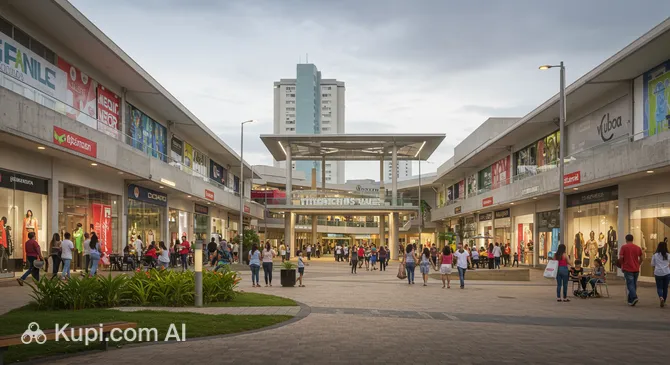
Shopping is another major pastime in the capital of Goiás, drawing visitors from across the region. The city is home to Flamboyant Shopping Center, the oldest and most prestigious mall in the state. It features a vast array of high-end brands, a cinema complex, and a gourmet food court. Another modern option is Cerrado Shopping, which offers a wide mix of stores and services, ensuring a comfortable and comprehensive shopping experience.

Flamboyant Shopping Center. Source: Kupi.Binoculars

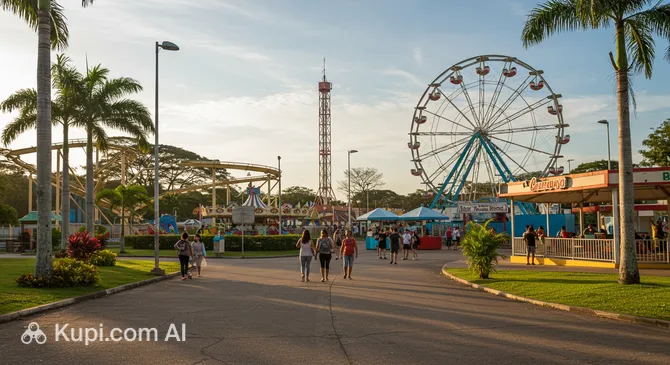
Families traveling with children will find plenty of excitement at Mutirama Park. This traditional amusement park is located near the city center and features classic rides like a Ferris wheel, roller coasters, and a carousel, all set within a green, tree-filled area. It is a nostalgic and budget-friendly destination that has entertained generations of locals.

Mutirama Park. Source: Kupi.Binoculars

For a unique indoor attraction, Monica's Gang Station (Estação da Turma da Mônica) offers an interactive theme park experience based on Brazil's most beloved comic strip characters. Additionally, those seeking a mix of sports and leisure can visit Golden Bowl Bowling, Restaurant and Bar, a classic venue perfect for a competitive game of bowling accompanied by tasty snacks and drinks.

Parks & Museums

As the "Green Capital" of Brazil, Goiania prides itself on integrating nature seamlessly into urban life, offering residents and visitors a breath of fresh air amidst the bustle. Beyond its well-known leisure spots, the city boasts a rich array of cultural venues and serene reserves that showcase the region's artistic heritage and biodiversity.

One of the most significant natural refuges in the city is Areião Park. This extensive reserve serves as a sanctuary for native flora and fauna, providing a habitat for small monkeys that are often spotted by visitors. With its jogging tracks, a large lake, and dense vegetation, it is a favorite location for sports enthusiasts and nature lovers seeking a tranquil environment. The park also houses the Vila Ambiental, a space dedicated to environmental education, making it an insightful stop for families.

Areião Park. Source: Kupi.Binoculars

Another essential green space is the historic Buritis Forest (Bosque dos Buritis). As the city's oldest planned park, it is a central landmark featuring three artificial lakes and the magnificent Monument to World Peace. Visitors can wander through shaded pathways surrounded by tall trees, enjoying a peaceful retreat right in the heart of the administrative district. It is a perfect example of how Goiania preserves its natural heritage within the city center.

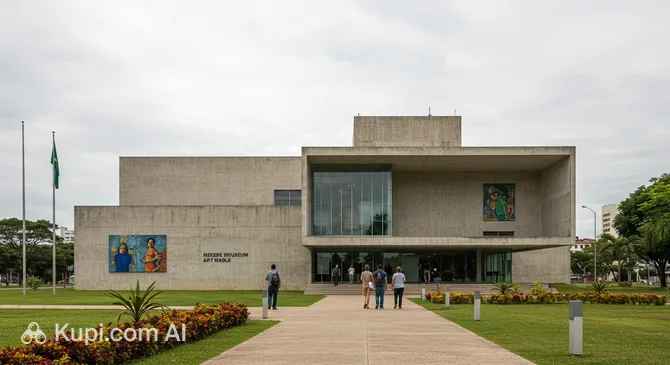
Culturally, the city offers impressive institutions that reflect its artistic spirit. Located within the Buritis Forest itself is the Goiânia Art Museum (MAG). This venue is a focal point for visual arts in the state, hosting a permanent collection of paintings, sculptures, and engravings, as well as temporary exhibitions by local and national artists. Its location allows tourists to combine a nature walk with a dose of high culture.

Goiânia Art Museum. Source: Kupi.Binoculars

For a deeper dive into the region's roots, the Anthropological Museum of the State University of Goiás is a fascinating destination. The museum is dedicated to researching and preserving the history of the indigenous populations of Central Brazil. Its exhibits provide a comprehensive look at the diverse cultures that have shaped the area, featuring artifacts and educational displays that offer a unique perspective on the Brazilian interior.

Architectural enthusiasts should not miss the Metropolitan Cathedral of Goiânia (Our Lady Help of Christians). This religious landmark stands out for its modern design, distinct from the colonial churches found in older cities of the state. It represents the contemporary faith and architectural evolution of the capital.

For a truly authentic experience and a different perspective of the city, head to Morro do Além. This high vantage point offers one of the best panoramic views of Goiania, especially at sunset. It is a lesser-known spot compared to the main parks, providing a quiet atmosphere where you can watch the city lights begin to twinkle as the day ends.

Getting Around

Public transport in Goiania relies almost exclusively on an extensive bus network managed by the Rede Metropolitana de Transportes Coletivos (RMTC). The city does not have an underground metro system; instead, it utilizes a Bus Rapid Transit (BRT) model to facilitate faster travel across the metropolis. The most important line is the Eixo Anhanguera, a dedicated corridor that runs east-west through the city, connecting major terminals and the downtown area. This route is often the quickest way to traverse the main urban zones, especially during peak traffic hours.

To use the public buses, you must use the Sitpass ticketing system, as cash is generally not accepted on board. For tourists, the best option is to purchase a single-ride ticket or a rechargeable card at the self-service machines located in major bus terminals or at accredited sales points scattered around the city. The fare is reasonably priced, and the system allows for integration between different bus lines inside the terminals without paying an extra fee, provided you do not exit the turnstiles.

Navigating the network can be tricky for newcomers, so it is highly recommended to download the official SiMRmtc app. This application allows you to check routes, locate the nearest bus stop, and see real-time arrival schedules, making the experience much smoother. Buses typically operate from roughly 5:00 AM until midnight. If you are planning to travel very late at night, be aware that the frequency of service drops significantly, and waiting at isolated stops is not advisable for safety reasons.

For a more comfortable and direct alternative, ride-hailing apps like Uber and 99 are extremely popular and widely used throughout Goiania. They are often the preferred choice for tourists due to their safety, convenience, and competitive pricing compared to traditional transport. Regular taxis are also available and can be found at designated stands near shopping malls, hotels, and the airport, operating with a standard meter system.

Accommodation

Finding the perfect place to stay in Goiania is generally a hassle-free experience, as the city offers a well-structured hospitality sector designed to cater to both business travelers and tourists. The accommodation landscape ranges from efficient, budget-friendly flats and hostels to sophisticated mid-range hotels and luxury accommodations. Because the city is a major hub for agribusiness and events, many hotels are equipped with modern amenities, ensuring a comfortable stay regardless of your budget.

When choosing a location, the neighborhood—or "Setor"—makes a significant difference in your experience. Setor Marista and Setor Bueno are widely considered the best areas for tourists; they are safe, walkable, and packed with the city's best bars, restaurants, and parks like Vaca Brava. If you prefer to be close to high-end shopping and modern leisure spots, Jardim Goiás is an excellent choice, located right next to Flamboyant Park. Meanwhile, the Setor Oeste offers a quieter, more traditional residential vibe while still being central, and the historic Centro provides easy access to Art Deco landmarks and budget lodgings.

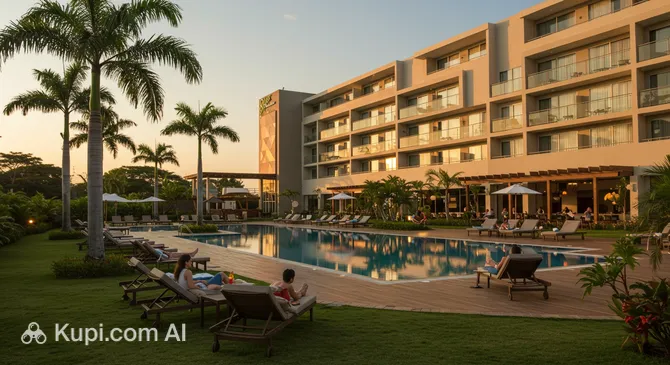
For travelers looking for quality service and convenient locations, the city has several reputable establishments. A standout option in the vibrant Jardim Goiás neighborhood is the Flamboyant Goiânia Hotel, which places guests within walking distance of the city's largest shopping mall and major corporate centers. Another noteworthy choice is Collection Goiânia, known for offering a blend of comfort and style suitable for both short visits and longer stays.

Flamboyant Goiânia Hotel. Source: Kupi.Binoculars

Regarding costs, Goiania is generally more affordable than Brazil's coastal tourist hotspots like Rio de Janeiro. You can find excellent value for money, with mid-range hotels often offering high standards at reasonable rates. Booking is typically done through major online travel platforms, which is the most convenient method. A helpful tip is to check the local events calendar before your trip; since the city hosts large agricultural fairs and music festivals, hotels can fill up quickly and prices may rise during these peak times, so booking in advance is highly recommended.

Nearby Cities

Goiania serves as a strategic gateway to the state of Goiás, making it an excellent base for exploring the surrounding region. The city is encircled by several municipalities that offer a mix of religious heritage, economic vitality, and the relaxed pace of the interior. These destinations are easily accessible by car or bus, perfect for day trips or short excursions.

One of the most significant nearby stops is Trindade, located just 24 km from the capital. Known as the "Capital of Faith," it attracts millions of pilgrims annually to the Sanctuary of the Divine Eternal Father. For those interested in a more urban environment, Anapolis is a major industrial hub situated about 52 km away, playing a crucial role in the state's economy. Closer to home, Senador Canedo lies only 18 km from the city center, functioning almost as an extension of the metropolitan area.

If you are looking to venture a bit further, the towns of Inhumas and Itaberai offer a glimpse into the agricultural lifestyle that defines much of central Brazil. Below is a list of these nearby cities, sorted by their distance from Goiania, to help you plan your travels:

City Distance (km) Population
Senador Canedo 18 84,443
Trindade 24 104,488
Inhumas 42 48,246
Anapolis 52 366,491
Itaberai 93 35,371

Shopping & Souvenirs

Goiania stands out as a significant commercial hub in the Central-West region, attracting visitors with its dynamic mix of modern retail centers and traditional open-air markets. The city is especially renowned for its fashion industry, often referred to as a "clothing pole," where shoppers can find high-quality garments at competitive prices.

The city's mall culture is led by the Flamboyant Shopping Center. Located in the Jardim Goiás neighborhood, it is the state's oldest and most upscale mall, featuring a wide range of international labels and gourmet restaurants. For a contemporary alternative, Cerrado Shopping provides a spacious environment with a comprehensive mix of retail stores, entertainment, and services.

Cerrado Shopping. Source: Kupi.Binoculars

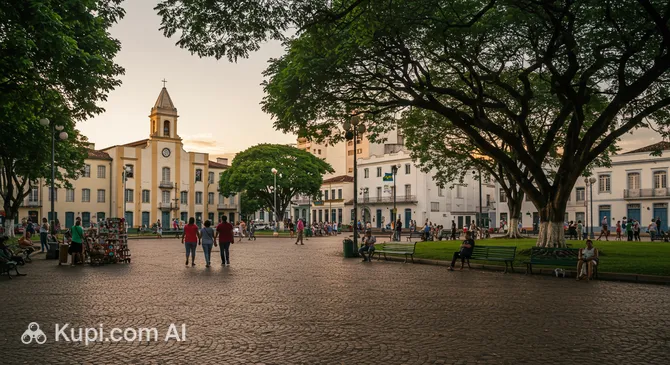
However, to truly experience the local lifestyle, one must visit the famous street fairs. Sunday mornings are bustling at Praça do Sol, which hosts the popular Feira do Sol. This market is perfect for browsing unique handicrafts, art pieces, and clothing, all while enjoying the lively atmosphere and local street food snacks.

Praça do Sol. Source: Kupi.Binoculars

Goiania is also the heart of Brazil's country music scene, and this influence extends to its fashion. Visitors looking for authentic sertanejo style can visit the Texas Center. This specialized store is a landmark for Western wear, offering a vast selection of leather boots, hats, and accessories that reflect the region's cowboy heritage.

Reached the end of the page?

That means the route is fully explored