Support

Rio Verde

About

Welcome to Rio Verde, a vibrant and prosperous municipality located in the state of Goiás. Often recognized as a major agricultural hub, this city offers a unique blend of modern urban infrastructure and the welcoming spirit typical of the region. Situated in the central-western part of Brazil, Rio Verde enjoys a tropical climate and serves as a key economic center, home to a growing population of approximately 176,000 residents.

The city has undergone significant transformation over the years, evolving from a modest settlement into a powerhouse of agribusiness. Visitors interested in the roots of this development can delve deeper into the history of Rio Verde to understand how it became one of the most important grain-producing regions in the country.

Rio Verde. Source: Kupi.Binoculars

Beyond its economic importance, the city offers pleasant spaces for leisure and relaxation. One of the local highlights is the Espelho d'Água, a beautiful recreational area perfect for walking and enjoying the outdoors. The city is also famous for hosting the Tecnoshow Comigo, a massive event that attracts visitors from all over the globe to witness the latest in agricultural technology.

Whether you are traveling for business or looking to explore the dynamic culture of Goiás, Rio Verde provides a comfortable and engaging experience. Its well-maintained streets, green spaces, and friendly locals make it a destination worth discovering on your journey through the Brazilian interior.


Weather Overview

Rio Verde experiences a tropical climate characterized by two distinct seasons: a warm, wet summer and a drier, milder winter. Understanding the weather in Rio Verde is essential for planning outdoor activities, as the rainfall patterns vary significantly throughout the year.

The rainy season typically spans from October to March, with precipitation frequency peaking in December and January, which can see up to 24 wet days per month. During this time, average temperatures remain steady around 24°C to 25°C, creating a humid atmosphere. In contrast, the winter months from May to August are remarkably dry, often recording zero to three wet days, making it an ideal time for those who prefer clear skies.

Temperature-wise, September is generally the hottest month, with average highs reaching 33.2°C, while July is the coolest, with nighttime lows dipping to approximately 15.0°C. Overall, visitors can expect warm days year-round, with distinct periods of heavy rainfall in the summer and dry, pleasant conditions in the winter.

Interesting Facts

Beyond its reputation as an agricultural powerhouse, Rio Verde holds fascinating secrets and historical curiosities that surprise many visitors. From unique local legends to a diverse cultural heritage, the city offers more than meets the eye.
Rio Verde Shopping Mall. Source: Kupi.Binoculars
  • The city was historically known by the nickname "Terra das Abóboras" (Land of Pumpkins). According to local legend, during the Paraguayan War in the 19th century, Brazilian troops camped in the area and survived by eating the abundant pumpkins found along the riverbanks.

  • Rio Verde has a distinct cultural blend due to a massive migration of "Gaúchos" from southern Brazil in the 1970s. This influence is so strong that traditions like drinking chimarrão (mate tea) and organizing large barbecues are just as common here as in the south of the country.

  • Similar to Rio de Janeiro, the city boasts its own Christ the Redeemer statue. Located at one of the highest points in the urban area, the monument serves as a lookout, offering panoramic views of the city and the surrounding flatlands.

  • Reflecting its transformation from a rural town to a major commercial hub, the city features modern amenities like the Rio Verde Shopping Mall. This facility symbolizes the rapid economic growth that has made the municipality a central service provider for the entire southwest region of Goiás.

How to Get There

Planning a trip to this dynamic agricultural hub involves choosing the right entry point, as the city is well-connected by road to major regional centers. For a comprehensive guide on all available transport options, you can read more about how to get to Rio Verde to help organize your journey.

For direct air travel, the city is served by the General Leite de Castro Airport (RVD), which facilitates regional domestic connections. However, due to a higher frequency of flights, many travelers choose to fly into the Santa Genoveva Airport (IATA: GYN). Located in the state capital, Goiania, this is the primary aviation hub for the region. The airport is situated approximately 222 km from Rio Verde. The transfer by road is efficient, typically taking between 3 to 3.5 hours via the BR-060 highway, depending on traffic conditions.

Another option for travelers exploring the wider region is the Caldas Novas airport (IATA: CLV), located in the popular resort city of Caldas Novas. This facility generally serves tourists visiting the hot springs but can be a viable alternative. It is located about 245 km from Rio Verde, with a driving time of approximately 3.5 to 4 hours.

For clarity, here is a summary of the main airports:
Airport Name City Passenger Traffic Km from City
Santa Genoveva Airport Goiania Large 221.7
Caldas Novas Caldas Novas Small 245.3

Regarding rail travel, Rio Verde is not currently served by passenger railway lines. The rail infrastructure in this part of Brazil is predominantly dedicated to freight, particularly for the transport of agricultural commodities like soy and corn. Consequently, visitors cannot arrive by train. The most common and reliable method of public transport for reaching the city is via the extensive intercity bus network. Modern and comfortable buses frequently connect Rio Verde to Goiania, Brasília, and other major cities, arriving at the local bus terminal (Rodoviária), which is centrally located.

Main Attractions

While Rio Verde is famous for its agribusiness, the city also offers a variety of attractions that cater to leisure, dining, and shopping enthusiasts. From modern commercial centers to spots that highlight local culinary traditions, there are several interesting places for visitors to explore during their stay.

One of the central hubs for entertainment and retail is the Rio Verde Shopping Mall. As the city's premier shopping destination, it provides a comfortable, air-conditioned environment perfect for escaping the midday heat. Tourists can enjoy a wide range of stores, catch a movie at the cinema, or relax in the extensive food court, making it a convenient stop for families and solo travelers alike.

For a glimpse into the region's aquatic life, the Rio Verde Aquarium is a charming attraction. This facility is dedicated to showcasing freshwater species native to the local river basins. It offers an educational and relaxing experience, allowing visitors to observe the biodiversity of Goiás up close in a well-maintained setting.

Rio Verde Aquarium. Source: Kupi.Binoculars

Those looking to experience the local nightlife and social scene should consider visiting O Santo Desconfia. This popular bar is well-regarded for its vibrant atmosphere, diverse drink menu, and tasty appetizers. It serves as an excellent venue to unwind in the evening, offering tourists a chance to mingle with locals and enjoy the city's energetic vibe.

O Santo Desconfia. Source: Kupi.Binoculars

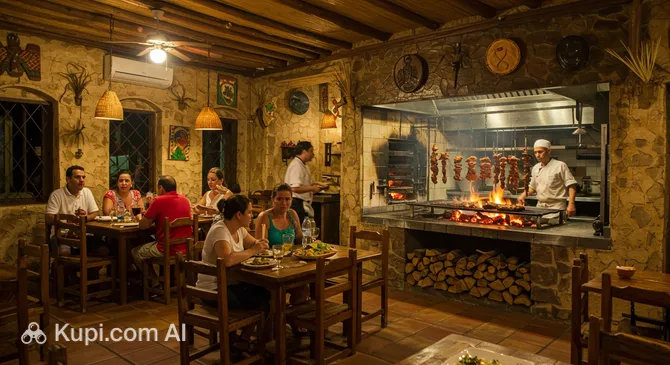
To taste authentic local flavors, a stop at Vinícius's Skewers – Jardim América is highly recommended. Specializing in the beloved Brazilian tradition of "espetinhos" (grilled meat skewers), this restaurant offers a casual and friendly dining experience. It is a fantastic place to enjoy a hearty meal and understand the region's deep connection to barbecue culture.

Vinícius's Skewers – Jardim América. Source: Kupi.Binoculars

Local Cuisine

The local cuisine in Rio Verde is a delicious reflection of the wider culinary traditions of the state of Goiás, known for its rustic, hearty, and flavorful dishes. The region's agricultural abundance ensures that fresh ingredients are the star of every meal. A staple ingredient you simply must try is pequi, a yellow fruit with a strong aroma and unique taste, often cooked with rice or chicken. Another local favorite is the empadão goiano, a rich savory pie filled with ingredients like chicken, sausage, cheese, and guariroba (a type of bitter palm heart).

Due to the strong influence of migrants from southern Brazil, the city also has a vibrant barbecue culture. High-quality beef is a source of local pride, and "churrascarias" (steakhouses) are common gathering spots for families on weekends. For a lighter snack, look for pamonha, a corn-based dumpling that can be served sweet or savory, often sold fresh at street stalls and local markets.

When it comes to dining out, the city offers a mix of traditional eateries and modern venues. Pizza is particularly popular among residents for evening social gatherings. A well-regarded spot to experience this slice of local life is Scarolli Pizzeria. It is known for its inviting atmosphere and wide selection of flavors, making it a great place to relax after a day of sightseeing.

Scarolli Pizzeria. Source: Kupi.Binoculars

To accompany these meals, locals often turn to refreshing beverages to combat the tropical heat. Fresh fruit juices made from exotic fruits of the Cerrado region, such as cajá and mangaba, are widely available and offer a unique taste of the Brazilian interior. For those preferring alcoholic drinks, an ice-cold beer (often referred to as chopp) is the standard choice at bars, while traditional cachaça remains a beloved spirit for sipping or mixing into cocktails.

Travel Tips

To ensure your visit to Rio Verde is as enjoyable as it is memorable, a little preparation goes a long way. Here are some essential practical tips to help you navigate the city and local customs with ease, allowing you to focus on exploring its rich agricultural heritage and vibrant culture.

  1. Clothing and Gear: Given the tropical climate, lightweight and breathable fabrics are essential year-round. If you are visiting during the rainy summer (October to March), be sure to pack a sturdy umbrella or a raincoat. For the dry winter months (May to August), a light jacket or sweater is recommended for cooler evenings. Note that the standard voltage in the state of Goiás is 220V, so bring a universal adapter if your devices are not dual-voltage.

  2. Transportation: The most convenient way to get around the city is by using ride-hailing apps like Uber or 99, which are reliable, safe, and widely used. While public buses exist, they can be slower and harder to navigate for visitors. Renting a car is a great option if you plan to explore the surrounding countryside or visit nearby towns.

  3. Finances: The official currency is the Brazilian Real (BRL). Credit and debit cards are accepted in almost all establishments, including the shopping mall and most restaurants. However, it is wise to carry some cash for small purchases at street stalls. Tipping around 10% is customary in restaurants and is often included in the bill as a service charge.

  4. Health and Safety: Rio Verde is generally safe, but it is advisable to practice standard precautions: avoid walking in poorly lit or deserted areas at night and keep your valuables secure. Pharmacies are plentiful and easy to find for minor health needs. Always carry mosquito repellent, especially during the wetter months.

  5. Communication: Portuguese is the primary language, and English is not widely spoken outside of major hotels or business settings in Brazil. Installing a translation app on your phone is highly recommended. You can easily purchase a prepaid SIM card at local pharmacies or newsstands with your passport to stay connected.

  6. Local Etiquette: The locals are known for their warm hospitality. A firm handshake or a friendly "thumbs up" is a common and polite greeting. In social settings, people are generally informal and welcoming, so do not be surprised if conversations become animated and friendly quickly.

  7. What to Avoid: refrain from drinking tap water; always opt for bottled or filtered water to prevent stomach issues. Additionally, avoid making the "OK" hand sign (forming a circle with your thumb and index finger), as this is considered an offensive gesture in Brazilian culture.

  8. Local Culinary Tip: If you try the regional delicacy pequi, which is very popular in Goiás, be extremely careful. Never bite into the fruit's pit, as it contains tiny thorns that can cause painful injury to your mouth. Instead, gently scrape the yellow pulp off with your teeth.

With these practical insights, you are well-equipped to experience the best of Rio Verde. Embrace the local lifestyle, enjoy the unique flavors, and have a safe and wonderful journey through the heart of Brazil's agricultural landscape.

Entertainment & Nightlife

Nightlife in Rio Verde reflects the city's youthful energy and agricultural prosperity, offering a mix of lively bars, casual eateries, and social hotspots. While it may not have the frenetic pace of a metropolis, the evening scene here is vibrant and welcoming, heavily influenced by the "sertanejo" (Brazilian country) culture that dominates the state of Goiás. The action typically starts late, with locals heading out for dinner or drinks around 9:00 PM, often congregating in the bustling neighborhoods and along the main avenues where music and conversation fill the air.

For those seeking a quintessential local experience, the city offers excellent venues to unwind with a cold drink. A popular choice among residents is O Santo Desconfia, a bar known for its animated crowd and extensive menu of cocktails and appetizers. It is the perfect place to start your night, offering a safe and stylish environment to mingle with the friendly local community. The dress code in such places is generally casual, though you will often see locals dressed smartly in jeans and boots, nodding to the region's rural roots.

Dining is an integral part of the evening entertainment here. The tradition of the "jantinha" (a meal consisting of skewers, cassava, and beans) is a must-try experience. Vinícius's Skewers – Jardim América is a fantastic spot to enjoy this custom, providing a relaxed setting for a hearty, affordable meal before the night progresses. If you prefer a more sit-down dinner with friends, Scarolli Pizzeria offers a cozy atmosphere that stays lively well into the evening, making it a staple for social gatherings.

While the focus is often on the night, Rio Verde also has pleasant daytime diversions. Before the sun sets, visitors can enjoy a movie or browse the stores at the Rio Verde Shopping Mall, which serves as a central entertainment complex for families and teenagers. For a quieter afternoon, a visit to the Rio Verde Aquarium provides a peaceful break from the urban bustle.

When enjoying the nightlife, safety is rarely a major concern in the main districts, but it is always wise to stay in well-lit, populated areas. The best way to get around at night is by using ride-sharing apps like Uber or 99, which are readily available and affordable. Prices for food and drink are generally moderate compared to larger Brazilian capitals, ensuring you can enjoy a full night out without breaking the bank.

Parks & Museums

While Rio Verde is famous for its agricultural prowess, the city also prides itself on offering serene green spaces and cultural venues that celebrate its heritage. Visitors can easily find tranquility in well-maintained parks or dive into the local history through its dedicated museums, providing a well-rounded travel experience.

The city's most beloved recreational area is the Espelho d'Água, a picturesque park that serves as a postcard for Rio Verde. Centered around a charming lake, this space is perfect for leisurely strolls, offering paved walking paths, playgrounds, and open-air gym equipment. It is a vibrant community hub where locals gather to exercise, relax, and enjoy the outdoors, especially during the cooler late afternoons.

For those seeking a deeper connection with nature, the Parque Ecológico Lauro Martins Filho is a standout destination. This recently developed park spans a vast area and features a beautiful artificial waterfall, a fruit orchard, and extensive cycling tracks. With its "English-style" benches and pergolas, it offers a peaceful environment for reading or picnicking, surrounded by hundreds of native tree species.

Culture seekers should head to the Museu Histórico de Rio Verde, located in the building of the Municipal Foundation of Culture. This institution safeguards the city's memory with a collection that includes period furniture, historical photographs, and artifacts from the region's early days. A highlight of the collection is a rare geological specimen—an oval stone estimated to be millions of years old—which adds a unique scientific twist to the historical exhibits.

Another fascinating venue is the Rio Verde Aquarium, which acts as a living museum for the region's aquatic biodiversity. It showcases various freshwater species native to the local river basins, offering an educational perspective on the environmental richness of Goiás. It is an excellent stop for families and anyone interested in the natural history of the Brazilian interior.

For a truly local experience, consider visiting Parque Interlagos. Less frequented by tourists, this park is a favorite among residents for its skate park and sports courts, offering a genuine glimpse into the active lifestyle of the local community.

Getting Around

The public transport system in Rio Verde is straightforward and primarily relies on a network of municipal buses. As a medium-sized city in the interior of Brazil, it does not have a metro, tram, or trolleybus system. The bus network is designed to connect the residential neighborhoods with the city center, the industrial districts, and major educational institutions. For most locals, this is the primary mode of commuting, with routes radiating from central hubs to the outskirts.

Regarding payment, the system has modernized to prioritize electronic ticketing, although cash is often still accepted directly by the driver or a conductor on board. To use the buses frequently, passengers typically use a rechargeable transport card, which speeds up the boarding process at turnstiles. The fare is affordable, generally costing a few Brazilian Reals per trip. While there are no complex zone-based pricing structures, it is advisable to have small change ready if you plan to pay with cash.

For tourists, navigating the bus system can require a bit of patience. The main point of integration is the central bus terminal, where you can find information on routes and transfer between lines. Buses generally operate from roughly 5:00 AM to 11:00 PM, with reduced frequency on weekends and holidays. Since bus stops outside the main terminal may lack detailed schedules or maps, using a GPS-based navigation app on your smartphone is highly recommended to track arrival times and bus locations in real-time.

Given the city's layout and the tropical heat, many visitors find alternatives to public buses more convenient. Ride-hailing apps like Uber and 99 are extremely popular, reliable, and cost-effective in Rio Verde. They offer the comfort of air-conditioning and door-to-door service, which is a significant plus during the hot summer months. Traditional taxis are also available, usually found at designated stands near major squares and the shopping mall.

A distinctive feature of transport in this region of Brazil is the widespread use of "mototaxis" (motorcycle taxis). You will often see designated stands with riders wearing reflective vests. This is a regulated and very popular service for quick trips across town, especially for solo travelers. While it offers a faster way to cut through traffic, it is suited for those who are comfortable riding on the back of a motorcycle. Always ensure the driver provides a helmet before starting your journey.

Accommodation

Accommodation in Rio Verde is primarily designed to cater to business travelers and professionals visiting for the region's booming agribusiness sector. As a result, the city offers a solid selection of modern, functional, and comfortable lodging options. Visitors will mostly find mid-range business hotels and "flat" hotels (apart-hotels) that provide excellent value for money. While you won't find sprawling luxury resorts here, the standard of hospitality is high, with many establishments offering essential amenities like air conditioning—a must in the tropical heat—high-speed internet, and hearty breakfast buffets featuring local delicacies.

The most convenient area for tourists to stay is the City Center (Centro). Staying here places you within walking distance of banks, pharmacies, and local dining spots, such as the popular Scarolli Pizzeria. This central location also offers easy access to the main avenues that cut through the city. Alternatively, there are several reliable hotels located along the BR-060 highway access points. These are ideal for travelers passing through or those who prefer to avoid city traffic, offering quick entry and exit routes.

Booking Tip: It is crucial to check the local events calendar before planning your trip. During major agricultural fairs, especially the massive Tecnoshow Comigo held annually (usually in April), the city's population swells. During this week, hotel occupancy hits 100% months in advance, and prices can skyrocket. If you plan to visit during this period, book your accommodation as early as possible.

In terms of pricing, Rio Verde is generally affordable compared to major Brazilian capitals. Most hotels fall into the mid-range category, making it easy to find a comfortable room without overspending. Budget options and simple guesthouses are also available. Reservations can be easily made through major international online booking platforms, though contacting smaller hotels directly can sometimes secure a better corporate rate or discount.

Nearby Cities

For those looking to explore the surroundings, Rio Verde serves as an excellent base for day trips to several interesting nearby locations:

City Population Distance (km)
Jataí 88006 86
Mineiros 52935 175
Quirinopolis 43220 88
Santa Helena de Goiás 36469 34
Goiatuba 32492 166

Among these neighbors, Jataí is a standout option for a relaxing day trip. Located less than 100 km away, it is famous for its thermal waters. The city hosts the Thermas Jataí, a water park with naturally heated pools that attract families and visitors seeking wellness and leisure. Additionally, the Lago Bonsucesso offers a pleasant environment for water sports and picnics, making it a refreshing escape from the city routine.

Another fascinating destination is Mineiros, situated a bit further to the west. While the drive is longer, it is the gateway to the spectacular Emas National Park (Parque Nacional das Emas), a UNESCO World Heritage Site. This park is renowned for its rich biodiversity and the unique phenomenon of bioluminescent termite mounds. It is an ideal spot for nature lovers and those interested in observing the wildlife of the Brazilian Cerrado.

For a quick and easy excursion, Santa Helena de Goiás is the closest option, located just a short drive away. It offers a genuine glimpse into the quiet, agricultural lifestyle of the region. Visitors can enjoy local eateries and the relaxed pace of life, making it a convenient stop for a brief change of scenery without a long commute.

These nearby destinations offer a glimpse into the diverse culture and landscapes of the region, ranging from thermal relaxation to adventurous encounters with nature.

Shopping & Souvenirs

Shopping in Rio Verde offers a distinct mix of modern convenience and traditional rural charm. As a prosperous agricultural hub, the city's commercial scene caters to a diverse crowd, ranging from residents looking for the latest fashion to farmers seeking specialized equipment. For tourists, this provides an interesting opportunity to explore both contemporary retail centers and local stores that reflect the region's strong "sertanejo" (country) culture.

The heart of the city's street commerce is located in the Centro (City Center), particularly along the bustling Avenida Presidente Vargas. This major thoroughfare and its surrounding streets are lined with a variety of shops selling clothing, footwear, electronics, and household goods. It is a lively area where visitors can experience the daily rhythm of the city, walking past window displays and small galleries that house independent boutiques.

For a more comfortable and climate-controlled shopping experience, the Rio Verde Shopping Mall is the premier destination. As the largest commercial complex in the region, it features a wide selection of national and international brands, a large food court, and entertainment facilities. It is the perfect place to escape the midday heat while browsing for apparel, accessories, or gifts in a modern setting.

To get a taste of local flavor, visitors should explore the city's traditional markets, known locally as "feiras." These open-air or covered markets are excellent spots to find fresh produce, artisanal cheeses, and homemade sweets. They are also the best places to buy authentic regional snacks like pamonha (corn paste) and browse for simple handicrafts that make for charming, low-cost keepsakes.

When it comes to souvenirs, Rio Verde's identity as an agribusiness capital shines through. The best items to bring back are high-quality leather goods, such as boots, belts, and wallets, which are staples of the local fashion. Additionally, country-style clothing, including plaid shirts and cowboy hats, are widely available and authentic to the region. Food items like preserved fruits, pequi liqueur, and doce de leite are also popular choices for those wishing to share the flavors of Goiás with friends back home.

Most street shops in Rio Verde operate from Monday to Friday, typically from 8:00 AM to 6:00 PM, and on Saturdays until noon. The shopping mall has extended hours, usually remaining open from 10:00 AM to 10:00 PM, including Sundays (though store hours on Sundays may be shorter). Credit and debit cards are widely accepted throughout the city, even in smaller establishments, but carrying some cash is advisable for small purchases at street markets. Tourists should note that Brazil does not generally offer a VAT or tax-free refund system for international visitors on standard retail purchases.

Reached the end of the page?

That means the route is fully explored