Support

Ribeirão Preto

Attractions

About

Welcome to Ribeirão Preto, a prosperous and vibrant city located in the interior of the state of São Paulo. Often referred to as the "Brazilian California" due to its strong economy and high standard of living, this destination offers a unique blend of urban sophistication and agricultural heritage. As you explore this dynamic part of Brazil, you will discover a city that prides itself on its welcoming atmosphere, sunny climate, and rich cultural life.

Geographically, the city is situated in the northeastern region of the state, characterized by a generally hot and tropical climate that makes it a year-round destination for sun-seekers. With a population of over 700,000 inhabitants, it serves as a major technological and industrial hub for the region. The city's development is deeply rooted in its agricultural past, particularly the coffee boom of the 19th and early 20th centuries. You can delve deeper into this fascinating era by exploring the history of Ribeirão Preto, which shaped its elegant architecture and traditions.
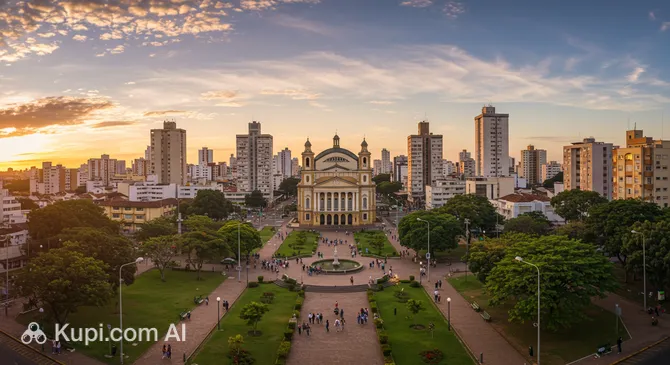
Ribeirão Preto. Source: Kupi.Binoculars

Visitors are often drawn to the city's impressive landmarks and lively social scene. The Theatro Pedro II is a must-see architectural gem, standing as one of the most important opera houses in the country. For those looking to relax, the city is famously known as the "Capital of Draft Beer" (Capital do Chopp), with the iconic Pinguim Beerhouse being a legendary spot to enjoy a cold drink and local snacks. Additionally, the city offers beautiful green spaces like the Dr. Luis Carlos Raya Park, perfect for a leisurely afternoon stroll.

Whether you are visiting for business or leisure, Ribeirão Preto promises a memorable experience filled with warm hospitality and modern amenities. It is an excellent stop for travelers wishing to experience the thriving interior of São Paulo, offering a perfect mix of history, culture, and entertainment.
Weather Overview

Travelers heading to this region can expect a tropical climate defined by distinct wet and dry seasons. The weather in Ribeirão Preto is generally warm year-round, though the rainfall patterns vary significantly throughout the year. The summer months, particularly from December to March, are characterized by higher humidity and frequent showers, with January seeing roughly 20 wet days and average temperatures around 25.3°C.

Conversely, the winter period from June to August is noticeably drier and cooler. During July, the city experiences its coolest weather with minimum temperatures dipping to approximately 14.2°C and almost no rainfall, making it a pleasant time for outdoor activities. As the season shifts in September, the heat intensifies, reaching average highs of 32.8°C before the rains return in October.

Interesting Facts

Beyond its reputation as an agricultural powerhouse and a bustling business hub, Ribeirão Preto holds several fascinating secrets and local legends that surprise many visitors. From urban myths about its favorite beverage to unique architectural feats, the city offers intriguing stories waiting to be discovered.
Sanctuary of Our Lady of the Miraculous Medal (Seven Chapels). Source: Kupi.Binoculars
  • One of the city's most enduring urban legends concerns its fame as the "Capital of Draft Beer." For decades, locals and tourists alike whispered about a secret underground pipeline that allegedly pumped draft beer directly from the Antarctica brewery to the taps of the famous Pinguim beerhouse. While the pipeline was merely a myth, the city's dedication to serving exceptionally cold and fresh beer is a very real and cherished tradition.

  • The Sanctuary of Our Lady of the Miraculous Medal (Seven Chapels) is an architectural curiosity built by Benedictine monks. Unlike traditional churches, this sanctuary consists of seven distinct chapels arranged in a semicircle within a former stone quarry. Each chapel is dedicated to a different saint, allowing visitors to attend masses in a truly unique, open-air spiritual setting surrounded by nature.

  • During the height of the coffee boom in the early 20th century, Ribeirão Preto was so wealthy and culturally influenced by Europe that it earned the nickname "Petit Paris" (Little Paris). The coffee barons invested heavily in the city, importing architectural styles and luxury goods that gave the streets a distinctly French flair, traces of which can still be seen in the historic center today.

  • Nature thrives in the heart of the urban landscape at the Fábio Barreto Municipal Zoo. Located within the Morro de São Bento complex, this is not just a place to see animals; it sits inside a preserved remnant of the Atlantic Forest. This allows visitors to walk through ancient native vegetation and experience the region's original ecosystem right in the middle of the city.

How to Get There

Planning your journey to this dynamic Brazilian city is straightforward, as it is well-connected to major hubs in the region. Whether you prefer flying directly to the doorstep or enjoying a scenic drive from a larger metropolis, there are several options to suit your itinerary. For detailed logistics and tips, you can read more about how to get to Ribeirão Preto and choose the route that works best for you.

The most convenient entry point is the Dr. Leite Lopes State Airport (RAO), situated directly in Ribeirão Preto, just 5.5 km from the city center. This regional facility is quite active and serves as the primary gateway for most visitors. A taxi or transfer from here is very quick, typically taking around 30 minutes to reach the heart of the city. For travelers arriving from further afield who cannot find a direct flight, the Viracopos Airport (VCP) in the city of Sao Paulo is a major alternative. Although it is located about 215 km away, it is a large international hub offering extensive connections. The overland journey from Viracopos to Ribeirão Preto takes approximately 2.5 to 3.5 hours.

For clarity, here is a summary of the main airports:

Airport Name City Passenger Traffic Km from City
Viracopos Airport Sao Paulo Large 215.2
Sao Jose do Rio Preto Airport Sao Jose do Rio Preto Medium 170.4
Dr. Leite Lopes State Airport Ribeirão Preto Medium 5.5
Bauru-Arealva Airport Bauru Small 170.8
Uberaba Airport Uberaba Small 156.3

Main Attractions

Ribeirão Preto is a city that beautifully balances urban development with nature and tradition. One of the most beloved green spaces is the Luiz Roberto Jábali Municipal Park, widely known among locals as "Curupira." This environmental complex is a favorite spot for outdoor enthusiasts, featuring winding trails, waterfalls, and lakes. It creates a peaceful refuge within the city, perfect for jogging, walking, or simply enjoying the rich native vegetation.

Luiz Roberto Jábali Municipal Park. Source: Kupi.Binoculars

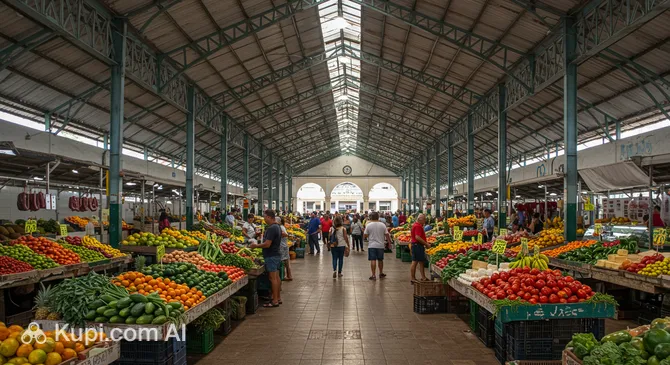
For a taste of local culture and history, a visit to the Central Market is essential. Inaugurated in the early 20th century, this historic building is a bustling hub where you can find everything from exotic fruits and spices to traditional handicrafts. It is also an excellent place to sample local snacks, such as the famous pastel, while admiring the market's architectural charm and lively atmosphere.

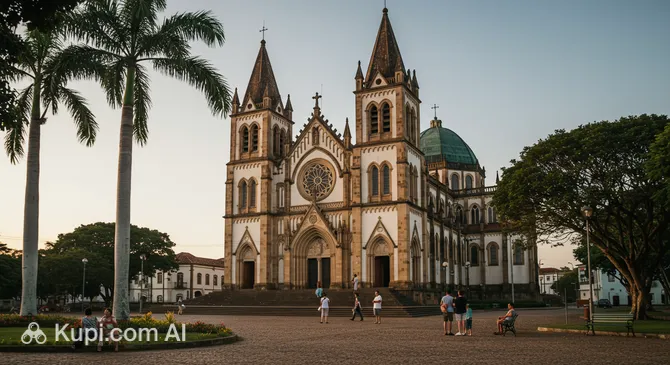
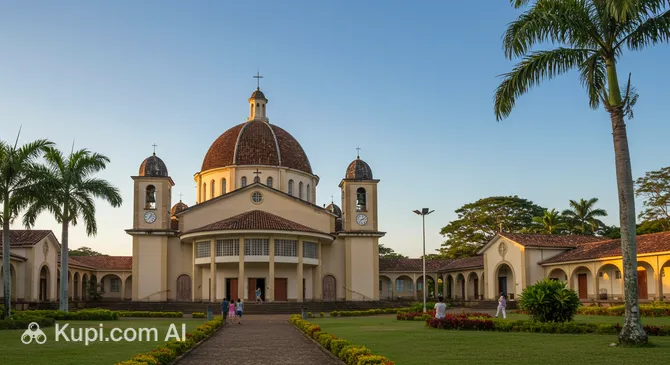
Those interested in religious architecture and serenity should explore the Basilica of Saint Anthony of Padua. This imposing church is a significant landmark in the city, known for its beautiful interior and peaceful ambiance. It stands as a testament to the region's strong faith and offers a quiet moment of reflection amidst the busy city streets.

Basilica of Saint Anthony of Padua. Source: Kupi.Binoculars

To experience the modern side of the city's prosperity, head to Ribeirão Shopping. As one of the most traditional and comprehensive shopping centers in the region, it offers far more than just retail therapy. With a wide array of restaurants, cinemas, and cultural events, it serves as a major social gathering point where visitors can enjoy high-quality entertainment and dining.

Local Cuisine

The culinary scene in Ribeirão Preto is a delightful reflection of its status as a wealthy agricultural hub, blending traditional countryside comfort food with sophisticated urban gastronomy. Visitors will find that the city takes its food seriously, offering everything from high-end international dining to beloved local taverns. One dish that has become practically synonymous with the city is the **Filé à Parmegiana** (Steak Parmigiana). Unlike its Italian inspiration, the local version features a generous cut of breaded and fried steak, smothered in tomato sauce and melted cheese, typically served with white rice and french fries. It is a hearty, decadent meal that locals are incredibly proud of.

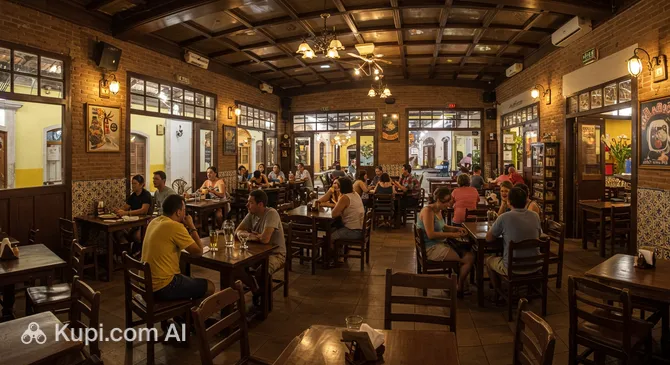
Another pillar of the local diet is the tradition of comida de boteco (bar food). Since social life in the city revolves heavily around gathering at bars and restaurants, savory snacks are essential. You should definitely try **coxinhas** (shredded chicken dough balls) or **kibe** (meat croquettes) while sitting at a sidewalk table. For a classic dining experience that captures this lively atmosphere, Bar do Nelson is a well-known establishment where you can enjoy robust portions and authentic local flavors.

Bar do Nelson. Source: Kupi.Binoculars

When it comes to drinks, Ribeirão Preto is famously known as the "Capital of Draft Beer" (Capital do Chopp). The warm tropical climate makes an ice-cold **Chopp**—a light, unpasteurized draft beer served with a creamy collar of foam—the undisputed king of beverages here. It is more than just a drink; it is a cultural ritual, especially in the late afternoons. For non-alcoholic options, the region's abundance of fresh produce ensures that fresh fruit juices, particularly orange and sugarcane juice (caldo de cana), are widely available and incredibly refreshing.

For a true taste of the city's daily life, tourists should explore the food stalls at the Central Market. It is the perfect spot to grab a quick, traditional snack like a **pastel** (fried pastry with various fillings) or a massive mortadella sandwich. Meanwhile, for those seeking a modern culinary variety, the food courts and gourmet areas in malls like Ribeirão Shopping offer a wide range of options, from fast food to upscale steakhouses serving traditional Brazilian **churrasco** (barbecue).

Travel Tips

To ensure your visit to Ribeirão Preto is as smooth and enjoyable as possible, we have compiled a list of essential advice tailored to the city's unique climate and lifestyle. Whether you are here for business or to explore the "Brazilian California," these practical insights will help you navigate the local culture and logistics with confidence.

  1. Clothing and Gear: Given the city's consistently warm tropical climate, pack lightweight, breathable fabrics like cotton or linen to stay cool during the day. A hat, sunglasses, and high-SPF sunscreen are absolute must-haves, as the sun can be intense. However, if you are visiting between May and August, bring a light jacket or sweater, as evenings can get surprisingly chilly. Standard Brazilian power outlets are Type N, and the voltage in Ribeirão Preto is typically 127V, so bring a universal adapter if needed.

  2. Transportation: While there is a public bus system operated by Próurbano, most tourists find ride-hailing apps like Uber and 99 to be the most convenient, safe, and affordable way to get around. The city does not have a metro system. If you plan to explore the surrounding coffee farms or waterfalls in the region, renting a car is a great option, as the highways in the state of São Paulo are among the best in the country.

  3. Finances: The local currency is the Brazilian Real (BRL). Credit and debit cards are widely accepted, even by small street vendors, but it is wise to carry a small amount of cash for minor expenses. ATMs are easily found in banks, shopping malls, and supermarkets. Tipping is generally straightforward; a 10% service charge is usually added to the bill in restaurants, and it is customary to pay it, though not mandatory.

  4. Health and Safety: Ribeirão Preto is generally safer than Brazil's larger capitals, but standard precautions apply: avoid walking in deserted areas at night and keep valuables discreet. Pharmacies (farmácias) are abundant, with major chains like Droga Raia and Drogasil often open 24/7. It is highly recommended to drink bottled or filtered water rather than tap water to avoid any stomach issues.

  5. Communication: The official language is Portuguese, and English proficiency varies; it is common in high-end hotels and business centers but less so in local shops. Downloading a translation app is very helpful. Additionally, WhatsApp is the primary tool for communication in Brazil—many businesses, including restaurants and tour operators, use it for reservations and customer service. You can easily buy a prepaid SIM card from carriers like Vivo, TIM, or Claro at the airport or local stores.

  6. Local Etiquette: Brazilians are warm and informal. Greetings often involve a handshake or a light kiss on the cheek (usually one in this region) for women. The "thumbs up" gesture is universally used to say "yes," "okay," or "thank you." When entering a shop or elevator, a friendly "Bom dia" (Good morning) or "Boa tarde" (Good afternoon) goes a long way in establishing a good rapport.

  7. What to Avoid: Avoid displaying expensive jewelry or using your phone absentmindedly on the street, even in nicer neighborhoods. Also, try not to rely solely on large bills (like R$100 notes) for small purchases, as vendors may not always have enough change.

  8. Local Insight: Embrace the "Happy Hour" culture. In Ribeirão Preto, the late afternoon is a sacred time for socializing. Locals flock to bars to enjoy the city's famous draft beer (chopp) and snacks. Don't be surprised if shops close a bit earlier on Saturdays (around 1:00 PM or 2:00 PM), so plan your shopping accordingly.

Armed with these tips, you are ready to fully experience the vibrant energy and hospitality of Ribeirão Preto without the stress of the unexpected. Relax, stay hydrated, and enjoy everything this dynamic city has to offer, from its historic architecture to its legendary cold brews.

Entertainment & Nightlife

Entertainment and Nightlife:

Ribeirão Preto comes alive after sunset, offering a vibrant nightlife scene that reflects its youthful energy and warm climate. Thanks to its large university population and prosperous economy, the city boasts a wide array of entertainment options, ranging from sophisticated lounges to energetic dance clubs. The local culture revolves heavily around socializing outdoors, so you will often find patios and sidewalks packed with locals enjoying the balmy evenings with a cold drink in hand.

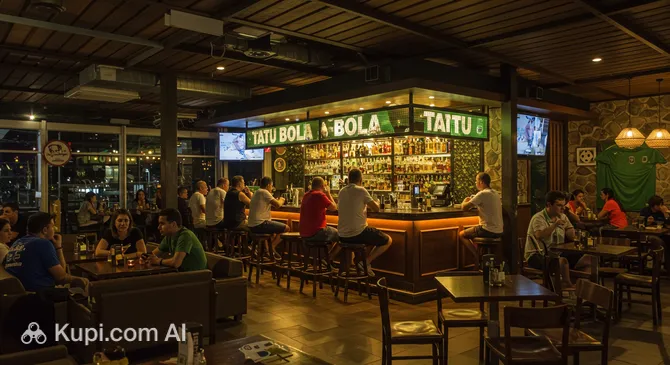
The heart of the action is largely concentrated in the Zona Sul (South Zone) and along major thoroughfares like Avenida Independência and Avenida Presidente Vargas. These areas are lined with bars and pubs that cater to diverse tastes. For an authentic Brazilian experience with live music, Tatu Bola Bar is a fantastic choice. Known for its rustic-chic decor and lively atmosphere, it is the perfect place to enjoy live samba or country music bands while sipping on a caipirinha.

Tatu Bola Bar. Source: Kupi.Binoculars

If you prefer a more traditional "boteco" vibe where conversation flows as freely as the draft beer, Vila Madá Boteco Centro offers a welcoming setting. It captures the bohemian spirit of Brazil, serving excellent appetizers and providing a relaxed environment for friends to gather. The crowd in these venues is generally smart-casual; while shorts and t-shirts are acceptable in many bars due to the heat, people often dress up a bit more for the trendier spots in the South Zone.

For those looking to dance the night away, the city has several high-energy nightclubs. A standout venue is CIRCA, which is well-regarded for its electronic and pop music parties. The club attracts a diverse and inclusive crowd, featuring top-notch sound systems and themed events that often run until dawn. Nightlife here typically starts late; bars get busy around 9:00 PM, while clubs often don't hit their peak until after midnight.

Regarding logistics and safety, Ribeirão Preto is relatively safe for nightlife compared to larger metropolitan areas, but it is still advisable to stay in well-lit, populated districts. Public transport is not the best option late at night. Instead, rely on ride-sharing apps like Uber or 99, which are plentiful, safe, and affordable. Prices in the city are reasonable, with a night out costing significantly less than in São Paulo or Rio de Janeiro.

Beyond the nocturnal excitement, the city offers engaging daytime entertainment for families and thrill-seekers. Wow Park is a popular amusement center filled with trampolines and activities suitable for all ages. It provides a fun, energetic way to spend an afternoon before the city transitions into its lively evening rhythm.

Parks & Museums

Ribeirão Preto offers a delightful contrast between its bustling urban energy and serene green spaces, alongside a cultural scene that deeply honors its history. The city is dotted with well-maintained parks that serve as community hubs for relaxation and exercise, while its museums and monuments provide a window into the region's rich coffee-growing past and artistic endeavors. Whether you are looking to escape the tropical heat in a shady grove or explore local heritage, the city has plenty to offer.

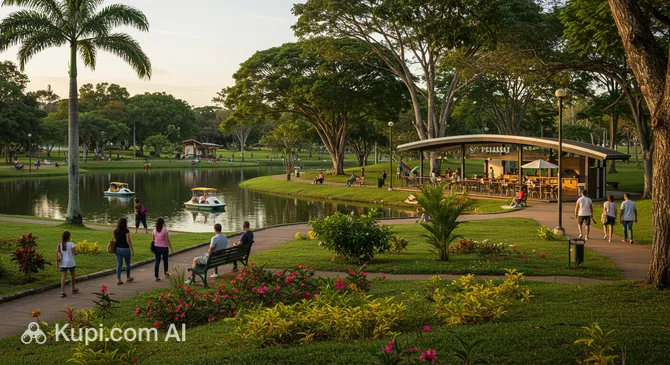
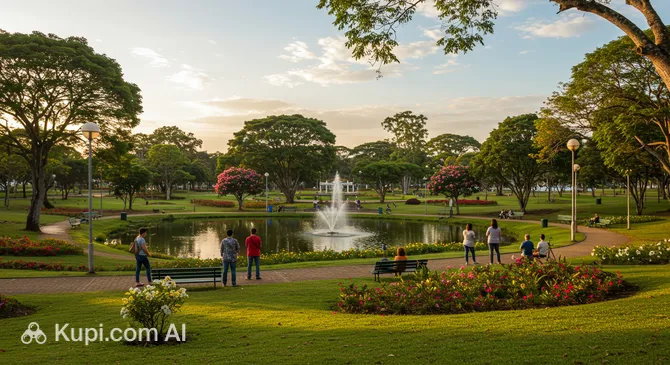
One of the most stunning outdoor destinations is the Dr. Luis Carlos Raya Municipal Park. Located in a former basalt quarry, this park is a masterpiece of landscape design, featuring artificial waterfalls, expansive lakes, and lush gardens. It is a favorite among locals for morning jogs and leisurely weekend walks. The park's unique topography and water features create a refreshing microclimate, making it an ideal spot to cool down and enjoy nature within the city limits.

Dr. Luis Carlos Raya Municipal Park. Source: Kupi.Binoculars

Another central green lung is the Maurilio Biagi Park, situated near the bus station and the city center. Spanning a large area, it is known for its wide walking paths, sports courts, and the "Ecological Station," which focuses on environmental education. It is a vibrant space where you can see families picnicking and skaters enjoying the dedicated plaza. For those interested in native flora and fauna, the Fábio Barreto Municipal Zoo is a must-visit. Nestled within a patch of Atlantic Forest, it houses a variety of animals and includes the tranquil Japanese Garden, a peaceful enclave of manicured plants and koi ponds.

When it comes to culture, the city's history is inextricably linked to the "green gold" era. The Coffee Museum (Museu do Café), located on the University of São Paulo campus, is a key institution. Housed in a historic manor from the 1950s, it preserves the memory of the coffee barons and the immigrants who shaped the region's economy. While exploring the cultural landscape, art lovers should also visit the MARP (Ribeirão Preto Art Museum), which showcases contemporary Brazilian art and hosts rotating exhibitions in a beautiful architectural setting.

History enthusiasts will find the Brazilian Expeditionary Force Square (Cannon Square) to be a poignant landmark. This square pays tribute to the Brazilian soldiers who fought in Italy during World War II. The centerpiece is an authentic cannon used in the conflict, standing as a solemn reminder of the city's contribution to global history. It is a quiet, respectful place to pause and reflect while touring the city center.

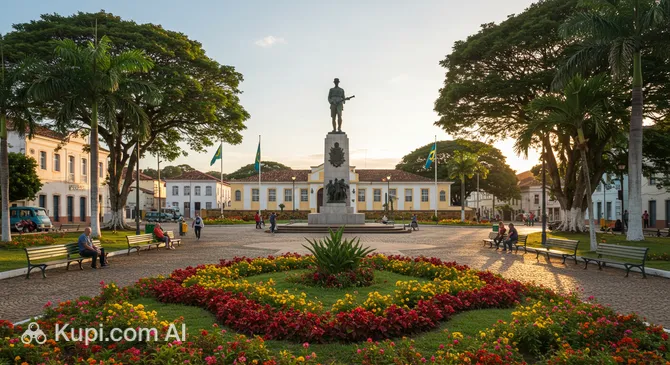
Brazilian Expeditionary Force Square (Cannon Square). Source: Kupi.Binoculars

For a lesser-known experience, consider visiting the Tom Jobim Park in the northwest region. It is often less crowded than the central parks and offers a spacious, calm environment with sports facilities and a fishing lake. It is a great spot to mingle with residents and experience the authentic, laid-back lifestyle of Ribeirão Preto away from the main tourist trail.

Getting Around

The public transport system in Ribeirão Preto relies exclusively on a comprehensive bus network, as the city does not have a metro or tram service. The system is known as RIT (Rede Integrada de Transporte) and is operated by the consortium PróUrbano. These buses connect the city's various neighborhoods to the central district and major shopping areas, operating through a series of integrated terminals that allow passengers to switch lines without paying an additional fare within a certain time window.

To pay for your journey, the system utilizes an electronic ticketing card known as the "Nosso" card. While it is possible to pay with cash directly to the driver or a conductor on board some buses, obtaining a card is highly recommended for convenience and faster boarding. For tourists or occasional visitors, there is an "Expresso" version of the card that does not require prior registration. The cost of a single fare is approximately R$ 5.00. It is important to note that credit and debit cards are generally not accepted directly at the bus turnstiles, so having small bills or the specific transport card is essential.

For a smooth experience, travelers should download mobility apps like Cittamobi or Moovit, which provide real-time tracking, route planning, and estimated arrival times, making navigation much easier for those unfamiliar with the streets. When boarding, you must enter through the front door and validate your payment at the electronic turnstile before finding a seat. Exiting is always done through the rear doors. The buses typically run from around 5:00 AM until midnight, though frequency drops significantly later in the evening and on weekends.

Given the city's hot climate and the layout of its urban area, many visitors prefer alternatives to public buses. Ride-hailing apps such as Uber and 99 are extremely popular, safe, and often very affordable, especially for short distances or groups. Traditional taxis are also available and can be found at designated stands (ponto de táxi) near major landmarks and the bus terminal; they are easily recognizable by their white color and red license plates. While the city is becoming more bike-friendly with lanes in newer avenues and parks, cycling as a primary mode of transport is less common for tourists due to the intense heat and hilly terrain in some districts.

Accommodation

Accommodation in Ribeirão Preto is plentiful and diverse, largely designed to cater to the city's status as a major business and events hub. Visitors will find a wide spectrum of options ranging from efficient budget chains and comfortable mid-range hotels to sophisticated high-end flats. Because the city receives a steady flow of business travelers, the standard of service is generally high, with many establishments offering excellent amenities such as swimming pools, gyms, and robust Wi-Fi connections.

When choosing where to stay, location plays a key role in the type of experience you will have. The City Center (Centro) is the best choice for those who want to be within walking distance of historical landmarks, such as the Theatro Pedro II and the lively Pinguim Beerhouse. This area is bustling during the day and offers easy access to public transport and traditional commerce. It is often where you will find more affordable, older hotels that provide great value for money.

For a more modern and upscale experience, the South Zone (Zona Sul) is the preferred district for many tourists. This area, particularly around Avenida Presidente Vargas and the neighborhoods of Jardim Califórnia and Jardim Botânico, is characterized by wide avenues, contemporary architecture, and a high concentration of dining and nightlife options. Staying here puts you close to major shopping centers like Ribeirão Shopping, making it a convenient base for those who enjoy luxury retail and evening entertainment.

Ribeirão Shopping. Source: Kupi.Binoculars

A crucial tip for booking accommodation in Ribeirão Preto is to check the local events calendar. The city hosts Agrishow, one of the largest agricultural technology trade fairs in the world, usually held in late April or early May. During this week, the city's population swells, and hotel availability becomes scarce while prices skyrocket. If you plan to visit during this period, it is essential to book your room several months in advance.

In general, hotel prices in Ribeirão Preto are quite competitive compared to the state capital, São Paulo. You can expect to find budget-friendly options starting at very reasonable rates, while luxury stays remain accessible for international travelers. Most hotels are easily bookable via major online platforms, which is recommended to secure the best deals. Whether you prefer the historic charm of the center or the modern sophistication of the south, you will find a welcoming place to rest after a day of exploration.

Nearby Cities

Ribeirão Preto serves as an excellent strategic base for exploring the northeastern region of São Paulo state. The surrounding area is a powerhouse of Brazilian agribusiness, particularly famous for its vast sugarcane fields and historical coffee heritage. Beyond the industrial landscape, the neighboring municipalities offer unique cultural attractions, from significant religious art to charming local festivals, making them well worth a day trip.

For a quick overview of the most prominent destinations in the vicinity, the table below outlines their distance from the city and population size:

City Name Distance (km) Population
Sertaozinho 19 120,152
Pontal 28 50,852
Batatais 39 62,980
Orlandia 51 42,678
Jaboticabal 54 75,820

Among these, Sertãozinho is the closest neighbor and is widely known as the "National Capital of Ethanol" due to its massive industrial influence. However, for tourists, the main draw is the Parque do Cristo Salvador. This park features a towering statue of Christ the Redeemer, which stands 57 meters tall—actually higher than the famous monument in Rio de Janeiro—offering panoramic views of the region.

A little further away lies Batatais, a destination that is culturally significant for art lovers. The city is home to the Sanctuary of Bom Jesus da Cana Verde, which houses a priceless collection of paintings by Candido Portinari, one of Brazil's most renowned artists who was born in the nearby town of Brodowski. Batatais is also celebrated for its beautifully manicured gardens and hosts the "Festa do Leite" (Milk Festival), a major event in the regional calendar.

Another highlight is Jaboticabal, affectionately nicknamed the "City of Roses" and the "City of Peanuts." It has a vibrant atmosphere thanks to a large university campus and is known for its production of ceramics and peanuts. Visitors often enjoy the peaceful environment of its public squares and the traditional fairs that showcase local crafts and produce.

Shopping & Souvenirs

Ribeirão Preto serves as a major commercial hub for northeastern São Paulo, attracting visitors from neighboring towns with its diverse and high-quality retail options. The city offers a sophisticated shopping experience that ranges from expansive, modern malls featuring international luxury brands to bustling pedestrian streets lined with traditional shops. Whether you are looking for the latest fashion trends, electronics, or unique local handicrafts, the city provides a vibrant atmosphere for retail therapy.

For those who prefer the comfort and variety of large shopping centers, the city boasts several impressive malls. The most iconic is Ribeirão Shopping, located in the Jardim Califórnia district. As the first major mall in the region, it has expanded over the years to become a massive complex housing hundreds of stores, gourmet restaurants, and entertainment facilities. It is a favorite meeting point for locals and offers a premium shopping environment where you can find everything from designer clothing to homeware.

If you enjoy the energy of street shopping, head to the city center, specifically the "Calçadão" (pedestrian mall) centered around Rua General Osório and Rua Barão do Amazonas. This historic district is the heart of popular commerce in Ribeirão Preto. Here, you can wander through blocks of shoe stores, clothing boutiques, and variety shops offering competitive prices. It is a lively area that captures the daily rhythm of the city, perfect for finding bargains and soaking in the urban bustle.

To experience the authentic flavors and aromas of the region, a visit to the Central Market (Mercado Municipal) is essential. Housed in a charming historic building, this market is a treasure trove of local culture. Visitors can browse stalls overflowing with exotic fruits, regional cheeses, spices, and traditional sweets. It is also an excellent place to purchase artisanal goods and straw crafts, making it a unique stop distinct from the modern malls.

Central Market. Source: Kupi.Binoculars

When searching for souvenirs, consider items that reflect the city's heritage. Given Ribeirão Preto's history as a coffee capital, high-quality local coffee beans make for a wonderful gift. Additionally, due to the city's fame as the "Capital of Draft Beer," branded beer mugs or glasses from famous local establishments like Pinguim are popular keepsakes. You might also find delicious doces (fruit preserves) and artisanal cachaça produced in the surrounding countryside.

Shopping hours in Ribeirão Preto are generally consistent. Street shops in the center typically operate from Monday to Friday, 9:00 AM to 6:00 PM, and on Saturdays until 1:00 PM or 2:00 PM. Shopping malls have extended hours, usually opening from 10:00 AM to 10:00 PM Monday through Saturday, with shops opening later on Sundays (often from 2:00 PM to 8:00 PM). Payment is convenient, with credit and debit cards (Visa and Mastercard) being widely accepted everywhere, including small kiosks. Cash is useful for very small purchases, but digital payments are the norm.

Regarding taxes, Brazil does not operate a VAT refund system for international tourists similar to those found in Europe or North America. The price you see on the tag is the final price you pay, with all taxes already included. Therefore, there is no need to look for tax-free forms or counters at the airport when leaving the country.

Reached the end of the page?

That means the route is fully explored