Support

Marilia

About

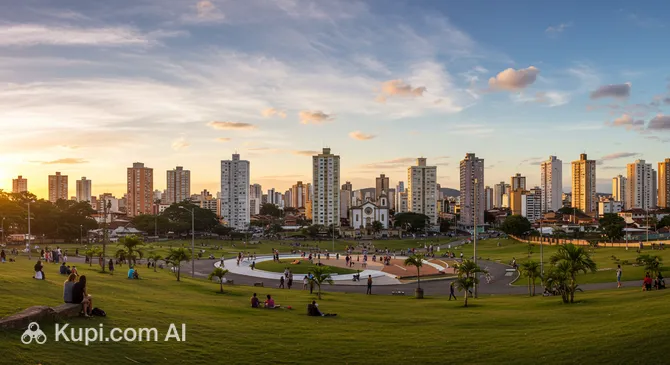
Marilia is a captivating destination located in the western part of the state of São Paulo. As you explore Brazil, this city stands out as a dynamic regional hub that perfectly blends urban convenience with a welcoming, community-focused atmosphere. With a population of approximately 240,000 residents, it serves as a significant commercial and educational center, offering a lively environment for visitors.

Marilia. Source: Kupi.Binoculars

One of the city's most distinctive titles is the "National Food Capital." This nickname reflects its robust food processing industry, particularly famous for producing biscuits and candies that are distributed across the country. For those interested in how this industrial identity evolved, exploring the history of Marilia offers fascinating insights into its growth and economic importance over the decades.

Beyond its culinary reputation, the city offers unique cultural attractions that intrigue travelers. The Paleontology Museum of Marília is a highlight, showcasing impressive dinosaur fossils discovered in the local sandstone, making it a thrilling spot for science enthusiasts and families alike. Whether you are drawn by its famous snacks or its prehistoric treasures, Marilia promises an engaging and memorable experience.

Weather Overview

Marilia experiences a climate characterized by distinct seasonal changes, offering warm, humid summers and milder, significantly drier winters. The warmest period typically spans from September through March, where daytime highs frequently reach between 30°C and 32°C. January is usually the wettest month, featuring about 21 days with rainfall, so packing a raincoat is advisable if you plan to visit at the start of the year.

In contrast, the winter months from June to August provide a refreshing break from the heat and rain. During this time, average temperatures cool down to approximately 21°C, with nighttime lows dipping to around 15°C. July stands out as the driest month, often seeing just a single day of rain. For precise forecasts and monthly breakdowns to help you pack, check the detailed guide to the weather in Marilia.

The transition periods, such as April and May, offer pleasant conditions as the rain subsides and temperatures become more moderate. Conversely, September marks a rapid return of the heat, often recording the highest maximum temperatures of the year before the wet season resumes in full force.

Interesting Facts

Beyond the main attractions, Marilia holds many fascinating secrets that reveal its unique contribution to the culture and history of Brazil. Here are some intriguing facts that highlight the city's distinct character and heritage.

  • Birthplace of an Aviation Giant: One of the most surprising facts is that TAM Airlines, which grew to become one of the largest carriers in Latin America, was founded here. The acronym TAM originally stood for Táxi Aéreo Marília, reflecting its humble beginnings as a local air taxi service before expanding globally.

  • A Name Born from Poetry: The city's name has a romantic literary origin, inspired by the famous poem Marília de Dirceu by Tomás Antônio Gonzaga. It is said that the name was suggested by the wife of a railroad engineer who was an admirer of the classic work, permanently linking the city to Portuguese literature.

  • Prehistoric Namesake: The region is so rich in paleontological finds that a unique species of prehistoric crocodile was named Mariliasuchus amarali in honor of the city. These fossils date back to the Upper Cretaceous period and are a testament to the area's significance in the scientific world.

How to Get There

Reaching this vibrant city in the state of São Paulo is relatively straightforward, with options to suit different travel preferences. For a comprehensive overview of all available routes and transport modes, you can consult our detailed guide on how to get to Marilia.

The most direct way to arrive is by flying into the local Dr Gastao Vidigal Airport (IATA: MII). Conveniently situated within the city limits, it is just 3.3 km from the downtown area. A taxi or ride-share from here typically takes approximately 10 to 15 minutes, making it an extremely efficient option for travelers. Although it is a smaller regional hub, it connects the city to major centers like São Paulo, facilitating easy access for tourists.

If flight options to Marilia are limited, a viable alternative is the Bauru-Arealva Airport (IATA: JTC), located in the neighboring city of Bauru. This airport is approximately 90.7 km away. Travelers choosing this route should plan for a ground transfer of about 1 hour and 15 minutes by taxi or rental car. Another option for those arriving from further afield is the Sao Jose do Rio Preto Airport (IATA: SJP) in Sao Jose do Rio Preto, which handles a higher volume of passengers but is located about 165 km from Marilia, requiring a travel time of roughly 2 hours and 30 minutes by road.

For clarity, here is a summary of the main airports in the region:

Airport Name City Passenger Traffic Km from City
Sao Jose do Rio Preto Airport Sao Jose do Rio Preto Large Regional 165.0
A. De Barros Airport Presidente Prudente Medium 152.3
Bauru-Arealva Airport Bauru Medium 90.7
Aracatuba Airport Aracatuba Small 129.0
Dr Gastao Vidigal Airport Marilia Small 3.3

Since there are no passenger railway services directly connecting to Marilia, road transport remains the primary alternative to flying. The city is well-connected by a network of highways, and the local bus terminal (Rodoviária) receives regular long-distance buses from major cities such as São Paulo and Curitiba. Traveling by bus is a popular and budget-friendly choice, offering comfortable executive class seats for the longer journeys.

Main Attractions

Marilia offers a delightful variety of attractions that cater to history buffs, nature lovers, and those seeking a relaxing day out. While the city is a bustling commercial center, it has preserved spaces that celebrate its rich heritage and natural beauty, making it a rewarding stop for travelers exploring the interior of São Paulo state.

A visit to the Paleontology Museum of Marília is essential for understanding the region's prehistoric significance. Building on the city's reputation for major fossil discoveries, this museum houses an impressive collection of specimens from the Upper Cretaceous period, including remains of titanosaurs and the unique prehistoric crocodile, Mariliasuchus amarali. It provides a fascinating educational experience, allowing visitors to see real fossils up close and learn about the ancient life that once roamed this land.

For those who prefer open-air activities, the Bosque Municipal Rangel Pietraroia is the city's green lung. This expansive urban park preserves a significant remnant of the Atlantic Forest, offering a refreshing escape from the urban heat. With well-maintained walking trails, playgrounds, and picnic areas, it is a favorite spot for families and joggers. The park serves not only as a recreational space but also as an important center for environmental education and conservation.

In the heart of the city stands the Catedral Basílica de São Bento, a striking architectural landmark and a center of religious life in Marilia. Dedicated to Saint Benedict, the cathedral features beautiful stained glass windows and a serene interior that invites quiet reflection. Its imposing structure dominates the downtown skyline, and it serves as a gathering point for local festivals and community events, reflecting the strong cultural traditions of the residents.

Another popular leisure destination is the Represa Cascata, an artificial lake that draws locals and tourists alike, especially on weekends. The area surrounding the dam is perfect for outdoor activities, offering scenic views and a peaceful atmosphere. It is an excellent location for walking, cycling, or simply enjoying the sunset over the water, providing a tranquil counterpoint to the city's busy industrial pace.

Local Cuisine

Marilia proudly holds the title of the "National Capital of Food," a distinction that immediately hints at the city's deep connection with gastronomy. While this nickname primarily stems from its status as a powerhouse in the food processing industry—particularly for biscuits, wafers, and candies—the local culinary scene offers much more than just packaged treats. Visitors will discover a city that embraces the hearty, comforting traditions of the São Paulo countryside, known locally as comida caipira.

When exploring the local menus, you cannot miss the traditional Virado à Paulista. This robust dish, a staple of the state, typically consists of rice, tutu de feijão (mashed beans thickened with cassava flour), a pork chop, sausage, fried egg, and kale. It is a flavor-packed meal that reflects the region's historical roots. For a lighter but equally popular option, the city's bakeries (padarias) serve excellent coxinha, a shredded chicken croquette shaped like a teardrop, which is a beloved national snack perfect for a quick bite.

The street food culture in Marilia is vibrant, especially during the weekly street markets known as feiras livres. Here, the quintessential experience is ordering a freshly fried pastel—a crispy, deep-fried pastry filled with cheese, meat, or palm hearts. Locals almost invariably pair this savory treat with a glass of ice-cold caldo de cana (sugarcane juice), creating a sweet and savory combination that is a true hallmark of the Brazilian street food experience.

Regarding beverages, the city offers the classic Brazilian repertoire. The Caipirinha, made with cachaça, lime, sugar, and ice, is the standard cocktail found in bars and restaurants. Given the region's agricultural history, coffee also plays a significant role; enjoying a strong, fresh cafezinho after a meal is a mandatory ritual. For beer lovers, the hot climate makes a draft beer, or chopp, a popular choice for cooling down in the evenings.

Dining in Marilia is generally a casual and welcoming affair. The city is dotted with high-quality churrascarias (steakhouses) where waiters serve various cuts of meat directly to your table, a style known as rodízio. Additionally, because of the massive local confectionery industry, many tourists make a point of visiting factory outlets or specialty shops to purchase locally produced cookies and candies, which make for delicious and emblematic souvenirs of the "Food Capital."

Travel Tips

To ensure your visit to Marilia is as smooth and enjoyable as possible, a little preparation goes a long way. While this city in the interior of São Paulo is known for its welcoming atmosphere and industrial prowess, keeping these practical tips in mind will help you navigate the local culture and logistics like a pro.

  1. Clothing and Gear: Given the warm and humid summers, pack lightweight, breathable fabrics like cotton or linen to stay comfortable. If you are visiting between June and August, bring a light jacket or sweater, as evenings can get chilly. Since you might be exploring the Bosque Municipal or walking around the city center, a pair of comfortable walking shoes is essential.

  2. Transportation: The most convenient way to get around Marilia is by using ride-hailing apps like Uber or 99, which are reliable and affordable. The city also has a public bus system operated by AMTU, but routes can be confusing for non-locals. If you plan to visit nearby attractions or the airport frequently, renting a car offers the most flexibility.

  3. Finances: The official currency is the Brazilian Real (BRL). Credit and debit cards are widely accepted, even in small bakeries and cafes. However, it is wise to carry some cash for street markets or smaller vendors. Tipping is standard practice in restaurants, where a 10% service charge is usually included in the bill; no additional tip is required, but it is appreciated for exceptional service.

  4. Health and Safety: Marilia is generally safer than Brazil's larger metropolitan areas, but you should still exercise common sense. Avoid walking in poorly lit or deserted areas late at night and keep valuables discreet. Pharmacies are plentiful, with major chains like Droga Raia or Drogasil often open late or 24/7. Always drink bottled or filtered water rather than tap water to avoid stomach issues.

  5. Communication: The primary language is Portuguese. While staff at high-end hotels may speak English, it is not widely spoken in general shops or by taxi drivers. It is highly recommended to download a translation app and offline maps before you arrive. Buying a local SIM card (from providers like Vivo, TIM, or Claro) at a pharmacy or newsstand will ensure you stay connected.

  6. Local Etiquette: Brazilians are warm and informal. Greetings often involve a firm handshake or, among women and close friends, a kiss on the cheek. Using polite phrases like "Bom dia" (Good morning) and "Obrigado/a" (Thank you) is very important. The "thumbs up" gesture is commonly used to say yes or to show approval.

  7. What to Avoid: Do not rely solely on high-denomination bills (like 100 Reais) for small purchases, as vendors may not have change. Also, avoid making the "OK" hand sign (forming a circle with thumb and index finger), as it can be considered an offensive gesture in Brazil; stick to the thumbs-up instead.

  8. Local Shopping Tip: Since you are in the "National Food Capital," take advantage of the factory outlets scattered around the city. You can buy locally produced biscuits, wafers, and candies at significantly lower prices than in supermarkets, making them perfect souvenirs to bring home.

By following these simple guidelines, you will be well-equipped to experience the best of Marilia. Whether you are here for business or to discover the local history and cuisine, these tips will help you blend in with the locals and enjoy a hassle-free trip.

Entertainment & Nightlife

Nightlife in Marilia offers a welcoming and vibrant atmosphere that perfectly reflects the city's friendly spirit. While it may not have the frenetic pace of a metropolis like São Paulo, the city boasts a lively social scene centered around gastronomy, live music, and open-air socializing. The evening typically begins with a "happy hour" that often extends well into the night, with locals gathering to enjoy cold drinks and hearty conversation after a day of work.

The beating heart of the city's nightlife is undoubtedly Avenida das Esmeraldas. Often described as the "beach" of Marilia due to its popularity, this bustling avenue is lined with bars, restaurants, and ice cream shops. It is the place to see and be seen, where groups of friends congregate at outdoor tables to enjoy the pleasant evening breeze. The atmosphere here is relaxed and casual, making it easy for visitors to blend in and feel at home.

For those seeking specific venues, Chaplin Gastronomia e Entretenimento is a local institution. Located on Avenida República, it is famous for its diverse menu and frequent live music performances, ranging from pop to samba. If you prefer a more alternative vibe, Berlim Whiskeria is the go-to spot for rock and roll enthusiasts, known for its energetic gigs and pub-style decor. Beer lovers should check out Doctor Beer, a venue celebrated for its extensive selection of craft beers and youthful crowd.

Most bars and pubs are open until late, with the busiest nights being Thursday through Saturday. The dress code is generally casual; jeans and a nice top are perfectly acceptable almost anywhere. Prices are reasonable compared to larger Brazilian cities, with a draft beer (chopp) and a portion of snacks being quite affordable. To get around safely and conveniently at night, it is highly recommended to use ride-sharing apps like Uber or 99, which are widely available and reliable.

Regarding safety, Marilia is considered safer than many larger Brazilian capitals, especially in busy districts like Avenida das Esmeraldas. However, it is always wise to stay in well-lit, populated areas and avoid walking alone in quiet neighborhoods late at night. Using a taxi or ride-share service for door-to-door transport is the best practice for tourists.

Before the sun goes down, the city offers several cultural entertainment options. The Teatro Municipal de Marília hosts a variety of plays, dance performances, and musical concerts throughout the year. For a dive into history, the Paleontology Museum provides a fascinating look at the region's prehistoric past, making for an interesting afternoon activity before heading out to enjoy the town's nightlife.

Parks & Museums

Marilia offers a delightful balance of urban development and preserved natural spaces, making it a pleasant destination for those who enjoy exploring beyond the main tourist trail. The city invests in its green areas and cultural institutions, providing visitors with opportunities to connect with the local environment and history. From remnants of the Atlantic Forest to halls dedicated to regional memory, there are distinct spots to fill your itinerary.

For a genuine immersion in nature, the Bosque Municipal Rangel Pietraroia is the city's premier ecological sanctuary. Unlike a typical landscaped park, this area preserves a dense section of the native Atlantic Forest, offering shaded trails that are perfect for escaping the midday heat. It is an excellent location for observing local wildlife in their natural habitat; patient visitors are frequently rewarded with sightings of sagui monkeys and coatis navigating the trees and underbrush. The focus here is on environmental preservation, allowing you to experience the region's flora and fauna up close.

If you are looking for a more active and social atmosphere, the Parque do Povo (People's Park) in the southern zone is the place to be. This sprawling recreational area contrasts with the dense foliage of the Bosque, offering wide-open spaces designed for sports and community life. It features extensive walking and jogging tracks, outdoor gym stations, and courts that stay busy with locals playing volleyball and soccer. On weekends, the park transforms into a vibrant hub where residents gather for picnics and outdoor events, offering a glimpse into the authentic lifestyle of Marilia.

To understand the city's identity, a visit to the Museu Histórico e Pedagógico Embaixador Hélio Antônio Scarabôtollo is highly recommended. This institution serves as the guardian of Marilia's collective memory, tracing its rapid evolution from a coffee-producing settlement to a major industrial center. The museum houses a diverse collection of photographs, period objects, and documents that narrate the daily life of early settlers. A highlight of the collection is the section dedicated to the city's name, which was inspired by the famous romantic poem Marília de Dirceu, linking the municipality to a rich literary tradition.

Adding to the cultural landscape is the Galeria Municipal de Artes, a space dedicated to visual arts that often flies under the radar of casual tourists. It frequently hosts rotating exhibitions featuring works by regional artists, ranging from painting and sculpture to contemporary photography. For travelers interested in the local creative scene, this gallery provides a quiet and inspiring environment to appreciate the artistic talent emerging from the interior of Brazil.

Getting Around

The public transport system in Marilia is primarily based on a comprehensive bus network that serves as the backbone of urban mobility. Unlike larger metropolitan areas, the city does not have a metro, tram, or train service for intra-city travel. Instead, a fleet of modern buses connects the residential neighborhoods with the commercial downtown area, universities, and industrial zones. The system is managed by the local urban transport association (AMTU), ensuring consistent coverage across the city's various regions.

For payment, the system is designed to be accessible. While residents typically use a rechargeable smart card known as the "Marília Card" or AMTU card, short-term visitors can easily pay the fare in cash directly to the driver or conductor upon boarding. The fare is a flat rate regardless of the distance traveled. If you plan to stay for an extended period, obtaining a card can be advantageous as it allows for "integration," enabling you to transfer between buses at the central terminal within a specific time window without paying an additional fee.

The hub of the network is the Terminal Urbano (Urban Terminal) located in the city center. Almost all bus lines converge here, making it the most reliable point to catch a ride or switch routes. Buses generally operate from approximately 5:00 AM until midnight. However, tourists should be aware that the frequency of service drops significantly on weekends, holidays, and late at night, so it is wise to check schedules in advance if you are traveling during these times.

To navigate the system efficiently, it is highly recommended to use navigation apps like Google Maps or Moovit, which are widely supported and provide accurate route planning. Additionally, there are local apps available that allow users to track the real-time location of buses, which is a practical tool to avoid waiting unnecessarily at bus stops, especially during the hot summer months.

As a popular and often more convenient alternative, ride-hailing apps such as Uber and 99 are extensively used throughout the city. Due to the city's medium size, trips are usually short and affordable, making this a preferred option for many tourists, particularly in the evenings or when carrying luggage. Traditional taxis are also available at designated stands, known as pontos de táxi, found near the bus station, airport, and major squares, though they generally cost more than the app-based services.

While the downtown area is relatively compact and walkable, Marilia's terrain can be hilly, and the city spreads out considerably. Consequently, walking is best reserved for exploring the immediate city center or local parks. There are currently no major public bike-sharing schemes, so for most travel needs beyond the downtown core, relying on the combination of buses and ride-sharing apps is the most practical advice for visitors.
Accommodation

Accommodation in Marilia is designed to cater primarily to business travelers, students, and families visiting the region. The city offers a well-structured hospitality sector that ranges from economical hostels and functional budget hotels to comfortable mid-range establishments. While you will not find ultra-luxury resorts, the standard of service is generally high, with many properties focusing on practicality, cleanliness, and modern amenities suitable for short and medium-term stays.

When choosing where to stay, location is a key factor. The City Center (Centro) is the most convenient option for travelers relying on public transport or those who want to be close to the main shopping streets and the historic cathedral. Staying here places you within walking distance of banks, pharmacies, and the central bus terminal. Alternatively, the area surrounding Avenida das Esmeraldas is highly recommended for those seeking a more upscale atmosphere. This vibrant district is known for its excellent dining scene and walking paths, offering a pleasant environment for evening strolls after a day of sightseeing.

For visitors traveling by car or passing through on business, there are several reliable options located near the major highways that intersect the city. These hotels often provide ample parking and quick access to the industrial zones, making them a practical choice for logistics-focused trips. Regardless of where you choose to stay, most establishments offer essential amenities such as air conditioning—a must during the hot summer months—and complimentary breakfast.

Booking accommodation in Marilia is straightforward, with most hotels and rentals listed on major international online booking platforms. Prices are generally very reasonable compared to the state capital or coastal tourist destinations, with the majority of options falling into the budget to mid-range categories. However, a useful tip for travelers is to book in advance if your visit coincides with major university entrance exams (vestibular) or large medical conferences, as the influx of students and professionals can cause occupancy rates to spike temporarily.

Nearby Cities

For those looking to explore the surroundings, Marilia serves as an excellent base for day trips to several interesting nearby locations:

City Population Distance (km)
Ourinhos 110,282 85
Assis 105,087 69
Lins 76,092 64
Tupa 65,651 66
Santa Cruz do Rio Pardo 47,943 82

One of the most appealing destinations for a relaxing day trip is Lins. Known for its thermal waters, the city attracts visitors seeking wellness and leisure at its various resorts and hot springs. It provides a tranquil escape where travelers can unwind and enjoy the therapeutic properties of the mineral-rich waters, making it a perfect contrast to the industrial pace of Marilia.

For those interested in the cultural roots of the region, Tupã is a must-visit. The city is home to the renowned India Vanuire Historical and Pedagogical Museum, which preserves and showcases the history of the indigenous peoples of western São Paulo. The museum offers a deep dive into the traditions and artifacts of the Kaingang and Krenak groups, providing an educational experience that highlights the area's rich diversity.

Another worthwhile stop is Assis, a university city that boasts a vibrant cultural scene. With its historic architecture and lively student atmosphere, it offers a different urban energy. These nearby destinations offer a glimpse into the diverse culture and landscapes of the region.

Shopping & Souvenirs

Shopping in Marilia offers a diverse experience that blends the convenience of modern malls with the bustle of traditional street commerce. As a regional hub in this part of Brazil, the city attracts visitors from neighboring towns who come to take advantage of its varied retail options. Whether you are looking for the latest fashion trends or locally produced sweets, the city provides ample opportunities to find what you need.

The heart of the local trade is undoubtedly Rua São Luiz. Located in the city center, this vibrant commercial street acts as an open-air mall, lined with countless shops selling clothing, footwear, electronics, and household goods. It is the busiest part of town during business hours, offering a lively atmosphere where you can observe the daily rhythm of the locals. It is an excellent place to find bargains and budget-friendly items while soaking up the energy of the downtown area.

For those preferring a climate-controlled environment, the city features two prominent shopping centers. Marília Shopping, situated near the highway entrance, is the largest complex in the city. It houses major national retail chains, a cinema, and a spacious food court, making it a popular destination for families. In contrast, Esmeralda Shopping serves the eastern part of the city. Located on the affluent Avenida das Esmeraldas, it offers a more boutique atmosphere with a selection of refined stores and dining options, ideal for a relaxed evening of browsing.

A unique aspect of shopping here is the opportunity to purchase products directly from the source of the "National Food Capital." Marilia is home to huge food manufacturers like Marilan and Dori, which produce biscuits, wafers, and candies distributed nationwide. Visitors often seek out factory outlets or local supermarkets to buy these sweet treats at competitive prices. Bringing home a selection of locally made snacks is the most authentic souvenir you can get from your visit.

Reached the end of the page?

That means the route is fully explored