Support

Dracena

About

Welcome to Dracena, a charming municipality located in the western region of the state of São Paulo, Brazil. Often referred to as the "Miracle City" (Cidade Milagre) due to its rapid growth and development shortly after its founding, this destination offers a welcoming atmosphere characteristic of the Brazilian interior. With a population of approximately 47,000 residents, it serves as a significant hub in the Alta Paulista region, combining urban conveniences with a peaceful, community-focused lifestyle.

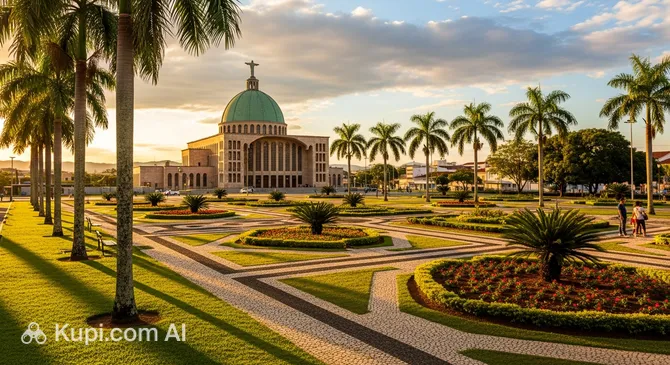
Dracena. Source: Kupi.Binoculars

The city enjoys a warm climate, which is perfect for exploring its streets and open spaces. Visitors interested in the local heritage can delve into the history of Dracena to learn how it evolved from a planned settlement linked to the railroad expansion into a thriving agricultural center. Today, the economy is still strongly connected to agriculture, providing a scenic backdrop of rural landscapes that surround the urban area.

For tourists, Dracena offers a relaxing break from the hustle and bustle of larger metropolises. Key spots include the central Praça Arthur Pagnozzi, a vibrant square that serves as a gathering place for locals and hosts various cultural events. The city is also known for its organized layout and friendly hospitality, making it a pleasant stop for those traveling through the countryside. Whether you are visiting for business or leisure, Dracena invites you to experience the authentic warmth of São Paulo's interior.

Weather Overview

Visitors to this region can expect a generally warm climate characterized by distinct wet and dry periods. The summer months, particularly from December through March, are hot and humid, with average temperatures staying around 27°C and daily highs frequently exceeding 31°C. Rainfall is common during this season, with January typically seeing up to 19 wet days, making rain gear an essential item for your packing list.

The winter season, spanning from June to August, brings milder temperatures and significantly drier skies. July is usually the driest month, often recording only a single day of rain. During these cooler months, average temperatures settle near 22°C, though nights can feel crisp with lows dipping to approximately 16°C. This is often considered a very comfortable time for outdoor exploration.

Transition periods like September can be surprisingly warm, with maximum temperatures sometimes climbing as high as 34°C. Overall, you should expect warm summers with occasional rain and mild, dry winters. For a more comprehensive forecast to help you plan your dates, check the detailed weather in Dracena.

Interesting Facts

Beyond its reputation as an agricultural hub, Dracena holds several fascinating stories that often surprise visitors. From its unique naming process to its hidden ecological treasures, the city offers more than meets the eye.

  • The city's name was not chosen at random but was the result of a creative contest organized by the founders in the neighboring town of Tupã. The winning suggestion, Dracena, refers to the ornamental plant of the same name (genus Dracaena), which is known for its colorful leaves and whose name is derived from the Greek word for "female dragon."

  • Nature enthusiasts often refer to the surrounding region as the "Pantaninho Paulista" (Little Pantanal of São Paulo). This nickname comes from the nearby Aguapeí and Rio do Peixe State Parks, which feature wetland ecosystems very similar to the famous Pantanal in Brazil, providing a sanctuary for diverse wildlife including marsh deer.

  • Dracena is widely known as the "Cidade Milagre" (Miracle City), a title earned due to its explosive initial growth. Founded in 1945, the settlement developed at such a record-breaking pace that it was officially elevated to municipality status just three years later in 1949, a speed of urbanization that was virtually unheard of at the time.

How to Get There

Reaching this part of the state of São Paulo requires a bit of planning, as the city is nestled in the interior. For a comprehensive guide on the best routes and transport modes, you can check all ways to reach the city on our detailed page. The journey usually involves a combination of air travel to a nearby regional hub followed by a scenic road trip.

The city of Dracena does not have its own commercial airport for regular passenger flights. The most convenient and closest option is typically A. De Barros Airport (PPB) located in the city of Presidente Prudente, which is about 77 km away. A taxi or transfer from there takes approximately 1 hour to 1 hour 15 minutes. Another viable alternative is Aracatuba Airport (ARU) in Araçatuba, situated roughly 122 km from Dracena; the ground transfer from this airport generally takes around 1 hour 40 minutes to 2 hours. For travelers coming from further afield who need more connection options, the larger Regional de Maringá (MGF) in Maringá is another possibility, though it is significantly further at approximately 226 km.

For clarity, here is a summary of the main airports serving the region:

Airport Name City Passenger Traffic Km from City
Regional de Maringá Maringa Medium 225.7
Londrina Airport Londrina Medium 208.7
A. De Barros Airport Presidente Prudente Medium 77.0
Aracatuba Airport Aracatuba Small 121.7
Dr Gastao Vidigal Airport Marilia Small 184.1

There are no passenger railway stations currently operating in Dracena or the immediate surrounding cities. As is common in many parts of the Brazilian interior, the primary mode of overland public transport is the bus network. Comfortable long-distance buses connect Dracena to major hubs, including the state capital, São Paulo. Alternatively, renting a car at one of the regional airports is a popular choice for those who prefer the flexibility of driving themselves.

Main Attractions

Dracena offers a delightful mix of urban organization and natural beauty, making it a pleasant destination for visitors. One of the most prominent architectural landmarks in the city is the Igreja Matriz Nossa Senhora Aparecida. This church is not only a centerpiece of local faith, admired for its intricate stained glass windows, but it also features a unique architectural element: the Monumento ao Cristo. Perched atop the church's structure at the city's highest point, this statue of Christ the King stands with open arms overlooking the urban landscape, creating a singular site that combines religious devotion with panoramic views.

Those looking to experience the local social life will find Praça Arthur Pagnozzi to be the perfect spot. Located in the heart of the city, this main square serves as a vibrant meeting point for residents and visitors alike, often hosting cultural events and craft fairs. Within the beautifully landscaped grounds, visitors can find the Monumento Dracena Cidade Milagre, a tribute to the city's rapid development and history. With its spacious layout, playground for children, and shaded areas, the square provides a relaxing environment for a leisurely afternoon stroll.

Nature enthusiasts should explore the Parque Estadual do Rio do Peixe for a genuine eco-tourism experience. This conservation unit serves as a vital sanctuary for regional biodiversity, offering excellent opportunities for wildlife observation. It is particularly rewarding for birdwatchers and those hoping to spot native species such as the marsh deer in their natural habitat. The park provides a direct connection to the environmental heritage of Brazil, allowing visitors to enjoy the outdoors without the need for long travel.

Local Cuisine

The culinary scene in Dracena is a delightful reflection of the traditional "Caipira" culture of the São Paulo interior, characterized by hearty, homemade flavors and generous portions. Visitors will find that the local diet relies heavily on fresh agricultural produce, beef, and pork. A quintessential dish to try is the Virado à Paulista, a state classic consisting of rice, tutú de feijão (thickened bean paste), sautéed kale, a pork chop, and a fried egg. It is a robust meal designed to provide energy and is widely available in local restaurants, especially on Mondays, which is the traditional day for this dish in the region.

Another highlight of the gastronomic experience here is the Churrasco (Brazilian barbecue). Given the region's strong ties to livestock farming, high-quality meat is a staple. You will find numerous churrascarias serving a variety of cuts, often prepared in the "rodízio" style where waiters bring skewers of meat directly to your table. For a quick bite, look for coxinhas (shredded chicken dough balls) at local snack bars, known as lanchonetes; they are a beloved savory snack throughout the state.

To combat the warm climate of Dracena, locals turn to refreshing beverages. The most famous alcoholic drink is, of course, the Caipirinha, made with lime, sugar, ice, and cachaça. However, given the heat, an ice-cold beer (cerveja) is the most common accompaniment to social gatherings and meals. For non-alcoholic options, fresh fruit juices are abundant, but the true local favorite is Caldo de Cana (sugarcane juice). It is sweet, energetic, and best enjoyed freshly pressed.

The food culture in Dracena is casual and community-focused. One of the best ways to experience it is by visiting the weekly Feira Livre (open-air market). Here, it is a ritual for locals to stand at a stall and eat a freshly fried pastel—a crispy pastry filled with meat, cheese, or heart of palm—washed down with a glass of sugarcane juice. This combination is a beloved tradition in the state of São Paulo and offers tourists an authentic taste of daily life in the city.

Travel Tips

Visiting Dracena is a wonderful opportunity to experience the authentic hospitality of the Brazilian interior, but a smooth trip requires a bit of preparation. To help you navigate the "Miracle City" like a local and enjoy a hassle-free stay, we have compiled a list of essential practical advice.

  1. Clothing and Gear: Given the region's warm climate, lightweight and breathable fabrics like cotton or linen are your best friends, especially during the hot summer months from December to March. A sun hat, sunglasses, and high-SPF sunscreen are non-negotiable essentials. If you visit during the winter (June to August), pack a light jacket or sweater, as evenings can get surprisingly crisp. Also, bring a universal travel adapter; the country uses type N sockets (three round pins), and the standard voltage in this region is typically 127V.

  2. Transportation: Dracena is a compact city, and the center is easily navigable on foot. However, there is no metro or tram system. For longer distances or to visit the surrounding parks, renting a car is the most convenient option, giving you the freedom to explore the Alta Paulista region at your own pace. Taxis are available at designated stands (ponto de táxi), and ride-hailing apps may operate but with less frequency than in major capitals, so it is wise to have a local taxi number handy.

  3. Finances: The local currency is the Brazilian Real (BRL). While credit and debit cards are widely accepted in supermarkets, hotels, and established restaurants, cash is king at smaller establishments and the popular open-air markets. ATMs are available in the city center. Tipping is generally straightforward; a 10% service charge is often added to restaurant bills, and while not mandatory, it is customary to pay it if the service was good.

  4. Health and Safety: Dracena is generally much safer than large metropolitan areas, but it is still prudent to keep an eye on your belongings and avoid walking alone in poorly lit areas late at night. Pharmacies (farmácias) are easy to find in the city center for basic medications and toiletries. For minor health issues, stick to bottled or filtered water rather than drinking directly from the tap to avoid stomach upset.

  5. Communication: Portuguese is the primary language, and you will find that English is not widely spoken outside of specific business settings. Locals are incredibly patient and willing to help, but having a translation app downloaded on your phone is highly recommended. Learning a few basic phrases like "Bom dia" (Good morning) and "Obrigado" (Thank you) will go a long way in breaking the ice.

  6. Local Etiquette: Locals are warm and informal. Greetings often involve a firm handshake or, among women and close friends, a kiss on the cheek (usually one in São Paulo state). It is polite to greet shopkeepers and drivers upon entering. The "thumbs up" gesture is a universal sign of approval and friendliness here, used frequently in daily interactions to say "yes," "thanks," or "okay."

  7. What to Avoid: Avoid making the "OK" hand sign (forming a circle with your thumb and index finger), as it is considered an offensive gesture in this culture. Additionally, try not to lose your patience if things move at a slower pace than you are used to; the lifestyle in the interior is more relaxed, and rushing people is seen as rude.

  8. Market Day Tip: Do not miss the weekly Feira Livre (open-air market). It is more than just a place to buy vegetables; it is a social event. Arrive early in the morning to beat the heat and the crowds. This is the best place to engage with residents and try the local street food staples mentioned earlier, like fresh sugarcane juice and pastel, for a fraction of the cost of a restaurant meal.

By keeping these tips in mind, you will be well-equipped to relax and enjoy the unique charm of Dracena. The city's greatest asset is its people, so approach your visit with an open mind and a friendly smile, and you are sure to be welcomed with open arms.

Entertainment & Nightlife

The nightlife in Dracena mirrors the welcoming and warm atmosphere of the Brazilian interior. While you will not find the sprawling mega-clubs of a metropolis, the city boasts a lively and authentic "Happy Hour" culture. The evenings here are defined by open-air conversations, cold drinks, and excellent local snacks, making it easy to mingle with the friendly residents. The nightlife is concentrated primarily in the Centro (City Center) and along major thoroughfares like Avenida Presidente Roosevelt, where the lights of bars and eateries create a vibrant strip for evening entertainment.

For those seeking a relaxed environment with good music, Di Pub is a popular choice. It is known for its specialized menu of classic and exotic drinks, often accompanied by live music or a DJ spinning tunes that range from pop to local hits. If you prefer a more traditional dining and drinking experience, Água Doce Cachaçaria is a great option. It is an ideal spot to share a portion of fried tilapia or other "comida de boteco" (bar food) while enjoying a cold beer or a fruit cocktail with friends. For a mix of gastronomy and a casual drinking atmosphere, Mochileiros Casual Restaurant offers a creative menu and a laid-back setting that attracts a diverse crowd.

The vibe in Dracena is distinctly casual. There is no strict dress code for most venues; smart-casual attire is perfectly acceptable and common. The action typically kicks off around 8:00 PM, with locals gathering after work or university classes. Prices are generally very affordable compared to larger cities in São Paulo state. Getting around is straightforward; since the main spots are central, they are often within walking distance of each other, but for safety and convenience late at night, local taxis are readily available and can be called by phone or found at designated stands (pontos de táxi).

Safety is one of Dracena's strong suits, allowing visitors to enjoy the night with peace of mind. The central areas are well-lit and populated, making them safe for evening strolls. However, as with any travel destination, it is advisable to stay in main commercial areas and avoid unlit streets on the outskirts late at night. If you need to travel further, ask your hotel or restaurant to call a trusted taxi for you.

Before the sun sets, Dracena offers several cultural options to fill your day. The Teatro Municipal Aécio de Féo Flora is a modern cultural hub that hosts plays, musical performances, and community events, serving as the artistic heart of the city. For a taste of local tradition, the Feira Livre (Open Air Market), held on Wednesday nights and Sunday mornings, is an entertainment experience in itself, offering a sensory mix of fresh produce, street food, and local social life. Additionally, the Centro Cultural Luiz Carlos Zaniboni is worth a visit to see the city's historical archives and occasional exhibitions.

Parks & Museums

Dracena seamlessly blends its agricultural roots with a growing dedication to preserving its history and natural environment. The city offers a variety of green spaces that serve as community hubs, alongside cultural venues that safeguard the collective memory of its pioneers. From lush state parks teeming with wildlife to intimate museums housing local treasures, there are several rewarding stops for visitors looking to understand the soul of this "Miracle City."

Key Parks and Green Spaces

For nature lovers, the highlight of the region is undoubtedly the Parque Estadual do Aguapeí. Often referred to by locals as the "Pantaninho Paulista" (Little Pantanal of São Paulo) due to its similarity to the famous Brazilian wetlands, this expansive conservation area is a haven for biodiversity. It protects significant floodplain ecosystems and is an excellent spot for observing native fauna, including the marsh deer and a vast array of bird species. It offers a genuine immersion into the wilder side of the state's interior, perfect for eco-tourism enthusiasts.

Closer to the urban center, Praça Arthur Pagnozzi acts as the city's green heart. Far more than just a square, this spacious area is beautifully landscaped with mature trees and flowerbeds, providing a refreshing refuge from the heat. It features a fountain, playgrounds, and sports courts, making it a favorite location for families. The square is also home to several important monuments, integrating nature with civic pride and serving as the primary stage for the city's outdoor events.

Museums and Galleries

To step back in time, visitors should head to the Centro Cultural Luiz Carlos Zaniboni, which houses the Acervo Histórico Municipal. This facility is the custodian of Dracena's memory, preserving a fascinating collection that documents the city's rapid rise from a planned settlement to a bustling municipality. The exhibits include original photographs from the 1940s, documents belonging to the city's founder, Írio Spinardi, and various artifacts that tell the stories of the pioneer families who built the town.

Another cultural gem is the Casa do Artesão, charmingly located within a chalet in the central square. While it functions primarily as a space for local artisans to display and sell their work, it acts as a living gallery of regional creativity. Here, you can find unique handmade items ranging from embroidery and crochet to woodwork and painting. It is an excellent place to appreciate the artistic talents of the community and perhaps pick up a one-of-a-kind souvenir that reflects the local identity.

Historical and Architectural Sites

Dracena pays homage to its diverse heritage through several significant landmarks. The Monumento da Imigração Japonesa, located in the central square, stands as a tribute to the Japanese community's profound influence on the region's agriculture and culture. Celebrating the centenary of this immigration, the monument symbolizes the friendship and integration between the cultures. Nearby, you can also find the Marco Zero, an obelisk that marks the geographical and historical starting point of the city's planning, reminding visitors of the precise engineering that went into Dracena's creation.

Authentic Experiences

For a slice of local life that few tourists see, visit the newly inaugurated Parque Temático dos Emílios, affectionately known as "Parcão." It is a modern leisure space designed for families and pet owners, reflecting the city's move towards inclusive urban planning. Alternatively, if you are in town on a Thursday evening, stop by the Feira do Produtor. Distinct from the general Sunday market, this twilight event focuses heavily on direct-from-farm goods and offers a cozy, community atmosphere where you can chat with local growers.

Getting Around

Public transport in Dracena is straightforward and typical of smaller cities in the interior of São Paulo state. Due to its compact size and population of approximately 47,000 residents, the city does not have a metro, tram, or train system. The primary mode of public transportation for getting around the urban area is the municipal bus network, locally referred to as "Circular".

The bus system consists of several lines that connect the residential neighborhoods on the outskirts to the commercial center and the main bus terminal (Terminal Rodoviário). These buses generally operate on fixed routes with intervals that can range from 30 minutes to an hour, depending on the time of day. It is important to note that service frequency decreases significantly on weekends and holidays, and operations typically wind down earlier in the evening compared to larger metropolitan areas.

Regarding payment, the system is quite traditional. Fares are affordable, usually costing a few Brazilian Reais per trip. While some larger cities in the state use electronic cards, in Dracena, it is most common to pay cash directly to the driver or a conductor upon boarding. Therefore, it is highly recommended to carry small bills and coins, as breaking large banknotes can sometimes be difficult for the bus staff.

For tourists who prefer more comfort or flexibility, taxis are a reliable alternative. You can find them at designated stands known as "pontos de táxi," which are strategically located near the main squares, the bus terminal, and major supermarkets. Ride-hailing apps do operate in the region, but availability can be variable depending on the time of day. Another popular local option for quick, solo trips is the moto-taxi (motorcycle taxi), which is faster and cheaper, though regular taxis are generally recommended for visitors carrying luggage or seeking a standard travel experience.

Given the city's flat terrain and organized layout, walking is often the best way to explore the central district. Most shops, banks, restaurants, and the main square, Praça Arthur Pagnozzi, are within easy walking distance of each other. If you plan to visit attractions further afield, such as the state parks or specific rural areas, renting a car is the most practical solution, providing the freedom to explore the beautiful Alta Paulista region at your own pace.

Accommodation

Finding a place to stay in Dracena is a straightforward and pleasant experience, reflecting the city's welcoming and functional character. The accommodation scene is primarily geared towards business travelers, families visiting relatives, and tourists passing through the Alta Paulista region. You will not find sprawling luxury resorts or international 5-star chains here; instead, the city offers a selection of reliable mid-range hotels and budget-friendly guesthouses (pousadas). These establishments focus on providing comfort, cleanliness, and essential amenities like air conditioning and Wi-Fi, ensuring a restful stay after a day of travel.

The most convenient area for tourists to base themselves is undoubtedly the City Center (Centro). Staying in this neighborhood places you within walking distance of the main commercial streets, banks, and pharmacies, as well as a variety of restaurants and snack bars. This central location is particularly advantageous for those arriving by bus, as many hotels are located just a short walk or a quick taxi ride from the Terminal Rodoviário. Being in the center also allows for easy access to the main square, Praça Arthur Pagnozzi, making it simple to enjoy the local evening atmosphere without the need for a car.

Among the well-known establishments in the city, the Primum Palace Hotel is a frequent choice for visitors seeking modern conveniences. It is often praised for its central location and amenities such as an outdoor swimming pool and a barbecue area, which are perfect for relaxing in the regional heat. Another traditional option is the Hotel das Dracenas, which offers a robust infrastructure including a gym and a hearty breakfast, catering well to those who appreciate a classic hotel experience with comprehensive services.

When it comes to costs, Dracena is generally very affordable compared to larger cities in the state of São Paulo. Most accommodations fall into the budget to mid-range price categories. While it is usually possible to find room availability upon arrival, it is always a smart booking tip to reserve your stay in advance, especially if you are visiting during major local events like the FAPIDRA (Feira Agropecuária e Industrial de Dracena) or year-end holidays, when the city sees an influx of visitors. Reservations can typically be made through major online travel platforms, though many local hotels also accept direct bookings via phone or WhatsApp, which is a common practice in the Brazilian interior.

Nearby Cities

For those looking to explore the surroundings, Dracena serves as an excellent base for day trips to several interesting nearby locations:

City Population Distance (km)
Presidente Prudente 222,192 72
Andradina 57,250 67
Presidente Epitacio 43,535 67
Presidente Venceslau 39,407 53
Adamantina 35,048 52

One of the most popular destinations for leisure is Presidente Epitácio, located on the banks of the majestic Paraná River. Known for having one of the most beautiful sunsets in Brazil, the city features a stunning waterfront promenade called the Orla Fluvial. It is a fantastic spot for water sports, fishing, or simply relaxing by the grand freshwater reservoir. The city also hosts the "O Figueiral" public beach, making it an ideal retreat for cooling off on hot summer days.

For a more urban experience, a trip to Presidente Prudente offers the amenities of a regional capital. As the largest city in the area, it boasts shopping malls, diverse dining options, and cultural venues. A highlight for families is the Cidade da Criança (City of the Child), a massive park complex that includes an ecological area, a planetarium, and a water park. It provides a full day of entertainment and is easily accessible via the highway.

Closer to Dracena lies Adamantina, often called the "Jewel of the Alta Paulista." It is a charming and well-organized city perfect for a relaxed afternoon visit. Visitors can enjoy the peaceful atmosphere of the Parque dos Pioneiros or explore the local commerce. Its proximity makes it an effortless drive for those who want to see more of the local lifestyle without spending hours on the road.

These nearby destinations offer a glimpse into the diverse culture and landscapes of the region, ranging from riverside relaxation to urban entertainment.

Shopping & Souvenirs

Shopping

Shopping in Dracena offers a relaxed and authentic experience typical of the Brazilian interior. As a commercial hub for the Alta Paulista region, the city provides a comprehensive range of goods, from fashion and electronics to home decor. While you will not find the massive luxury complexes typical of metropolitan capitals, the local commerce is vibrant, diverse, and characterized by the warm hospitality of shopkeepers who often know their customers by name.

The heart of the city's retail scene is located in the Centro (Downtown), where the streets are bustling with pedestrians and activity. The primary commercial artery is Avenida Presidente Roosevelt. Walking along this avenue and its intersecting streets, such as Avenida Presidente Vargas, you will find a dense concentration of clothing boutiques, shoe stores, pharmacies, and variety shops. It is the perfect place for a leisurely stroll, allowing you to window shop while enjoying the lively urban atmosphere.

Unlike larger cities, Dracena does not currently host a large-scale regional shopping mall. The retail culture here is firmly rooted in street commerce and smaller commercial galleries. For visitors, this means the shopping experience is integrated with the city's daily life rather than enclosed indoors. If you are in need of a specific brand or a large department store experience, locals often travel to neighboring Presidente Prudente, but for everyday needs and casual fashion, Dracena's city center is more than adequate.

For a taste of local flavor, the city's markets are a must-visit. The traditional Feira Livre (Open-Air Market), held on Sunday mornings and Wednesday evenings, is where the community gathers. Beyond fresh tropical fruits and vegetables, these markets often feature stalls selling simple clothing, kitchenware, and local snacks. It is an excellent spot to observe local life and perhaps buy some fresh spices or homemade cheeses directly from producers.

When it comes to souvenirs, the best place to find unique items is the Casa do Artesão. Located in the central square, this space is dedicated to local craftsmanship. Here, you can purchase handmade embroidery, crochet work, wooden artifacts, and paintings created by regional artists. These items make for meaningful gifts that support the local creative community. Additionally, bringing back a bottle of artisanal cachaça or locally produced coffee is a great way to share the flavors of the region with friends back home.

Store hours in Dracena generally follow the standard schedule for the state of São Paulo. Most street shops open from 8:00 AM or 9:00 AM to 6:00 PM on weekdays (Monday to Friday). On Saturdays, shops typically close earlier, around 1:00 PM, although some larger stores and supermarkets may stay open until the evening. Most retail businesses remain closed on Sundays, except for supermarkets and pharmacies.

Payment methods are modern and convenient. Credit and debit cards are widely accepted in almost all established stores, restaurants, and even many market stalls. However, it is always useful to carry a small amount of cash (Brazilian Reais) for minor purchases at street kiosks or the open-air market, where card machines might occasionally be unavailable. Tax-free shopping refunds are generally not applicable for tourists in standard retail stores in this region.
Reached the end of the page?

That means the route is fully explored