Support

Tres Lagoas

About

Welcome to Três Lagoas, a vibrant and rapidly growing city located in the state of Mato Grosso do Sul. Known affectionately as the "City of Waters," it serves as an important gateway to the Center-West region of Brazil. With its strategic location on the border with the state of São Paulo, the city offers a unique blend of industrial energy and serene natural beauty, making it an intriguing stop for travelers exploring the country's interior.
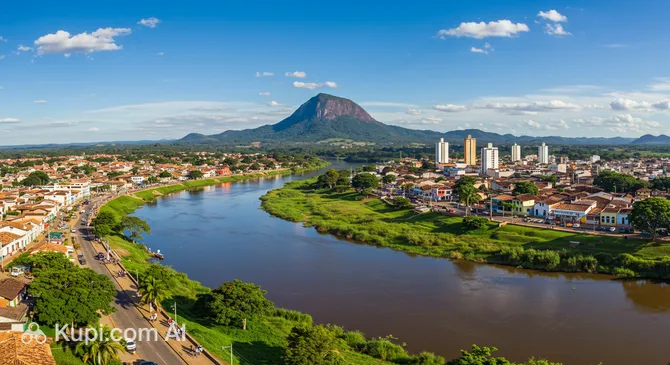
Geographically, Três Lagoas is defined by its proximity to the majestic Paraná River and the Sucuriú River. The city is home to a population of approximately 115,000 residents, creating a lively urban atmosphere that still retains a welcoming, community-focused feel. The climate here is typically tropical, offering warm temperatures year-round that are perfect for enjoying the region's outdoor activities and freshwater beaches.

The city's name, which translates to "Three Lagoons," refers to the three large circular lakes located within the urban area. The most famous of these is the Lagoa Maior, a central postcard landmark where locals and tourists gather for walking, jogging, and spotting local wildlife, including capybaras and various bird species. While exploring the history of Três Lagoas, visitors will discover how the arrival of the railway and the construction of the massive Jupiá Dam played pivotal roles in transforming this area into a modern hub.

Beyond the lagoons, the city is a paradise for fishing enthusiasts and water sports lovers. The Balneário Municipal offers excellent infrastructure for swimming and leisure by the river, while the immense Jupiá Dam provides impressive views of human engineering coexisting with nature. Whether you are passing through on business or seeking a relaxing riverside getaway, Três Lagoas invites you to experience its warm hospitality and scenic landscapes.

Weather Overview

The climate in Três Lagoas is typically tropical, defined by hot, humid summers and milder, drier winters. Throughout the year, visitors can generally expect warm weather, with average temperatures rarely dipping below 22°C. The hottest period spans from September to March, where daily highs frequently reach between 30°C and 34°C, making it perfect for water-based activities, though it is also the time when humidity levels rise.

Rainfall patterns are quite distinct, dividing the year into two main seasons. The wet season runs roughly from October through March, with January seeing the highest frequency of rain, recording around 19 wet days. In contrast, the winter months of June, July, and August are significantly drier and slightly cooler. During this time, average temperatures hover around 22°C to 24°C, and rainfall becomes scarce, with July often seeing only a single wet day.

For travelers planning a trip, it is helpful to check the detailed weather in Três Lagoas to pack accordingly. While the summer months bring the heat and frequent showers, the winter offers pleasant, sunny days ideal for exploring the outdoors without the intense humidity.

Interesting Facts

Beyond the main attractions and scenic waters, Três Lagoas holds several intriguing details that surprise many visitors. From its unexpected industrial global status to the unique coexistence of urban life and wild nature, the city offers more than meets the eye.

  • World Capital of Cellulose: While it is famous for its waters, the city has earned the impressive title of the "World Capital of Cellulose." It hosts some of the largest pulp production plants on the planet, which have dramatically transformed the local economy and placed Três Lagoas on the global industrial map.

  • Urban Caimans: Visitors to the central Lagoa Maior are often startled to discover that broad-snouted caimans (jacarés) inhabit the lake right in the middle of the city. These reptiles are frequently seen sunbathing on the banks, coexisting surprisingly peacefully with the capybaras and locals jogging on the nearby paths.

  • A Feat of Navigation: The Jupiá Dam is not just for energy; it features a massive navigation lock (eclusa) that allows ships to bypass the dam's wall. This engineering marvel is a vital link in the Tietê-Paraná waterway, enabling vessels to navigate the significant difference in river levels and transporting goods across the region.

How to Get There

Planning a trip to this part of Mato Grosso do Sul requires considering the regional transport hubs, as the journey often involves a scenic drive from neighboring cities. For a detailed overview of all travel options, you can read more about how to get to Tres Lagoas and choose the route that best suits your itinerary.

Travelers can fly directly into the city via the local Plínio Alarcon Airport (TJL), which serves the region with commercial flights, typically connecting to major hubs like Campinas. However, depending on flight availability and schedules, many visitors find it convenient to arrive at airports in neighboring cities across the state border in São Paulo. One of the closest alternatives is Aracatuba Airport (ARU), situated approximately 138 km away. The drive from this airport to Três Lagoas generally takes about 2 hours. Another accessible option is A. De Barros Airport (PPB) in Presidente Prudente, located roughly 156 km from the city, with an estimated transfer time of around 2.5 hours by car. For those seeking a larger regional hub with more connection possibilities, Sao Jose do Rio Preto Airport (SJP) is approximately 239 km away, requiring a drive of about 3.5 hours.

For clarity, here is a summary of the main regional airports that serve as gateways to the area:

Airport Name City Passenger Traffic Km from City
Londrina Airport Londrina Medium 288.0
Sao Jose do Rio Preto Airport Sao Jose do Rio Preto Medium 239.1
A. De Barros Airport Presidente Prudente Medium 156.2
Aracatuba Airport Aracatuba Small 138.6
Dr Gastao Vidigal Airport Marilia Small 241.3

Main Attractions

Exploring Três Lagoas reveals a city where urban life seamlessly blends with nature, offering visitors a variety of scenic and recreational spots. The city's layout is defined by its water features, providing unique opportunities for leisure, wildlife observation, and outdoor sports right within the municipal limits.

The heart of the city's tourism is undoubtedly the Lagoa Maior. As the principal lagoon among the three that give the city its name, it serves as the central gathering point for locals and visitors alike. A paved track encircles the water, making it perfect for morning jogs or evening strolls. What makes this spot truly special is its resident wildlife; it is quite common to see families of capybaras grazing on the grass and various bird species near the water, offering a mini-safari experience in the middle of the town.

For those looking to cool off, the Balneário Municipal is the premier destination. Located on the banks of the Sucuriú River, this public recreational area features sandy beaches, sports courts, and kiosks equipped with barbecue grills. It is an ideal location for a family picnic or a refreshing swim, providing a seaside atmosphere far inland. The infrastructure is well-maintained, ensuring a comfortable day out by the water.

Another significant landmark is the Igreja Matriz Santo Antônio. Built in the early 20th century, this church is not only a place of worship but also a historical monument that reflects the city's colonial heritage. Its architecture and the peaceful square surrounding it offer a glimpse into the early days of Três Lagoas, making it a worthwhile stop for those interested in local history and culture.

Finally, the massive Jupiá Dam on the Paraná River stands as a testament to engineering and development. While primarily a hydroelectric plant, the area attracts visitors interested in industrial tourism and fishing. The dam features a navigation lock that allows vessels to traverse the river, a fascinating process to watch. The surrounding area also offers panoramic views of the river, which are particularly striking at sunset.

Local Cuisine

The local cuisine in Três Lagoas is a flavorful reflection of its location in Mato Grosso do Sul, blending the traditions of cattle ranching with the abundance of fresh water from the surrounding rivers. Visitors can expect hearty meals where freshwater fish and high-quality beef take center stage, often prepared with influences from neighboring Paraguay and indigenous cultures.

Given its title as the "City of Waters," it is no surprise that river fish is a culinary staple. One of the most celebrated regional dishes is Pintado a Urucum, a delicious stew made with pintado fish, coconut milk, cream, and urucum (annatto) seeds, typically served with rice and pirão. Fried Tilapia strips (iscas de tilápia) are also extremely popular, serving as the perfect appetizer to enjoy by the riverside or at local bars.

For meat lovers, the region's strong agricultural roots mean that Churrasco (barbecue) is a way of life. You will find numerous steakhouses (churrascarias) serving premium cuts of beef. Another regional favorite that can be found in the state is Sobá, a noodle soup of Japanese origin that has become a cultural heritage dish of Mato Grosso do Sul, featuring an omelet, green onions, and pork or beef.

To beat the tropical heat, the quintessential local drink is Tereré. Unlike the hot chimarrão found in southern Brazil, Tereré is an infusion of yerba mate prepared with ice-cold water, often flavored with lemon or mint. It is more than just a drink; it is a social ritual, with locals frequently seen gathering in circles in parks or in front of their homes to share a "guampa" (horn cup) and chat.

The food culture in Três Lagoas is relaxed and welcoming. In the evenings, the city comes alive with espetinhos (meat skewers) stands and food trucks, which are popular spots for a casual dinner. For a more scenic experience, tourists often head to the restaurants along the banks of the Paraná and Sucuriú rivers to enjoy fresh fish dishes while taking in the view.

Travel Tips

Preparing for a trip to Três Lagoas involves understanding its hot climate and unique riverside lifestyle. These practical tips will help you navigate the city smoothly, ensuring a comfortable and enjoyable stay in this welcoming part of Brazil.

  1. Clothing and Gear: Due to the tropical heat, pack lightweight, breathable fabrics like cotton or linen. A hat, sunglasses, and high-SPF sunscreen are essential for daytime activities. Since the city is surrounded by water, bring swimwear to enjoy the Balneário and a strong insect repellent to protect against mosquitoes, especially during sunset walks near the lagoons.
  2. Transportation: While public buses are available, they can be infrequent and slow for tourists. The most convenient way to get around is by using ride-hailing apps like Uber or 99, which are reliable and affordable here. For greater independence, especially if you plan to visit the dam or river beaches, renting a car is a good option.
  3. Finances: The official currency is the Brazilian Real (BRL). Credit and debit cards are widely accepted in hotels, restaurants, and supermarkets. However, it is advisable to carry some cash for small purchases at street stalls, such as coconut water or popcorn at the park, and for tipping. ATMs are easily found at bank branches and shopping centers.
  4. Health and Safety: Três Lagoas is generally safe, but you should practice standard precautions like not displaying expensive electronics in deserted areas at night. Pharmacies are plentiful and well-stocked. A specific safety rule for this city: respect the wildlife at Lagoa Maior. Keep a safe distance from the capybaras and caimans; do not attempt to feed or touch them.
  5. Communication: Portuguese is the primary language, and English is not widely spoken outside of major business hotels. Downloading a translation app is highly recommended for daily interactions. To stay connected, you can purchase a prepaid SIM card from carriers like Vivo, TIM, or Claro at local newsstands or official stores, usually requiring your passport for registration.
  6. Local Etiquette: The people of Mato Grosso do Sul are known for their hospitality. Greetings are warm, often involving a handshake or a friendly thumbs-up. When entering shops or elevators, a simple "Bom dia" (Good morning) or "Boa tarde" (Good afternoon) goes a long way. Punctuality for social events is flexible, so don't be surprised if things start a bit later than scheduled.
  7. What to Avoid: Avoid drinking tap water, as it may not agree with your system; stick to bottled or filtered water. Also, avoid walking on the grassy banks of the lagoons at night where lighting is poor, to prevent accidental close encounters with the local wildlife.
  8. Try the Local Drink: Embrace the local culture by trying Tereré, an ice-cold herbal tea that helps beat the heat. It is a social staple in the region. You will see locals drinking it in circles; if you are invited to join, it is a gesture of friendship, but you can also buy the herb and cup as a unique souvenir.

With these practical insights, you are well-prepared to experience the best of Três Lagoas. Whether you are relaxing by the Sucuriú River or admiring the urban wildlife, a little local knowledge will ensure your visit is both safe and memorable.

Entertainment & Nightlife

Entertainment in Três Lagoas reflects the city's unique position as a growing industrial hub with a youthful university spirit and deep agricultural roots. Visitors will find a welcoming atmosphere where modern leisure facilities blend with traditional regional festivities, offering a variety of ways to unwind after a day of exploring the lagoons and rivers.

The city's nightlife is vibrant and social, largely centered around **Avenida Capitão Olinto Mancini**. This bustling avenue is the heart of the evening action, lined with numerous bars, pubs, and restaurants. Given the region's cultural heritage, it is the perfect place to experience authentic sertanejo (Brazilian country music), with many venues hosting live performances that encourage locals and tourists to sing along while enjoying cold drinks and local snacks.

For shopping enthusiasts, **Shopping Três Lagoas** offers a modern retail experience. As the main mall in the city, it features a wide range of national stores, a food court with diverse dining options, and a cinema complex, making it a popular destination for families and those looking to escape the midday heat. For a more traditional shopping vibe, the downtown streets offer local shops where you can find regional handicrafts and everyday goods.

The local calendar is punctuated by lively events that showcase the spirit of Mato Grosso do Sul. The **Festa do Folclore** is a major annual celebration that brings the community together with traditional foods, craft fairs, and cultural presentations. Additionally, the city hosts the exciting **Festa do Peão** (Rodeo), a massive event that draws crowds from all over Brazil for rodeo competitions and large-scale concerts, highlighting the area's strong connection to cowboy culture.

Since the city is known as the "City of Waters," fishing is considered a premier form of entertainment here. Beyond solitary angling, the marinas along the Sucuriú and Paraná rivers function as leisure clubs. They offer boat rentals and guided tours, allowing visitors to spend a fun-filled day on the water. Whether you are looking to catch a local species or simply enjoy a sunset cruise with friends, the river scene provides a relaxing alternative to the urban buzz.

Parks & Museums

Três Lagoas offers a delightful mix of urban green spaces and cultural landmarks that celebrate its identity as the "City of Waters" and its deep roots in railway history. Whether you are looking to relax by a lagoon surrounded by wildlife or explore the heritage that shaped this region of Mato Grosso do Sul, the city provides engaging options for every traveler.

Lagoa Maior is undoubtedly the crown jewel of the city's natural attractions. Located right in the center of town, this circular lagoon is more than just a scenic spot; it is a living ecosystem where visitors can observe capybaras, exotic birds, and even broad-snouted caimans in their natural habitat. The area features a well-maintained walking and cycling track, making it the perfect place for a morning run or a leisurely afternoon stroll while enjoying the fresh air.

For those seeking a beach experience further inland, the Balneário Municipal is a must-visit. Situated on the banks of the Sucuriú River, this public leisure area offers sandy beaches, clear waters for swimming, and a complete infrastructure with kiosks and sports courts. It is a favorite weekend destination for families looking to cool off and enjoy a picnic with a view of the river.

Cultural enthusiasts should head to the Casa do Artesão, located near the Lagoa Maior. This venue serves as a showcase for local creativity, displaying and selling works by regional artists. Here, you can find unique ceramics, woodwork, and embroidery that reflect the traditions and natural themes of the area. It is an excellent spot to pick up an authentic souvenir while supporting the local community.

History buffs will appreciate a visit to the Old Railway Station (Estação Ferroviária). The arrival of the Northwest of Brazil Railway was crucial to the city's founding, and this historic site preserves that legacy. A highlight here is the restored "Maria Fumaça," a steam locomotive from the early 20th century that stands as a proud monument to the era of rail expansion, offering a tangible connection to the past.

Another iconic symbol of the city is the Relógio Central (Central Clock). Built in the 1930s in an Art Deco style, this imposing monument stands at a major downtown intersection. Known locally as the "Lord of Time," it is an architectural reference point and a reminder of the city's development over the decades.

For an authentic local experience, try visiting the Parque Linear along Avenida Rosário Congro. Built on the grounds of the old railway tracks, this modern urban park connects different parts of the city with green areas and leisure spaces, symbolizing how Três Lagoas honors its history while moving towards a greener future.

Getting Around

The public transport system in Três Lagoas is relatively modest, designed primarily to serve the daily commuting needs of local residents rather than tourism. The city does not have a metro, tram, or passenger train service. Instead, the network relies entirely on a fleet of urban buses that connect the outlying residential neighborhoods to the central commercial district and key industrial areas. While functional, the system is less comprehensive than in Brazil's major metropolitan hubs, so visitors should plan their journeys with some flexibility regarding schedules.

For tourists wishing to use the bus, the process is straightforward. Buses typically operate from early morning, around 05:00, until approximately 23:00, with significantly reduced frequency on weekends and holidays. Routes usually converge at the central areas downtown. The payment system is simple: there are no complex zones, and a flat fare applies to a single journey. For short-term visitors, the standard method is to pay in cash (Brazilian Reais) directly to the conductor or driver upon boarding through the front door. While electronic transport cards exist for locals, they are generally not necessary for a brief stay.

Given the tropical climate and the potential for long wait times between bus services, many travelers find alternative transport methods more efficient. Ride-hailing apps like Uber and 99 are extremely popular and operate reliably throughout the city. They offer the comfort of air-conditioning—a significant benefit during the hot afternoons—and provide a transparent price upfront. Traditional taxis are also available, usually found at designated stands known as "pontos de táxi" near the bus terminal, hospitals, and major squares.

A distinctive and very popular mode of transport in this region is the moto-táxi (motorcycle taxi). You will frequently see designated stands for these drivers, who wear reflective vests and offer quick, inexpensive rides to a single passenger. This is a common way for locals to navigate the city quickly. While it offers an authentic local experience and is cheaper than a car, ensure the driver provides a helmet, which is mandatory by law.

Thanks to the city's flat terrain, cycling is also a viable and pleasant option, particularly for leisure rather than commuting. Três Lagoas has invested in cycling infrastructure, with well-paved bike paths (ciclovias) encircling the Lagoa Maior and running along several major avenues. While there is no large-scale public bike-sharing scheme, visitors can enjoy a ride along the water if they have access to a bike through their accommodation.

Accommodation

Accommodation in Três Lagoas is primarily designed to serve the needs of business travelers and those passing through the region, reflecting the city's status as a major industrial hub. Visitors will find a solid selection of lodging options ranging from modern, mid-range chain hotels to modest, family-run guesthouses (pousadas). While the city lacks ultra-luxury resorts, the available hotels are generally well-equipped, clean, and comfortable, focusing on practicality and efficiency.

For most tourists, the best area to stay is the City Center (Centro). Staying here places you within walking distance of restaurants, shops, and the vibrant nightlife along Avenida Capitão Olinto Mancini. It also offers easy access to the city's main postcard, the Lagoa Maior. Alternatively, there are several reliable hotels located along the main access avenues and highways, such as the BR-262. These are particularly convenient for travelers on a road trip who prefer quick access in and out of the city without navigating downtown traffic.

Given the tropical climate of Mato Grosso do Sul, one essential amenity to look for when choosing your accommodation is air conditioning. Most reputable establishments provide this as standard, along with breakfast buffets featuring local fruits and breads. Some of the larger business hotels also offer swimming pools, which can be a welcome relief after a day of exploring the lagoons or conducting business in the heat.

Prices for accommodation in Três Lagoas are generally reasonable and offer good value for money compared to larger Brazilian capitals. The rates typically fall into the budget to mid-range categories. Booking can usually be done easily through major online travel platforms or by contacting hotels directly. A helpful tip for travelers is to book in advance if your visit coincides with major local events, such as the Festa do Peão (Rodeo) or the Festa do Folclore, as hotels can fill up quickly during these festive periods.

Nearby Cities

For those looking to explore the surroundings, Tres Lagoas serves as an excellent base for day trips to several interesting nearby locations:

City Population Distance (km)
Andradina 57250 36
Dracena 47043 79
Presidente Epitacio 43535 116
Adamantina 35048 119
Bandeirantes 32184 95

Just a short drive across the state border into São Paulo lies Andradina, located only about 36 km from Três Lagoas. Known historically as the "Land of the Cattle King," it has recently transformed into a major leisure hub. The city is home to a massive thermal water park, attracting families and thrill-seekers looking for a fun day of swimming and water slides.

Another highlight in the region is Presidente Epitácio, situated on the banks of the Paraná River. Famous for its breathtaking sunset, which is often cited as one of the most beautiful in the country, the city features a charming waterfront promenade known as the Orla. It is a perfect spot for walking, fishing, and enjoying the expansive river views.

These nearby destinations offer a glimpse into the diverse culture and landscapes of the region, making them well worth a visit during your stay.

Shopping & Souvenirs

Shopping in Três Lagoas offers a mix of modern convenience and traditional local commerce, reflecting the city's growth as an industrial hub in Mato Grosso do Sul. While it may not be a massive retail destination like the country's major capitals, visitors will find everything they need, from high-street fashion and electronics to authentic regional handicrafts. The experience ranges from air-conditioned malls to lively street markets where the local culture is on full display.

The primary area for street shopping is the City Center (Centro). The bustling streets around Avenida Capitão Olinto Mancini and the central squares are lined with a variety of shops. Here, you can find clothing boutiques, shoe stores, pharmacies, and variety stores selling household goods. Walking through this district offers a glimpse into the daily life of the residents, with plenty of snack bars along the way to stop for a coffee or a cold drink.

For a more modern and comfortable retail experience, especially during the hot summer days, Shopping Três Lagoas is the go-to destination. As the city's main shopping mall, it houses a selection of national franchise brands, department stores, and a cinema. It also features a large food court, making it a popular spot for families to spend the afternoon, shop for apparel, or simply escape the heat in a climate-controlled environment.

A highlight for those interested in local flavor is the Feira Central Turística. This marketplace is a cultural staple where local producers gather to sell fresh fruits, vegetables, cheeses, and sweets. It is also an excellent place to try street food, such as the traditional pastel (fried pastry) with sugar cane juice, and to browse for small trinkets and handmade items that represent the region's agricultural roots.

When it comes to souvenirs, the best items to bring back are those that reflect the local "pantaneiro" and rural culture. A top recommendation is a Tereré kit, consisting of a guampa (horn cup) and a bomba (metal straw), along with a bag of locally produced yerba mate. For artistic keepsakes, the Casa do Artesão is the perfect stop to find ceramics, embroidery, and wood carvings created by local artisans, often depicting the wildlife of the nearby lagoons.

Store hours in Três Lagoas typically follow the standard Brazilian commercial schedule. Street shops generally open from 08:00 or 09:00 to 18:00 on weekdays, and until 12:00 or 13:00 on Saturdays, remaining closed on Sundays. The shopping mall operates longer hours, usually from 10:00 to 22:00 daily, including Sundays (though some mall stores may have reduced hours on Sunday mornings). Credit and debit cards are widely accepted almost everywhere, but it is useful to carry some cash (Brazilian Reais) for small purchases at the street market or artisan stalls.

Tourists should be aware that Brazil does not operate a Value Added Tax (VAT) refund system for international visitors similar to those found in Europe. The price displayed on the tag is the final price you pay. Therefore, tax-free shopping is not an option in Três Lagoas, so travelers should plan their budget accordingly without expecting a refund at the airport.

Reached the end of the page?

That means the route is fully explored