Support

Aracatuba

About

Araçatuba is a vibrant and welcoming city located in the northwest region of the state of São Paulo, Brazil. With a population of approximately 198,000 residents, it serves as an important economic and cultural hub for the area. The city is known for its warm climate and lively atmosphere, offering a blend of modern urban amenities and the traditional hospitality characteristic of the Brazilian countryside.

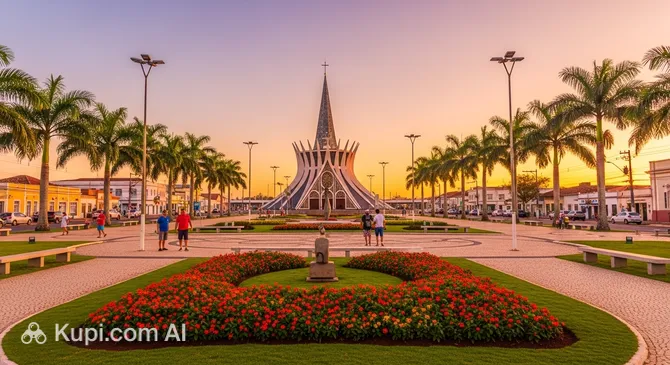
Aracatuba. Source: Kupi.Binoculars

The city's development was significantly influenced by the expansion of the Northwest Railway in the early 20th century, which connected the interior to the coast. Travelers interested in the history of Araçatuba will find that its roots are deeply intertwined with the coffee and livestock industries. For decades, the city held the title of "Capital of the Ox" (Capital do Boi Gordo) due to its prominence in cattle ranching, a legacy that is still celebrated in local culture and events.

Visitors to Araçatuba can explore several interesting attractions that highlight local heritage and nature. The Marechal Cândido Rondon Museum is a key cultural site, housing artifacts related to the indigenous peoples of the region and the history of the railway construction. For those seeking outdoor activities, the Dr. Flávio Leite Ribeiro Municipal Zoo offers a pleasant green space with a variety of animal species, making it a popular spot for families.

Whether you are interested in learning about the regional history of western São Paulo or simply looking for a sunny destination with a relaxed pace, Araçatuba is a delightful place to visit. Its unique mix of historical significance and modern vitality ensures a memorable experience for every traveler.

Weather Overview

Aracatuba typically experiences a warm climate year-round, characterized by distinct seasonal changes in rainfall rather than extreme temperature fluctuations. Travelers can generally expect warm, humid summers with frequent showers and mild, dry winters that are ideal for outdoor activities. For a more comprehensive breakdown of what to expect during your visit, you can check the detailed report on the weather in Aracatuba.

The summer season, particularly from December through March, brings the highest temperatures and the most rainfall. During these months, average temperatures stay around 27°C, with highs consistently reaching above 30°C. This period is quite wet, with January seeing up to 20 rainy days, so packing waterproof gear is highly recommended for travelers visiting at the start of the year.

In contrast, the winter months from June to August are significantly drier and cooler. July is typically the driest month, with almost no wet days recorded and average temperatures dipping to a comfortable 22°C. Nighttime lows during this season can fall to around 16°C, offering a refreshing break from the heat. However, temperatures begin to climb rapidly in September, which often sees the highest maximum temperatures of the year, peaking around 33.5°C.

Interesting Facts

Beyond its well-known reputation in the agricultural sector, Aracatuba holds a variety of cultural nuances and historical details that add depth to its character. Here are some intriguing aspects of the city that often surprise visitors:

  • Indigenous Etymology: The name "Araçatuba" is of Tupi origin, translating to "abundance of Araçá." This refers to a native wild fruit, similar to a small guava, that grew profusely in the region before the city was established.

  • A Unique Culinary Fusion: The city is home to a significant Japanese community, a result of immigration in the early 20th century. This influence has created a distinct local tradition where fresh sashimi is frequently served alongside heavy cuts of roasted meat at traditional barbecues, a pairing rarely seen elsewhere in Brazil.

  • Railway Roots: The city was effectively born from the tracks of the Northwest Railway of Brazil (Estrada de Ferro Noroeste do Brasil). The arrival of the train in 1908 was the primary catalyst that transformed the area from dense forest, originally inhabited by the Kaingang people, into a permanent settlement.

  • Changing Landscapes: While it famously holds the title "Capital of the Ox" due to its cattle ranching history, the local economy has undergone a dramatic shift. In recent decades, vast sugar cane plantations have replaced many pastures, turning the region into a modern powerhouse for ethanol and sugar production.

How to Get There

Reaching this destination in the northwest of São Paulo state is relatively straightforward, with air travel being the most convenient option for those coming from further afield. For a complete overview of routes and transport modes, you can read more about how to get to Aracatuba in our detailed guide. The region is well-connected by road, but flying directly saves significant time for travelers.

The most direct way to arrive is via Aracatuba Airport (IATA: ARU), which is conveniently located within the city limits, just 7.4 km from the center. Although it is a smaller regional hub with lighter passenger traffic, it offers the ultimate convenience for visitors. A taxi or car ride from the terminal to the downtown area typically takes approximately 30 minutes, making it a stress-free entry point.

Alternatively, travelers may choose to fly into Sao Jose do Rio Preto Airport (IATA: SJP), located in the city of Sao Jose do Rio Preto. This airport handles a higher volume of passengers and may offer more flight connections. However, it is situated about 115.7 km away from Aracatuba. The journey by road from Sao Jose do Rio Preto to Aracatuba takes roughly 1.5 to 2 hours by taxi or transfer service, so it is important to factor this additional travel time into your itinerary.

For clarity, here is a summary of the main airports in the vicinity:

Airport Name City Passenger Traffic Km from City
Sao Jose do Rio Preto Airport Sao Jose do Rio Preto Medium 115.7
A. De Barros Airport Presidente Prudente Medium 148.0
Bauru-Arealva Airport Bauru Small 176.9
Aracatuba Airport Aracatuba Small 7.4
Dr Gastao Vidigal Airport Marilia Small 121.8

Regarding rail travel, Aracatuba is not currently served by regular passenger train services suitable for tourists. While the city has a rich history connected to the expansion of the railways, modern access is primarily vehicular. Visitors who prefer ground transport usually arrive via the extensive network of highways connecting the interior of São Paulo, often utilizing comfortable long-distance buses from major hubs like the state capital.

Main Attractions

Araçatuba offers a delightful mix of historical heritage and modern leisure, making it an engaging destination for visitors. While the city is famous for its business tourism, it also boasts several attractions that cater to families, history buffs, and nature enthusiasts alike.

One of the most popular leisure spots in the region is Hot Planet Thermas Park. This water park is a major attraction for tourists seeking relaxation and fun. It features thermal water pools, exciting water slides, and various recreational areas suitable for all ages. It is an ideal place to spend a day enjoying the warm waters and the vibrant atmosphere, especially for families looking for entertainment.

For those interested in local culture and history, the Marechal Cândido Rondon Museum is an essential stop. The museum preserves the memory of the city's development, with a strong focus on the construction of the Northwest Railway of Brazil and the indigenous history of the region. Its collection includes historical artifacts, photographs, and documents that tell the story of how Araçatuba transformed from a pioneer settlement into a major agricultural hub.

Nature lovers will appreciate a visit to the Dr. Flávio Leite Ribeiro Municipal Zoo. Located centrally, this facility serves as a green sanctuary within the urban area. It houses a variety of animal species, focusing on Brazilian fauna, and provides a peaceful environment for walking. The zoo is also an educational center, offering insights into wildlife conservation and providing a refreshing escape from the city bustle.

In the heart of the city, the Catedral Nossa Senhora Aparecida stands as a key architectural landmark. Overlooking the main square, Praça Rui Barbosa, the cathedral is known for its serene interior and beautiful stained glass. It is not only a place of worship but also a central meeting point that reflects the community spirit of Araçatuba, making it a worthy stop while exploring the downtown area.

Local Cuisine

The culinary scene in Aracatuba is a direct reflection of its history as a major livestock hub, blended with significant cultural influences from immigration. Visitors will find a gastronomy that heavily favors high-quality meats, owing to the city's long-standing title as the "Capital of the Ox." However, the local diet is not just about barbecue; it offers a unique fusion where traditional Brazilian ranch food meets authentic Japanese cuisine, creating a dining experience found in few other places in Brazil.

The absolute must-try dish in the city is Cupim Casqueirado. This delicacy is so central to the local identity that it has been declared an intangible cultural heritage of Aracatuba. It consists of the hump of the ox (cupim) slow-roasted for hours until tender. The meat is then sliced thinly to remove the crispy, browned outer layer ("casquinha"), and the remaining meat is returned to the fire to brown again. This process is repeated, ensuring that every serving is hot, flavorful, and perfectly crunchy. It is typically served with rice, vinaigrette salsa, and manioc flour (farofa).

Another fascinating aspect of dining here is the strong Japanese influence, a legacy of the immigrants who settled in the region to work on the railway and coffee plantations. It is quite common to find sashimi served as an appetizer at traditional barbecue houses (churrascarias), a pairing that might seem unusual elsewhere but is a staple in Aracatuba. The city also hosts vibrant food festivals where yakisoba and tempura are prepared with the same passion as the local steaks.

To accompany these hearty meals, locals often turn to an ice-cold chopp (draft beer), which provides a refreshing counterpoint to the warm tropical climate. For a sweeter finish or a non-alcoholic treat, visitors should try desserts made from tropical fruits or the traditional doce de leite, often sourced from the surrounding dairy farms. Whether you are dining in a sophisticated steakhouse or a casual street-side eatery, the food in Aracatuba is served with generous hospitality.

Travel Tips

Visiting Aracatuba is a wonderful opportunity to experience the authentic hospitality of the interior of São Paulo, but like any destination, a little preparation goes a long way. To help you make the most of your trip and navigate the city with confidence, we have compiled a list of essential practical advice for travelers.

  1. Dress for the Weather: Since the climate is generally warm, pack lightweight, breathable clothing like cotton or linen to stay comfortable in the heat. If you are visiting during the summer months (December to March), bring a sturdy umbrella or a raincoat, as heavy showers are common. Don't forget comfortable walking shoes and high-SPF sunscreen, as the sun can be quite strong even on cloudy days.

  2. Getting Around: While there is a public bus system, it can be somewhat confusing for tourists who do not speak the language. The most convenient and safe way to explore the city is by using ride-hailing apps like Uber or 99, which are widely available and affordable. If you plan to visit neighboring farms or the river resorts, renting a car is highly recommended for flexibility.

  3. Currency and Payments: The official currency is the Brazilian Real (BRL). Credit and debit cards are widely accepted in hotels, restaurants, and shopping malls. However, it is wise to carry some cash for small purchases at street stalls, newsstands, or local fairs. ATMs are easily found at banks and supermarkets, but be sure to notify your bank of your travel plans beforehand.

  4. Health and Hydration: Tap water in Brazil is generally treated, but it is safer for tourists to drink bottled or filtered water to avoid any stomach issues. Pharmacies (farmácias) are abundant in Aracatuba, and major chains usually have branches open late or 24/7. Always carry mosquito repellent, especially if you plan to visit parks or areas near the river.

  5. Overcoming the Language Barrier: Portuguese is the primary language, and English is not widely spoken outside of high-end hotels or by younger people. It is very helpful to learn a few basic phrases like "Bom dia" (Good morning) and "Obrigado" (Thank you). Downloading a translation app and having an offline map on your phone will be incredibly useful for daily interactions.

  6. Social Etiquette: Brazilians are warm and informal. A common greeting is a handshake or, among women or close friends, a kiss on the cheek. When interacting with locals, the "thumbs up" gesture is universally positive and used to say "yes," "okay," or "thank you." Avoid using the "OK" hand sign (forming a circle with thumb and index finger), as it can be considered offensive in some contexts.

  7. What to Avoid: While Aracatuba is safer than large metropolitan capitals, avoid walking alone in poorly lit or deserted areas late at night. Also, try not to display expensive jewelry, cameras, or large amounts of cash in public places. Keep your belongings close to you in crowded areas like the city center or busy markets.

  8. Shopping Hours: Be aware that most shops in the city center operate from 9:00 AM to 6:00 PM on weekdays and close around 1:00 PM on Saturdays. Sunday is typically a quiet day with most street shops closed, although the shopping malls and supermarkets remain open until the evening.

By keeping these tips in mind, you will be well-prepared to enjoy everything Aracatuba has to offer, from its delicious cuisine to its vibrant local culture. The city's relaxed pace and friendly atmosphere make it a welcoming destination, ensuring a smooth and memorable journey for every visitor.

Entertainment & Nightlife

The nightlife in Araçatuba is a vibrant reflection of the city's warm climate and social culture, characterized by lively bars, open-air dining, and a relaxed atmosphere. Rather than large, thumping nightclubs, the evening entertainment here revolves around "botecos" (traditional bars), pubs with live music, and gastronomic hotspots where friends gather to talk and enjoy the night breeze. The action typically starts late, with locals heading out for dinner or drinks around 9:00 PM or later, especially on weekends.

The epicenter of the city's nightlife is undoubtedly Avenida Brasília. This bustling avenue serves as the main artery for entertainment, lined with a high concentration of bars, restaurants, and snack spots. It is the place to see and be seen, where tables often spill out onto the sidewalks. The crowd here is diverse, ranging from university students looking for affordable drinks to families and professionals enjoying a hearty meal. The musical backdrop usually varies from "sertanejo" (Brazilian country music) to pop and rock, often performed live in the larger venues.

For a truly authentic experience, visitors should check out Bola 7. Located on Avenida Brasília, this venue is an institution in the city, famous for its bustling environment and for serving the iconic "cupim casqueirado" mentioned in local culinary guides. It offers a classic Brazilian bar experience with cold beer and generous portions of food. Another popular spot is Quintal Cultural, which often attracts a more alternative crowd interested in artistic performances, good music, and a laid-back vibe. If you prefer a pub-style setting with a unique aesthetic, In Casa - Upcycling Bar is known for its creative decor and varied drink menu, making it a great place to start the night.

Practical advice for enjoying the night includes dressing casually; the style in Araçatuba is generally informal and comfortable, given the heat. Prices are reasonable compared to larger capitals like São Paulo, with beer and appetizers being quite affordable. For transportation, it is highly recommended to use ride-sharing apps like Uber or 99. They are reliable, safe, and eliminate the need to navigate or find parking on busy streets. While the main nightlife districts are generally safe, it is wise to avoid walking long distances alone late at night and to take a car directly from your accommodation to the venue.

Beyond the nocturnal scene, Araçatuba offers engaging daytime entertainment options. Shopping Praça Nova is a modern hub for shopping and leisure, featuring a cinema and a food court that provides a cool escape from the midday sun. For families or thrill-seekers, the region is home to water parks like Hot Planet Thermas Park, which offers pools and slides perfect for a full day of fun. Culture enthusiasts can also explore local theaters such as the Teatro Paulo Alcides Jorge, which occasionally hosts plays and musical events.

Parks & Museums

Aracatuba offers a compelling mix of cultural heritage and urban greenery, reflecting its history as a pivotal railway and agricultural hub in the state of São Paulo. Visitors can explore a variety of spaces that range from educational museums preserving the region's pioneer past to lush parks that provide a refreshing escape from the city's warm climate.

For those interested in the natural world, the Dr. Flávio Leite Ribeiro Municipal Zoo is the city's premier green space. Known locally as the "Bosque," this expansive area serves as an important sanctuary for Brazilian wildlife and exotic species. It features shaded walking paths surrounded by native trees, making it an ideal spot for a leisurely stroll or a family picnic. The zoo plays a vital role in environmental education and conservation, offering visitors a chance to see animals like macaws, monkeys, and big cats in a well-maintained setting.

Another significant outdoor area is Praça Rui Barbosa, the heart of Aracatuba's social life. This central square is more than just a meeting point; it is a beautifully landscaped garden that hosts the city's main architectural landmark, the Catedral Nossa Senhora Aparecida. The square is perfect for experiencing the local rhythm, featuring fountains, well-kept flowerbeds, and plenty of benches where locals gather in the evenings. It is a peaceful urban oasis that contrasts with the bustling commercial streets nearby.

Culturally, the city takes pride in its origins, which are best explored at the Museu Ferroviário Moisés Joaquim Rodrigues. Located in the historic railway station building, this museum pays homage to the Northwest Railway of Brazil, the driving force behind the city's founding. The collection includes photographs, tools, and machinery that narrate the challenges and triumphs of the railway expansion in the early 20th century. It is a must-visit for history enthusiasts wanting to understand the development of the Brazilian interior.

Complementing the historical narrative is the Museu Histórico e Pedagógico Marechal Cândido Rondon. This institution is dedicated to the legacy of Marechal Rondon, a famous explorer and protector of indigenous peoples. The museum houses a diverse collection of artifacts, including indigenous crafts and historical documents, providing deep insight into the cultural interactions that shaped the region before and during the arrival of the railway.

For a unique local experience, visitors should look out for the temporary art exhibitions often held at the Estação das Artes. Housed in a restored railway warehouse, this venue has been transformed into a cultural center that showcases works by local artists and hosts workshops. It is a hidden gem for those looking to connect with the contemporary creative scene of Aracatuba while enjoying a historic atmosphere.

Getting Around

The public transport system in Aracatuba is primarily based on a network of urban buses that connects the city center to the surrounding neighborhoods and industrial areas. As a medium-sized city, it does not have a metro, tram, or train service for intra-city commuting. The bus fleet is functional and serves the local population well, providing a cost-effective way to move around, although the frequency of service can vary significantly between peak hours and off-peak times, particularly on weekends.

For payment, the system is relatively traditional. While local residents often use rechargeable transport cards, visitors can typically pay the fare directly in cash upon boarding. It is essential to carry small bills and coins, as drivers or conductors may not have change for large banknotes. The fare is affordable, generally costing a few Reais per ride, making it a budget-friendly option for those wishing to explore the city like a local.

Tourists planning to use the bus should be aware that route information at stops is not always detailed. It is highly advisable to use navigation apps on your smartphone to check routes and estimated arrival times, as physical schedules can be scarce. The buses generally operate from early morning, around 5:00 AM, until shortly before midnight. However, on Sundays and holidays, the number of active vehicles decreases, and wait times can be longer, so planning your return trip in advance is recommended.

Given the layout of the city and the tropical heat, many visitors find that alternative transport methods offer more comfort and convenience. Ride-hailing apps like Uber and 99 are extremely popular, reliable, and widely available throughout Aracatuba. They are often the preferred choice for tourists because they eliminate language barriers regarding directions and payment is handled digitally. Additionally, traditional taxis are available at designated stands, usually found near the central squares and the bus station.

Another common sight in the city is the "mototaxi," a motorcycle taxi service that is popular for its speed and lower cost compared to cars. While this is a fast way to get across town, especially during rush hour, it may not be suitable for everyone or for those carrying luggage. For those who prefer to drive themselves, car rental agencies are available, and the city's grid-like street plan makes navigation relatively straightforward once you are familiar with the main avenues.

Accommodation

Accommodation in Aracatuba is primarily geared towards business travelers and event attendees, reflecting the city's status as a regional economic hub. Visitors will not find an abundance of luxury resorts or backpacker hostels; instead, the hospitality sector is dominated by functional, comfortable, and modern hotels. The options range from economical budget hotels offering basic amenities to mid-range establishments that provide swimming pools, gyms, and robust business centers. "Flat" style accommodations (apartment hotels) are also available, offering more space and convenience for longer stays.

When choosing where to stay, location plays a key role in the experience. The most popular area for tourists and business travelers alike is the vicinity of Avenida Brasília. This modern avenue is the heartbeat of the city's nightlife and dining scene. Staying here puts you within walking distance of the best restaurants, bars, and shopping areas, making it convenient and safe for evening strolls. Hotels in this area tend to be newer and offer higher standards of service.

Another strategic option is the City Center (Centro), particularly near Praça Rui Barbosa. This area is ideal for those who want to be close to historical landmarks like the cathedral and the commercial bustle of daytime shopping. It offers a more traditional atmosphere and easy access to banks and pharmacies. For travelers passing through or those with a car looking for quick access to the region, there are also reliable hotels located along the Rodovia Marechal Rondon highway, which skirts the city.

Booking Tip: While Aracatuba generally has good availability, the city hosts several major agricultural and livestock events throughout the year, most notably the Expô Araçatuba (usually held in July). During these periods, hotels can reach full capacity weeks in advance. It is highly recommended to check the local event calendar and book your accommodation well ahead of time if your trip coincides with these large fairs.

In terms of pricing, accommodation in Aracatuba is generally quite affordable compared to major state capitals like São Paulo. Travelers can expect excellent value for money, with mid-range hotels often including breakfast and parking in the daily rate. Booking is straightforward, with most establishments listed on major international online booking platforms, although contacting hotels directly can sometimes yield better rates for corporate or extended stays.

Nearby Cities

For those looking to explore the surroundings, Aracatuba serves as an excellent base for day trips to several interesting nearby locations:

Just a short drive away lies Birigui, widely known as the "Capital of Children's Footwear." This neighboring city is a shopping haven for families and visitors, boasting numerous factory outlets that sell high-quality shoes at attractive prices. Beyond its industrial fame, Birigui offers a welcoming atmosphere with pleasant squares and local eateries, making it an easy and rewarding quick excursion.

Another culturally rich destination is Penápolis, located approximately 45 km from Aracatuba. It is celebrated for its dedication to the arts and history, housing the unique Museu do Sol, which was the first museum in Latin America dedicated entirely to Naïve Art. The city is also home to the Sanctuary of Saint Francis of Assisi, a beautiful religious landmark that draws visitors for its architectural and spiritual significance.

For those interested in indigenous history, a trip to Tupã is highly recommended. Although it is a bit further afield, the city hosts the India Vanuire Historical and Pedagogical Museum, which preserves an extensive collection related to the Kaingang and Krenak indigenous peoples. It provides a profound insight into the region's anthropological roots and is considered one of the most important cultural institutions in the interior of São Paulo.

City Population Distance (km)
Birigui 118352 14
Tupa 65651 81
Penapolis 62071 45
Promissao 40828 70
Jose Bonifacio 35538 81

These nearby destinations offer a glimpse into the diverse culture and landscapes of the region, providing travelers with enriching experiences just a short distance from the city center.

Shopping & Souvenirs

Shopping in Aracatuba offers a pleasant mix of modern convenience and traditional street commerce, reflecting the city's role as a regional hub in western São Paulo. While it may not be a massive metropolis, the city provides a comprehensive retail experience where visitors can find everything from major national brands to unique local goods. The shopping scene is heavily influenced by the region's strong agribusiness roots, meaning you can often find high-quality country-style apparel and leather products alongside contemporary fashion.

For a classic Brazilian shopping experience, head to the city center, specifically the Calçadão (Pedestrian Mall) located around Rua Marechal Deodoro and Rua Princesa Isabel. This bustling downtown district is the heart of local commerce, lined with a variety of independent shops, shoe stores, and clothing boutiques. It is a lively area where locals go for their daily needs, offering a vibrant atmosphere and the chance to find bargains on clothes and accessories while soaking in the urban energy.

Travelers looking for a more climate-controlled environment will find excellent options in the city's shopping malls. Shopping Praça Nova Araçatuba is the largest and most modern complex in the region. It features a wide array of department stores, fashion retailers, and a comfortable food court, making it a popular destination for a full afternoon of browsing. Another key spot is Araçatuba Shopping, a more traditional venue that has served the community for decades, offering a convenient selection of shops and services closer to the older residential neighborhoods.

While Aracatuba does not have a famous central tourist market like some state capitals, the tradition of Feiras Livres (open-air street markets) is strong. These markets rotate through different neighborhoods on specific days of the week, selling fresh tropical fruits, artisanal cheeses, and local snacks. They are the best places to try a freshly fried pastel (a crispy savory pastry) and observe the daily life of the residents away from the commercial centers.

When it comes to souvenirs, the city's heritage as the "Capital of the Ox" makes leather goods a top choice. Visitors can find excellent quality boots, belts, and wallets, as well as "sertanejo" (Brazilian country) style clothing, including hats and checkered shirts. Additionally, the region is known for its sweets, so bringing home a jar of artisanal doce de leite or fruit preserves from the local farms is a delicious way to remember your trip.

Standard store opening hours in the downtown area are typically from 9:00 AM to 6:00 PM on weekdays and from 9:00 AM to 1:00 PM on Saturdays. The shopping malls operate on a different schedule, usually remaining open from 10:00 AM to 10:00 PM from Monday to Saturday, with reduced hours on Sundays (often opening in the afternoon). Credit and debit cards are widely accepted almost everywhere, but it is advisable to carry some cash (Brazilian Reais) if you plan to visit the open-air markets or smaller street stalls.

Regarding tax refunds, Brazil does not have a widely accessible tax-free shopping system for international tourists in standard city stores. The "Tax-Free" refund concept common in Europe is not applicable here for general retail purchases. Visitors should simply look out for sales and seasonal discounts, which are common and clearly marked in store windows.
Reached the end of the page?

That means the route is fully explored