Support

Botucatu

About

Botucatu, widely known as the "Land of Adventure" and the "City of Good Airs," is a captivating destination that offers a perfect blend of natural beauty and urban comfort. Famous for its dramatic landscapes and fresh mountain breezes, the city sits atop a high plateau, providing visitors with stunning panoramic views and a refreshing escape from the heat of the lowlands. Its unique atmosphere is shaped by the Cuesta, a magnificent geological formation that defines the region's horizon and spirit.

Located in the heart of the state of São Paulo, Brazil, Botucatu is home to approximately 139,483 residents. The city enjoys a mild, high-altitude climate which contributes to its reputation for having some of the purest air in the state. This pleasant weather makes it an ideal spot for outdoor activities year-round, from hiking in the lush greenery to exploring the city's charming streets.

The history of Botucatu is deeply intertwined with local folklore and the natural environment. The city is often jokingly referred to as the national capital of the Saci, a famous trickster character from Brazilian folklore, adding a touch of magic and mystery to its cultural heritage. Beyond the legends, the region has served as an important crossroads for travelers and settlers for centuries, evolving into a vibrant hub for education and ecotourism.
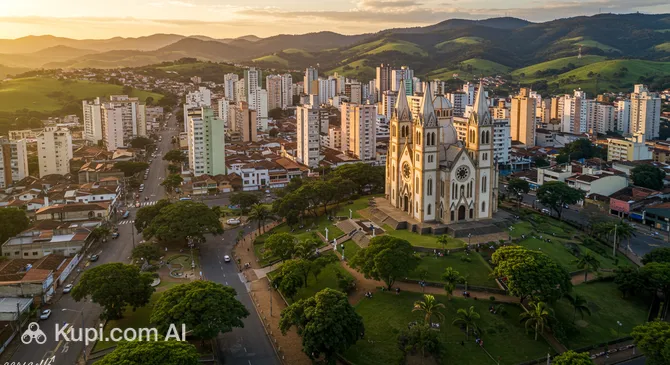
Botucatu. Source: Kupi.Binoculars

For nature lovers and thrill-seekers, the Cuesta de Botucatu is the main attraction. This escarpment offers breathtaking lookouts, such as the famous "Sleeping Giant" (Gigante Adormecido) rock formation, which resembles a person lying down on the horizon. The region is also a paradise for waterfall enthusiasts, boasting over 70 cascades, including the majestic Pavuna Waterfalls, where visitors can swim and relax in nature.

Whether you are looking to paraglide off the cliffs of the Base da Nuvem, hike through preserved Atlantic Forest trails, or simply enjoy the peaceful ambiance of a mountain town, Botucatu has something special to offer. It is a welcoming destination that invites you to breathe in its good air and embark on an unforgettable adventure.

Weather Overview

Botucatu enjoys a pleasant tropical altitude climate, making it a comfortable destination to visit throughout the year. Due to its location on the Cuesta, the city generally experiences warm summers with frequent rainfall and mild, drier winters. To help you plan your outdoor adventures and pack accordingly, it is helpful to check the current weather in Botucatu before your trip.

The summer months, particularly from December to February, are the warmest, with average temperatures around 24°C and daytime highs often reaching nearly 29°C. This is also the wettest time of the year; January, for instance, typically sees precipitation on about 22 days. Conversely, the winter season from June to August brings cooler air and clearer skies. July is generally the chilliest month, with average lows dipping to 12.7°C and only about 2 wet days, offering excellent conditions for exploring the region's trails and viewpoints.

Interesting Facts

Beyond the main attractions, Botucatu holds fascinating secrets that weave together ancient history, geology, and whimsical folklore.
  • The city sits atop a crucial recharge zone for the Guarani Aquifer, one of the world's largest underground freshwater reservoirs. This unique geological position explains the region's extraordinary abundance of crystal-clear springs and helps sustain its lush vegetation.

  • Botucatu takes its folklore seriously, having been home to the playful "National Association of Saci Breeders." This cultural organization was established to preserve the legends of the Saci-Pererê, a famous one-legged trickster from Brazilian mythology, solidifying the city's reputation as the character's unofficial capital.

  • Historical theories suggest that the ancient Peabiru Path, a pre-Columbian transcontinental trail, crossed through this territory. Indigenous travelers likely used the prominent Cuesta formation as a navigational landmark on their long journey connecting the Atlantic Ocean to the Andes Mountains.

  • The name "Botucatu" is derived from the Tupi words "ybytu" (wind) and "katu" (good). This indigenous designation, meaning "good winds" or "good air," was given centuries ago, long before modern science confirmed the exceptional purity of the mountain air in the region.

How to Get There

Planning a trip to the "Land of Adventure"? While the journey involves a bit of travel across the beautiful landscapes of São Paulo state, the destination is well worth the effort. You can find more about how to get to Botucatu in our detailed guide, but generally, most visitors arrive by combining a flight to a nearby hub with a scenic drive or bus ride.

The city of Botucatu does not have its own major commercial airport, but you can fly into Viracopos Airport (VCP), which serves the region and is located about 135 km away. This is a large international airport offering numerous connections. From there, the travel time by car is approximately 2 hours. Another option for regional travelers is the Bauru-Arealva Airport (JTC) in Bauru, located roughly 103 km away. The ground transfer from this smaller airport generally takes around 1.5 hours. For those arriving via major domestic routes, Sao Paulo/Congonhas Airport (CGH) is another possibility, situated about 200 km from the city.

For clarity, here is a summary of the main airports:

Airport Name City Annual Passengers Km from City
Sao Paulo/Congonhas Airport Sao Paulo 22,000,000 200.5
Viracopos Airport Sao Paulo 12,500,000 135.0
Bauru-Arealva Airport Bauru 137,000 102.7
Dr Gastao Vidigal Airport Marilia 38,026 170.5
Sao Paulo Catarina Airport Aracariguama - 143.1

Main Attractions

Botucatu offers a diverse range of attractions that cater to history buffs, nature lovers, and adventure seekers alike. From the remnants of Brazil's golden coffee era to breathtaking natural lookouts, the city provides unique experiences that highlight the rich cultural and geological heritage of the region.

Fazenda Lageado is one of the city's most iconic landmarks, serving as a living museum of Brazil's coffee history. Once a major coffee production center, this historical farm is now part of the UNESP university campus and houses the Coffee Museum. Visitors can explore the well-preserved colonial architecture, stroll through the vast, tree-lined grounds, and learn about the agricultural past that shaped the region. It is a perfect spot for a peaceful afternoon walk or a family picnic.

For those seeking spectacular views, Pedra do Índio is a must-visit destination. This eco-park features a famous observation deck that offers a stunning panoramic view of the Cuesta and the "Three Stones" (Três Pedras) formation. The site is well-structured for tourists, offering hiking trails, a charming café, and adventure activities like rappelling. It is widely considered one of the best places in the region to watch the sunrise or sunset.

The Catedral Metropolitana Basílica de Sant'Ana stands as a majestic symbol of faith and architecture in the heart of the city. With its imposing Gothic-inspired design, this cathedral is not only the main religious center of Botucatu but also a beautiful postcard-worthy structure. Its intricate details and grandeur make it a fascinating stop for anyone interested in religious art and history.

Nature enthusiasts should not miss Cachoeira da Marta, one of the most popular waterfalls in the area. Located within a municipal natural park, this waterfall features a drop of approximately 34 meters and is surrounded by lush vegetation. The park offers a trail that allows visitors to get close to the falls and enjoy the refreshing mist and the sound of crashing water, providing a revitalizing escape into nature.

Local Cuisine

The culinary scene in Botucatu is a heartwarming reflection of its interior São Paulo roots, offering visitors a genuine taste of traditional Caipira cuisine. The food culture here is defined by rustic simplicity, abundant flavors, and recipes passed down through generations. Dining in the city often feels like visiting a family home, where dishes are prepared with care and ingredients are frequently sourced from local farms.

The undisputed star of the local gastronomy is the famous Fried Pizza (Pizza Frita). Unlike the traditional oven-baked version or a calzone, this local specialty consists of two thin layers of dough sealed around a generous filling and deep-fried to golden perfection. It is so culturally significant that it has been declared an Intangible Cultural Heritage of Botucatu. You can find it with various fillings, from classic cheese and ham to more adventurous combinations, at local snack bars and during traditional festivals.

For a hearty lunch, look for restaurants serving food cooked on a wood-burning stove (fogão a lenha). These establishments typically offer a buffet of comfort foods such as Feijão Tropeiro (beans mixed with manioc flour, bacon, and eggs), slow-cooked pork ribs, and polenta. This style of dining is perfect for those who want to experience the savory, smoky flavors that define the Brazilian countryside diet.

Given the region's historical ties to coffee production, it is no surprise that coffee plays a central role in the local diet. After a meal, enjoying a fresh cup of locally roasted coffee is a must. To accompany the coffee, try traditional sweets like Doce de Leite or pumpkin preserve (Doce de Abóbora), which are staples in the region's dessert repertoire.

Locals and tourists alike tend to gather in casual eateries and family-run restaurants that prioritize flavor over formality. While there are modern dining options, the true spirit of Botucatu's food scene is found in its bustling lanchonetes (snack bars) and traditional steakhouses, where the atmosphere is as inviting as the food.

Travel Tips

Welcome to Botucatu, where preparing for your journey is just as important as the adventure itself. To help you navigate the "City of Good Airs" with ease and make the most of its natural wonders, we have compiled a set of essential practical tips for your stay.

  1. Clothing and Gear: Since Botucatu is located at a higher altitude, the weather can be changeable. Pack light, breathable clothing for the warm days, but always bring a sweater or light jacket for the evenings when temperatures drop. If you plan to explore the Cuesta or the waterfalls, sturdy hiking boots or comfortable sneakers with good grip are a must. For visiting religious sites like the Metropolitan Cathedral, dress modestly and avoid beachwear.

  2. Transportation: While the city center has public buses and ride-hailing apps like Uber and 99 are available, renting a car is highly recommended for tourists. Most of the major natural attractions, such as the waterfalls and the Pedra do Índio, are located in rural areas far from the city center where public transport is scarce or non-existent.

  3. Finances: The local currency is the Brazilian Real (BRL). Credit and debit cards (Visa and Mastercard) are widely accepted in hotels, restaurants, and shops. However, it is crucial to carry some cash, as small vendors near hiking trails or entrance fees for certain waterfalls may not accept cards. ATMs are easily found in the city center and at bank branches.

  4. Health and Safety: Botucatu is generally safe, but standard travel precautions apply; keep an eye on your belongings in crowded areas. Pharmacies are abundant in the city center, with some chains operating late hours. For medical emergencies, the city is a regional health hub, home to the large Hospital das Clínicas (UNESP). When visiting nature spots, use insect repellent and sunscreen.

  5. Communication: The official language is Portuguese. English is not widely spoken outside of high-end hotels or the university environment, so having a translation app or learning a few basic phrases like "Bom dia" (Good morning) and "Obrigado" (Thank you) is very helpful. You can purchase a local SIM card from major carriers like Vivo, TIM, or Claro at newsstands or pharmacies with your passport.

  6. Local Etiquette: Locals are known for being warm and hospitable. It is common to greet people with a handshake or a friendly nod; in informal settings, a kiss on the cheek is customary between women or opposite sexes. The "thumbs up" gesture is universally used to say yes, thank you, or that everything is okay.

  7. What to Avoid: Never ignore weather warnings when visiting waterfalls. In this region, heavy rains can lead to a dangerous phenomenon known as cabeça d'água (flash floods), where water levels rise instantly. If it starts raining or the water turns muddy, leave the water immediately.

  8. Additional Tip: Keep in mind that many shops in the city center close on Saturday afternoons and remain closed on Sundays. If you need to buy supplies for a Sunday hike, do your shopping on Saturday morning. Also, do not leave town without trying the famous Pizza Frita at a local lanchonete—it is a true cultural experience.

With these practical tips in hand, you are fully equipped to enjoy everything Botucatu has to offer, from its charming urban streets to its breathtaking natural landscapes. Have a safe trip and enjoy the fresh breeze of the Cuesta!

Entertainment & Nightlife

Botucatu offers a surprisingly vibrant nightlife scene, largely fueled by its status as a university hub. The presence of UNESP students infuses the city with a youthful energy, ensuring that evenings here are lively, casual, and welcoming. While it may not have the frenetic pace of a metropolis like São Paulo, the "City of Good Airs" provides a variety of entertaining options ranging from relaxed pubs and gastropubs to energetic venues featuring live music.

The heart of the city's nightlife is concentrated around the central district and the bustling Avenida Dom Lúcio. This main avenue and its intersecting streets are lined with snack bars, restaurants, and taprooms where locals gather to socialize. The atmosphere is generally laid-back and unpretentious; there is rarely a strict dress code, so jeans and a comfortable shirt are perfectly acceptable for almost any venue. The crowd is a mix of university students, young professionals, and families enjoying the cool evening breeze.

For those seeking live music and a unique ambiance, Villa Blues Jukejoint is a standout destination. Modeled after traditional American blues bars, this venue is famous for its rustic wooden architecture and intimate lighting, hosting high-quality blues, jazz, and rock performances. Another popular spot is Celeiro Restaurante & Chopperia, which captures the region's love for country culture. It is a go-to place for enjoying cold draft beer, hearty portions of Brazilian appetizers, and often features live sertanejo music, getting the crowd singing along.

If you prefer a more quiet evening focused on conversation and craft drinks, the city has seen a rise in specialty burger joints and small breweries. Prices in Botucatu are generally quite reasonable compared to the state capital. The best nights to go out are Thursday through Saturday. Most bars start filling up around 9:00 PM and stay open until roughly 2:00 AM, though some clubs may go later on weekends.

Getting around at night is straightforward. While the city is walkable in the central zones, the terrain is hilly. It is highly recommended to use ride-hailing apps like Uber or 99, which are reliable and affordable here. In terms of safety, Botucatu is considered safe for a city of its size. However, standard precautions apply: stick to well-lit, populated areas like Avenida Dom Lúcio and avoid walking alone in quiet residential neighborhoods late at night. Calling a car is the safest way to return to your accommodation.

Before the sun goes down, Botucatu offers enriching cultural entertainment. The Teatro Municipal Camillo Fernandez Dinucci is an architectural gem that hosts plays, dance performances, and concerts. For art lovers, the Pinacoteca de Botucatu (Fórum das Artes) provides excellent exhibitions of contemporary and modern art in a beautifully restored historical building. Whether day or night, the city ensures visitors have plenty of ways to enjoy their stay.

Parks & Museums

Botucatu offers a refreshing balance of outdoor leisure and cultural enrichment, creating a delightful destination for those who appreciate both nature and knowledge. Beyond its famous dramatic landscapes, the city maintains welcoming green spaces and unique educational institutions, many of which are linked to the prestigious local university, UNESP. Whether you are strolling through a peaceful park or exploring the wonders of science, the city provides ample opportunities to relax and learn.

For a perfect family day out, the Parque Municipal Joaquim Amaral Amando de Barros is the city's most beloved urban oasis. Known locally for its serene atmosphere, this park features a picturesque lake, "Lago do Barrinho," surrounded by walking trails that weave through a transition zone of Cerrado and Atlantic Forest vegetation. It is an ideal spot for a morning jog or a leisurely afternoon picnic, offering a playground for children and plenty of shaded areas to escape the sun. The park serves as a green heart for the community, providing a safe and well-maintained environment for contact with nature right within the city limits.

Another gem for nature enthusiasts is the Jardim Botânico do IB (UNESP). Situated within the Biosciences Institute of the university, this botanical garden is a true sanctuary of biodiversity. It showcases a vast collection of plant species, including native flora that highlights the environmental richness of the São Paulo interior. Visitors can walk along peaceful trails, observe diverse plant life, and enjoy a quiet escape from the urban bustle. It is an excellent location for photography and for learning about the region's ecological heritage.

Science lovers will find a fascinating stop at the Museu de Anatomia (Anatomy Museum), also located at the UNESP campus. This unique institution offers a deep dive into the biological structures of life, featuring a comprehensive collection of human and animal specimens. The exhibits include preserved organs, skeletons, and educational models that illustrate the complexity of living organisms. The museum is known for its inclusive approach, often featuring tactile models and activities designed to make science accessible to everyone, including the visually impaired.

Continuing the educational journey, the Museu do Ensino (Teaching Museum), often referred to as the Museu Escola, is another highlight of the university's cultural landscape. Focused on the popularization of science, this space is dedicated to interactive learning and the history of educational practices in the region. It serves as a bridge between the academic world and the general public, offering exhibits that explore themes of biology, evolution, and the natural world in an engaging way that appeals to both students and curious travelers.

For a glimpse into the city's development, the Estação Ferroviária (Railway Station) stands as a proud symbol of progress. The arrival of the railroad was pivotal for Botucatu's growth, connecting it to the rest of the state and facilitating trade. The station's classic architecture evokes the nostalgia of the early 20th century and serves as a reminder of the strategic importance the city held as a transport hub, rounding off a tour of Botucatu's rich cultural tapestry.

Getting Around

The public transport system in Botucatu relies almost exclusively on a network of urban buses. There is no metro, tram, or train service available for daily commuting within the city. The bus fleet covers the main residential neighborhoods, the university campuses (UNESP), and the commercial center effectively. However, for a tourist, it is important to note that the public bus lines generally do not extend to the rural tourist attractions, such as the waterfalls or the main viewpoints of the Cuesta, which are located on the outskirts of the municipality.

For fare payment, the system primarily uses an electronic ticketing card, which is used by locals for daily travel. Visitors can usually pay with cash directly to the driver or conductor upon boarding, but it is advisable to carry small change as high-value bills may not be accepted. A significant benefit for visitors is the "Tarifa Zero" (Zero Fare) program, which has been implemented in the city. Under this policy, public transport is free of charge for everyone on weekends (Saturdays and Sundays) and national holidays, allowing for economical exploration of the urban area during these times.

To navigate the bus network, travelers are encouraged to use mobile applications such as Cittamobi, which is active in the region. These apps provide real-time information on bus arrivals, route maps, and estimated travel times, which is much more reliable than relying on printed schedules at bus stops. The buses typically operate from the early hours of the morning, around 5:00 AM, until shortly after midnight, with reduced frequency on weekends and late at night.

Given the city's hilly geography and the remote location of its primary natural attractions, ride-hailing apps like Uber and 99 are extremely popular and often the most convenient choice for tourists without a car. These services are generally reliable and affordable within the city limits. Traditional taxis are also available, mostly found at designated stands near the bus terminal, the main squares, and the hospital, though they may be slightly more expensive than app-based rides.

For those planning to visit the famous waterfalls, the "Sleeping Giant" formation, or the distant eco-parks, renting a car is the most practical advice. The distances between these sites can be significant, and public transport does not serve these specific unpaved routes. While cycling is a popular sport in Botucatu due to the challenging terrain, using a bicycle for general transport is demanding because of the steep inclines found throughout the city.

It is also worth noting that while the city has a historic Railway Station, it currently serves as a cultural landmark rather than a passenger transport hub. There are no passenger trains connecting Botucatu to other cities or operating within the town. Therefore, all ground travel planning should focus on road-based options, prioritizing a rental car for nature trips and ride-sharing or buses for urban dining and sightseeing.

Accommodation

Accommodation in Botucatu caters to a diverse mix of visitors, ranging from business travelers and university students to eco-tourists seeking adventure in the Cuesta. The city offers a solid selection of lodging options, primarily consisting of mid-range urban hotels, budget-friendly hostels, and charming rural inns known as pousadas. While you won't find ultra-luxury five-star resorts, the hospitality standards are generally high, with a focus on comfort, cleanliness, and the welcoming nature typical of the interior of São Paulo.

When choosing where to stay, location is key depending on the purpose of your trip. The City Center is the most convenient area for those without a car, offering easy access to shops, restaurants, and the main cathedral. Staying here puts you within walking distance of the evening buzz on Avenida Dom Lúcio. Alternatively, the Rubião Júnior district, located near the UNESP campus and the university hospital, is ideal for those visiting for academic or medical reasons, though it is further from the main commercial hub.

For tourists focused on nature and relaxation, the rural outskirts and the Cuesta region offer a completely different experience. Here, you can find rustic chalets, farm stays, and eco-lodges nestled in the mountains. These accommodations often provide stunning views of the valley and easy access to waterfalls and hiking trails, making them perfect for a peaceful weekend getaway surrounded by greenery.

Prices in Botucatu are generally reasonable and offer good value for money compared to the state capital. Budget travelers can find affordable guesthouses and hostels, while mid-range hotels typically offer amenities like breakfast, Wi-Fi, and parking. Booking is straightforward, with most established hotels listed on major online platforms. However, for smaller rural pousadas, it is often effective to book directly via their websites or messaging apps to secure the best rates or clarify specific needs.

Booking Tip: Since Botucatu is a major university hub, accommodation can fill up quickly during specific academic events, such as entrance exams (vestibular), graduation weeks, or large medical conferences. If your trip coincides with these dates or a long holiday weekend, it is highly recommended to book your room well in advance to avoid limited availability.

Nearby Cities

For those looking to explore the surroundings, Botucatu serves as an excellent base for day trips to several interesting nearby locations. The region is dotted with charming towns that offer a mix of historical heritage, river tourism, and outdoor leisure.

Just a short drive away lies São Manuel, a city deeply connected to Botucatu by history and geography. It is renowned for its religious tourism, particularly the majestic Sanctuary of Saint Thérèse of Lisieux and the colorful Corpus Christi festivals where streets are adorned with intricate sawdust rugs. Further afield, Barra Bonita is a favorite destination for river lovers. Located on the banks of the Tietê River, it is famous for its boat tours that take visitors through a massive navigation lock, offering a unique perspective on the region's waterways. For those seeking relaxation by the water, Avaré is a popular resort town situated on the Jurumirim Reservoir, known as an excellent spot for water sports, fishing, and sunbathing on freshwater beaches.

City Population Distance (km)
Jau 143,283 66
Avare 91,232 54
Lencois Paulista 66,131 62
Sao Manuel 41,123 22
Barra Bonita 36,321 46

These nearby destinations offer a glimpse into the diverse culture and landscapes of the region.

Shopping & Souvenirs

Shopping in Botucatu offers a delightful mix of traditional street commerce and modern retail experiences, reflecting the city's role as a regional hub. While it may not be a massive fashion capital, visitors can find everything from high-street brands to unique local crafts. The city is particularly known for its friendly, small-town atmosphere where shop owners often know their customers by name, creating a welcoming environment for tourists looking to browse and buy.

The heart of the city's commercial life beats strongest on Rua Amando de Barros. This bustling thoroughfare functions as an open-air mall, lined with a wide variety of stores ranging from major Brazilian department chains and electronics shops to small, family-run boutiques. Walking down this street offers a glimpse into the daily life of the locals and is the best place to find clothing, shoes, and general variety items at affordable prices. For a slightly more upscale experience, Avenida Dom Lúcio features elegant boutiques, specialized service shops, and pleasant cafes, making it perfect for a leisurely afternoon stroll.

For a complete shopping, dining, and entertainment experience under one roof, Shopping Park Botucatu is the go-to destination. Located on the city's outskirts, this modern mall hosts a selection of well-known national brands, a cinema complex, and a large food court. It provides a comfortable, climate-controlled environment that is popular with families and young people, especially on weekends or rainy days.

To truly taste the local culture, a visit to the Mercado Municipal is essential. This historic market is a treasure trove of regional flavors, offering fresh produce, artisanal cheeses, and cured meats that define the interior of São Paulo's gastronomy. Additionally, the Feira da Lua (Moon Market) is a beloved local tradition held on Tuesday evenings at Praça do Bosque. It is a vibrant gathering spot featuring stalls selling fresh food, handmade crafts, and street snacks, providing a lively atmosphere that captures the community spirit.

When looking for souvenirs, Botucatu offers unique items that tell the story of its heritage. As the self-proclaimed "National Capital of the Saci," you can often find dolls and handicrafts depicting this famous one-legged folklore character. The region's strong agricultural roots also mean that edible souvenirs are a great choice; look for jars of Doce de Leite, pumpkin preserves, or bags of locally roasted coffee, which pay homage to the area's historical coffee farms.

Store hours in Botucatu generally follow standard Brazilian commercial schedules. Street shops typically open from 9:00 AM to 6:00 PM on weekdays and from 9:00 AM to 1:00 PM on Saturdays, with most closing on Sundays. The shopping mall operates longer hours, usually from 10:00 AM to 10:00 PM daily, although Sunday hours for stores may be reduced. Credit and debit cards are widely accepted throughout the city, but it is advisable to carry some cash (Brazilian Reals) when visiting smaller market stalls or buying small items from street vendors.

Tourists should note that tax-free shopping or VAT refunds are not typically available in Botucatu. The tax refund system in Brazil is generally limited to specific authorized stores in major international travel hubs, so visitors should plan their budget assuming the listed price is the final price.

Reached the end of the page?

That means the route is fully explored